Photo credit: kudla/ShutterStock.com
You want a round that earns its keep beyond the cabin gate, not one that dies on the drop. Some rifle cartridges look fine on the box or in a nostalgia thread, but once you stretch them beyond a short walk they shed velocity and penetration so quickly they stop being useful for anything larger than tiny varmints. That doesn’t always mean the cartridge is useless — plenty of these work perfectly for pest control, short-range woods work, or certain legacy rifles — but if your hunt calls for a reliable, ethical down-and-out result past the 100–150 yard window, these are the ones you should second-guess. Below are 16 rifle calibers that, in practical field terms, fade fast once the distance grows. I’ll explain why each one runs out of steam and what that actually means for real hunting situations.
.22 Long Rifle (high-velocity and subsonic variations)
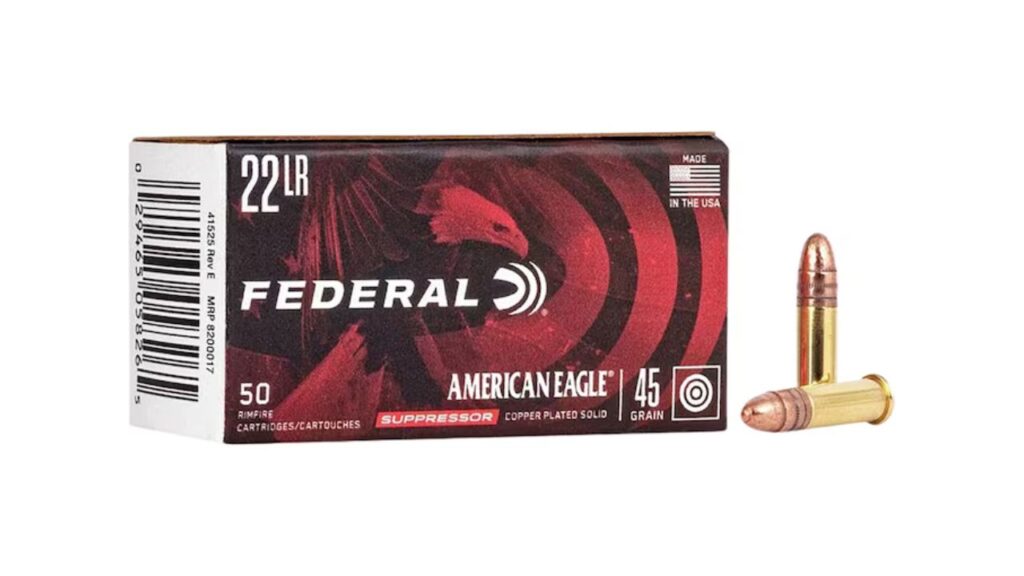
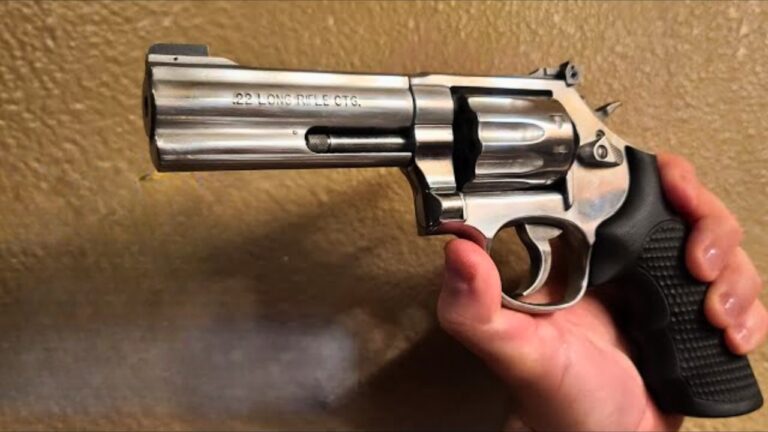
The .22 LR is the poster child of small-rifle cartridges: cheap, quiet, and handy for close-range small game and pest control. But it’s also the first one you should write off for anything beyond short shots. Even high-velocity .22 LR loads lose velocity fast and shed energy dramatically the farther they travel. By the time you’re approaching 150 yards, most .22 LR loads are down in velocity and energy to the point where penetration on anything bigger than pocket critters is minimal. For rabbits, ground squirrels, and target work inside a hundred yards, it’s great. For anything that requires reliable penetration or quick, humane terminal performance at longer ranges, it’s not the tool for the job. Use it where it shines and don’t expect miracles when you stretch the distance.
The cartridge’s rimfire case and light bullets are simply limited by physics: light projectile, limited powder capacity, and a high drag profile equals fast loss of kinetic energy. Subsonic .22 LR loads make this worse; they’re intentionally slow and quiet, meaning even less energy at distance. If you’re serious about ethical shots on actual game beyond close range, step up to a centerfire option. The .22 LR’s strengths are convenience and economy — not long-range performance.
.17 Hornady Magnum Rimfire (.17 HMR)
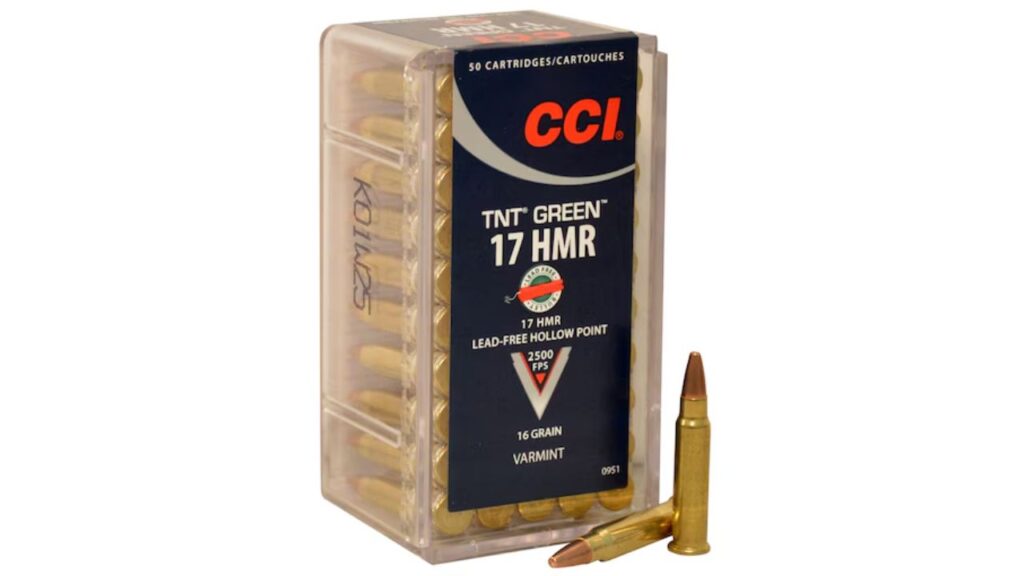
The .17 HMR brought flatter trajectories and higher velocities to rimfire shooters, and for close-range varmint work it’s excellent. But that impressive muzzle speed doesn’t translate into lasting power out at distance. The light .17-caliber projectiles are aerodynamically efficient compared to a .22 LR, sure, but they’re still very light. Drag and wind quickly rob the bullet of velocity and energy. Past 100–125 yards you can see drift and energy loss enough that humane terminal performance on anything bigger than small ground pests becomes dicey. At 150 yards, you’re pushing the cartridge beyond the comfortable envelope for hunting beyond tiny varmints.
In short: the .17 HMR is a high-performance rimfire for its class, but it’s still rimfire — and rimfire limits matter. If you hunt small varmints at moderate ranges, it’s a precision option. If you need a cartridge that keeps meaningful energy on target at longer ranges or on larger animals, you should be looking at light centerfire varmint cartridges instead. Treat the HMR like a sharper .22 LR, not a substitute for true long-range centerfire performance.
.22 WMR (light / subsonic loads)
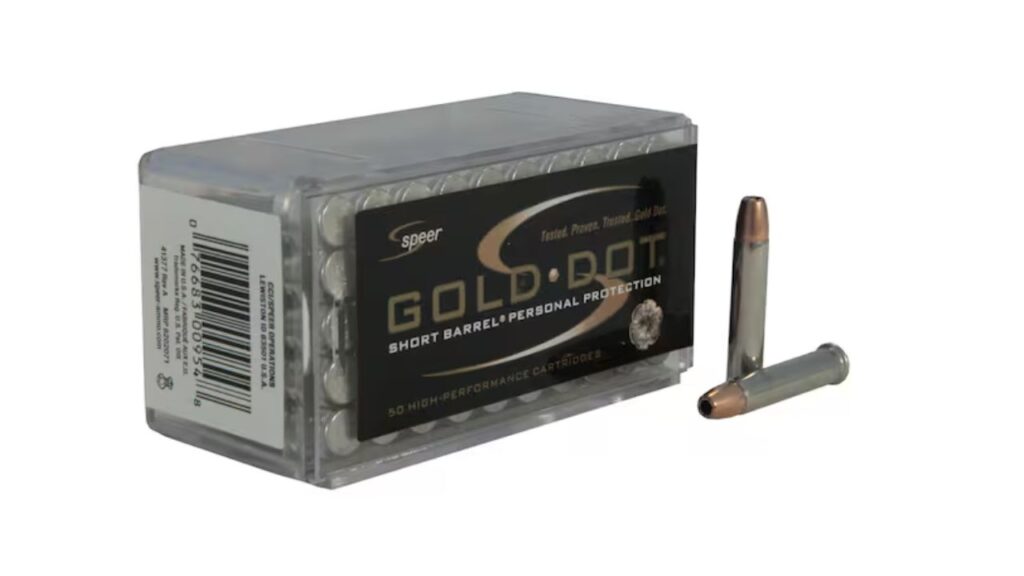
The .22 Winchester Magnum Rimfire can reach out a bit farther than .22 LR with standard supersonic loads, and many shooters swear by it for small predators and varmints. But not all .22 WMR loads are created equal: lightweight, low-velocity, or subsonic options will bleed speed and energy quickly. Even conventional .22 WMR has a limited retained-energy profile compared to centerfire rounds of similar size. When you start stretching to 150 yards and beyond, bullets that were designed for close varmint work stop delivering the penetration or terminal reliability you might expect on anything larger than a gopher or squirrel. For humane field shots at distance, the standard .22 WMR helps but doesn’t give you a big safety margin.
If you rely on a .22 WMR for predator control, keep your engagement distances conservative and match ammunition to purpose. Supersonic WMR loads will hold velocity better than subsonic, but if you’re planning ethical shots on larger game or at uncertain ranges, move up to a small centerfire cartridge. The .22 WMR is handy and portable — just don’t confuse that with long-range authority.
.22 Hornet
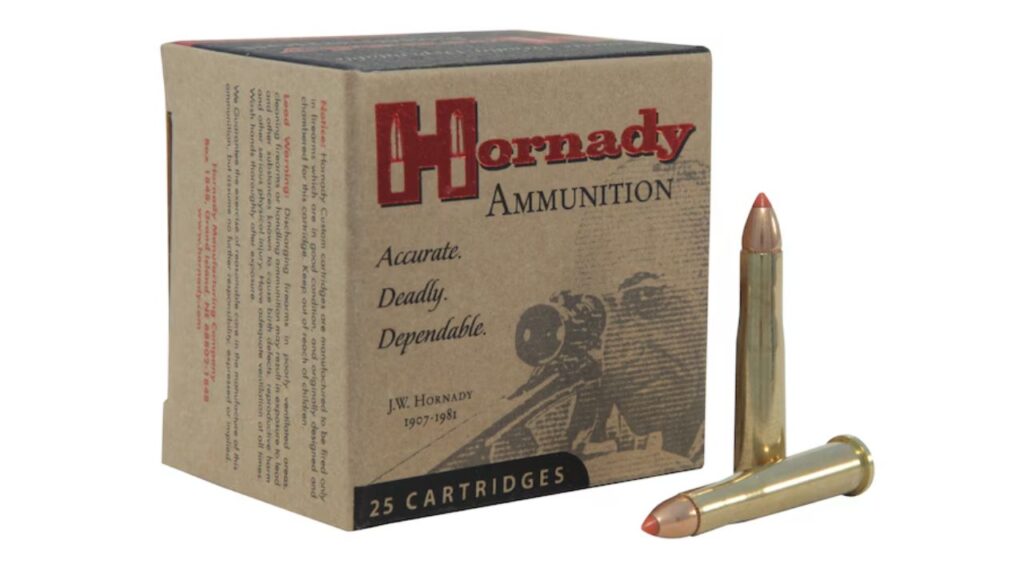
The .22 Hornet was an early centerfire varmint cartridge praised for its accuracy and mild recoil. It’s effective on small varmints inside a couple of hundred yards, but its light bullets and modest case capacity mean it loses meaningful terminal energy quickly on larger targets. By the 150-yard mark, the Hornet’s velocity and retained energy drop enough that penetration on anything beyond small predators becomes questionable. Hunters learned long ago that you can take clean shots on coyotes and prairie dogs at reasonable ranges, but the Hornet isn’t a deer or hog cartridge at those distances.
It’s a fine choice if you understand its role: a lightweight centerfire that’s pleasant to shoot and useful on small game at moderate ranges. But don’t expect magnum performance — if your plan includes hunting beyond 150 yards where you need solid penetration on bigger animals, pick a round with more bullet weight and case capacity.
.218 Bee
The .218 Bee is a legacy varmint round that offered flatter trajectories than many contemporaries when loaded hot. But it’s still a light-bullet, small-capacity cartridge that doesn’t hold as much energy at longer ranges as more modern designs. On delicate varmints and prairie dogs, it’s more than adequate at moderate distances, but by the 150-yard mark it’s starting to show its limits for terminal performance on anything with tougher hide or bone. Compared to modern small magnums, the Bee’s light bullets and drag characteristics mean it loses effective energy sooner than you’d like.
If your calling is close-to-moderate varmint work and you enjoy a pleasant-shooting rifle, the Bee has nostalgia and utility. If you find yourself dialing at ranges where wind and loss of energy matter, consider chasing something with more modern ballistics — the Bee fades faster than modern small-centerfire options tailored to extended-range varmints.
.25-20 Winchester (in rifle form)

The .25-20 Winchester is a historic small-game and varmint cartridge that shows up in old lever guns and light rifles. The round was fine for its era — low recoil, light bullets, and short-range work — but by modern standards it’s a cartridge you would keep strictly inside close distances. The light bullets and modest powder charge mean velocity and energy drop substantially with distance; past 100–150 yards the terminal performance on anything larger than small fur-bearing animals becomes unreliable. For ethical shots on medium game, it simply lacks the mass and retained energy.
If you shoot an older rifle chambered in .25-20, use it for what it excels at: short-range pest control and casual plinking. Don’t assume it’ll translate into a capable longer-range hunting round. When you get beyond the cartridge’s comfortable range, you’re asking it to perform outside the envelope where it was designed to be effective.
.32-20 Winchester (rifle loads)
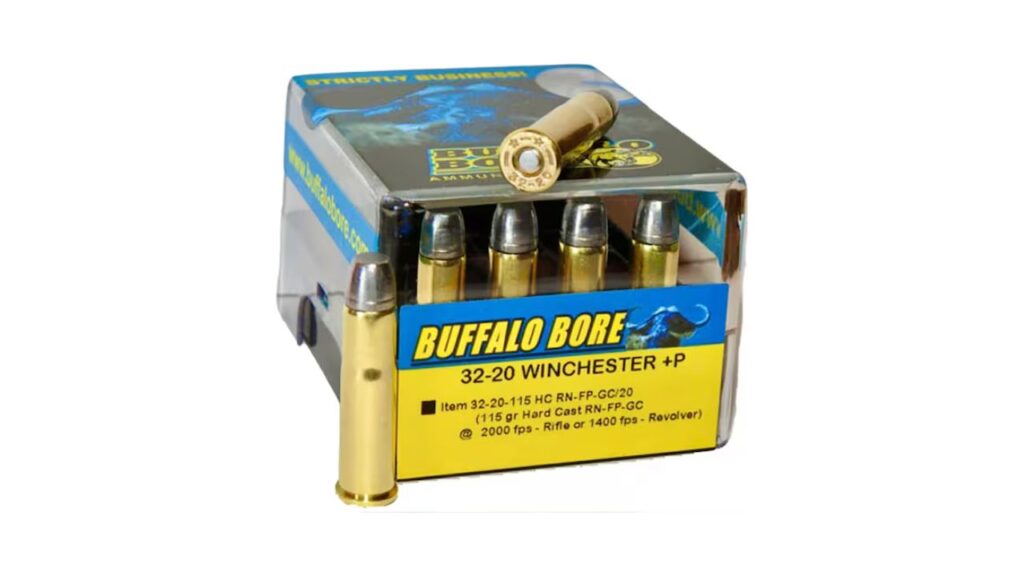
The .32-20 Winchester is another classic wildcat-turned-commercial cartridge commonly found in older lever actions. It’s serviceable on small game at close range and has historically been used for varminting and small deer at very short distances. But the .32-20’s light bullets and modest energy don’t maintain the kind of velocity or penetration you’ll want past the 100–150 yard window. For medium game or for reliably quick kills at distance, it’s simply underpowered by modern expectations. The cartridge’s era and intended use show clearly in its ballistic limits.
If you like shooting classic rifles, the .32-20 is fun and authentic — just keep engagement distances conservative. For serious hunting beyond tight brush or short stands, moving to a more modern small- to mid-caliber centerfire will get you a much safer margin for ethical shots.
.30-30 Winchester
This one needs nuance. The .30-30 is famous as a short-to-moderate-range brush and woods cartridge; with correct bullet choice it knocks deer down inside practical distances very well. That said, for many hunters the .30-30’s effective, ethical range is still relatively short — commonly cited as about 150–200 yards depending on load and shooter. Past the lower end of that band it loses velocity and energy rapidly compared to flat-shooting modern cartridges. In dense timber and hills it’s a perfect tool; on open terrain where you’re stretching to 150 yards and beyond regularly, it’s closer to the limit of what you should expect.
So: the .30-30 can be very effective in the right environment, but treat it as a close-range tool. Don’t assume magnum or long-range hitting power; if you need to make longer shots with an ethical margin, a more modern round with flatter trajectory and higher retained energy is a better bet.
.30 Carbine
The .30 Carbine (the M1 Carbine chambering) is a light rifle / heavy-pistol cartridge that shines as a compact, handy round for close defense or brush hunting. But physics blunt its reach: the relatively light bullets and short case capacity mean energy and velocity drop fast as range increases. By the time you stretch to around 150 yards, the .30 Carbine’s retained energy and ability to produce humane terminal effects on anything beyond coyotes or similar-sized animals are marginal at best. It’s great for short-range work, walking woods, or as a lightweight pack rifle — not for reliable medium-range game taking.
If you carry one for bush or trail protection, that’s a reasonable use. If your hunting scenario demands consistent performance at 150 yards and beyond, pick something with more case capacity and heavier bullets designed for retained energy at distance. The Carbine wins on portability, not reach.
.32 Winchester Special (legacy lever rounds)
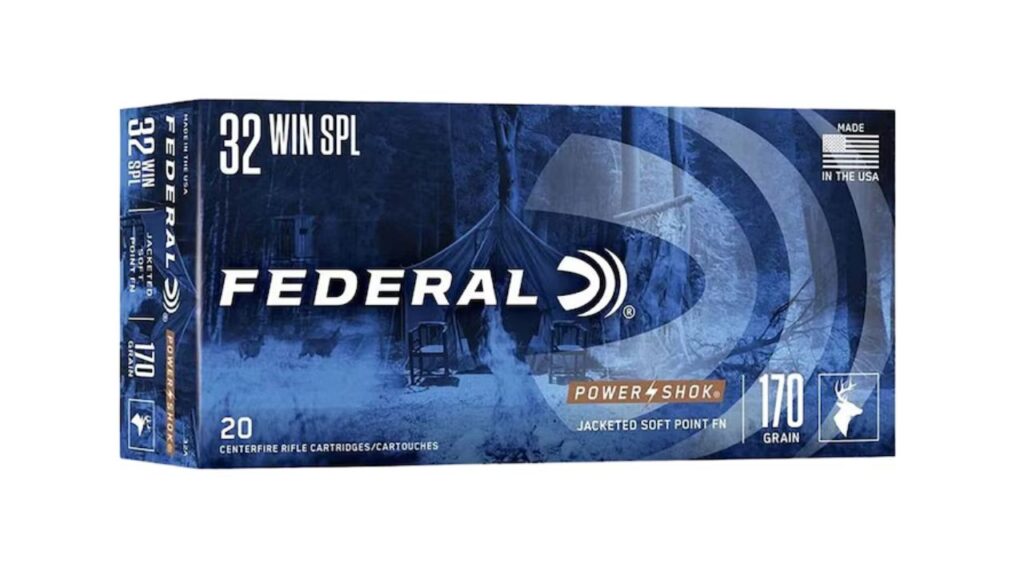
The .32 Winchester Special is a turning-point cartridge historically used in some lever guns for deer-sized game at close ranges. It’s better than many obsolete small-bore rounds for short-range deer work, but it’s still limited in how much energy it keeps out past 150 yards. The heavier bullets help, but the moderate velocities and older bullet designs were never tailored for long-range retained terminal effect. In practice, hunters using the .32 Special stick to shorter shots where penetration and expansion remain reliable; beyond that, it becomes a questionable ethical choice compared to modern mid-calibers.
Put simply: the .32 Special can do the job in tight cover and short shots, but if you hunt in open country or expect shots at 150 yards-plus, choose a cartridge with proven retained energy and modern projectile design. The Special’s strength is close-up killing power in the right setting, not extending range.
.25-06 Remington
The .25-06 is a capable varmint and deer cartridge with a reputation for flat trajectories when using properly weighted, modern bullets. That said, lighter varmint-oriented loads or older bullet designs can lose effective penetration faster than heavier match or hunting projectiles. If you run very light bullets tuned for speed, you’ll find energy falls off noticeably by the 150-yard mark on anything requiring deep penetration. In other words, the cartridge as commonly loaded is capable beyond 150 yards, but certain load choices and expectations can make it feel like it “dies” sooner if you rely on very light bullets for larger game.
So don’t read this as a condemnation of the .25-06 — instead treat it as a reminder to match bullet weight and construction to the game and range. With the right hunting load, the .25-06 is more than capable; with the wrong light-varmint load, it won’t give you the terminal reliability you expect at distance.
.223 Remington (light varmint loads)
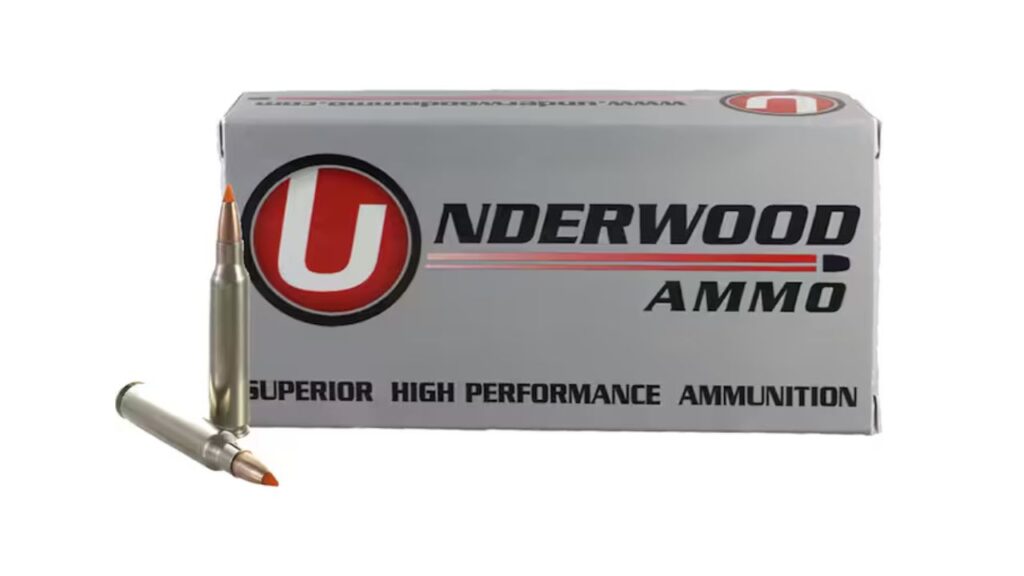
The .223 Remington is wildly popular for target, varmint, and predator work, and it’s capable at surprising distances when you pick the right bullet. But the common trap is thinking every .223 load equals ethical medium-game performance at 150 yards or more. Light, frangible, or varmint-oriented bullets slow and fragment quickly — great for prairie dogs, not for deer-sized animals. Many hunters who run light bullets find terminal performance drops off sharply approaching 150 yards on harder-bodied targets. The cartridge isn’t “dead” at that range by physics, but poor bullet selection or underestimating retained energy will make it feel that way.
If you’re hunting anything beefier than coyotes or foxes, choose heavier, well-constructed expanding bullets and respect range limits. In short: the .223 can work beyond 150 yards if you load it with the right projectiles — but run the wrong light varmint load and you’ll discover the cartridge “dies” on the job.
.204 Ruger
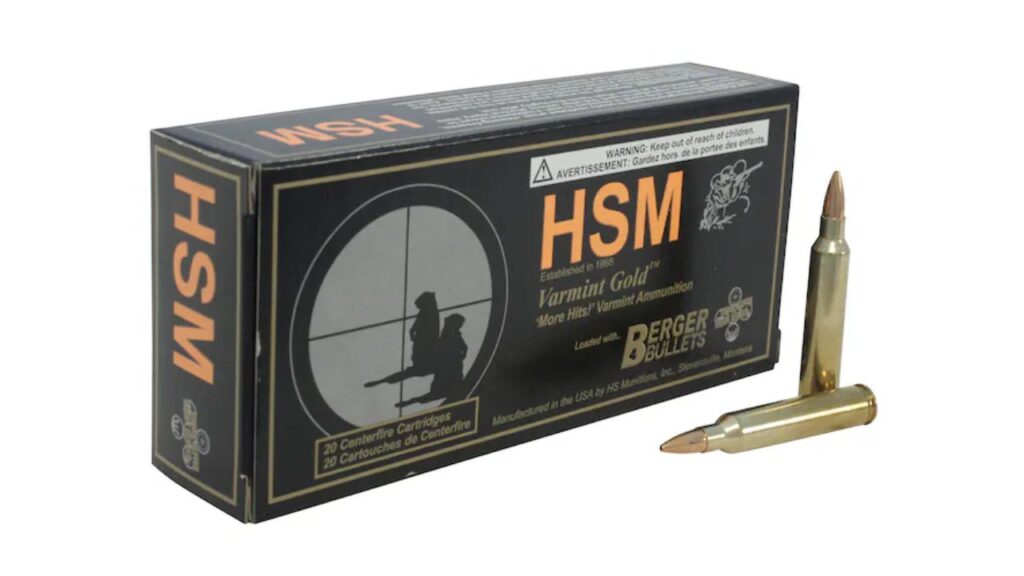
The .204 Ruger shoots very flat with tiny, high-velocity bullets and is excellent for certain varmint tasks. Those bullets are light and have high sectional density for speed, but that also means they can lose energy quickly and be susceptible to wind drift. For delicate varmints at moderate distances it’s excellent, but for anything that demands deep penetration at 150 yards or more on larger predators, the cartridge’s light projectiles can be a limiting factor. If you think in terms of retained energy and ethical terminal effect on heavier game, the .204’s strengths don’t translate as well into that role.
So if you’re using a .204, match ammo to purpose. It’s superb for small, precise work, but if your hunting calls for solid penetration at distance on anything larger, a heavier-bullet mid-caliber is a safer bet.
.22-250 Remington
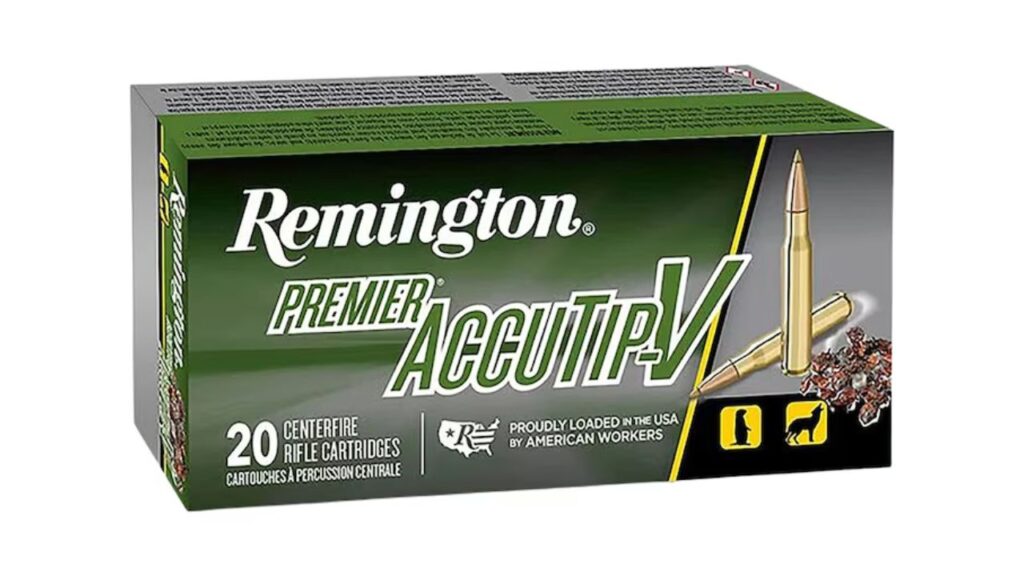
Last one: the .22-250 is a classic high-velocity varmint round that flattens trajectories and kills small pests quickly. But it’s also a reminder that velocity alone doesn’t guarantee ethical performance on tougher animals at long range. The very light bullets used for prairie dogs and small critters can fragment and lose penetration as distance grows. At 150 yards many varmint loads are fine, but push farther or try to apply the cartridge to deer- or hog-class animals with frangible loads, and you’ll find it fails to deliver the penetration you need. With the right bullet choice — heavier, robust projectiles — the cartridge can be stretched, but that’s not how most varmint hunters load it.
The takeaway: don’t confuse muzzle speed with long-range suitability for heavier game. The .22-250 is a phenomenal varmint round; just be honest about what your load will do when the target gets bigger and the range grows.
*This article was developed with AI-powered tools and has been carefully reviewed by our editors.