Photo credit: SmallArmsSolutions/YouTube
Some guns get polished into a problem. The finish is too pretty, the name gets too much respect, the market starts attaching bigger numbers to them, and before long the owner begins handling the gun like it belongs under soft light instead of out on the range or in the field. That is how a lot of very real shooters get turned into safe queens. The strange part is that most of these guns did not earn their reputation by sitting untouched. They earned it by functioning, grouping, cycling, carrying, and staying useful enough that people kept coming back to them.
That is what makes this category so frustrating. These are not hollow prestige pieces that only survive on branding. These are firearms with real practical life still in them. The market may have made them feel delicate, but the guns themselves still make a strong case for use. These are the firearms people keep treating like safe queens even though they were very clearly built to be shot.
Smith & Wesson 4516
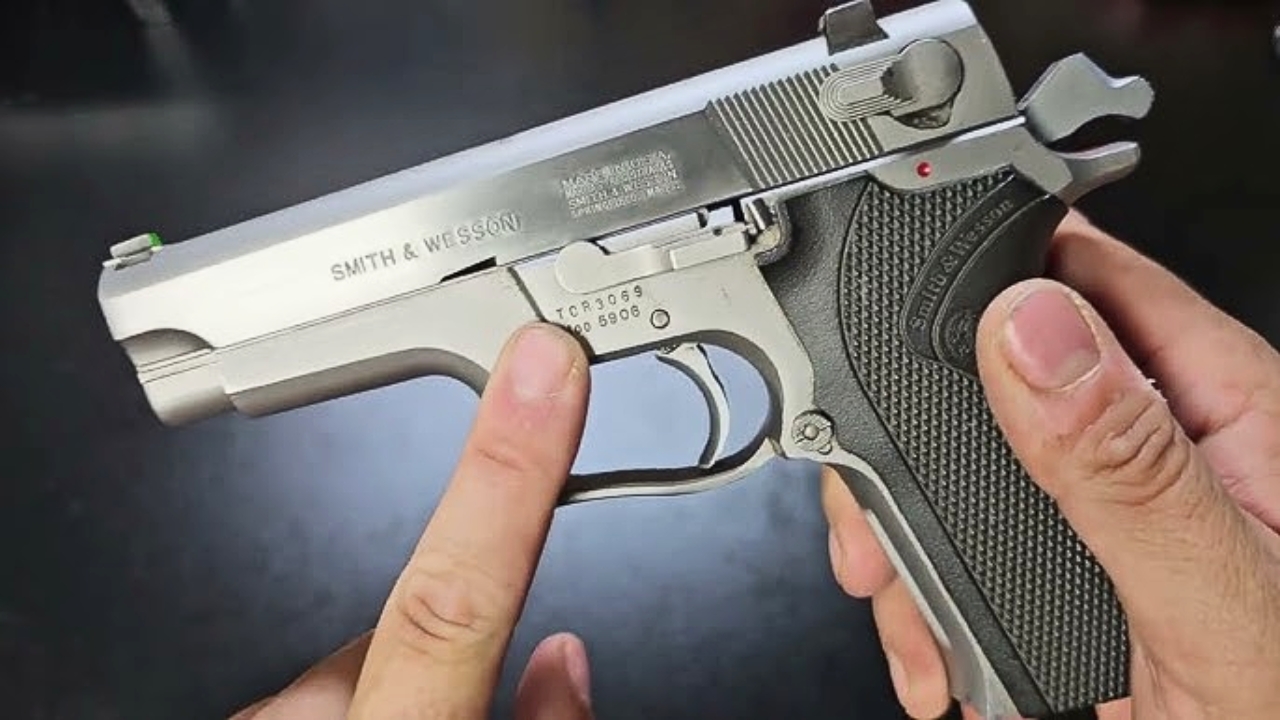
The 4516 is the kind of pistol that starts out as a practical compact .45 and slowly turns into something owners get too precious about. It was never designed as a display-case vanity piece. It was designed like one of those old Smith autos that expected hard carry, hard use, and a real owner instead of a curator. That is a big part of the appeal. It feels substantial, grounded, and serious in a way many compact .45s never quite manage.
But once people started appreciating older third-generation Smith pistols more aggressively, clean examples began getting treated like they were too nice to live the life they were meant for. That is the sad part. A 4516 still makes perfect sense on the range. It still feels like a working handgun. Yet the moment the market gives it enough collector gravity, owners start reacting to scratches and wear like the gun was born to be protected instead of practiced with.
Walther P5

The P5 has enough elegance to make owners nervous, and that can get in the way of what it actually is. Yes, it has the lines, the old-world feel, and the sort of quality that makes people slow down when they pick it up. But it is still a real service-style pistol. It was not designed to sit inside a velvet-lined box while the owner talks about how refined it looks. It was designed to be carried, shot, and understood through use.
That is exactly why the safe-queen treatment feels wrong here. A good P5 comes alive in the hand. The trigger, the balance, and the whole way the gun settles into actual shooting make it much more than a tasteful old collectible. Owners know that, which is why they bought them in the first place. But once prices and scarcity start changing behavior, too many people begin preserving the pistol from the exact kind of use that made it worth caring about.
Star Firestar

The Firestar is one of those pistols that gets overprotected because people finally realize how much substance it has. For years it sat in the category of “old steel compact” and got passed over by buyers who wanted something lighter, trendier, or more obviously prestigious. Then enough shooters spent actual time with one and figured out that it felt better and shot more seriously than they expected. That delayed appreciation is often what turns a practical gun into an overly protected one.
The problem is that the Firestar still wants to be shot. It is not some fragile collectible pretending to be a handgun. It is a compact pistol with real heft, real range appeal, and the kind of old-school mechanical honesty that reveals itself through repetition. Once owners start treating it like it is too special for ordinary use, they miss the whole point. The gun’s value is tied directly to the fact that it is more shooter than people first thought.
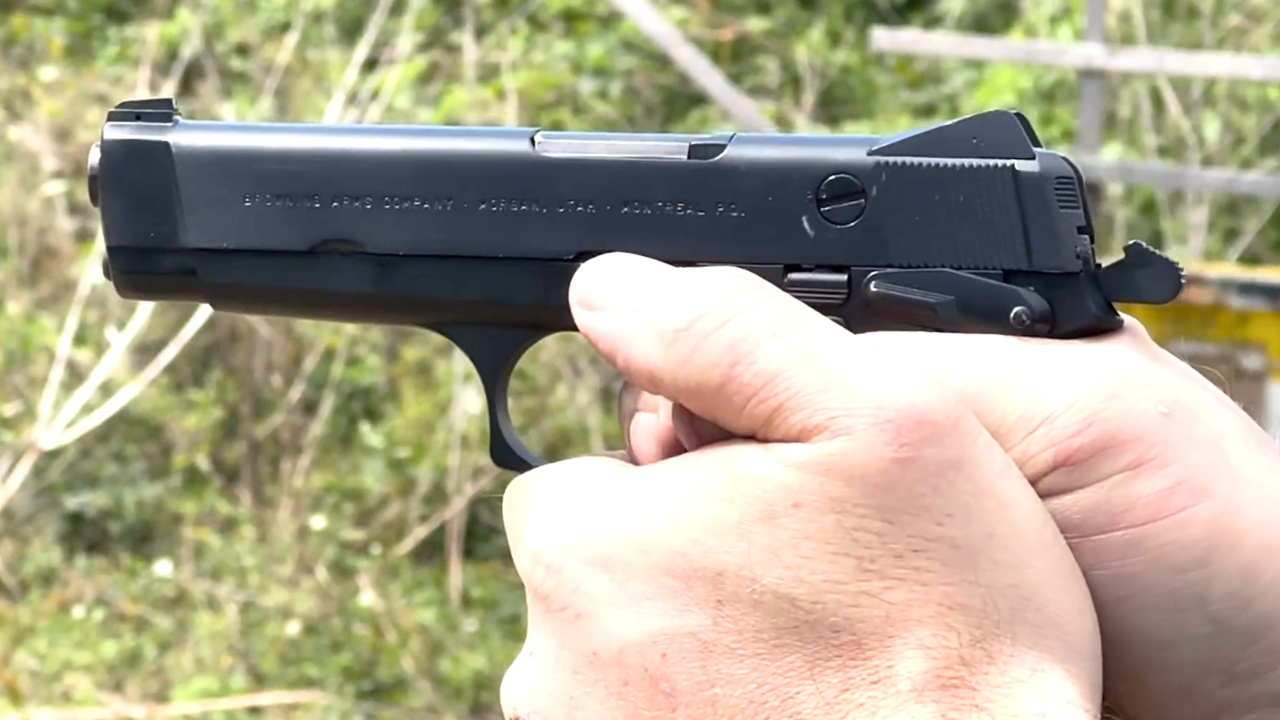
Browning BDM

The BDM spent a long time being overlooked, which makes it especially frustrating to see it treated too gently now. This was not a gun people revered from the beginning. It was a pistol many buyers did not quite know what to do with, which meant the ones who eventually came around often did so because they finally shot one and understood it better. That is how some of the best sleeper guns work. They win through use, not through instant mythology.
That is why the safe-queen energy feels so misplaced. A BDM is not famous because it is rare and fragile. It matters because it turned out to be better than the casual market gave it credit for. Once people stop shooting a gun like this and start protecting it mainly because they are afraid of losing value, they cut off the very experience that made the pistol worth a second look in the first place.
Winchester 1200
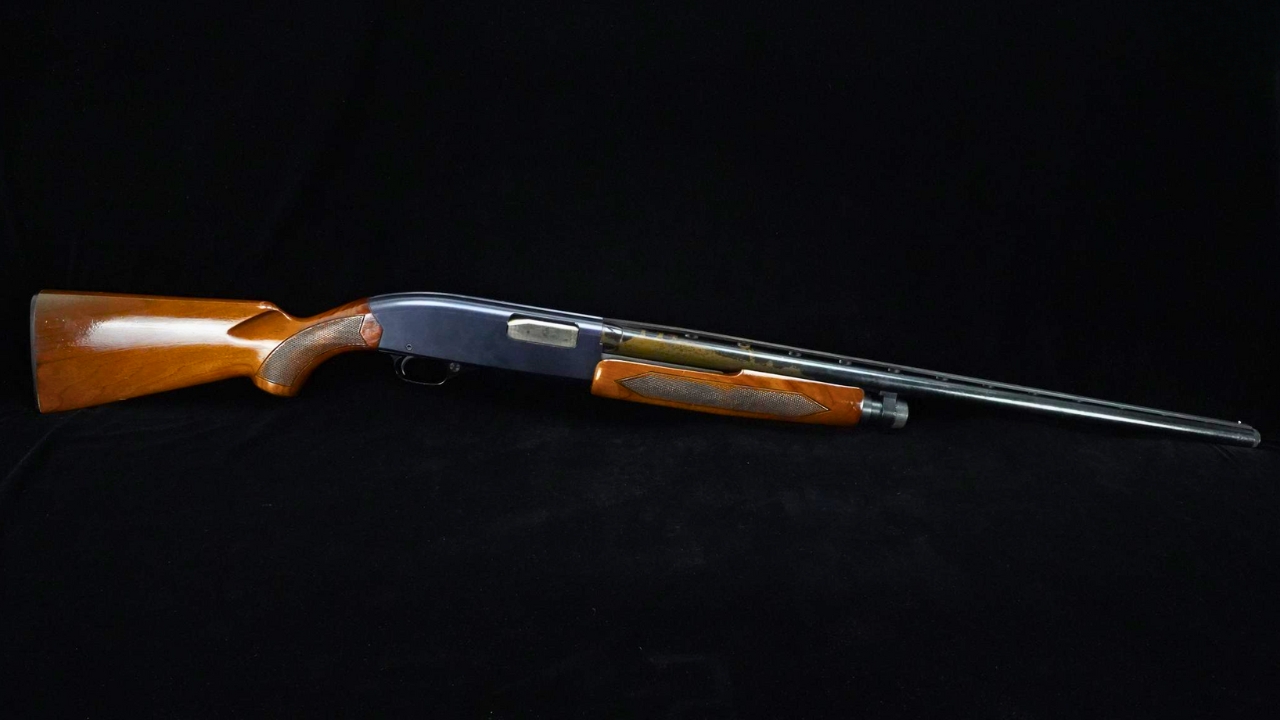
The Winchester 1200 was built to be a field shotgun, not a memory object. It was made to ride in trucks, get taken into wet cover, and live the ordinary rough life of a practical sporting gun. That is exactly why it worked for so many people for so long. It was not romantic. It was useful. The smoothness, speed, and handling all matter most when the shotgun is actually being run like a shotgun.
But once older practical Winchesters started getting more respect, the 1200 began drifting into that nervous category where owners start babying what was once just a trusted pump. That is always a strange transition. A gun with this kind of identity should not feel too important to use. It should be the gun a person grabs because he already knows it works. Turning it into a safe queen misses the plain field-worth that gave it value in the first place.
Winchester 1400
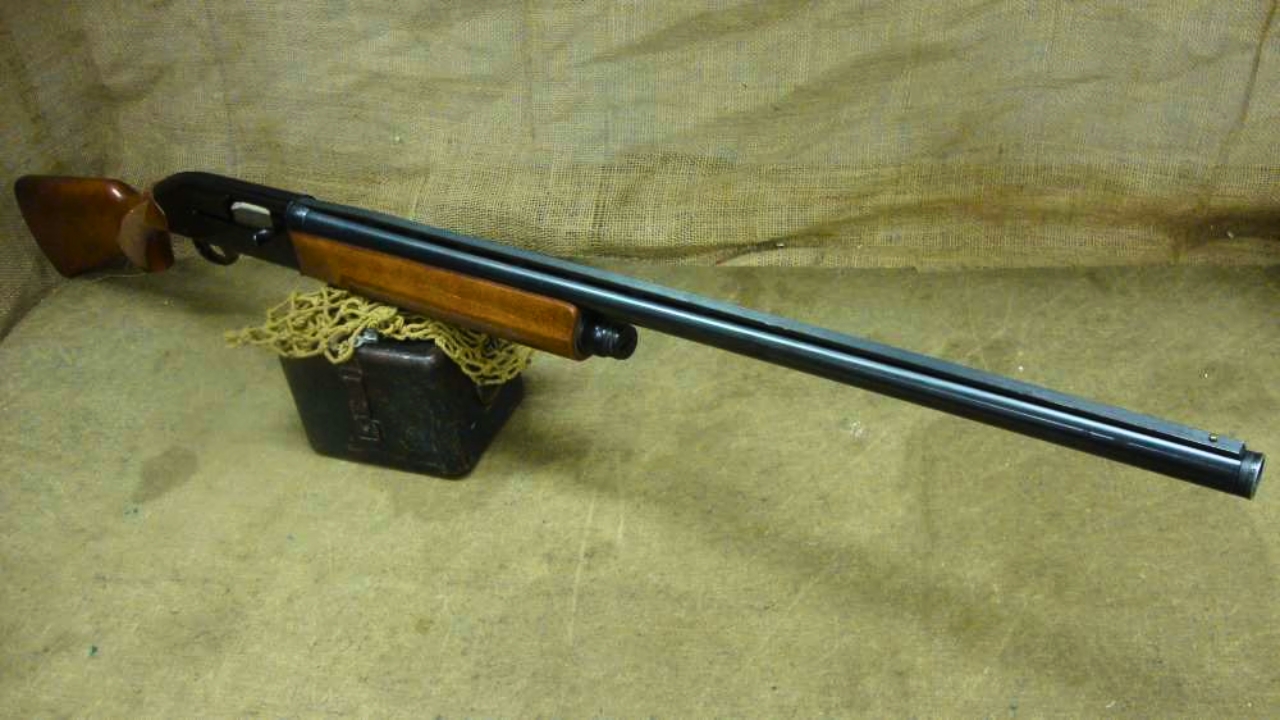
The 1400 has a similar problem. It was never meant to be admired from a distance. It was meant to be loaded, carried, and hunted with. For years that is exactly what people did with them. The shotgun built its value the honest way, through real field use and real ownership, not through decorative reputation. That is why its current overprotective treatment feels so out of step with what the gun actually is.
A 1400 still makes sense as a shooter. It still shoulders like a sporting shotgun, and it still offers the sort of practical range and field life that gave it its identity. Once owners start treating every scuff like a financial event, they lose the whole point of owning a shotgun like this. These guns did not become interesting because they were too precious to use. They became interesting because they kept proving themselves under use.
Franchi AL-48

The AL-48 may be one of the clearest cases of a shotgun becoming too admired for its own good. It is light, elegant, and field-practical in a way that is hard not to appreciate once you carry one. That usually leads owners to form real attachment, which is exactly how a field gun turns into something they start protecting too much. The strange part is that the shotgun’s whole charm is tied to how well it functions as a field gun, not to how pretty it looks sitting still.
A good AL-48 should be out after birds, not trapped in a safe because the owner is suddenly treating it like a collectible Italian heirloom first and a shotgun second. Yes, it deserves care. But it also deserves use. The long carry, the snap to the shoulder, the whole point of the shotgun only really makes sense once it is doing what it was built to do. Safe-queen treatment turns that into a theory instead of a lived fact.
Ruger Red Label

The Red Label gets overprotected because buyers finally realized it was more than just the American over-under they casually noticed years ago. For a long time, it was simply a solid working shotgun with Ruger stamped on it. People actually shot them, hunted them, and put miles on them. That practical life is part of why the shotgun still means something to owners now. It was never some empty prestige piece trying to borrow importance from looks alone.
That is what makes the current caution around them feel a little off. A good Red Label still begs to be used. It is a sporting shotgun, not a decorative proposal. Once owners start acting like every outing risks harming an object too important for ordinary bird season, they drift away from what made the gun desirable in the first place. It is one thing to respect condition. It is another to stop treating a shotgun like a shotgun.
Remington 788

The 788 was a shooter’s rifle almost from the beginning. It was valued because it shot better than people expected, not because it looked expensive or carried some giant luxury aura. That is exactly why it feels strange to see them increasingly handled like they should mostly be preserved. This was the practical old bolt gun that made a lot of prettier or more respected rifles look bad where it counted. It earned admiration through range work and field results.
Now, though, the same accuracy reputation that made them useful has made good examples harder to touch without hesitation. Owners know what they have, and the market has reinforced that knowledge with higher prices. But none of that changes the fact that a 788 still makes most sense with ammunition in it. It is a rifle whose value story is inseparable from performance. Treating it like a no-touch antique cuts the whole identity in half.
Savage 340

The Savage 340 is not the kind of rifle people once imagined as a safe queen, which is exactly why it fits so well here. It was a plain old practical rifle, the sort of gun people bought because it worked and cost sensible money. That is usually how quiet classics are born. They do not start with ceremony. They start with usefulness. The 340 made its case by being honest, not by being glamorous.
That is why it feels wrong when one gets treated like it should mostly be preserved. A rifle like this should still be allowed to be itself. It should go to the range, go afield, and keep doing the very things that built its reputation. The moment owners start acting like an old utility rifle is too valuable to risk ordinary use, the market has clearly pulled the gun much farther toward sentiment than its original design ever intended.
Thompson/Center Venture

The Venture was never supposed to be a delicate object. It was built as a practical hunting rifle, something a buyer could trust in rough weather and ordinary real-world field conditions. That whole identity still matters. It is not a decorative bolt gun with a collector myth around it. It is a rifle that earned respect by being more capable and more honest than many people first assumed. Guns like that should not end up being protected from the very field life they were built around.
But that happens once the line ends and buyers begin looking back more seriously. Suddenly a rifle that used to feel like a straightforward smart buy starts carrying enough scarcity and hindsight value that owners become more cautious than the rifle’s personality really supports. A Venture should still feel like something you hunt with confidently, not like something you are trying to preserve from every little mark. That shift says more about the market than the rifle.
CZ 557 American

The 557 American always felt like a true sporting rifle. That is a huge part of the appeal. It balances well, carries itself with quiet confidence, and feels like it wants to be used in the field instead of merely admired for having walnut and blue steel. That is why people liked them. The rifle had character, yes, but it also had purpose. It did not lean on collector theatrics to matter.
Which is exactly why the safe-queen treatment can feel misplaced now. Once owners start seeing rising value and reduced availability, the temptation is to preserve rather than to use. But a 557 American is one of those rifles that only fully explains itself through actual carry and actual range time. The more a person turns it into a protected object, the less he gets to enjoy the qualities that made him want one in the first place.
Sako A7

The A7 became easy to overprotect because it sat in that sweet spot between practical field rifle and understated premium gun. It has refinement, yes, but it also has enough plain usefulness that it should still be wearing some honest field marks in a good owner’s hands. That is the kind of rifle it is. It was not built to be worshipped. It was built to work with a little class.
That is why it belongs here. A rifle like this still begs for real use because the whole point is how well it bridges serious field function and smooth ownership. Once the market starts making owners feel nervous about every scrape or every hunt, the relationship with the rifle gets distorted. It becomes a thing to preserve instead of a thing to trust. That is not really fair to a rifle this grounded in practical value.
Steyr M9-A1

The M9-A1 may be the most modern-looking gun on this list, but it still fits perfectly. It was built as a working pistol, not a safe jewel. The whole point was real-world handling, durability, and practical shootability. That is why people who actually used them tended to appreciate them more than people who only glanced at them. It was a shooter’s gun hiding in plain sight.
Now that more buyers understand what they were and cleaner examples feel less disposable than they once did, some owners have started treating them too carefully. But a pistol like this should not live as a protected artifact. It still makes its strongest case through range time, not shelf presence. If anything, the more a person shoots one, the more obvious it becomes that the gun never asked to be preserved like some fragile object of taste. It asked to be trusted.
Browning A-Bolt II

The A-Bolt II has enough polish that owners can drift into protecting it too much, but it was always a hunting rifle first. That matters. It was built to be carried, sighted in, hunted hard, and appreciated for how calmly and capably it behaved in the field. It gained long-term respect because it made life easier for hunters, not because it looked too fine to get wet. That practical identity still deserves to be respected.
But as values and nostalgia rise, some owners begin treating a clean A-Bolt II like it belongs more in storage than in the deer woods. That feels backward. A rifle that made its reputation through field use should still be allowed to have a field life. It does not need abuse, obviously, but it does deserve to be treated like a real sporting rifle rather than a fragile statement about good taste from a previous era.
Like The Avid Outdoorsman’s content? Subscribe to our newsletter so you never miss an article.
Here’s more from us: