Photo credit: Daniel Tadevosyan/Shutterstock.com
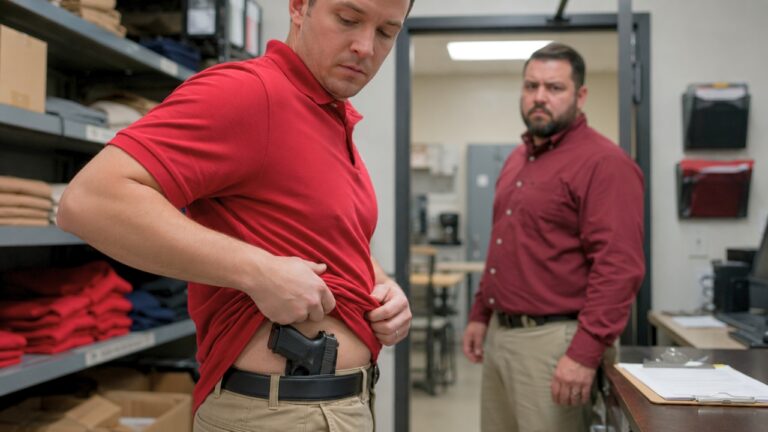
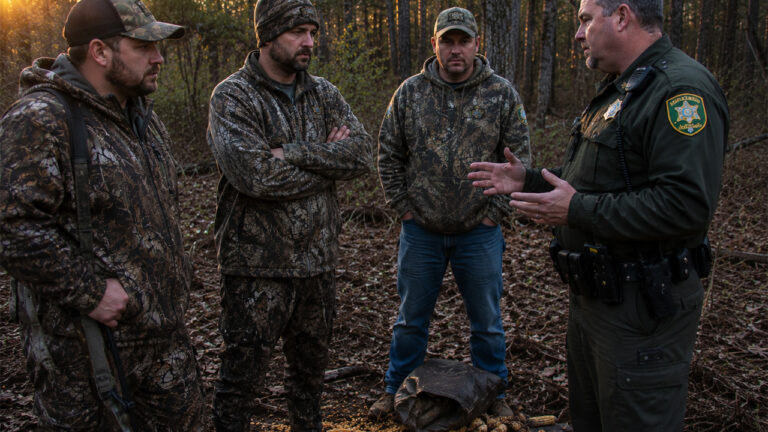
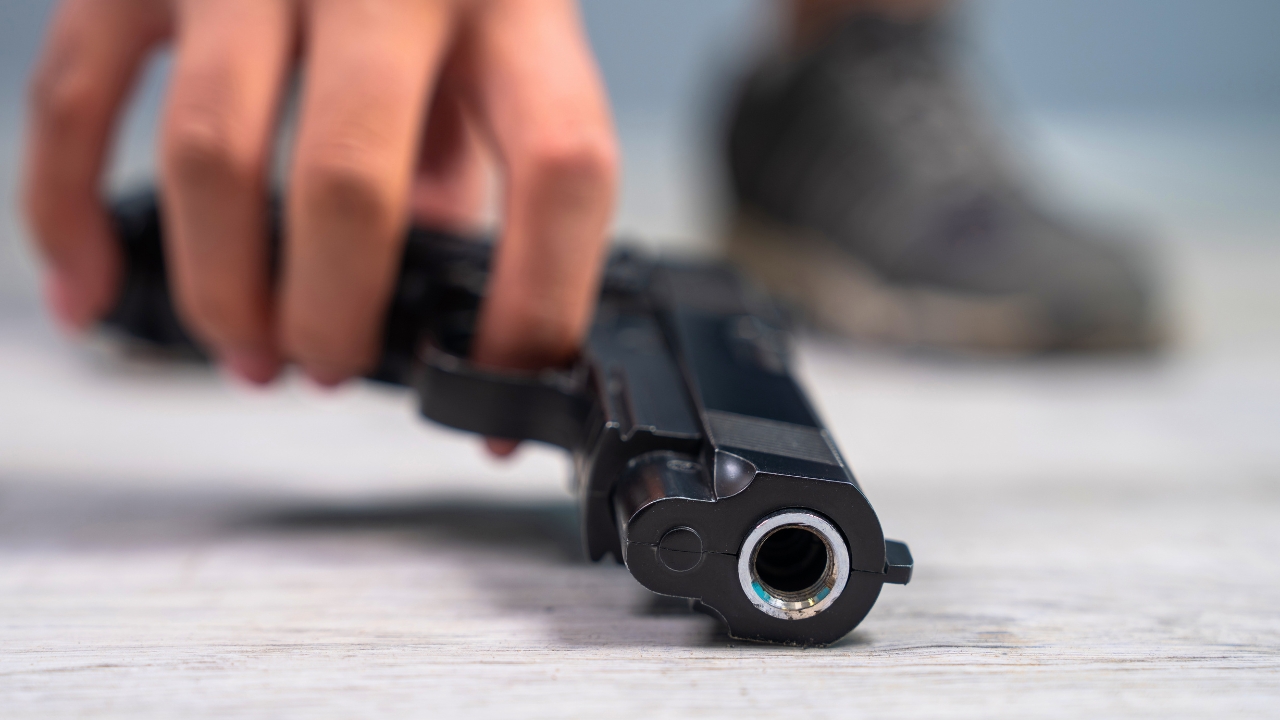
A gun owner on Reddit said he was planning to sell a firearm privately and realized pretty quickly that the actual mechanics of the deal were not what bothered him most. What he wanted to know was the etiquette. In the post, he asked what people considered normal when it came to private gun sales between two individuals. He was not just asking where to meet or how to hand over the cash. He wanted to know whether people usually ask to see identification, whether they insist on a bill of sale, and how much personal information either side is supposed to hand over before the whole thing starts feeling intrusive.
That simple question opened up a bigger argument than he probably expected. Some commenters treated the answer like it was obvious. They said a private sale should stay as private as possible, with the seller only confirming that the buyer is a resident of the same state and legally old enough to possess the gun. For that group, anything more than that started sounding like unnecessary paperwork between strangers. Several people said they would never hand over copies of ID, addresses, or signatures unless state law required it. To them, part of the whole point of a legal private sale was avoiding the kind of paper trail people associate with a formal dealer transfer.
Others came at it from the exact opposite direction. They said they would not sell a gun without at least seeing a valid driver’s license, and some said they also wanted a concealed-carry permit if the buyer had one. A few commenters argued that a bill of sale with the date, serial number, and both parties’ names was basic common sense. Their point was not that it makes a private sale foolproof. It was that if the gun ever surfaces later in a criminal investigation, the seller has something in hand showing when it left his possession and who took it. That side of the thread sounded a lot more focused on self-protection than privacy.
That is what turned the thread into a real argument. One side saw bills of sale and ID checks as smart safeguards. The other saw them as strangers collecting personal information they had no business keeping. Some commenters said they would happily walk away from any buyer who refused a bill of sale. Others said they would walk away from any seller who demanded one. A few pointed out that both positions make sense from inside their own logic. The seller worries about future liability. The buyer worries about handing personal details to someone they do not know and may never see again. In a private sale, both sides are being asked to trust each other at the exact same moment neither side fully does.
The original poster seemed to be sitting right in the middle of that tension. He was not posting a horror story about a sketchy buyer or a meetup gone bad. He was trying to figure out the unwritten rules before the sale even happened. But that was almost the point. The longer the thread went, the more obvious it became that there really is no universal private-sale etiquette that everyone agrees on. What one seller sees as responsible due diligence, another buyer sees as pointless paranoia. What one buyer sees as protecting his privacy, another seller sees as a reason to kill the deal.
A lot of the responses ended up sounding less like hard rules and more like personal codes. Meet in public. Trust your gut. If anything feels off, leave. Do not sell to someone who seems prohibited, intoxicated, or weirdly evasive. Do not pressure the other side into giving more information than they are comfortable with. And if your standards do not match, just do not make the sale. That seemed to be the one point almost everybody could agree on. Nobody in the thread thought a private gun sale was worth forcing once the trust was gone.
So the story in the thread was not one explosive incident. It was the much more familiar problem of walking into a private firearm sale and realizing that two people can both think they are being reasonable while expecting completely different things. The seller wanted to know what was normal before he got there. The replies mostly told him that “normal” depends on who is standing across from you in the parking lot and what each of you is afraid of most.