Photo credit: TFB TV/YouTube
Some features sound good in theory, but they fall flat in the real world. Grip safeties are one of those things that always seem like a good idea until you actually spend time shooting with them. After enough range time and frustrating experiences, I’ve decided I’m done with grip safeties. They cause more problems than they solve, especially in high-stress situations. If you’ve been on the fence about guns with grip safeties, here are eight solid reasons why I’ve sworn them off.
Grip Safeties Don’t Always Engage Right
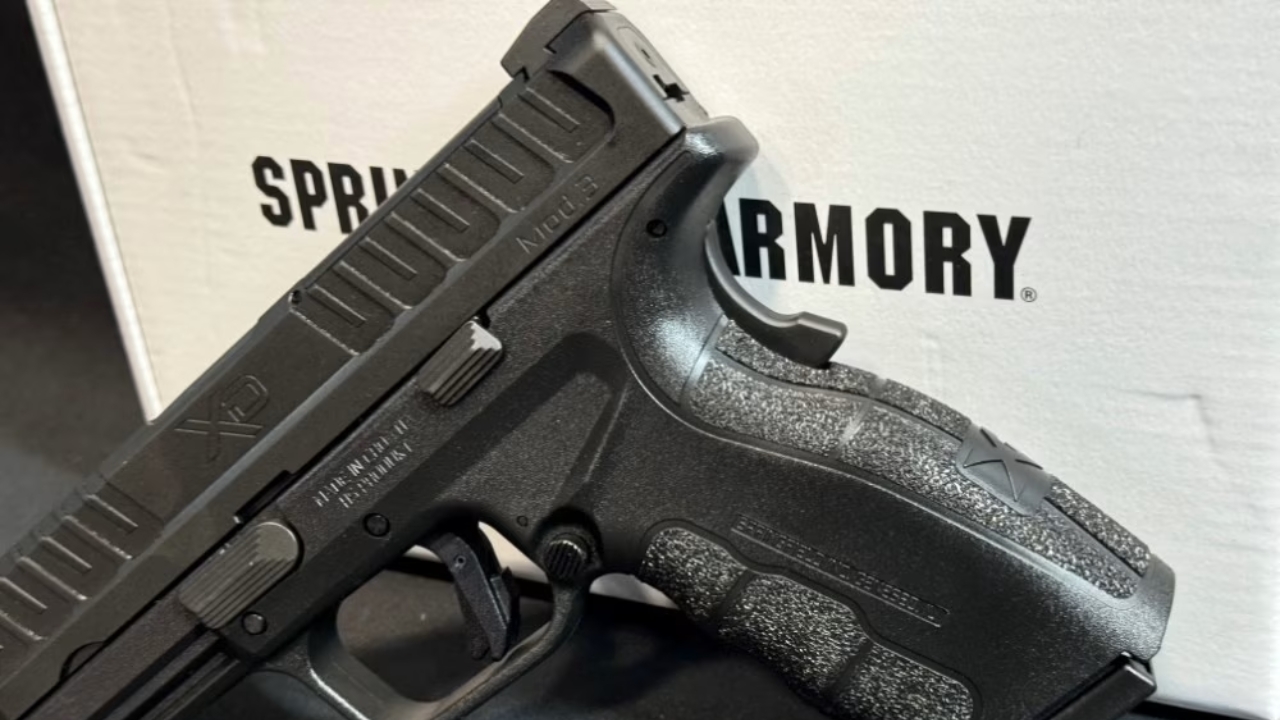
One of the biggest headaches with grip safeties is inconsistent engagement. If your grip shifts even slightly, the gun might not fire. This is especially annoying when shooting from awkward angles or weak-hand drills. I’ve had malfunctions where I squeezed the trigger, and nothing happened. A defensive gun should be reliable no matter how you hold it. Missing a shot because your hand wasn’t perfectly placed is frustrating enough on the range—and potentially dangerous anywhere else.
Cold Weather Makes Them Worse

Grip safeties get worse when you add gloves to the mix. Thick winter gloves can make it harder to get a full grip, which means the safety may not disengage. I’ve run into this problem during cold-weather practice, and it’s infuriating. You end up needing to constantly adjust your grip just to get a basic shot off. For folks who live where it gets cold, grip safeties add a whole new level of irritation that just doesn’t need to exist.
Stress Messes with Your Grip

During drills with fast draws or defensive practice, I noticed my grip wasn’t always perfect. Under stress, your hands do weird things. A gun that requires a perfect grip to function isn’t what I want in a life-or-death scenario. Defensive shooting should be simple and reliable, but grip safeties add a failure point that shows up when things go sideways. I don’t want to think about squeezing a certain way—I just want the gun to work.
Extra Parts Mean More Failure Points

The more moving parts, the more chances something breaks. Grip safeties add another component that can wear out, get stuck, or break down. I’ve seen people at the range dealing with stuck safeties after thousands of rounds. Meanwhile, simple striker-fired pistols with fewer controls keep running. I’d rather cut out unnecessary failure points. If something doesn’t serve a real purpose, it doesn’t belong on a defensive gun—especially if it can cause malfunctions.
It’s a Solution to a Nonexistent Problem

Grip safeties came from a time when people worried about early single-action pistols going off accidentally. Modern holsters and better trigger designs make that a non-issue today. Plenty of modern handguns run just fine without one and pass all the same drop tests. Adding a grip safety in today’s world feels like fixing a problem that doesn’t exist anymore. I’d rather have simple, proven safety systems than outdated extras that add more hassle than help.
Bad Ergonomics Make It Worse

Some guns just don’t shape their grip safeties well. I’ve tried models where the safety is too stiff or doesn’t engage naturally unless you choke up on the grip. That’s a recipe for frustration, especially if you have larger or smaller hands than average. I don’t want to spend time adjusting how I grip a gun just to make sure it fires. A good gun should work naturally in your hands—not force you to change how you shoot.
Cleaning Can Be a Hassle

Another annoying thing about grip safeties is cleaning. The spring systems and internal parts that control the safety can get gummed up with dirt, lint, or debris. I’ve had situations where the safety got sticky after a few months of carry without noticing it. With simpler designs, you don’t have to think about that. Less maintenance and fewer surprises are always a win for me, especially on guns meant for everyday carry or rough use.
There Are Better Options

After ditching grip safety guns, I’ve found more reliable options that just feel better to shoot. Striker-fired pistols and double-action options offer great safety features without the headaches. I don’t have to think about perfect grip pressure or worry about a safety blocking me at the worst moment. Simpler designs mean faster shooting, better consistency, and fewer problems. At the end of the day, I just want a gun that works—and grip safeties get in the way.
*This article was developed with AI-powered tools and has been carefully reviewed by our editors.