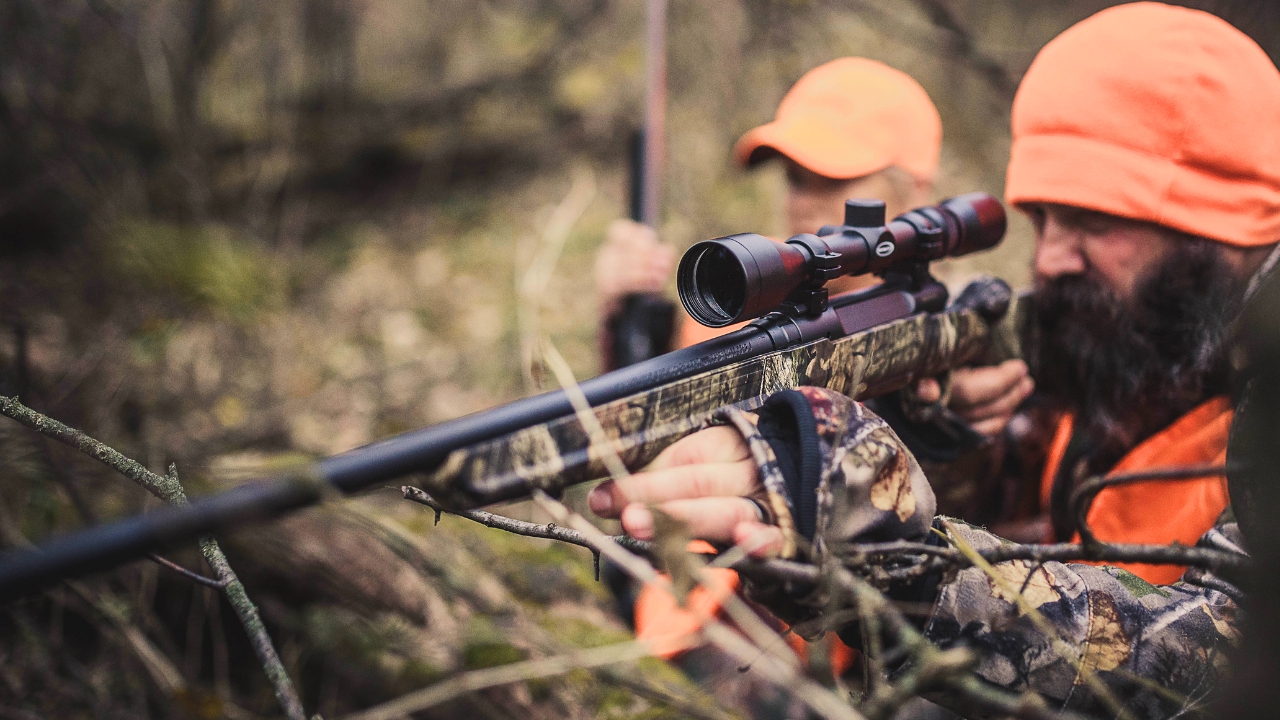
Photo credit: Savage Arms
Some rifles win you over fast. They shoulder nice, cycle clean, and shoot like they’ve been part of your lineup for years. But a few of them don’t stay that way. They start smooth—tight action, good trigger, decent accuracy—and then things slowly fall apart. The groups open up, the finish wears thin, the tolerances get sloppy, and you start wondering why you ever trusted it to begin with. This isn’t about bashing budget rifles. It’s about calling out those guns that seem dialed in out of the box but don’t hold up through seasons of real hunting. If you’ve been burned by one, you’re not alone.
Ruger American (Gen 2)

The Gen 2 Ruger American starts strong: smooth bolt, crisp trigger, and on paper it’s promising. But once you strap on a heavy optic or run a load of budget ammo, the action looseness begins to show. The aluminum bedding block can flex under torque, the stock tends to shift slightly in the rains, and the hand‑fitting that matters for long‑term accuracy simply isn’t there. Your groups widen, especially when you move to less‑stable positions or carry through thick brush. It’s a rifle that feels great early on — but unless you invest time in tuning it, the performance gradually fades.
Weatherby Vanguard
The Vanguard in its basic form gives you a nice finish and Weatherby branding. At first it shoots well if you supply match ammo and make sure your torque is perfect. But the factory stock bedding and the standard trigger often degrade with use. After a few hunts the trigger creep lengthens and the group opens up just enough to matter when the light’s fading and the deer’s moving. If you don’t upgrade the internals or switch to a better stock, you’ll find the rifle becoming less of a reliable partner and more of another thing on your shelf.
Savage Axis XP

Out of the box the Axis XP will impress you for the price. But after a season of heavy carry and mixed loads, you might notice the action feel change. The factory stock features thin walls, the bedding isn’t consistent, and the bolt raceways show wear sooner than more premium rifles. When you’re hunting late in the season and conditions are sloppy, that rifle starts to show its limits. It’s good enough when you baby it — but in rough terrain and under load, it loses its edge.
Christensen Ridgeline
This one’s interesting because it comes with premium claims. Initially, the Ridgeline rings tight and shoulders smoothly. Yet after a few trips, shooters report accuracy drift, feeding issues, and mount slippage. The carbon‑fiber stock hugs the action plate, but the action screws can loosen slightly in the field. Once that happens, your shot placement starts moving. It’s not a bad rifle by any stretch. But if you carry it hard, use handloads, or expect flawless performance out of the box — you’ll find you’ll have to tune it to maintain that first‑weekend accuracy.
Browning X‑Bolt Hell’s Canyon Speed

The HCS version of the X‑Bolt launches with good intent and accuracy. The trigger is light; the barrel is cut for speed. But by mid‑season you may notice the muzzle profile heating quickly, the lightweight stock absorbing recoil differently, and precision slipping across longer strings of fire. A few stable shots remain, but staying sub‑MOA starts requiring clean ammo, tight torque, and perfect bedding. If you don’t maintain it like a match rifle, it turns into a rifle that works — just not as impressively as it did that first day.
Mossberg Patriot Predator
Packed with features at a fine price point, the Patriot Predator performs nicely early. The fluted barrel, synthetic stock, and threaded muzzle give hunters an appealing package. But after rounds pile up, the recoil lug interface can loosen, the bolt raceway shows finish wear, and feeding from the factory magazine can become inconsistent. In tracking conditions or longer shots — the performance slips. If you treat it like a backyard plinker it’ll probably hold up. But if you push it like a hunting rifle, it will ask for upgrades sooner than you expect.
Winchester Model 70 Featherweight

The Featherweight starts out feeling like a lightweight workhorse. Good balance, timely action, and crisp feel. But after seasons of shoulder bumps, hangups on brush, and rough transport, the alloy bottom metal and thin stock walls begin to show stress. The action bolts might show clearance where none existed, the stock bedding can settle, and the trigger bar loosen slightly. Accuracy can drift just enough that your hunting shots become more challenging. The rifle hasn’t failed — but it’s shifted from “excellent” to “good.” And that drop matters in the field.
Like The Avid Outdoorsman’s content? Be sure to follow us.
Here’s more from us:
The worst deer rifles money can buy
Sidearms That Belong in the Safe — Not Your Belt
*This article was developed with AI-powered tools and has been carefully reviewed by our editors.