Photo credit: Selin Aydogan/Shutterstock.com
Some guns start tight and confident and then slowly come apart the more you shoot them. It’s not dramatic at first: a whisper of rattle, a sight that drifted a hair, a sling stud that wiggles. Then a box later, and the rifle that once grouped like a laser starts printing flyers. It’s usually not one catastrophic failure—just a dozen small things working loose under recoil and vibration. These are the firearms that make you check hardware between stages, that teach you the value of threadlocker and torque specs, and that remind you a gun is only as good as the attention you give it. Here are a dozen models that commonly loosen up with use and the little problems that show up when you run them hard.
AR-15 (budget parts build)

The AR platform can be bulletproof—or a loose, rattling mess—depending on the parts. Budget builds with cheap barrels, light handguards, and soft lower receivers have a habit of coming apart as you feed them ammo. Barrel nut stretch, gas block movement, and handguard screws walking loose are common complaints after a few hundred rounds.
Even when the upper/lower fit is decent at the start, the combination of heat and recoil can encourage pins to shift, sights to wander, and muzzle devices to back off. A well-built AR holds up fine, but throw together the cheapest parts you can find and you’ll spend more time tightening and re-indexing than shooting. Track screws and proper torque on the barrel nut fix most issues, but the lesson is simple: cheap ARs loosen their advantage with every box.
Mossberg 500

The Mossberg 500 is plenty tough for duty, but some of the later, budget-finished field models will show fitment issues after heavy use. The action bars can develop side-play, and the trigger group pins sometimes walk loose after many rounds of buckshot. The fore-end cap and magazine tube nut are also common sources of post-range rattling.
Shotguns eat recoil and vibration, and cheaper finishes and softer metal let parts move where they shouldn’t. Once the action starts flexing, you’ll notice poor lockup and a steady decline in smoothness. A little attention—proper torque on the magazine cap, fresh roll pins, and occasional re-timing—keeps these guns together, but left unchecked they do relax with every box.
Winchester Model 1894

The Model 94 is a legendary lever rifle, but some of the later-production or repros suffer from loose fore-ends and lever pins that back out under extended shooting. The lever-catch and receiver-screw areas are places where wear shows up, especially after a weekend of high-volume plinking or slug work.
The action still works, but rattles creep in that spread groups and change how the rifle points. When a Model 94 starts to loosen, you feel it in the thumb of the lever and in the wobble of the forearm. Tightening and replacing pins with staked examples helps, but it’s a reminder that even old designs can be sensitive to cheap parts or sloppy assembly.
Savage Mark II (rimfire)
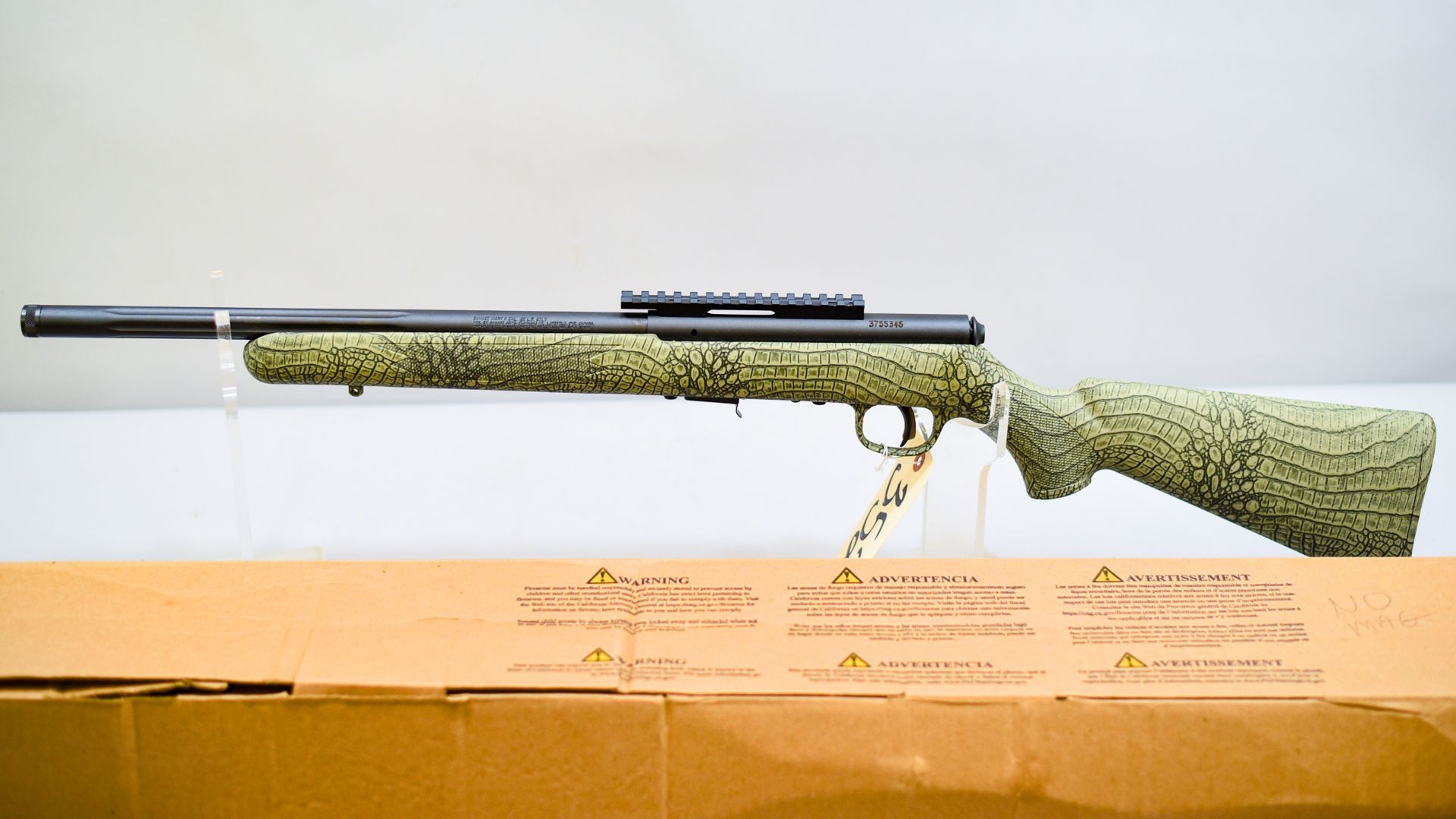
The Savage Mark II is a cheap rimfire that shoots well, but the V-block, barrel-band, and small action screws are all suspects after heavy plinking. Rimfires are deceptively violent for light hardware—the repeated recoil and vibration makes tiny screws back out and light stocks compress, which shows up as wandering zero.
Once the barrel shift happens, groups open and that once-trusty backyard trainer becomes frustrating. Owners who run a lot of .22s learn to check ring torque and V-block screws every time they stop. It’s fixable, but a Mark II left unattended will loosen more quickly than stouter rimfire designs.
Browning A-Bolt
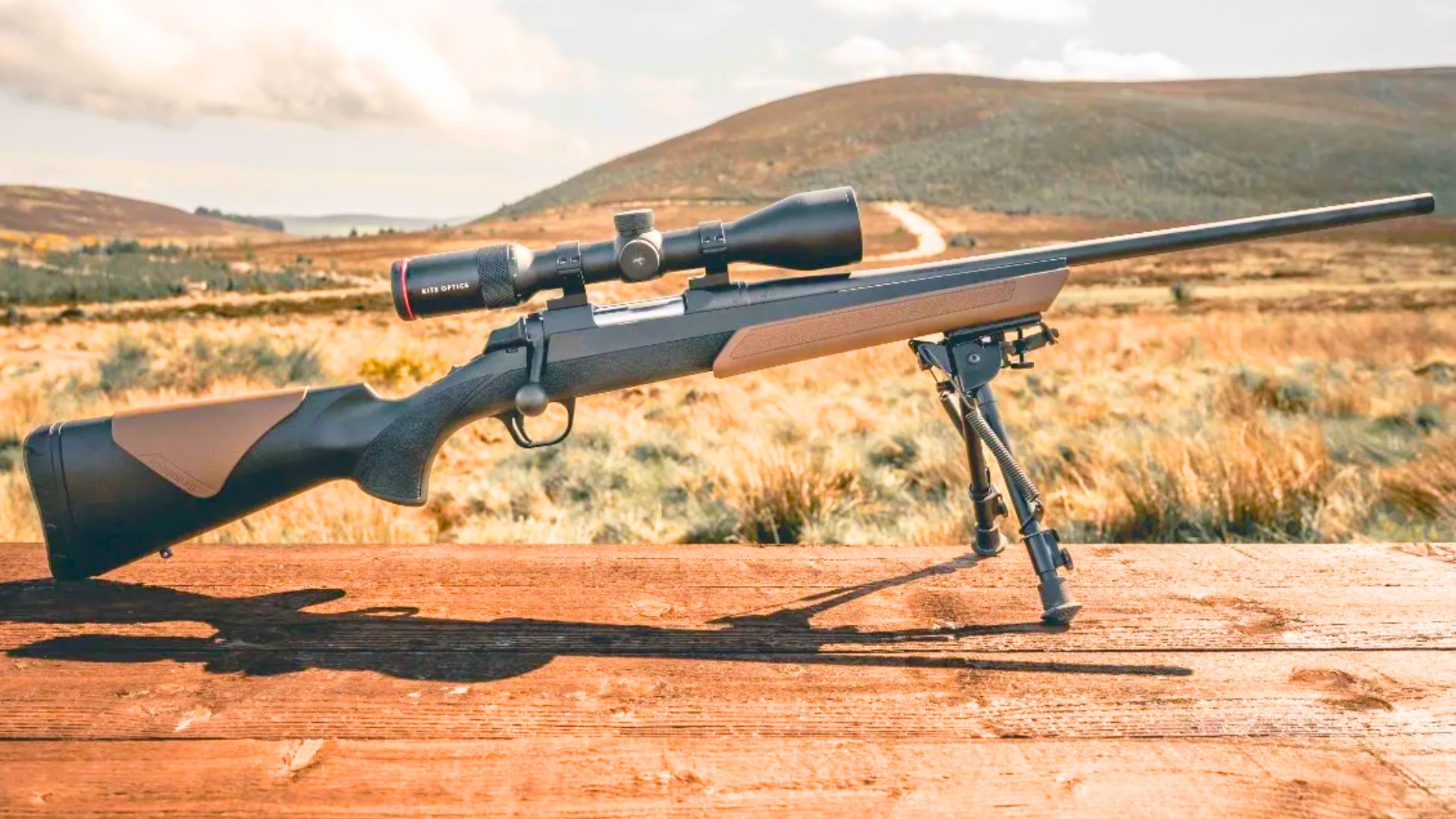
The A-Bolt action is solid, yet some of the entry-level Browning finishes and base screws don’t withstand repeated recoil well. It’s the small things—scope bases that creep, action screws that settle into their bedding—that gradually loosen the rifle’s precision. After a few hard days on the range, shooters often find they’ve lost a fraction of point of impact.
Browning builds are generally good, but low-cost bases and undersized fasteners accelerate the loosening process if you run high volumes. Proper mounting and occasional re-torquing are the cure, but it’s surprising how quickly groups change when hardware walks.
CZ 455/457
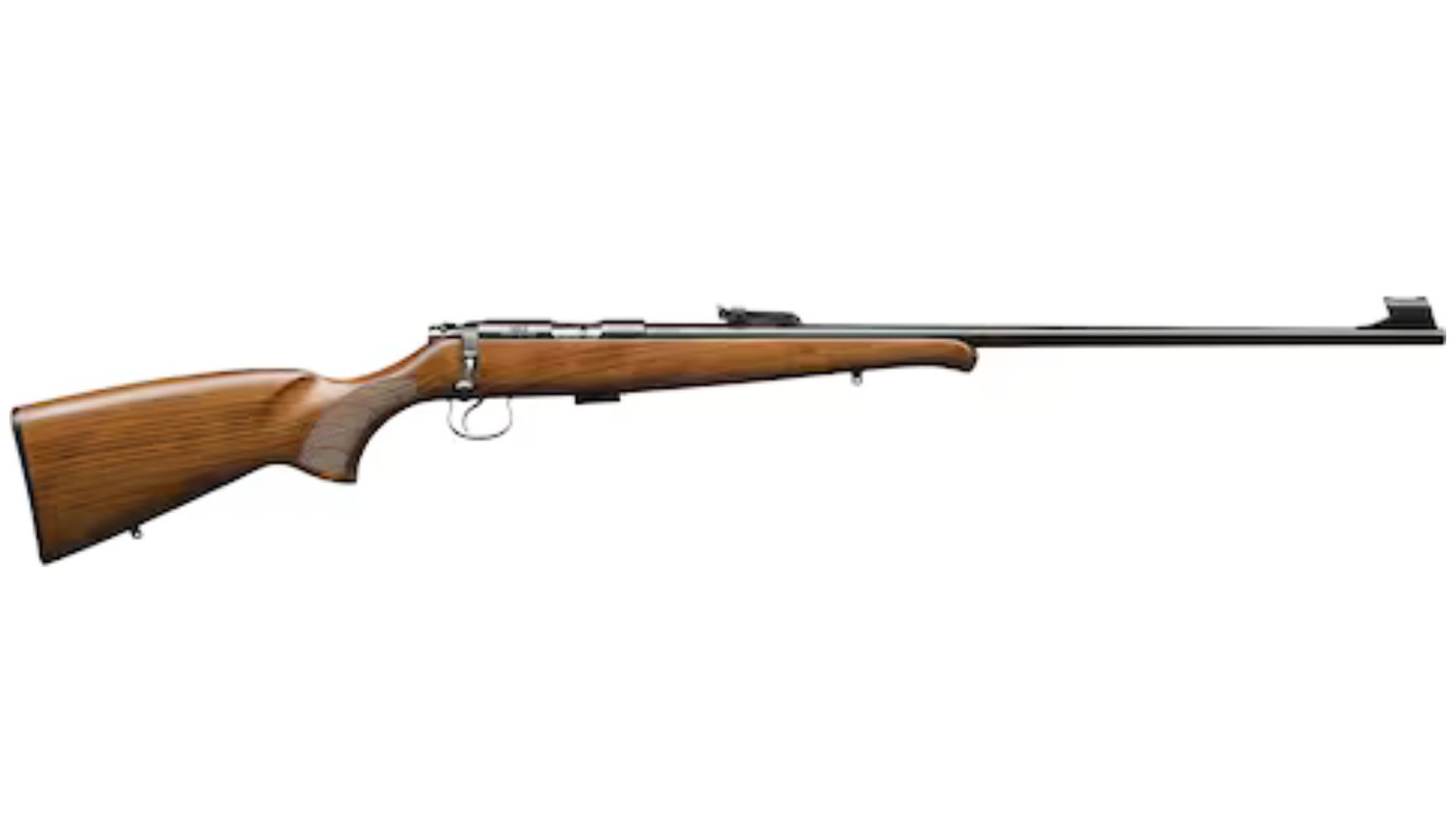
CZ rimfire rifles are accurate, but their small, lightweight receivers don’t forgive poor mounting. If someone clamps a cheap scope with undersized rings to a 455 or 457 and then feeds it lots of .22s, the rings can walk or the base screws can settle, loosening the whole setup. The end result is a trainer that stops grouping as it used to.
Rimfire vibration and soft screw engagement combine to make this a common problem. Replacing the base hardware with hardened screws and using well-made rings restores reliability, but the rifles do show a tendency to loosen up if they’re treated with bargain optics and heavy shooting.
Marlin Model 1895

The big-bore Marlin 1895 is a great brush rifle, but heavy .45–70 recoil accelerates wear in the fore-end ironwork and lever assembly. Finite clearances in the lever latch and forearm tension can relax after repeated heavy loads, producing more play in the action and a gradual loss of tightness.
Hunters who take a lot of heavy loads through these guns sometimes report the lever developing slack and the barrel/receiver fit loosening slightly. Fixable with a gunsmith’s attention, sure—but every heavy round makes the parts want to move a bit more than they did on day one.
Thompson/Center Venture

The Venture is a value bolt-action that shoots well, but the action screws and thin bases on early or budget models can compress in their bedding under repeated firing. Once that bedding settles, torque on screws drops and the rifle begins to lose its consistent point of impact after several boxes.
It’s not that the design’s bad—the Venture just uses lighter materials to hit a price point, and those materials don’t resist vibration like heavier competition components. A re-bedding or upgraded hardware will cure it, but the rifle will keep showing signs of loosening until you invest in that fix.
Ruger Precision Rimfire
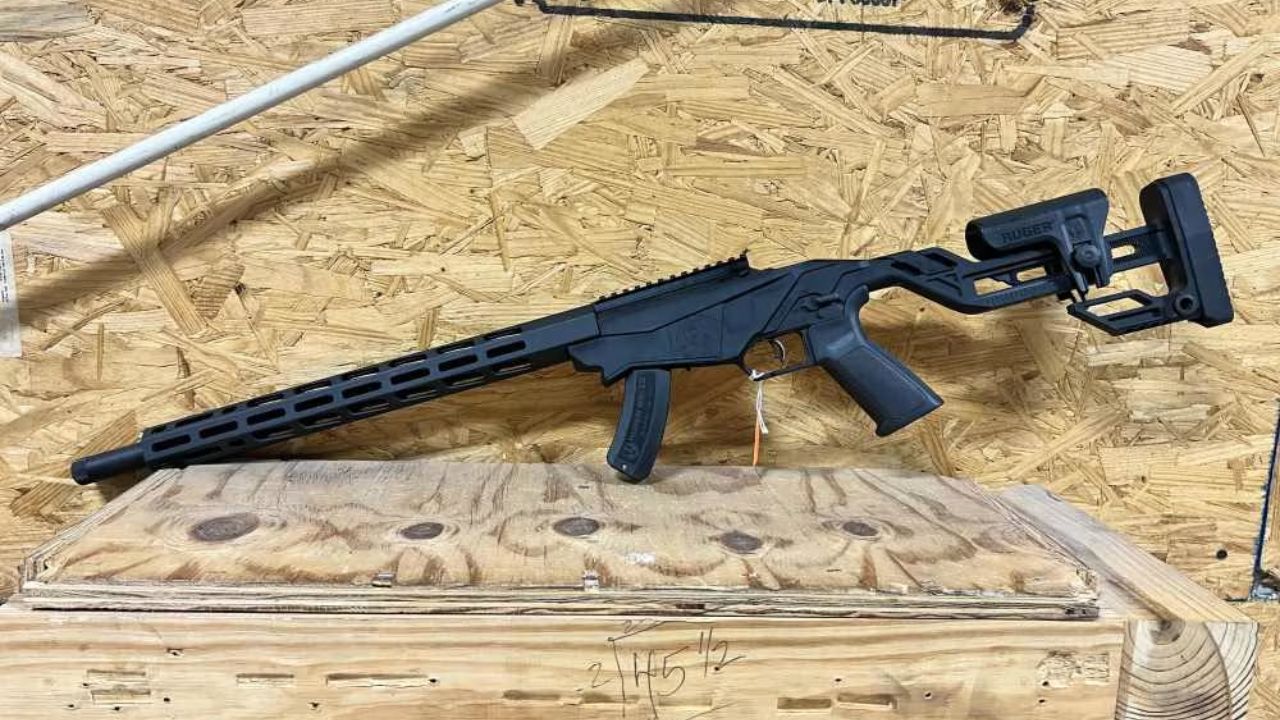
The Ruger Precision Rimfire is a clever trainer, but some early-production units and lighter .22 components have shown pins and fasteners that back out with use. The chassis-like design depends on a bunch of small fasteners; vibration and heat make those screws want to move, resulting in a rifle that drifts zero as you burn through ammo.
It’s an odd problem on a rifle designed for precision, but repeated rapid firing highlights weak points. The cure is consistent inspection and replacing soft screws with hardened hardware. Left alone, though, many owners have watched a tight rimfire creep open box by box.
Smith & Wesson Model 60
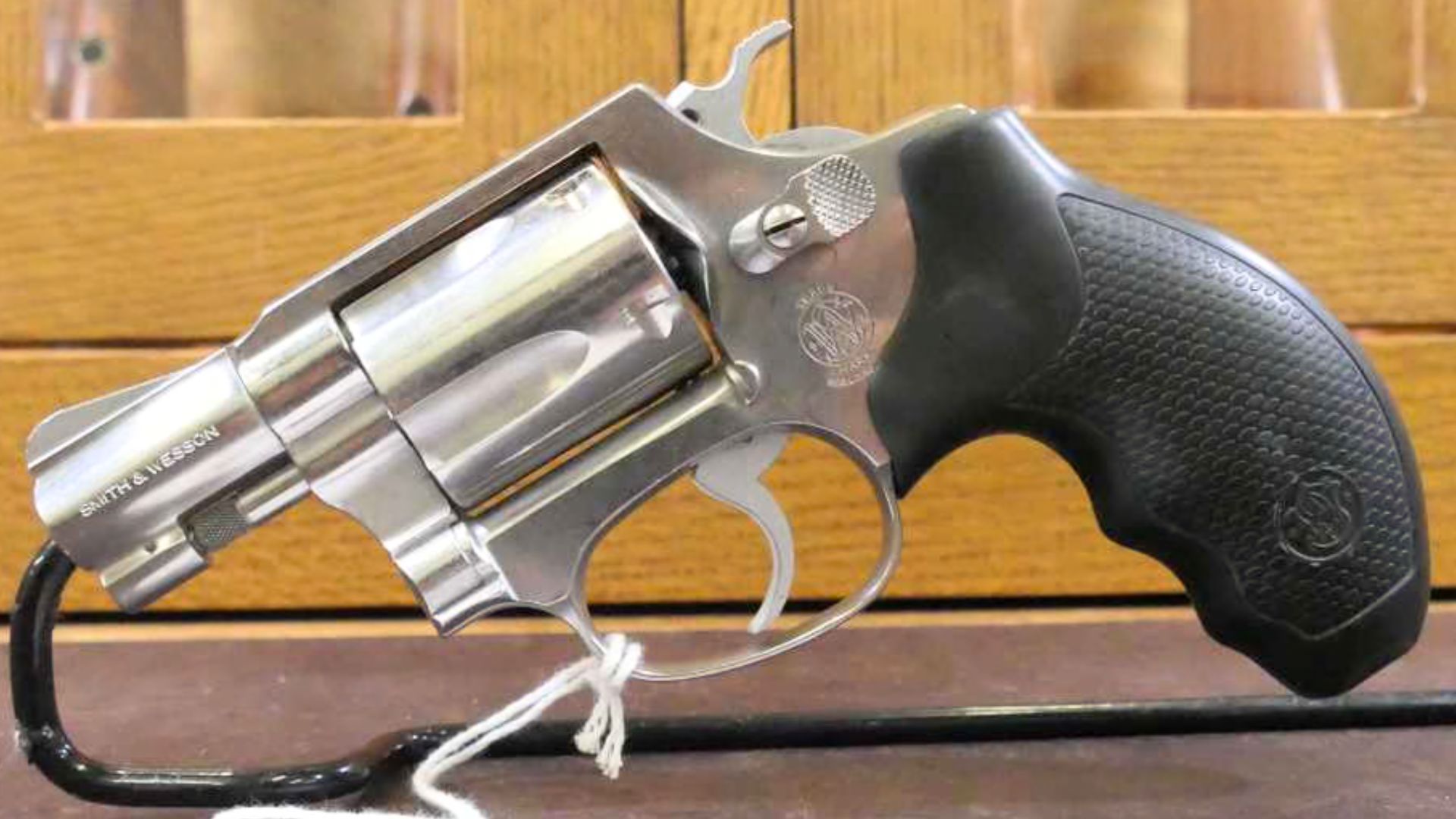
Carry revolvers like the Model 60 aren’t range guns, but even they loosen if you put a lot of practice rounds through them. Cylinder-pin endplay grows, ejector rod play creeps in, and grip screws back off with steady shooting. Every box of practice ammo chips away at that initial tightness.
These are workhorses, and most owners won’t see issues unless they run high volumes, but for those who do, it’s noticeable: the trigger becomes less precise and the timing shows tiny changes. Regular maintenance and checking of fasteners keep revolvers honest, but they don’t magically hold together forever under heavy use.
Like The Avid Outdoorsman’s content? Be sure to follow us.
Here’s more from us:
The worst deer rifles money can buy
Sidearms That Belong in the Safe — Not Your Belt
*This article was developed with AI-powered tools and has been carefully reviewed by our editors.