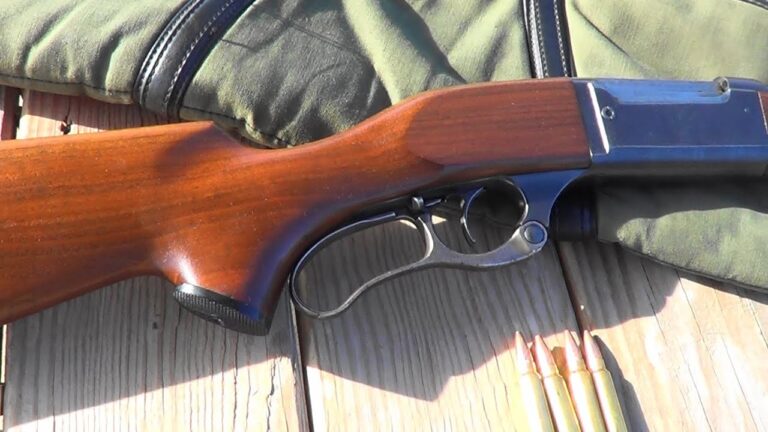
Photo credit: Springfield Armory/YouTube
A lot of pistols earn your trust in the first 50 rounds. They’re clean, lightly oiled from the factory, and you’re shooting slow enough that nothing gets stressed. Then you start running drills, loading mags to the top, mixing bargain ammo, adding an optic or a light, and letting the gun get hot and dry. That’s when the “weird” starts—failures that seem random, ejection that changes, or a gun that suddenly feels out of rhythm.
Most of the time, it isn’t magic and it isn’t you suddenly forgetting how to shoot. It’s timing margins, magazine geometry, spring rates, small parts settling in, or accessories changing how the system behaves. These are specific pistols that can shoot great at first, but have a reputation for showing quirks once you get past the honeymoon.
SIG Sauer P365 (early-production pattern)

The P365 earned its place because it shoots bigger than it looks. That first range trip often feels like a win: good sights, good trigger, and it doesn’t beat you up like older micro guns. Then you start stacking rounds and you see the common micro-9 reality—timing gets tighter as the gun heats and gets dirty.
With some P365s (especially early runs), shooters reported stoppages that didn’t show up in the first box: odd failures to return to battery, inconsistent ejection, or a gun that suddenly seems ammo-sensitive. The short slide stroke doesn’t give you much forgiveness, and tiny changes in lubrication, grip pressure, and ammo consistency can show up fast. When it’s running right, it’s excellent. When it gets picky, it feels like it changed personalities mid-session.
Springfield Armory Hellcat
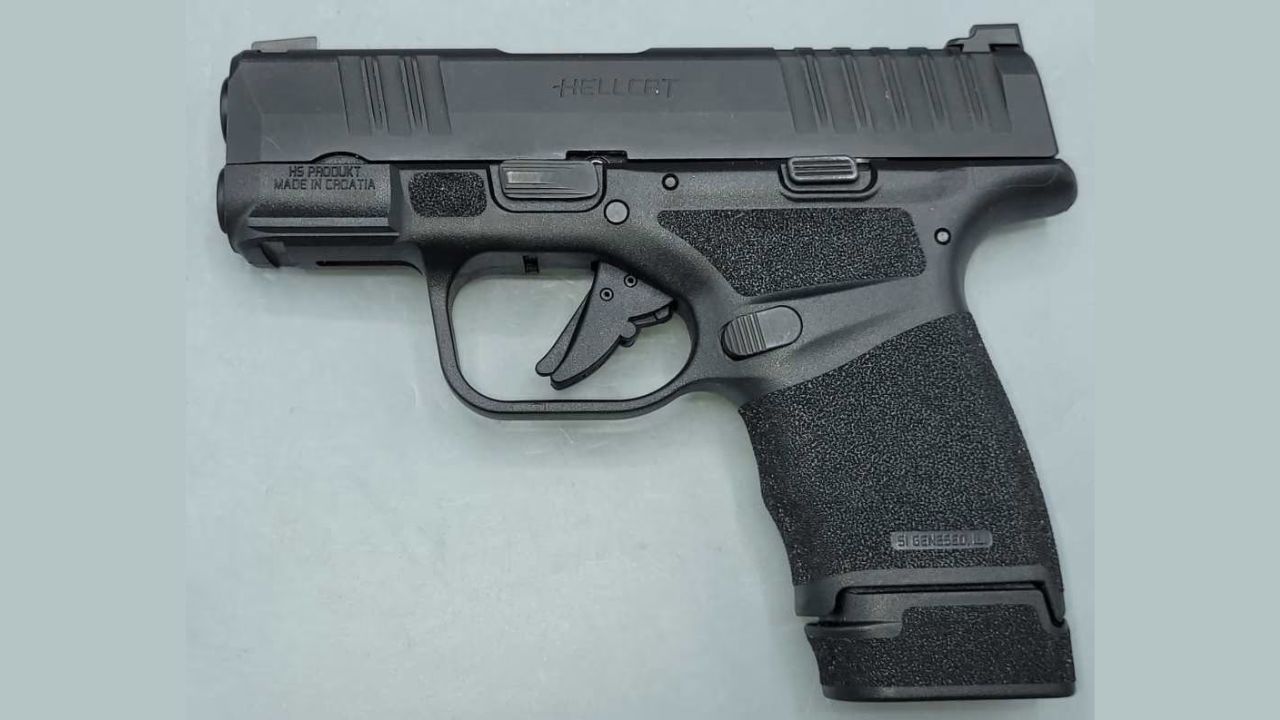
The Hellcat has that “snappy but shootable” feel that impresses you early. It points well for a micro, the sights are practical, and it can run clean through a box of ammo without a hiccup. Then you start loading magazines to full capacity every time and pushing the pace, and the tiny-gun tradeoffs can show up.
Some Hellcats have a reputation for being more sensitive to magazine-related variables than people expect. Fully topped-off mags, certain bullet profiles, or inconsistent bargain ammo can turn an otherwise solid pistol into one that does something strange once every few magazines. It’s the kind of issue that drives you nuts because it’s not constant. The gun feels “perfect” until it doesn’t, and that on-and-off behavior is exactly what makes shooters call it weird.
Smith & Wesson M&P 9 Shield Plus

The Shield Plus is one of those pistols that makes you look competent right away. It’s thin, it shoots flatter than older single-stacks, and the trigger is usually good enough that you don’t feel under-equipped. The first outing tends to be clean and confidence-building.
Where some shooters run into odd behavior is when they start treating it like a duty gun—fast strings, mixed ammo, and fully loaded mags all the time. The Shield family has long been magazine-dependent, and minor differences in springs, followers, or how a mag seats can show up as occasional feed weirdness that wasn’t there on the first trip. It’s not that the pistol can’t be reliable. It’s that its reliability “feel” can hinge on mags and ammo more than the average buyer expects.
Ruger LCP MAX

The LCP MAX is easy to love at first because it’s small enough to actually carry, yet it holds more than pocket .380s used to. A clean LCP MAX can run surprisingly well for what it is, and the first session often convinces you it’s a pocket gun you can really shoot.
Then reality shows up: tiny .380s don’t have a lot of operating margin, and they don’t forgive sloppy grip once your hands get tired or you’re shooting fast. The “weird” with the LCP MAX is usually tied to how you hold it and what you feed it. Some shooters see intermittent cycling issues once they start ripping through magazines, especially with softer ammo. It’s not a knock on the design as much as a reminder: a featherweight pistol can be dependable, but it’s easier to push it outside its comfort zone.
Kimber Ultra Carry II

A short 1911 can shoot like a dream in that first clean session. The trigger is crisp, the sights feel natural, and the gun has that familiar 1911 balance—even in a compact package. It’s easy to walk away thinking you found the perfect carry 1911.
Then the weird starts. Three-inch 1911s have a smaller timing window than a full-size gun, and they tend to be more sensitive to magazines, recoil spring condition, and ammo shape. You’ll hear the same story over and over: it ran great early, then after a couple boxes it started choking—usually on feeding or returning to battery once it gets warm and dirty. When a compact Kimber is tuned and kept in its happy zone, it can run. But it’s one of the easiest platforms to go from “awesome” to “why is it doing that?”
Colt Defender

The Colt Defender has real appeal: reputable name, classic ergonomics, and a compact 1911 that still feels like a serious tool. It can shoot extremely well in the first outing, especially when it’s clean and you’re using ammo it likes. That early performance can be convincing.
The Defender can also show the same compact-1911 quirks once you lean on it. Short-slide 1911s tend to amplify small issues—extractor tension, magazine geometry, and recoil spring dynamics matter more than they do on a Government model. Owners who run the gun hard sometimes report weird, intermittent stoppages that don’t show up when you’re taking your time. The frustrating part is that it can look like random bad luck when it’s actually consistency issues piling up: a little heat, a little fouling, a slightly different mag, and the gun starts acting like it has moods.
Remington R51

The original R51 rollout is one of the clearest examples of “shoots great once, then weird.” Some people handled one, liked the concept, and had an early range session that seemed fine. The ergonomics can feel good in the hand, and the recoil impulse can seem different than what you expect from a small 9mm.
But the Gen 1 R51 developed a widespread reputation for inconsistent function and build quality issues. That’s where the weird stories come from: odd stoppages, unpredictable reliability, and a gun that might behave for a short stretch and then go sideways. It’s the kind of pistol that can fool you in a quick test and punish you later when you try to run it like a real carry gun. If you’re talking about honeymoon reliability followed by strange behavior, the early R51 is a textbook case.
Walther CCP (M2)
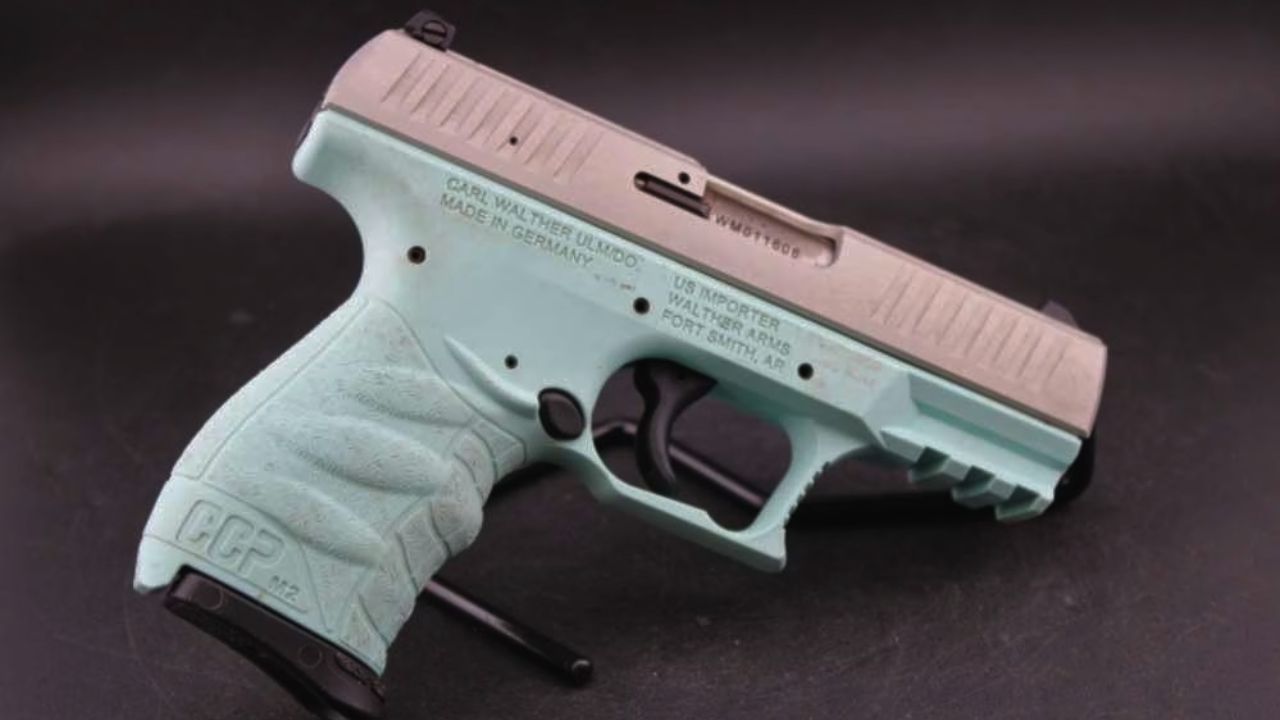
The Walther CCP can feel like the answer for shooters who want softer recoil without going full-size. It often shoots pleasantly in a brief range trip, and that first impression can be strong—especially if you’re coming from a snappier compact.
The CCP’s “weird” reputation usually comes down to sensitivity. Pistols that rely on a different operating system can be less tolerant of neglect, low-power ammo, or getting run very dirty. Some shooters report a gun that starts strong and then becomes inconsistent as fouling builds or conditions change. That’s when you see sluggish cycling or stoppages that weren’t there early. If you shoot it clean, with ammo it likes, it may look like a winner. If you treat it like a work gun and let it get grimy, you learn pretty fast whether it stays happy or starts acting like it needs special handling.
Taurus GX4

The GX4 impressed a lot of people because it shoots well for its size and price. A clean GX4 can feel surprisingly tight and accurate for a micro-compact, and plenty of first sessions go smoothly enough to build confidence fast.
Where “weird later” stories come from is early-production variability and the way micro pistols punish small tolerances. Some owners have reported intermittent issues that don’t show up immediately—erratic ejection, occasional feed problems, or performance that seems to depend heavily on magazines and ammo. That inconsistency is the key problem: it’s hard to diagnose because it isn’t failing every time. When a GX4 is a good one, it can be a very shootable carry gun. When it isn’t, it’s the kind of pistol that makes you say, “It was great at first… then it got strange.”
Canik TP9 Sub Elite
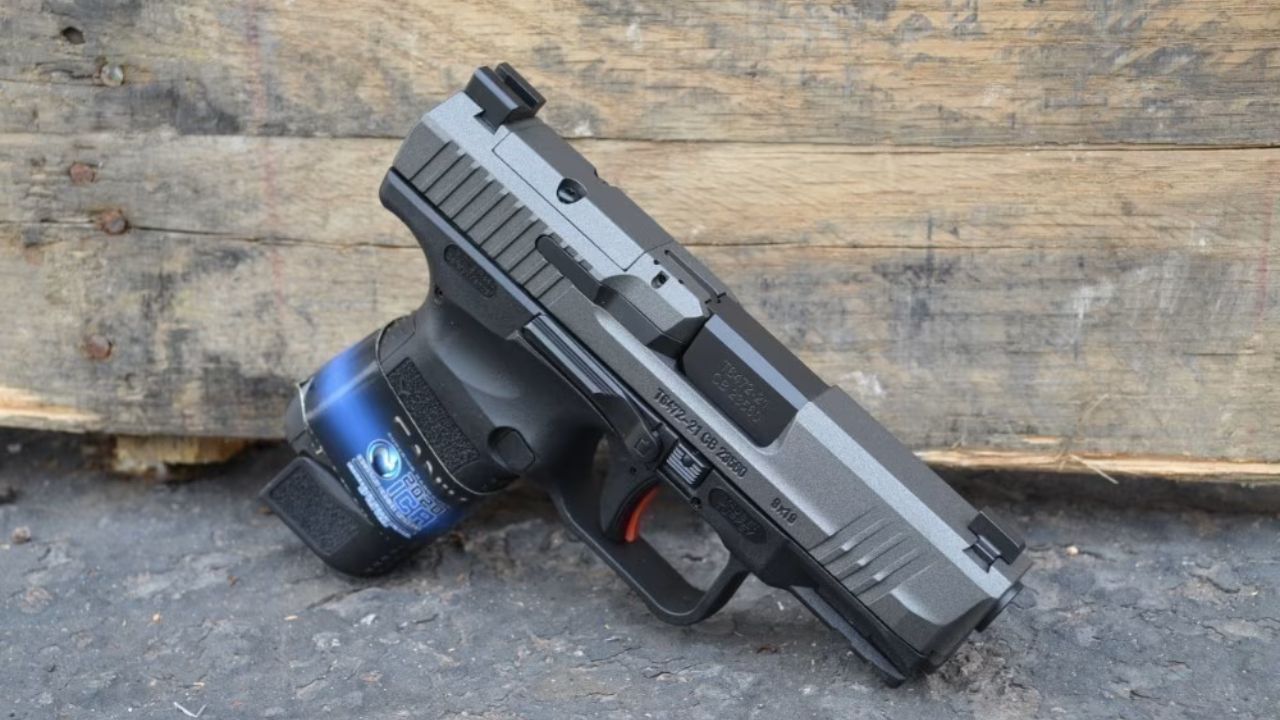
Canik compacts often win people over fast. The trigger feels clean, the gun tracks nicely, and the price-to-performance ratio makes the first range trip feel like you beat the system. You’ll see good groups early, and it’s easy to walk away thinking you’re done shopping.
The weird reports on compact Caniks tend to show up when you start changing variables—different ammo, different magazines, or running longer strings that heat the gun up. Some shooters describe occasional feed issues or slide behavior that feels inconsistent once the gun is dirty or when using lighter range ammo. With value-oriented pistols, the most common theme is variation from sample to sample. One runs like a champ forever. Another feels perfect for the first outing, then starts doing little annoying things that eat your confidence. That’s the “great once, weird later” pattern.
CZ P-10 C
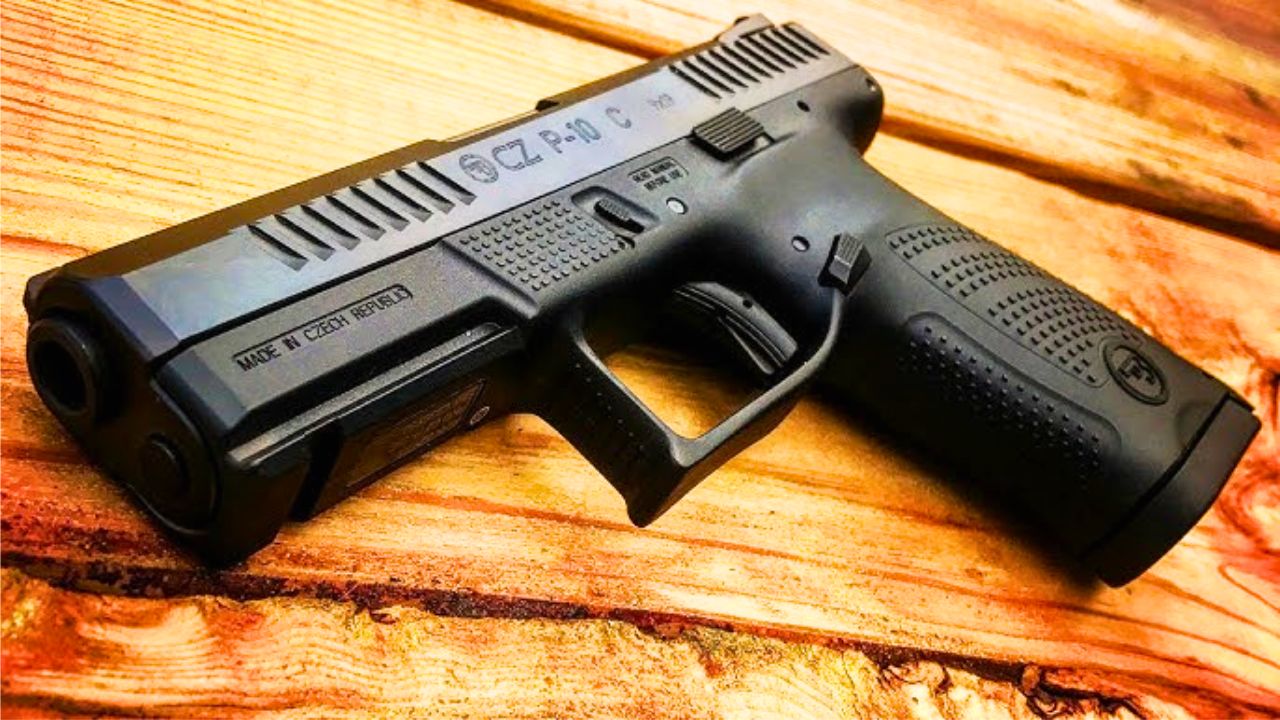
The P-10 C is a shooter’s pistol. It points naturally, the trigger is usually solid, and accuracy is rarely the complaint. A quick range trip often turns into “I should’ve bought this sooner,” because it’s easy to shoot well without fighting it.
When people complain about weirdness later, it’s usually not accuracy—it’s the occasional reliability quirk tied to magazines, ammo, or how the gun is set up. Some owners report intermittent failures that only show up with certain bullet shapes or when the gun is run dry and dirty over longer sessions. It’s also a pistol that invites tinkering, and once you start swapping parts or mixing mags, you can create odd problems that weren’t there in stock form. The P-10 C can be very dependable, but it’s not immune to “it ran great once” stories when variables change.
FN 509
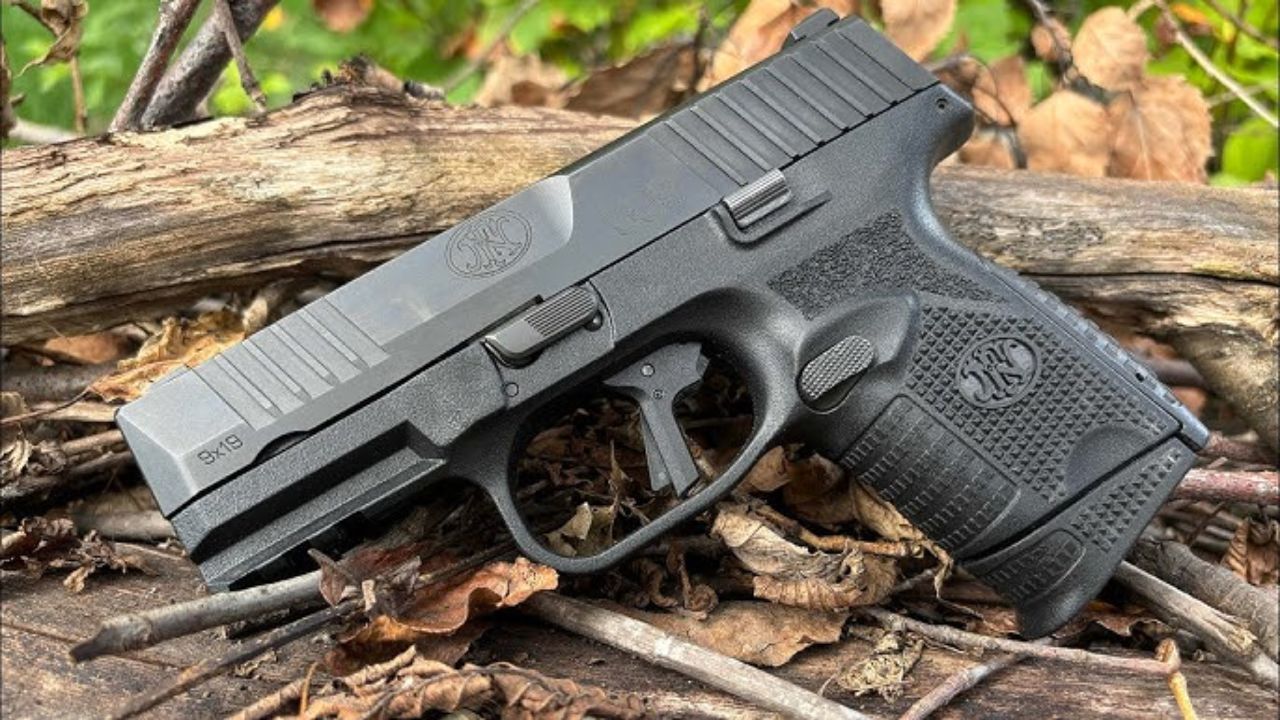
The FN 509 has a duty-gun feel, and it can shoot very flat and predictable once it’s settled. Early impressions can be excellent because it’s built to be sturdy, and you can often run a first box without any drama. It feels like a pistol you can trust.
The “weird” stories you hear about the 509 tend to cluster around early stiffness and break-in. Some shooters report a gun that feels tight, then becomes inconsistent when it’s run hard early on—especially with weaker range ammo. That can show up as sluggish cycling, failures to lock back, or odd ejection until things smooth out. The frustrating part is that it doesn’t always show up immediately. It shows up when you start shooting fast and the gun gets hot and dirty, which is exactly when you want a duty-style pistol to be boring. Once a 509 is running right, it tends to stay steady, but early sessions can be mixed.
Springfield Armory XD-S

The XD-S can feel like a smart carry choice during the honeymoon phase. It’s thin, easy to conceal, and it shoots well enough that you don’t feel undergunned. A clean XD-S on a calm range day can run fine and give you a solid first impression.
The reason it shows up in “weird later” conversations is that the XD-S line has had enough history—especially with earlier variants—that some shooters remain cautious. Reports have included intermittent function issues and concerns that show up after more use, not necessarily in the first quick test. That’s the danger: you can get a good first session and still end up with a pistol that shakes your confidence later. The XD-S can work, but it’s one of those carry guns where many experienced shooters insist on a longer proving period before they trust it.
Ruger SR9c

The SR9c is an older name, but it still gets picked up used because it feels slim, points well, and can shoot better than people expect. Plenty of SR9c pistols deliver a great first range trip—good accuracy, decent trigger, and reliability that seems completely normal.
Where “weird later” stories can crop up is in the small stuff: magazine wear, spring fatigue in older examples, and inconsistent behavior when you mix ammo types. With a pistol that’s been around a while, you’re often not judging the model—you’re judging that specific gun’s history. A used SR9c might look perfect on day one and then start giving you odd malfunctions that trace back to tired mags or parts that aren’t as fresh as they seem. That’s how you end up with the classic line: “It shot great once… then it started acting weird,” even though the platform itself can be solid.
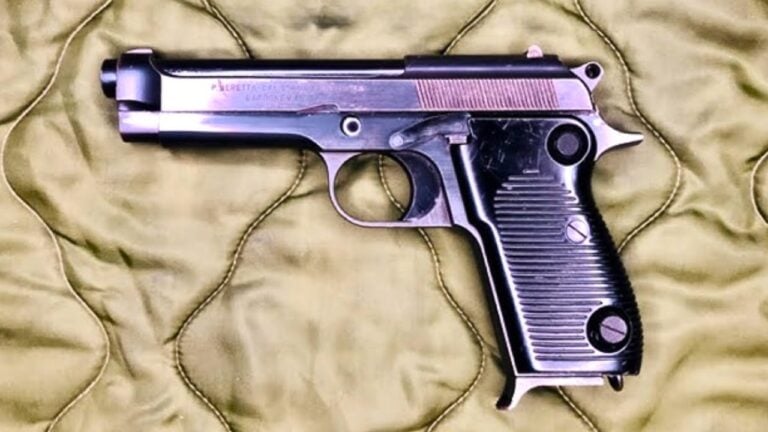
Beretta 92FS

A 92FS can make you feel like a better pistol shooter immediately. The weight soaks up recoil, the sight radius helps, and the gun’s balance makes slow-fire accuracy almost unfair. Your first outing can be pure confidence, especially if the pistol is clean and properly maintained.
The 92 series usually isn’t known for random unreliability, but it can absolutely get “weird” if you treat it like it doesn’t need attention—especially with magazines and maintenance. Old surplus mags, weak springs, or a gun that’s run bone-dry can create intermittent problems that weren’t obvious in a quick session. You’ll also see ejection patterns change when parts are worn. The point isn’t that the 92FS is flaky. It’s that even proven designs can shift from perfect to puzzling when you introduce worn mags, long intervals without cleaning, or unknown used-gun history.
Like The Avid Outdoorsman’s content? Subscribe to our newsletter so you never miss an article.
Here’s more from us: