Photo credit: Kaboompics.com/Pexels
You’ve seen it a hundred times: a rifle shows up online looking like the answer to every problem you’ve ever had at the range. Clean photos, tight little “cloverleaf” groups, and comment sections full of guys swearing theirs shoots half-inch all day. Then you buy one, set it up the same way, and your first range trip feels like you got catfished.
Most of the time, it’s not one single “bad rifle” problem. It’s stacked tolerances, thin barrels that heat up fast, flimsy stocks that flex, gritty triggers, picky magazines, and rifles that look built for hard use but weren’t finished with hard use in mind. Here are 15 rifles that often look perfect online—and can disappoint when you finally start chasing real groups.
Ruger Precision Rifle

Online, the Ruger Precision Rifle looks like a cheat code. Chassis, adjustable everything, heavy barrel, and that “long-range ready” vibe that makes you feel like you’re buying performance, not a project.
On the range, you can still end up fighting it. Some shoot great, but others feel weirdly inconsistent as the barrel warms, or they show a strong preference for one load while throwing flyers with another. The factory trigger can be fine, but not always clean enough to make tiny groups feel repeatable. Add in magazine quirks, bipod loading mistakes, and a rifle that encourages you to over-torque and over-tinker, and your groups can get worse instead of better. It’s a lot of rifle, and it punishes sloppy setup.
Christensen Arms Ridgeline

A Ridgeline photographs like a dream: carbon barrel, clean lines, lightweight hunting build, and the kind of spec sheet that makes you think you’re buying a mountain rifle that shoots like a bench gun.
In real life, lightweight and “tiny groups” don’t always get along. Some of these rifles shoot lights-out, and some are more temperamental than you’d expect—especially once the barrel heats, or if the action-to-stock fit isn’t dead consistent. A thin, light rifle also magnifies small shooter mistakes, and it’s easy to mistake that for “the rifle is off” when you’re trying to print tiny groups with a hunting-weight gun. If you buy one, you’re buying a fast-carrying rifle first, and accuracy is something you verify, not assume.
Kimber Mountain Ascent

Kimber’s Mountain Ascent looks like the ultimate backcountry answer: featherweight, handsome, and built for the guy who counts ounces and hates bulky rifles.
Then you shoot it. Ultra-light rifles can be brutal about follow-through, and they tend to heat up quickly and shift if your support changes even a little. That’s not “bad,” but it can feel like disappointment if you expected easy one-inch groups without learning the rifle. Some examples also ship with triggers that feel heavier or less predictable than you wanted in a precision-minded hunting rifle. The Mountain Ascent can absolutely kill animals cleanly, but it often asks more from you than the internet photos admit.
Remington 700 SPS

A Remington 700 SPS looks like the classic “buy once, build forever” rifle. You see endless aftermarket support, endless success stories, and enough social proof to make you think you can’t miss.
The letdown usually starts with the factory stock and the feel of the action in that stock. The SPS stock can flex, and that can show up as inconsistency when you’re shooting off bags, off a bipod, or with different sling tension. Triggers vary by year and model, and you might get one that feels fine or one that makes clean breaks hard. None of this means the 700 can’t shoot—it means the “out of the box” experience often doesn’t match the internet legend unless you get a particularly good example.
Ruger American Ranch

The Ruger American Ranch looks perfect online because it checks boxes fast: short, handy, threaded, affordable, and “way more accurate than it should be.” It’s easy to fall in love with that idea.
At the range, the budget shows up in the places you notice when you’re chasing consistency. The stock can feel light and flexy, the bedding isn’t always confidence-inspiring, and some chamberings can be surprisingly ammo-sensitive. Magazine fit can also be a source of weirdness—especially if you’re mixing different mag types or expecting AR-mag behavior from a bolt gun. Plenty of these rifles shoot great, but when they don’t, you learn quick that “Ranch” means handy first, precision second.
Savage Axis II

The Axis II is an online favorite because it’s cheap, lightweight, and people love posting “I paid nothing and it shoots everything” range photos. It looks like the smart buy.
Where it disappoints is when you expect it to feel like a nicer rifle because of those photos. The stock can be flimsy, the balance can feel toy-like, and the action isn’t always as smooth as you hoped. Even with the AccuTrigger, you can get a break that feels workable but not truly clean, and that matters when you’re trying to call shots precisely. It can absolutely be a good hunting tool, but if you buy it expecting a “budget custom” experience, the range will remind you what you paid for.
Mossberg Patriot

The Patriot looks great in pictures: classic lines, light weight, and often a price tag that makes it feel like you found a loophole in the rifle market.
On the range, the fit-and-finish reality can land with a thud. Some Patriots shoot acceptably for hunting, but others can feel rough in the action, and triggers can vary more than you’d like. The factory stock and bedding arrangement can also make the rifle feel inconsistent across different rests and pressures. It’s the kind of gun that can do the job inside normal hunting distances, but it doesn’t always deliver that “this is going to stack holes” vibe that online brag groups suggest.
Winchester XPR

The XPR looks like a modern, streamlined bolt gun that should shoot great. Winchester name, clean styling, and lots of owners posting respectable groups makes it easy to trust.
The disappointment usually isn’t “it can’t hit a deer.” It’s that the rifle can feel a little soulless and inconsistent if you’re a group-chaser. Triggers can be okay but not inspiring, and the stock can feel hollow and springy. Some rifles also show a clear preference for specific loads, which is normal, but it’s frustrating when you expected broad, easy accuracy. If your mental picture was “Model 70 confidence,” the XPR sometimes feels more like “it’s fine, I guess.”
Remington 783
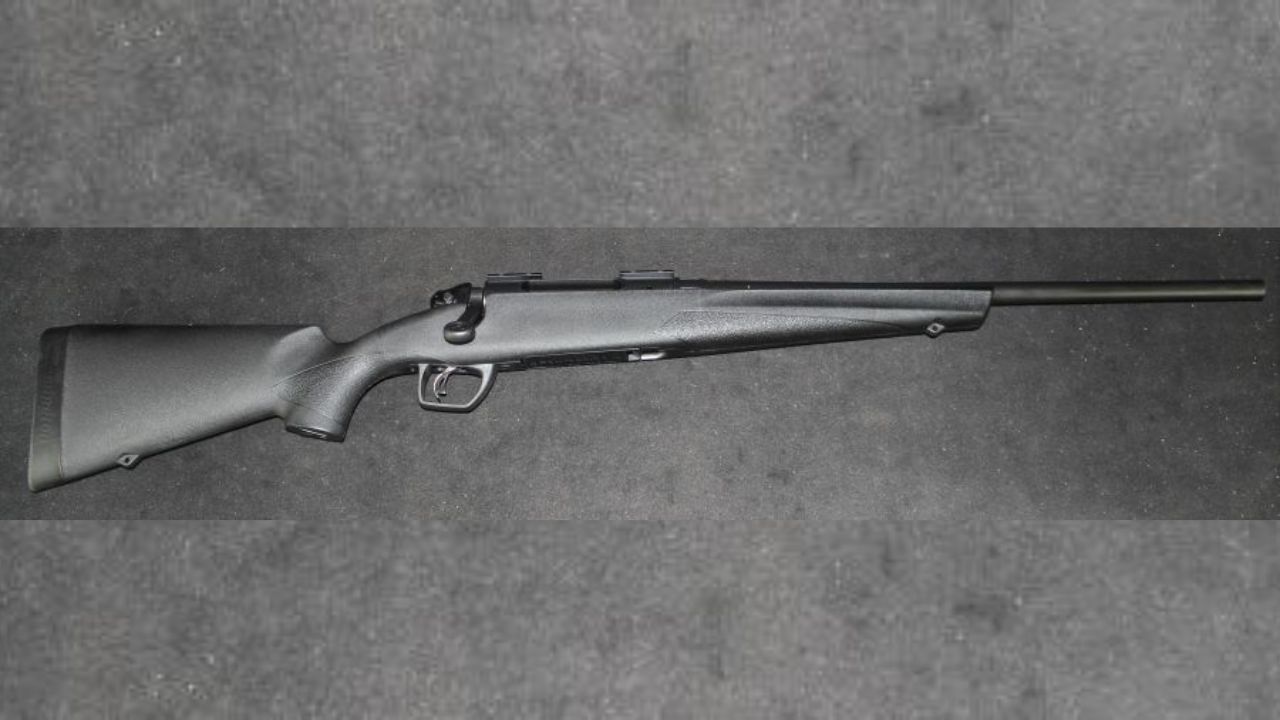
Online, the 783 often gets pitched as the sleeper: “Remington accuracy without paying Remington prices.” People post decent groups and swear it’s underrated.
At the range, it can feel like a rifle built to meet a price point, not exceed expectations. The action can feel clunky, magazines can be annoying compared to flush internal setups, and the overall feel can make it harder to shoot well from the bench than you expected. Accuracy can be perfectly usable, but consistency is what disappoints—especially if you’re comparing it to the internet’s best-case examples. It’s a practical hunting rifle, but it doesn’t always deliver that smooth confidence you expected when you clicked “buy.”
Thompson/Center Compass

The Compass looks like a steal online—often bundled with an optic, priced to move, and marketed like it’s ready to hunt the second you open the box.
The range is where you learn what “bundle gun” really means. The included optics are frequently the weakest link, and the rifle’s stock and trigger can make it harder to shoot tight groups than the internet photos suggest. Even when the rifle itself is capable, inconsistency in setup and feel can make it seem worse than it is. If you go in expecting a complete, polished system, it can disappoint. If you treat it like a starting point and verify everything, it can be a functional deer rifle.
Ruger Mini-14

The Mini-14 looks perfect online because it has style and history. It’s handy, it feels like a ranch rifle should, and it scratches that “classic but capable” itch in a way ARs don’t.
Then you start trying to shoot groups. Minis have improved over the years, but “practical accuracy” is still the theme, not benchrest performance. You can get respectable results, but you can also get patterns that make you question your optic, your ammo, and your sanity. The thin barrel and the way the rifle heats can open things up faster than you expect, and the sighting system or mounts can add another variable. It’s a great rifle for what it is—just don’t buy it expecting AR-style precision.
Springfield SAINT (entry-level AR-15)

A basic SAINT looks like an easy win online. It’s clean, modern, and AR culture makes you think “it’ll shoot great, it’s an AR, what could go wrong?”
At the range, the disappointment is usually about expectations, not function. Entry-level ARs can be perfectly reliable, but accuracy varies a lot based on barrel quality, ammo, and how consistent the shooter is behind a lighter, faster-moving gun. Add a gritty trigger, a handguard that isn’t as rigid as you assumed, and an optic setup that looks good but isn’t truly solid, and your groups can be average at best. It’s not a disaster—it’s just not the laser the internet told you it was.
PSA PA-10 / budget AR-10 pattern rifles

Online, the budget AR-10 world looks like a bargain long-range ticket. Big caliber, big vibes, and plenty of people claiming easy accuracy without paying premium money.
The range can be a rude lesson in “standards aren’t as standardized as you thought.” AR-10 pattern rifles can be picky about magazines, gas tuning, and ammo, and small mismatches stack up fast. You’ll also see rifles that run fine but don’t group the way you expected, especially once you start heating the barrel. If you expected bolt-gun consistency with semi-auto convenience, that’s where disappointment lives. Some examples are great, but the category rewards careful shopping and realistic expectations.
IWI Tavor X95
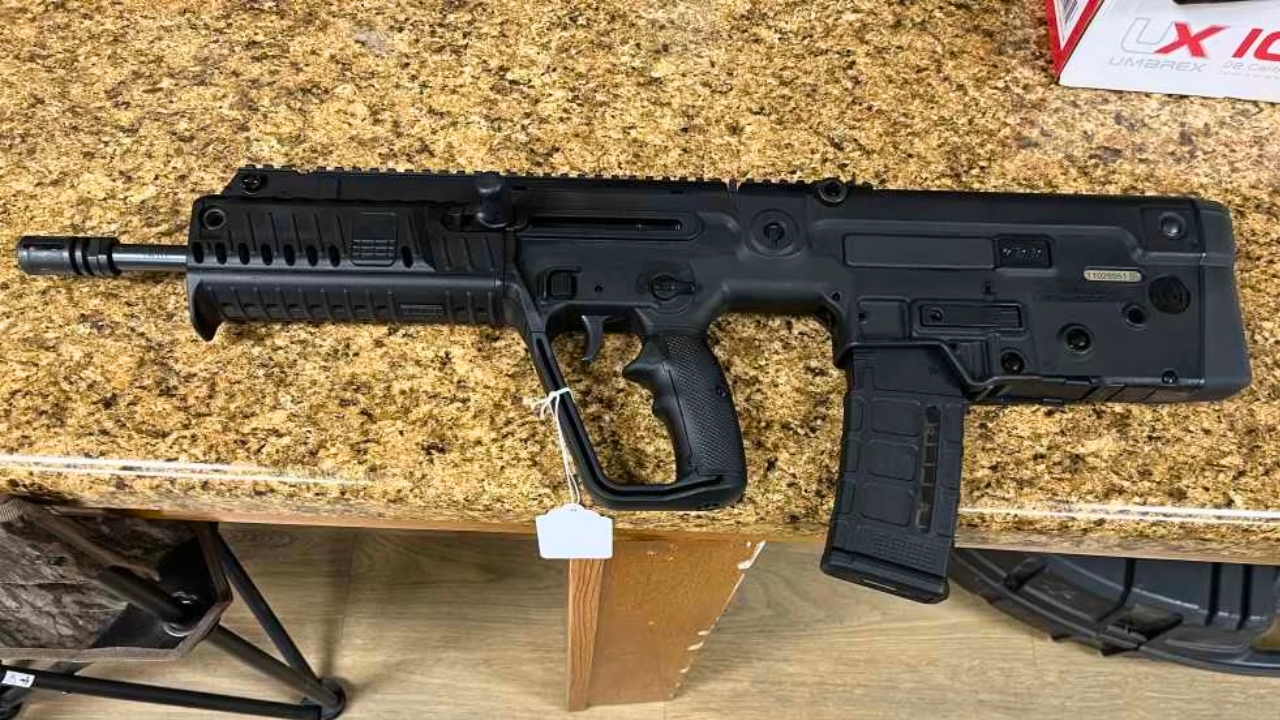
The Tavor X95 photographs like the perfect do-everything rifle: compact, rugged, and built like it belongs in hard use. Online, it looks like the ultimate “short rifle, long capability” answer.
On the range, the trigger and balance are what usually bring you back to earth. Bullpups can be accurate enough, but the trigger feel often makes small groups harder than they should be, and the ergonomics can make consistent cheek weld and support pressure trickier. You may also find that your expectations were shaped by the gun’s vibe more than its design goals. The X95 is a handy, durable rifle, but if you wanted easy, repeatable precision, it can feel like work.
Mosin-Nagant 91/30

A Mosin looks perfect online because it’s cheap history you can shoulder. People post “my $150 rifle still hits steel at 300,” and the romance sells itself.
Then you actually shoot it, and the range reminds you you’re holding a mass-issued rifle built for war, not tight groups. The triggers can be heavy and inconsistent, the sights are basic, and bores vary wildly depending on how the rifle lived its previous life. Ammo quality and consistency can also be a big variable, especially if you’re shooting surplus. A Mosin can be fun and surprisingly capable, but if you bought one expecting “internet sniper rifle,” you’re going to have a long day.
Like The Avid Outdoorsman’s content? Subscribe to our newsletter so you never miss an article.
Here’s more from us: