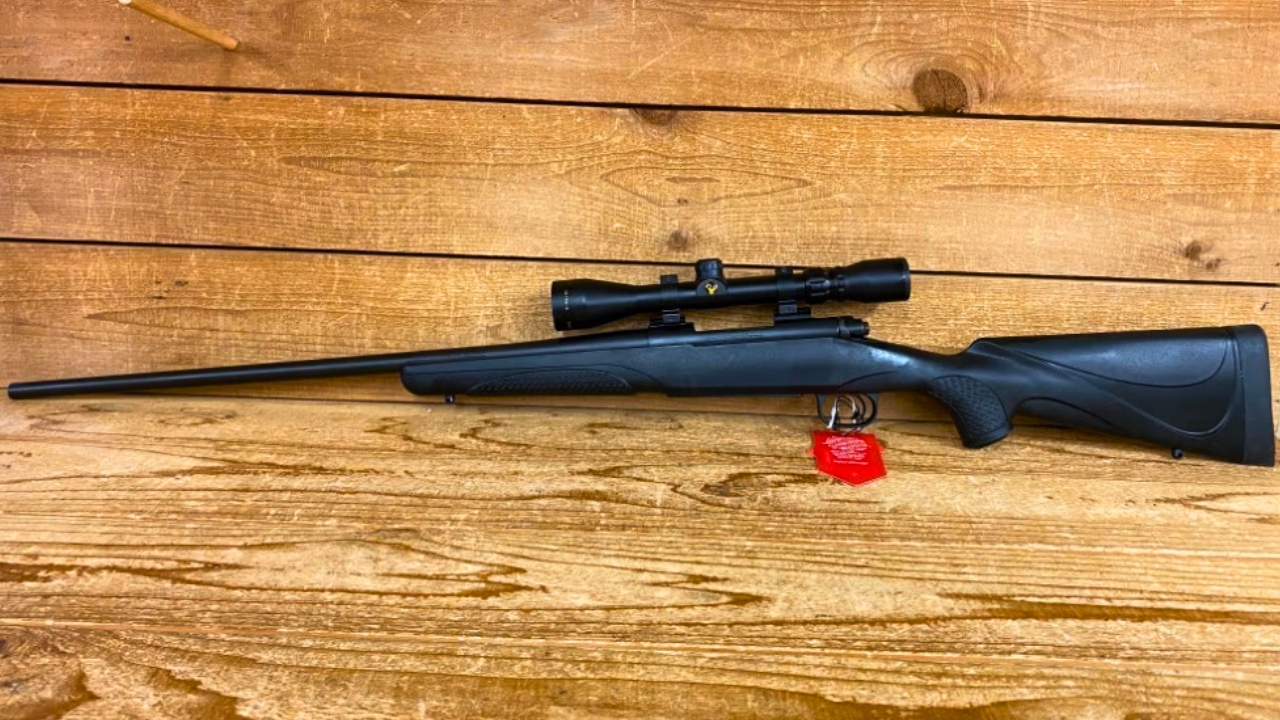
Photo credit: Texas Ranch Outfitters/GunBroker
When you spend enough time shooting rifles built for “budget precision,” you learn how many of them look good on a sales sheet but fall apart once you get them on the bench. Some rifles never hold a cold-bore zero, some throw shots the moment the barrel warms, and others tease you with one decent group before scattering rounds everywhere. If you’ve ever chased accuracy you know should be there, you’ve probably run into rifles like these. They promise tight clusters and predictable performance—yet deliver nothing but frustration when it counts.
Browning A-Bolt II Hunter

The Browning A-Bolt II Hunter carries a respected name, but certain lightweight sporter versions never settle into the accuracy you expect. The pencil-thin barrels heat quickly, and once they do, groups begin drifting in ways that make troubleshooting feel endless. Even careful torque work and quality glass don’t always smooth out the inconsistencies.
Many hunters eventually realize the rifle shoots one good group, then refuses to repeat it. The platform is well-built, but those light barrels and older bedding systems make accuracy unpredictable. If you want a rifle you can trust beyond a cold-bore shot, this one can leave you guessing.
Winchester Model 70 Super Shadow

The Model 70 action is legendary, but the Super Shadow variant struggled to live up to the reputation. The synthetic stock on these rifles is notorious for flexing under pressure, especially when shooting off bags or a bipod. That movement changes barrel harmonics enough that groups often stretch unexpectedly.
Even with high-quality ammo, many shooters report wandering impacts that show up without warning. It’s frustrating because the action itself is capable, but the overall package doesn’t deliver the stability needed for consistent accuracy. For a rifle with the Model 70 name, the Super Shadow stands out—just not for the reasons you want.
Remington Model 710

The Remington 710 has earned its reputation for accuracy problems the hard way. The polymer-based receiver inserts and rough-feeling action make repeatable lockup a challenge. Once you start shooting groups, you quickly learn that the rifle’s structural shortcuts show up on paper.
Even rifles that shoot halfway decent groups rarely maintain them. Heat changes everything from bolt feel to impact location. Hunters bought the 710 thinking it would be a budget-friendly tool, but many ended up looking for replacements after long afternoons of chasing a zero that wouldn’t stay put.
Howa Lightning (early thin-barrel variants)
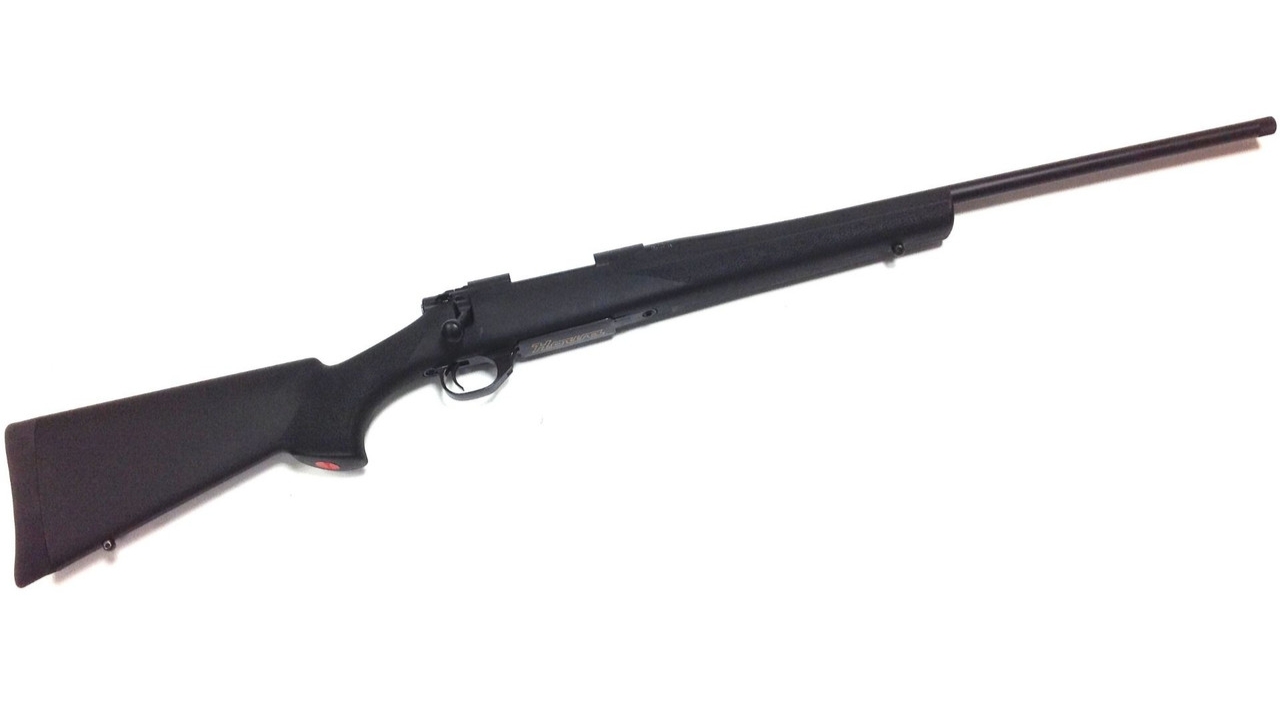
Howa usually builds solid, dependable rifles, but early Lightning models with ultra-thin barrels had accuracy issues that showed up fast. Those barrels heat in just a few rounds, and once they warm, the point of impact shifts more than most shooters expect.
Even careful handloaders struggled to find combinations that stayed tight for more than a couple of shots. The action is smooth, and the trigger is fine, but none of that matters when groups start walking their way across the target board. Many hunters traded these rifles off after realizing they couldn’t maintain a zero through a normal range session.
Marlin X7 (early production)

The Marlin X7 series had potential but early runs suffered from inconsistent barrel quality. You might get a rifle that stacked shots or one that turned every group into a guessing game. The bedding system also varied from gun to gun, which didn’t help shooters trying to diagnose flyers that appeared without explanation.
For some hunters, the rifle never produced predictable results beyond the first good cluster. Even swapping optics and mounts didn’t fix the drifting accuracy. When a rifle keeps you tinkering instead of shooting, it becomes more of a project than a tool—and that’s where many X7 owners found themselves.
Thompson/Center Venture
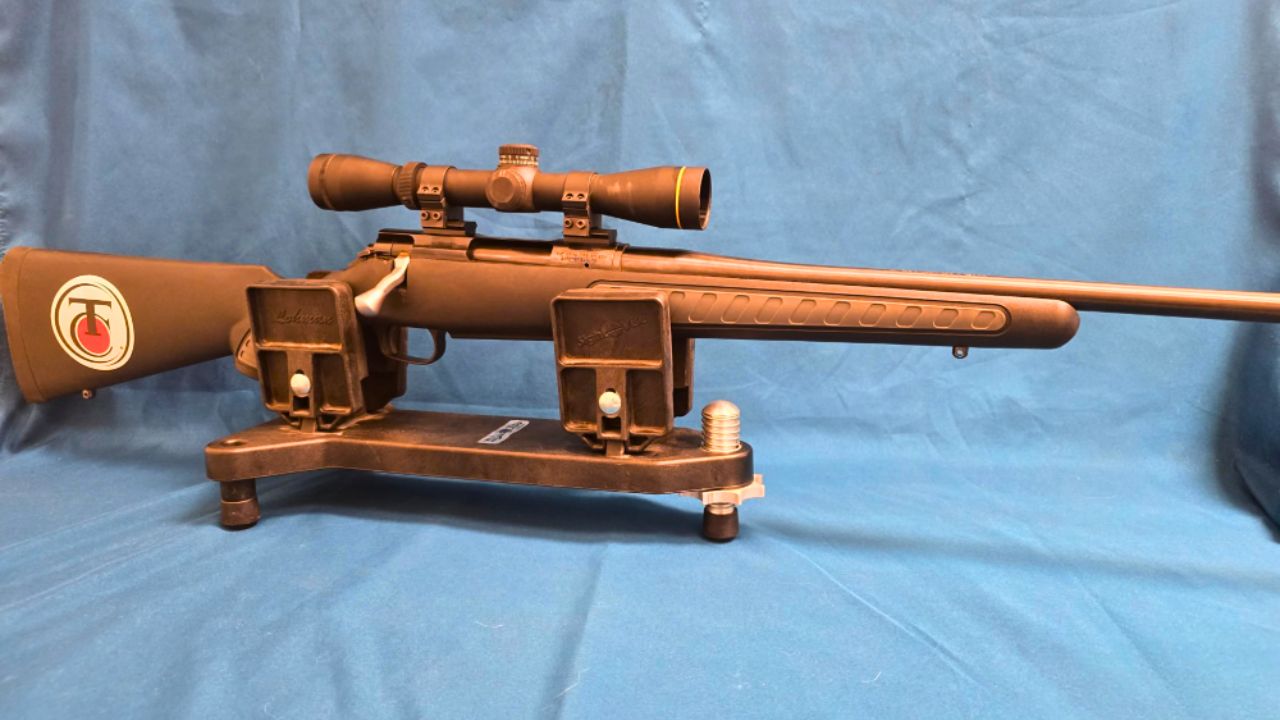
Before T/C improved the line, certain Venture rifles struggled with inconsistent accuracy. The early barrels didn’t always hold tight tolerances, and shooters noticed patterns where groups shifted as the barrel warmed or after only minor changes in rest pressure.
The rifle handles well and feels balanced, but none of that matters when the impacts won’t repeat. Many shooters tried different loads, different mounts, and even re-bedding attempts before giving up. The later production runs were far better, but those early rifles left a lot of hunters frustrated.
Ruger M77 Mark II Ultralight

The Ruger M77 Mark II Ultralight carries well in the mountains, but that weight savings comes with accuracy trade-offs. The pencil-thin barrel heats extremely fast, and by the third shot groups often stretch wide enough to shake your confidence.
Cold-bore performance is usually fine, but follow-up shots rarely land where you expect. Hunters wanting a lightweight tool discovered that the rifle demanded slow pacing and long cooldowns—conditions that don’t always fit real hunting or practice needs. It’s a great carry rifle, but not a great accuracy rifle.
Savage 11 Trophy Hunter (with early plastic stocks)
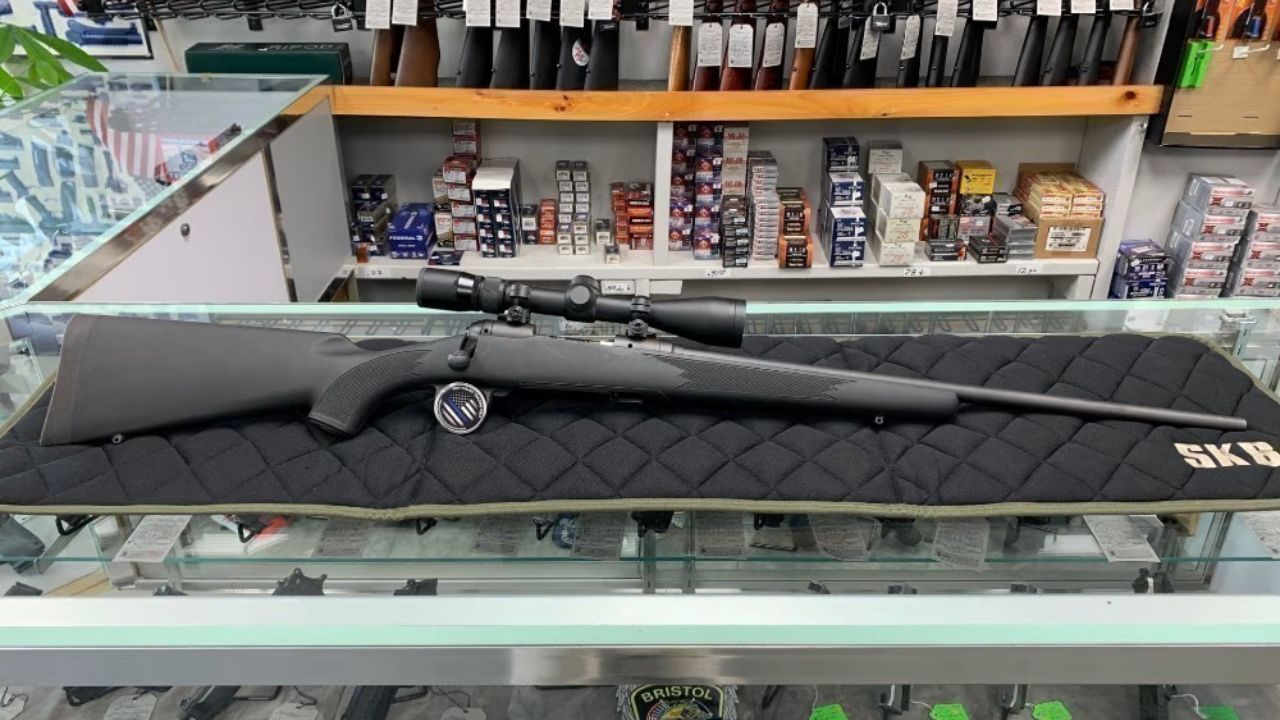
The Savage 11 Trophy Hunter action can shoot, but early rifles came with lightweight plastic stocks that flexed badly. That movement translated directly into wandering groups, especially when shooting off a rest or gripping the rifle tightly. You could watch accuracy fall apart as soon as pressure shifted.
Once the stock flexed, there was little you could do to bring consistency back. Shooters who replaced the stock often saw big improvements, but out of the box, the rifle frustrated a lot of hunters who expected better from the Savage name.
Weatherby Vanguard S2 Carbine

The Vanguard S2 Carbine is compact and handy, but the shortened barrels on certain chamberings didn’t always maintain the accuracy Weatherby is known for. Some rifles grouped tightly only when completely cold. Once you fired a few rounds, the shorter, lighter barrel began to walk impacts.
Many shooters fought with shifting groups during longer sessions, especially with hotter loads. The rifle feels good, cycles well, and is built on a dependable action—but that doesn’t erase the challenge of a barrel that can’t stay consistent through a string.
Tikka Whitetail (older models)
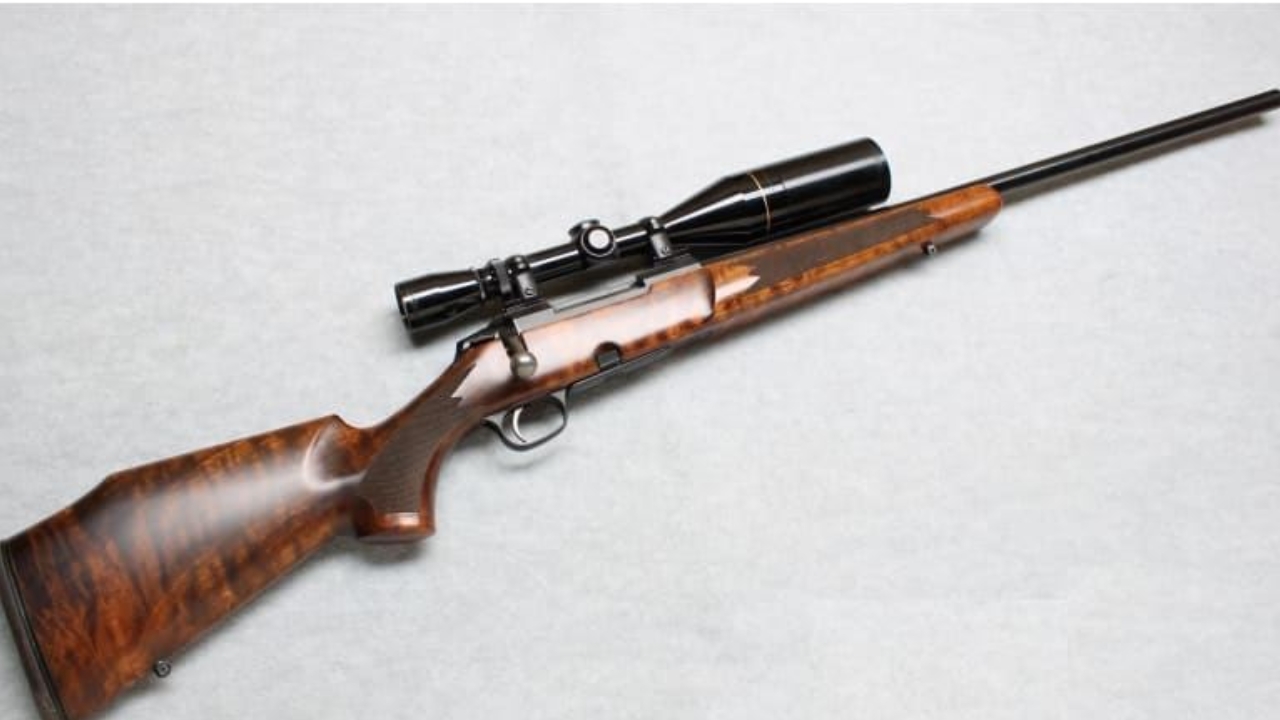
Tikka has a stellar accuracy reputation today, but the older Whitetail models weren’t as consistent. Some of those barrels were extremely load-sensitive, shooting one ammo type well and everything else poorly. Shooters who didn’t handload often struggled to find reliable hunting groups.
Even when the rifle found a load it liked, warm barrels introduced drift. The rifle handles well, but that doesn’t fix groups that vary from one session to the next. Many hunters moved on to newer Tikka models that solved these issues completely.
Mossberg 4×4

The Mossberg 4×4 brought interesting features, but accuracy wasn’t always one of them. The barrels varied significantly in quality, and shooters reported everything from tight clusters to shotgun patterns depending on the individual rifle. The stock didn’t provide enough rigidity either, which added to the inconsistency.
You could spend a full afternoon trying to diagnose the drift. The potential is there, but too many rifles came off the line that just wouldn’t group well. Hunters expecting dependable accuracy often traded them off within a season.
Remington Model Seven (certain sporter barrels)

The Remington Model Seven is a handy rifle, but many of the lightweight sporter barrels struggled with accuracy once warm. The short, thin barrels behave differently under heat and can shift point of impact between groups.
For woods hunting, that may not matter. But if you’re evaluating accuracy on the bench, it becomes obvious fast. Some rifles shoot well, but others never produce dependable results beyond a cold-bore test. Hunters either love them or move them quickly.
CVA Hunter Centerfire (early models)

Some early CVA Hunter rifles suffered from barrels that simply wouldn’t group well. The accuracy varied so much between rifles that it became a gamble. Even careful rest technique couldn’t overcome occasional fliers or drifting clusters.
While the rifle is lightweight and easy to carry, that lightness comes with a cost. Barrels warm quickly and shift point of impact enough to ruin any confidence you had. Many hunters eventually upgraded to something more predictable.
Kimber 84M Montana

The Kimber 84M Montana is a dream to carry, but many early rifles struggled to deliver the accuracy hunters expected from a premium price tag. The combination of carbon-fiber stock and thin barrel made the rifle extremely sensitive to shooting technique.
Even experienced shooters saw groups open up after minor changes in grip or rest pressure. Heat made it worse, walking rounds across the paper. It’s a gorgeous mountain rifle, but only some examples shoot well enough to justify the reputation.
Like The Avid Outdoorsman’s content? Subscribe to our newsletter so you never miss an article.
Here’s more from us: