Photo credit: NRApubs/YouTube
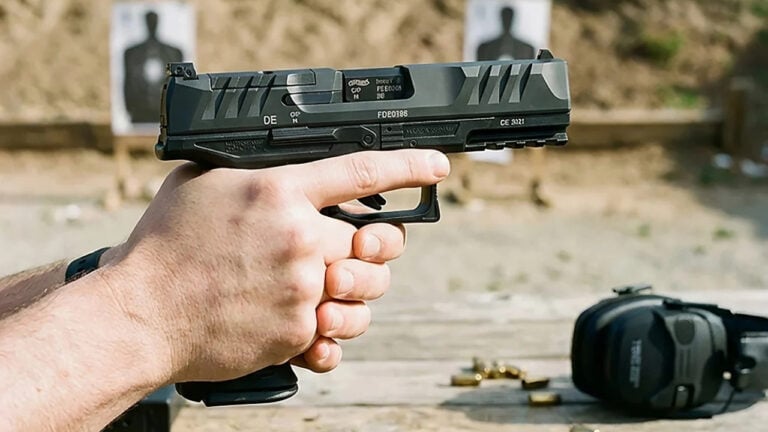
The Springfield XD-M is one of those pistols that a lot of shooters recognize on sight, but not everybody remembers how big a deal it was when it first showed up. Today it can get blended into the larger XD family, or overshadowed by the later XD-M Elite line, but the original XD-M was a meaningful step up from the earlier XD pistols. Springfield describes it as a modern update to the XD with performance enhancements, higher capacity, interchangeable backstraps, a match-grade barrel, and features aimed at both defensive and competition use.
That matters because the XD-M was never just “another XD.” American Rifleman said in 2009 that it was essentially an improved version with better accuracy, improved trigger action, enhanced ergonomics and aesthetics, and even higher capacities. The same line later evolved into the XD-M Elite family, which American Rifleman says arrived in 2020 with the META trigger system and other refinements. So the original XD-M sits in an interesting spot: modern enough to still matter, but old enough now that people forget what made it stand out in the first place.
1. The XD-M was introduced as an upgrade, not a replacement
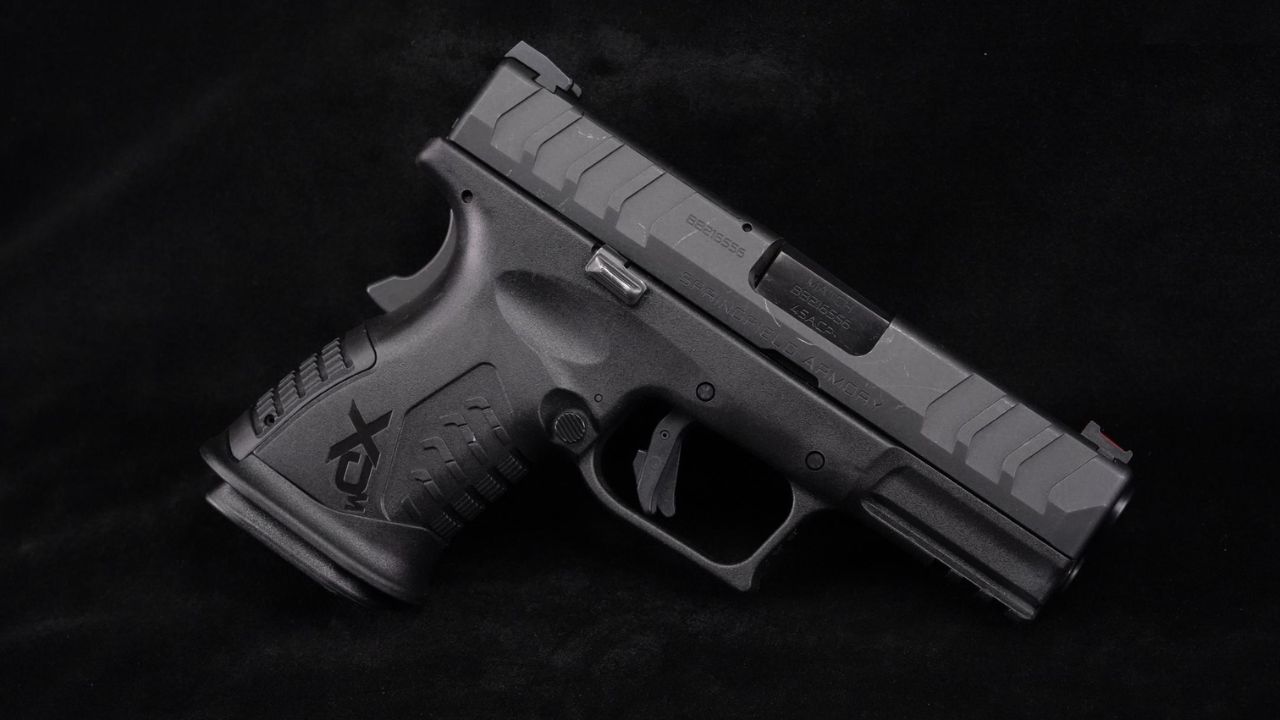
A lot of shooters assume the XD-M replaced the standard XD outright. That is not what Springfield did. American Rifleman said in 2009 that the earlier XD pistols the XD-M evolved from were staying in the line, while the XD-M was positioned as an improved, more feature-rich branch of the family. Springfield’s own discontinued XD-M page still describes it as a modern update to the legendary XD pistol.
That is a big part of why the XD family can feel confusing to people looking back on it now. The XD-M was not the whole next generation in the cleanest sense. It was a premium offshoot that lived alongside the standard XD instead of fully replacing it.
2. The XD-M first appeared in 2008, not 2020
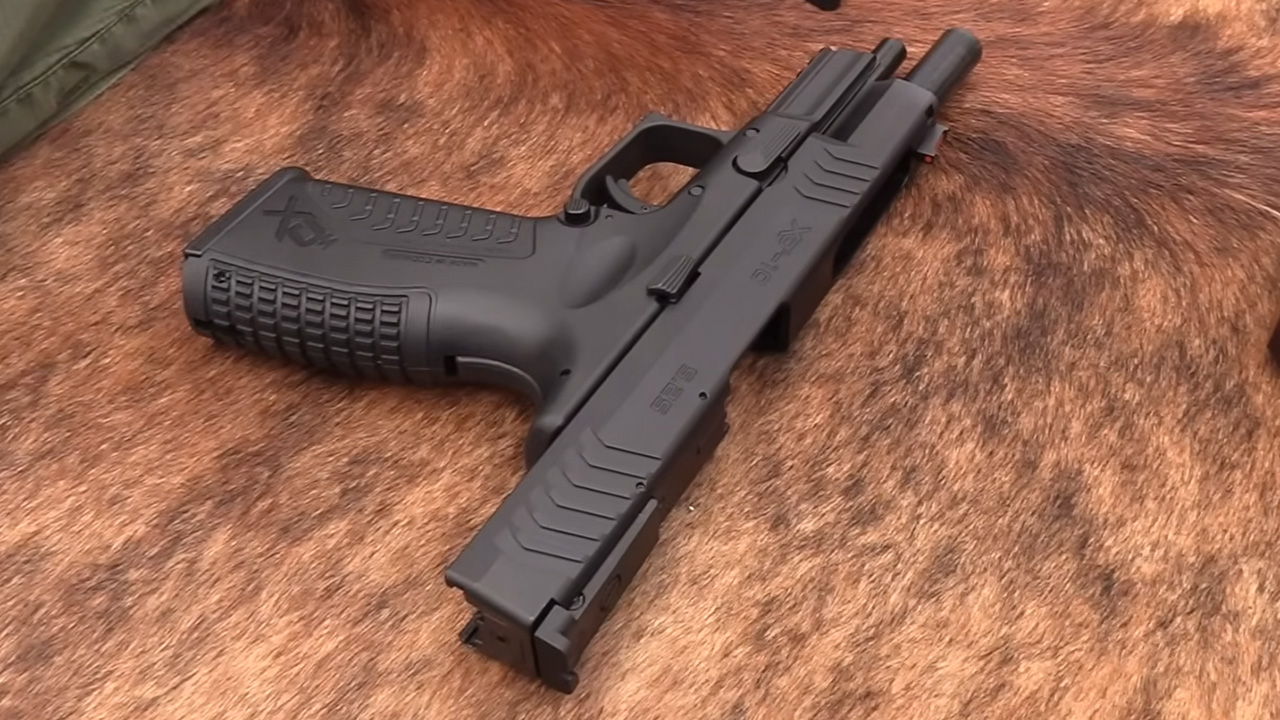
Some shooters mentally tie the XD-M name to the newer XD-M Elite guns and assume the line itself is more recent than it is. American Rifleman’s 2021 XD-M Elite review says Springfield introduced the XD-M models in 2008, with the Elite series arriving later in 2020.
That means the original XD-M had already been around for more than a decade before the Elite guns came along and started grabbing newer attention. It has a much longer standalone history than people often remember.
3. The “M” really does refer to match-grade features

This one sounds obvious once you hear it, but a lot of casual shooters never stop to think about what the “M” was supposed to signal. Springfield’s own page highlights the XD-M’s match-grade barrel as one of its defining features, and third-party summaries of the line note that the XD-M was introduced as the more competition-minded, performance-upgraded branch of the XD family.
That fits the gun’s whole identity. The XD-M was built to feel like more than a plain defensive polymer pistol. Springfield wanted it to carry more of a range-and-match reputation right out of the box.
4. The original XD-M pushed capacity hard
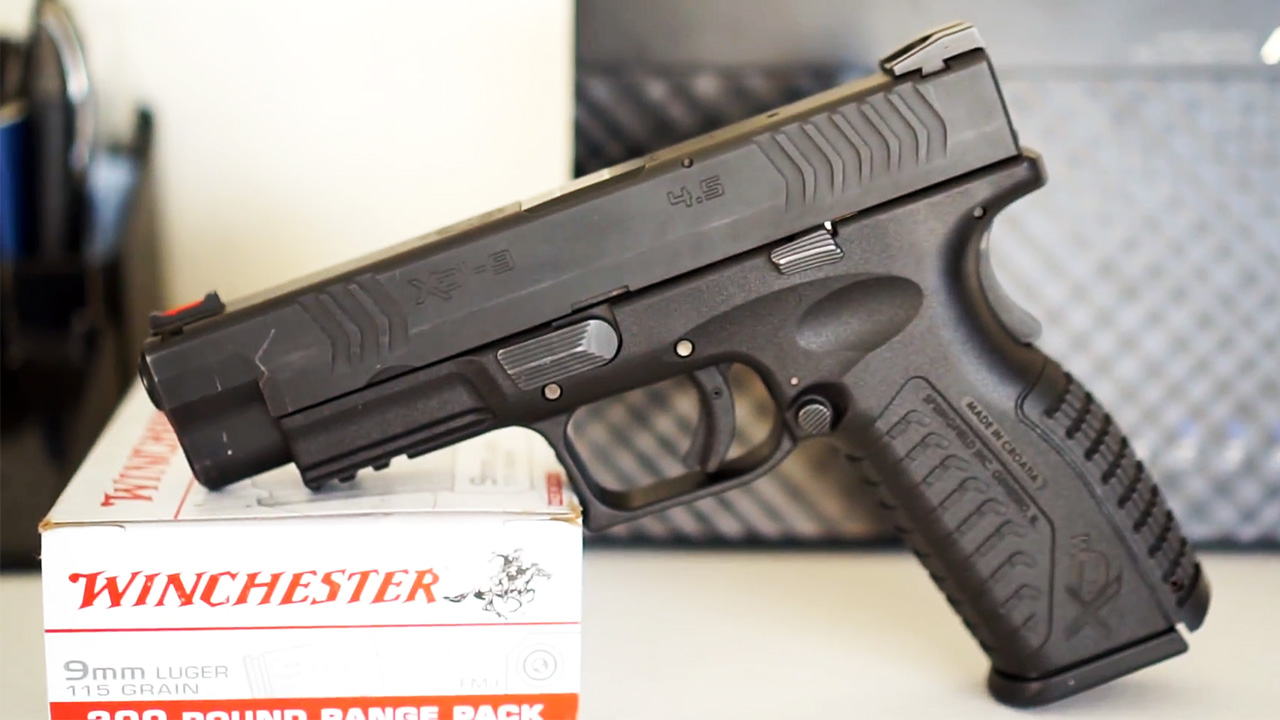
Springfield’s discontinued XD-M page says the pistol offered maximum capacity in a flush-fitting magazine, as high as 19+1 in 9 mm. That was one of the major selling points from the beginning.
That mattered because the XD-M entered a crowded striker-fired market where capacity was one of the easiest ways to stand out. Springfield made sure buyers knew the XD-M was not giving up rounds just because it was aiming at better ergonomics and a nicer shooting experience.
5. It added interchangeable backstraps to the XD formula

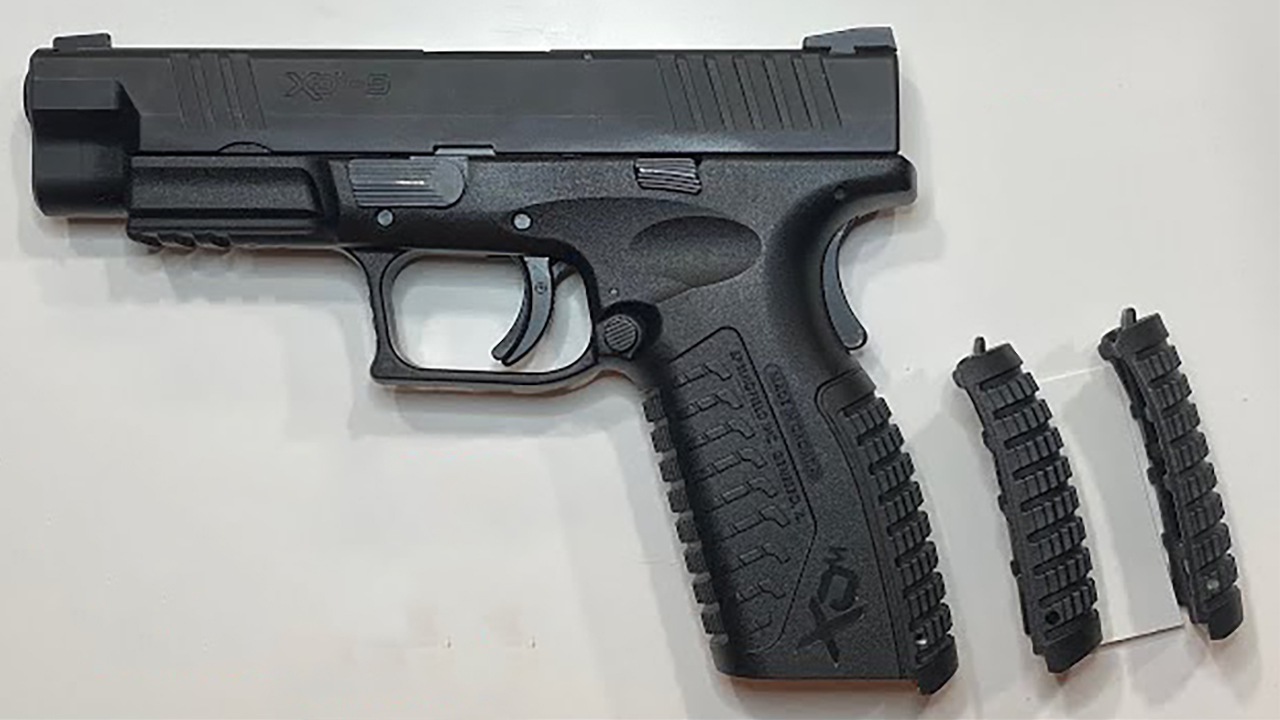
One of the clearest differences between the XD and XD-M was grip adaptability. Springfield says the XD-M included three interchangeable backstraps so the shooter could tailor the grip to hand size. American Rifleman and outside summaries also point to interchangeable backstraps as one of the most noticeable changes from the original XD models.
That was a bigger deal than it may sound now. Adjustable grip fit is common enough today that it feels ordinary, but it was one of the ways Springfield pushed the XD-M upward from the base XD line and made it feel more modern.
6. It kept the grip safety when many striker guns did not
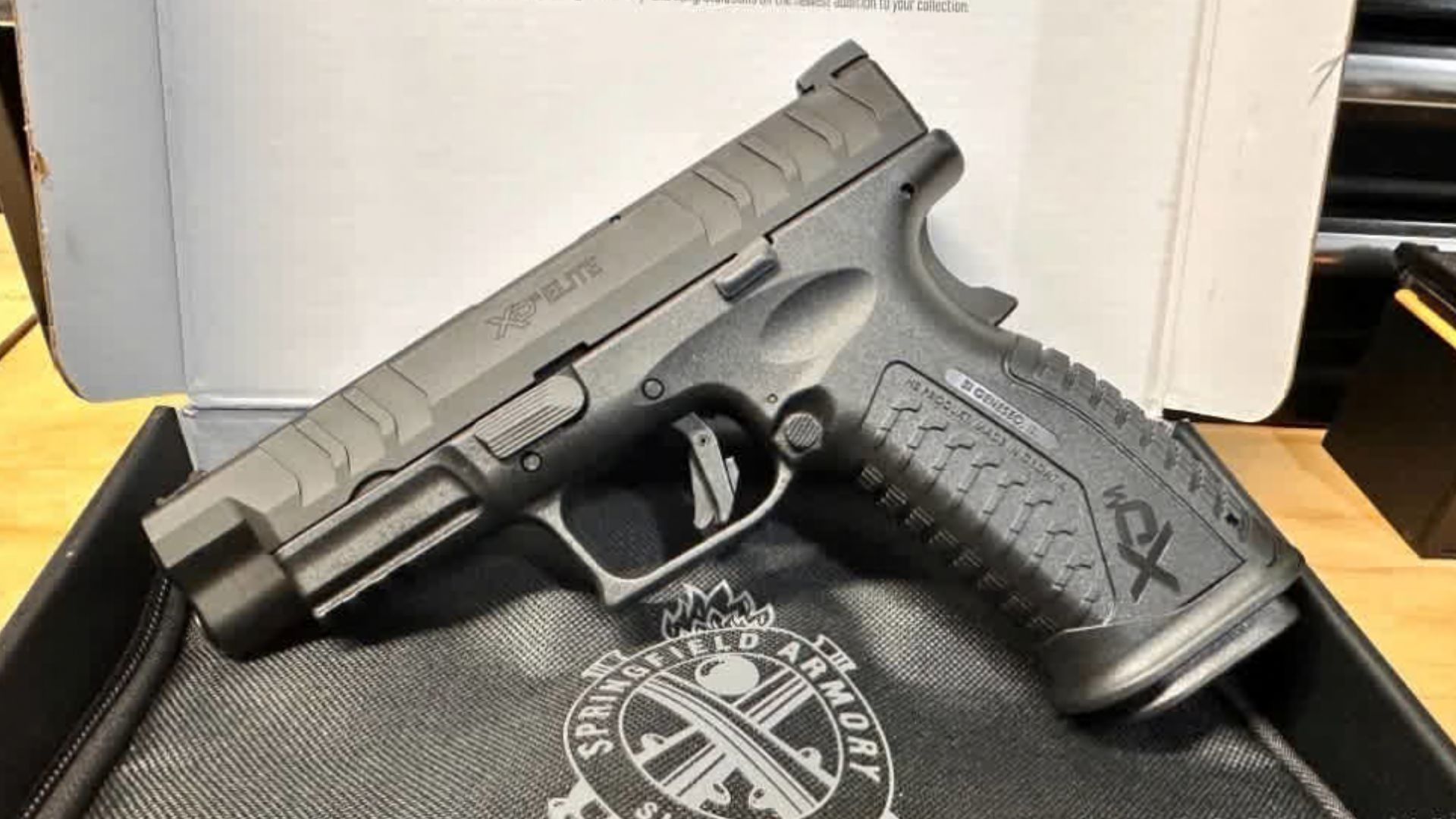
The XD-M preserved one of the core traits of the broader XD family: the passive grip safety. Springfield’s page specifically lists the passive grip safety as one of the pistol’s three distinct mechanical safety systems.
That is one of the reasons the XD-M has always had a different feel in the striker-fired world. A lot of competing polymer pistols were more minimalist in their safety setup, while the XD-M kept a 1911-style grip-safety element that some shooters really liked and others saw as part of the pistol’s distinct identity.
7. The XD-M includes both a striker status indicator and a loaded chamber indicator
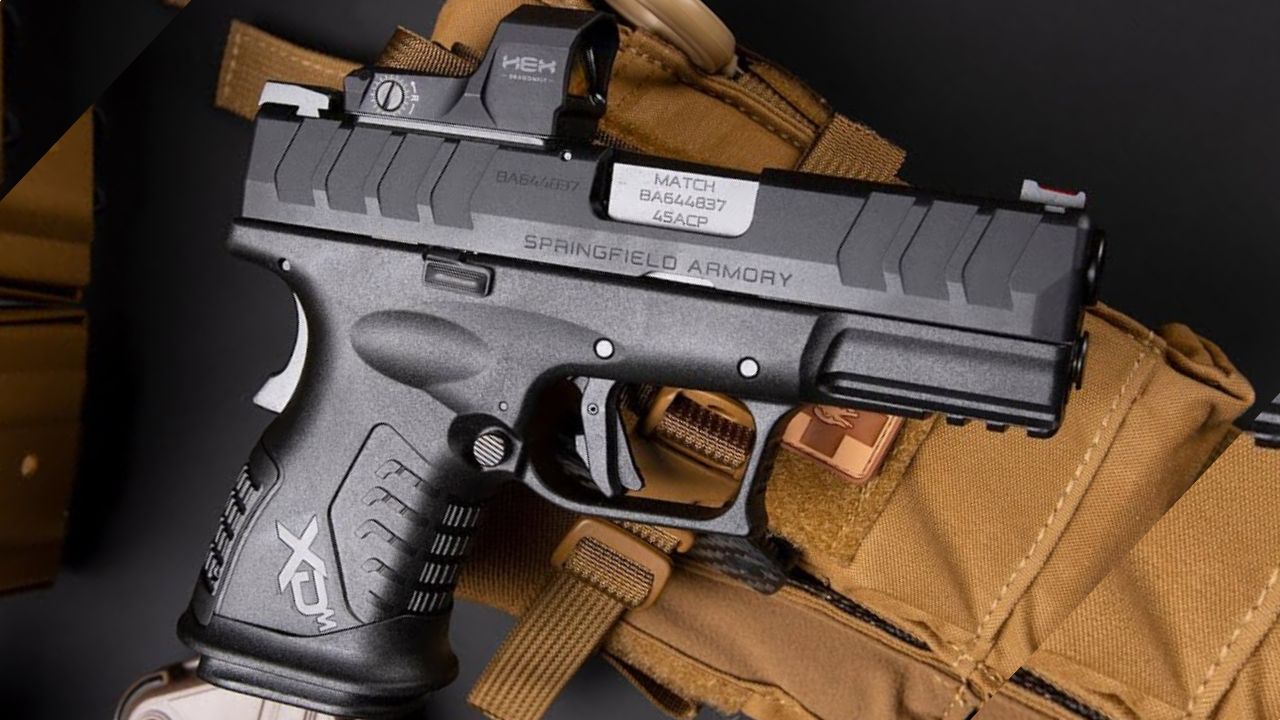
A lot of pistols offer one or the other, but Springfield emphasized both. The XD-M page says the pistol has a striker status indicator protruding from the rear of the slide for visual and tactile confirmation, along with a top-mounted loaded chamber indicator that can also be checked visually or by feel.
That combination fits the XD-M’s overall design philosophy. Springfield wanted the pistol to feel informative and user-friendly under handling, not just mechanically competent. It is one of those feature sets some owners come to appreciate more over time.
8. The XD-M was built with competition in mind from early on

The XD-M was never only about defensive carry. American Rifleman’s 2011 coverage of the XD-M 5.25 said Springfield wanted to create a competition-grade pistol at reasonable cost that could fit into multiple rule sets, including USPSA, IPSC, IDPA, and NRA Action Pistol.
That is a pretty important piece of the XD-M story because it explains why the line developed such a strong “range gun that can also defend” reputation. Springfield was not accidentally drifting into the match world. It was chasing that lane on purpose.
9. The XD-M 5.25 was a major part of the line’s identity
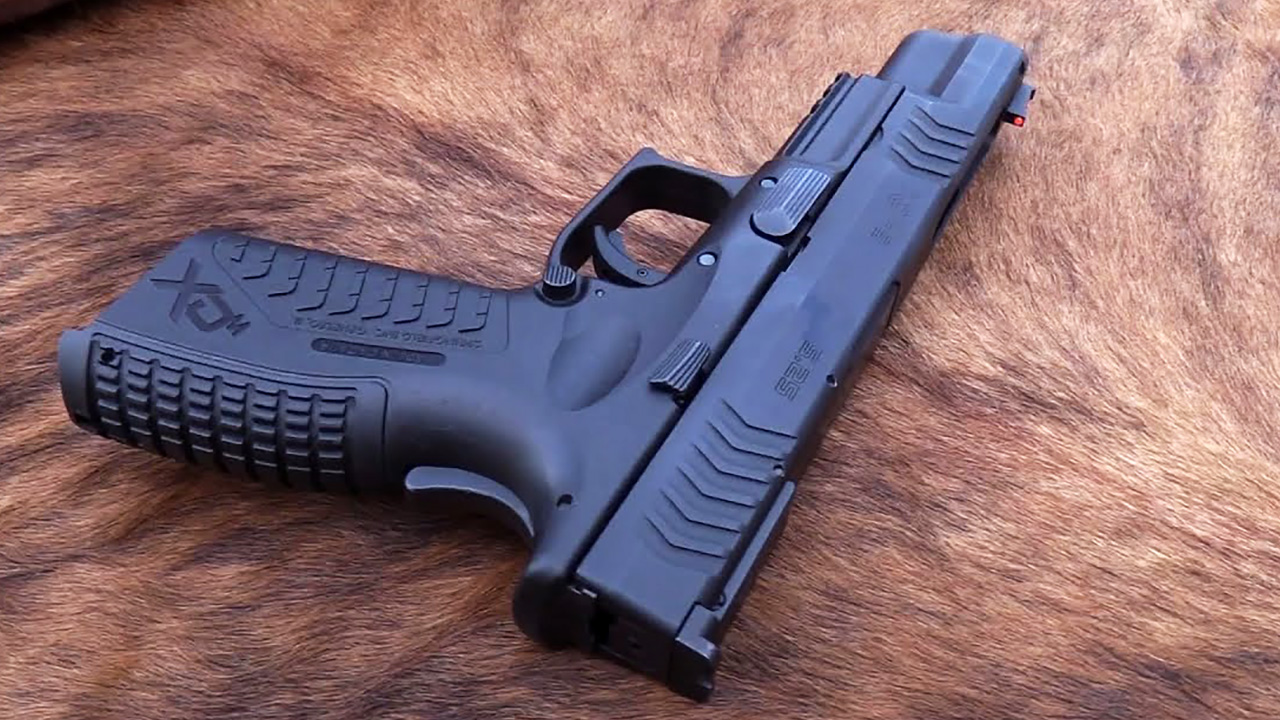
When people think of the most competition-leaning original XD-M, the 5.25-inch version is usually the one they mean. American Rifleman’s 2011 article focused on that model as Springfield’s attempt to build an affordable competition-grade pistol with a long sight radius and match emphasis.
That model helped cement the idea that the XD-M was not just a warmed-over duty pistol. It gave the line a real “performance branch” credibility that carried forward even after the Elite models arrived.
10. The XD-M line covered more calibers than many people remember
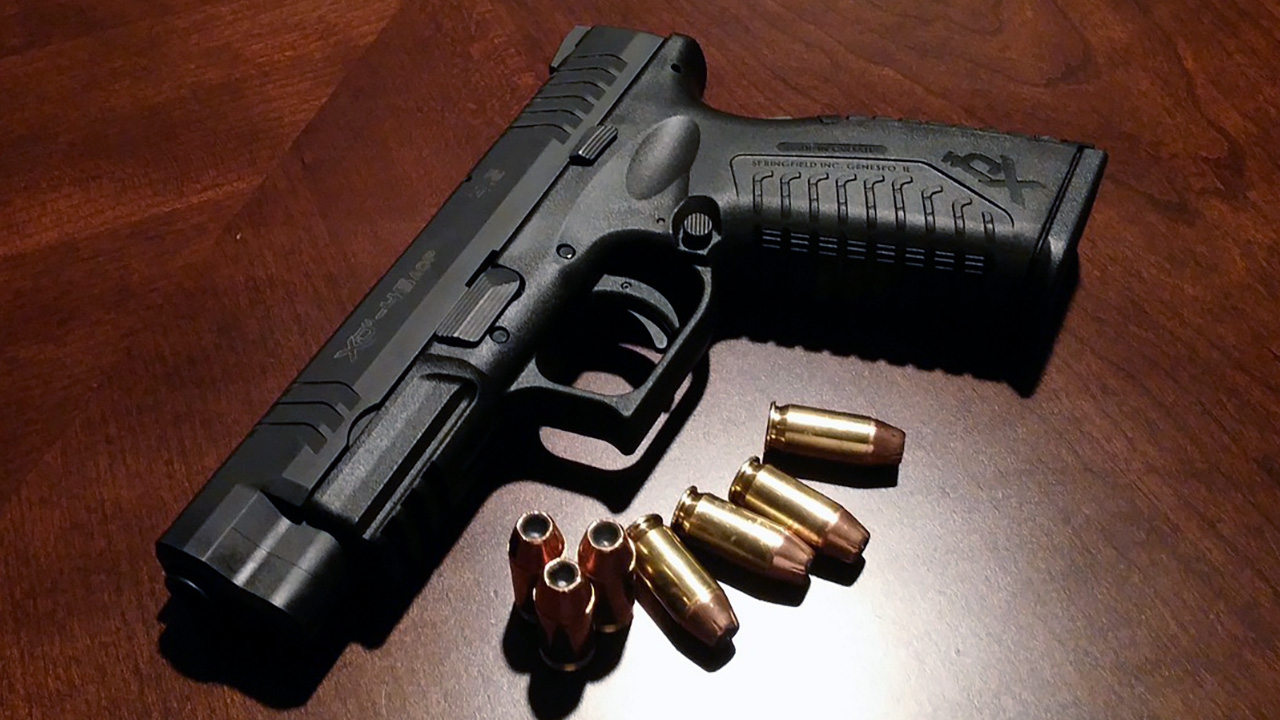
People often think of the XD-M mainly in 9 mm, but Springfield’s discontinued XD-M page shows the line in .45 ACP and 10 mm, and the broader XD family page on Springfield’s site still reflects that the series covered multiple calibers over time.
That helped the XD-M line stretch into more than one role. It could be a high-capacity 9 mm range or defensive pistol, but it could also push into more hard-hitting territory for shooters who wanted 10 mm or .45 ACP in the same basic platform.
11. The 10 mm XD-M brought optics-ready capability before the Elite era fully took over
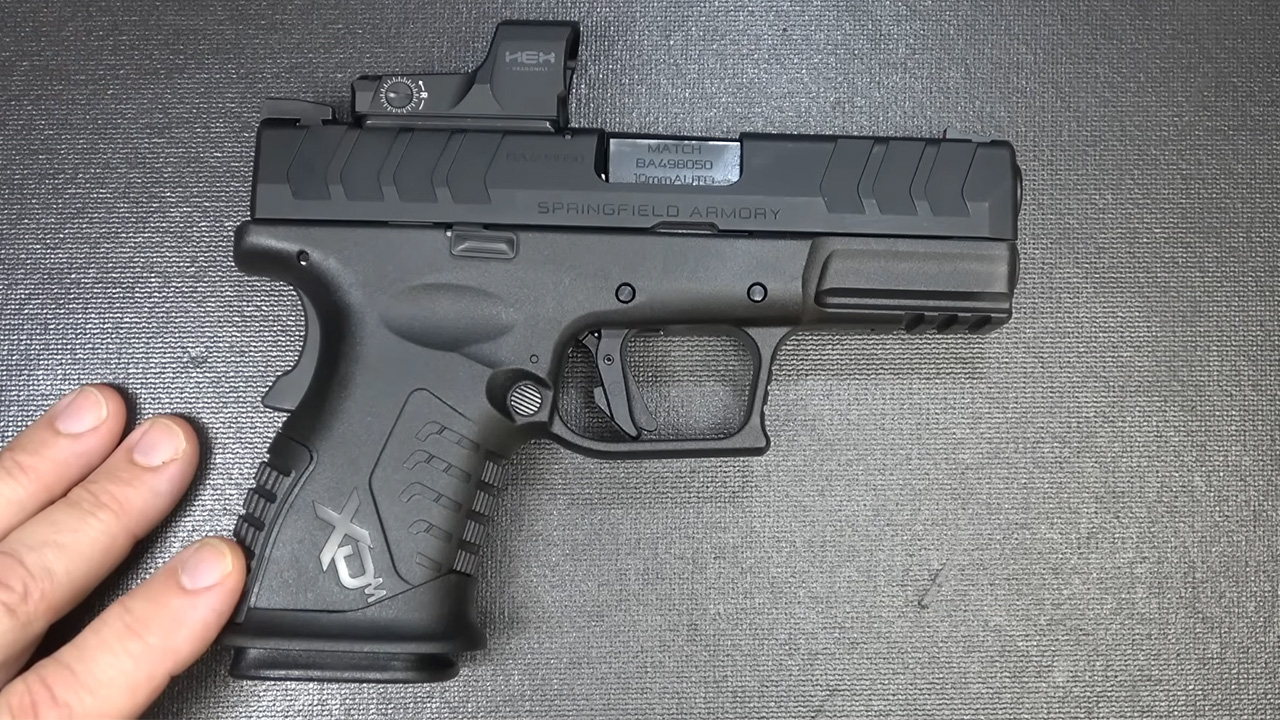
Springfield’s XD-M page specifically notes that the XD-M OSP 10 mm took the design further with the ability to mount electronic sights, and that OSP stood for Optical Sight Pistol.
That is worth pointing out because it shows the original XD-M line was already evolving toward optics use rather than waiting for the Elite branding to make that leap. Springfield clearly understood where the market was going.
12. The XD-M had an ambidextrous streak even before the Elite line refined it further
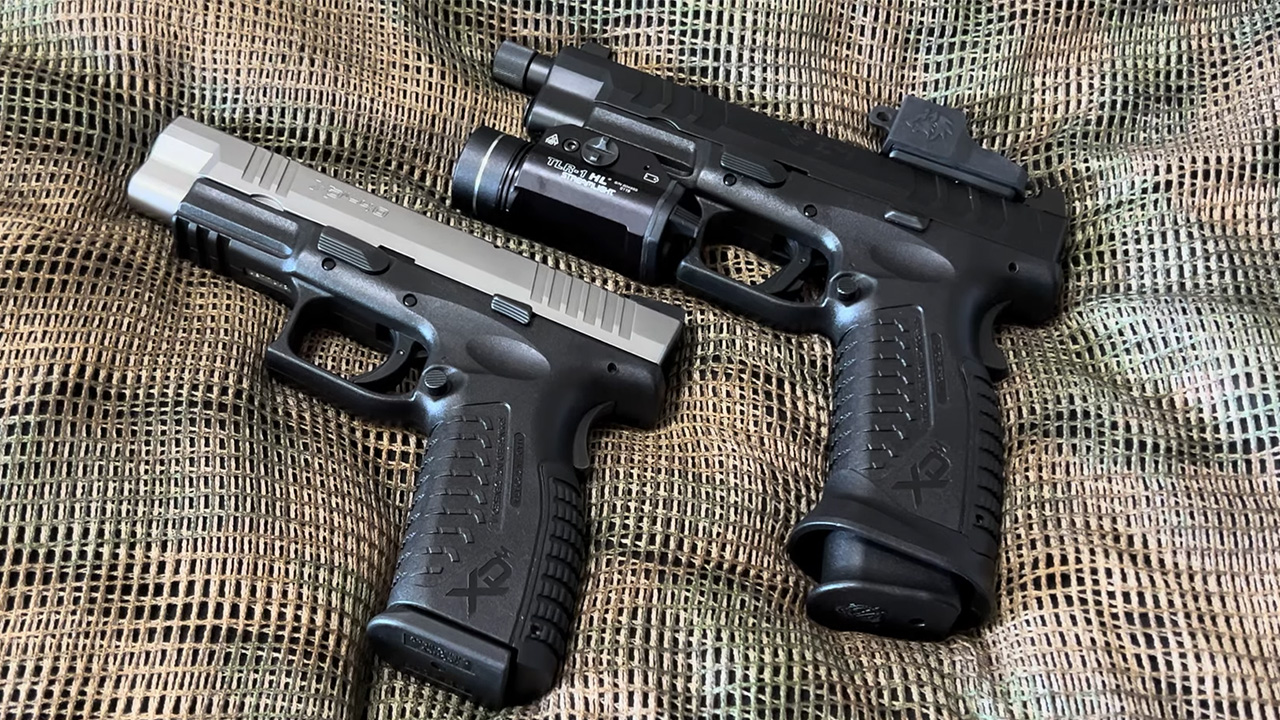
The XD-M was already pushing beyond the basic XD template in ergonomics and handling, and later Armory Life coverage says the Elite versions added an ambidextrous slide stop and other improvements. That matters because it shows the XD-M family as a whole was trending toward broader user adaptability over time, rather than staying static.
So even if some of the most polished ambi features are associated more with the Elite guns, the XD-M’s whole place in the lineup was already about adding refinement and more user-focused features beyond the older XD pattern.
13. The XD-M eventually became discontinued as a distinct line

This is one of the easiest things to miss if you have not looked at Springfield’s current catalog closely. The Springfield page for XD-M handguns is now labeled “Discontinued: XD-M Handguns,” while the current live catalog emphasis on that side of the family has shifted to the XD-M Elite series.
That means the original XD-M now sits in an interesting historical slot. It is modern enough that plenty of shooters still own and use one regularly, but old enough that Springfield has effectively handed the performance side of the XD family over to the Elite line.
14. The XD-M Elite is a refinement of the XD-M, not a separate unrelated gun

Because the naming changed, some shooters treat the XD-M and XD-M Elite like two basically unrelated pistols. American Rifleman’s 2021 review is pretty clear: the XD-M Elite series arrived in 2020 as a refined continuation of the XD-M platform, adding things like the META trigger system. Armory Life coverage also frames the Elite guns as the pinnacle of that polymer performance line.
That is important because it means the original XD-M deserves more credit than it sometimes gets. The Elite guns did not replace something forgettable. They built on a platform that had already done the hard work of defining Springfield’s more premium striker-fired lane.
15. The XD-M was Springfield’s real attempt at a “performance polymer” pistol before that became standard language everywhere
Today, it is normal to see polymer pistols pitched as match-capable, optics-ready, high-capacity, modular, and ergonomic all at once. Back when the XD-M launched, Springfield was helping push that combination as a distinct step up from the basic service-pistol format. American Rifleman’s 2009 writeup spelled that out directly by calling it a better-accuracy, better-trigger, higher-capacity, more ergonomic evolution of the XD.
That is probably the most interesting thing about the XD-M now. It does not feel radical anymore because the market caught up to the idea. But the XD-M was part of that shift. It helped set the stage for the kind of “performance striker-fired pistol” buyers now take for granted.
Like The Avid Outdoorsman’s content? Subscribe to our newsletter so you never miss an article.
Here’s more from us: