Photo credit: Desert Tech
Rifles are one of those purchases where it’s easy to get carried away. You see the glossy ads, hear the promises, and before you know it, you’ve shelled out thousands on something that looks impressive but doesn’t deliver much more than bragging rights. Reliability, accuracy, and practical use should always come first, but some rifles ask you to pay top dollar for little more than styling or a name on the receiver. These are the rifles that drain your bank account while offering little in return. If you’re thinking about dropping serious cash, here are the rifles you’ll want to think twice about.
Desert Tech MDR

The Desert Tech MDR caught a lot of attention with its bullpup design and modular caliber conversions, but reality never matched the promise. Early production models were plagued with feeding and ejection issues, leaving shooters frustrated after spending thousands. The trigger feel was mediocre, and the weight distribution made it awkward to shoot for extended sessions.
Maintenance also proved difficult, as the rifle’s design required more effort than many were willing to put in. Despite the steep price tag, accuracy was only average, and reliability fell far short of what you’d expect from a premium rifle. While Desert Tech has worked to improve later versions, the MDR never overcame its rocky start. For the money, you could buy two or three proven rifles that would outshoot it every day of the week. It’s the kind of gun that looked great on paper but emptied plenty of wallets without giving much in return.
FN SCAR 17

The FN SCAR 17 has a reputation for being high-end, but once you get past the military marketing, you realize it’s overpriced for what it delivers. The rifle is heavy, and while accuracy is decent, it doesn’t outperform other .308 rifles that cost a fraction of the price. Many owners complain about the recoil impulse being harsher than expected, especially considering what they paid.
Another drawback is the proprietary parts and expensive magazines, which add to the overall cost of ownership. Accessories for the SCAR are also pricey, making it one of the most expensive rifles to maintain and upgrade. While it certainly has curb appeal and a recognizable profile, it’s hard to justify spending that much when other rifles in the same caliber outperform it for less money. Unless you’re buying it for the name or the look, the SCAR 17 is more about emptying your wallet than delivering real value at the range or in the field.
H&K MR762

Heckler & Koch’s MR762 is marketed as a civilian version of their military 7.62 rifle, but the high price tag doesn’t guarantee a better shooting experience. The rifle is extremely heavy, making it less practical for long-range hunting or field use. Its accuracy is fine, but not exceptional compared to lighter, more affordable rifles in the same caliber.
Where the MR762 really drains you is in ownership costs. Spare parts and magazines are expensive, and availability is limited. HK has a reputation for charging premium prices, and this rifle is no exception. Many shooters who have tried it end up realizing that AR-10 platforms from other manufacturers deliver the same or better performance at a fraction of the cost. Unless you’re collecting HK rifles specifically, the MR762 is an example of spending more without getting more. It’s a rifle that shines in marketing brochures but falls flat when you compare dollars to performance.
Barrett REC7

The Barrett name carries weight thanks to their famous .50 BMG rifles, but the REC7 doesn’t live up to that legacy. It’s a piston-driven AR platform that commands a premium price, yet doesn’t offer performance advantages that justify the extra cost. In fact, many shooters find the recoil impulse sharper than expected and the accuracy unimpressive compared to high-quality direct impingement AR-15s.
Magazines, parts, and accessories are no different than what you’d use on a standard AR, which raises the question—why pay so much more? Reliability is solid, but no better than rifles that cost half the price. Most people end up buying the REC7 for the Barrett name rather than the actual performance. For the money, you could invest in a custom-built AR with better accuracy, smoother handling, and the exact features you want. The REC7 isn’t a bad rifle, but it’s one that empties your wallet while leaving you underwhelmed.
Remington R25

The Remington R25 was billed as a hunting-ready AR-10 platform chambered in .308, but it carried a price tag that didn’t line up with its performance. The rifle was heavy, cumbersome, and lacked the refinement hunters expected for the money. Accuracy was adequate but nowhere near what precision rifles at similar prices were delivering.
Another strike against the R25 was its limited aftermarket support. Unlike other AR platforms with endless customization options, the R25 locked buyers into fewer choices. Many hunters who purchased one realized quickly that they’d paid too much for what was essentially an average rifle with a high sticker price. Reliability was hit or miss, and the rifle’s weight made it less appealing for those covering ground in the field. The R25 is an example of a rifle marketed well but delivering little, leaving owners with an empty wallet and a rifle that didn’t inspire long-term use.
Colt LE901

Colt released the LE901 with the promise of being a modular .308 platform that could adapt easily to different calibers. The concept was appealing, but the execution didn’t measure up. The rifle came in at a steep price, and for what you paid, the accuracy and reliability weren’t significantly better than less expensive AR-10 rifles on the market.
The modularity also turned out to be more of a marketing point than a practical feature. Caliber conversions and accessories were expensive and hard to track down, which limited the rifle’s appeal. Shooters quickly realized they were paying extra for flexibility that didn’t really materialize. Add in the weight and lack of aftermarket parts, and the LE901 became a financial sinkhole. It’s a rifle that looks impressive on paper, but when you factor in cost and performance, it’s hard to see how it was ever worth the investment.
Bushmaster ACR

The Bushmaster Adaptive Combat Rifle was one of the most hyped releases of the early 2000s, promising modularity and cutting-edge features. Unfortunately, what hit the market was overpriced and underwhelming. Early models had teething issues with reliability, and even once those were addressed, the rifle didn’t deliver accuracy or handling improvements that justified its premium cost.
The aftermarket never really took off for the ACR, which meant customization was limited compared to AR platforms. Proprietary parts added to the expense, and magazines were finicky depending on the model. Many owners eventually shelved theirs after realizing the ACR couldn’t compete with rifles half its price. While the concept was exciting, the execution fell flat, and the rifle never earned a strong following. For many shooters, the ACR is remembered more for the money it drained than the performance it delivered. It’s the definition of paying too much for too little.
Robinson Armament XCR

The Robinson Armament XCR was another rifle sold on modularity and versatility, but the high price didn’t reflect the performance you actually got. While it looked modern and offered caliber conversions, shooters quickly realized the aftermarket support was thin, and the proprietary parts added cost without clear benefit. The trigger was unimpressive, and the rifle’s accuracy fell short of expectations for the money.
Customer service issues also plagued the brand, leaving many buyers frustrated after investing heavily. While some owners remain loyal, the rifle never gained broad acceptance. Compared to other rifles in its class, the XCR always felt like you were paying more for a concept than for actual results. It’s one of those rifles that gets talked about but rarely seen at the range, because too many shooters realized they could get better performance and support elsewhere for less cash. It emptied wallets but never truly proved itself.
Sig Sauer 556

Sig’s 556 series was supposed to be a civilian version of the Swiss SG 550, but the American-made models didn’t live up to the heritage. Quality control was inconsistent, fit and finish weren’t what buyers expected, and the rifle carried a steep price tag. The handling was clunky compared to AR platforms, and the accuracy was underwhelming.
To make matters worse, the 556 lacked compatibility with the SG 550 parts and magazines, which disappointed those who thought they were buying into the Swiss pedigree. Many shooters felt they’d overpaid for a rifle that didn’t perform any better than mid-tier ARs. The Sig name carried it for a while, but the rifle never developed a strong base of loyal users. Over time, the 556 became another example of a firearm that cost too much without giving enough in return. It’s remembered more for its shortcomings than for being a serious contender.
Kel-Tec RFB

The Kel-Tec RFB came out as a forward-ejecting bullpup chambered in .308, which sounded groundbreaking. But the steep price tag didn’t line up with the rifle’s real-world performance. Early models had issues with reliability, especially with different types of ammunition, and accuracy was often inconsistent. The trigger was heavy, and the overall balance felt off to many shooters.
Like many Kel-Tec products, the RFB suffered from limited availability and inconsistent quality control. When you finally managed to get one, you often found it didn’t live up to the cost. Proprietary parts and a lack of aftermarket support added to the frustration. While the concept was interesting, the RFB never earned the trust of serious shooters. It drained bank accounts without delivering the reliability or performance expected from a premium rifle. In the end, most buyers discovered they could get a far better .308 for much less money.
Desert Tech SRS

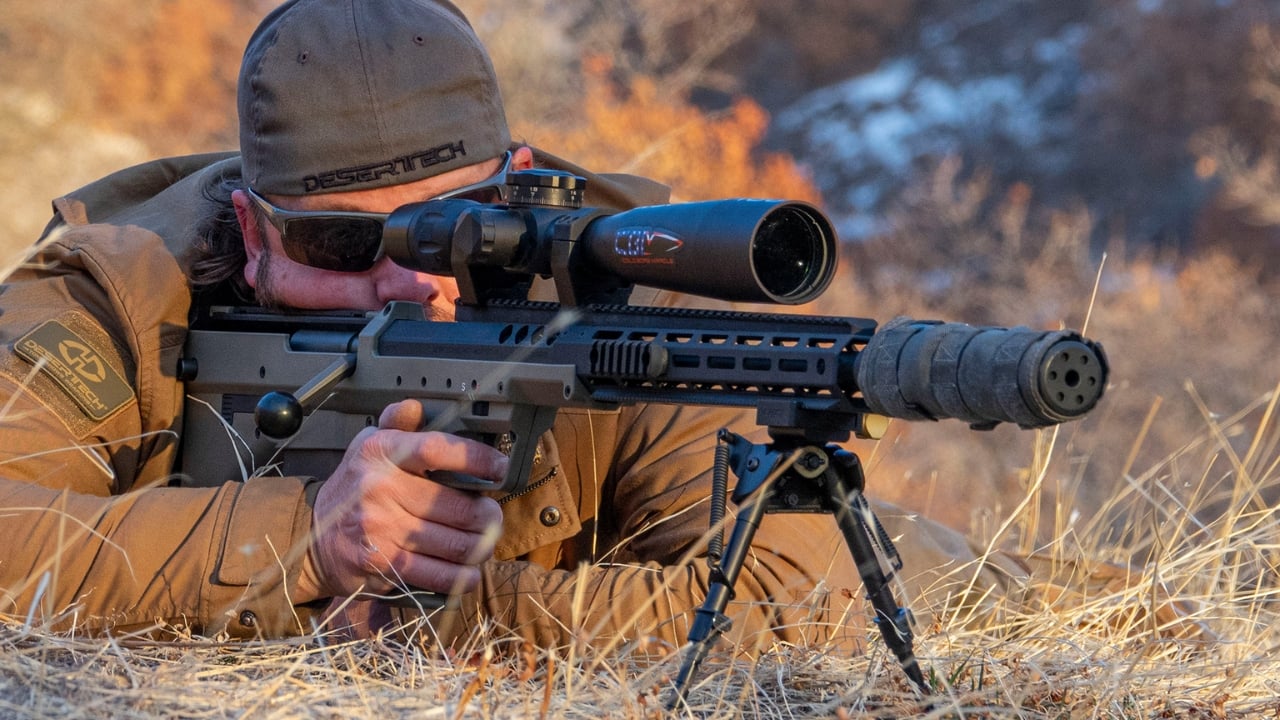
The Desert Tech SRS (Stealth Recon Scout) was another modular bullpup platform aimed at long-range shooters. It offered caliber conversions and a compact design, but the price was sky-high. While accuracy was decent, the bullpup configuration made the trigger feel mushy compared to traditional precision rifles. Many shooters didn’t see enough advantage to justify the premium cost.
Caliber conversions, magazines, and proprietary parts added even more to the expense. Meanwhile, traditional precision rifles in the same calibers were offering better triggers, smoother actions, and proven accuracy for less money. The SRS was marketed as a cutting-edge precision rifle, but in practice, it was an expensive oddity. Few shooters stuck with it long-term, and it never built a strong following. If you want reliable long-range performance, there are dozens of rifles that will outshoot the SRS without draining your bank account nearly as hard.
*This article was developed with AI-powered tools and has been carefully reviewed by our editors.