Photo credit: Gabon100, CC BY-SA 4.0/Wiki Commons
The Winchester 1886 is one of those rifles that serious lever-gun fans talk about with real respect, but a lot of shooters only know the broad version of the story. They know it is old, they know it is big, and they know it is tied to powerful cartridges. What often gets missed is that the 1886 was a major engineering leap for Winchester. The company’s own overview says it was John M. Browning’s second design for Winchester and that it was built to handle the long, powerful black-powder “buffalo” cartridges popular on the Western Plains. Standard reference history also notes that it was designed specifically to handle more powerful cartridges than earlier Winchester lever guns could manage.
That matters because the Model 1886 was not just another lever rifle with a different number stamped on it. It was Winchester’s answer to a real limitation in the earlier toggle-link designs, and it ended up becoming one of the strongest and most admired big-bore lever actions ever made. Production history from standard reference sources says the original run lasted from 1886 to 1935, with roughly 160,000 made before 1935, and Winchester still offers modern Model 1886 rifles today.
1. It was built because earlier Winchesters had reached their limit
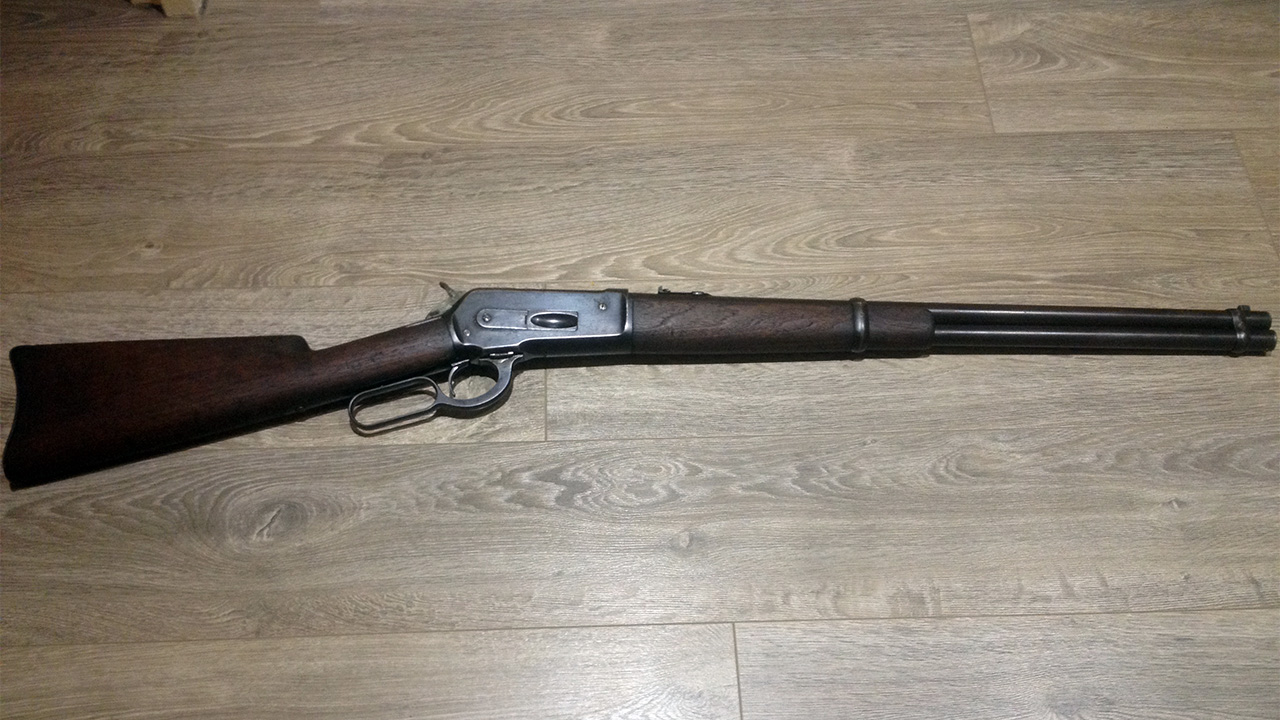
One of the biggest things shooters miss about the 1886 is why it existed in the first place. Winchester’s own military-history article explains that earlier rifles like the Model 1866 and 1873 used toggle-link actions that generally limited them to pistol-class cartridges. The stronger Browning-designed Model 1886 was built to handle the heavier recoil of more powerful rounds, including the .45-70 Government.
That means the 1886 was not just a bigger lever gun for the sake of being bigger. It was Winchester solving a real mechanical problem and opening the door to cartridges that earlier lever actions were not ideal for. That is a huge part of why the rifle matters historically.
2. It was John Browning’s second Winchester design
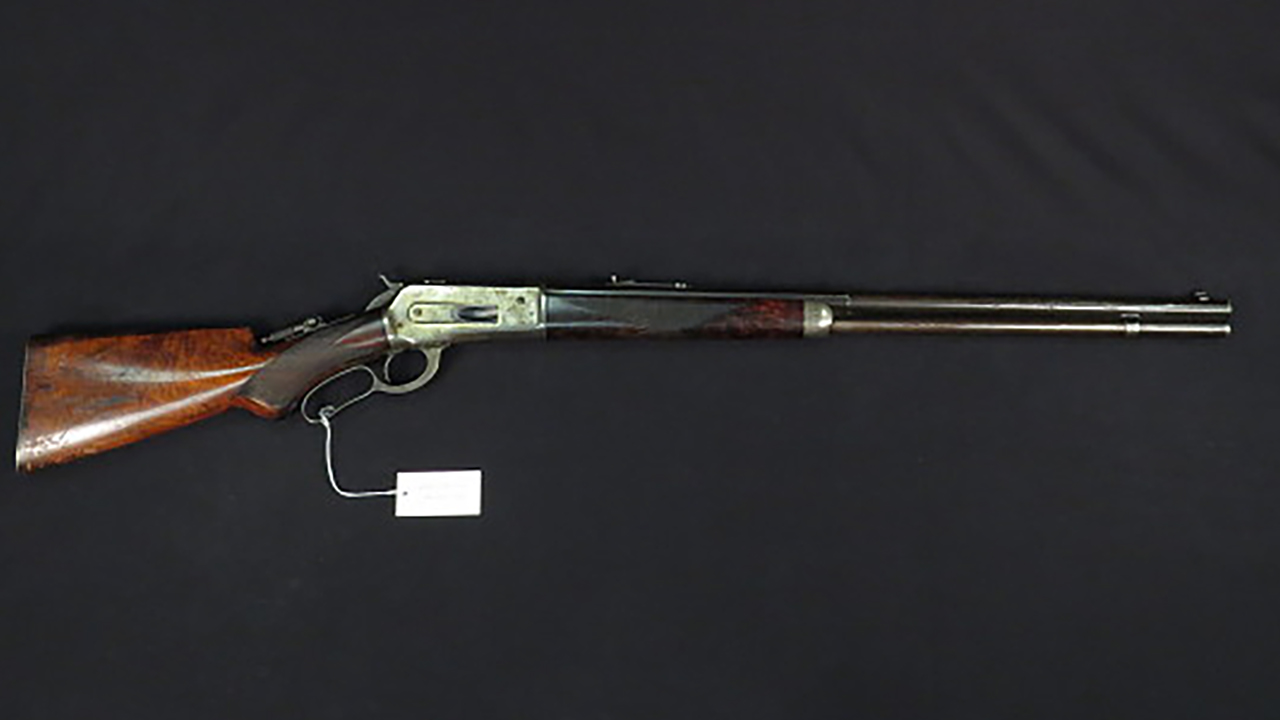
The Model 1886 was a John M. Browning rifle, and Winchester’s own overview says it was the second Browning design he created for the company. Winchester’s Browning history article also places the 1886 right after the 1885 single shot in the early Winchester-Browning partnership.
That is a pretty serious pedigree. Browning designed a lot of important guns, but the 1886 stands out because it showed how quickly he could solve a practical problem and turn it into a rifle that would shape the next phase of Winchester lever guns.
3. It was introduced in 1886 and stayed in original production until 1935
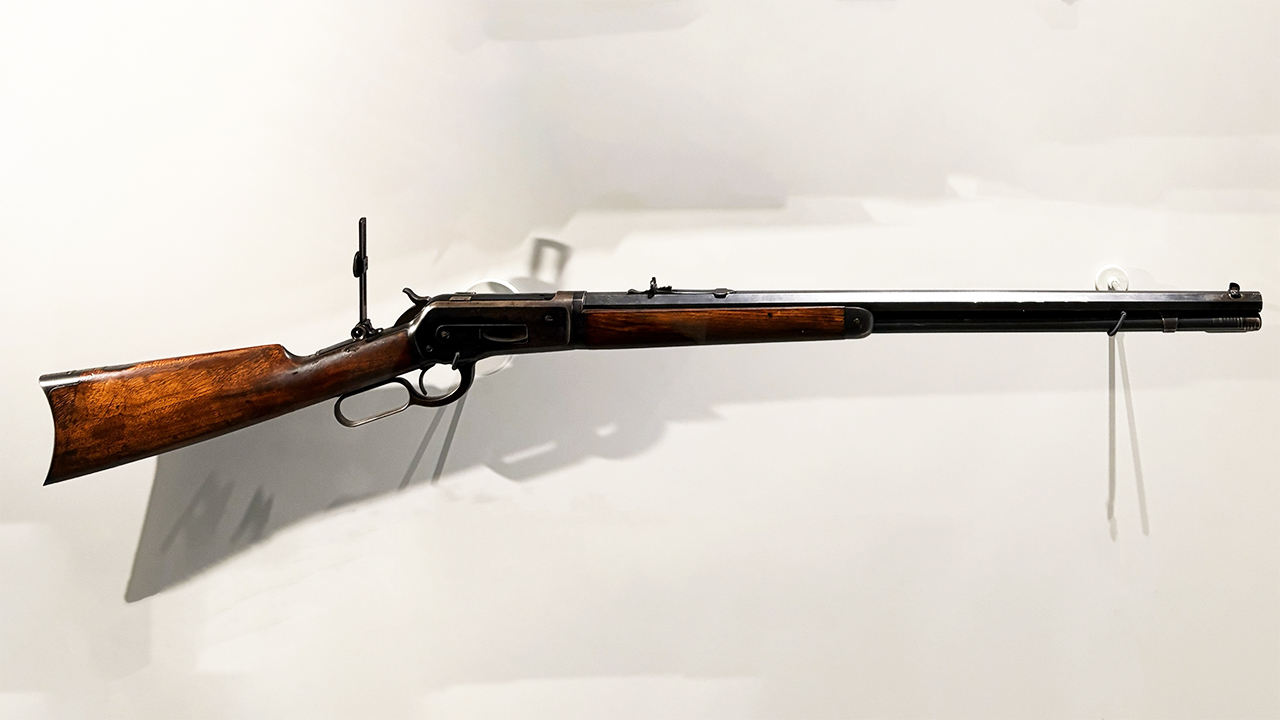
A lot of classic lever guns had respectable runs, but the Model 1886 stuck around for a long time. Winchester’s historical timeline says the Model 1886 lever-action rifle was introduced in 1886, and the standard reference history lists original production from 1886 to 1935.
That is a long life for a rifle built in the black-powder era. It also tells you the 1886 was not some short-lived specialty piece. It kept enough relevance in the hunting market to stay in the catalog for decades.
4. Roughly 160,000 originals were made before 1935
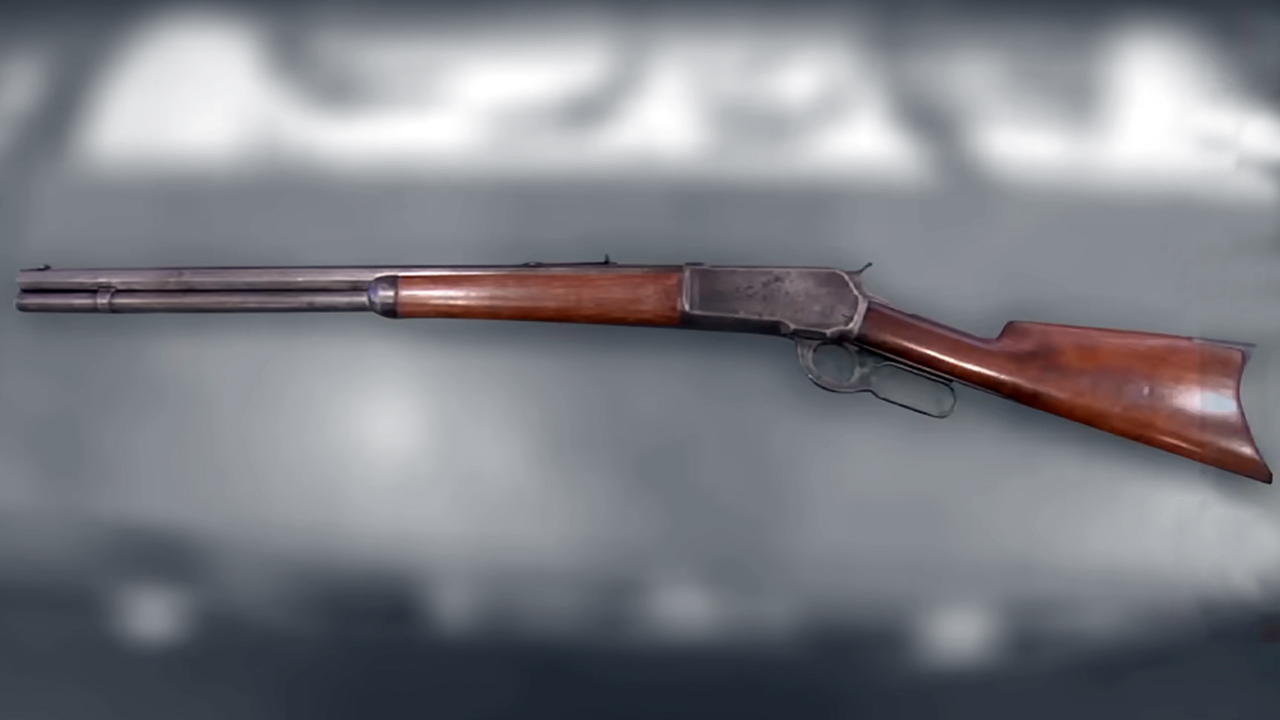
The Model 1886 was important, but it was never produced in Model 94 kind of numbers. The standard reference history lists approximately 160,000 built prior to 1935.
That lower total is one reason original 1886 rifles carry so much collector interest now. They were successful and respected, but they were not nearly as common as some later Winchester lever guns, which gives surviving originals more weight with collectors and big-bore lever-gun fans.
5. It was designed around powerful black-powder cartridges
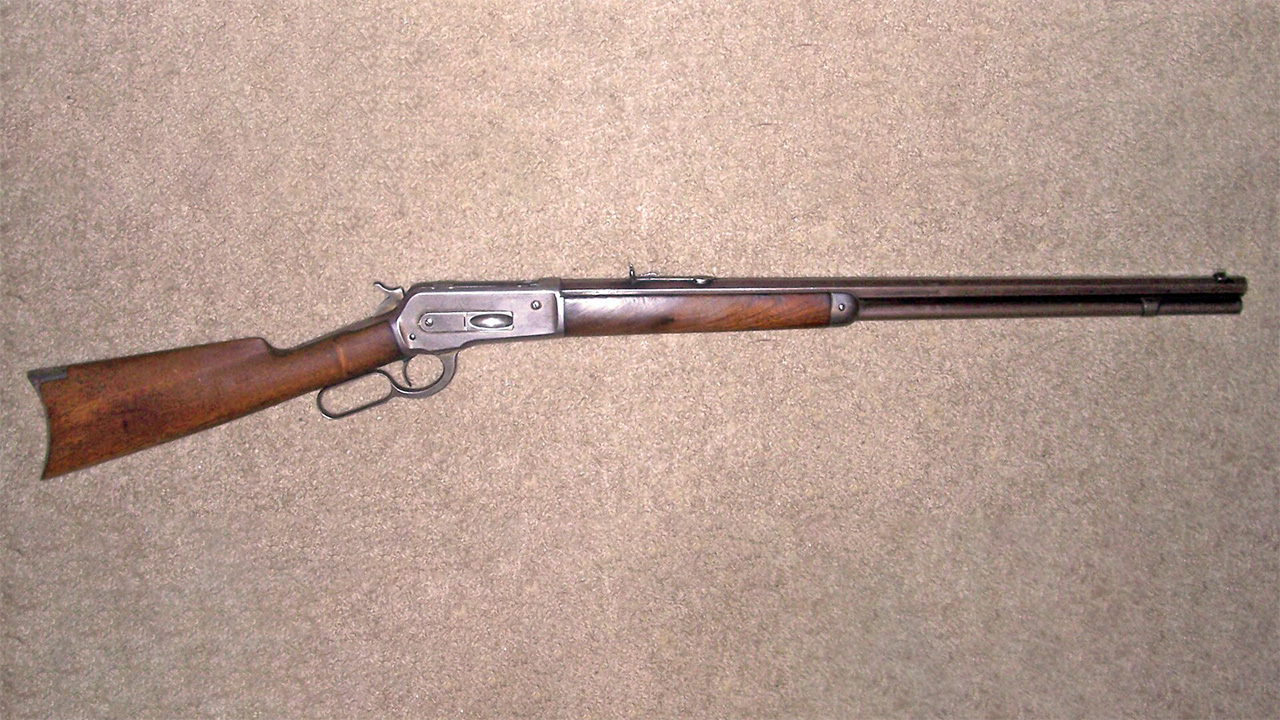
Winchester’s current Model 1886 overview says the rifle was capable of handling the long, powerful black-powder “buffalo” cartridges popular on the Western Plains. That was one of the defining reasons the gun existed.
This is important because people sometimes lump all old lever actions together as if they served the same role. The 1886 was built for heavier work. It was part of Winchester’s move into truly substantial rifle cartridges, not just handy repeating carbines for lighter rounds.
6. The .45-70 is the chambering most closely tied to it today, but it was never the only one

Winchester’s modern overview calls the .45-70 Government the all-time classic chambering for the Model 1886, and the standard reference history lists a much wider spread of original chamberings, including .45-90 Sharps, .40-82 WCF, .40-65 Winchester, .38-56 WCF, .50-110 Winchester, .40-70 WCF, .38-70 WCF and .33 WCF.
That broader chambering list shows the 1886 was not just a one-cartridge legend. It was a true big-game and heavy-cartridge platform that Winchester adapted to multiple roles over time.
7. It used twin vertical locking bars instead of the older toggle-link setup
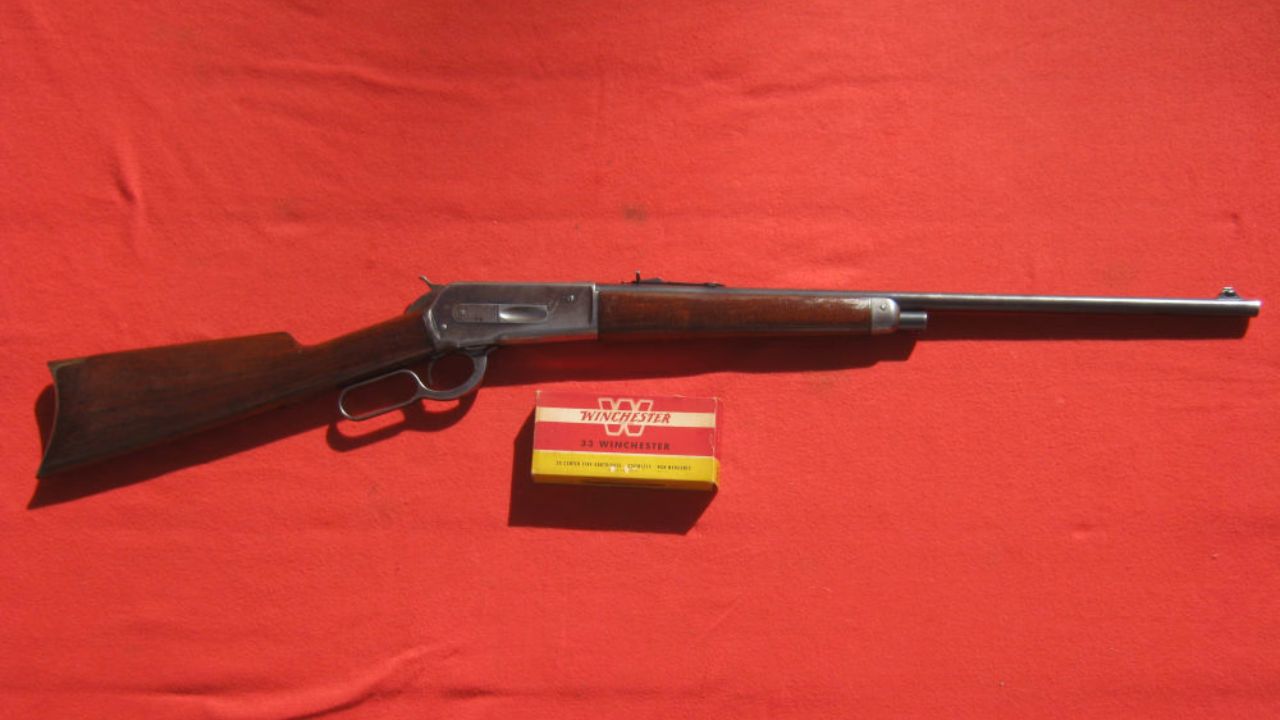
One of the most interesting pieces of the 1886 story is the action itself. American Rifleman’s April 2026 “I Have This Old Gun” feature says Browning transformed the idea of a falling breechblock into twin vertical locking bars that slid up along the inside walls of the receiver to anchor the bolt closed.
That is a big part of why the rifle became so respected. The 1886 was mechanically stronger because Browning gave Winchester a better locking system for the cartridges it wanted to use. This is really the heart of the gun’s whole reputation.
8. William Mason helped perfect the feeding system
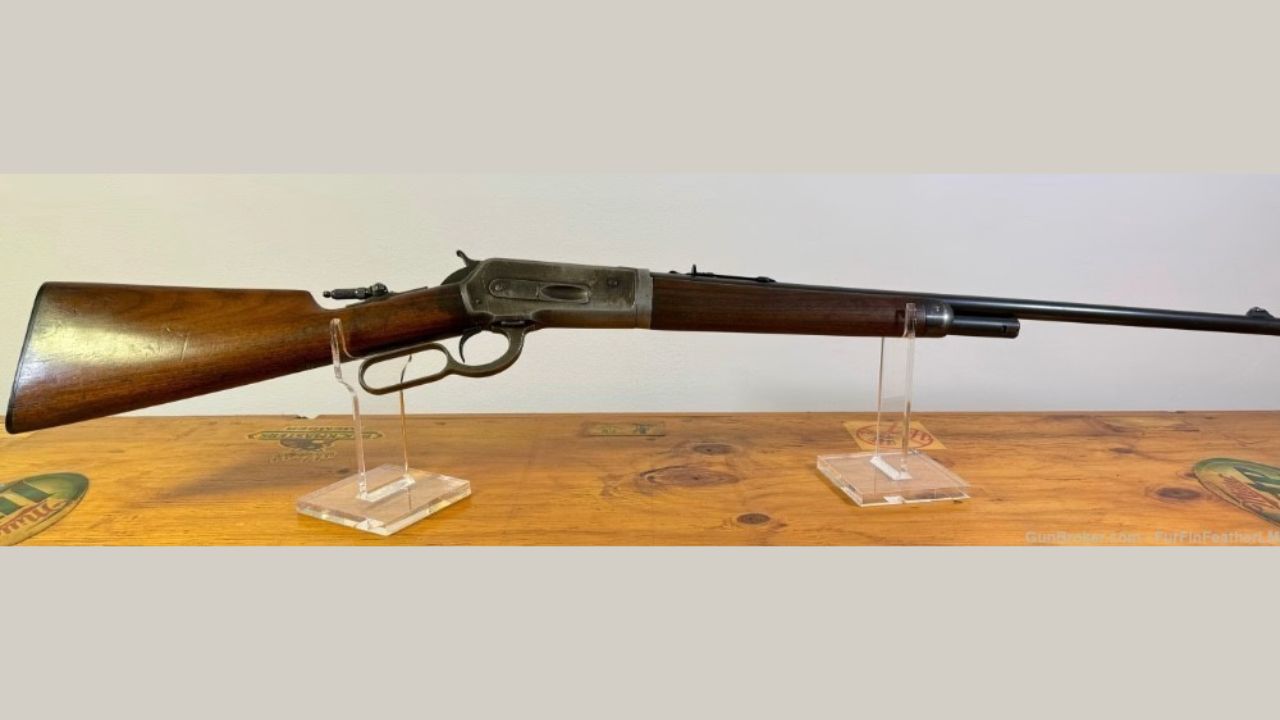
Browning gets the big headline credit, and rightly so, but American Rifleman’s 2026 “I Have This Old Gun” feature also says the feeding mechanism was perfected by Winchester’s William Mason.
That is a great little detail because it reminds you these famous guns were often the result of more than one talented mind. The 1886 may be a Browning design at its core, but Winchester’s in-house engineering work helped turn it into the finished rifle people remember.
9. It became one of the great big-game lever actions
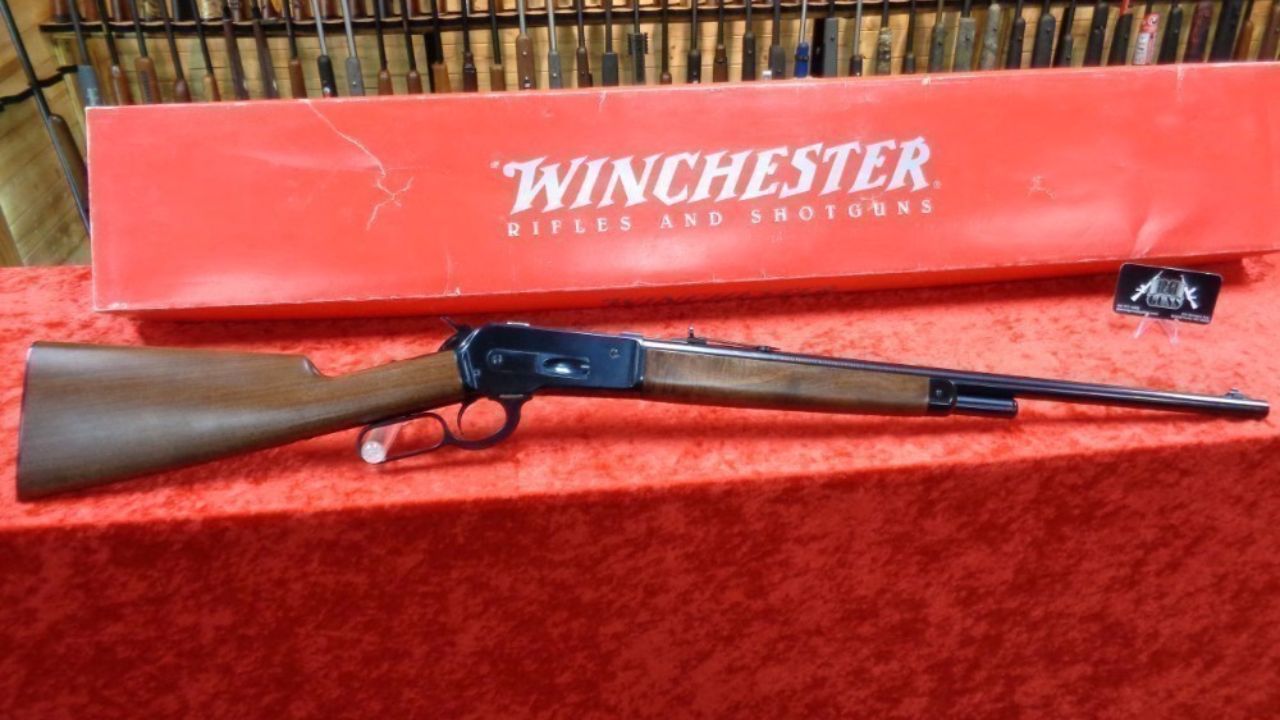
Winchester’s overview describes the 1886 as robust and accurate, and American Rifleman’s 2011 piece on the Extra Light Weight called it the ultimate medium-range hunting rifle in its day across a wide range of chamberings.
That fits the rifle’s identity perfectly. The 1886 was not primarily about cowboy nostalgia when it was new. It was a serious hunting rifle built for people who needed more cartridge than earlier lever guns could comfortably deliver.
10. It came in rifle and carbine forms, including saddle-ring carbines

The 1886 was not locked into just one standard rifle format. American Rifleman’s 2026 “I Have This Old Gun” feature focused specifically on a Model 1886 saddle-ring carbine manufactured around 1893, showing that the line included shorter, more portable carbine configurations too.
That matters because it shows the 1886 family had more variety than casual shooters often realize. Even a rifle associated with big cartridges and hunting power still had branches meant for easier carry and field use.
11. It even had a strange World War I-era British role

One of the weirdest facts in the whole 1886 story comes from Winchester’s own 2018 military-history article. The company says Great Britain placed a small World War I order for Model 1886 rifles in .45-90 for “aeroplane gunners,” who were supposed to use incendiary ammunition against German zeppelins.
That is a genuinely surprising piece of history. Most people think of the 1886 strictly as a hunting or frontier-era rifle, not something connected to early aerial warfare. But this oddball order shows how flexible and available the rifle could still be in a time of emergency need.
12. Original 1886 barrel lengths varied quite a bit
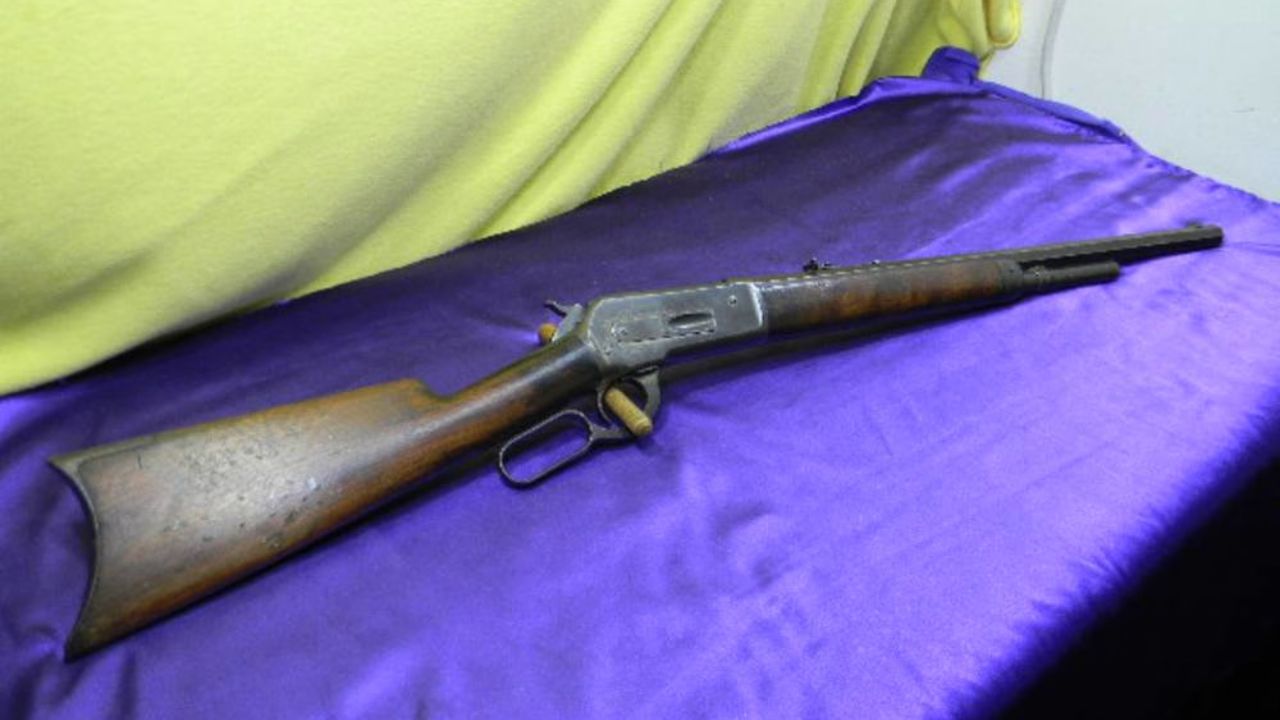
The standard reference history lists barrel lengths of 20, 22, 24, 26 and 28 inches.
That range is a reminder that the 1886 was not just one fixed-profile rifle. Winchester offered the platform in multiple lengths to suit different preferences and uses, which helped it appeal to more than one type of shooter or hunter.
13. Feed capacity depended on the chambering and configuration
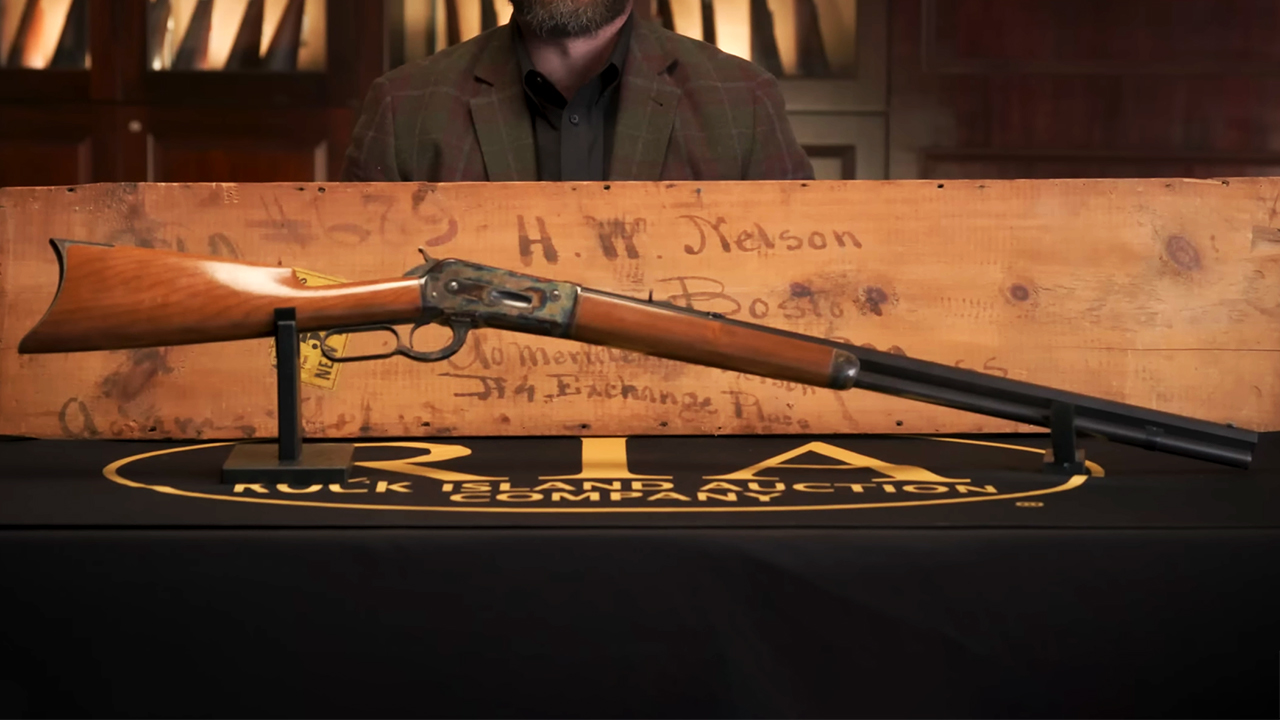
The standard reference history says the 1886 used a tubular magazine with capacities of 7, 8, or 9 rounds depending on configuration.
That is a small but useful fact because it reminds you the 1886 was still very much a practical repeating rifle, not some giant single-purpose novelty. Even with heavier cartridges, it retained the repeating-fire advantage that made Winchester lever guns so attractive in the first place.
14. Winchester brought the Model 1886 back in the modern era
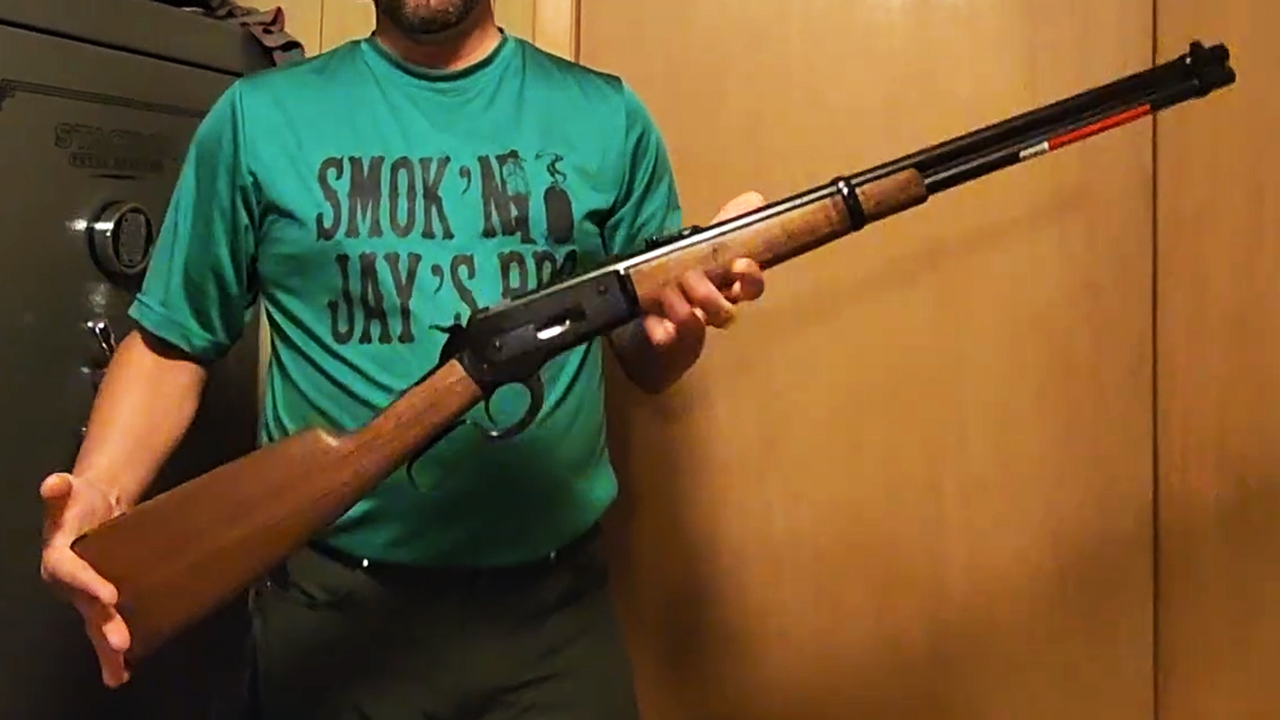
A lot of shooters think of the 1886 as purely an antique, but the standard reference history lists production resuming from 1986 to the present, and Winchester’s current site still has Model 1886 rifles and an owner’s manual available. Winchester also offered an Extra Light version in the modern era.
That says a lot about how much affection the design still holds. The 1886 is not just something people admire in museums or auction catalogs. Winchester sees enough demand to keep the pattern alive in modern production.
15. Its biggest legacy is that it made the later strong Winchester lever guns possible
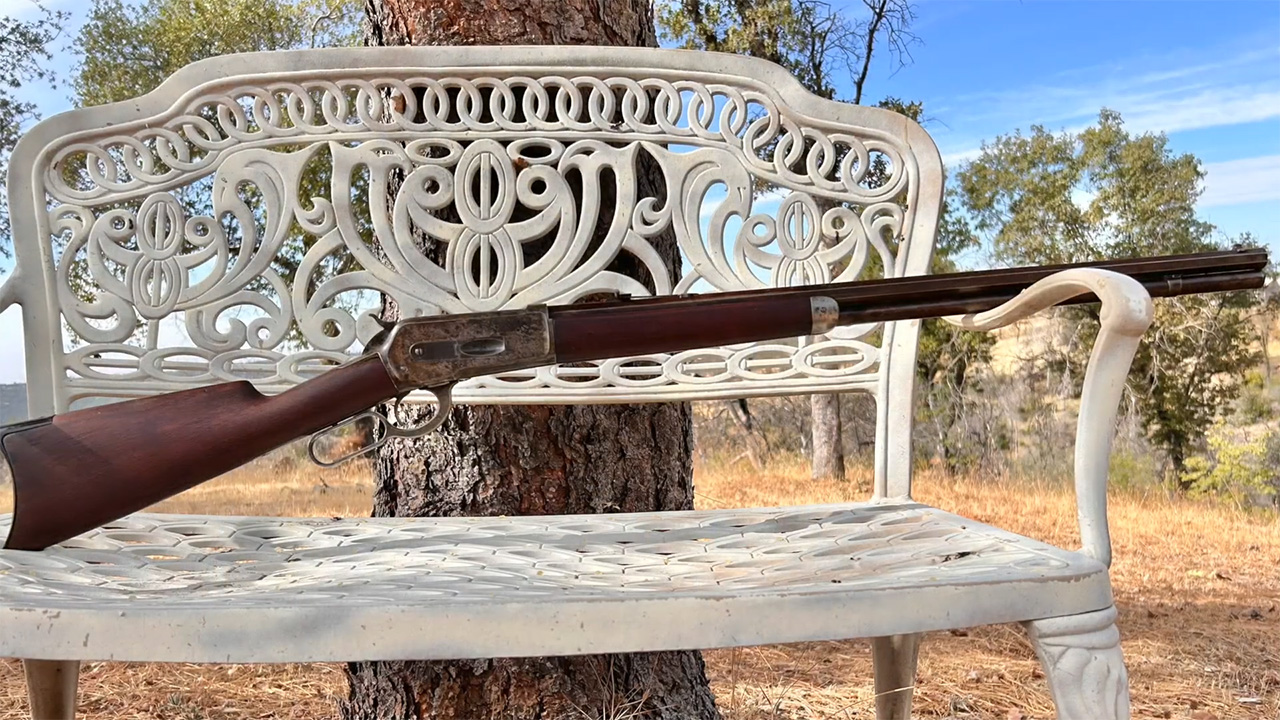
The most important thing about the 1886 may be what it proved. Winchester’s own history and American Rifleman’s coverage both make clear that Browning’s stronger locking design solved the cartridge-strength issue that earlier Winchester lever guns faced. Once that happened, Winchester had a path forward for stronger, more modern lever-action rifles.
That is why the 1886 still matters so much. It was not just a cool old big-bore lever gun. It was the rifle that showed Winchester could move beyond the limitations of its earlier toggle-link repeaters and build a truly robust lever-action platform for serious rifle cartridges.
Like The Avid Outdoorsman’s content? Subscribe to our newsletter so you never miss an article.
Here’s more from us: