Photo credit: NRApubs/YouTube
When the weather turns nasty, you learn quickly which deer rifles can take it—and which ones start giving you problems the moment cold rain or sleet settles in. Some rifles run perfectly in the shop or on a sunny range day, but once the temperature drops and the wind starts pushing moisture sideways, they show their limits. Stock materials swell, cheap coatings lose their grip, actions stiffen, and accuracy drifts enough to make you question every shot you take.
A seasoned hunter can work around some of these issues, but many rifles simply don’t hold up once the conditions get rough. These are the rifles that give up long before you do.
Remington 710
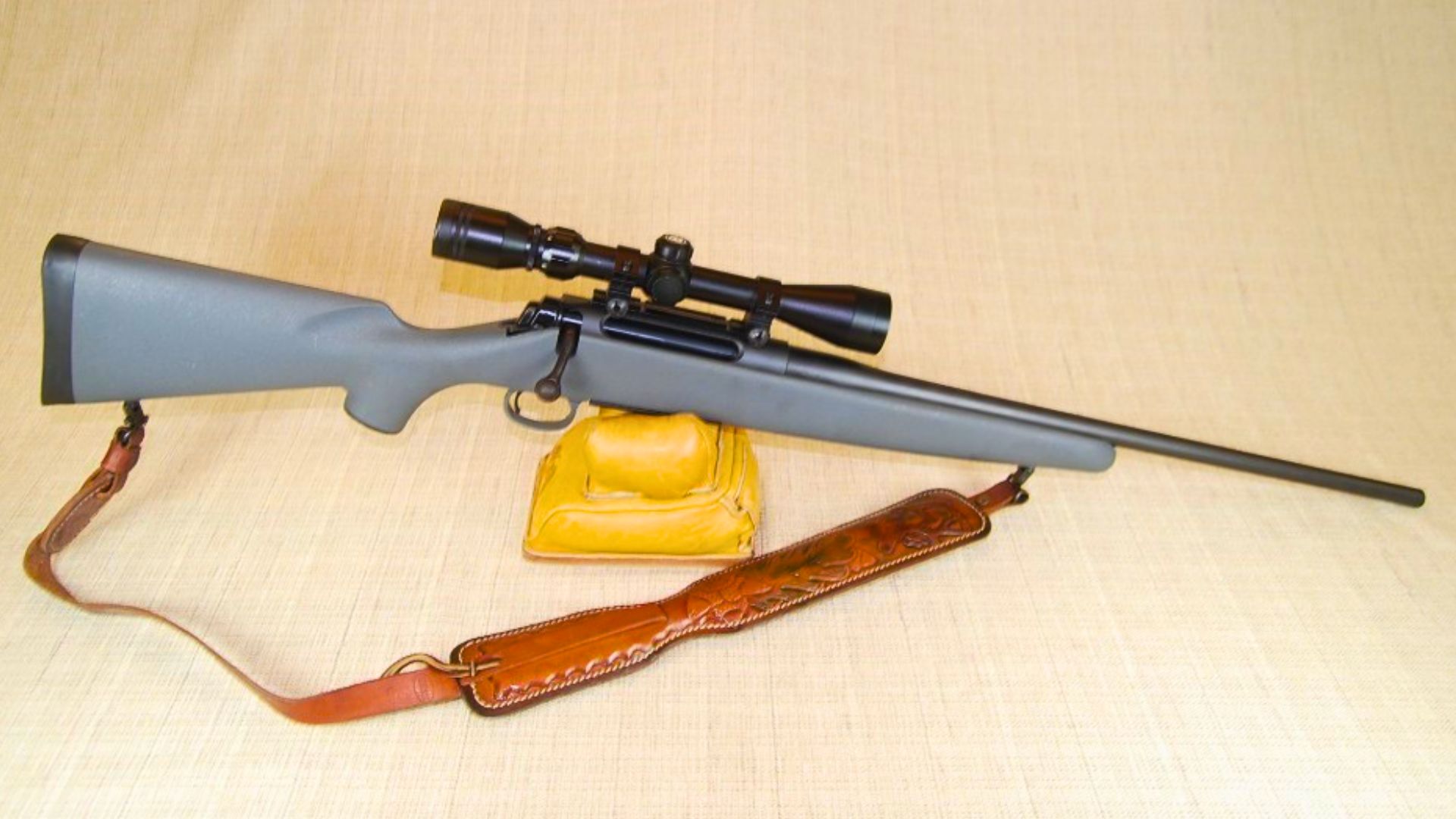
The Remington 710 has a reputation for struggling even on mild days, so when the weather turns bad, the problems get worse. The polymer receiver inserts don’t inspire confidence in wet or freezing conditions, and the bolt can bind or feel unpredictable once moisture starts working its way into the action. That makes cycling a follow-up shot slower and more stressful than it should be.
The factory scope that came on many of these rifles also loses clarity fast in fog or drizzle. Pair that with shifting accuracy when the temperature drops, and you’re left with a rifle that simply can’t keep up with tough weather. Most hunters who’ve carried one in a storm never repeat the mistake.
Mossberg ATR
The ATR has taken plenty of deer in fair conditions, but wet weather exposes its weak points quickly. The stock can flex more when it gets damp, especially if you’re resting it on a tree limb or shooting off a pack. That flex bumps accuracy in ways you don’t always notice until the shot breaks.
The action isn’t the smoothest to begin with, and once dust, moisture, or cold air hit it, cycling gets noticeably stiffer. If you’re wearing gloves or dealing with frozen fingers, that becomes a real issue. Hunters who’ve carried the ATR through rain or sleet usually come home wishing they’d grabbed a different rifle.
Savage Axis
Early Axis rifles had decent barrels, but their lightweight synthetic stocks didn’t hold up well in bad weather. The fore-end could twist or squeeze under pressure, and when the stock gets wet and cold, that flex becomes more pronounced. You’ll see groups wander just from the way you settle into your rest.
The heavy factory trigger also becomes harder to manage with cold hands. Instead of a clean break, you’re dealing with a long, gritty pull while shivering. That combination means the rifle will technically fire, but it won’t shoot anywhere near its potential when the conditions turn ugly.
Remington 770
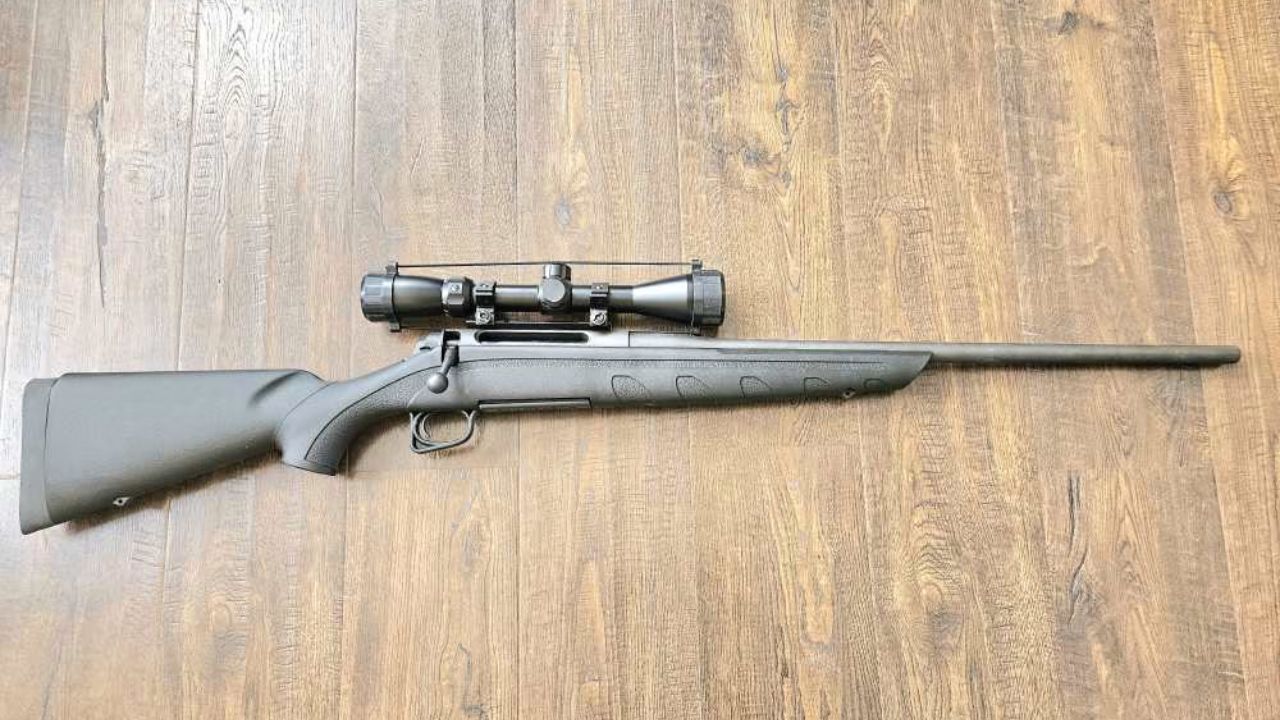
The 770’s bolt is already rough on a perfect day. Add rain, sleet, or a layer of frozen mud, and it becomes a chore to run. Hunters often report the bolt handle icing over or the lugs dragging hard once moisture gets inside. That’s a bad feeling when a buck steps out in the last minutes of legal light.
The magazines also become less reliable in freezing temps. Rounds don’t feed smoothly, and the follower can hesitate just enough to cause a hiccup. Pair that with accuracy that jumps when the temperature swings, and you’re dealing with a rifle that simply doesn’t hold up through a late-season storm.
Browning AB3
The AB3 is lightweight, handy, and accurate on warm days, but the bolt lift stiffens noticeably in cold weather. That makes a second shot tough when your fingers are already numb. Bad weather also seems to amplify the plastic stock’s tendency to flex, especially around the fore-end.
Some hunters also report moisture creeping into the trigger housing, causing unpredictable breaks when temperatures shift. While the AB3 isn’t a bad rifle overall, it has a history of losing consistency when the weather turns wet and cold, which is why many seasoned hunters leave it at home in December.
Ruger American Compact
The Ruger American line is generally solid, but the Compact’s lightweight construction works against it in rough weather. Cold, damp conditions make the thin stock feel even more flexible, and any pressure on the fore-end translates directly into wandering groups.
The short barrel is handy in the woods, but it cools slowly once wet and covered in sleet, which widens groups during follow-up shots. Hunters also notice that the bolt feels noticeably sticky when cycling in freezing rain. It’s a rifle that works well on nice days but feels out of place once late-season storms roll in.
Weatherby Vanguard Synthetic
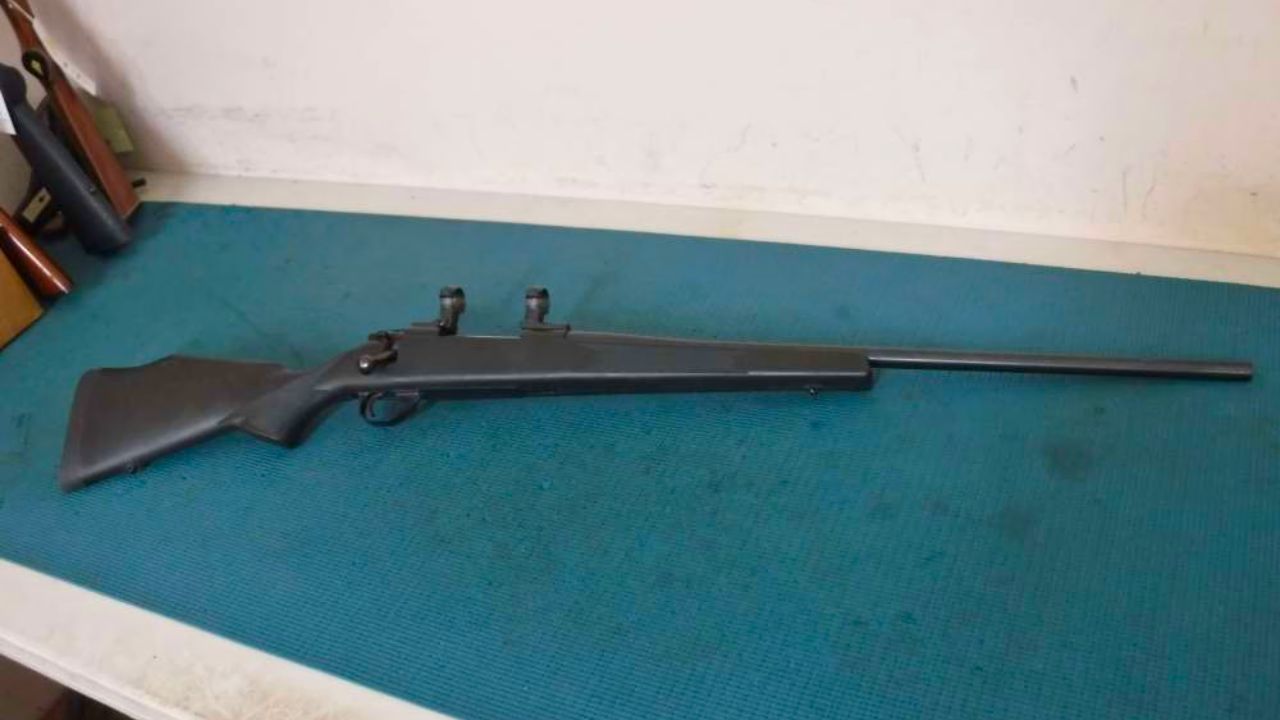
The Vanguard action is strong, but the older synthetic stocks weren’t made for soaking rain or freezing fog. They swell just enough to change how the barrel floats, and that’s all it takes to see accuracy drift.
The weight of the rifle also becomes an issue when everything starts icing over. The added moisture makes the already-heavy build hard to manage with gloves, especially when lifting it into shooting position. It’s a dependable rifle mechanically, but bad weather highlights shortcomings that hunters don’t forget.
Marlin X7
The X7 line had plenty of fans, but the stock material becomes noticeably slick in wet weather. Combine that with gloves, and handling gets sloppy fast. The bedding system also shows inconsistency once moisture gets underneath the action screws.
Accuracy can shift a couple of inches once the temperature drops and the stock starts contracting. It won’t leave you stranded, but it’s enough to make a seasoned hunter switch to something more predictable during a winter storm.
TC Venture (early runs)
Early Venture models had triggers that struggled in wet or freezing weather. Hunters who carried them in sleet often noticed delayed or spongy breaks, especially if moisture got inside the housing.
The action also stiffens up quickly when cold metal contracts. You can fight through it, but new shooters will struggle. When the wind is driving rain sideways, that’s a distraction seasoned hunters prefer to avoid.
CVA Cascade (first-generation)

The first-gen Cascade rifles showed promise, but weather exposure revealed some weaknesses. Moisture changes the tension in the bedding area, which shifts point of impact just enough to undermine confidence.
The magazines can also bind after taking on rain or sleet, especially when loaded to capacity. Hunters who’ve dealt with stiff cycling in a storm usually move this rifle out of the rotation when late-season weather rolls in.
Rossi RS22
This little rimfire is great for plinking but struggles in bad weather on small-game hunts. The action doesn’t tolerate moisture well, and any rain or frost in the chamber area quickly leads to failures to feed or extract.
Accuracy also varies wildly with temperature swings. Rimfire rifles are sensitive to conditions anyway, but the RS22 takes that to an extreme. Hunters quickly learn not to trust it once the weather goes sideways.
Savage 12 FV
The 12 FV is heavy and accurate, but that weight works against you when everything is coated in freezing rain. The cold metal stock screws also contract unevenly, which can shift accuracy more than you’d expect.
The bolt, while smooth in ideal temps, stiffens in deep cold. If you aren’t running quality lubrication, you’ll feel it immediately. It’s a bench shooter’s dream, but a late-season deer hunter’s headache.
Howa 1500 (cheap-stock packages)

The action is strong, but the budget stocks on some package rifles don’t respond well to moisture. They flex, twist, and take on unexpected movement when soaked. That’s enough to ruin confidence during a long sit in cold rain.
Hunters also report that the plastic bottom metal becomes brittle in extreme cold. That’s not something you want to discover while loading up before dawn.
Henry Single Shot (steel frame)
The Henry Single Shot is tough, but moisture can make the exposed hammer and trigger slick at the worst possible moment. Add gloves and freezing temps, and you’re fighting your own gear just to get steady.
The hinge-area can also get stiff if exposed to dirt and sleet. While simple, the design requires consistent handling, and bad weather makes that difficult. Hunters generally save this rifle for fair-weather days.
Remington 783 (early models)
Early 783 rifles had stocks that reacted dramatically to temperature shifts. When they get cold and wet, they tighten or loosen unpredictably around the action. That leads to wandering groups right when you need consistency most.
The bolt can also drag when running it in freezing rain, especially if ice forms around the lugs. Hunters who’ve lost shots because of this avoid carrying the 783 once the season gets late and ugly.
Like The Avid Outdoorsman’s content? Be sure to follow us.
Here’s more from us:
The worst deer rifles money can buy
Sidearms That Belong in the Safe — Not Your Belt
*This article was developed with AI-powered tools and has been carefully reviewed by our editors.