Photo credit: hlam988/YouTube
Some firearms sell the idea before they ever prove the performance. A clever feature, a revived old name, a strange action, a big cartridge, a tactical look, or a “this changes everything” pitch can make buyers lean forward fast. On paper, these guns sound like they solved a real problem.
Then people shoot them, hunt with them, carry them, clean them, or try to trust them for regular use. That is where the gap shows up. Some still have fans, and some examples work fine, but the promise was stronger than the real-world experience.
Remington R51

The Remington R51 sounded like a smart comeback. A slim defensive pistol with an unusual Pedersen-style action, low bore feel, and a historic name gave shooters a reason to pay attention. It looked like it could be a softer, sleeker alternative to the usual compact carry guns.
Real life was rougher. Early reliability complaints, awkward handling impressions, and a damaged launch made trust hard to rebuild. A carry pistol has to win confidence quickly. The R51 instead made buyers wonder why they were taking a chance when proven compact 9mms were already everywhere.
Taurus Curve

The Taurus Curve had one of the more interesting sales pitches in the carry market. A curved frame, built-in light and laser, and pocket-carry focus made it sound like a pistol designed around real concealment instead of copying everything else.
The problem was that the concept felt better than the gun. The shape was strange, the sighting setup was limited, and the pistol never felt natural enough for many shooters. Defensive handguns need to be boring under stress. The Curve sounded clever, but it did not deliver the confidence most people needed.
Kimber Solo

The Kimber Solo looked like the premium answer to the small 9mm carry pistol. It had clean styling, a respected name, and the kind of size that made everyday carry sound easy. On paper, it checked a lot of boxes.
Actually trusting one could be harder. The Solo developed a reputation for being picky, especially with ammunition. Small defensive pistols already ask a lot from the shooter, so the gun itself needs to remove doubt, not add it. For many buyers, the Solo felt too particular for the role it was supposed to fill.
KelTec KSG

The KelTec KSG sounded fantastic when people first heard the pitch. A compact bullpup shotgun with dual magazine tubes and serious shell capacity seemed like a huge advantage for home defense, range use, or anyone wanting something different.
In use, the tradeoffs came quickly. The manual of arms takes practice, recoil can feel sharp, and cycling it cleanly under pressure is not as effortless as the spec sheet suggests. A standard pump or semi-auto often feels easier to run well. The KSG is interesting, but interesting does not always equal better.
Springfield Armory XD-S .45 ACP
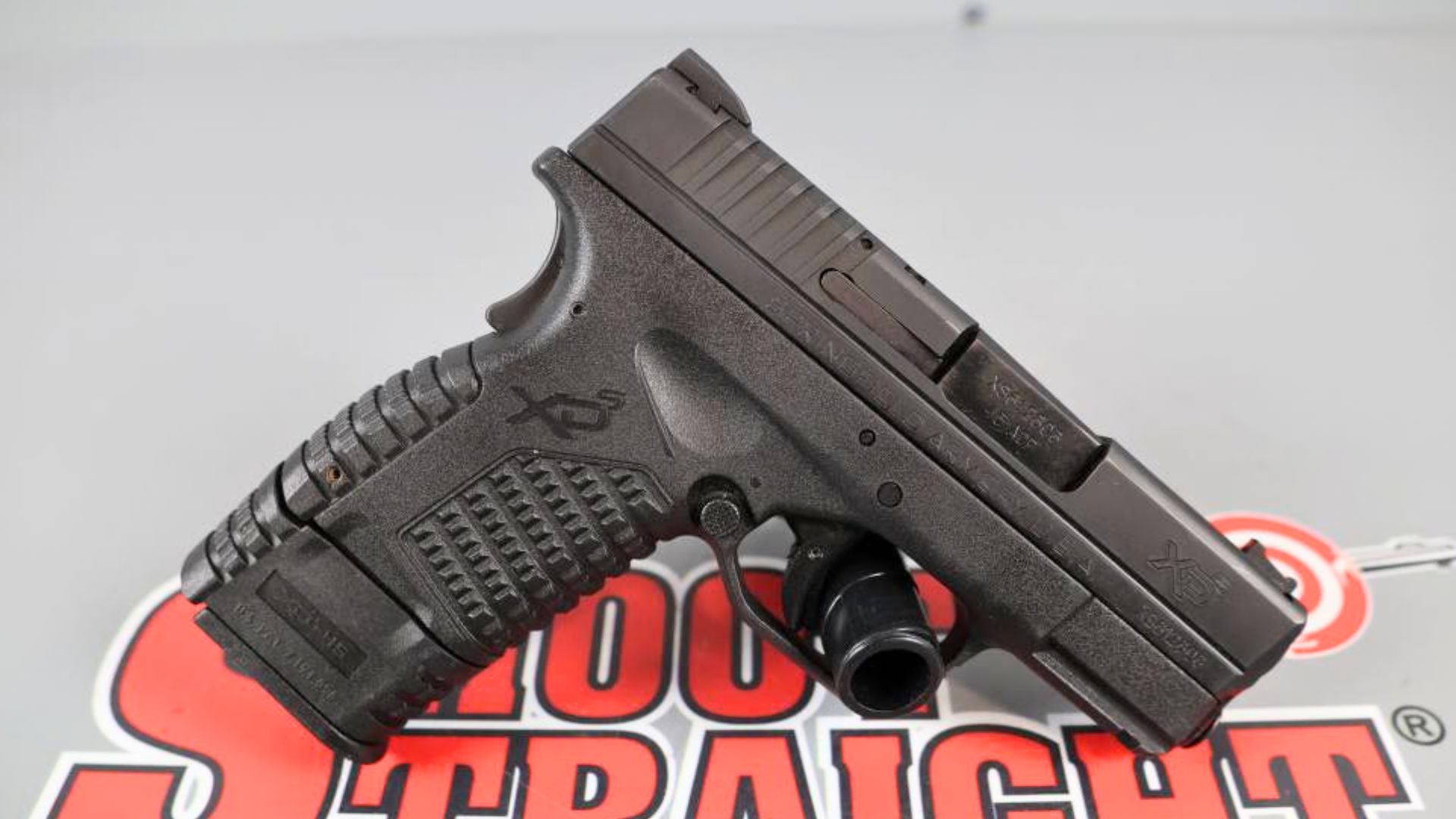
The Springfield XD-S in .45 ACP sounded like a serious carry gun. A slim pistol with big-bore power looked like the perfect answer for shooters who wanted authority without strapping on a full-size handgun.
The range told a different story for many owners. Small .45s can be sharp, slow, and unpleasant to train with. Capacity is limited, and follow-up shots take more work than they do with softer-shooting 9mms. The XD-S was not useless, but the promise of big power in a small package came with costs buyers felt immediately.
SIG Sauer P365 SAS

The SIG Sauer P365 SAS made sense as a concept. Take one of the most successful micro-compacts around, smooth the profile, reduce snag points, and create a deep-carry pistol that disappears cleanly under clothing. That sounded smart.
The trouble was the sighting system. Many shooters found it slower or harder to use than normal sights, especially under speed or less-than-perfect light. A defensive pistol should make the shot easier when things get ugly. The SAS solved snagging on paper, but for many people it created an aiming problem in return.
Walther CCP
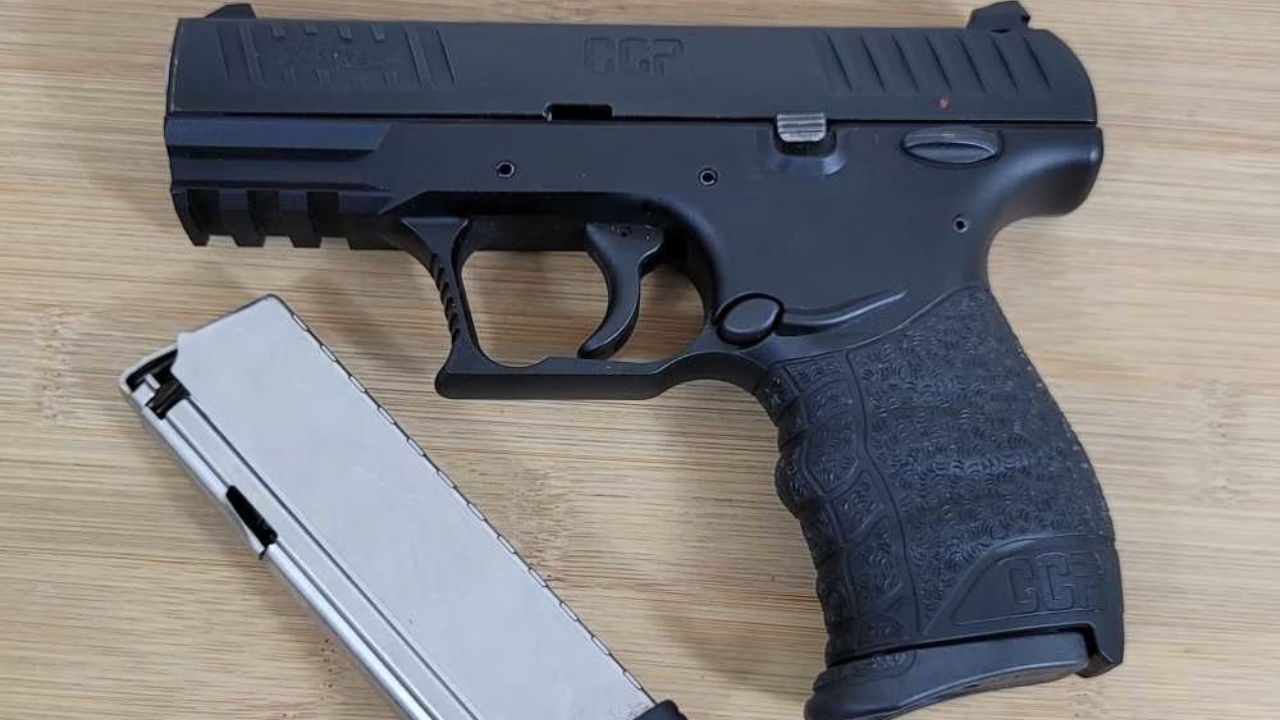
The Walther CCP had a good idea behind it. A compact pistol with softer recoil and an easier slide could help shooters who struggled with snappy carry guns or stiff recoil springs. That was a real need.
The ownership experience did not always feel as clean as the pitch. Early versions brought complaints about heat, takedown, and overall confidence compared with simpler pistols. A carry gun built around ease should feel easy across the board. The CCP sounded helpful, but many shooters found less complicated options easier to trust.
Benelli R1

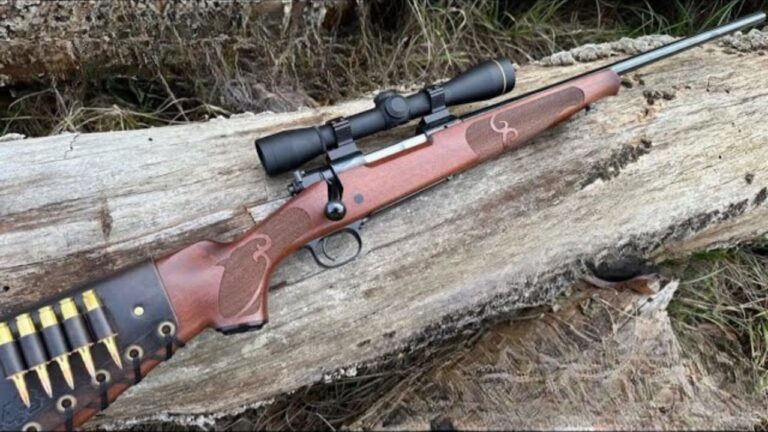
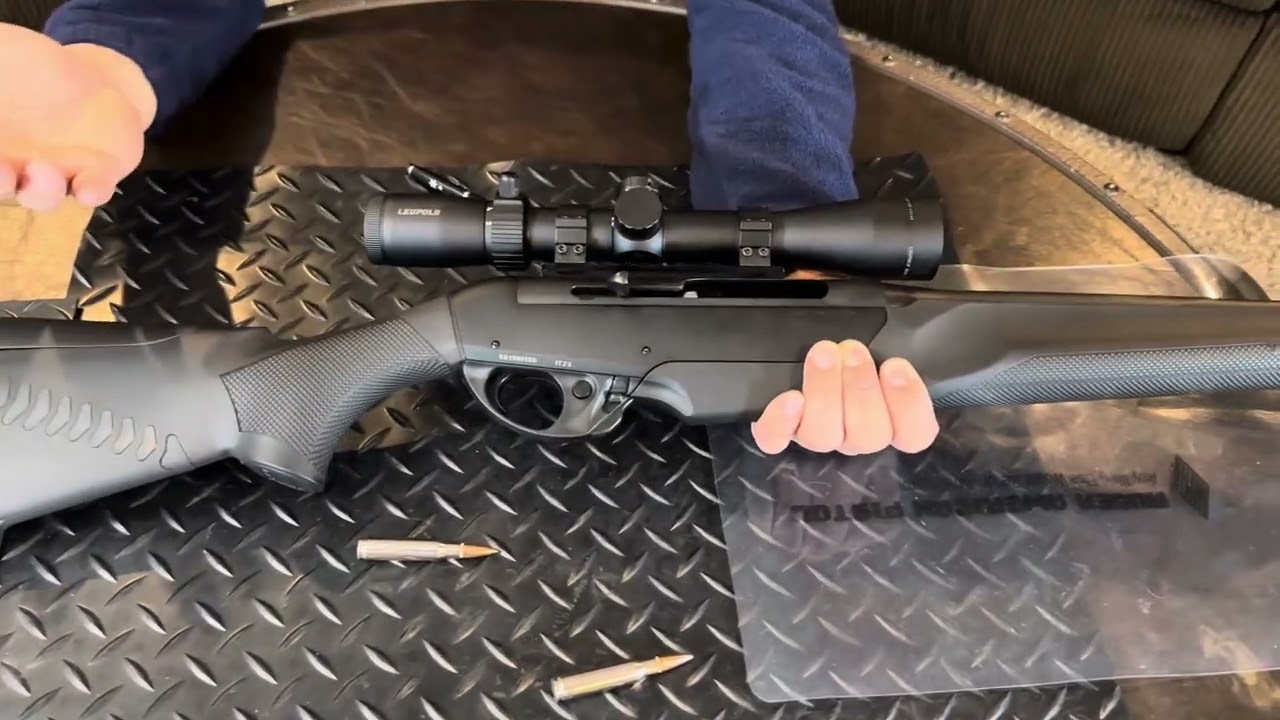
The Benelli R1 sounded like a modern hunter’s dream: a sleek semi-auto rifle with quick follow-up shots, good looks, and the Benelli name behind it. For hunters used to bolts, it promised speed without giving up field-rifle appeal.
The reality was more mixed. Semi-auto hunting rifles are heavier, more complex, and more load-sensitive than many buyers expect. If accuracy is only average or the rifle prefers certain ammo, the high price gets harder to explain. Many hunters eventually realize a good bolt gun gives them more confidence for less money.
Mossberg 4×4

The Mossberg 4×4 tried to stand out in the affordable hunting-rifle market with unusual styling and features that looked different from the usual plain bolt gun. On paper, that made it seem like a budget rifle with extra personality.
In the field, that personality did not always help. The rifle could feel awkward, bulky, and less refined than hunters wanted. A hunting rifle does not need much flair if it carries well, feeds smoothly, and shoots confidently. The 4×4 sounded like a better idea than it often felt in the hands.
Remington 710
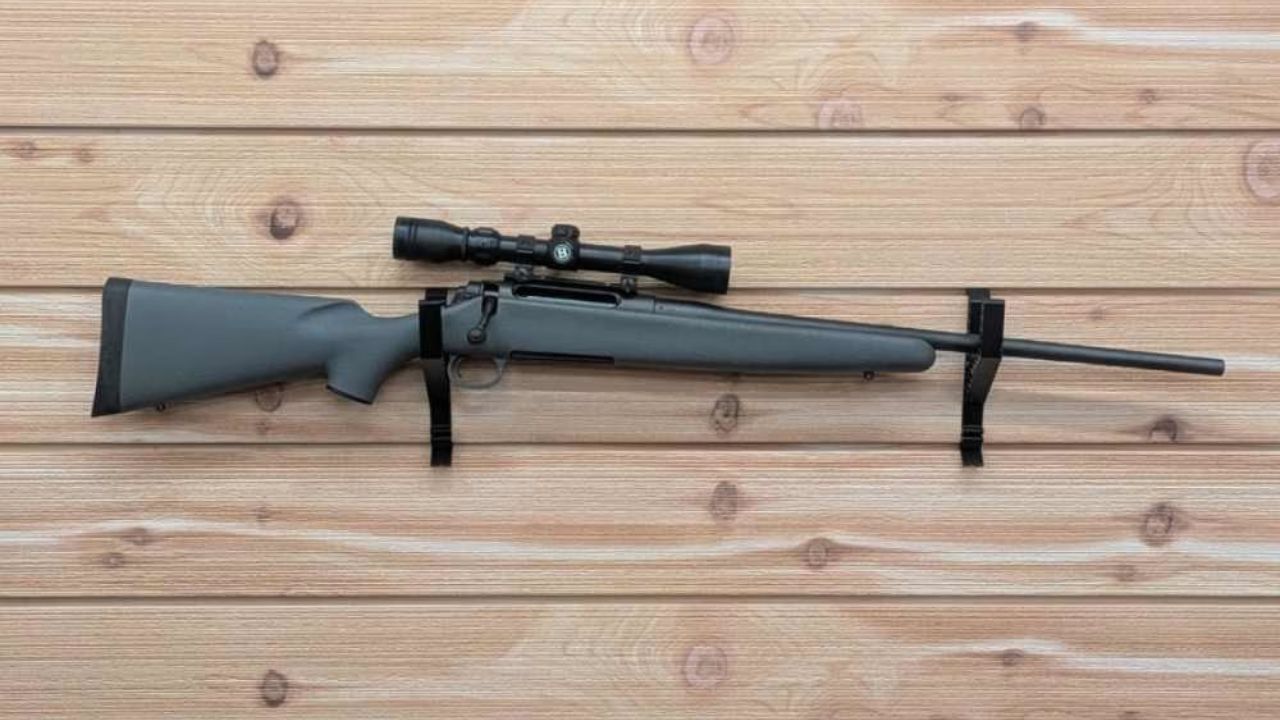
The Remington 710 sounded like an easy win for new hunters. A complete rifle package from a famous name at a low price made it look like a simple path to deer season. For buyers watching their budget, that mattered.
Then the rifle’s cheapness became hard to ignore. The rough action, plastic-heavy feel, and uninspiring handling made many owners wish they had spent more up front. A budget rifle still has to feel like something you want to keep. The 710 too often felt like a shortcut.
Glock 44

The Glock 44 should have been one of the easiest ideas to love. A Glock-style .22 LR trainer meant cheap practice, familiar controls, and a low-recoil option for new shooters. With Glock’s centerfire reputation, expectations were high.
Rimfire pistols are tricky, though, and the Glock 44 did not land as the unquestioned trainer many expected. Reports of ammunition sensitivity hurt the excitement. It can be useful with the right ammo, but the pitch sounded stronger than the result. Shooters wanted boring Glock dependability in .22 form, and not everyone felt they got it.
Chiappa Rhino

The Chiappa Rhino sounded like a revolver breakthrough. By firing from the lower chamber, it promised less muzzle rise and a different recoil feel. Add the futuristic looks, and it seemed like a real rethink of the wheelgun.
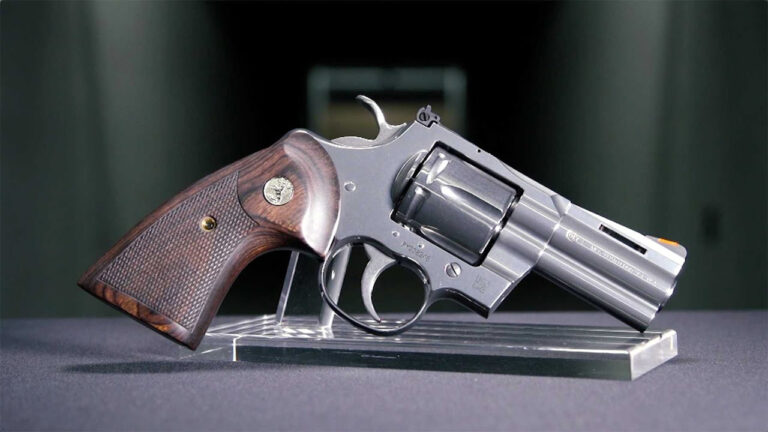
The recoil system has merit, but the whole package is harder to love. The controls are unusual, the trigger feel does not please everyone, and holster support is more limited than traditional revolvers. Some shooters admire the engineering more than they enjoy the ownership. It delivers something different, but not always something better.
Hudson H9
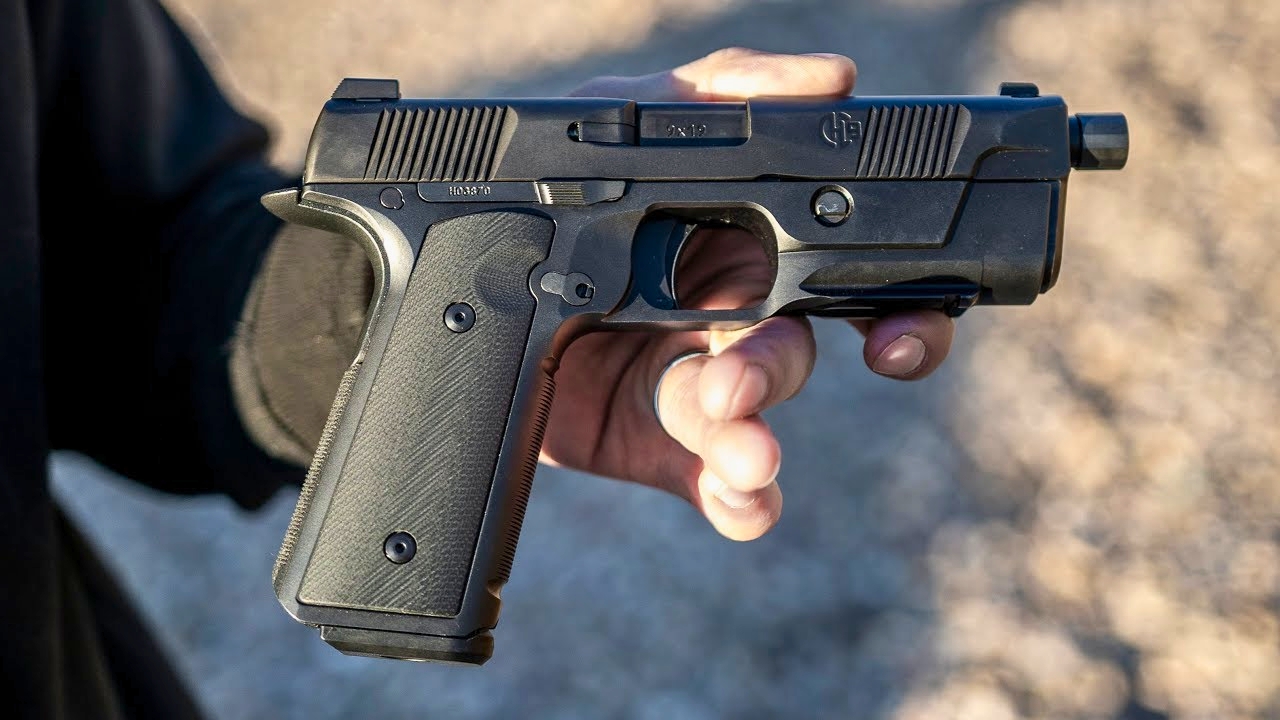
The Hudson H9 sounded like a dream for shooters who wanted something new. A low-bore 9mm with a 1911-ish trigger feel, striking design, and serious range promise gave it instant attention. It felt like a pistol made by people trying to solve real shooting problems.
Then reality caught up. The gun was heavy, expensive, and tied to a company that did not survive. That matters because parts, magazines, and service are part of ownership. As an idea, the H9 was exciting. As a firearm you could confidently buy and keep running, it became a much harder sell.
Smith & Wesson Bodyguard 380
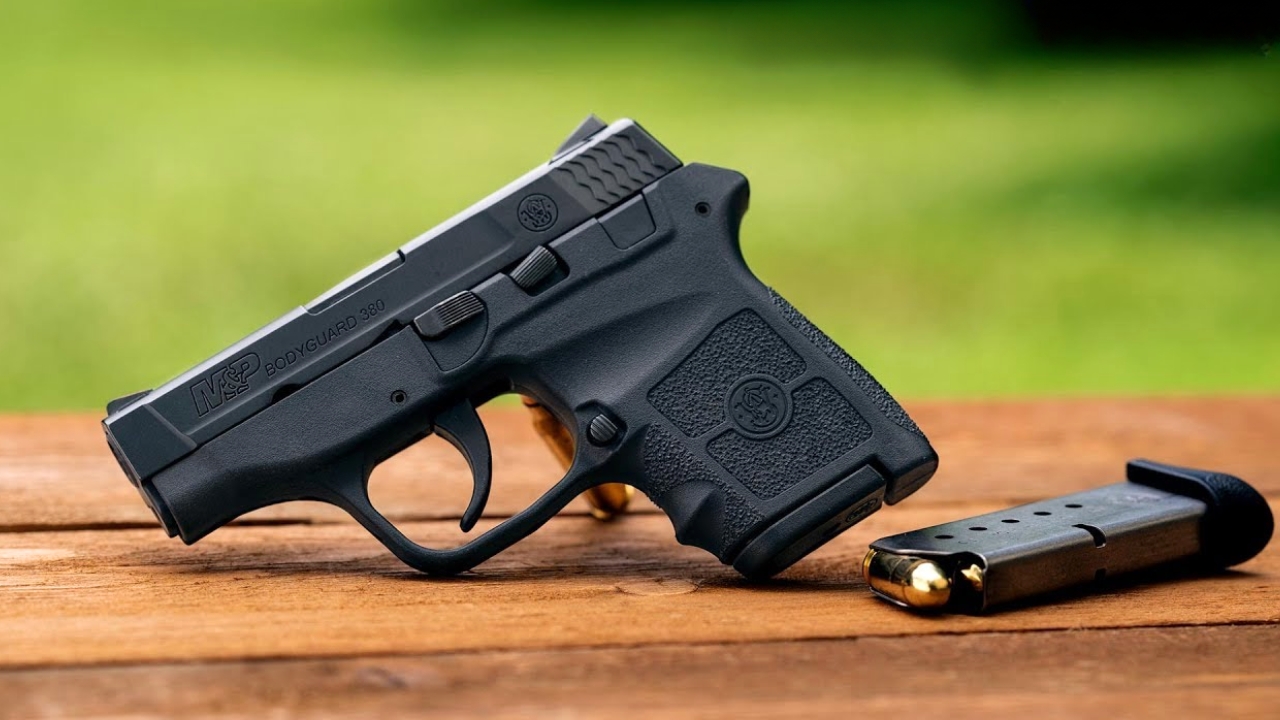
The Smith & Wesson Bodyguard 380 sounded like a sensible pocket pistol. Small size, light weight, and available laser-equipped versions made it seem perfect for deep concealment or backup use.
Actually shooting it changed opinions fast. The long, heavy trigger made accurate work harder, the tiny sights did not help much, and .380 pocket pistols are already demanding. It could fill a role, but it was not enjoyable or especially confidence-building for many shooters. The Bodyguard sounded practical until range time exposed the compromises.
Thompson/Center Compass

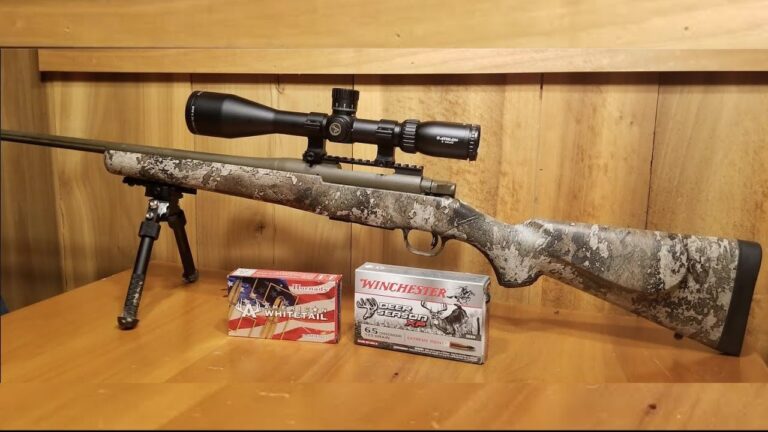
The Thompson/Center Compass appealed to hunters because it promised affordable accuracy. That is one of the strongest pitches a rifle can have. If a gun shoots well and does not cost much, what else do you need?
A lot, as it turns out. Handling, stock feel, magazine design, bolt smoothness, and long-term confidence all matter when a rifle leaves the bench. The Compass could shoot, but many owners found the overall package less satisfying than the groups suggested. It sounded like a bargain. For some, it felt more like a temporary solution.
Like The Avid Outdoorsman’s content? Be sure to follow us.
Here’s more from us: