Photo credit: Bane762/YouTube
Some guns warn you before they let you down. They start feeding rough, throwing weak ejection, loosening screws, or getting picky about ammo. Others seem fine right up until the moment they are not. That is the kind of failure that sticks with people.
A gun does not have to be useless to earn a bad reputation. Sometimes the issue is age, poor maintenance, weak magazines, cheap parts, bad heat management, or a design that never had much margin for abuse. These are the guns that can run well enough to earn your trust, then make you question it at the worst possible time.
Remington 742 Woodsmaster

The Remington 742 Woodsmaster has put plenty of deer on the ground, so nobody needs to pretend every one is a lost cause. The problem is what happens as they age. A used 742 can look like a normal deer rifle until the action starts dragging, feeding gets rough, or extraction becomes unreliable.
That is what makes it frustrating. Many were not maintained the way semi-auto hunting rifles need to be, and wear in the action can turn a once-useful rifle into a jam-prone headache. It may run at the range, then choke when a buck finally steps out.
Remington 597
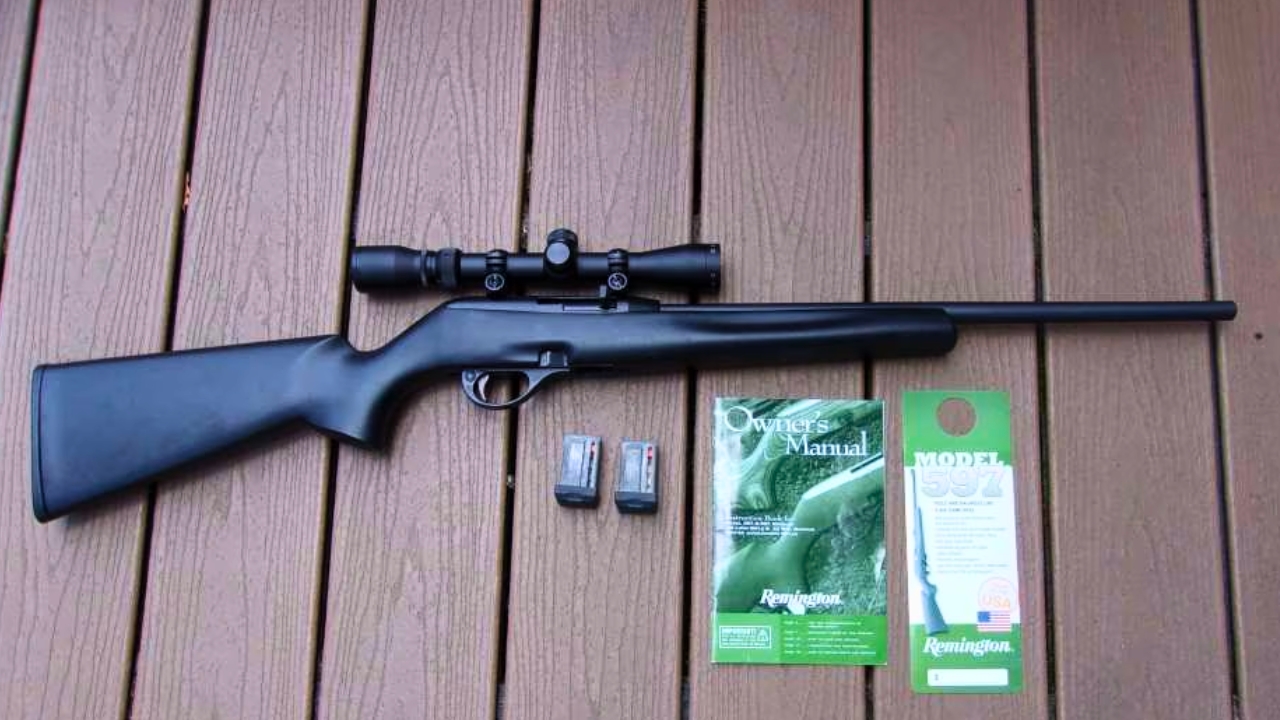
The Remington 597 looked like it should have been a stronger Ruger 10/22 rival. It had decent ergonomics, decent accuracy potential, and enough name recognition to get rimfire buyers interested.
Then the magazines hurt its reputation badly. Early feeding problems made plenty of shooters lose trust, and even improved examples never fully shook the stigma. A .22 semi-auto is supposed to be relaxing. When it starts nose-diving rounds, failing to feed, or acting picky after a little dirt and cheap ammo, the fun goes away fast. The 597 could be good, but it could also surprise you for the wrong reason.
Taurus PT111 Millennium

The Taurus PT111 Millennium was affordable, compact, and appealing to buyers who wanted a carry pistol without spending much. On paper, that made it easy to understand.
The trouble is that early Millennium pistols developed a reputation for serious quality concerns, including reliability issues and broader safety-related criticism around the line. Even when one seemed to run, many owners never felt the same confidence they had with better-proven carry guns. A defensive pistol cannot be something you hope works. If the trigger, feeding, or internal parts make you nervous, the low price stops feeling like a bargain.
Kimber Solo

The Kimber Solo looked like a premium answer to the small 9mm carry craze. It was compact, slick, and carried a name that made buyers expect quality.
In practice, the Solo became known for being picky. Many small 9mm pistols are ammo-sensitive, but the Solo seemed especially unforgiving for some owners. It could run with the right defensive loads and careful maintenance, then stumble with practice ammo or less-than-perfect grip pressure. That is not what most people want from a carry pistol. A gun that needs the stars lined up can make you nervous every time you press the trigger.
Sig Sauer Mosquito

The Sig Sauer Mosquito had one of the best sales pitches in rimfire pistols: a .22 that looked and felt like a scaled-down service pistol from a respected name. It seemed perfect for cheap training and casual shooting.
Then owners found out it could be finicky. Ammunition selection mattered, cleanliness mattered, and some examples seemed to dislike anything but hotter .22 loads. Rimfire guns can be picky by nature, but the Mosquito earned more complaints than buyers expected from the Sig name. It might run fine one session and act up the next, which is exactly how a fun trainer turns into a range-bag disappointment.
Walther P22
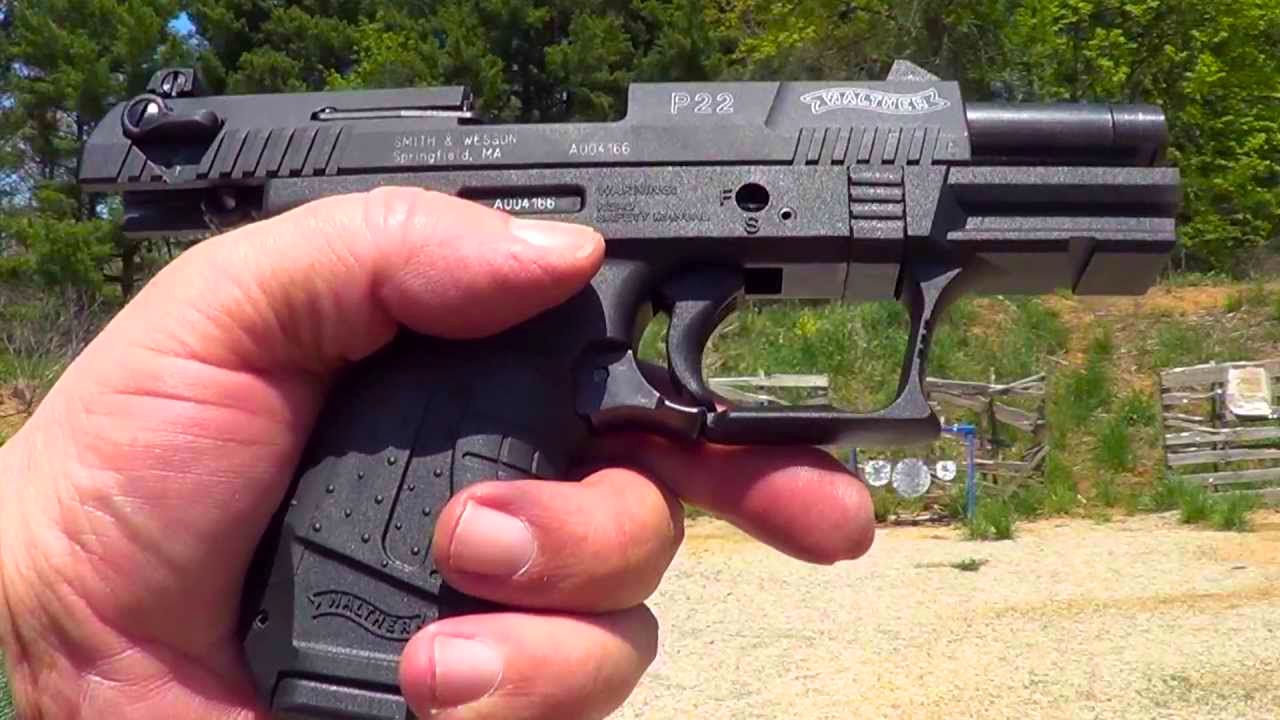
The Walther P22 is light, handy, and fun when it works. That is why so many people bought one. It feels like an easy rimfire pistol for plinking, new shooters, and cheap range time.
The issue is that many P22s have been known to get fussy. Ammo choice, magazine condition, cleanliness, and slide wear can all matter more than owners expect. Some run fine for years, while others seem to cycle only when they feel like it. That unpredictability is what gets annoying. A .22 pistol should build confidence and fundamentals, not make you stop every magazine to clear another failure.
KelTec PF-9

The KelTec PF-9 made sense when ultra-slim 9mm pistols were harder to find. It was light, flat, inexpensive, and easy to carry. For deep concealment, that was attractive.
But tiny, lightweight 9mm pistols give up a lot. The PF-9 can be snappy, difficult to shoot well, and more sensitive to grip and ammunition than many owners expect. Some examples run, while others develop feeding, extraction, or parts-related problems that make them hard to trust. A carry pistol that feels great in the holster but questionable on the range has a way of making buyers rethink everything.
SCCY CPX-2
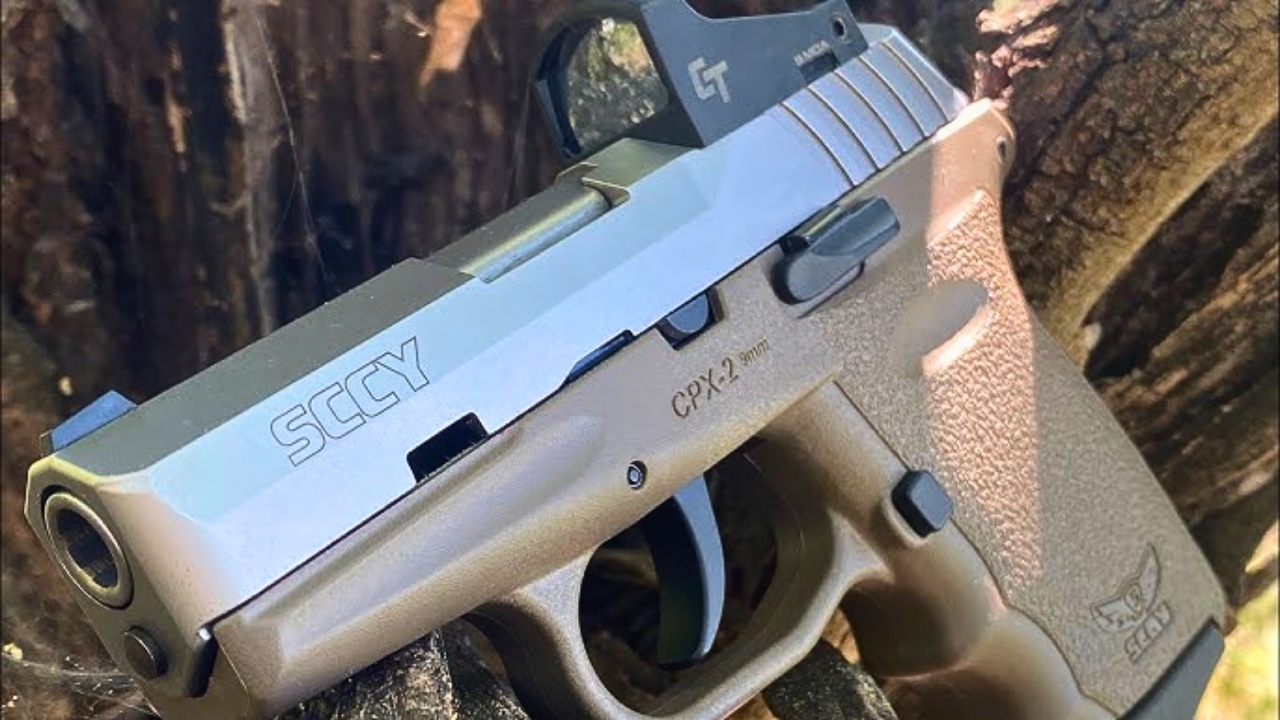
The SCCY CPX-2 found buyers because it was affordable, compact, and offered decent capacity for the money. For someone trying to get into concealed carry on a tight budget, it looked like a practical answer.
The hard part is confidence. The long, heavy trigger takes work, and the pistols have had mixed reputations for reliability depending on the example, magazines, and ammo. Some people get one that runs well. Others deal with failures that show up after they thought the gun was broken in. That inconsistency is tough in a defensive pistol. Cheap only works if trust comes with it.
Remington R51

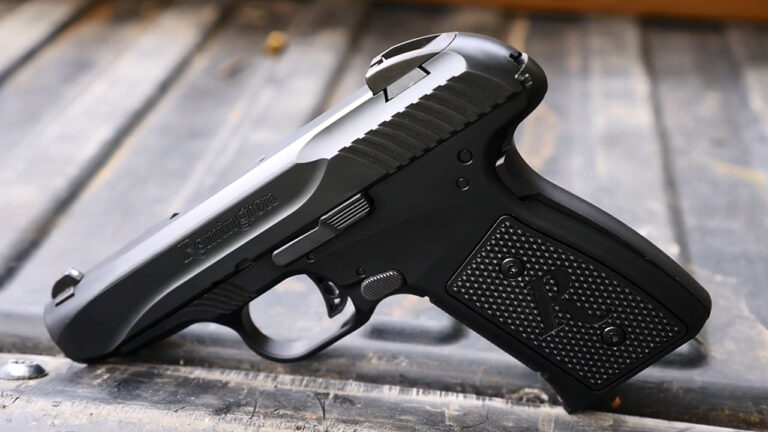
The Remington R51 had one of the most disappointing launches in modern carry pistols. The idea was interesting, the profile was slim, and Remington had a historic name to lean on.
Then real-world problems took over the conversation. Early R51 pistols suffered from reliability and quality-control complaints severe enough to damage trust almost immediately. Even later attempts could not fully rescue the reputation. A carry pistol has to feel boring in the best way. The R51 felt risky to too many buyers, and once that happens, the damage is hard to undo.
AMT Backup
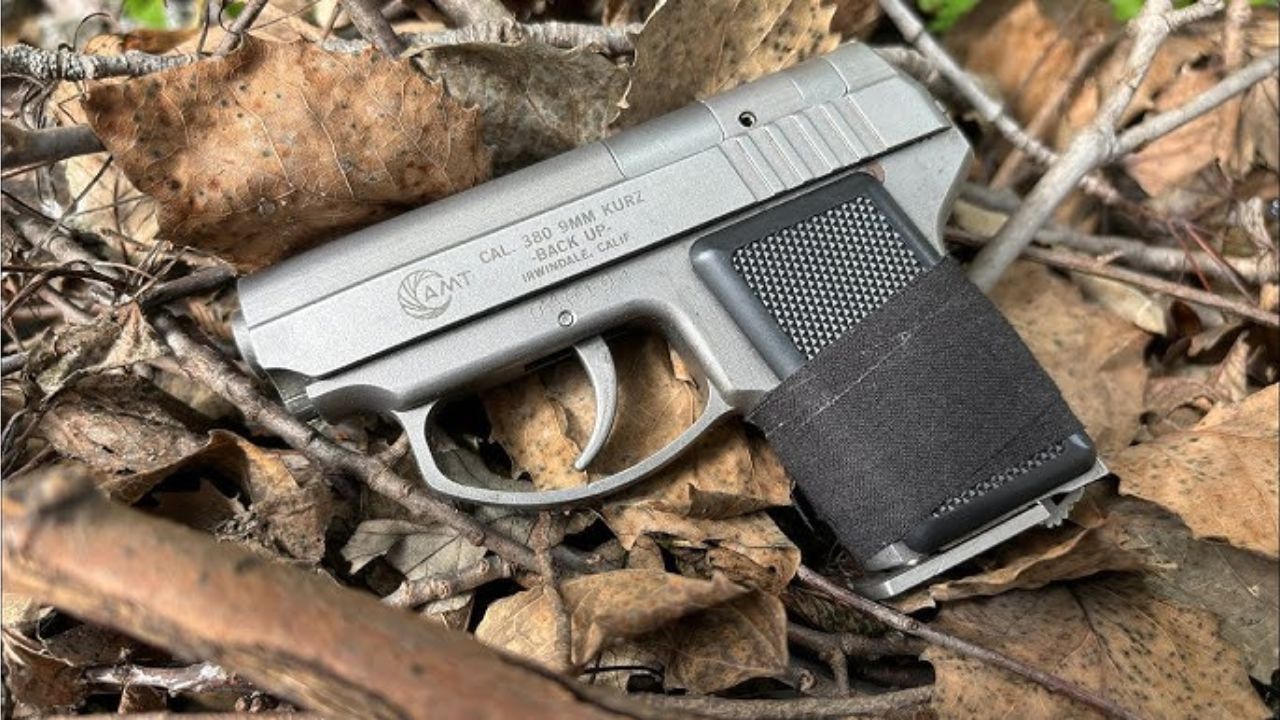
The AMT Backup has the kind of compact stainless look that still catches attention in used cases. It seems tough, small, and handy, especially if you like odd older carry pistols.
The experience can be very different. Heavy triggers, sharp recoil in some chamberings, rough feeding, and inconsistent reliability have followed the Backup for years. It was a product of a time when tiny defensive pistols often demanded more compromise than modern buyers expect. One may work fine with the right ammo, but another can turn into a clearance-drill machine. That is a bad surprise in a gun meant for emergencies.
Jennings J-22

The Jennings J-22 is one of those cheap pocket pistols people bought because it was small and inexpensive. It was never meant to compete with quality defensive handguns, but plenty of people still treated it like a backup gun.
That is where the trouble starts. Cheap materials, rimfire ignition, magazine issues, and rough manufacturing can all stack up against you. Some owners have examples that run enough for casual use, but trust is another thing entirely. A pistol that might fire, feed, or extract depending on ammo and condition is not something you want to discover at the wrong moment.
Lorcin L380

The Lorcin L380 belongs to that group of low-cost pistols that looked tempting because they made gun ownership affordable. For some buyers, that was the whole appeal.
The problem is that affordability did not come with much confidence. Lorcin pistols gained a reputation for poor durability, rough triggers, feeding problems, and questionable quality. A gun can be cheap and still useful, but it cannot feel like a gamble every time you load it. When small parts, magazines, and basic cycling all become concerns, the low price becomes the least important part of the purchase.
IO Inc. AK Rifles
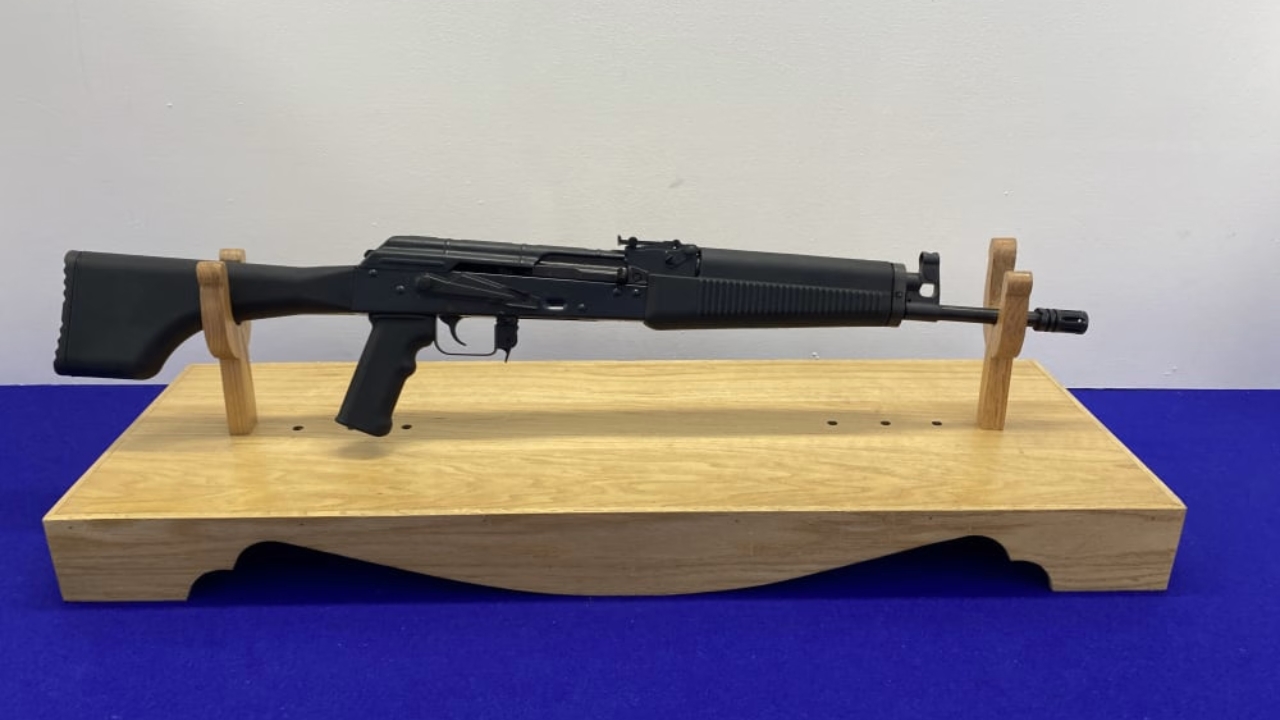
AK rifles have a reputation for ruggedness, but that reputation depends on the rifle being built correctly. IO Inc. AKs are a good reminder that the pattern alone does not make a gun durable.
These rifles developed a poor reputation for quality-control problems, soft parts concerns, and reliability complaints. That is especially frustrating because buyers expected AK toughness. A rifle can look like it should shrug off abuse, then start showing problems far earlier than expected. When an AK makes you worry about parts wear, headspace, or basic function, something has gone seriously wrong.
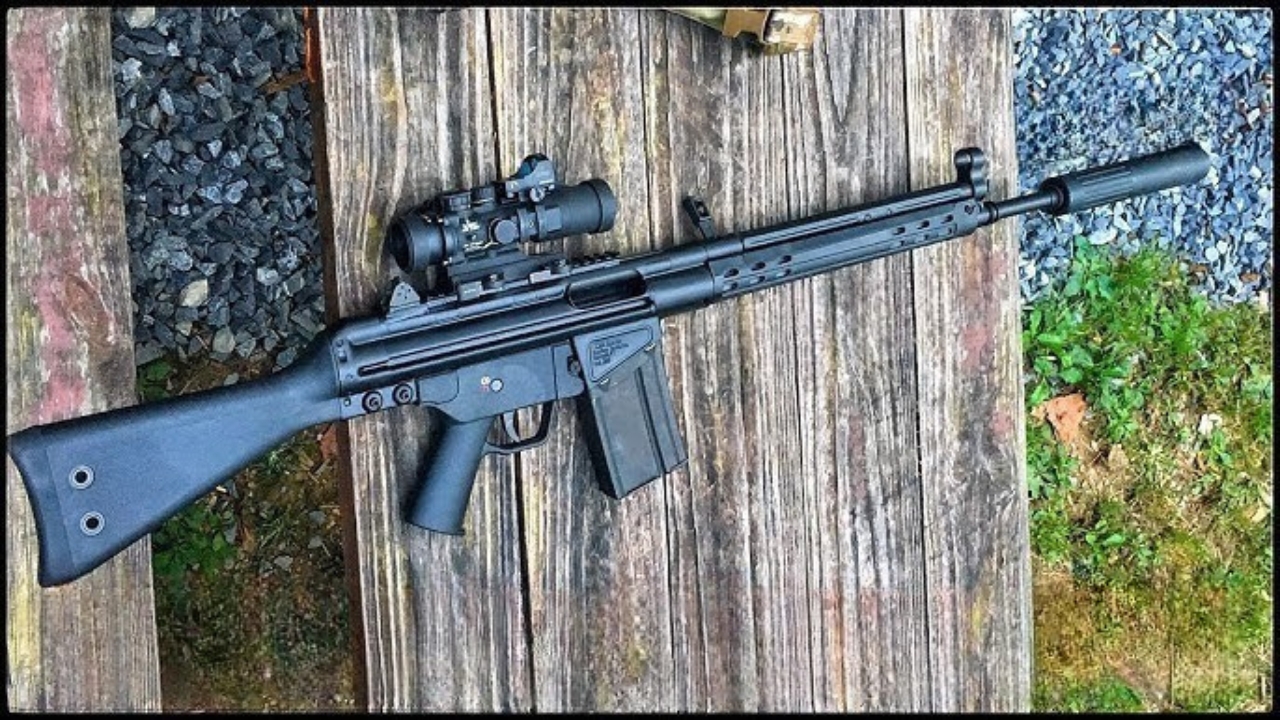
Century Arms C308
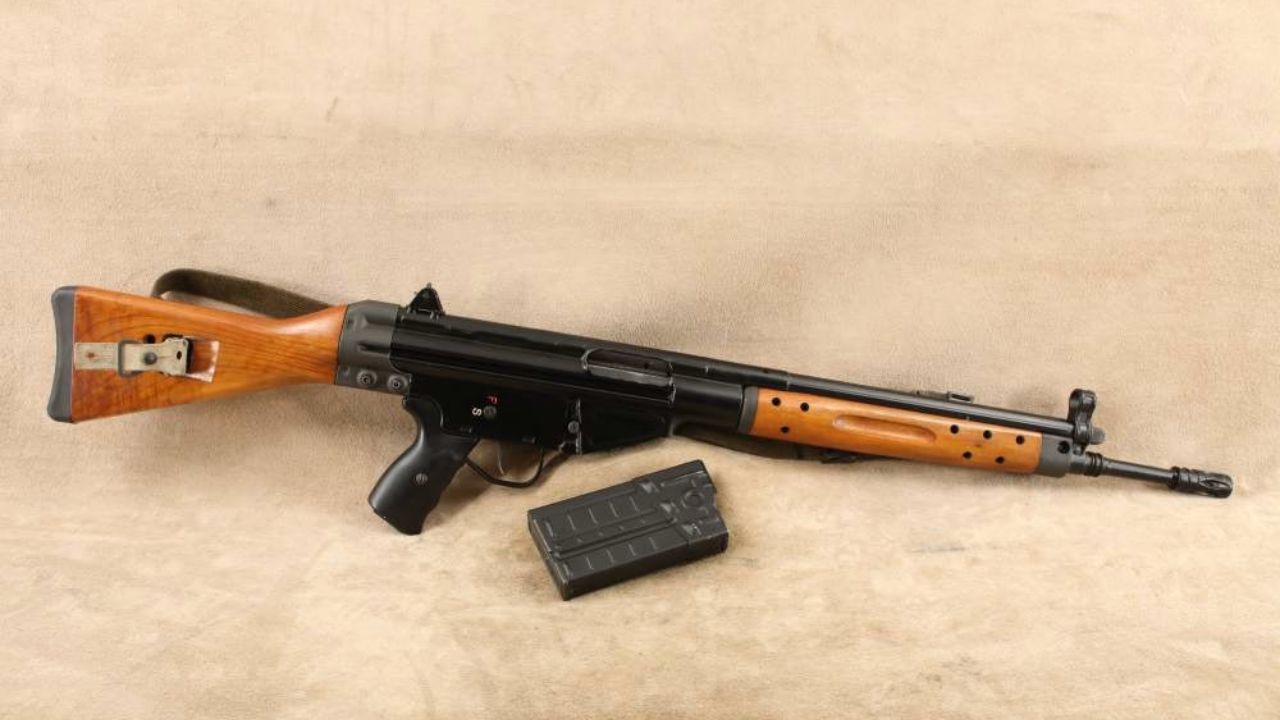
The Century Arms C308 attracted buyers who wanted a .308 battle-rifle style gun without paying high-end money. The roller-delayed look and surplus-style appeal made it tempting.
But rifles built in that lane depend heavily on assembly quality. Some C308s run and make owners happy. Others leave shooters dealing with rough function, harsh recoil, poor triggers, extraction issues, or parts-fit headaches. That inconsistency is the problem. A rifle may work fine for a while, then start acting strange after heat, fouling, or rough use. When it is good, it is fun. When it is not, it becomes a project.
Chiappa Rhino

The Chiappa Rhino is not usually discussed as a cheap gun, and the design is genuinely interesting. The low bore axis changes recoil behavior, and the revolver definitely does not feel like anything else on the shelf.
That uniqueness is also why some owners get nervous. The controls are unusual, the lockwork is more complicated than a traditional revolver, and support is not as broad as more common wheelguns. Many Rhinos work fine, but if something does go wrong, it does not feel like dealing with a basic Smith or Ruger. A revolver people bought for clever engineering can become stressful when clever engineering needs attention.
Like The Avid Outdoorsman’s content? Be sure to follow us.
Here’s more from us: