Photo credit: Tactical Considerations/YouTube
Some guns get a reputation for being unstoppable, and after a while, people repeat it like it is a law of nature. The problem is that reliability is never that clean. A gun can be excellent overall and still have weak spots that show up with certain magazines, ammo, maintenance habits, aftermarket parts, or high round counts.
That is where the claim starts getting ahead of the truth. A firearm does not have to be junk to be less reliable than people say. Sometimes it is simply more sensitive, more maintenance-hungry, or less forgiving than its fan base wants to admit.
Kimber Custom II

The Kimber Custom II has plenty of fans, and a good one can shoot very well. The issue is that Kimber’s 1911 reputation often sounds stronger than the average owner experience. Some guns run fine, while others need break-in time, better magazines, extractor tuning, or careful ammo selection before they feel trustworthy.
That is the problem with calling them universally reliable. A defensive 1911 has to be set up right, lubricated properly, and fed magazines it likes. When everything lines up, the Custom II can perform. When it does not, the shine wears off quickly.
SIG Sauer P365

The SIG Sauer P365 changed the concealed carry market, and it deserves credit for that. It packed serious capacity into a small pistol and made older single-stacks feel dated almost overnight. But the idea that every P365 is automatically bombproof gets repeated too easily.
Small pistols are harder on springs, magazines, and shooters. Early examples had well-known growing pains, and even later guns can be sensitive to grip, maintenance, and worn recoil assemblies once round counts climb. The P365 is a strong carry pistol, but it is not magic.
Glock 43X

The Glock 43X gets treated like it inherited full-size Glock reliability just because it wears the same name. In many cases, it runs exactly how people expect. But the slimline Glocks are not simply tiny Glock 19s, and they can be less forgiving than the bigger guns.
A weak grip, bad ammo, dry rails, or questionable aftermarket magazines can make the 43X stumble. The factory setup is usually the safest bet, but plenty of owners start changing parts fast. That is when the “Glocks never fail” talk gets tested.
Springfield Prodigy

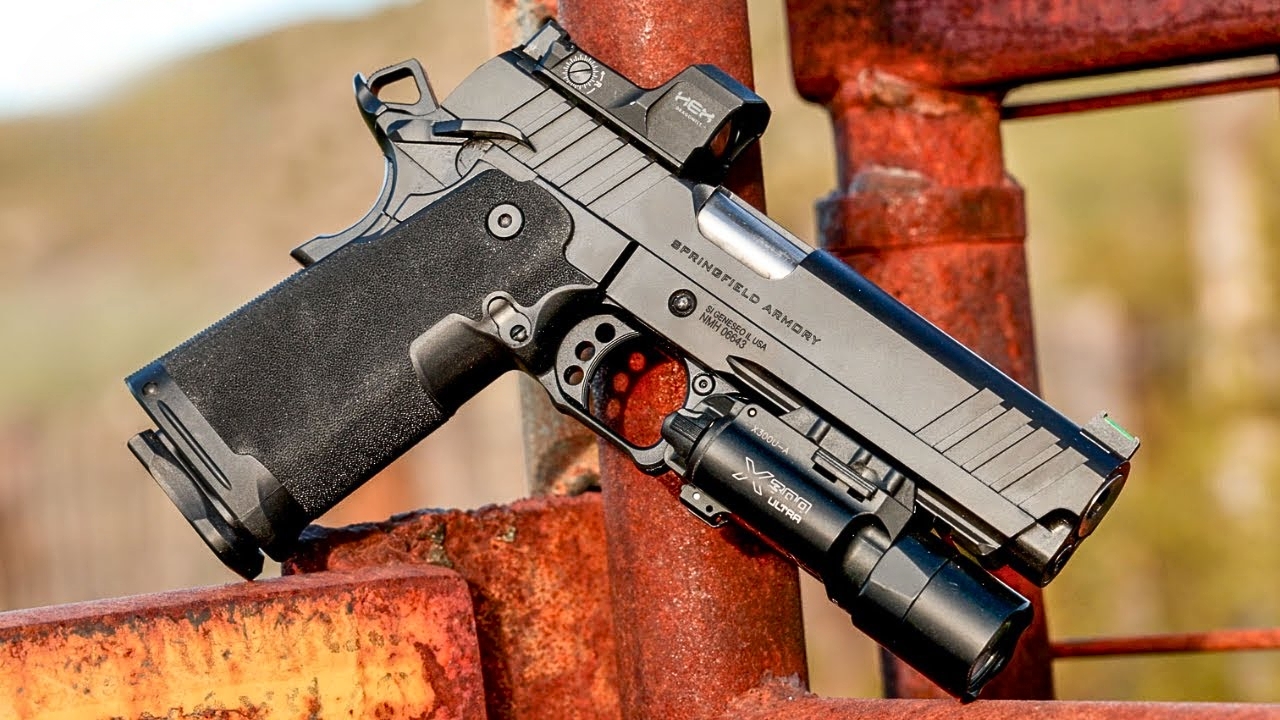
The Springfield Prodigy arrived with huge appeal because shooters wanted a double-stack 1911-style pistol without custom-gun pricing. The concept made sense, and later guns have improved, but early reliability complaints were hard to ignore.
The Prodigy is a good example of why reputation and design excitement do not always equal trouble-free use. Wide-body 1911-pattern pistols depend on magazine geometry, extractor setup, lubrication, and spring balance. When they are right, they shoot beautifully. When they are not, owners learn fast that 2011-style guns are not as forgiving as striker-fired service pistols.
Remington 870 Express

The Remington 870 name carries a lot of weight, and older Wingmasters earned much of it honestly. The 870 Express, though, is not always the same story. Rougher finishing, cheaper parts, and occasional extraction issues hurt its reputation over time.
People still talk about the 870 like every version is indestructible, but the Express models made that harder to defend. Some run for years without trouble. Others feel gritty or fight cheap shells when the chamber is rough. The design is proven, but not every example lives up to the legend.
Benelli M4

The Benelli M4 is one of the most respected semi-auto shotguns ever made, and for good reason. It is tough, well-built, and proven in serious use. Still, people sometimes oversell it as though it will run anything under any condition.
The M4 can be picky with very light loads, especially when new or when set up with added weight. Semi-auto shotguns also need proper technique and enough load pressure to cycle correctly. With serious buckshot or slugs, it shines. With soft target loads, the “eats everything” claim can fall apart.
Colt Python

The Colt Python is a beautiful revolver with a huge reputation, but reliability gets complicated when people talk about old Pythons like they are indestructible. They are finely fitted revolvers, not crude work tools, and that matters.
Heavy use with hot magnum loads can expose timing and lockup wear faster than owners expect. A Python can be accurate and smooth while still needing more careful attention than a Ruger GP100 or Smith & Wesson 686. It is a great revolver, but not the carefree tank some people imagine.
KelTec KSG
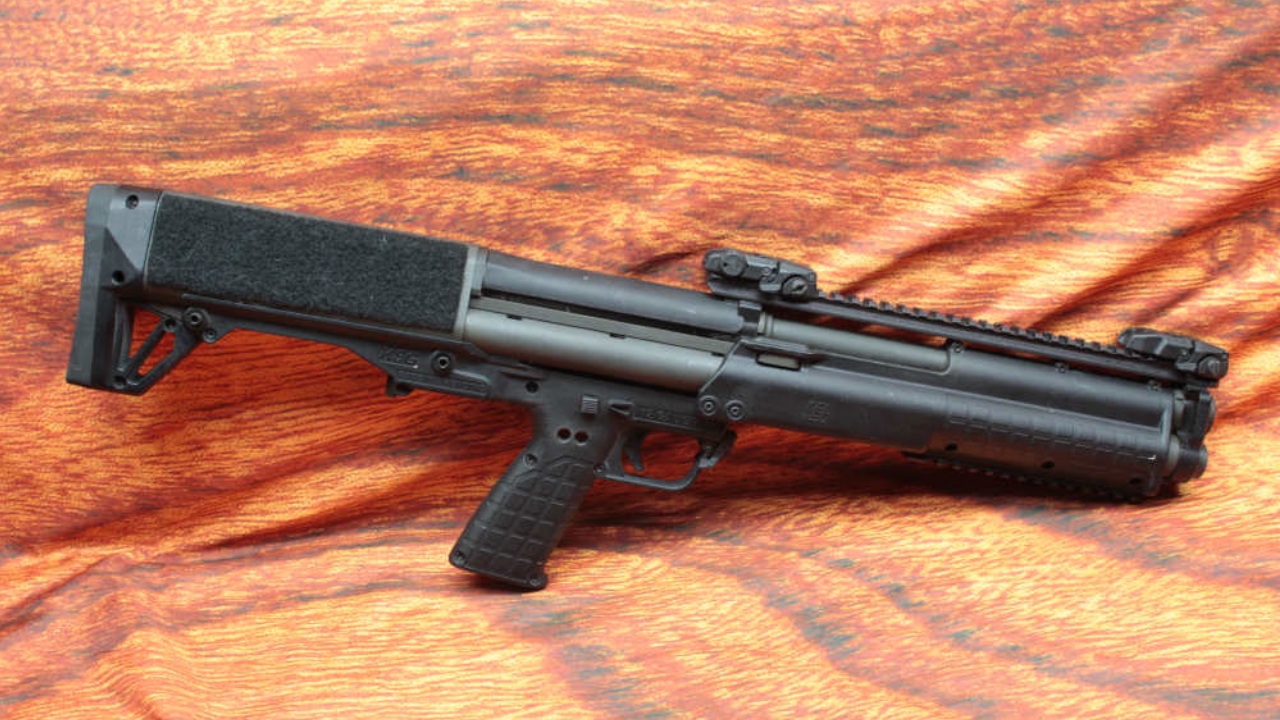
The KelTec KSG looks like a problem-solver: compact overall length, dual tubes, and a lot of 12-gauge capacity in a bullpup package. That makes it sound like the perfect defensive shotgun to some buyers.
Hard use tells a messier story. The KSG can be sensitive to short-stroking, shell length, loading technique, and user familiarity. Controls are not as natural as a traditional pump, especially under stress. It can work, but it asks more from the shooter than its futuristic look suggests.
Century Arms C39V2
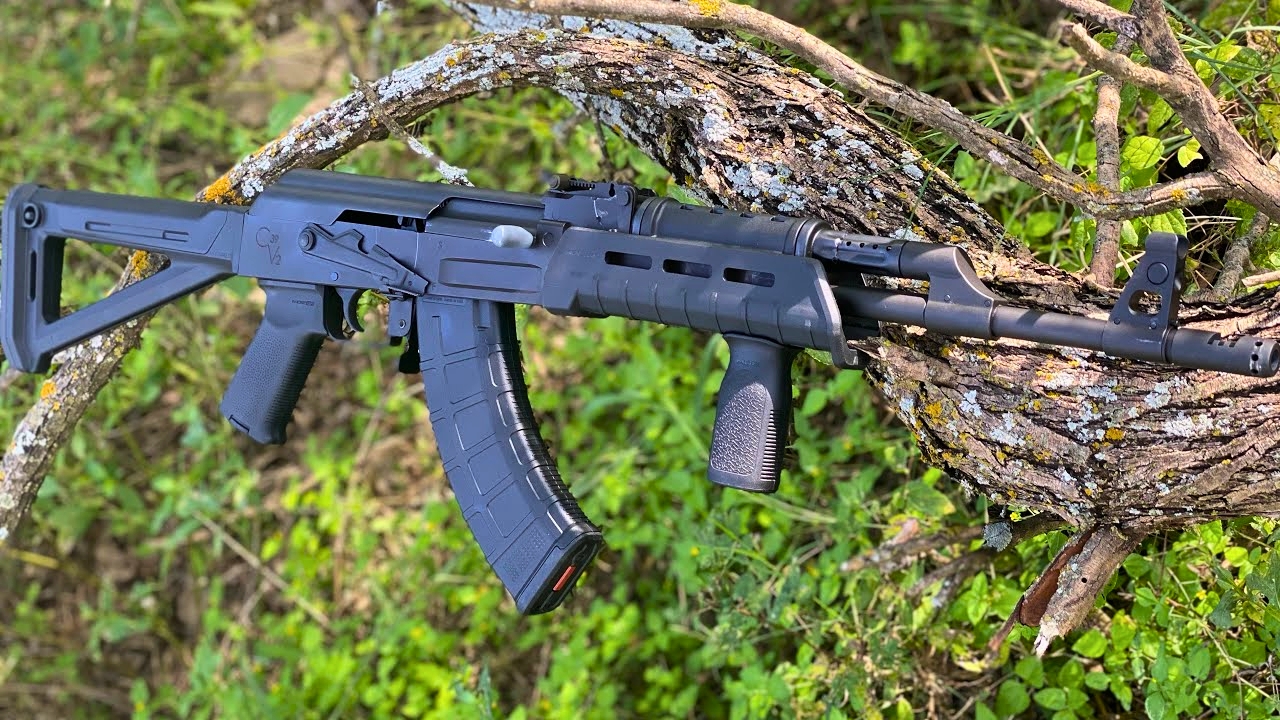
The Century Arms C39V2 benefited from the general belief that AK-pattern rifles are impossible to kill. That belief gets people into trouble. Not every AK is built to the same standard, and the C39V2 became a strong example of why details matter.
Reports of wear, parts durability concerns, and hard-use issues made many shooters back away from it. The AK design can be extremely reliable when built correctly, but a weak execution does not become trustworthy just because the silhouette looks right. The reputation belongs to the platform, not every rifle wearing it.
Taurus PT111 Millennium G2

The Taurus PT111 Millennium G2 earned a lot of defenders because it offered affordable carry-gun features at a low price. Many owners had good luck with theirs, and that helped the pistol build a louder reputation than older Taurus models.
Still, it was not above criticism. Trigger feel, quality-control variation, magazine issues, and long-term durability concerns made some shooters hesitant. A budget pistol can be useful, but calling it just as trustworthy as higher-end service pistols ignores why serious range time and round count matter.
Walther PPK

The Walther PPK has style, history, and name recognition, but people often confuse iconic with flawless. In the right chambering and with the right ammo, it can run well. But the PPK is not always as forgiving as its reputation suggests.
Its blowback design can produce sharp recoil for its size, and some examples are ammo-sensitive. Slide bite is also real for certain hands. It remains a classic, but serious range time often reminds owners that old-world charm does not always mean modern reliability.
Desert Eagle Mark XIX

The Desert Eagle Mark XIX is famous enough that many people assume its size alone means strength and reliability. It is strong, but it is also a gas-operated magnum pistol that demands more from ammo, grip, cleaning, and lubrication than most handguns.
Limp grip it, feed it underpowered loads, or let the gas system get neglected, and reliability can suffer fast. The Desert Eagle is impressive when run correctly, but it is not a casual range toy that tolerates everything. It needs the right setup and attention.
Rock Island Armory GI 1911

Rock Island 1911s have earned respect because they give shooters an affordable way into the platform. Many run well and offer solid value. But the idea that a basic GI-style 1911 is automatically reliable with everything is where people get carried away.
Small sights, basic magazines, extractor fit, feed ramp geometry, and ammo shape can all matter. A GI 1911 may run ball ammo fine and still dislike certain hollow points. That does not make it bad. It means old 1911 patterns need realistic expectations.
Mossberg 930 SPX

The Mossberg 930 SPX gained a lot of attention as an affordable semi-auto defensive shotgun. It gave buyers tactical features and decent capacity without Benelli pricing, which made it attractive for home-defense setups.
The issue is that it has not always matched the reliability claims people attach to it. Some guns run well, while others need careful cleaning, proper lubrication, and load selection to stay consistent. Gas semi-auto shotguns can be great, but they are rarely as neglect-proof as pump-gun fans imagine.
Auto-Ordnance 1911A1

The Auto-Ordnance 1911A1 appeals to people who want an old-school military-style 1911 without paying collector money. It looks the part, feels traditional, and checks the nostalgia box for shooters who like classic designs.
Reliability is where expectations need to stay realistic. Like many basic 1911s, it may prefer ball ammo, good magazines, and proper lubrication. It is not the best choice for someone expecting modern duty-pistol forgiveness right out of the box. It can work, but it is not the platform’s strongest reliability example.
Like The Avid Outdoorsman’s content? Be sure to follow us.
Here’s more from us: