Photo credit: Tactical Considerations/YouTube
Some rifles do not win you over in a gun shop. They do not have fancy walnut, wild chamberings, aggressive styling, or a story that makes everybody stop and stare. On paper, they sound like plain tools. Another bolt-action. Another .308. Another polymer stock. Another rifle that looks like it was built to ride in a truck, not sit under glass.
Then you take one hunting, or you shoot it from field positions, or you carry it all day and realize boring can be a compliment. A good field rifle does not need to impress anyone at the counter. It needs to carry right, shoot where you aim, handle bad weather, feed cleanly, and make you stop thinking about the rifle when an animal steps out. These are the rifles that do exactly that.
Tikka T3x Lite
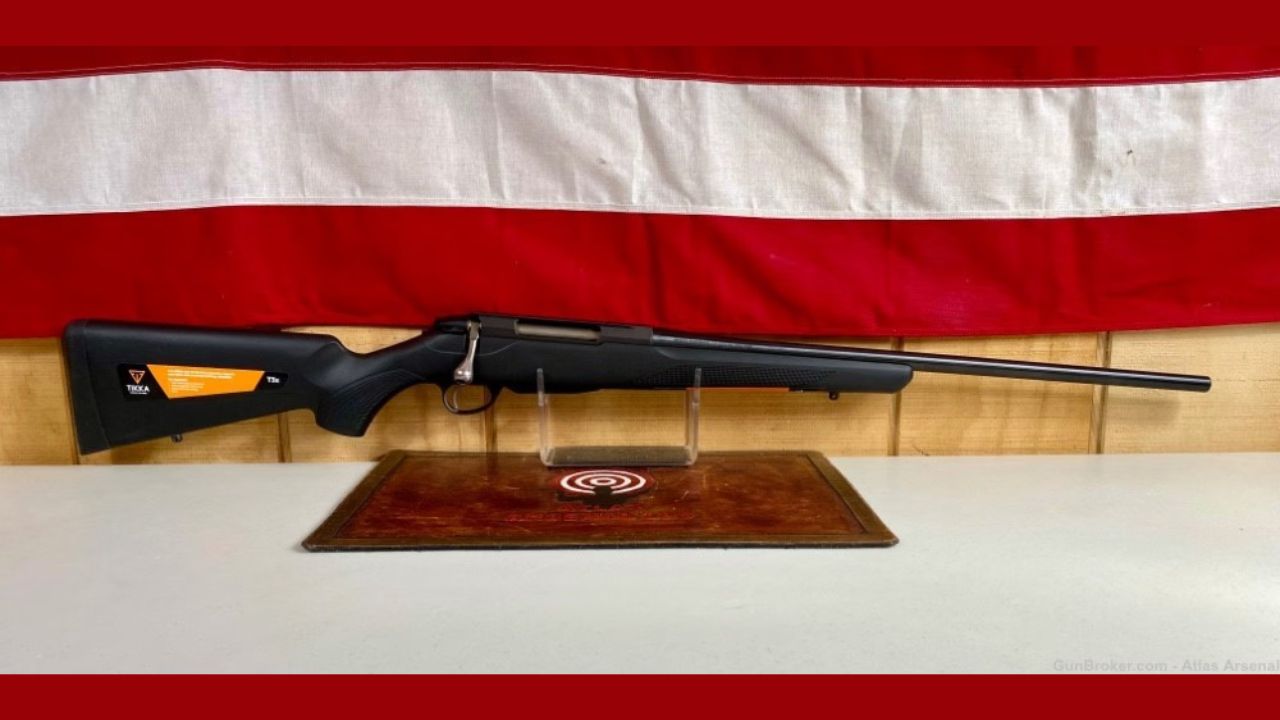
The Tikka T3x Lite does not sound exciting when you describe it. Lightweight bolt-action rifle, synthetic stock, detachable magazine, good trigger. That is about as plain as a hunting rifle pitch gets. Then you run the bolt and shoot a few groups, and the whole thing starts making sense fast.
Tikka rifles have a way of feeling smoother than their price tag suggests. The bolt glides, the trigger breaks cleanly, and the rifle carries well without feeling flimsy. In chamberings like .308 Winchester, 6.5 Creedmoor, .270 Winchester, or .30-06, it does exactly what most hunters need. It is not flashy. It is the kind of rifle that quietly earns trust after the first clean shot on game.
Ruger American Gen II
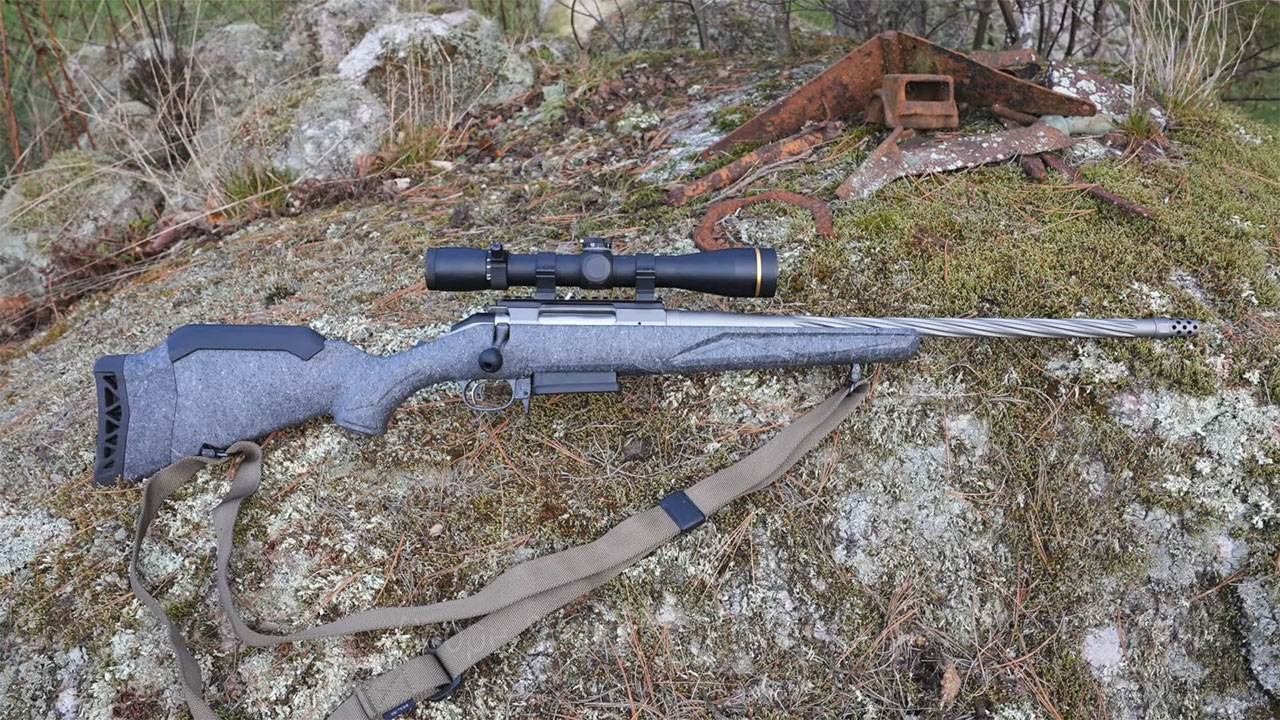
The Ruger American Gen II sounds like a budget rifle trying to dress itself up a little. Polymer stock, detachable magazine, threaded barrel, practical finish, and familiar chamberings. Nothing about that description makes it feel romantic.
In the field, though, it is hard to argue with what Ruger built. The Gen II feels more refined than the original American, but it kept the important part: it usually shoots better than people expect. It is light enough to carry, accurate enough for real hunting, and priced where a working hunter can actually use it without babying it. That combination wins people over faster than a pretty stock ever could.
Savage 110 Hunter

The Savage 110 Hunter has never been the rifle that makes a guy brag about taste. It sounds like a basic bolt gun with an adjustable stock, an AccuTrigger, and a long list of chamberings. Pretty plain stuff.
Then you start using one and realize Savage has been giving hunters practical accuracy for a long time. The adjustable length of pull and comb height help more than people admit, especially when you are trying to fit different shooters or run an optic properly. The AccuTrigger is easy to shoot well, and the rifle tends to put bullets where they belong. It may not have much personality, but a rifle that fits and shoots is hard to leave behind.
Winchester XPR

The Winchester XPR gets overlooked because it does not carry the same emotional pull as a Model 70. Say “Winchester bolt-action,” and most hunters think controlled-round feed, walnut, blue steel, and old-school prestige. The XPR is not that rifle.
What it is, though, is useful. The XPR is a practical hunting rifle with good accuracy, a decent trigger, and a tough enough build for bad weather and rough handling. It is the sort of rifle you can take into a box blind, throw in a side-by-side, or carry through wet brush without feeling guilty. It may not make collectors excited, but it makes sense when deer season shows up and you need a rifle that simply works.
Weatherby Vanguard Synthetic

The Weatherby Vanguard Synthetic sounds almost too normal for a Weatherby. A basic bolt-action hunting rifle, synthetic stock, and standard chamberings do not exactly scream Roy Weatherby drama. That is probably why some hunters walk right past it.
The Vanguard’s appeal shows up on the target and in the field. It has a solid action, good accuracy potential, and enough weight to settle nicely without being miserable to carry. In chamberings like .270 Winchester, .308 Winchester, 6.5 Creedmoor, or .30-06, it becomes a dependable hunting rifle instead of a conversation piece. You do not buy it to look different. You buy it because it keeps giving you fewer reasons to complain.
Browning X-Bolt Hunter

The Browning X-Bolt Hunter can sound almost too safe. Walnut stock, bolt-action layout, detachable rotary magazine, adjustable trigger, and a name hunters already know. It is easy to dismiss it as just another polished deer rifle.
The more time you spend with one, the more the details matter. The X-Bolt feeds smoothly, carries well, and has a short bolt lift that feels good when you are working around a scope. The stock shape is comfortable from field positions, and the rifle tends to shoot well without needing a pile of aftermarket help. It is not trying to reinvent anything. It is just a very well-sorted hunting rifle, and that matters more after opening morning than it does in a catalog.
Howa 1500 Hogue
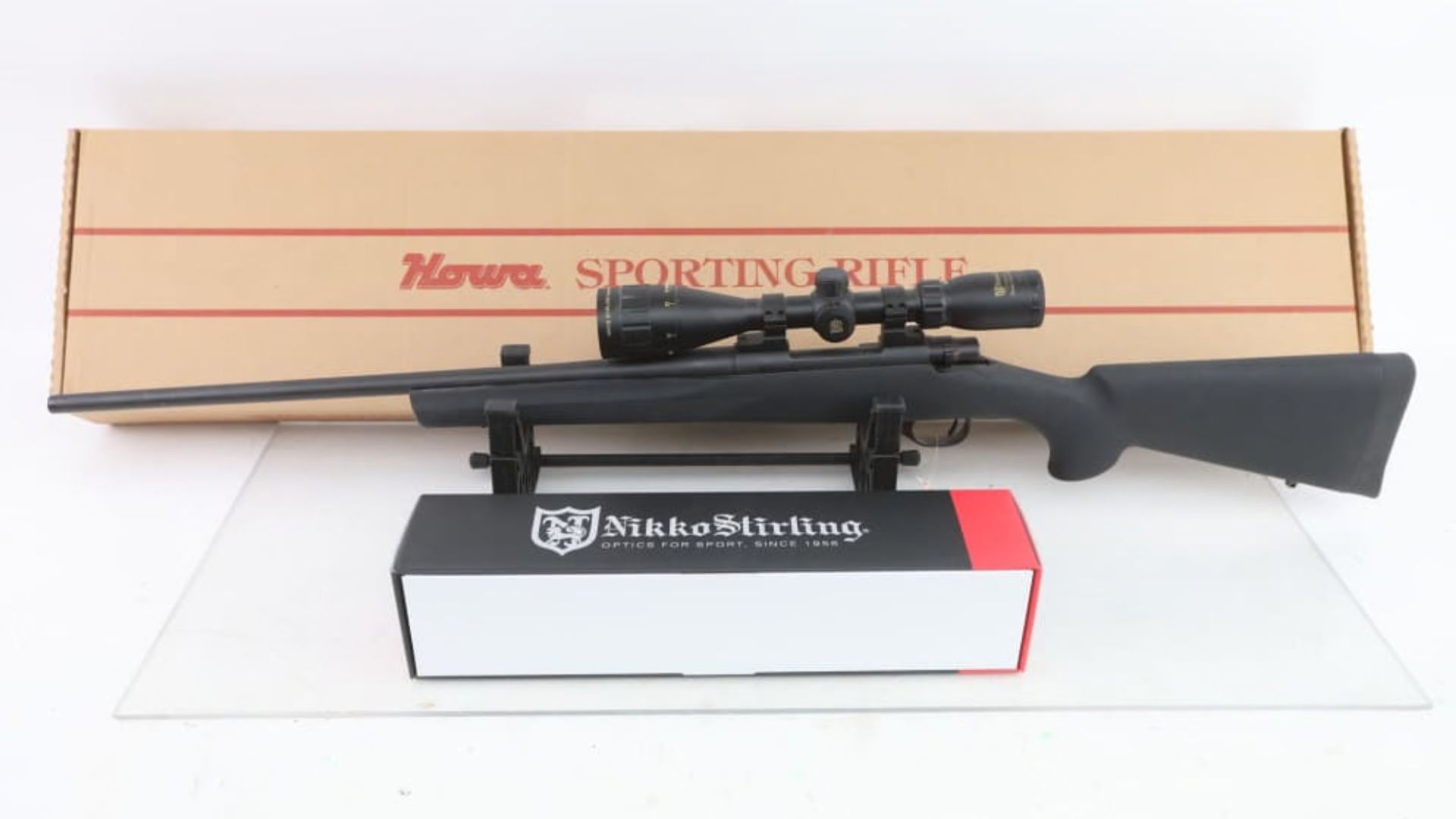
The Howa 1500 Hogue does not have the kind of name that makes every hunter stop mid-sentence. It sounds like a plain Japanese-made bolt gun wearing a rubbery stock. For some buyers, that is enough to skip it.
That is their loss. The Howa 1500 action is smooth, strong, and dependable, and the Hogue stock gives you grip when conditions get wet or cold. It is not the lightest rifle in the rack, but that extra steadiness helps from real field positions. In common hunting chamberings, it can be a very accurate rifle for the money. It feels like a working tool, and sometimes that is exactly what a deer rifle ought to be.
CZ 600 Alpha

The CZ 600 Alpha sounds like another modern synthetic bolt gun, and that category is crowded enough to make your eyes glaze over. Polymer stock, threaded barrel, detachable magazine, practical chamberings, and weather-friendly build. You have heard that pitch before.
But the Alpha has a clean, useful feel that grows on you. The stock is shaped for field use, the action feels solid, and the rifle is practical without looking like it was designed by a committee chasing trends. It is especially appealing for hunters who want a rifle that can handle rain, mud, and truck rides without becoming precious. It may not look like much in pictures, but it feels ready when you carry it.
Mossberg Patriot Predator

The Mossberg Patriot Predator sounds like a budget rifle built for people who want a threaded barrel and decent accuracy without spending much. That is not exactly a glamorous description, and Mossberg bolt guns do not always get the same respect as their shotguns.
Still, the Patriot Predator keeps winning over hunters who use rifles as tools. It is light, handy, and available in chamberings that make sense for coyotes, deer, hogs, and general property work. The threaded barrel adds suppressor or brake flexibility, and the rifle is affordable enough that you are not afraid to use it hard. It is not fancy, but for a truck, blind, or ranch rifle, fancy is not always your friend.
Remington Model 783

The Remington Model 783 has never had the respect of the Model 700, and that follows it around. On paper, it sounds like a cheaper Remington bolt gun built to compete in the entry-level rifle aisle. A lot of hunters dismiss it right there.
But some rifles earn their keep without earning much praise. The 783 can shoot well, the trigger is usable, and the package is straightforward enough for deer hunters who just need a rifle that works. It is not a rifle you buy for pride of ownership. You buy it because you need a practical tool, and then it surprises you by doing the job better than expected. That kind of boring has value.
Bergara B-14 Ridge

The Bergara B-14 Ridge sounds plain compared with some of the company’s more target-leaning rifles. It is a hunting-weight bolt gun with a synthetic stock, threaded barrel, and familiar Remington 700-style footprint. Nothing about that screams wild.
In the field, the Ridge feels more serious than its simple description. Bergara barrels have a strong reputation for accuracy, and the rifle balances well enough for hunting while still feeling steady from a rest. It works nicely for hunters who want better-than-entry-level performance without buying a heavy precision rifle that becomes a chore to carry. The Ridge wins people over because it feels like someone cared about the basics.
Marlin Model 336

The Marlin 336 sounds boring only because it has been around so long. Lever-action .30-30, deer woods rifle, side ejection, tubular magazine. Everybody knows the formula, and that familiarity can make people forget how useful it still is.
Carry one in thick cover and the appeal comes back quickly. The 336 points naturally, rides well in the hand, and gives you fast follow-up shots without dragging around a long, heavy rifle. Inside normal woods distances, it still handles deer and hogs cleanly with good ammunition. It is not a long-range rifle, and it does not pretend to be. That honesty is part of why hunters keep coming back to it.
Henry Single Shot Rifle

The Henry Single Shot sounds almost too limited in a world full of detachable magazines and long-range setups. One shot, break-action design, simple sights or scope mounting, and traditional hunting chamberings. A lot of people hear that and move on.
Use one correctly, and it starts to make sense. It is compact, safe to carry, easy to understand, and forces you to slow down in a good way. For deer stands, youth hunters, farm use, and short walks to a blind, it can be a very practical rifle. There is no magazine to lose, no action to complicate things, and no excuse to rush a bad shot. Some rifles win you over by doing less.
Ruger Hawkeye Standard
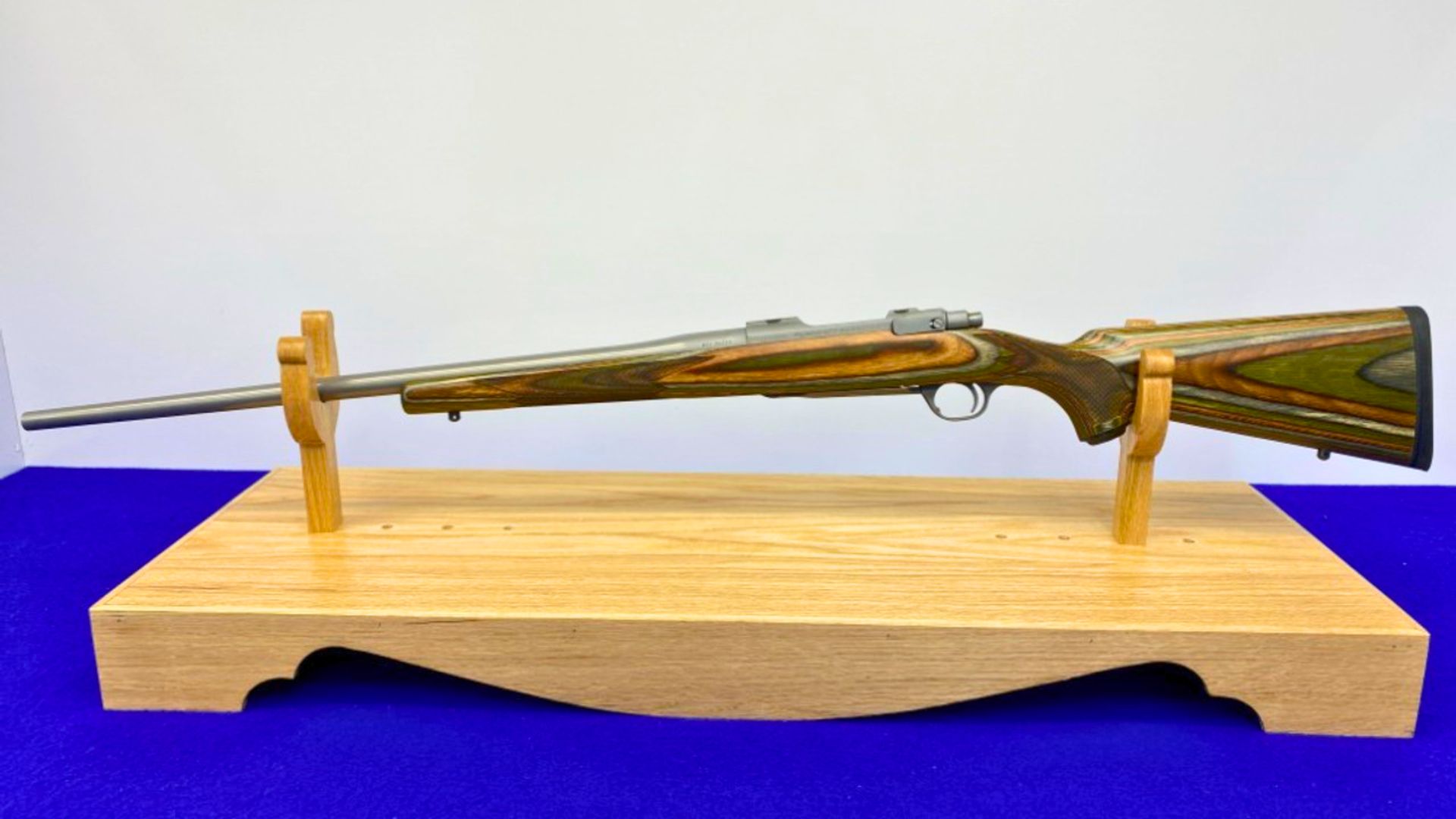
The Ruger Hawkeye Standard sounds old-fashioned compared with the lighter, cheaper, more modular rifles getting attention now. Controlled-round feed, walnut stock, steel floorplate, and a traditional hunting profile do not make it sound like the future.
That is fine, because the Hawkeye is still a field rifle with real backbone. It feels strong, feeds with confidence, and carries the kind of traditional handling that still works when you are hunting instead of benchrest shooting. It is not always the lightest choice, and it is not the cheapest, but it feels like a rifle made for years of actual use. Hunters who value controlled feeding and rugged build quality tend to understand it after a season.
Thompson/Center Compass II

The Thompson/Center Compass II sounds like another low-cost bolt-action rifle in a market full of them. Synthetic stock, basic lines, common chamberings, and a price that makes people wonder what corners got cut. It is easy to underestimate.
Then it shoots. The Compass II often delivers accuracy that feels better than the price suggests, and that changes the conversation fast. The trigger is improved over earlier versions, the rifle handles normal hunting use well, and it gives budget-minded hunters a real chance at dependable performance. It is not a showpiece, and it does not need to be. A rifle that puts venison in the freezer without draining your wallet has a way of earning respect.
Like The Avid Outdoorsman’s content? Be sure to follow us.
Here’s more from us: