Photo credit: GNX Collectibles/YouTube
A rifle can feel awesome for a single range day and still be a pain long-term. The first trip, everything is clean, nothing is loose, you’re excited, and the rifle hasn’t shown its personality yet. The second and third trips are where you learn what parts walk loose, what heats up and starts wandering, what magazines are finicky, and what “budget-friendly” choices turn into constant tinkering. These are the rifles that often give people a honeymoon range session and then slowly become the gun they don’t grab anymore.
ATI Omni Hybrid (polymer receiver AR)

The Omni Hybrid can feel fine for a quick range day with a couple boxes of ammo. The trouble is, polymer receivers and hard use don’t always get along long-term, especially if you start shooting higher round counts, running the gun hotter, or swapping parts. On day one, it’s “light and cheap.” A few sessions later, you start noticing things that didn’t matter before: pins walking, fitment loosening, and weird changes in how the gun feels during cycling. Most people aren’t doing a 1,000-round weekend with these, but the ones who try tend to learn quickly where the savings came from. It’s not that it will explode in your hands. It’s that it’s often not the rifle you want to trust for consistent training, consistent recoil impulse, and consistent long-term wear patterns.
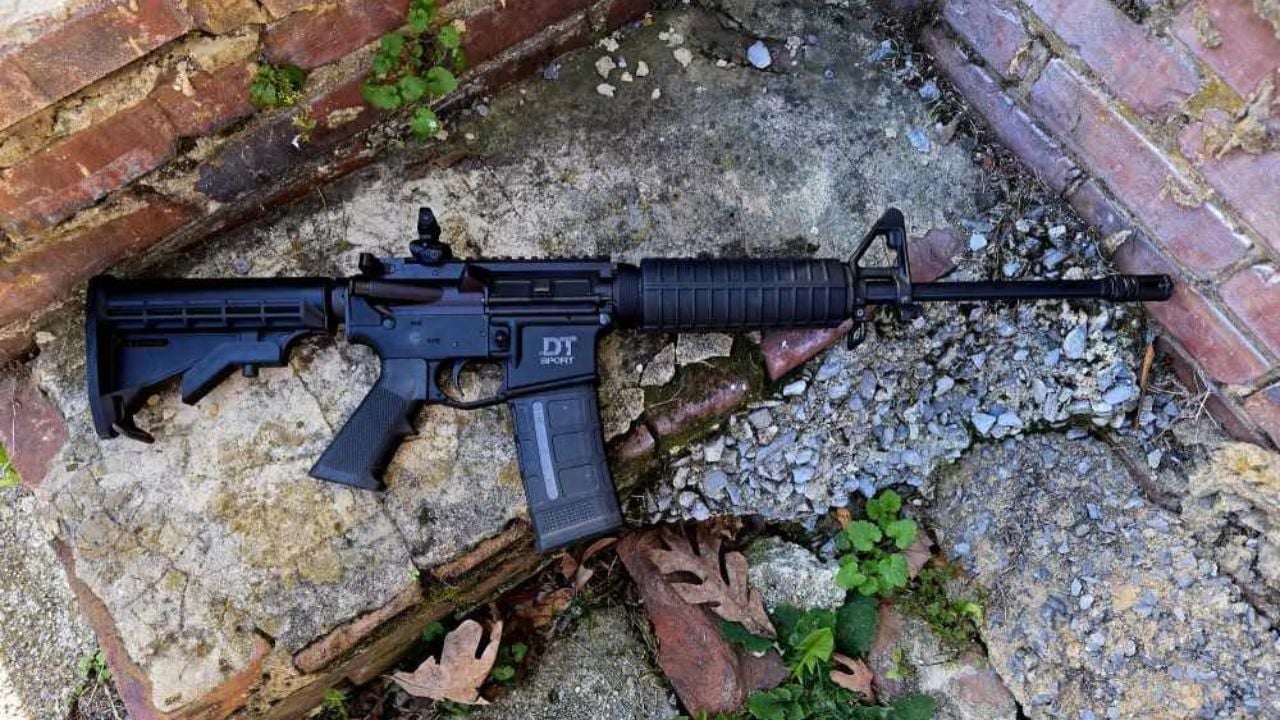
Del-Ton Sport (basic budget AR build)

A basic Del-Ton can be a fun first AR and a decent “range blaster” for a day. Where some people sour on them is when they start trying to train hard, run more rounds, or tighten up accuracy expectations. The rifles can run, but you’ll sometimes find the little stuff creeping in: gas rings, extractor springs, cheap furniture, and basic triggers that feel fine until you start pushing speed. After one range day, you think “this is great.” After repeated sessions, you realize you’re either going to keep it as a casual rifle or you’re going to start upgrading the parts that become the weak links. That’s what makes it a “one-session” gun for some owners: it’s enjoyable until you ask it to be more than a basic, entry-level AR with entry-level parts.
Radical Firearms AR-15 (inconsistent QC reputation)

Some Radical guns run fine. Some don’t. That inconsistency is the problem. A rifle can have a good first range trip and still become unreliable once it gets hot, dirty, or starts seeing more aggressive use. When shooters complain about these, it’s often not “it failed instantly.” It’s “it started short-stroking after a few sessions,” or “it got weird after it broke in.” That’s the danger zone: you think you bought a good one, then later you start chasing small issues. A rifle that makes you troubleshoot after the honeymoon isn’t a rifle you keep grabbing. If you’re buying for serious use, consistency matters. If you’re buying for casual range days, you might be fine. The reason it’s on this list is because people frequently have that first-day optimism and then get the slow drip of reliability questions later.
PSA AR-15 (basic builds that become upgrade projects)

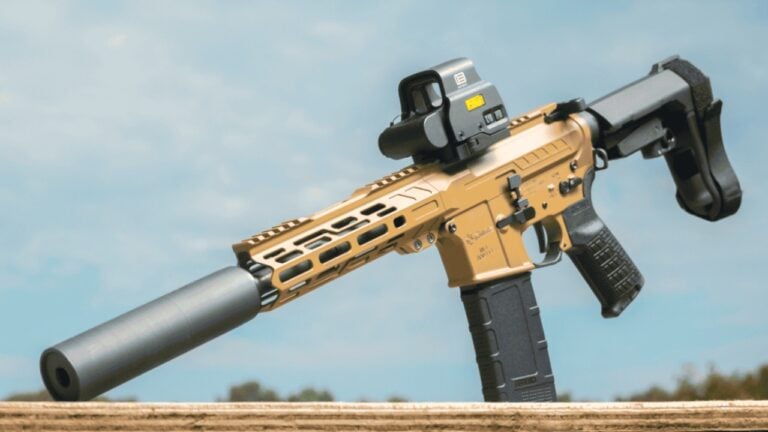
PSA is the classic “great first day, then it turns into a project” brand for a lot of people. Many PSA rifles run well. The problem is they’re also the platform where guys start chasing little improvements because the rifle is built to a price point. First range day: it runs, it’s fun, it hits paper. Next: you start noticing the trigger isn’t great, the handguard heats up, the gas feels harsh, or the accuracy isn’t what you hoped for. Now you’re swapping triggers, changing buffers, replacing furniture, and trying different mags. None of that means PSA is bad—it means the rifles often become a “starter base” rather than a “finished tool.” Some owners love that. Others realize they wanted a rifle that didn’t require tinkering. That’s what makes it feel like a one-session honeymoon for some buyers.
Ruger AR-556 (solid, but basic)

The AR-556 is generally reliable, but it can still land in this category for people who buy it expecting it to feel like a higher-end AR after one range day. The first session is great: it runs, it’s accurate enough, and Ruger’s name feels reassuring. Then you start training harder and the basic parts show their limitations—trigger feel, furniture, and how the gun handles heat and recoil impulse compared to nicer builds. The rifle is fine. The mismatch is expectations. Buyers sometimes think “this is my forever AR” and then realize they want a free-float handguard, a better trigger, and a more refined setup. That pushes it into “great first session, then I started shopping again.” Not because it failed, but because the first trip didn’t reveal how quickly they’d want to upgrade it.
Ruger American Ranch (light and handy, but heats fast)

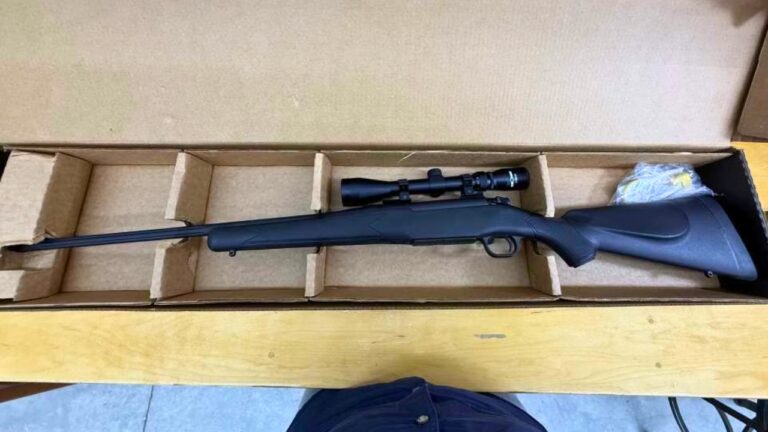
American Ranch rifles are awesome for what they are: light, handy utility rifles. One range session can be a blast because the rifle is easy to shoot and easy to carry. Then you start doing longer strings, and you find out the thin barrel heats quickly and groups start opening or walking. If you’re shooting a few shots for hunting confirmation, you’ll never care. If you start trying to treat it like a range rifle and you shoot extended sessions, the rifle reminds you it’s a lightweight hunting/utility platform. The “one session” problem is guys buy it, love it, then try to do too much with it and get disappointed. It’s not the rifle’s fault. It’s the buyer asking a light barrel to behave like a heavier, more target-focused barrel over long strings.
Savage Axis (cheap stock reality over time)

The Axis can impress on a first range trip because some of them shoot better than their price suggests. Then the long-term annoyances start: the flexible stock, the touchy nature of action screw torque, and how the fore-end pressure can change point of impact depending on how you shoot it. First day, you might shoot off bags and be happy. Next trips, you change rests, shoot off a bipod, or shoot in different temps, and now you’re chasing consistency. It becomes a rifle you can hunt with and enjoy casually, but not necessarily one you want to shoot all day at the range without tinkering. That’s why it lands here: it can be a pleasant surprise at first, but it doesn’t always stay “boringly consistent” without upgrades.
Mossberg Patriot (fun day, then the little issues)

Patriots can shoot fine, but they also have a reputation for being a little more “variable” from rifle to rifle. First range day, you might be thrilled because it’s accurate enough and it feels good. Then you start putting more rounds through it and you find out what it does as it heats, how the stock behaves, and whether the trigger and feeding feel consistent session to session. Some Patriots settle in. Some feel like they’re always “almost there.” That “almost there” is what makes people stop grabbing them. They’re not catastrophic failures. They’re just rifles that can turn into “I don’t feel like fighting this today” after the honeymoon wears off.
Tikka T3x Lite (great… until you try to shoot it like a heavy rifle)

This one surprises people because Tikkas are excellent. The reason the Lite can feel like a “one range session” gun for certain buyers is recoil and heat during longer sessions. The rifle is light, and light rifles in larger calibers can beat you up over a day of shooting. The first session is exciting and you don’t mind it. Later, you realize you don’t enjoy long strings with it, especially if you’re shooting something like .308, .30-06, or magnums. You end up shooting fewer rounds, which means you practice less with the rifle you hunt with. It’s not the rifle failing. It’s the platform being optimized for carry weight, not range comfort. If you want to shoot a lot, a heavier setup is simply more enjoyable.
Winchester XPR (basic hunting tool, not a range companion)

XPRs can shoot well enough for hunting, and the first range session can be reassuring. Over time, some owners find they don’t love the feel, the stock, or the overall “shoot it a lot” experience. The rifle can be a perfectly fine hunting tool and still be a rifle you don’t want to spend all afternoon with. Thin barrels heat. Stocks flex. Triggers vary. You start noticing those things after you stop being excited and start just wanting repeatability. That’s what makes it feel like a honeymoon rifle for some people: the first day proves it can do the job, but subsequent days remind you it’s built to be carried and fired a little—not to live on a bench all weekend.
Marlin Model 60 (rimfire fun, but picky as it gets dirty)

A Model 60 can be a blast for a first range day, especially if it’s clean and you’re using ammo it likes. Then you shoot it more and you find out rimfire reality: fouling builds, feed behavior changes, and what ran perfectly when clean starts to hiccup when it’s dirty. A lot of guys have a Model 60 story that goes exactly like this. It’s great until it isn’t, and then it becomes the gun you only bring when you feel like cleaning it afterward. That’s “one session and not much else.” Not because it’s a bad rifle, but because rimfire tube-fed semi-autos often have a narrower window of “happy conditions” than people expect.
Henry Golden Boy (.22 LR) (great for smiles, less great for volume)

Golden Boys are awesome rifles for a fun range session. They look good, feel good, and they’re satisfying. The “one session” issue is they’re not always what people want for high-volume range days. Loading can be slower, shooting cadence is slower, and some owners realize they don’t actually want to put 500 rounds through a lever gun on a hot day. It becomes a “take it out occasionally” rifle, not a regular trainer. Again, not a failure—just reality. If you bought it thinking it would be your main range rifle, you might realize after the first fun day that you want a semi-auto .22 for volume and you want the Golden Boy for enjoyment.
Ruger Mini-14 (heat and shifting behavior in longer strings)

Minis can run and they can be accurate enough, but heat behavior can make them feel like “one range session guns” for people expecting AR-like consistency over long strings. First day, you shoot some groups, maybe do some light drills, and it feels fine. Then you start shooting more, and you see point of impact shift as the barrel heats, or groups open in ways that make you question your optic and ammo. If you’re a hunter who fires a few rounds and calls it good, you’ll never care. If you’re a shooter who wants to train hard and shoot longer strings, the Mini can become frustrating. That frustration is what makes people leave it in the safe after the honeymoon, even though it’s perfectly capable within its intended use.
Budget 6.5 Creedmoor hunting rifles with thin barrels (category)

This is a broad one, but it’s a real pattern: thin-barreled, lightweight 6.5 Creedmoor rifles can feel incredible on a first trip. Easy recoil, nice groups, confidence boost. Then you start shooting more than three shots at a time and you find out how fast thin barrels heat and how quickly groups can change. The rifle isn’t broken. You just reached the limit of a lightweight hunting barrel. A lot of buyers expect Creedmoor to be a “range caliber,” which it can be, but the rifle setup matters. A thin hunting barrel is still a thin hunting barrel. That’s why some of these rifles become “I only shoot it enough to confirm zero,” which is the definition of not much else.
AR-10 pattern budget builds (fun day, then gas/parts tuning starts)

A budget AR-10 can be amazing for one range day. Then you start running it more, and the platform reminds you it’s less standardized than AR-15s. Gas tuning, magazine picky behavior, parts compatibility, and recoil system quirks show up over repeated sessions. First day, it runs and you’re thrilled. Later, you get random short-strokes or weird ejection, and you start swapping buffers and springs. That tinkering is exactly what turns it into a “one session” rifle for some owners. Some people love tuning. Some people hate it. If you hate it, a budget AR-10 build is the kind of rifle that can feel great once and then become a project you don’t feel like dealing with.
Budget bullpups (fun novelty, long-term annoyance)

Bullpups are cool. A lot of them are also a “first-day fun, long-term meh” experience for average shooters. The trigger feels different, reloads feel different, ejection is different, and the balance is different. Some people adapt and love them. Others realize the novelty wears off fast, and they don’t want to train through the quirks. That’s where “one range session” happens: you enjoy the weirdness once, then you go back to rifles that feel simpler and more intuitive. Bullpups can be great tools. But for many owners, they end up being the rifle that gets shown to friends, shot for a magazine or two, and then put away.
Like The Avid Outdoorsman’s content? Be sure to follow us.
Here’s more from us: