Photo credit: The Avid Outdoorsman
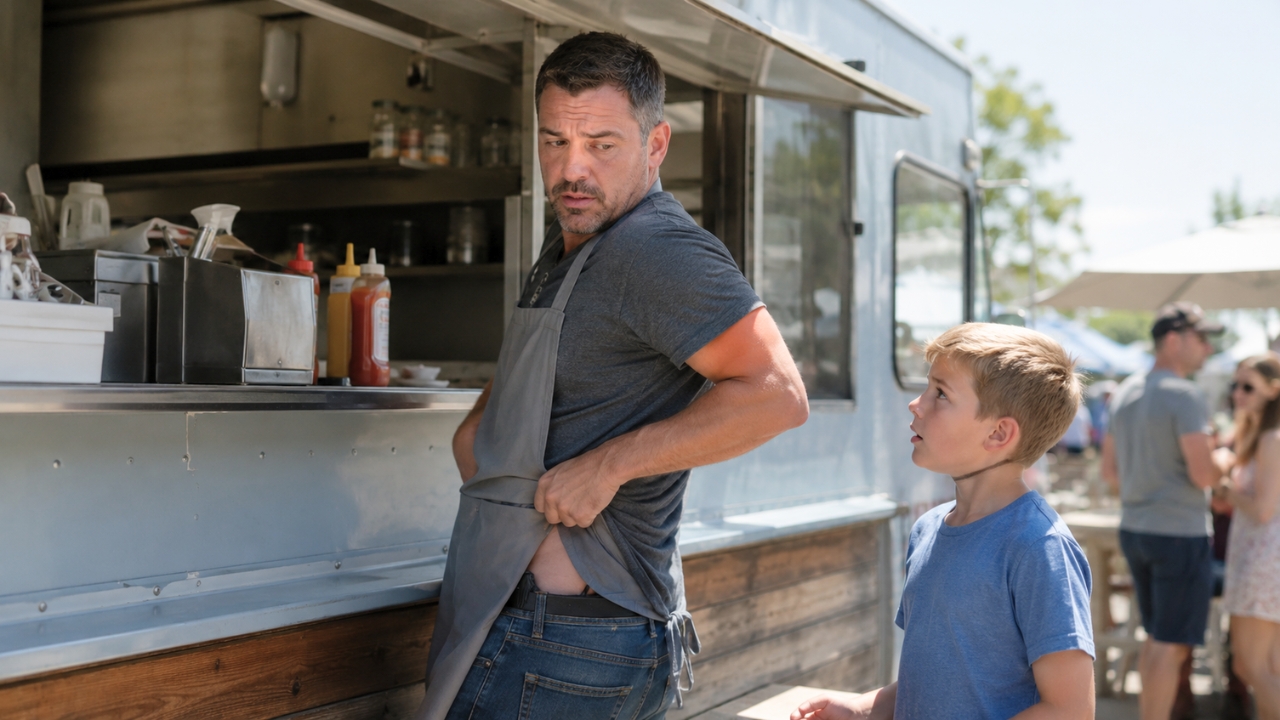
A concealed carrier in Reddit’s r/CCW told a story that started with heat, long hours, and one small wardrobe change, then turned into the kind of public carry moment that leaves you hoping the person who noticed is the only one who did. He said he was working on a food truck all day in hot weather, and at some point he took off his apron because of the heat. Not long after, a 10-year-old girl noticed his gun. In the original Reddit thread, he described the moment simply and in a way that made clear how quickly the whole thing could have gotten awkward: https://www.reddit.com/r/CCW/comments/wke4tq/have_you_ever_been_caught_with_your_ccw_before/ (reddit.com)
What makes the story work is how normal the setup sounds. A food truck is not an easy environment for concealed carry. It is hot, cramped, full of reaching, bending, lifting, turning, and moving around people all day long. An apron can do more than keep grease off your shirt. In his case, it was apparently part of what had been helping keep the gun from being noticed. Once it came off, the concealment equation changed immediately, whether he realized it or not.
That is really the part that hangs over the whole story. He was not showing the gun off. He was not careless in the loud, obvious way some of these public carry stories are. He was just working, overheated, and trying to get through a long shift. Then one change in the clothing setup exposed the fact that the apron had been doing more work than he gave it credit for. A lot of concealed carriers understand that kind of failure right away. Sometimes the thing keeping the setup invisible is not the holster alone. It is the way the outer layer, jacket, apron, overshirt, or cover garment interacts with the gun throughout the day. Once that outer layer is gone, the weak point shows itself fast.
The detail that a 10-year-old girl was the one who noticed makes the whole thing feel more human and more uncomfortable at the same time. Adults might whisper, stare, get angry, or act like they saw nothing. Kids often just say what they see. They do not have the same social filter for that kind of thing, which means when a child notices your gun in public, you have very little room to manage the moment before it potentially becomes everybody’s business. That seems to be exactly what the worker understood. From the way he told it, his first instinct was not to debate, explain, or start some carry-rights lecture. It was to play it off and keep the situation from spreading any further than it already had.
That response makes sense in the food-truck setting too. A food truck is a public-facing job. You are working in close view of customers, parents, and kids, and you are usually only one raised voice away from the whole scene changing. If a child points out a gun and a parent overhears it in the wrong tone, a normal afternoon can become a very different kind of customer interaction immediately. Even if the carry is legal, that does not mean the crowd around the truck is going to react calmly. The worker seemed to understand that the real goal in that moment was not proving anything. It was keeping the day from turning into a public issue in front of a line of customers.
The comments in that thread tended to reflect a familiar split. Some people treated the story as a reminder that children notice more than adults think, especially when something unusual is at eye level or partly visible. Others focused on the practical carry lesson and talked about how often a cover layer does more for concealment than people realize. In a setup like that, the apron is not just workwear. It becomes part of the concealment system, whether the wearer intended it that way or not. Once it comes off, what looked fine a minute ago may not still be fine at all.
A lot of the more useful replies around stories like this also tend to circle back to the same idea: if your concealment depends on one specific garment staying on all day, then you need to think through what happens when that garment has to come off. That is especially true in heat, around physical work, or in customer-facing jobs where movement is constant and comfort becomes a real factor. Food truck work checks every one of those boxes. If the apron was the difference between concealed and visible, then the setup was always one hot hour away from failing in public.
There is also a social angle here that makes the story more memorable than a simple printing comment from another adult. A kid spotting the gun puts the carrier in a different kind of bind. He cannot exactly get into a tense back-and-forth with a child. He cannot just brush it off the way he might with an adult stranger either, because children tend to keep asking, keep staring, or loudly repeat what they think they saw. That makes the moment feel more fragile. The worker’s instinct to play it off was probably the smartest move he had, because the alternative was giving the observation more oxygen in a place where lots of people could hear it.
What lingers is how small the original mistake was. He did not change holsters. He did not drop the gun. He did not have a violent movement or a piece of hardware fail. He took off an apron because it was hot. That is all. But concealed carry problems often start that small. A shirt rides up. A jacket comes off. A seatbelt pulls the hem the wrong way. An apron that had been helping more than you realized is suddenly gone. Then the wrong person notices.
That is where this one lands. A food truck worker spent a hot day carrying while working, took off his apron, and a 10-year-old girl noticed the gun afterward. He tried to play it off before anyone else made it into a bigger moment. The gun never hit the floor, no one called police, and the day apparently kept moving. But the lesson was already there. If the apron was doing part of the concealment work, then the moment it came off, the setup was never as solid as it seemed.
Like The Avid Outdoorsman’s content? Subscribe to our newsletter so you never miss an article.
Here’s more from us: