Photo credit: LeverBoy/Youtube
Some handguns don’t get much attention when they’re new or easy to find. They sit behind flashier pistols, get dismissed for being too plain, too heavy, too odd, or too late to the party. Then years pass, production changes, prices move, and shooters start realizing those “ordinary” pistols filled a role better than expected.
That’s when overlooked turns into hard to replace. Not always because the gun was perfect, but because it did something useful in a way newer options don’t quite match. These handguns earned more respect after people finally understood what they offered.
Smith & Wesson 3913

The Smith & Wesson 3913 spent years being treated like an old carry pistol from the metal-frame era. Once polymer compacts and micro 9mms took over, the 3913 looked dated on paper. It had a single-stack magazine, DA/SA trigger, and traditional controls in a market that wanted lighter, simpler, higher-capacity pistols.
Now, the 3913 is hard to replace because it carries flat and shoots better than many small pistols that came after it. The alloy frame gives it enough weight to stay controllable without making it a brick on the belt. The grip is slim, the build quality feels solid, and the pistol has a clean, practical shape. It may not win a modern capacity argument, but it still makes sense for shooters who value comfort, control, and real carry manners.
HK P2000SK
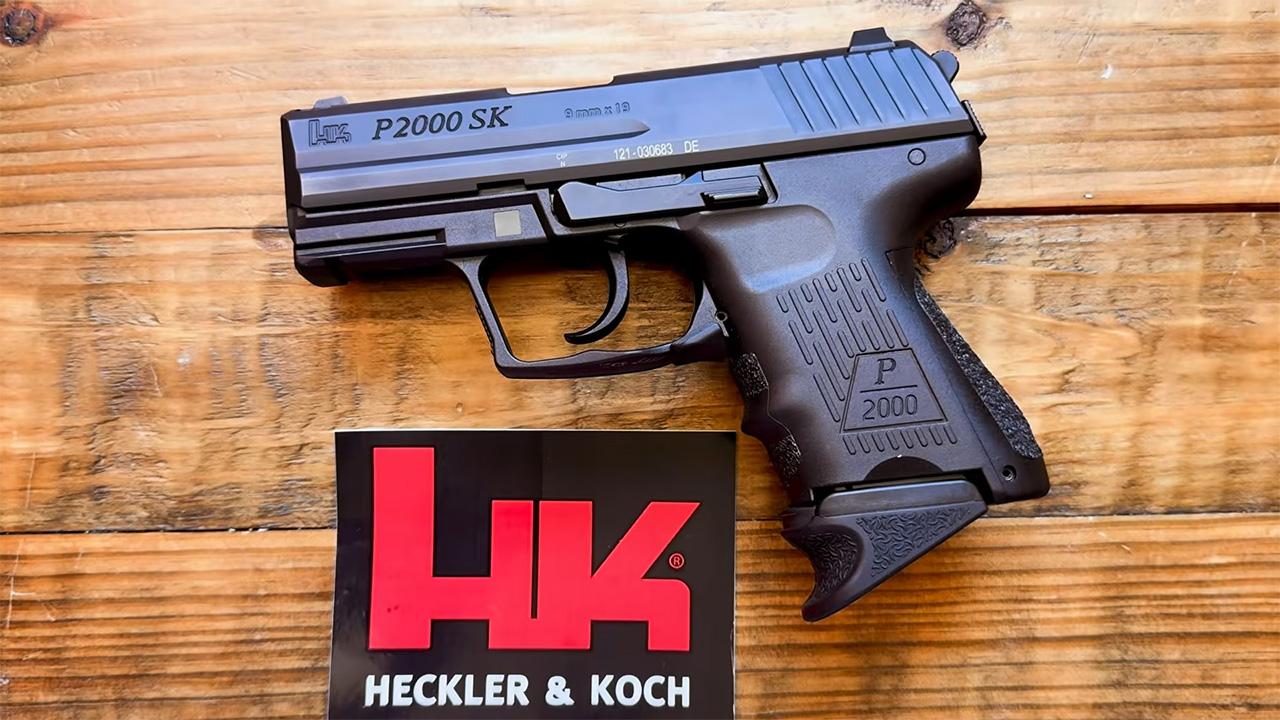
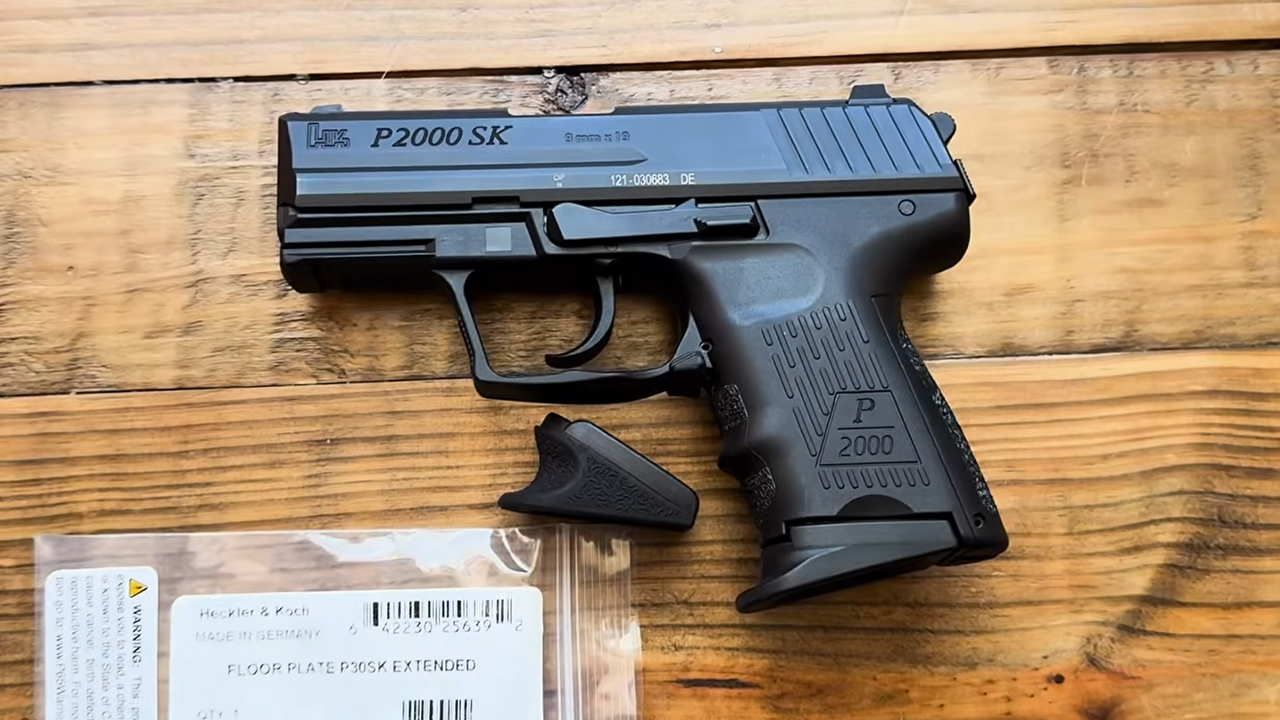
The HK P2000SK never got the same attention as the USP Compact, VP9, or even the larger P2000. It was a small, serious DA/SA or LEM carry pistol that looked a little chunky beside newer slim guns. Plenty of buyers walked past it because it didn’t feel exciting enough.
That has changed with time. The P2000SK is hard to replace because it offers true compact carry size with HK durability and a level of shootability that many smaller pistols lack. It’s not the thinnest choice, but it feels sturdy and dependable. The interchangeable backstraps help with fit, and the pistol handles recoil better than its size suggests. For shooters who still like hammer-fired carry guns, there are not many modern options that fill this lane as well.
Ruger SP101

The Ruger SP101 was easy to overlook because it sat between categories. It was heavier than ultralight snubnose revolvers, smaller than full-size .357s, and not as refined as some Smith & Wesson options. At first glance, it could seem like a compromise.
After years of use, that compromise became the whole point. The SP101 is hard to replace because it gives owners a small revolver with real strength. It can handle .357 Magnum better than featherweight snubs, especially with sensible grips, while still carrying easier than a service-size revolver. It works as a trail gun, carry revolver, home-defense option, or range piece with .38 Specials. There are prettier revolvers, but few small ones feel this tough.
Walther PPS M1
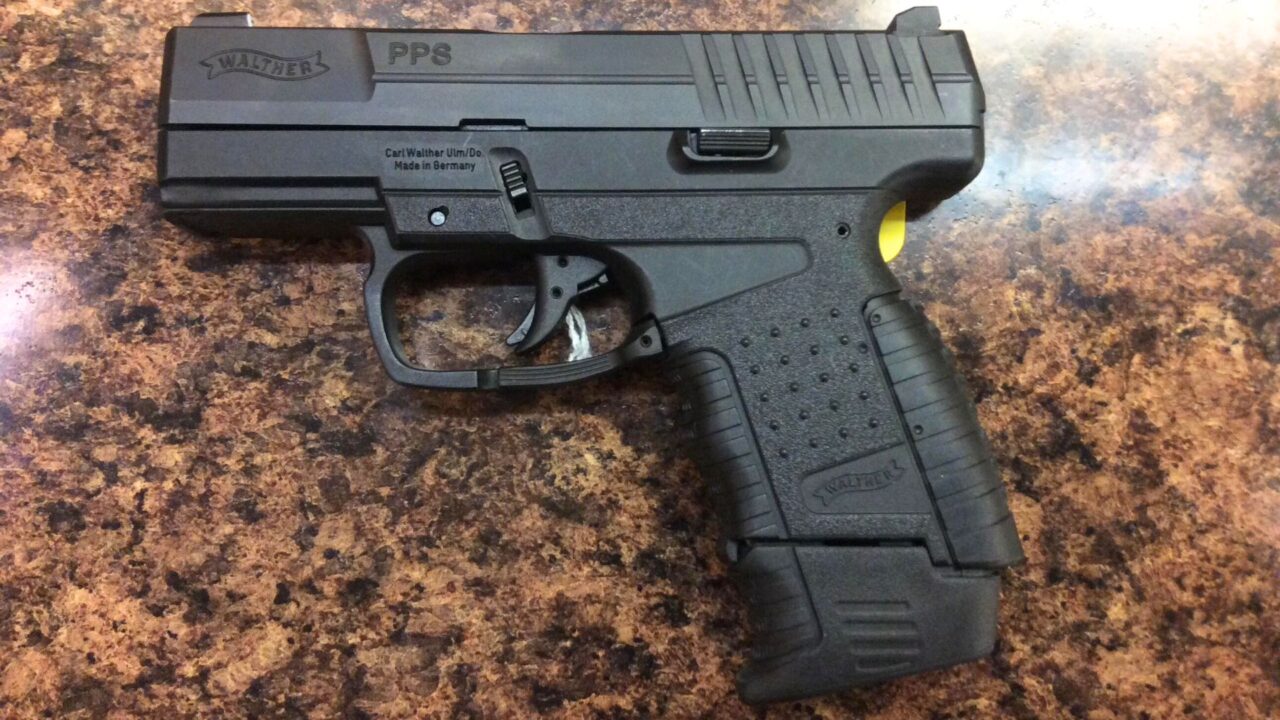
The Walther PPS M1 was one of the early slim single-stack 9mms that should have gotten more long-term credit. It had a flat profile, excellent grip feel, and a paddle magazine release that some shooters loved while others never fully accepted. Because it didn’t follow the usual American control layout, it stayed more niche than it deserved.
Now, the PPS M1 is hard to replace because it nailed the slim carry role before the market got flooded. It carries easily, shoots well for its size, and feels more ergonomic than many small pistols. Modern micro-compacts hold more rounds, but they don’t all shoot as comfortably. For someone who wants thin, reliable, and controllable without chasing capacity at all costs, the original PPS still feels like a smart little pistol.
Colt Officer’s ACP
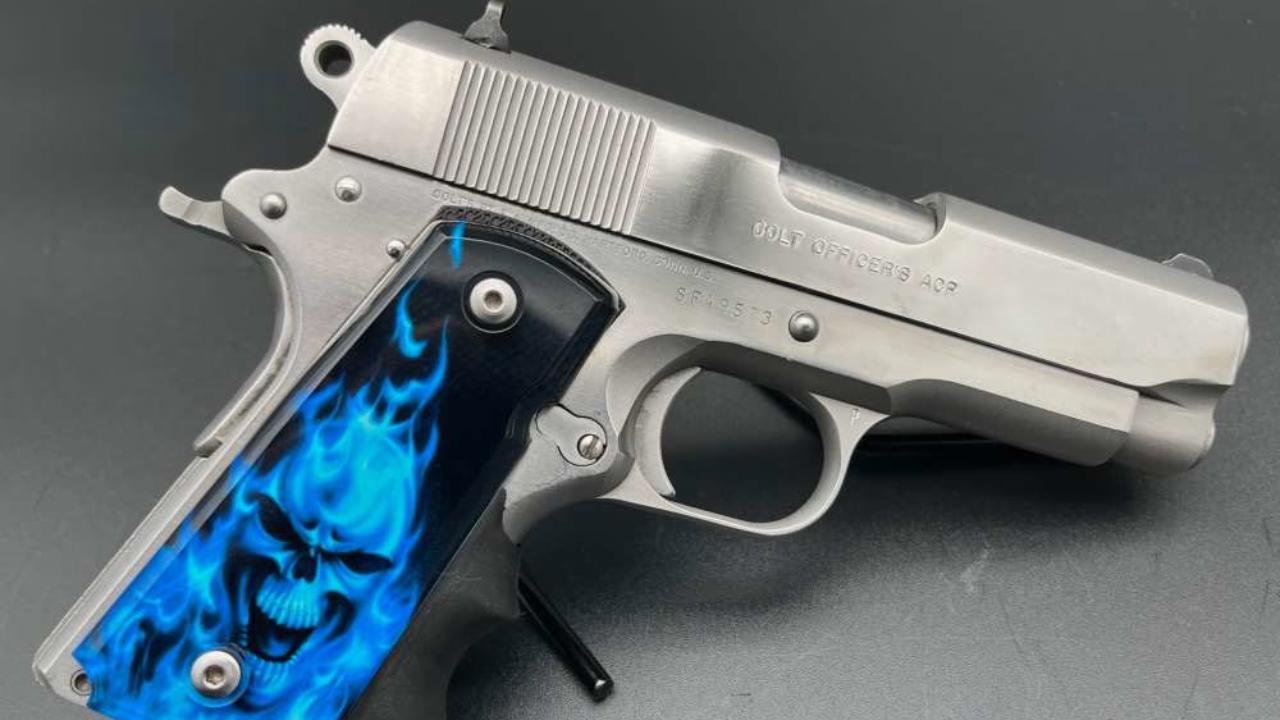
The Colt Officer’s ACP came along as a chopped-down 1911 for concealed carry, and early compact 1911s could be a mixed bag. Some shooters dismissed the whole idea because shortening the 1911 platform can create reliability challenges if everything isn’t right. That kept the Officer’s ACP from universal praise.
Still, good examples became hard to replace because they offer classic 1911 handling in a much smaller package. The pistol carries easier than a Government Model while keeping that single-action trigger and familiar manual of arms. It’s not as forgiving as a full-size 1911, and magazines, springs, and maintenance matter. But for shooters who like compact steel pistols with real character, the Officer’s ACP fills a spot most modern carry guns don’t touch.
SIG Sauer P239

The SIG P239 was once a respected carry pistol, then the market moved past it quickly when slim polymer 9mms and high-capacity micro-compacts took over. On paper, the P239 looks heavy for its capacity. That made it easy for newer buyers to dismiss.
Owners know why it’s still hard to replace. The P239 is slim, accurate, and steady in the hand. It has the feel of a real classic SIG in a carry-friendly shape, and that’s not something every modern pistol offers. The DA/SA trigger takes practice, but the pistol rewards that effort with strong control and confidence. In 9mm especially, it’s pleasant to shoot for its size. Capacity may be modest, but the quality is easy to feel.
Beretta 8045 Cougar
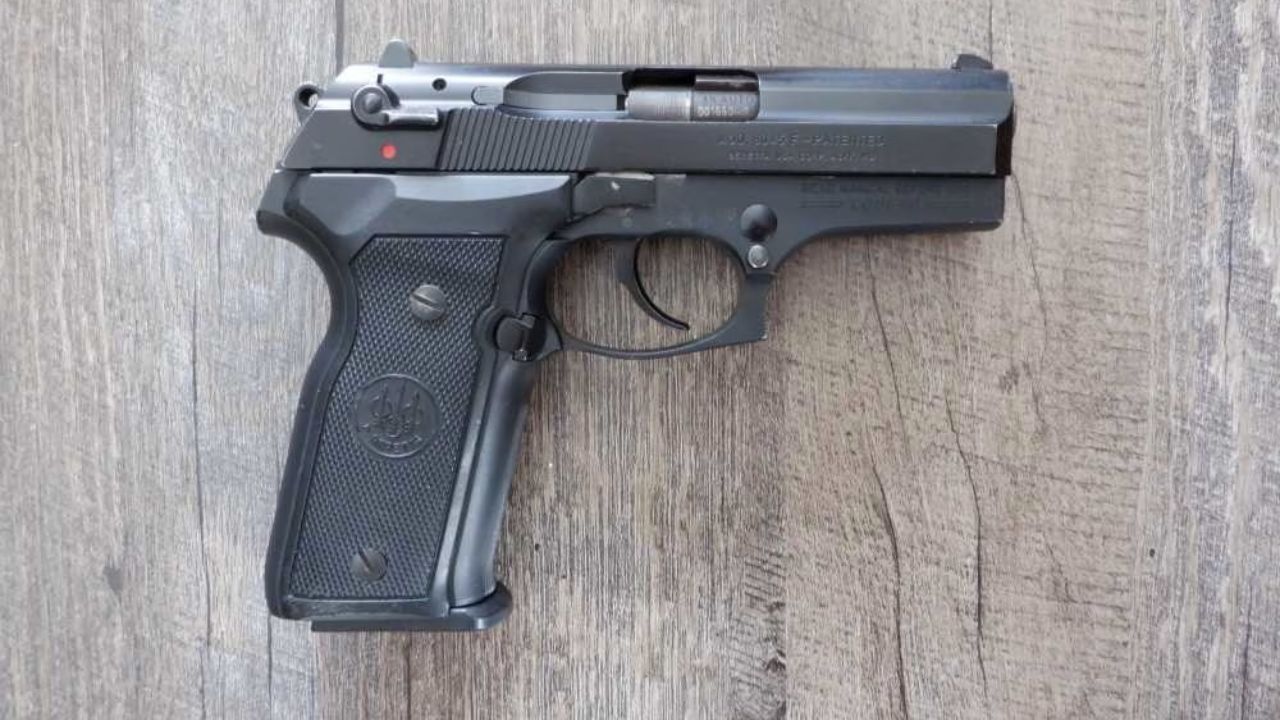
The Beretta 8045 Cougar never became as famous as the 92 series, and the whole Cougar line stayed somewhat underappreciated. The styling was different, the rotating barrel system was unusual, and buyers didn’t always know where it fit. In .45 ACP, the 8045 was especially easy to overlook because it wasn’t a classic 1911 or a high-capacity polymer .45.
That’s exactly why it’s harder to replace now. The rotating barrel system helps manage recoil, and the pistol has a compact, solid feel that works well for a .45. It’s heavy enough to shoot comfortably without being enormous. The design gives it a smoother recoil impulse than many expect. For shooters who want a distinctive, controllable DA/SA .45 that isn’t just another clone of something else, the 8045 Cougar stands out.
Smith & Wesson Model 457
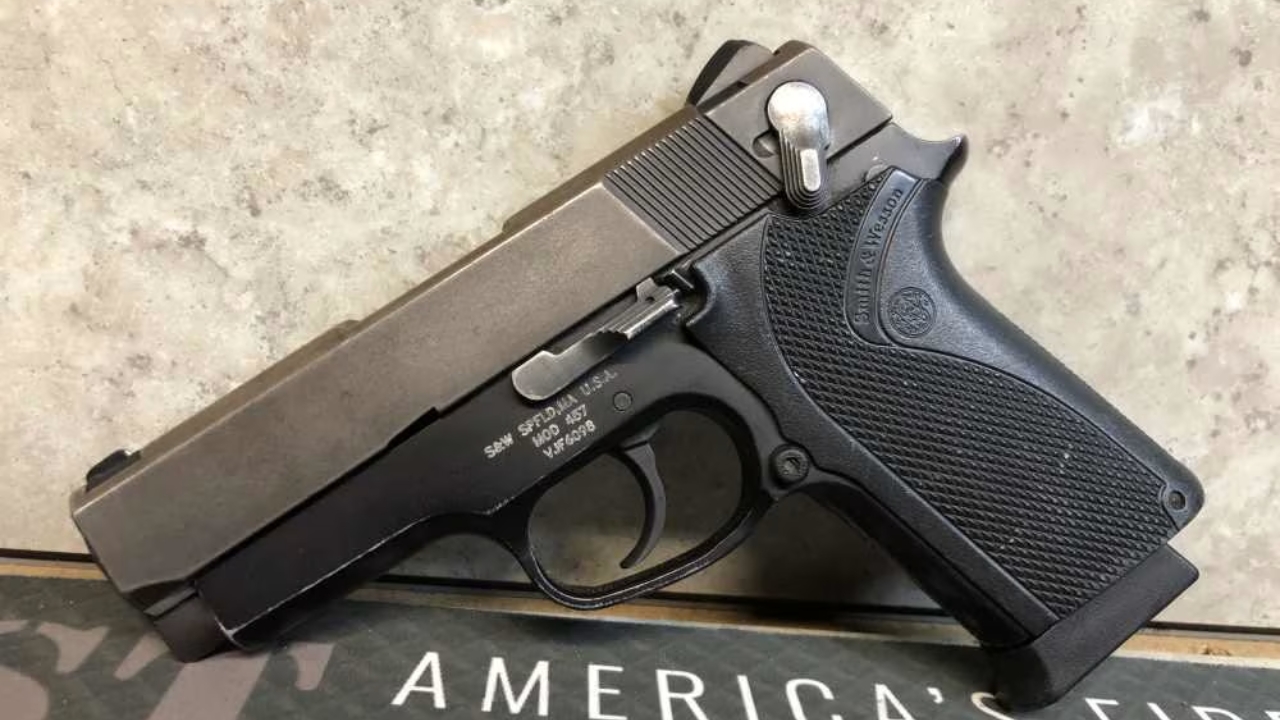
The Smith & Wesson Model 457 was a compact .45 ACP pistol from the company’s third-generation era, and it didn’t always get the respect of its more polished siblings. It was somewhat plain, compact, and built as a practical carry gun rather than a showpiece. That made it easy to ignore.
Today, it’s hard to replace because compact metal-frame .45s are not exactly everywhere. The 457 gives shooters a stout little pistol with old Smith reliability, manageable size, and enough weight to make .45 ACP controllable. The DA/SA trigger and traditional controls feel dated to some people, but familiar and reassuring to others. It’s not a high-capacity modern .45, and it doesn’t pretend to be. It’s a compact working pistol from a category that has mostly faded.
CZ RAMI

The CZ RAMI had a loyal following, but it never became as common as the larger CZ pistols. It was short, chunky, and a little unusual in the subcompact carry world. Some buyers skipped it because it didn’t have the thin profile of newer single-stack pistols or the simplicity of striker-fired options.
Now that it’s discontinued, the RAMI is harder to replace than people expected. It brought CZ’s excellent grip feel and DA/SA operation into a small package with respectable capacity. The weight and shape helped it shoot better than many tiny carry guns, and extended magazines made it more versatile. It wasn’t perfect for every hand or holster, but it offered a compact hammer-fired option with real personality. That’s a lot less common than it used to be.
Browning BDM

The Browning BDM is one of those pistols people overlooked because it was different in ways that were hard to explain quickly. It was slim for a double-stack 9mm, had a unique operating mode selector on some versions, and arrived during a crowded era for service pistols. It never got the following its design deserved.
Years later, the BDM is hard to replace because few pistols combine that thin feel with a full-size service layout. It points well, carries flatter than many double-stacks, and has a distinctive mechanical personality. The unusual controls are not for everyone, and parts support is not like a Glock or SIG. But that’s part of the reason owners hang onto them. It fills a strange, useful lane that modern pistols largely abandoned.
Ruger P345
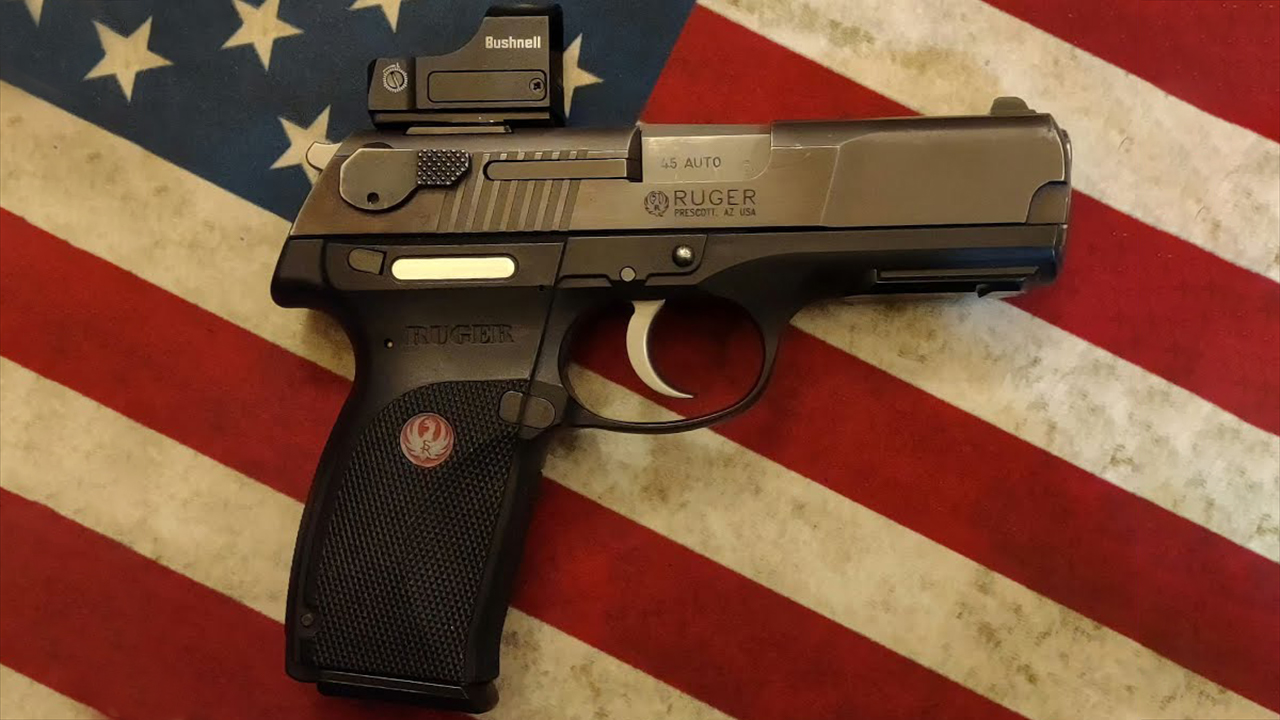
The Ruger P345 was overlooked partly because it didn’t fit what people expected from Ruger’s older P-series pistols. It was slimmer, cleaner-looking, and more modern than the chunky P89 and P90, but it arrived as the market was moving hard toward striker-fired pistols. That timing didn’t help.
The P345 is harder to replace now because it gave shooters a relatively slim .45 ACP with Ruger durability and a more comfortable grip than the older big Rugers. It’s not fancy, and some owners dislike the magazine disconnect and internal lock features found on certain examples. But as a shooter, it can be accurate, manageable, and practical. For someone who wants an affordable DA/SA .45 that doesn’t feel like a brick, the P345 still makes sense.
Kahr MK9
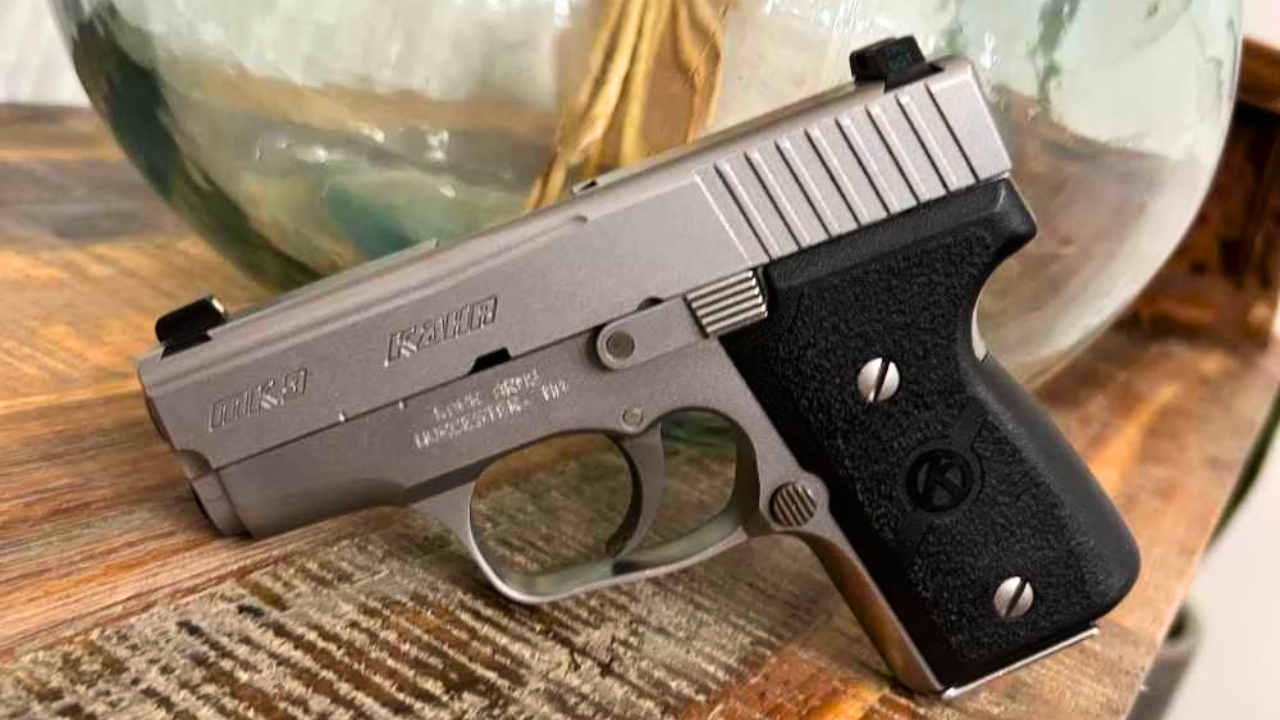
The Kahr MK9 was easy to miss once lightweight polymer carry guns became the default. It’s a small all-steel 9mm, which sounds backward if you’re only focused on ounces. But the people who carried and shot them understood why the weight mattered.
The MK9 is hard to replace because it combines true concealability with surprising control. The smooth double-action-only trigger takes practice, but it’s consistent and safe for carry. The steel frame helps tame recoil in a pistol that would otherwise be snappy. It’s heavier than modern micro-compacts, but it also shoots with a steadiness many of them lack. For deep concealment with a refined feel, the MK9 still has a strong argument.
FN FNS-9
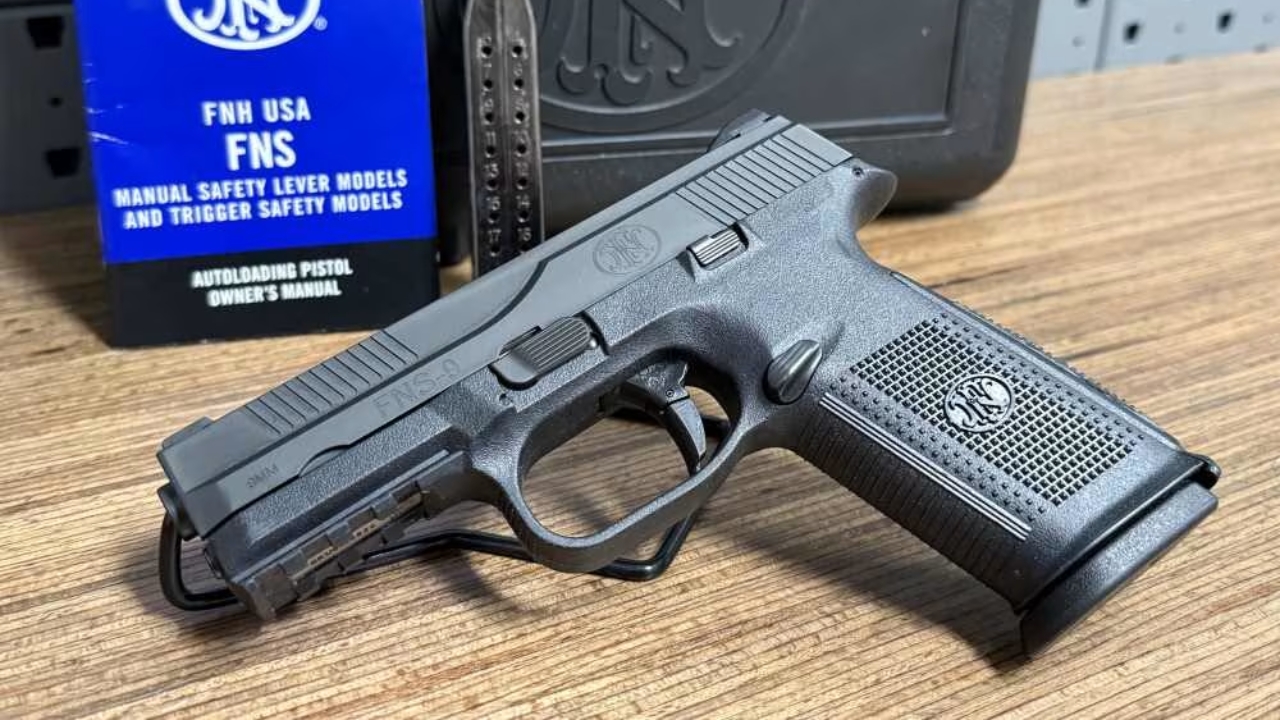
The FN FNS-9 never became the dominant striker-fired pistol some expected, partly because the market was already packed. Glock, M&P, XD, and later SIG all had more mindshare. The FNS-9 was a solid pistol that got treated as just another polymer option.
Now it looks more interesting because it was a serious, reliable, duty-style 9mm that didn’t get the credit it deserved. It has good capacity, ambidextrous controls, and a no-nonsense feel that works for training, home defense, and range use. The 509 line eventually took more attention, but the FNS-9 still does the job. For owners who already have magazines and holsters, replacing it may not feel necessary at all.
Kimber Solo
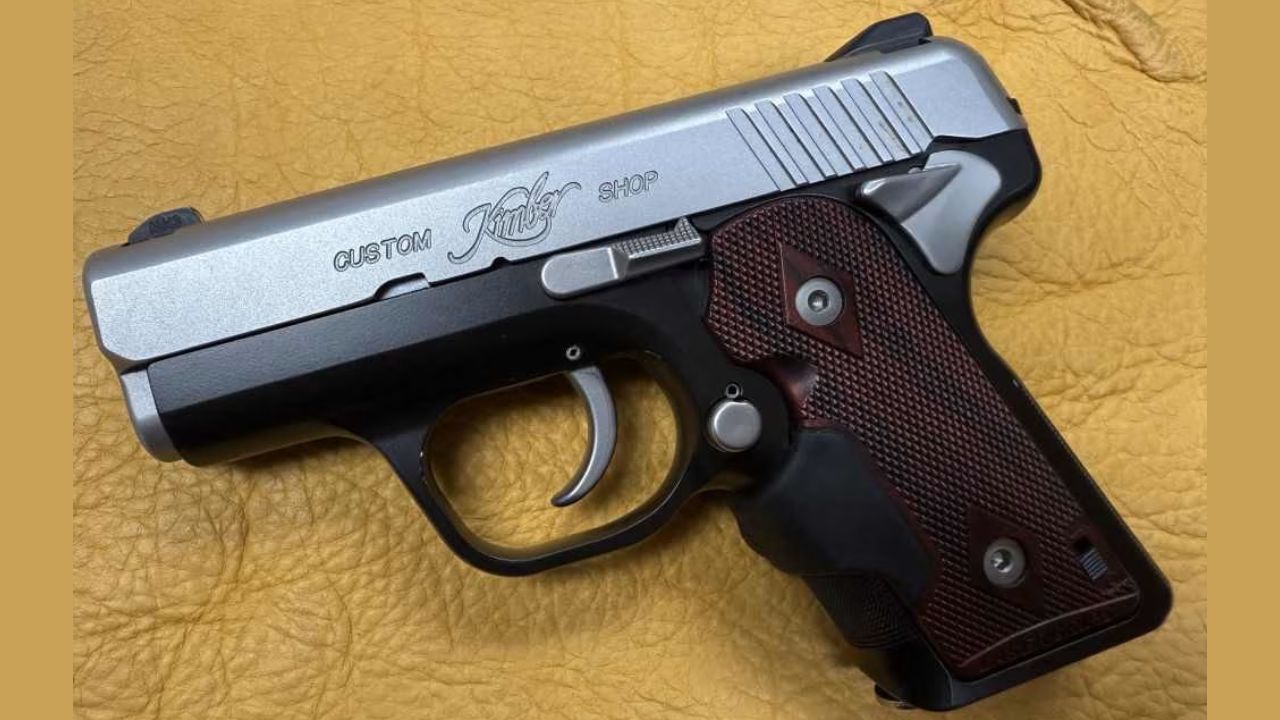
The Kimber Solo had a rough reputation in some circles, and it’s fair to say this one is more complicated than most on the list. It was a stylish micro 9mm before the category fully matured, but it could be ammunition-sensitive and demanded a firmer grip and proper loads. That made it easy for many shooters to write off.
Still, owners with good-running examples often find them hard to replace because the Solo had a feel and finish that most tiny polymer pistols lack. It was sleek, compact, and surprisingly refined for its size. This is not a pistol to buy blindly or trust without thorough testing. But when one runs well, it offers a small carry package with a level of style and metal-frame character that newer micro guns don’t always match.
Beretta 9000S
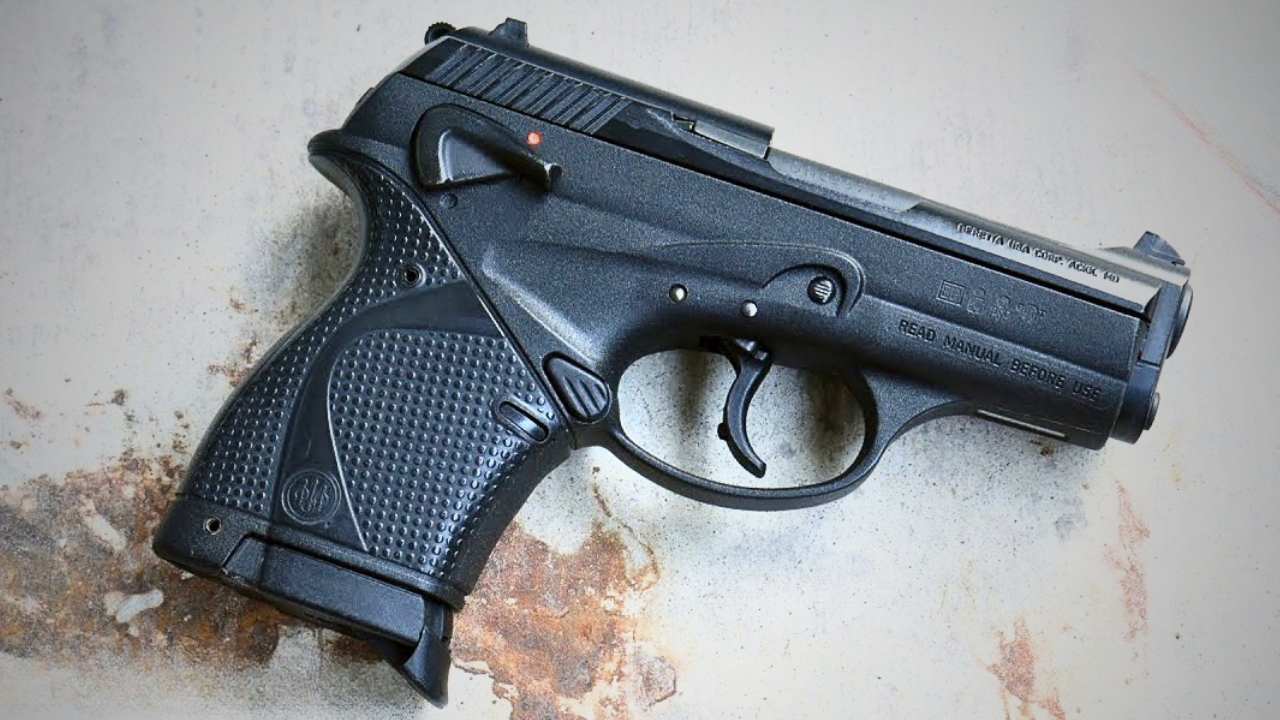
The Beretta 9000S was overlooked almost immediately because it looked strange and arrived before the market was ready for compact polymer DA/SA pistols from Beretta. Its rounded shape, thick profile, and unusual styling made it an easy target for criticism. A lot of shooters never gave it a fair chance.
Years later, it’s hard to replace mostly because nothing else feels quite like it. The 9000S offered Beretta’s DA/SA system in a compact polymer package with real personality. It wasn’t the sleekest carry gun, and it wasn’t as successful as later compact designs. But it was an interesting attempt to bridge old-school controls with modern materials. Owners who like oddball Berettas know exactly why they keep one around.
Like The Avid Outdoorsman’s content? Subscribe to our newsletter so you never miss an article.
Here’s more from us: