Photo credit: CW Longshot/YouTube
A “forgotten” gun brand is usually only forgotten by people who don’t shoot much, don’t buy used, or don’t hang around the kind of ranges where the old guys actually talk. Because out in the real world, certain names never really die—they just stop being trendy, stop showing up in glossy ads, and quietly keep doing the job for the people who already learned what works. That’s where the die-hard fans come from. Not from nostalgia alone, but from thousands of rounds, a few seasons of bad weather, and enough close calls to know the difference between “cool” and “trustworthy.”
The funny part is that these fanbases aren’t always chasing rare collectibles. A lot of them are chasing the opposite: designs that were plain, affordable, and built around common-sense mechanics. Guns with simple lockwork, predictable wear parts, and accuracy that doesn’t require you to baby them. You’ll hear the same pattern over and over: “Yeah, the company’s gone,” followed by “but this model still runs,” and then a very specific explanation about springs, magazines, extractor tension, chamber condition, or how a gun likes to be lubricated when it’s 20 degrees and sleeting sideways.
High Standard and the rimfire crowd that treats accuracy like a religion
High Standard is one of those names that sounds like a history lesson until you watch a good one run. The die-hard fans aren’t imagining things—some of those older High Standard .22 pistols have triggers and mechanical accuracy that still embarrass plenty of modern plinkers, and that’s the whole hook. They’re not “cute old guns,” they’re serious rimfire machines built around consistency, and rimfire rewards consistency more than most people realize. When you’re shooting a .22 for groups at 25 yards, tiny variables like chamber crud, magazine geometry, and slide velocity show up as real misses, not theoretical ones, and a well-set-up High Standard can keep those variables under control for a long time.
Where people get burned is treating a rimfire semi-auto like it’s supposed to run forever on dirty bulk ammo with zero attention. Die-hard High Standard owners talk about magazines the way AR guys talk about bolt carriers, because feed lips and spring tension matter that much in rimfire. A slightly spread lip or a weak spring changes the presentation angle, and then you get nose-dives, rim-lock weirdness, or failures that get blamed on “old guns being finicky.” Clean the chamber where carbon and wax actually build up, keep the extractor claw sharp and free of packed crud, and run known-good magazines, and the gun usually acts like it’s supposed to—boringly accurate, boringly repeatable.
Harrington & Richardson, NEF, and the stubborn practicality of single-shots
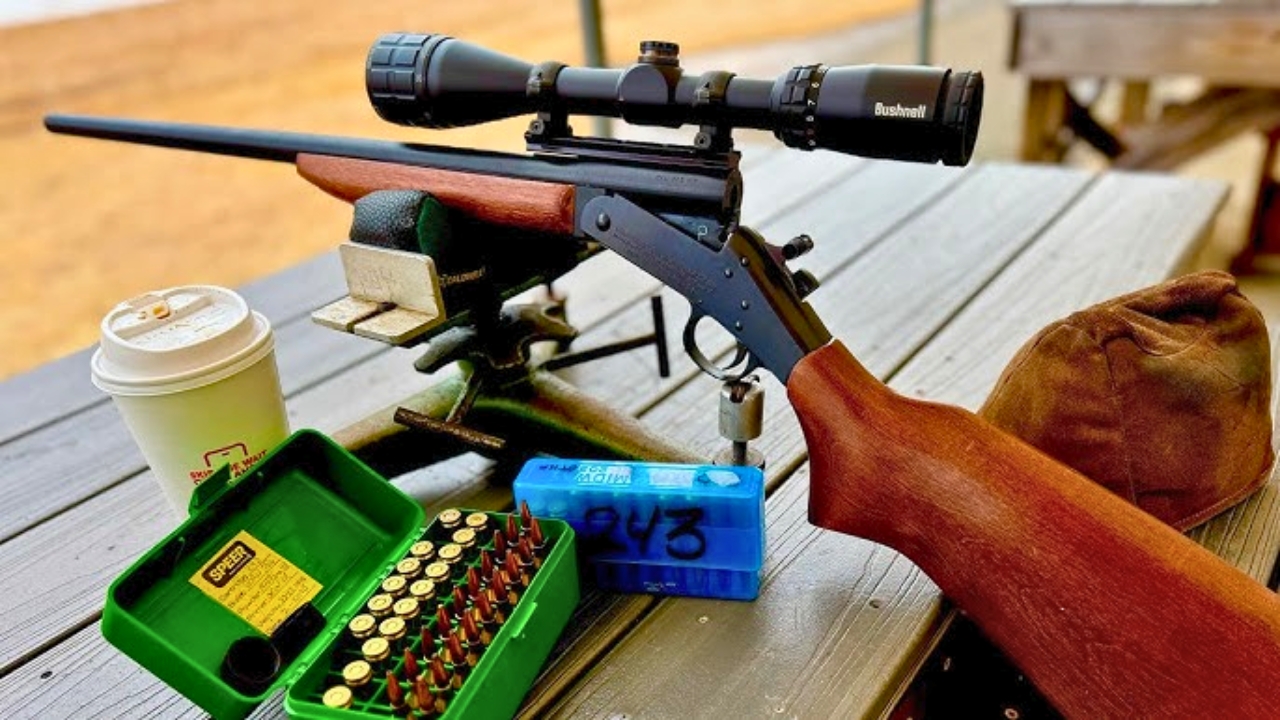
Harrington & Richardson and New England Firearms have fans for the same reason a good hammer still has fans: it’s hard to beat a simple tool that does the job without drama. The Handi-Rifle and the NEF single-shots aren’t flashy, but they’re the kind of guns that quietly become “the one that’s always in the truck” because they don’t rely on magazines, feed ramps, gas ports, or timing tricks. Lockup is either solid or it isn’t. The chamber is either clean or it isn’t. In bad weather, that simplicity matters, because fewer moving parts means fewer places for thick oil, grit, or frozen moisture to turn into a malfunction.
The die-hard crowd also tends to understand what actually causes the complaints. A lot of “this thing won’t group” stories trace back to fore-end pressure or loose hardware, not some mystical barrel curse. A single fore-end screw can change how the barrel vibrates if it’s cranked down one day and barely snug the next, especially if you’re resting the fore-end on a hard rail or a pack in the same spot every shot. Sticky extraction is usually chamber condition, not “weak extraction,” because a slightly rough or dirty chamber grabs the case after it expands, and it gets worse with hotter loads and humid storage. Keep the hinge and locking surfaces healthy, keep the chamber honest, and those guns will keep being the practical answer nobody wants to admit they love.
Ithaca and the shotgun guys who won’t apologize for older designs
Ithaca is one of those brands that still sparks arguments at a gun counter, and that’s exactly how you know it has die-hard fans. The Ithaca 37 crowd is loyal because the gun feels slick when it’s right, carries well, and the basic design has a “nothing extra” personality that a lot of modern shotguns lost. Bottom-eject also appeals to left-handed shooters and to anyone who hunts in nasty weather, because you’re not letting rain, corn chaff, or blowing grit pour into a big side port every time you cycle the action. That’s not marketing fluff—it’s a real-world advantage when you’re in a layout blind or busting cattails in wet snow.
The other reason the fans stick around is that pump shotgun problems are usually mechanical and diagnosable, not mysterious. When an older pump starts feeding rough, it’s often a worn shell stop, a bent action bar, a burr that’s slowing the carrier, or a magazine tube issue that makes shells drag instead of flowing. Extraction problems usually come down to chamber roughness, rust, or an extractor claw that’s rounded off, and you can see that with your eyes if you stop guessing and actually inspect it. The die-hard Ithaca guys aren’t pretending every example is perfect—they’re saying the good ones are worth keeping alive because the system makes sense and the fixes are the same common wear-and-tear fixes any serious shotgunner should know.
Star, Astra, and the Spanish pistol fans who care more about steel than trends
Spanish service pistols are the definition of “forgotten brand, loud fanbase,” and Star and Astra are the names that keep showing up because the better models were built like working guns, not safe queens. A Star BM, for example, can be a very shootable 9mm with reliability that surprises people—right up until somebody tries to run it on 40-year-old springs and questionable magazines and then calls it junk. The die-hards don’t ignore the weaknesses, they manage them. They treat recoil springs as consumables, they pay attention to magazine spring tension and feed lips, and they keep extractor areas clean because carbon and grit under an extractor claw will turn “fine” extraction into intermittent failures that look like ammo problems.
Astra pistols live in the same world: sturdy, often accurate enough to make you rethink your assumptions, and completely unforgiving of neglect in the exact places that matter. If ejection turns erratic—brass going everywhere, weak dribbles, or occasional stovepipes—the cause is usually slide velocity, extractor tension, or friction in the cycle, not a curse on the brand. Cold weather and thick lubrication make this worse, because oil viscosity can slow the slide just enough to change timing, and timing is what keeps feeding and extraction boring. The Spanish pistol fans stick around because when you understand the mechanisms and keep the system in spec, the guns run like honest tools, and they do it without needing anyone’s approval.
JC Higgins, Sears house guns, and the quiet cult of “workingman rifles”
House-brand guns like JC Higgins (and a few other department-store labels) have die-hard fans because they represent an era when a lot of Americans bought one rifle, learned it deeply, and made it work for everything. These guns weren’t always “cheap” in the insulting sense—they were often rebranded versions of real manufacturer products built to a price point that still cared about function. The fanbase today is part nostalgia, sure, but it’s also practicality. You can still find these rifles and shotguns on the used rack for money that leaves room for ammo, a basic scope, and a season’s worth of range time, and that matters more than brand prestige when your goal is filling tags and staying proficient.
The credibility comes down to how these guns behave when you treat them like real hunting tools. Bolt guns from that era tend to live or die on basic fundamentals: good headspace, consistent bedding, secure action screw torque, and an optic mount that doesn’t loosen after 20 rounds. When accuracy “falls apart,” it’s often a loose base screw, a battered crown from riding in a truck, or a stock that’s swollen and pressing the barrel in one spot, not some mystical “old gun problem.” The die-hards like them because they’re simple to understand, simple to maintain, and they reward a shooter who pays attention to mechanical basics instead of chasing internet opinions.
Like The Avid Outdoorsman’s content? Subscribe to our newsletter so you never miss an article.
Here’s more from us: