Photo credit: Cam Gaylor/YouTube
Some guns let owners down right away. Others take a little longer. They look fine in the case, come from a familiar brand, or promise a job they should handle without much drama. Then the first few range trips, hunting seasons, or carry attempts start showing the cracks.
That does not mean every gun here is worthless. A few have loyal owners and can work fine in the right hands. But for a lot of buyers, these are the guns that sounded better before they had to live with them.
Remington Model 597

The Remington 597 should have been an easy rimfire win. A semi-auto .22 from Remington had the right name behind it, and plenty of shooters wanted a basic plinker that could compete with the other popular rimfires on the rack.
Instead, too many owners ended up fighting magazines, feeding issues, and inconsistent reliability. A .22 rifle is supposed to be simple fun, not something that turns every cheap range trip into troubleshooting. Some later magazines improved things, but the damage was done for a lot of people. The 597 let owners down because it made rimfire shooting feel harder than it needed to be.
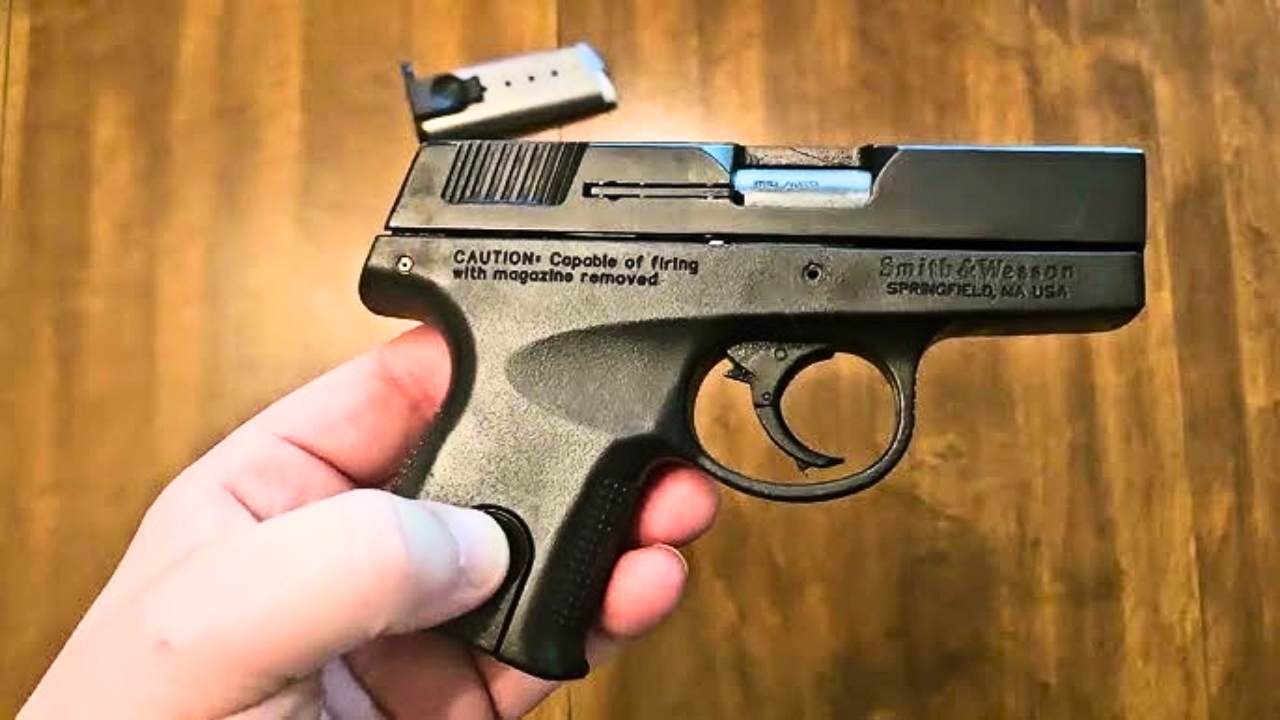
Smith & Wesson SW380

The Smith & Wesson SW380 looked like a practical little defensive pistol for buyers who wanted something compact and affordable. The brand name helped, and the size made it seem easy to justify as a pocket or backup gun.
Then owners had to shoot it. The long trigger, awkward feel, and cheapened execution made it hard to love. It was not the kind of pistol that made people excited to practice, and that is a bad sign for anything meant for defense. A small gun already asks for compromise. The SW380 made too many of those compromises feel obvious.
Browning A-Bolt III
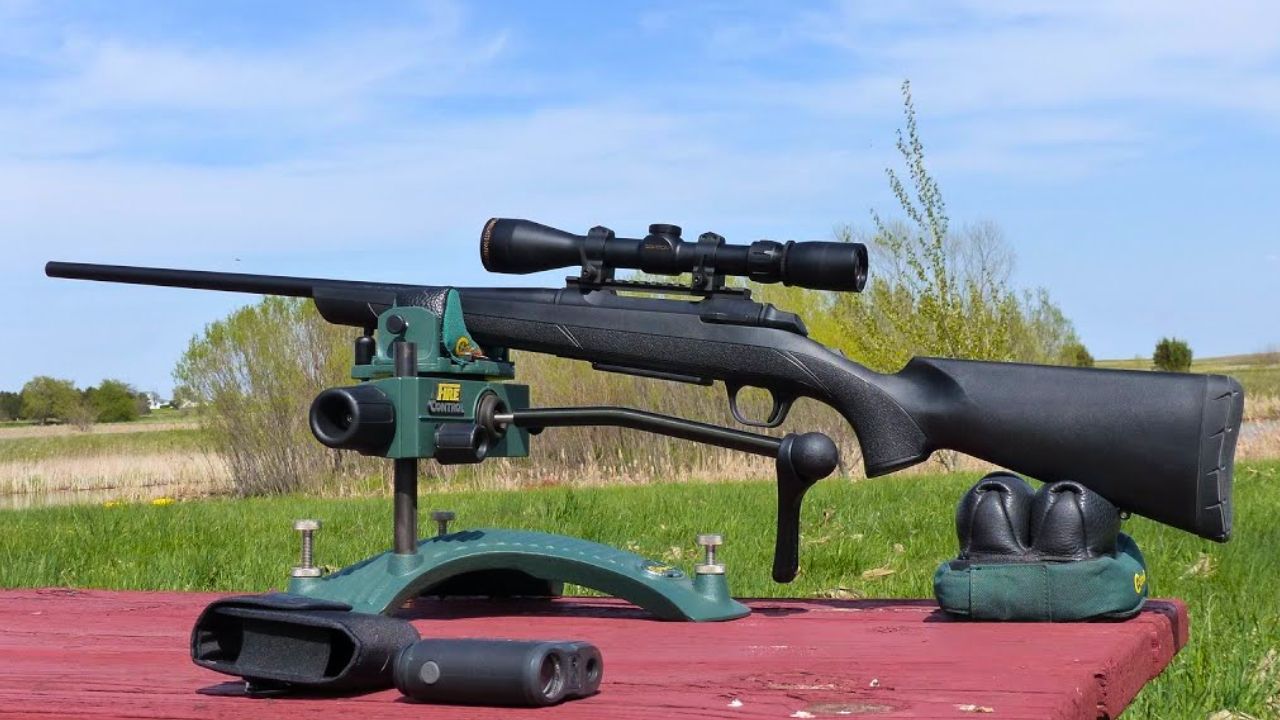
The Browning A-Bolt III carried a name that made hunters expect more refinement than they sometimes felt. Browning rifles usually come with a certain sense of polish, and buyers naturally hoped the AB3 would deliver that feeling at a lower price.
The problem is that it often feels like the budget Browning it is. It may shoot well enough and serve a hunter fine, but the stock, bolt feel, and overall finish do not always match the expectation created by the name. Owners who wanted old A-Bolt smoothness or X-Bolt confidence can walk away feeling like they bought the badge more than the rifle they imagined.
Taurus PT145 Millennium Pro

The Taurus PT145 Millennium Pro had a strong pitch: a compact .45 ACP with good capacity at a price that looked friendly. For buyers who wanted big-bore carry without spending premium money, it seemed like a clever shortcut.
That shortcut did not always feel so clever after ownership. Trigger feel, reliability concerns, recall history around parts of the Millennium line, and general confidence issues made some owners lose faith fast. A compact .45 has to be dependable and controllable to make sense. When the gun makes you wonder whether you should have just bought a simpler 9mm, it has already let you down.
Savage A17

The Savage A17 sounded like exactly what rimfire varmint shooters wanted. A semi-auto rifle built specifically around .17 HMR had real appeal, especially because that cartridge is flat, fast, and fun when the rifle behaves.
For some owners, it worked fine. For others, the rifle never felt as smooth or consistent as the idea promised. Magazine feel, cycling quirks, and the general budget-rifle handling could take the shine off quickly. A semi-auto .17 HMR should feel like a cheat code on small targets. When it starts feeling fussy, the disappointment hits harder because the concept was so good.
Para-Ordnance P10
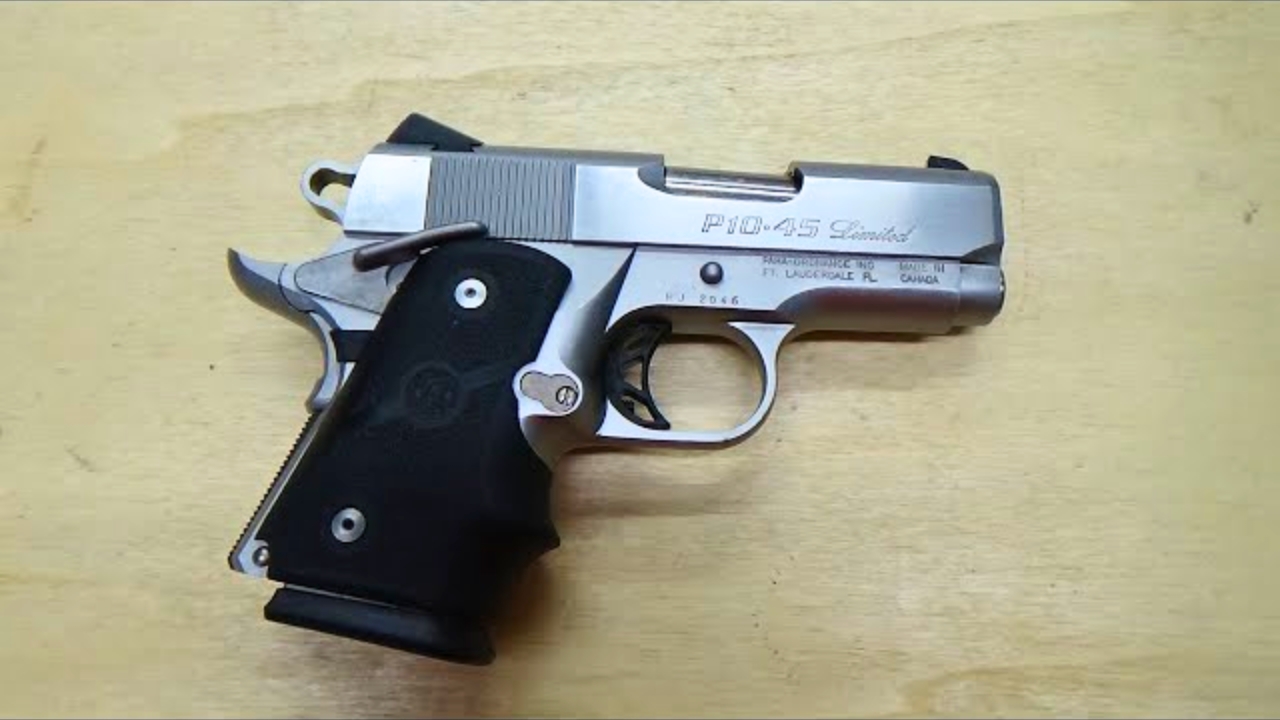
The Para-Ordnance P10 gave buyers a tiny double-stack .45 with 1911 bloodlines. That sounds impressive until you remember how much is happening in a pistol that small. Short slides, heavy recoil, magazine geometry, spring timing, and grip size all matter.
That is where owners could get disappointed fast. The P10 was interesting, but it asked a lot from the design and from the shooter. When compact 1911-style pistols act up, the owner usually ends up blaming magazines, ammo, springs, or break-in. After a while, that gets old. A carry gun should inspire trust, not turn into a parts-and-load experiment.
Winchester Model 100
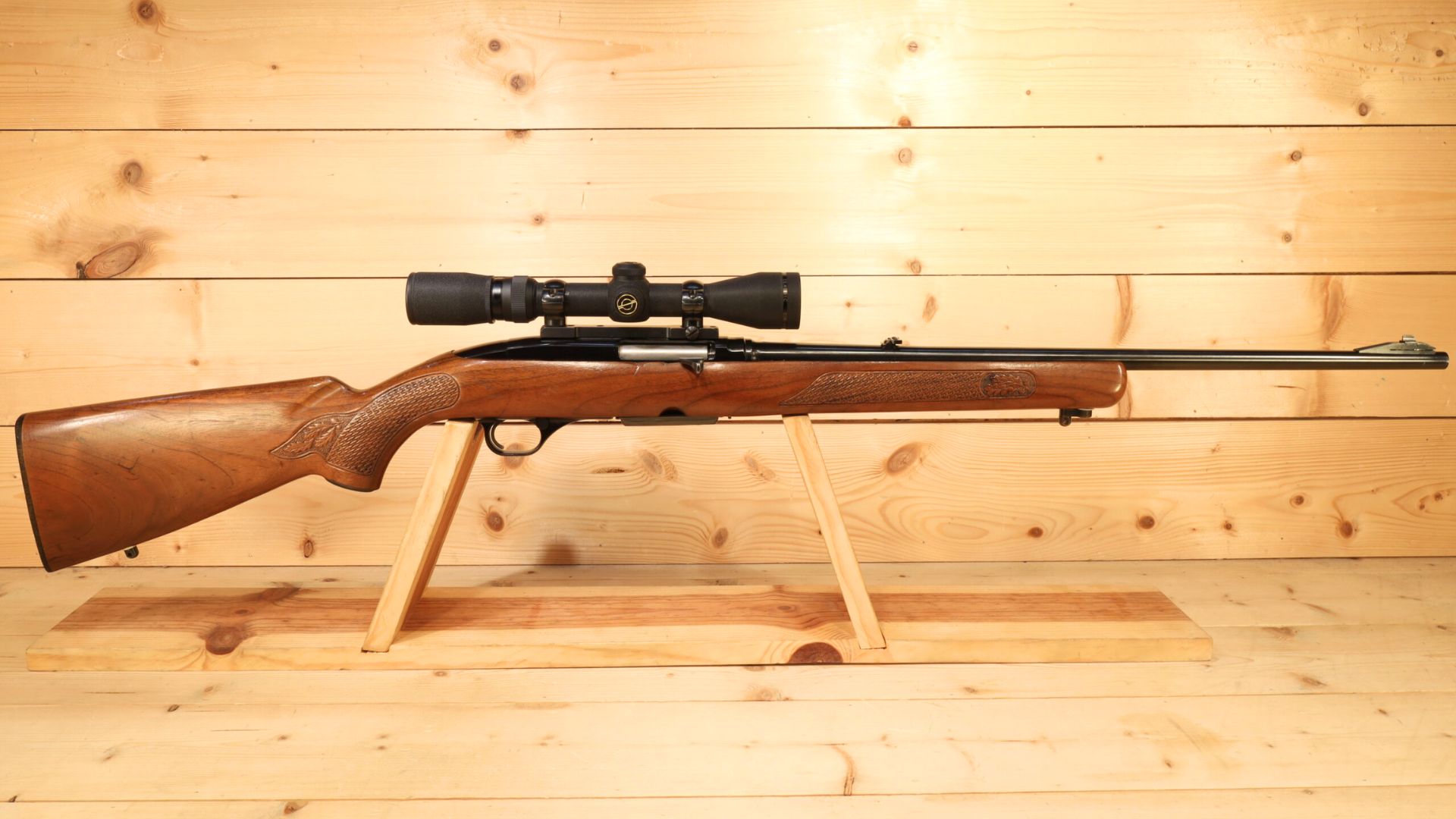
The Winchester Model 100 looked like a practical semi-auto hunting rifle with a respected name attached. It had classic sporting lines and promised faster follow-up shots than a bolt gun, which made sense for deer hunters in thick country.
The letdown comes from age, recalls, and the reality of buying older semi-auto hunting rifles today. A worn Model 100 can bring feeding, accuracy, and maintenance concerns that are not always easy to sort out. Clean ones have appeal, but many were hunted hard. Buyers expecting a trouble-free vintage semi-auto can quickly learn they bought somebody else’s old problem.
Beretta U22 Neos

The Beretta U22 Neos looked futuristic, affordable, and different from the usual rimfire pistol. For buyers who wanted a fun .22 with a major brand behind it, the Neos seemed like a safe way to get something unique.
The trouble is that unique styling only carries a gun so far. The grip angle, looks, balance, and controls never clicked for everyone. It could be accurate and reliable enough, but a lot of owners never warmed up to the way it felt. A rimfire pistol should make you want to bring it every range trip. The Neos often became the gun people respected more than they enjoyed.
Remington Viper 522
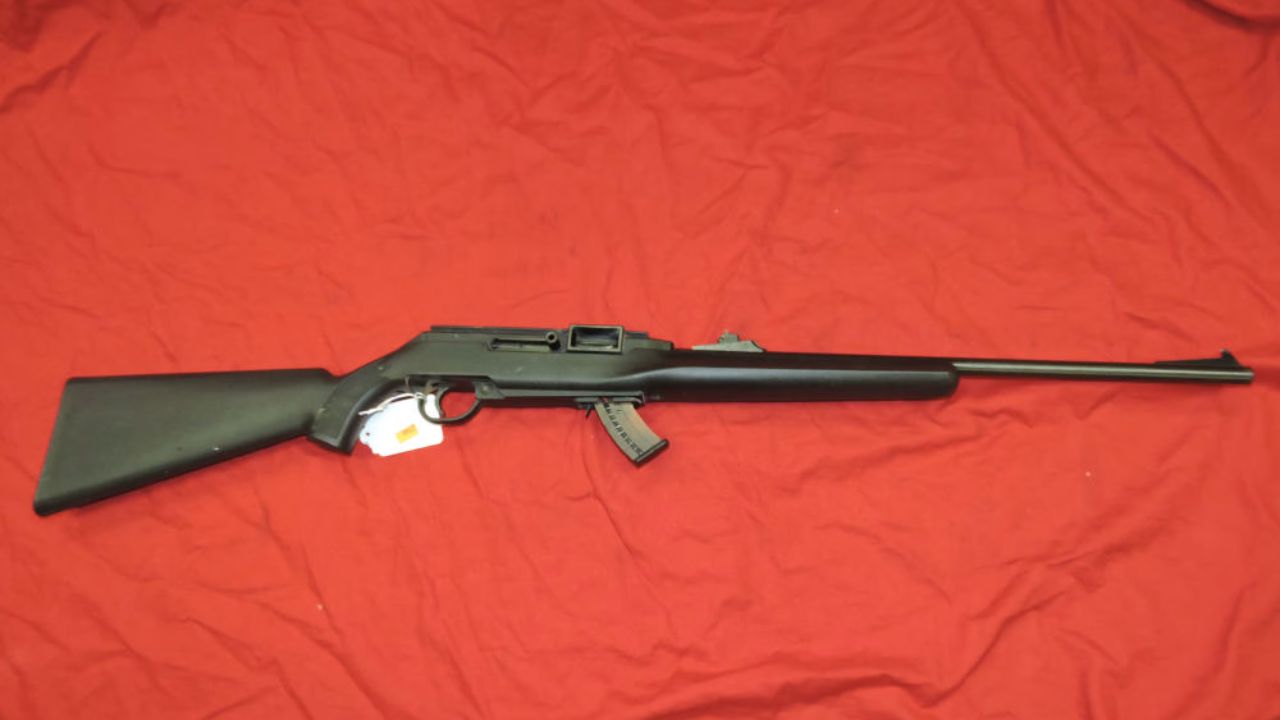
The Remington Viper 522 was another rimfire that should have been better than its reputation. A semi-auto .22 rifle from Remington should have had an easy path with plinkers, small-game hunters, and new shooters.
Instead, it became one of those rifles people remember with frustration. Magazines, feeding, parts support, and overall feel kept it from building the kind of loyalty that better rimfires enjoy. Once a .22 rifle becomes annoying, it loses its whole purpose. The Viper let owners down because it did not make cheap shooting feel carefree.
EAA Witness Polymer Compact
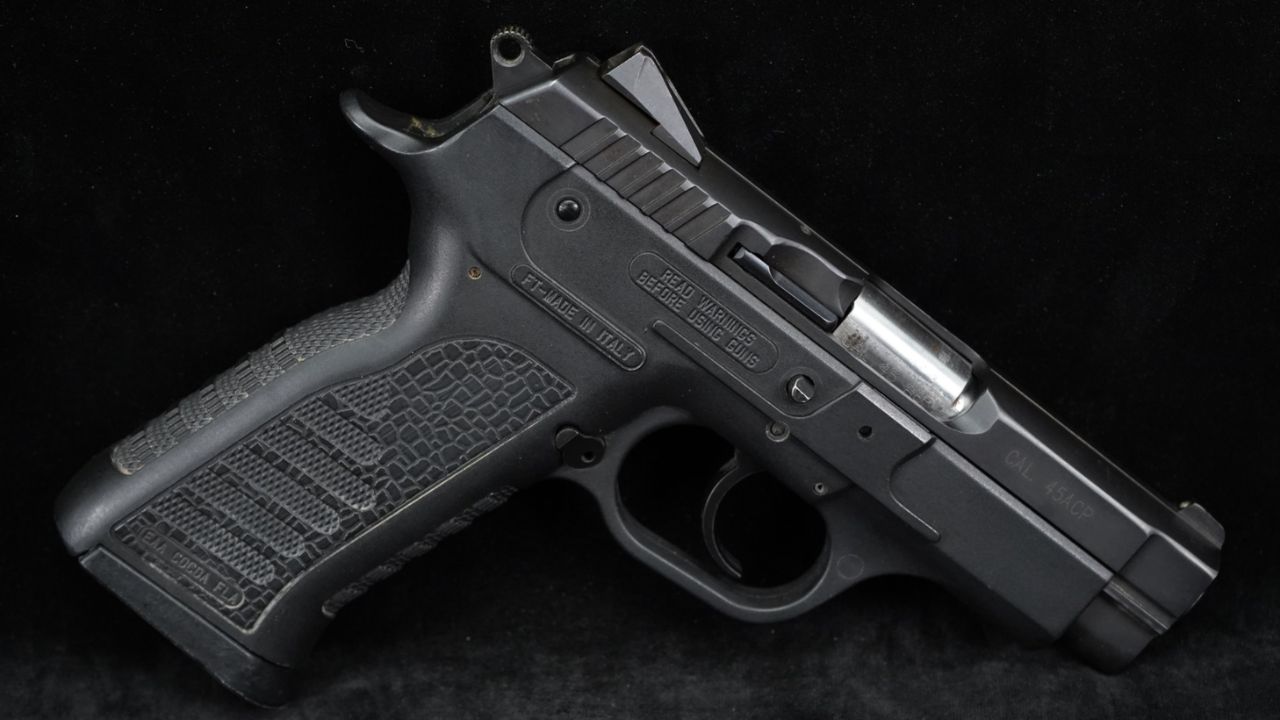
The EAA Witness Polymer Compact sounded good to buyers who liked CZ-style pistols but wanted something lighter and more affordable. The general shape made sense, and the price often looked tempting compared with bigger-name handguns.
Where it could let owners down was in the details. Trigger feel, fit, magazines, caliber-specific durability concerns, and thinner support all mattered more over time. Some Witness pistols shoot well, but the polymer compacts never had the same confidence-building feel as better-known options. If you bought one expecting CZ charm for less money, the savings could start feeling like the whole story.
Mossberg 100 ATR

The Mossberg 100 ATR gave hunters an affordable bolt-action rifle at a time when budget deer rifles were becoming a serious category. It looked like a simple way to get into the woods without draining your wallet.
But the rifle often felt rough and plain in a way that made owners want to upgrade sooner than expected. The bolt, stock, trigger, and finish did not always inspire confidence. It could hunt, but it rarely felt like a rifle you were proud to keep. A cheap rifle can still feel honest. The 100 ATR often felt like a placeholder.
Colt Pony Pocketlite
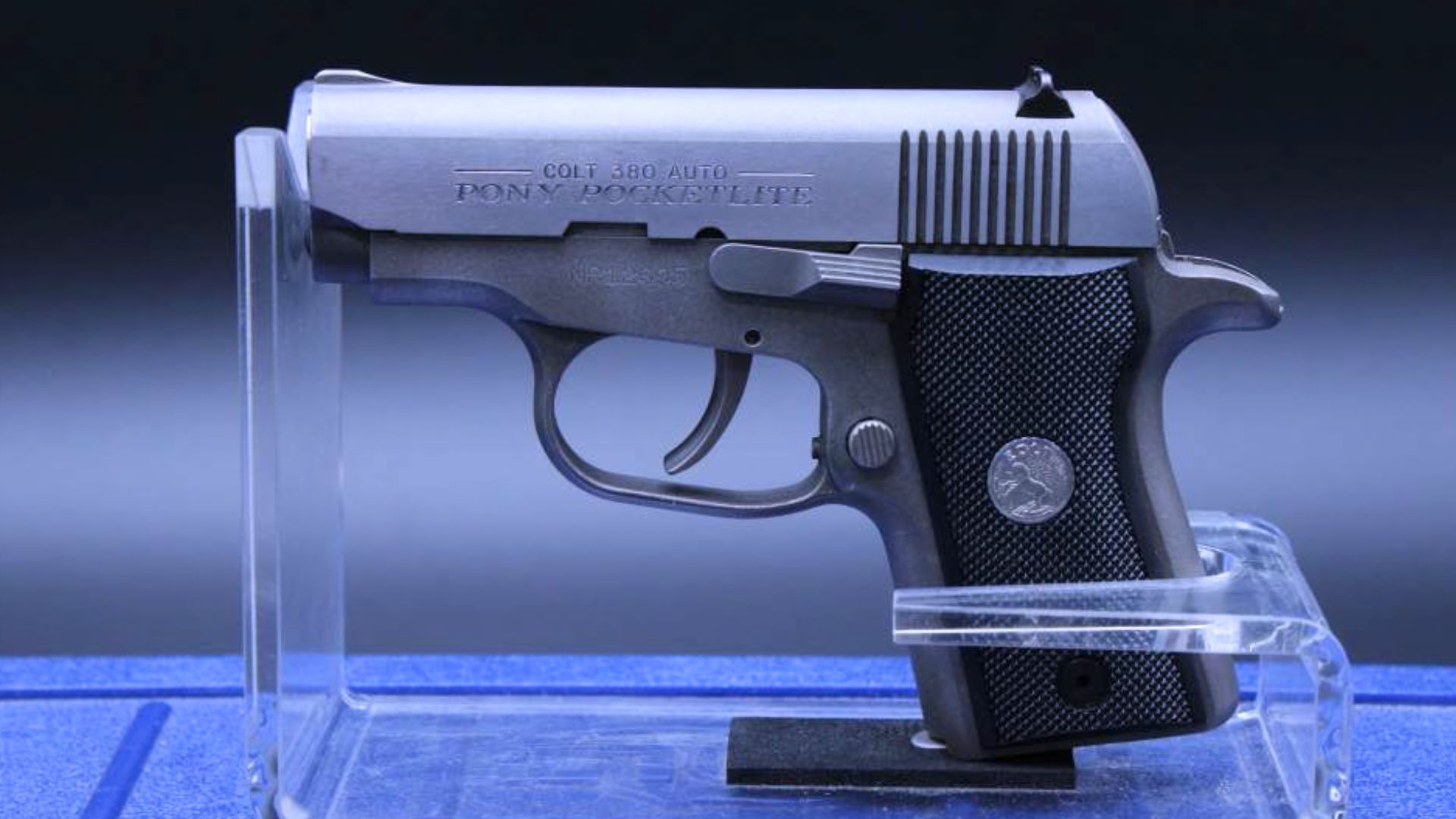
The Colt Pony Pocketlite had the right name and a tempting size. A lightweight Colt pocket pistol in .380 sounded like the sort of gun people could carry easily and enjoy owning. The Colt name did a lot of work before the first shot.
Then the tiny size and old pocket-pistol compromises started showing. The trigger, sights, recoil feel, and limited capacity made it less satisfying than the idea. It is collectible enough now that some owners still want one, but as a shooter or carry piece, it can disappoint. Sometimes the name makes people expect more than a little pocket gun can deliver.
Thompson/Center Dimension
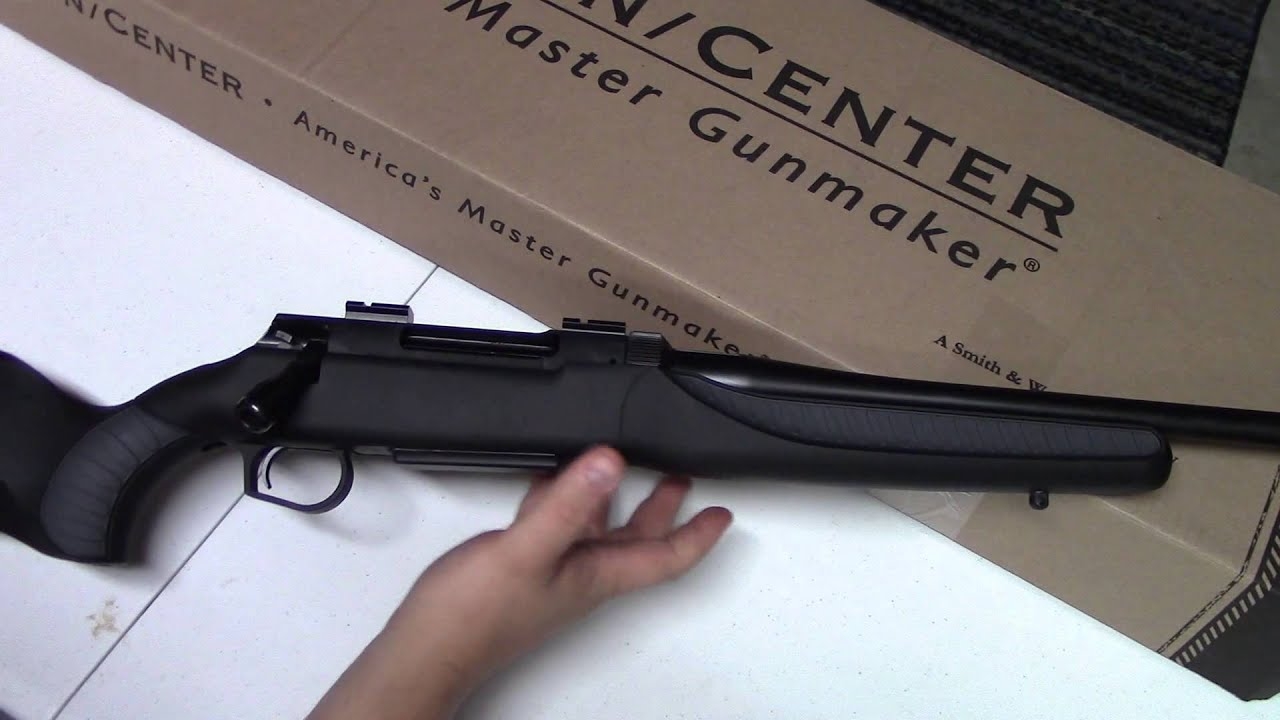
The Thompson/Center Dimension had one of those ideas that sounded smarter than the market treated it. A switch-barrel bolt-action rifle system with interchangeable parts and multiple chambering options should have attracted tinkerers and hunters who like flexibility.
The problem was that the rifle looked odd, felt bulky, and never caught on strongly enough to make the platform feel secure. A modular rifle needs broad support and long-term confidence. Without that, the system becomes less of an advantage and more of a concern. Owners who bought into the concept could feel let down when the market simply moved on.
Stoeger STR-9
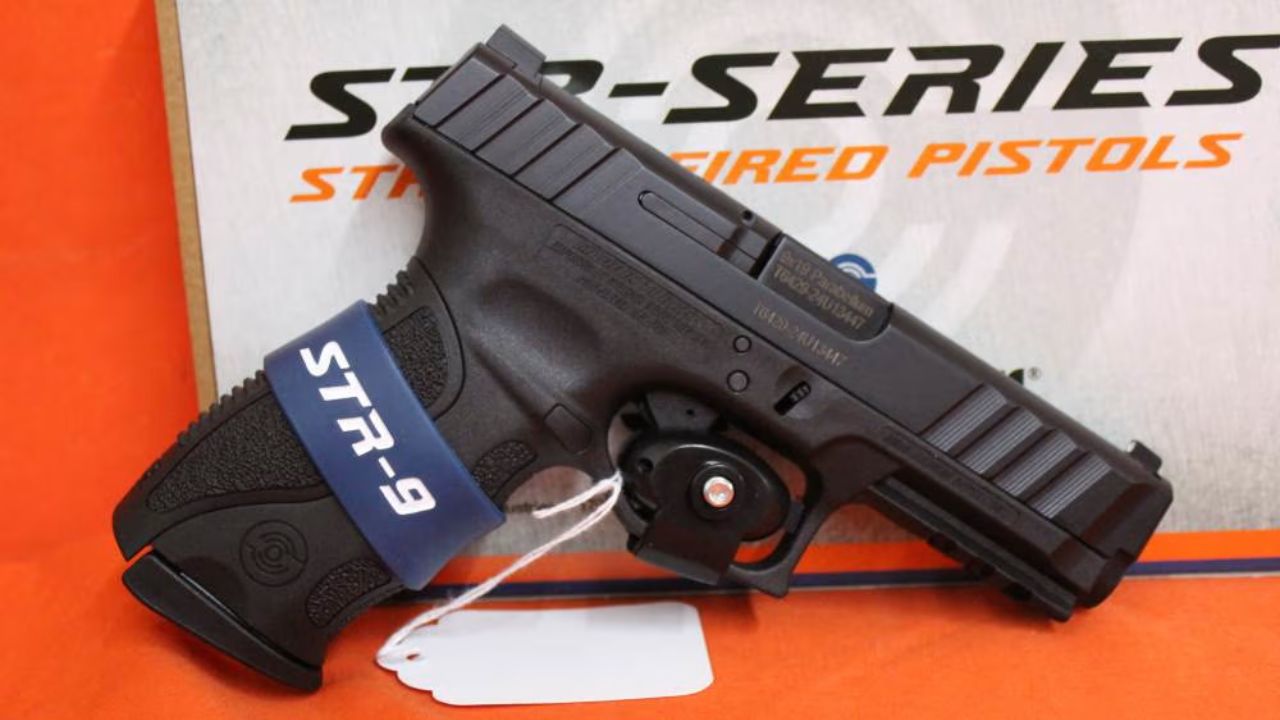
The Stoeger STR-9 looked like another affordable striker-fired pistol that could compete with the crowded 9mm market. It had a familiar layout, usable capacity, and a price that made it tempting for budget-minded buyers.
The issue is that familiar is not enough anymore. The STR-9 may work fine, but it does not always give owners a strong reason to choose it over better-supported pistols from Glock, Smith & Wesson, CZ, SIG, Canik, or Walther. Holster support, aftermarket parts, trigger feel, and brand confidence matter. A gun can be decent and still let owners down by feeling forgettable.
Henry U.S. Survival AR-7

The Henry U.S. Survival AR-7 has one of the best hooks in the rimfire world. A takedown .22 that stores inside its own stock sounds perfect for camping, boats, emergency kits, and anyone who likes compact gear.
Then you shoot it enough to judge it as a rifle instead of a clever package. The stock is bulky, the handling is odd, and the whole design prioritizes storage over shooting comfort. It can serve its niche, but owners expecting a normal-feeling .22 often end up disappointed. The idea is excellent. The shooting experience is where the shine can fade fast.
Like The Avid Outdoorsman’s content? Subscribe to our newsletter so you never miss an article.
Here’s more from us: