Photo credit: Gorodenkoff/Shutterstock.com
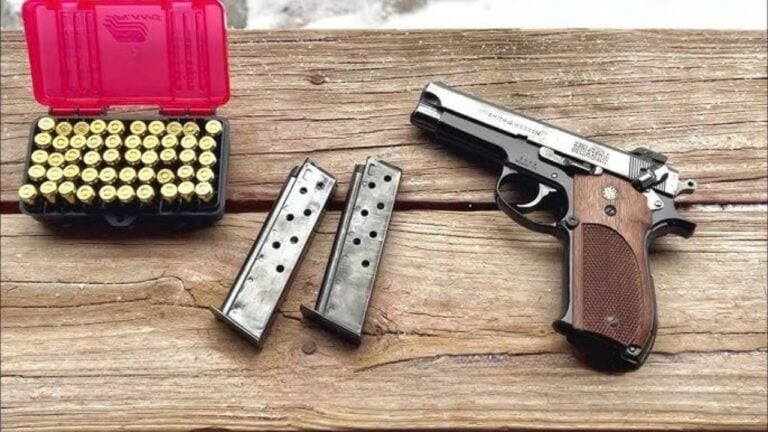
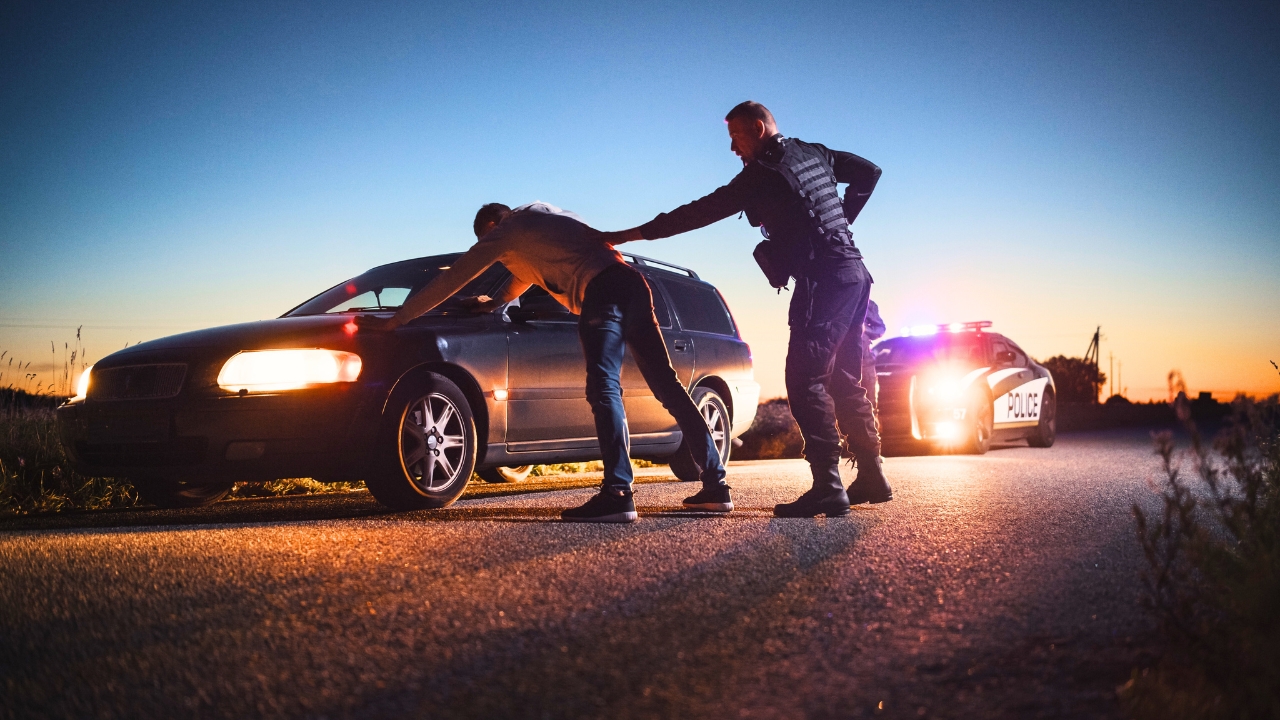
Carrying a firearm doesn’t magically turn a normal police contact into a crisis, but it can turn a boring moment into a messy one if you get twitchy, start talking too much, or move around like you’re trying to “help.” The goal isn’t to win the interaction or prove you’re a good guy. The goal is simple: everybody goes home, and you don’t accidentally create a situation that looks dangerous to the person who’s deciding what happens next. A lot of this comes down to basics: stay calm, keep your hands visible, follow instructions, and don’t escalate with words or movement.
Moving your hands before you move your mouth
The fastest way to turn the temperature up is to start digging around before the officer even finishes their first sentence. Don’t reach for your wallet, don’t lean across the cab, don’t start opening the glove box, and don’t do that thing where you half-turn and point at something behind you. Even if you mean nothing by it, you’re forcing the officer to guess what you’re doing, and guessing is where bad decisions happen. Put your hands where they can see them and leave them there. If you’re driving, that usually means on the wheel; if you’re on foot, hands out of pockets and relaxed at chest level or down at your sides where they’re obvious. Keep your voice calm, answer what you must, and let the encounter stay boring.
This is also where a tiny bit of preparation pays off. If you carry, keep your documents in a spot that doesn’t require you to reach across your body or anywhere near the gun, and don’t bury your registration under a pile of junk. If you want one simple piece of gear that helps keep “hands visible” from becoming “I can’t see what I’m doing,” a small handheld light is useful without being a whole production—something like the Streamlight MicroStream USB is compact enough to live in the console and still gives you real light when you’re trying to comply without fumbling.
Blurting “I HAVE A GUN” like you’re dropping a bomb
If you’re going to disclose that you’re armed, the worst way to do it is sudden, loud, or dramatic. Don’t make it a surprise announcement, don’t joke about it, and definitely don’t pair it with movement. If your state has a duty to inform, that’s a legal requirement and you should know it before you carry; if your state doesn’t, you still want to think through how you’ll handle it so you’re not improvising under stress. The key is calm words, plain language, and then you immediately ask what they want you to do next.
A solid, non-weird disclosure sounds like: “Officer, I want to let you know I’m legally carrying. It’s on my right side. How would you like me to proceed?” That line does three things that matter: it keeps your tone normal, it tells them location so they aren’t guessing, and it puts the next step in their hands so you aren’t freelancing. Training groups and legal-focused carry resources consistently push the same idea—clear communication, no sudden movements, and follow instructions—because the biggest problems usually start when the officer thinks you’re about to do something you shouldn’t.
Reaching for your wallet or paperwork without saying what you’re doing
Most carriers don’t get in trouble because they’re “bad,” they get in trouble because they try to be helpful and move too fast. The move that causes the most unnecessary tension is going for your wallet or registration before you’ve explained where it is and before you’ve been told to grab it. If your wallet is in the same pocket as your carry gun, or your paperwork is in the console next to where you stow your firearm, you are one awkward motion away from looking like you’re going for the gun. Say it out loud first: “My wallet is in my back left pocket,” or “My registration is in the glove box—do you want me to get it?” Then wait.
If you want to make this easier on yourself, set your vehicle up like a grown-up who actually carries. Keep your license and insurance in a holder you can reach without leaning all over the place, and keep your inside lights working. And if you’ve ever watched two people argue later about what was said or what happened, you already know why a dash cam is worth owning even if you’re the safest driver on earth. The Garmin Dash Cam Mini line is small and discreet, and it’s the kind of thing you’re glad you have the one time someone else’s story doesn’t match yours.
Trying to “talk your way out of it” or running your mouth
A police encounter is not the place to workshop your personality. Don’t argue the stop on the roadside, don’t give a long explanation you weren’t asked for, and don’t start telling your whole life story because you think it makes you sound honest. The more you talk, the more chances you have to say something that can be misunderstood, misquoted, or used against you later. Civil liberties guidance keeps coming back to the same theme: stay calm, be polite, and remember you have the right to remain silent beyond what’s required, even if the officer keeps asking questions. If you want to keep things simple, you answer the basics you must answer, and you don’t volunteer extra details just to fill the silence.
Also: don’t try to educate the officer on gun law during the encounter, and don’t get cute with “Am I being detained?” in a tone that sounds like you’re trying to pick a fight. If you believe something is wrong, you handle it later through the right channels, not on the shoulder of the road while adrenaline is high. The “win” here is that nothing escalates and nobody gets hurt. If you keep your voice steady and your movements predictable, you’re giving the encounter the best odds of ending with “drive safe” instead of “step out of the vehicle.”
Touching the gun or “helping” by trying to secure it yourself
This one should be obvious, but people still mess it up: don’t touch your firearm during an encounter unless you are specifically instructed to do so—and even then, be extremely careful and clarify instructions if you’re unsure. A nervous carrier will sometimes try to “make it safe” by adjusting a holster, shifting a waistband, or moving the gun to a different spot because they think it looks better. That is exactly how you create a moment where the officer thinks you’re drawing, even if you’re not. If the officer wants the gun secured, let them drive that process and you follow directions with slow, deliberate movement.
A lot of carry-focused legal and training resources basically boil it down to this: disclose appropriately if required, keep hands visible, avoid sudden movement, follow instructions, and don’t escalate. If you feel yourself getting flustered, that’s not a sign to speed up—it’s a sign to slow down, breathe, and talk through every movement before you do it. “My hands are on the wheel. My wallet is in my back pocket. Do you want me to reach for it?” That kind of communication keeps you from making a movement that looks like something it isn’t.
Saying “sure” to searches when you don’t mean it
One of the most expensive mistakes people make is consenting to a search because they think refusing makes them look guilty, or because they’re trying to be “easy.” You can be respectful and still protect yourself. If you don’t want to consent, you say it clearly and calmly: “I don’t consent to searches.” Then you don’t physically resist and you don’t turn it into a debate. The reason this matters is simple—once you consent, you’ve often given up arguments you might have had later. And if you’re carrying, you’re dealing with higher stakes because now there’s a firearm in the mix and your words can change how the next few minutes go.
This is also where people accidentally talk themselves into trouble by oversharing. If you’re required to provide identification or specific documents, do that. If you’re asked questions beyond what you must answer, you’re allowed to stay quiet. The American Civil Liberties Union guidance on stops is blunt about the basics—stay calm, don’t be hostile, and remember your right to remain silent—because those basics are what keep small situations from turning into big ones. None of this is about being difficult; it’s about not handing somebody more rope than they need.
Not knowing your “duty to inform” rules and guessing under pressure
This is the part that separates serious carriers from people who just own holsters. “Duty to inform” laws vary by state, and some require you to proactively disclose to law enforcement during an official contact while others only require disclosure if you’re asked, and others don’t require disclosure at all. If you carry across state lines, this gets even more complicated fast. The point here isn’t to memorize every statute in America—it’s to know the rule where you live and where you travel, because guessing wrong in the middle of a stop is a dumb way to buy yourself a bad day.
If you want a clean starting point, US Concealed Carry Association breaks down the basic concept and the “inform immediately vs only when asked” split, but you still need to verify what applies to your exact situation and state. The move I trust the most is: know your local requirement ahead of time, practice one calm disclosure line so you don’t get weird when adrenaline hits, and keep your hands visible while you say it. That’s how you avoid the two worst outcomes—surprising the officer or accidentally talking your way into a legal headache.
Like The Avid Outdoorsman’s content? Subscribe to our newsletter so you never miss an article.
Here’s more from us: