Photo credit: ILOVESHOOTINGSH*T/YouTube
Some gun buyers get called cheap when they are really just patient and practical. They skip the flashy stuff, buy the plain model, grab the surplus pistol, or take home the rifle everyone else walked past because the price made sense.
Years later, those same guns start looking a lot smarter. Maybe they proved tougher than expected. Maybe the market finally noticed them. Maybe newer guns got more expensive without getting much better. Either way, the cheap buyer ended up looking like the one who saw it clearly.
Norinco 1911A1
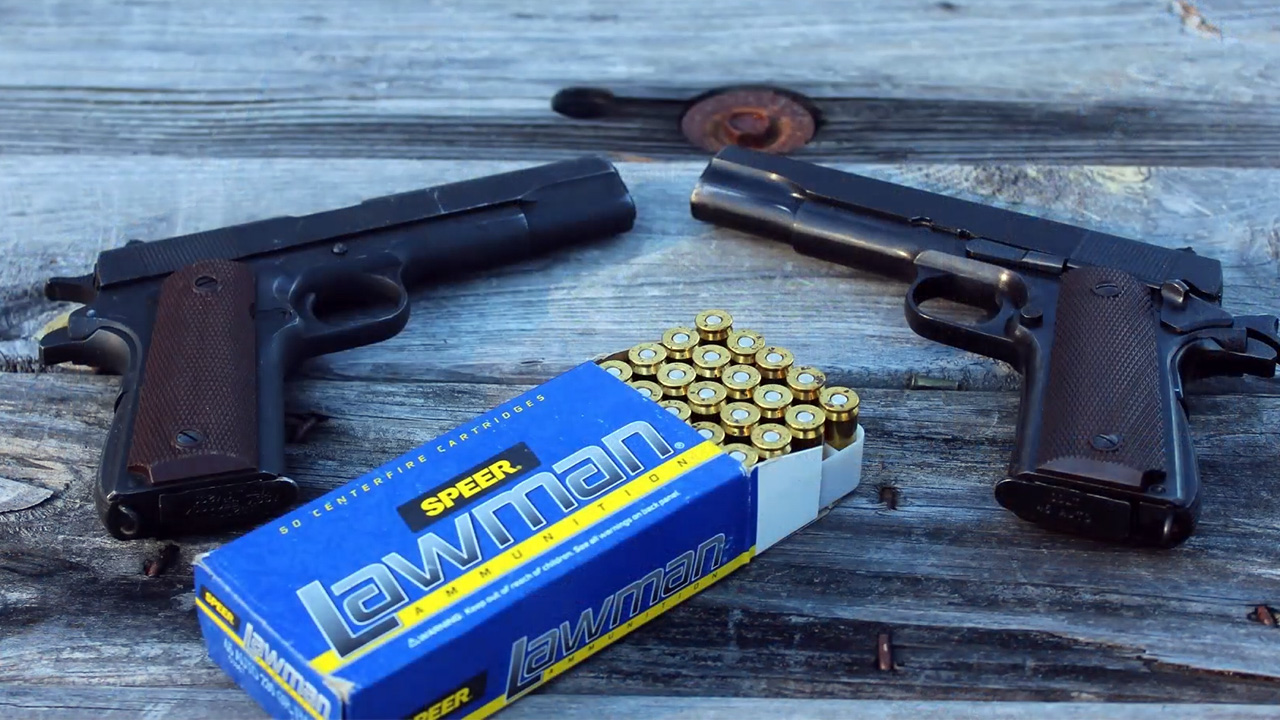
The Norinco 1911A1 used to get dismissed because it was a cheap Chinese 1911. A lot of buyers looked down on it before they ever gave it a fair shake. It did not have the polish, name appeal, or finish of the American pistols people wanted to brag about.
Years later, those rough little 1911s earned more respect than many expected. The forged steel frames and slides made them solid bases for custom work, and plenty of them ran better than the price suggested. The guy who bought one cheap did not get fancy. He got a tough 1911 that became harder to replace.
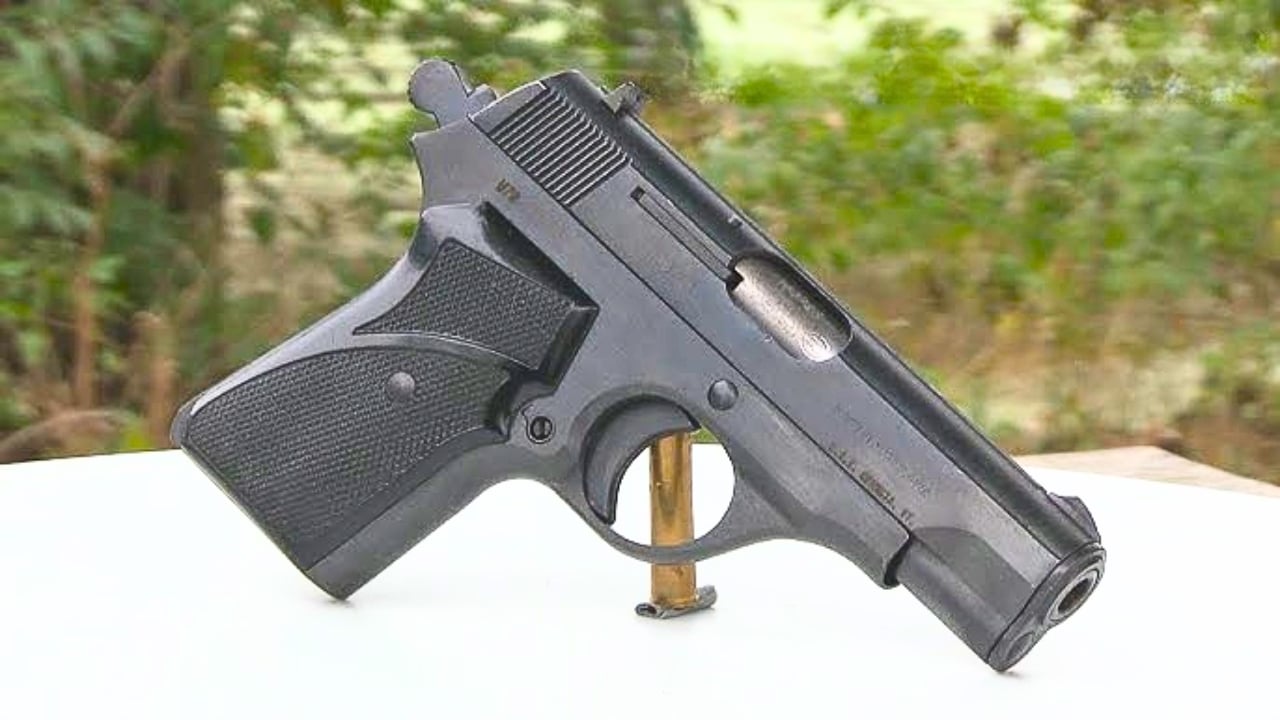
Makarov PM

The Makarov PM was once a cheap surplus pistol that many shooters treated like a Cold War leftover. It was small, simple, and chambered in 9x18mm, which made some buyers shrug and move on to more familiar 9mm handguns.
The cheap buyers who grabbed them look pretty smart now. The Makarov is rugged, simple to maintain, and surprisingly pleasant once you understand what it is. It was never a high-capacity modern carry gun, but it was a dependable little pistol at prices that now feel almost ridiculous. Clean examples do not sit ignored like they used to.
Yugo SKS M59/66

The Yugo SKS M59/66 was once the heavy, oddball SKS with the grenade launcher hardware and bulky feel. It was cheap enough that buyers grabbed them as truck guns, range rifles, or “why not” purchases. Plenty of people laughed because it was not an AK.
That attitude aged badly. SKS prices climbed, and suddenly the people who bought Yugos by the crate looked like prophets. The M59/66 is not light, but it is sturdy, interesting, and tied to a surplus era that is not coming back. Cheap buyers got a real military rifle before everyone decided they wanted one.
CZ 82

The CZ 82 used to be one of the best cheap surplus pistol buys around. It was chambered in 9x18mm, had an oddball look, and came from a part of the handgun world many casual buyers ignored. That kept prices low for a while.
Then shooters actually spent time with them. The fixed barrel, comfortable grip, ambidextrous controls, and good capacity made the CZ 82 feel smarter than its old price tag suggested. It is not a modern micro-compact, but it shoots well and has real service-pistol character. The cheap buyer got more pistol than people realized.
Marlin Model 25
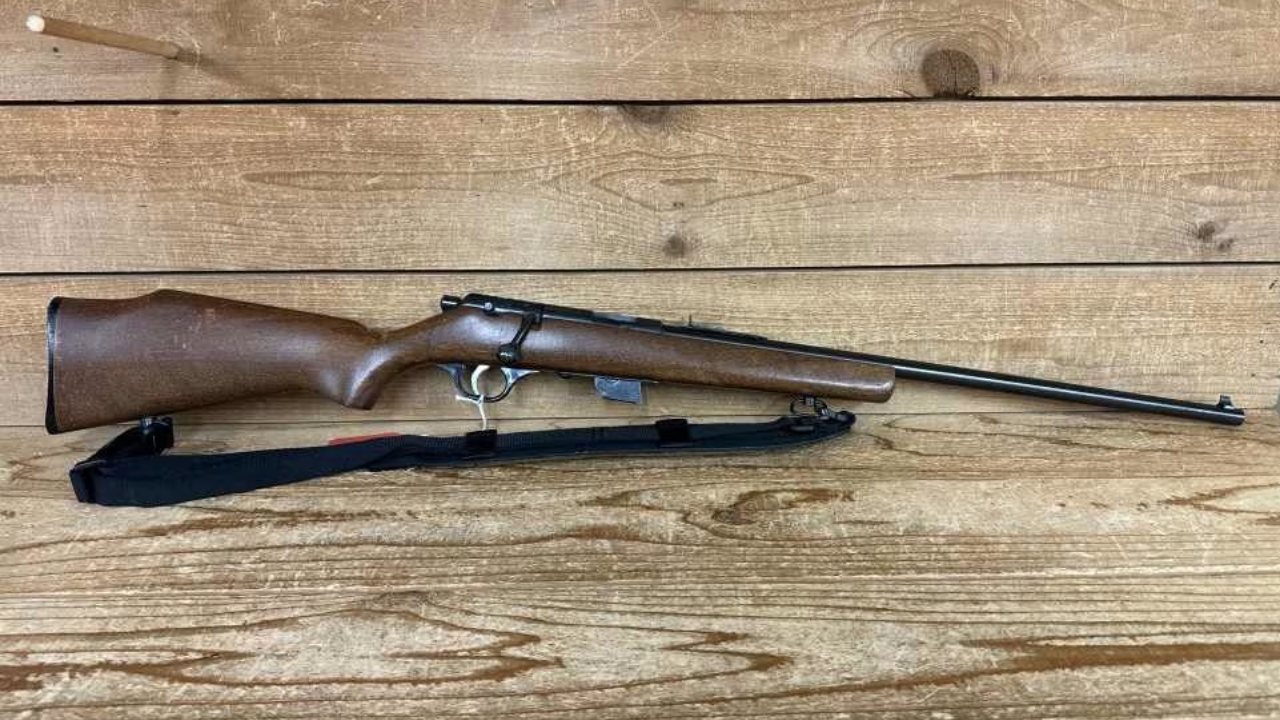
The Marlin Model 25 was never a glamorous rimfire. It was a plain bolt-action .22 that showed up in closets, pawn shops, and youth rifle setups for people who wanted something simple and affordable. It did not have the collector glow of older target rifles.
That is why the buyers who grabbed them cheap look smart now. The Model 25 is accurate enough to keep around, simple enough to teach with, and built with a kind of honest utility that still matters. It may not be rare treasure, but finding clean, affordable old rimfires is not as easy as it used to be.
Ruger P89

The Ruger P89 was the definition of cheap confidence for a lot of buyers. It was big, blocky, and not especially refined, which made gun snobs roll their eyes. Nobody bought one because it was sleek.
But those buyers got a pistol that could take abuse and keep running. The P89 aged into respect because durability never really goes out of style. As older service pistols gained more interest, the ugly Ruger started looking better. It may still be chunky, but the people who paid little for them got a whole lot of handgun.
Stevens Model 311
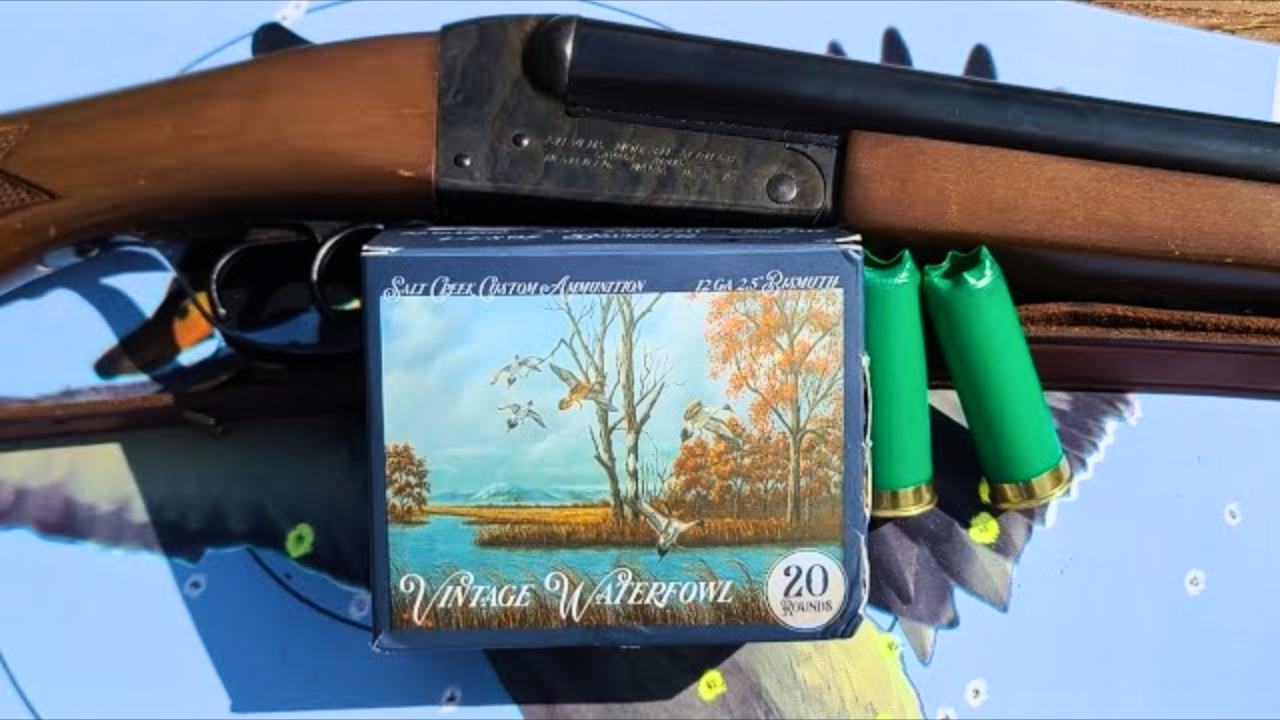
The Stevens 311 was once the affordable side-by-side shotgun people bought because they could not swing something nicer. It was plain, sturdy, and built more for field use than admiration. A lot of shotgun guys treated it as the workingman’s double and left it there.
Now that plain working doubles are not as cheap or common, the 311 looks smarter. It has old-school utility, simple mechanics, and enough charm to make modern budget shotguns feel dull. The cheap buyer did not get engraving or prestige. He got a real double gun that still feels useful.
Ishapore 2A1
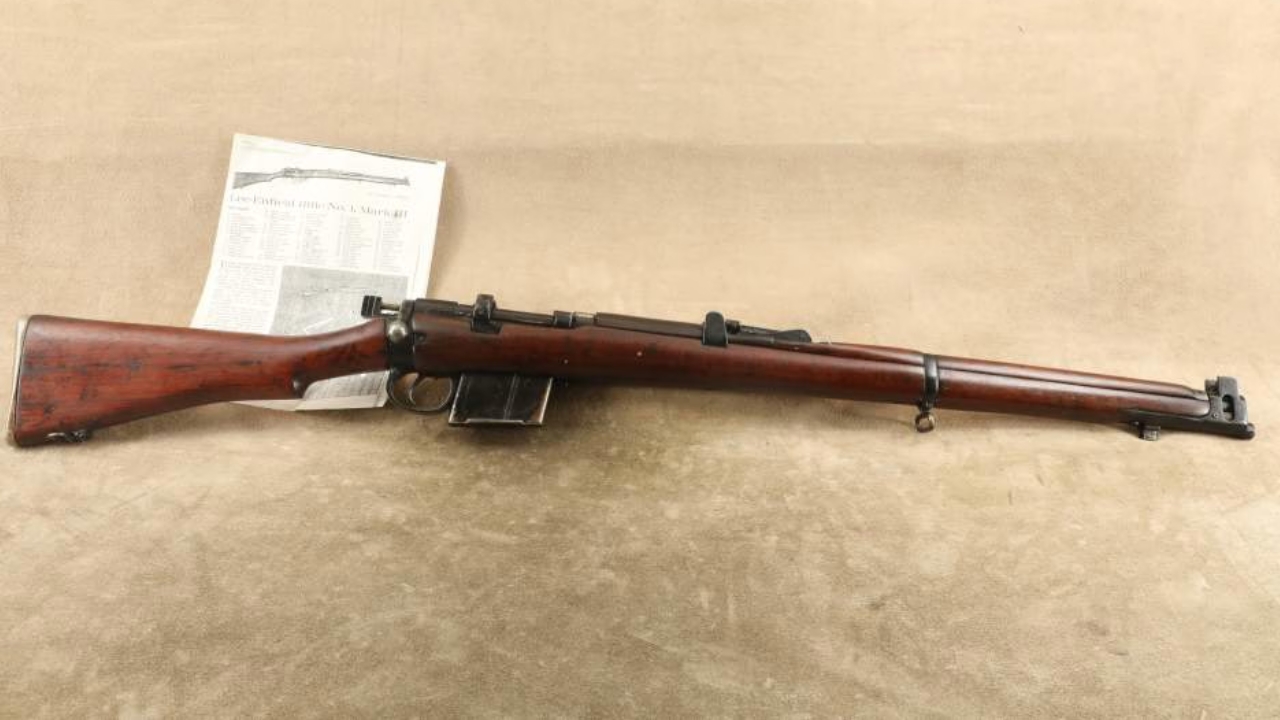
The Ishapore 2A1 was once an inexpensive surplus rifle that confused people who did not know what to make of it. It looked like an Enfield, but it was chambered in 7.62 NATO, and that made some buyers cautious or dismissive.
The people who bought them cheap ended up with something more interesting than they knew. The 2A1 has military history, a smooth Enfield-style action, and a chambering that made it more practical than many older surplus rifles. As surplus dried up, those old bargain buys became much harder to laugh off.
NEF Pardner Pump
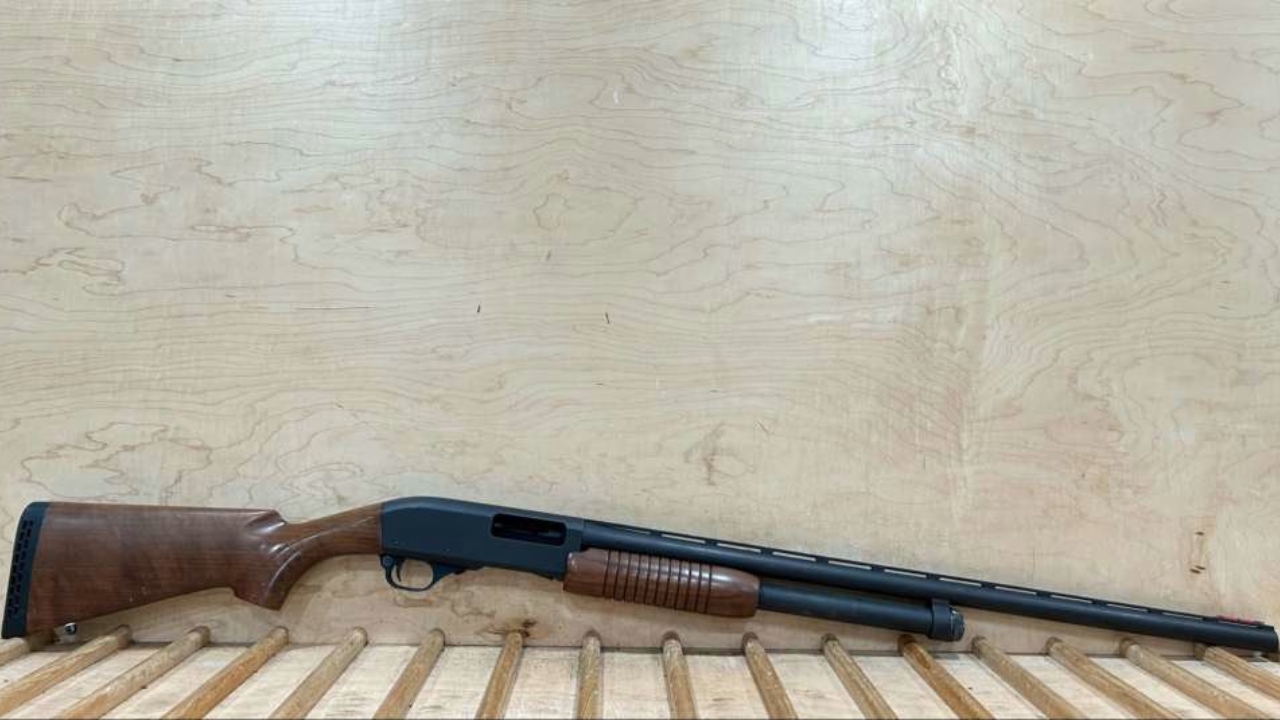
The NEF Pardner Pump was never a fancy shotgun. It was heavy, inexpensive, and clearly aimed at buyers who wanted a working pump without paying more. A lot of people dismissed it as a knockoff-style budget gun.
But some cheap buyers got exactly what they needed: a solid, simple shotgun that could take rough use. It was not elegant, and it was not light, but it usually felt more substantial than the price suggested. Years later, with shotgun prices climbing and cheap guns feeling cheaper, a basic Pardner Pump does not look like such a foolish buy.
Zastava M70 Pistol
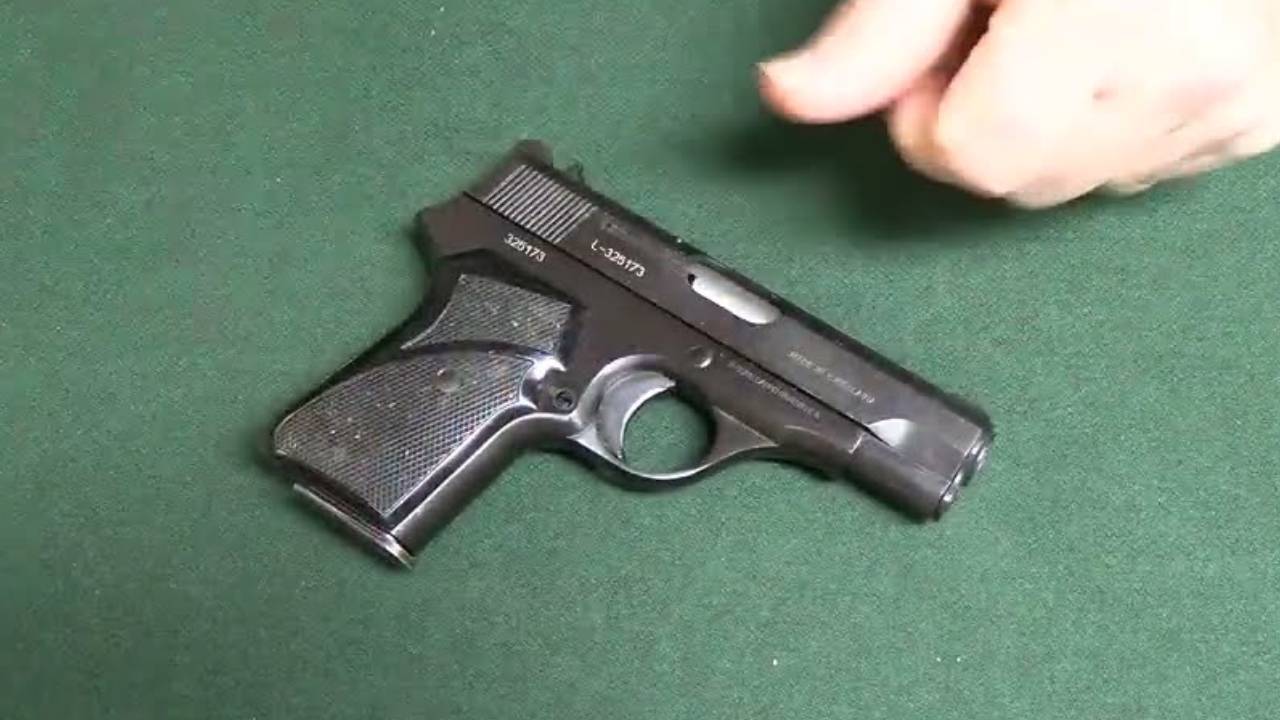
The Zastava M70 pistol was one of those surplus-style handguns buyers picked up because it was inexpensive and different. Chambered in .32 ACP or .380 ACP depending on version, it did not look like a modern defensive pistol and did not pretend to be one.
That is part of why cheap buyers look smart now. These little pistols had old-world metal construction, simple operation, and more charm than their old prices suggested. They were never the best choice for carry, but as range pieces and surplus collectibles, they aged nicely. The buyer who grabbed one cheap got a neat piece of history.
Glenfield Model 60
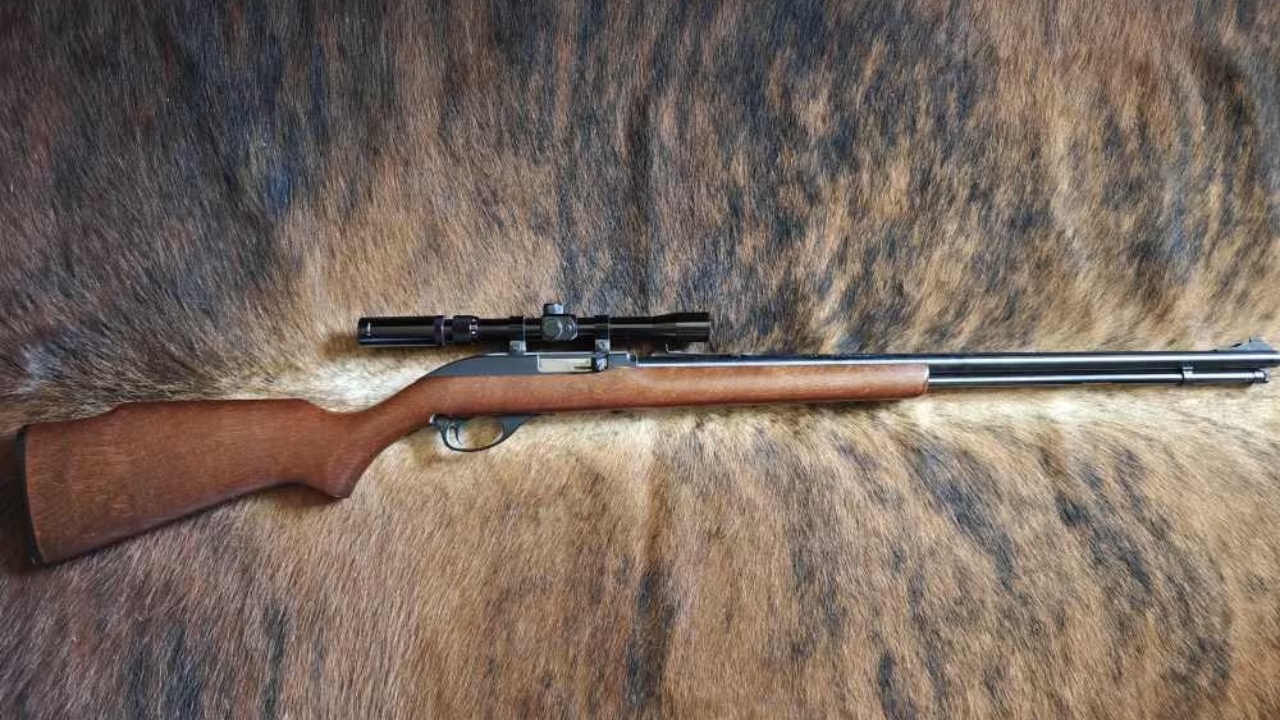
The Glenfield Model 60 was the bargain-store cousin of the Marlin Model 60, and plenty of people treated it that way. It was affordable, common, and often bought by families who just wanted a decent .22 without spending much.
Those families were right. The Glenfield version still gave shooters the same basic tube-fed semi-auto fun, good accuracy, and easy handling that made the Model 60 so popular. Today, clean old rimfires with character keep getting more attention. The cheap buyer did not overthink it. He bought a .22 that worked.
Spanish FR-8
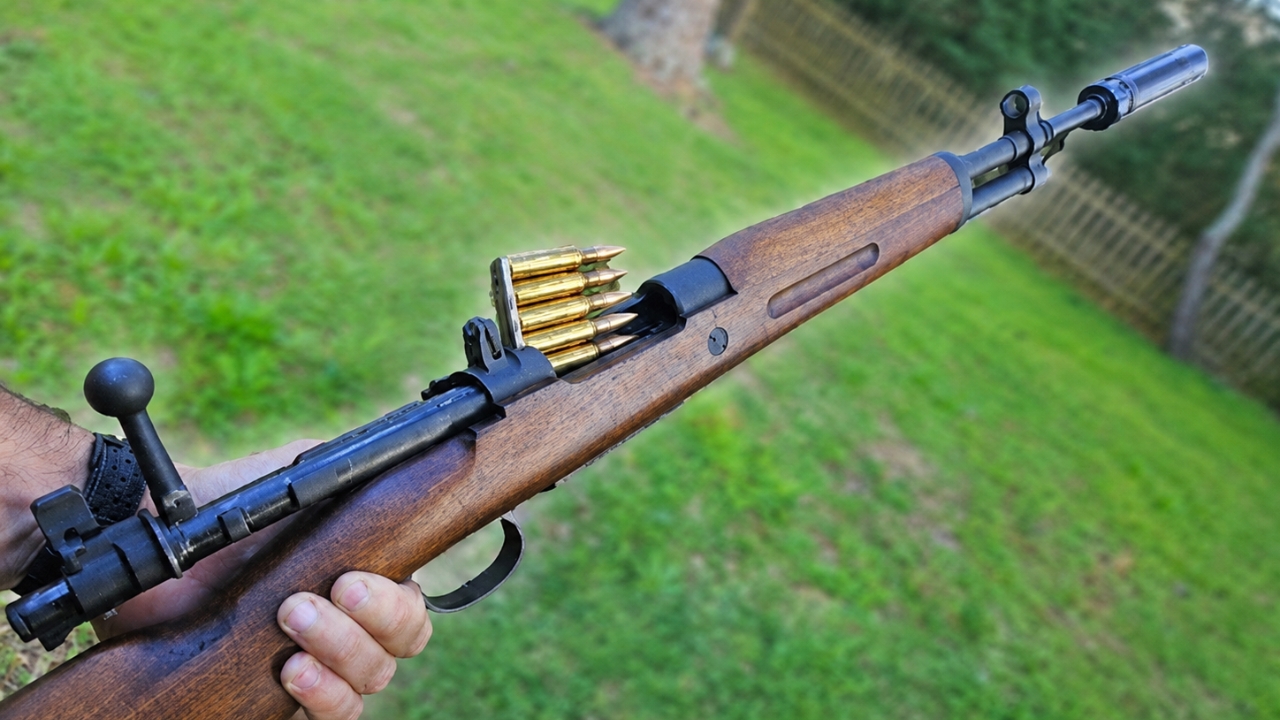
The Spanish FR-8 used to be a strange surplus rifle people could buy without much money. It looked like a short Mauser with military sights, a fake-looking tube under the barrel, and a 7.62 NATO chambering that made it more interesting than pretty.
That weirdness aged into demand. The FR-8 is handy, tough, and full of character. It is not a precision rifle, and it is not soft-shooting, but it has real surplus appeal. Buyers who grabbed them when they were cheap ended up owning a rifle that now stands out in a sea of ordinary bolt guns.
Star Model BM
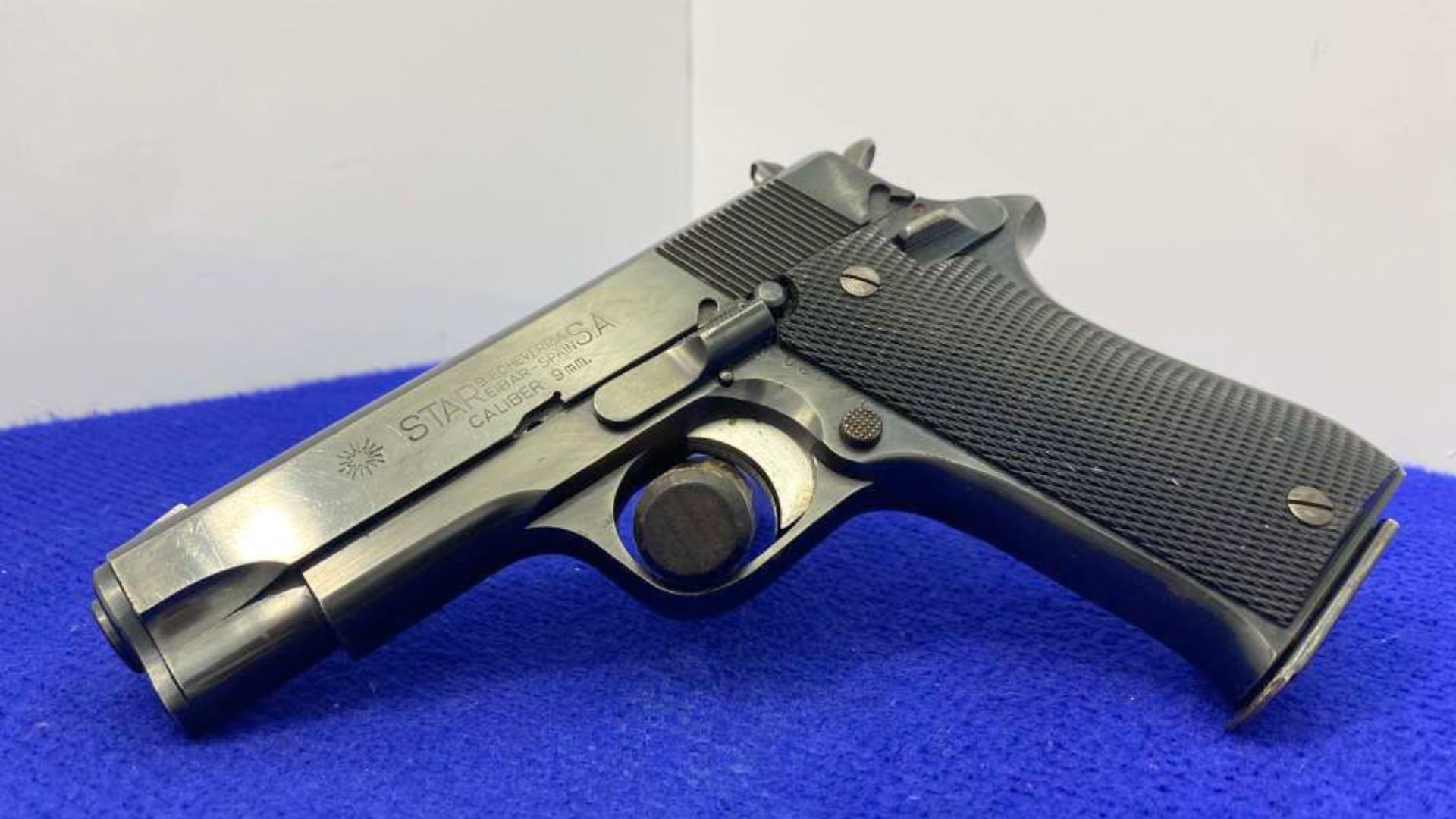
The Star BM was cheap enough for a while that people treated it like a fun surplus impulse buy. A compact steel 9mm with 1911-style controls sounded neat, but many shooters still shrugged because it was not a major-name carry pistol.
That changed once the cheap batches dried up. The BM is not a modern defensive masterpiece, but it is fun, solid, and better made than its old price suggested. The cheap buyer got a range pistol with character. Everyone who waited got to watch the same gun become less cheap and more annoying to find.
H&R Topper

The H&R Topper was one of the plainest shotguns a person could buy. Single shot, break action, affordable, and simple enough for new shooters, farmers, and hunters who just needed something that worked. It was easy to dismiss because there was almost nothing fancy about it.
Years later, that simplicity looks smart. A basic single-shot shotgun is safe, useful, and hard to replace at the old prices. It teaches good habits, works for small game, and does not need much care. Cheap buyers were not being foolish. They were buying honest utility before honest utility got expensive.
Savage 340

The Savage 340 was never the rifle people bragged about. It was a plain bolt gun, often chambered in practical rounds like .30-30, with a detachable magazine and a very workmanlike feel. It looked cheap because it was built to be affordable.
But a lot of them simply worked. They carried well enough, shot well enough, and put meat in freezers without any drama. Today, odd old utility rifles have more charm than they used to. The buyer who grabbed a 340 for little money ended up with something more interesting than another anonymous modern budget rifle.
Like The Avid Outdoorsman’s content? Subscribe to our newsletter so you never miss an article.
Here’s more from us: