Photo credit: gailhampshire, CC BY 2.0/Wiki Commons
A lot of people still picture dangerous or troublesome wildlife as something you deal with far from everyday life. Deep woods. Swamps. Ranch country. Desert edges. Places where you already expect to pay attention. The problem is that more animals are showing up much closer to homes than people like to admit, and they are doing it in ways that feel ordinary enough for homeowners to brush them off until the pattern gets harder to ignore.
That is what makes these animals so easy to underestimate. They do not always arrive with some dramatic moment. They start with a camera hit at night, a pet acting strange by the fence, a little movement near a pond, or a noise in the trash that gets laughed off as no big deal. Then a few weeks later the same animal, or the same kind of animal, is clearly using the area like it belongs there. That is when people realize the problem was never that the wildlife was rare. It was that the wildlife was closer, bolder, and easier to ignore than expected.
Coyotes
Coyotes may be the biggest example of an animal people still underestimate around homes. A lot of homeowners treat them like they are only passing through or assume they will stay out on the edges where they belong. In reality, coyotes have become extremely good at using neighborhoods, greenbelts, drainage corridors, and back fences without making a big show of it. They do not need wilderness. They need cover, food, and predictable routines, and a lot of residential areas give them all three.
What makes coyotes especially easy to underestimate is how calm they can look. They are not always acting wild-eyed or aggressive. Sometimes they trot across a yard like they have been there before. Sometimes they circle at the edge of a fence line, watch pets, or move through at the same hour every night until the whole thing starts feeling routine. That calm behavior tricks people into thinking the animal is harmless or just passing by, when really it may already have the neighborhood figured out better than the people living there.
Copperheads and other venomous snakes
Venomous snakes are another problem people underestimate because they expect danger to announce itself. It usually does not. A copperhead does not need to slither across the middle of the patio to be a serious issue. It can stay under a wood pile, inside a rock border, along a mulch bed, near the AC unit, or under the edge of a porch and still be close enough to create a bad surprise. That is why so many snake encounters happen in places people feel safest.
The problem is not only that snakes show up. It is that they blend in around homes far better than most people realize. A homeowner may think the real snake risk lives out by the tree line or down at the creek, while the actual danger is sitting beside the flower bed or under the stacked pots behind the garage. People underestimate these snakes because the setting feels too familiar to deserve caution, and that false sense of comfort is usually what gets them caught off guard.
Feral hogs
A lot of people still think of feral hogs as somebody else’s problem. Ranch problem. Farm problem. Deep-country problem. Then they start showing up along creek lines behind neighborhoods, tearing up edge ground, rooting through soft yards, or crossing roads close enough to subdivisions that it becomes impossible to pretend they are some distant issue. That is where underestimating hogs becomes expensive and sometimes dangerous.
What people miss about hogs is how quickly they turn a little sign into a much bigger problem. One rooted patch becomes several. One sighting turns into repeated damage. A brushy drainage behind homes becomes a travel route. And because hogs are strong, unpredictable, and very comfortable using low-light hours, people often do not realize how much activity is there until the damage is already obvious. By then, the hogs are not wandering through. They are working the area like they know it.
Raccoons
Raccoons get underestimated because they are familiar. They are common enough that people stop taking them seriously and start treating them like clever little neighborhood pests that mostly cause harmless trouble. That is a mistake. A raccoon that gets comfortable around homes can be destructive, aggressive when cornered, and a real problem around pet food, attics, sheds, crawl spaces, and trash areas. They are not the kind of animal that should get treated like a joke once they start showing up regularly.
What makes raccoons tricky is that they thrive in exactly the kind of places people stop watching closely. Roof edges, crawl spaces, trash cans, feeder areas, garage corners, and pet bowls all become invitations if the setup stays easy enough. Because they look familiar and almost ordinary, homeowners often tolerate them far longer than they should. The trouble is that raccoons tend to get bolder once they learn a property is useful, and by that point they can be much harder to run off than people expected.
Alligators
Alligators are one of the clearest examples of an animal people underestimate because the water around them feels too ordinary. A retention pond in a subdivision, a canal behind homes, a golf course pond, or a drainage area by a walking path does not look like the kind of place people mentally file under serious wildlife danger. But in the right regions, those are exactly the spots where gators keep turning up.
That is why gators make people so uneasy once they are spotted close to home. The danger is not only the animal. It is the setting. People walk dogs there. Kids play near the banks. Homeowners fish or sit near the edge without thinking twice because the water looks managed and familiar. A gator does not care about any of that. If the water holds food and gives it enough space to use the shoreline, it can settle right into a place people had stopped treating with caution a long time ago.
Bobcats
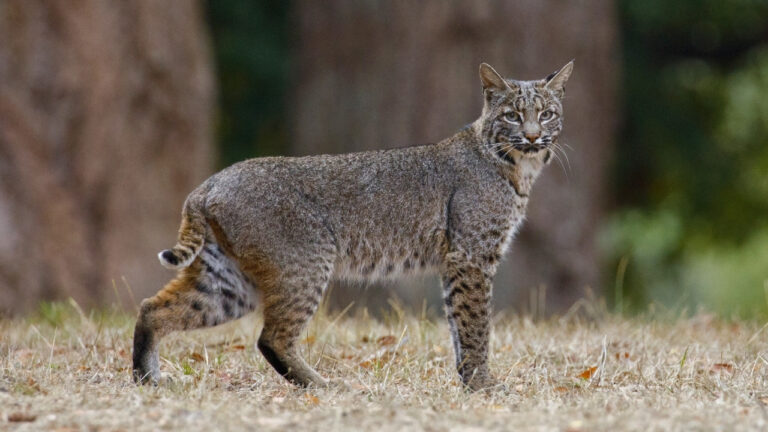
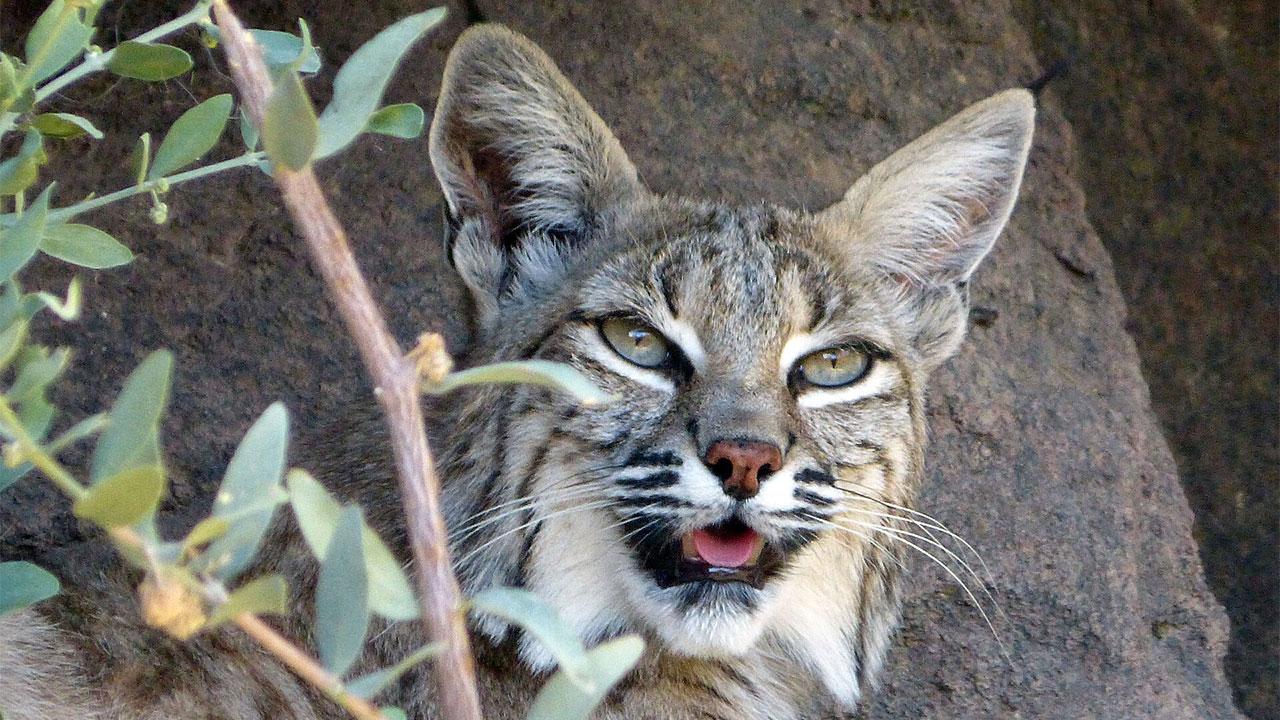
Bobcats are one of the most underestimated predators around homes because they are quieter and less obvious than people expect. Most homeowners are not watching for them. They are watching for coyotes or maybe a larger predator. Bobcats slip through brush lines, greenbelts, wooded lots, and neighborhood edges without attracting nearly as much attention, which is exactly why they get overlooked.
That low profile makes them easy to dismiss even when they are nearby. A quick glimpse gets written off as a big house cat. A pet acting strange near the fence gets blamed on nothing. A trail camera catch gets treated like a cool one-time moment instead of a sign that the animal is comfortable enough to use the area. Bobcats may not cause the same level of public alarm as some bigger predators, but they are still one of those animals that can be much closer to homes than people realize, especially where cover and prey stay consistent.
Black bears
In places where black bears overlap with neighborhoods, people often underestimate them right up until the moment the behavior gets too bold to ignore. At first it is a trash can hit, a feeder torn up, or a camera clip that feels more interesting than threatening. But once a bear starts learning that homes come with easy calories, the whole situation changes. A bear that sees residential property as a regular food stop is a very different problem than a bear that wandered through once.
What makes bears so easy to underestimate early on is that they often arrive quietly. They show up at night, leave some sign, and disappear again. That gives homeowners room to minimize what happened. But bears do not need many successes to decide a place is worth checking again. Once that pattern starts, people can find themselves dealing with an animal that is no longer acting cautious around homes, and that is where the issue becomes much more serious than the original sighting suggested.
The real problem is how normal it starts to feel
That is the thread running through all of this. The animals that homeowners keep underestimating are usually the ones that start out feeling manageable, familiar, or too close to everyday life to seem like true danger. A coyote on the camera. A snake in the mulch. A raccoon in the trash. A gator in the pond. A hog at the edge of the property. Each one feels like a small event until it happens again, and then again, and finally often enough that the animal is no longer just visiting.
That is when the truth becomes hard to avoid. These animals are not only showing up around homes. They are learning how to use them. And the people who get caught off guard are usually the ones who kept treating the early signs like background noise instead of a warning that the property, the neighborhood, or the daily routine had already become a lot more attractive to wildlife than they wanted to believe.
Like The Avid Outdoorsman’s content? Be sure to follow us.
Here’s more from us: