Photo credit: Tactical Considerations/YouTube
Before you drop money on another handgun, stop and think about what you actually need. It’s easy to get pulled in by marketing, new models, or “must-have” features, but not every pistol earns its spot in your safe. Some are overpriced for what they deliver, others are finicky in real-world conditions, and a few are just plain disappointing. This list isn’t about hype—it’s about honesty. These are the pistols you’ll want to handle, test, and think twice about before buying. If you’ve ever regretted a purchase halfway through the first box of ammo, this list might save you from doing it again.
Springfield XD-M Elite

The XD-M Elite looks solid on paper—great capacity, polished ergonomics, and Springfield’s branding. But once you start shooting, you’ll notice it feels bulky for its class, and the trigger reset isn’t as crisp as competitors like Glock or SIG. The slide profile makes concealment tougher than it should be, and parts availability isn’t great if something breaks.
It’s accurate, sure, but it lacks that “confidence factor” many shooters expect from a defensive sidearm. It’s more gun than you need for most uses and less comfortable to carry than others in its price range. It’s one of those pistols that looks impressive in the case but doesn’t always hold up when you live with it.
Smith & Wesson M&P 10mm
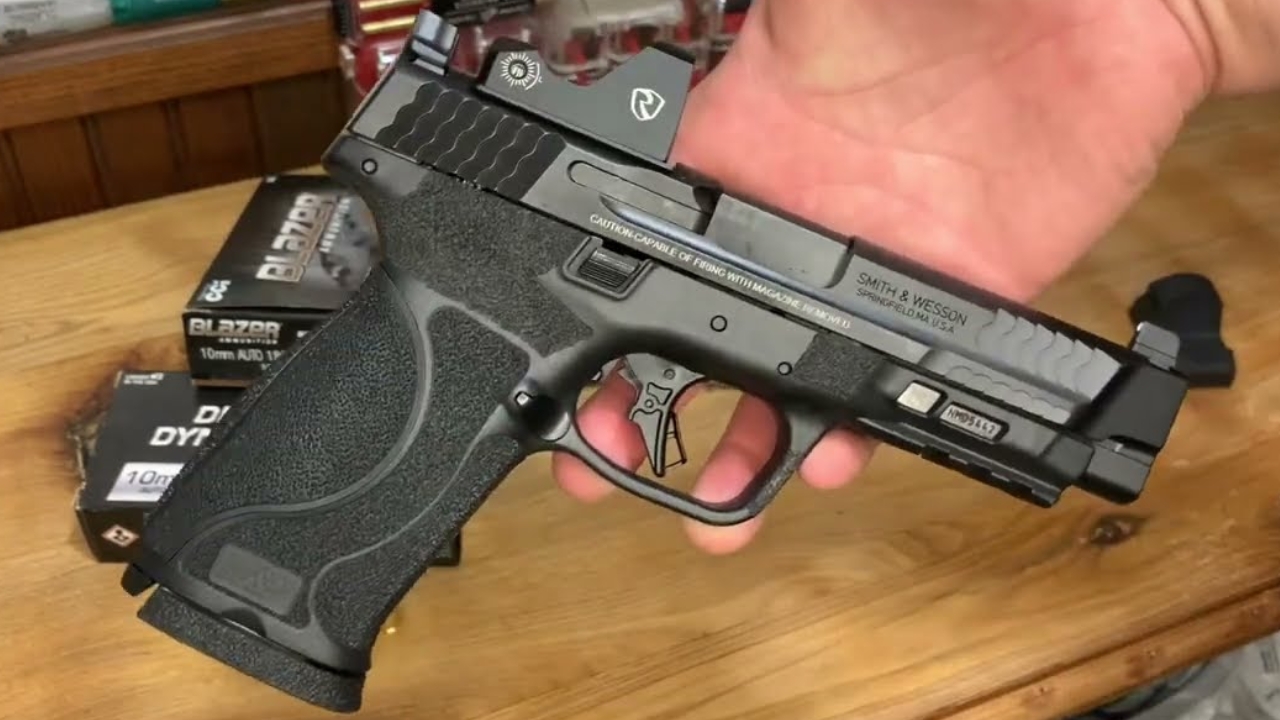
The M&P 10mm promised to be the perfect blend of power and reliability, but it hasn’t fully delivered. The recoil impulse feels sharper than it should for the platform, and the feeding issues reported with certain loads make it a finicky carry choice. The grip angle is solid, but the trigger feels inconsistent across models.
Many shooters find it tough to control for fast follow-up shots, which defeats the purpose of a defensive 10mm. It’s a well-made pistol, but it’s not quite refined enough to justify its cost or reputation. If you’re set on a 10mm, there are smoother options that don’t demand as much effort to master.
Glock 42

Glock’s smallest .380 was meant to be an easy carry gun, but its underwhelming ballistics and occasional feed issues with hollow points make it hard to trust for serious use. The tiny frame also makes it snappy, which surprises new shooters expecting a mild recoil experience.
While reliable with ball ammo, it struggles with defensive loads that lighter guns should handle. For pocket carry, there are .380s that perform better and cost less. It’s not a bad pistol—it’s just an underachiever compared to Glock’s usual standard. You’ll likely shoot it once, then leave it in the safe.
Kimber Micro 9
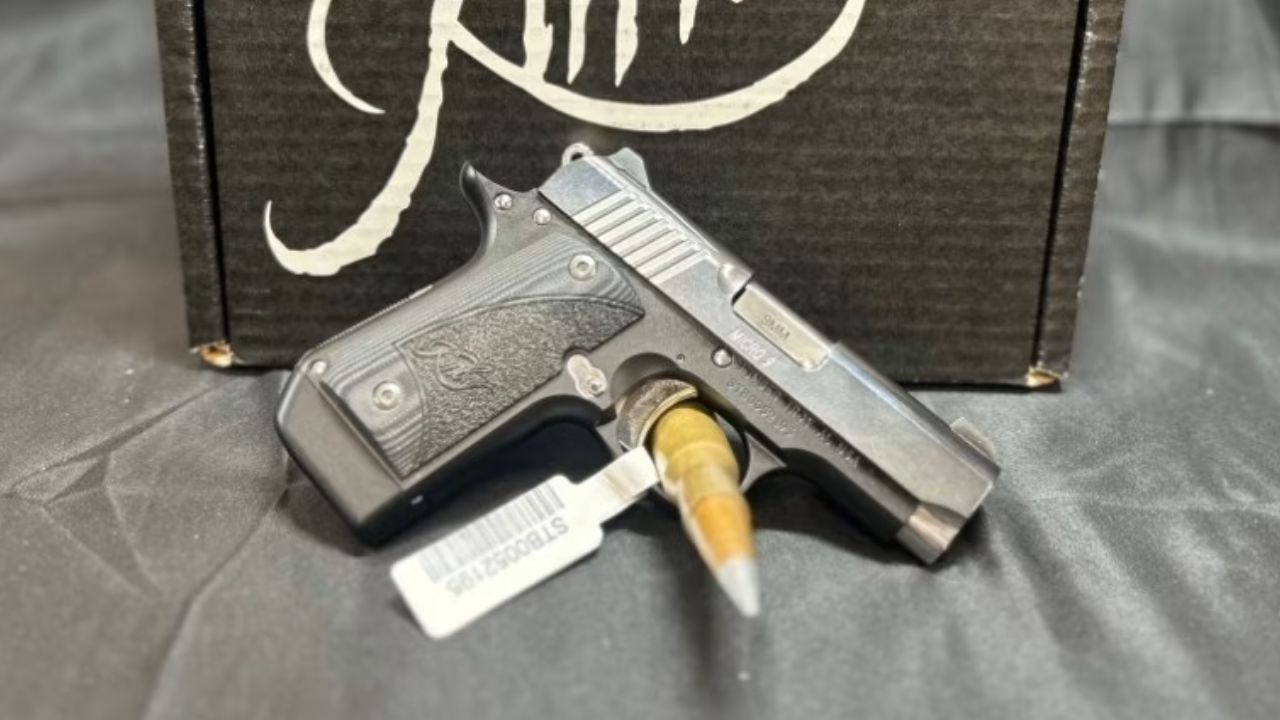
Kimber’s Micro 9 is one of those guns that catches your eye right away—clean lines, metal frame, and that classic 1911-style feel. But once you start shooting, reliability can go out the window. The small size amplifies recoil, and the tight tolerances that make Kimbers pretty also make them picky about ammo.
The trigger is crisp, but malfunctions are too common for something marketed as a defensive carry piece. It’s a fine-looking pistol, but looks don’t matter much if it stutters under pressure. If you’re after a micro 9mm, there are smoother-running choices that cost less and run longer.
SIG Sauer P365XL Spectre Comp

The P365XL Spectre Comp is flashy, accurate, and shoots flat—but it’s also pushing the limits of what a carry pistol needs to be. The integrated compensator adds muzzle flash and noise without a huge gain in control, and it complicates cleaning. It’s more of a range conversation piece than a practical daily carry.
It’s a great shooter, but the extra cost doesn’t translate to better reliability or function. If you like the P365 line, the standard XL model gives you everything you need without the showmanship. The Spectre Comp looks and feels premium but borders on unnecessary.
Walther CCP M2
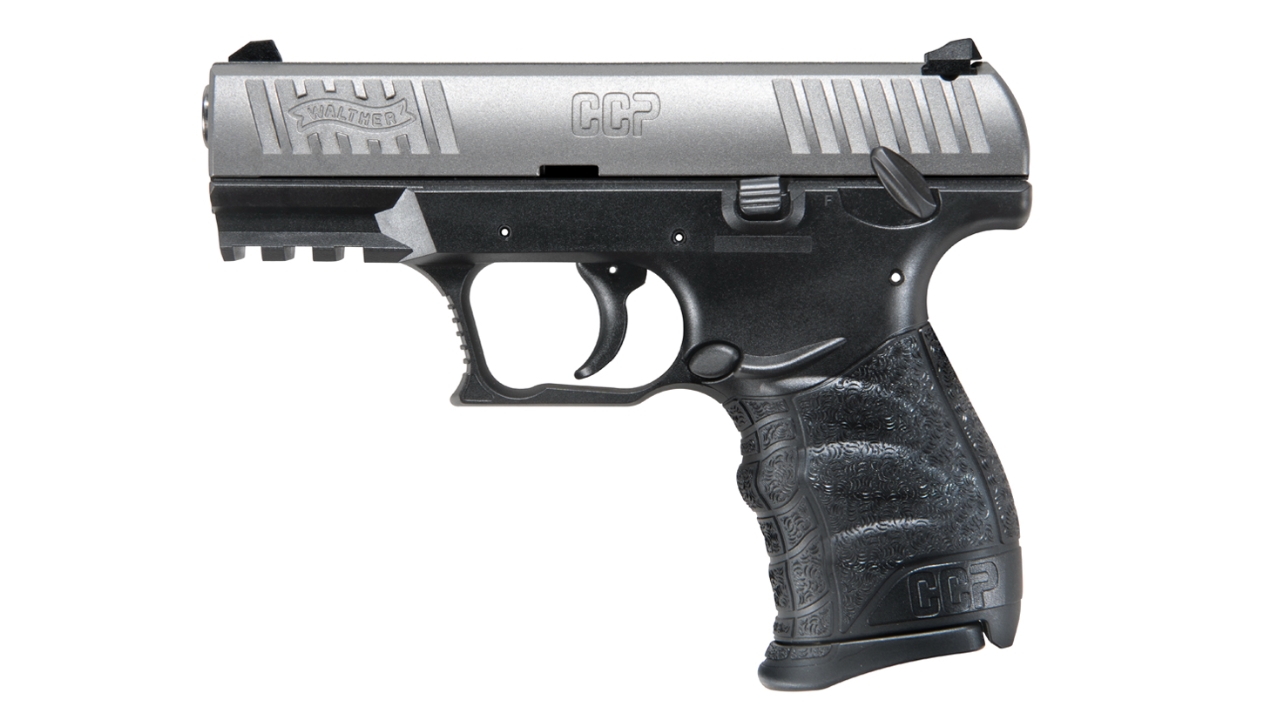
Walther makes great handguns, but the CCP M2 is a weak spot. It uses a gas-delayed blowback system that makes disassembly a headache and causes inconsistent cycling when dirty. It’s meant to reduce recoil, but in practice, it just adds complexity without much reward.
The grip and trigger are nice, but that can’t save it from reliability issues under real-world use. Many shooters report stovepipes and sluggish returns after extended shooting sessions. It’s comfortable to hold, but comfort means little if the gun chokes when you need it most.
Taurus G3C

The Taurus G3C has improved the brand’s image in the budget market, but it’s still not a gun you’ll want to depend on without hesitation. It’s affordable, accurate enough for casual shooting, but the trigger feels mushy, and long-term durability remains questionable.
For the money, it’s decent, but “decent” isn’t good enough for defensive carry. Some examples run fine, others don’t. The inconsistency across production runs makes it a gamble. It’s the kind of pistol you can enjoy for fun, but maybe not one you’d bet your life on.
Beretta APX
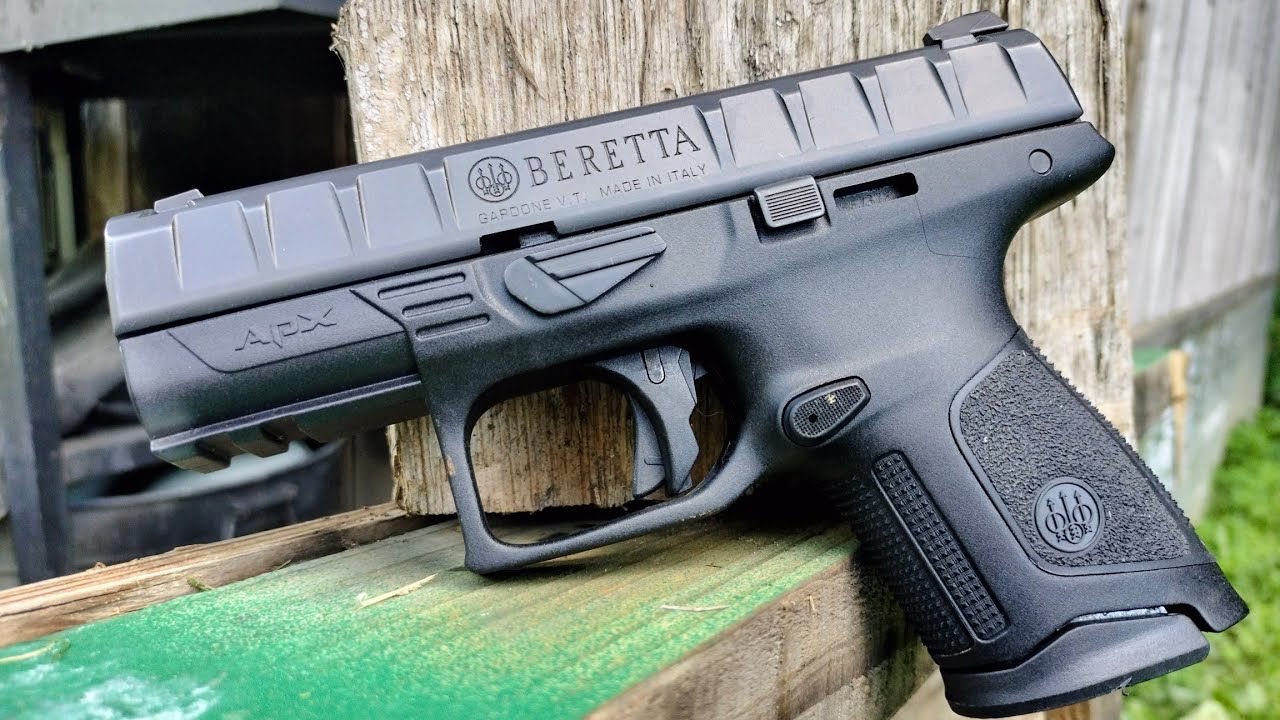
The APX had potential—Beretta’s first real modern striker-fired pistol—but it landed flat with shooters. The slide serrations look great but make holster fit tricky, and the trigger has a spongy feel that never really settled in. Accuracy is fine, but the gun feels top-heavy and awkward under recoil.
For a company with Beretta’s reputation, this one feels like a miss. It’s reliable but uninspiring, and that’s a tough sell in a crowded field. If you’re after a polymer 9mm, there are smoother, more ergonomic options that do everything the APX tries to.
Ruger American Pistol

Ruger’s American Pistol was meant to compete with Glock and SIG, but it ended up too bulky and uninspired to make a dent. The grip feels blocky, the trigger lacks refinement, and the ergonomics never quite click for most shooters.
Reliability is fine, but that’s about where the praise ends. It’s heavy for what it offers and lacks the modularity or accessory support of its competition. Ruger makes some excellent firearms—but this one feels like a half-step in a race they didn’t need to run.
HK VP70Z

The VP70Z has historical significance as one of the first polymer pistols, but in terms of shootability, it’s miserable. The trigger pull feels endless, and accuracy suffers as a result. It’s heavy, clunky, and uncomfortable—everything HK later improved in their modern pistols.
Collectors might find it interesting, but shooters won’t. It’s a good reminder that being first doesn’t mean being best. The VP70Z represents a starting point in pistol evolution, not a destination you’d want to return to.
SIG Sauer Mosquito

The SIG Mosquito promised a quality rimfire pistol for training, but the execution missed badly. It’s ammo-sensitive to the point of frustration, often failing to cycle standard .22 LR loads. Only high-velocity ammo keeps it running, and even then, reliability is shaky.
The heavy trigger and inconsistent accuracy make it hard to recommend. It looks like a miniature SIG, but that’s where the resemblance ends. If you want a dependable rimfire trainer, the Mosquito is one to skip—it’ll teach you more about clearing malfunctions than improving your aim.
Remington RP9

The RP9 was Remington’s attempt to join the striker-fired race, and it fell short. The grip design feels awkward, the trigger is spongy, and the gun’s overall balance is off. Feeding issues were common in early production, and aftermarket support never really materialized.
It’s not a total disaster—it shoots fine when it runs—but it’s uninspired and dated compared to what’s available now. Remington’s rifle heritage didn’t translate to handguns here, and the RP9 serves as a reminder that not every company can master the polymer pistol game.
CZ P-07

The CZ P-07 has a solid following, but it’s not as flawless as fans make it sound. The trigger pull is long in double-action mode, the decocker setup feels clumsy, and the grip angle isn’t for everyone. It’s reliable, sure, but the ergonomics take getting used to.
It’s a pistol that shoots well once you adapt, but it doesn’t feel natural in hand right away. There’s nothing inherently wrong with it—but when you’re spending your money, “you’ll get used to it” isn’t what you want to hear. Handle one before you commit.
Colt Double Eagle

Colt tried to evolve the 1911 with the Double Eagle, but the experiment didn’t pan out. The double-action design made it bulky, awkward, and unnecessarily complicated. The trigger was heavy, and the grip felt off compared to the legendary pistol it was meant to modernize.
Collectors might appreciate the novelty, but shooters won’t. It’s a reminder that tinkering with proven designs doesn’t always lead to improvement. The Double Eagle looked modern but felt like it betrayed what made the 1911 timeless in the first place.
Remington R51

The R51 re-release was meant to bring back a classic design with modern flair, but it became one of the most notorious flops in handgun history. The first production run was riddled with malfunctions—failures to feed, eject, and even out-of-battery firing incidents.
Remington recalled it and promised fixes, but the damage was already done. The R51 looked sharp and felt great in hand, yet its unreliability made it unusable as a defensive pistol. It’s a cautionary tale: even with a strong name and good intentions, execution is everything.
Like The Avid Outdoorsman’s content? Be sure to follow us.
Here’s more from us:
The worst deer rifles money can buy
Sidearms That Belong in the Safe — Not Your Belt
*This article was developed with AI-powered tools and has been carefully reviewed by our editors.