Photo credit: TheAvidOutdoorsman
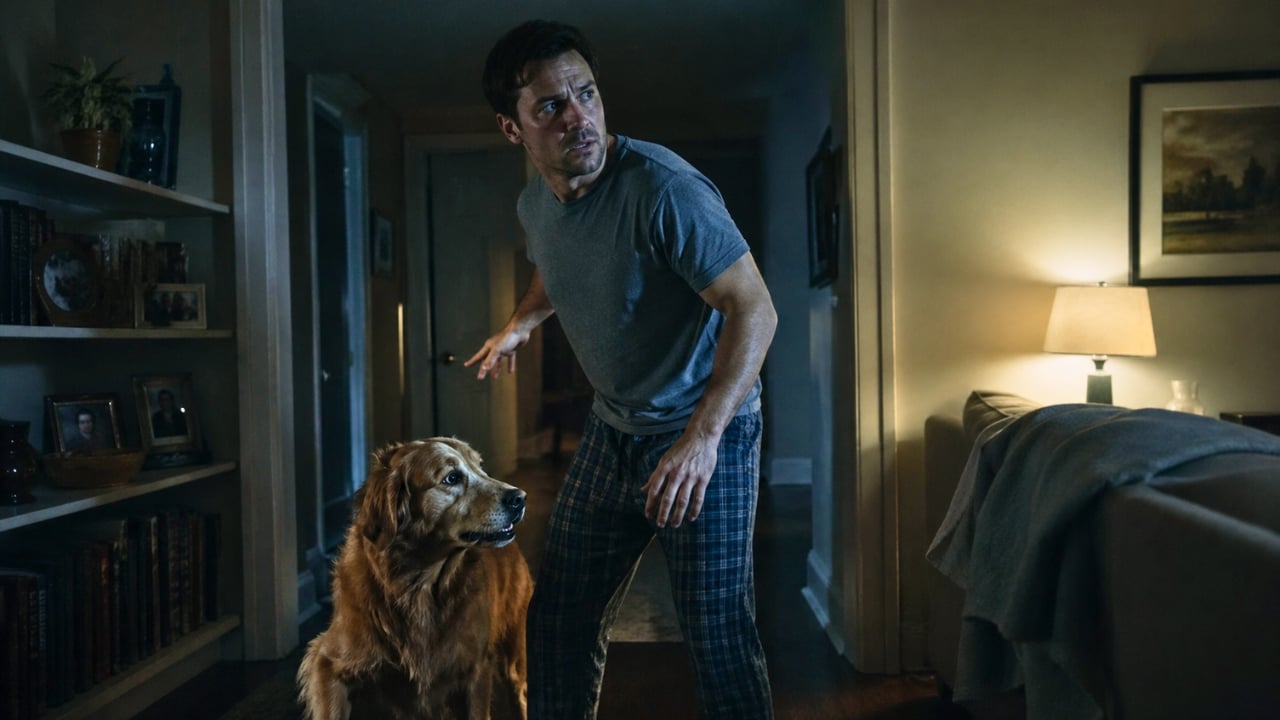
It can get unsettling fast. One day your dog moves through the house like normal, and the next it keeps stopping at the same doorway, staring into the same corner, avoiding one hallway, or acting weird about a room it never cared about before. A lot of people jump straight to the creepiest explanation because the behavior feels so specific. Most of the time, though, the reason is a lot more practical than that. Dogs notice changes in sound, smell, movement, and routine much earlier than people do, and when one area of the house suddenly starts feeling off to them, there is usually something real behind it.
The hard part is that the trigger may not be obvious to you. Your dog is not judging the room the way you do. It is not thinking about whether the room looks fine or whether nothing seems out of place. It is reacting to information that matters in a dog’s world. A faint sound in the wall, a new smell under the floor, shifting air from a vent, an outside animal near one side of the house, or even tension tied to one routine can all make one spot feel wrong to a dog long before you pick up on anything yourself.
Your dog may be hearing something you cannot hear
This is one of the most common explanations, and it makes a strange reaction seem a lot less strange. Dogs hear things people miss all the time. That includes scratching in walls, movement in the attic, faint buzzing from electrical issues, air pressure changes through vents, appliances kicking on, or even outside sounds that seem tied to one part of the house. If your dog keeps acting weird around a certain wall, doorway, or corner, it may be reacting to a sound that simply is not registering for you.
That is why the behavior can look so intense and specific. To you, the room seems quiet. To your dog, something keeps happening there. Once a dog notices that pattern, it may keep checking the same area even when the sound stops. It is waiting for it to happen again or trying to make sense of where it is coming from. That can turn one ordinary section of the house into a place the dog suddenly treats with real caution.
Smell can change a room before you notice anything
Dogs also live through their noses in a way people really underestimate. If one part of the house suddenly starts feeling wrong, smell is a very strong possibility. A leak behind a wall, mildew under flooring, a pest problem, a new chemical cleaner, a heating or cooling change, or even a change in a person’s scent tied to one room can make a dog pay much closer attention to that space. You may walk through and notice nothing unusual. Your dog may think the whole area suddenly smells different.
This is especially likely if the dog keeps sniffing low to the ground, focusing on vents, or returning to the same exact spot. Dogs usually do not get that specific without a reason. They may not understand what changed, but they know something did. If the room feels wrong to them, it is often because the scent picture no longer matches what they expect from that part of the house.
Something about the room may have become stressful
Not every problem is physical. Sometimes the room feels wrong because the dog has started associating it with stress. Maybe a loud appliance scared it. Maybe a visitor cornered it there. Maybe thunderstorms sound louder from that end of the house. Maybe you gave medicine there, clipped nails there, or handled the dog during a tense moment in that space. Dogs build associations quickly, especially if something startled them when they were already on edge.
That is why one room can suddenly become a place the dog approaches differently. It is not necessarily reacting to what is happening there now. It may be reacting to what happened there recently and deciding the area no longer feels neutral. In that case, the house has not become mysterious. The dog has simply linked one location with discomfort and started treating it accordingly.
Outside activity may be affecting one inside spot
Sometimes the issue is not the room at all. It is what is happening just beyond it. If one part of the house faces the street, backs up to a yard, or sits closest to a side fence, your dog may be picking up on outside movement tied to that location. A neighbor’s new dog, a stray cat, raccoons, delivery traffic, construction, or wildlife outside one wall can make that indoor area feel more active than the rest of the house.
This often explains why dogs act weird near one window, one back door, or one hallway more than anywhere else. They are not focused on the room because the room is wrong. They are focused on it because it is the best place to monitor what now feels different outside. From your point of view, the dog has suddenly become strange about a part of the house. From the dog’s point of view, that part of the house has become the place where the outside world started changing.
Your dog may be picking up on your behavior there
Dogs notice people more than people notice themselves. If you move differently in one room, tense up in one area, avoid one space, or keep checking something there, your dog may start doing the same. This can happen without you realizing you are sending a signal. Maybe you have been worried about a stain, checking a sound, dealing with work stress in a home office, or feeling tense near one door at night. A dog does not need to know the reason. It only needs to notice that your behavior changes there.
That can make the dog start treating the room like a place that deserves extra attention. In a lot of homes, dogs become sensitive to whatever their people are sensitive to. If your energy around one part of the house changed first, the dog may simply be mirroring that shift more obviously than you expected.
Pain or aging can change how a dog reacts to certain spaces
Sometimes the issue is not that the room feels wrong. It is that moving through the room feels wrong. Older dogs or dogs with pain can suddenly act strange about stairs, slick flooring, narrow doorways, darker rooms, or any space where balance feels harder than it used to. The behavior may look spooky or overly cautious, but the real problem may be physical confidence.
A dog with sore joints, weaker vision, or growing uncertainty can become oddly hesitant about one part of the house because that part challenges it more than others. Maybe the floor is too slippery there. Maybe the lighting is worse there at night. Maybe turning the corner near that room has become awkward. The house has not changed much. The dog has. And that can make one familiar area suddenly feel like a problem spot.
When the behavior deserves a closer look
A little staring or hesitating once is not always a big deal. Dogs do weird things sometimes. But if your dog keeps returning to the same room, refusing the same area, staring hard into the same corner, or acting tense in the same place day after day, it is worth paying attention. The more specific and repeated the behavior is, the less likely it is to be random.
That does not mean you need to panic or assume something dramatic is going on. It means your dog is probably reacting to something real, even if the explanation turns out to be simple. A sound, a smell, a stress association, outside activity, or a physical issue can all make one part of the house feel wrong to a dog. The behavior is useful because it tells you where to start looking.
What your dog is really saying
When your dog suddenly starts acting like one part of the house feels wrong, it is usually saying something changed here before you noticed it. That change may be small. It may be harmless. It may turn out to be a sound in the wall, a smell under the floor, or just a weird new outside pattern. But dogs usually do not lock onto one place repeatedly without a reason.
The smartest response is not to laugh it off completely or turn it into a ghost story. It is to stay observant. Look at what is different about that space. Think about sounds, smells, outside activity, recent stress, and how your dog moves through that area physically. A lot of the time, your dog is not being dramatic. It is simply paying attention sooner than you did.
Like The Avid Outdoorsman’s content? Be sure to follow us.
Here’s more from us: