There’s a special kind of misery that comes with dragging the wrong gun into a swamp. You think you’re set up for a wet morning of wood ducks or hogs, and then your shotgun gums up, your rifle fogs over, or your fancy finish starts peeling halfway through the hunt. Swamps test gear harder than almost anywhere else — humidity, mud, silt, and rot turn minor annoyances into total failures. A lot of guns that look great in the catalog turn into liabilities once they’re soaked to the stock and packed with muck. If you’ve ever spent more time cleaning than shooting after a hunt, you’ll probably recognize a few of these.
Remington 742 Woodsmaster

The Remington 742 was never built for swamp punishment. It’s a soft-shooting semi-auto, sure, but it doesn’t handle grime well. The action gums up fast, and once that happens, you’re left with a glorified single-shot. The locking lugs wear unevenly, which gets worse when mud and sand mix into the bolt raceway.
Even if you baby it, rust creeps into every seam on that blued steel receiver. A humid morning in the marsh is all it takes to make the trigger feel gritty. Hunters who carried it into cattails quickly learned the lesson — the 742 belongs in dry deer woods, not chest-deep muck.
Winchester Model 100

The Winchester Model 100 has style, but it’s a poor choice for swamp country. The gas system is finicky enough on a clean day, and when you add moisture and grit, failures multiply fast. The rifle’s thin forend swells from humidity, sometimes binding against the barrel and throwing shots wide.
Worse, it’s got a reputation for corrosion inside the gas tube — the exact spot that’s hardest to clean. If you hunt anywhere damp, you’ll spend more time breaking it down than hunting. The Model 100 is accurate and balanced, but once the swamp air hits it, all that elegance fades behind sluggish cycling and creeping rust.
Remington 870 Express

The 870 Express is a legend for affordability, but it’s not immune to rust — especially the budget models with the matte finish. Plenty of hunters learned this the hard way after a few soggy mornings in the reeds. The so-called “parkerized” coating might look durable, but moisture sneaks through, and the steel beneath starts to pit almost immediately.
Once that happens, cycling gets rough, and shells can even stick in the chamber. The Express can be made reliable, but not without regular stripping and oiling — two things you don’t want to deal with mid-hunt. In the swamp, this shotgun becomes a chore instead of a companion.
Mossberg 500 Field
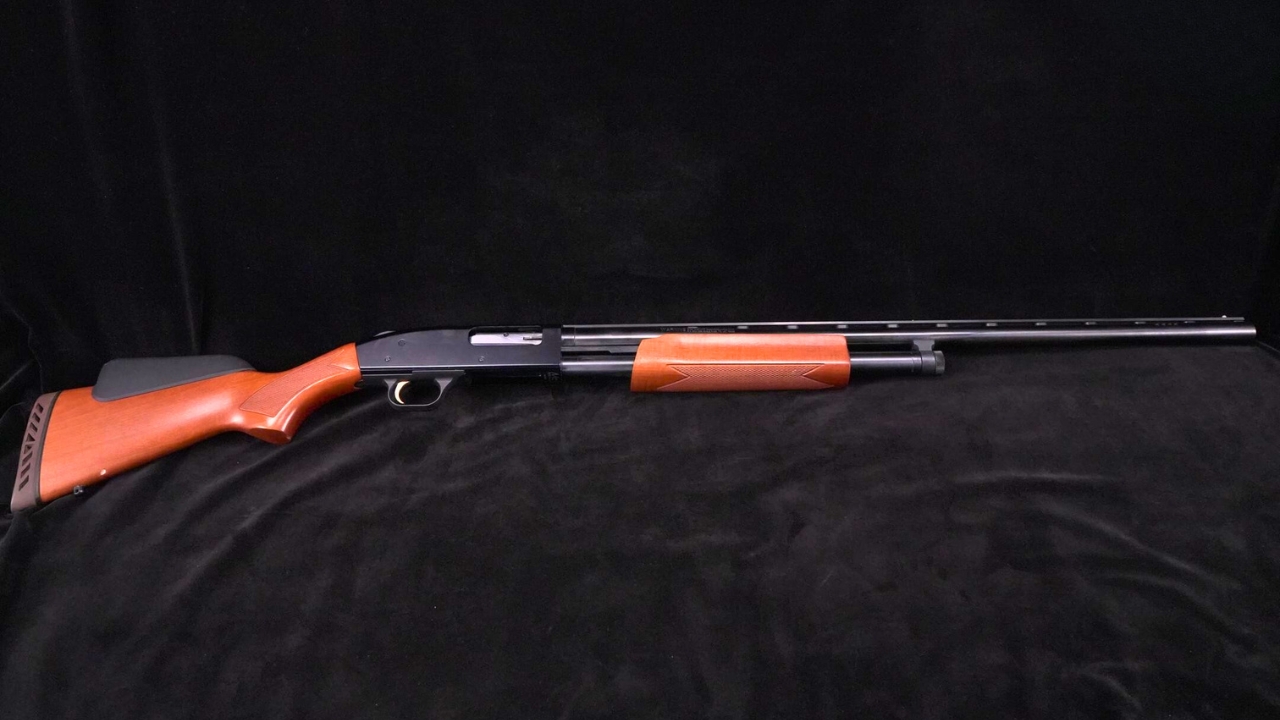
The Mossberg 500 is reliable in most settings, but mud and muck are its weak spots. The open trigger assembly lets debris sneak inside, and once wet grit gets into the action, you’ll start feeling that clunky pump stroke turn sticky. It’ll usually fire, but the smooth cycling you expect disappears fast.
Swamp moisture also works its way into the magazine tube, where rust quietly builds up between hunts. Hunters who use it in duck blinds often spend half the season cleaning instead of shooting. It’s tough enough to survive abuse, but in swamp country, the 500 requires more care than most people want to give it.
Browning BAR Safari

The Browning BAR Safari is a fine rifle in dry climates but a headache in the swamp. Its gas system and tight tolerances mean it doesn’t tolerate dirt, and disassembling it for a deep clean is no small task. Add a bit of mud or wet vegetation, and you’ll find yourself fighting short-stroking or failures to feed.
The glossy wood stock doesn’t help either. It swells in humidity and shows every scratch from cattails or palmetto roots. You can seal and maintain it, but unless you treat it like a safe queen, the swamp will chew it up. The BAR belongs on the edge of a bean field — not knee-deep in blackwater.
Marlin Model 60

You’d think a .22 wouldn’t have much business in the swamp, and the Marlin Model 60 proves that point. It’s an affordable, accurate plinker, but mud, rain, and humidity turn it into a nightmare. The tubular magazine collects moisture, and the feed mechanism jams when dirt finds its way inside.
Rust builds up fast on the barrel, especially around the muzzle and sights. And once the action starts sticking, accuracy goes out the window. In a damp environment, you’ll spend more time field-stripping it than actually shooting. The Model 60 is great for the range or dry woods, but take it to the swamp, and you’ll regret every step.
Ruger Mini-14

The Mini-14 has plenty of fans, but even loyal owners admit it’s not a fan of mud or water. The action tolerances are tight, and once moisture and grit mix in, cycling starts to suffer. You’ll get failures to eject, stovepipes, and the occasional jam that requires more force than you want to use on a hunt.
Stainless versions fare better, but the older blued ones rust fast in swamp conditions. And because the gas block sits exposed near the barrel, it’s easy for crud to collect there. In the right weather, the Mini-14 runs smooth. In a swamp, it’s one more problem you don’t need.
Winchester Model 94

The Model 94 might be an icon, but it wasn’t built for wetland survival. Its open-top receiver lets debris in from every angle, and once the lever starts to grind with grit, you’ll feel it on every cycle. Combine that with traditional blued steel and walnut, and you’ve got a rifle that soaks up moisture like a sponge.
Even if it keeps firing, it won’t stay smooth for long. Hunters who’ve carried it in damp bottomlands know — after a few days, the lever starts to bind, and surface rust shows up before you’re back to camp. It’s a great rifle, but not a great swamp companion.
Henry Golden Boy

The Henry Golden Boy is a gorgeous lever gun, but swamps aren’t kind to beauty. The polished brass frame tarnishes fast, and the glossy stock takes a beating from moisture. Even light rain leaves streaks on the finish, and the open action doesn’t play well with sand or mud.
Shoot it in clean conditions and it’s smooth as butter. Take it into a swamp, and it starts to grind and stick after just a few reloads. The brass and wood combination simply can’t handle prolonged dampness without constant wiping and oiling. It’s a showpiece rifle that belongs in the truck gun rack, not out slogging through muck.
Remington 1100

The Remington 1100 is one of those guns that feels perfect on a dry dove field but miserable in the swamp. The gas ports foul easily, and any water that seeps into the system turns residue into sludge. Before long, cycling slows down or stops entirely.
Even the stainless models need constant cleaning in wet environments. The tight-fitting forearm traps moisture against the metal, which leads to rust and soft spots in the wood. Many hunters learned the hard way that the 1100 is happiest in dry, predictable weather — the swamp makes it temperamental and high-maintenance.
Savage Axis

The Savage Axis is affordable and shoots straight, but when moisture is part of the equation, it starts showing its price point. The thin blued finish offers little protection against rust, and the cheap stock flexes and traps water inside the bedding area.
Once that moisture dries, accuracy can shift, and you might notice point-of-impact changes from day to day. Hunters who’ve taken the Axis into wet bottomland hunts often regret it after seeing orange specks form on the barrel and bolt handle overnight. It’s a great budget rifle, but not one that thrives in soggy conditions.
Rossi RS22

The Rossi RS22 is a fun rimfire that’s great for plinking or small game in fair weather, but take it into a swamp and you’ll be cursing by lunchtime. The cheap finish doesn’t resist moisture at all, and the magazine well collects mud like a cup. The trigger pins start rusting within hours if you don’t clean it right away.
While it’s fine for casual shooting, it’s simply not built for exposure. In wet environments, you’ll fight corrosion, sticky triggers, and feeding issues constantly. The RS22 works well as a backyard rifle but makes a poor choice for anywhere with standing water and high humidity.
Tikka T3x Lite
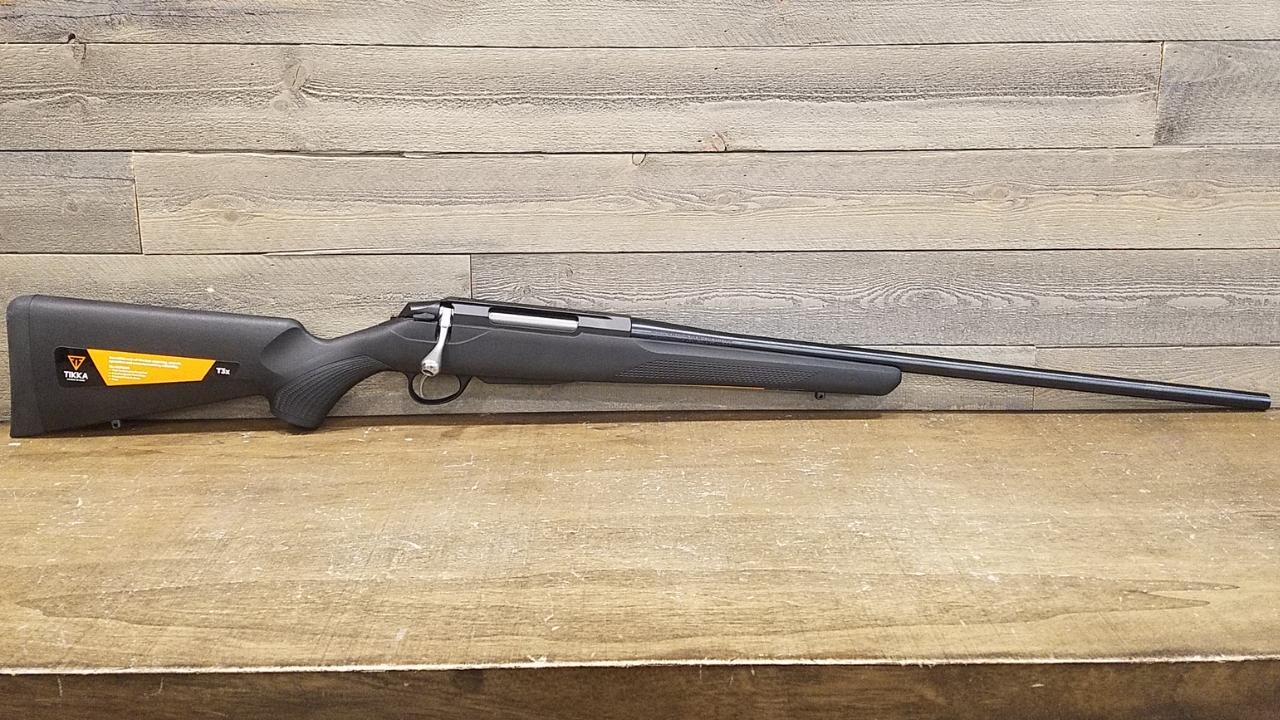
The Tikka T3x Lite is a precision tool — smooth action, great trigger, accurate barrel — but in swampy environments, that precision becomes a liability. The tight tolerances that make it accurate also make it vulnerable to dirt and moisture. Once fine grit gets into the bolt or rails, you’ll feel it grind immediately.
The stainless version holds up better, but even then, condensation can creep inside the bolt body and cause light corrosion if left unchecked. Hunters who’ve taken the T3x into the swamp often regret it afterward, realizing that its performance edge comes at the cost of field durability. It’s a great rifle — just not for the muck and humidity of a true swamp hunt.
*This article was developed with AI-powered tools and has been carefully reviewed by our editors.