Photo credit: Alexandr Grant/Shutterstock.com
Some pistols are reliable, accurate, and even fun—until you’ve run a few boxes of ammo and your hands feel like you tried to stop a nail gun barehanded. Recoil management isn’t just about caliber; it’s about design, weight, grip texture, and slide geometry. Certain guns transmit every ounce of that recoil straight into your palms or fingers, especially lightweight models with snappy calibers or aggressive ergonomics. By the end of a long day, the web of your hand looks red, your thumb’s tender, and you start flinching before each shot.
Whether it’s poor ergonomics, sharp grip texture, or an unforgiving frame, these pistols are known for leaving shooters sore after a range session. They’re not bad guns—some are excellent in the right context—but they’ll punish your hands if you spend hours behind them. Here are ten pistols that remind you there’s a real difference between “manageable recoil” and “hand punishment.”
Glock 43

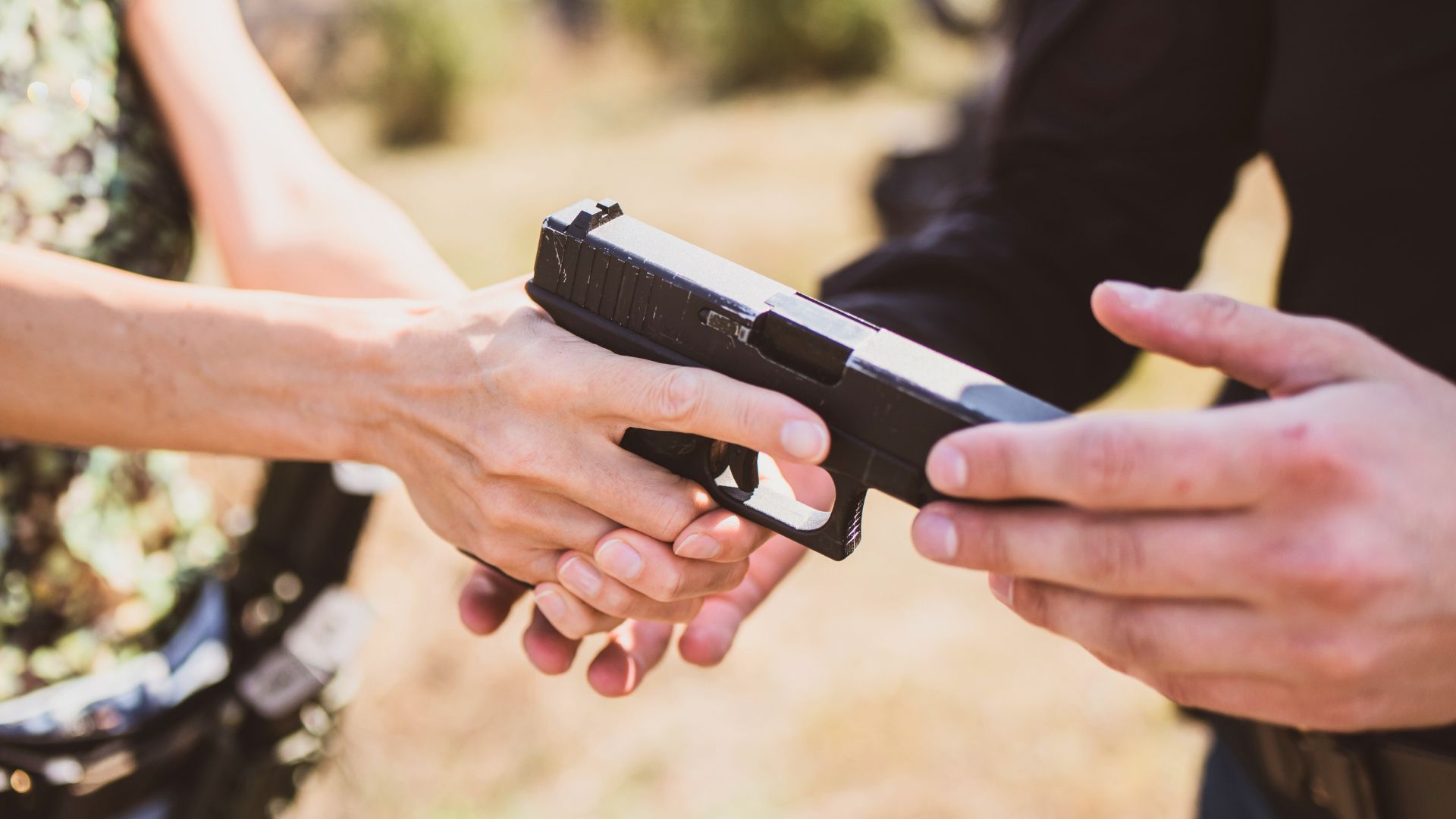
The Glock 43 is a great carry gun, but extended range time with it feels like boxing without gloves. Its ultra-slim frame concentrates recoil directly into the web of your hand, and there’s not enough grip surface to absorb the force. Each shot drives that energy straight back, creating sharp, snappy feedback that quickly wears on your palm.
The polymer frame doesn’t flex much, and its light weight means the gun doesn’t have enough mass to tame recoil. Combine that with 9mm defensive loads and a narrow grip, and you’ll start noticing soreness after a few magazines. It’s fine for quick carry drills or occasional practice, but an all-day session will leave you shaking out your hands. You can improve comfort with grip sleeves or aftermarket texture changes, but at its core, the 43 was made for concealment—not comfort.
Smith & Wesson Airweight 642
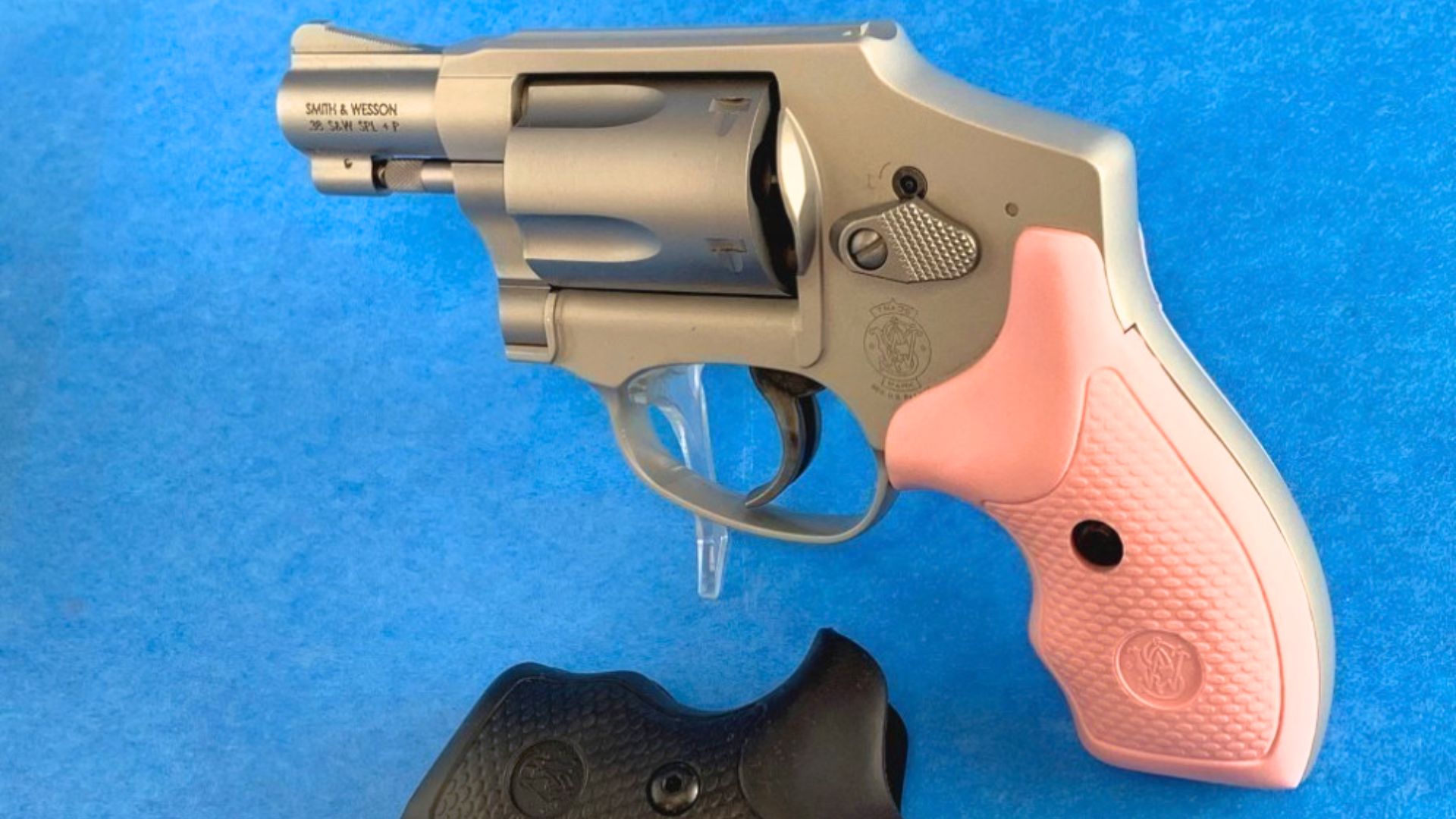
The 642 Airweight looks harmless until you touch off a few cylinders of .38 Special. Its alloy frame keeps it featherlight for carry, but that comes at a serious cost to comfort. The short barrel and tiny grips give you little to hold onto, and every shot sends a sharp impulse straight through your fingers and wrist.
Even with standard-pressure rounds, it’s brutal after a few boxes. The small grips don’t spread the recoil across your hand, so it’s all bone-on-metal. The backstrap digs in, and there’s no beavertail or contour to soften it. It’s great as a pocket backup or ankle gun, but if you take it to the range for extended shooting, you’ll leave with sore knuckles and a strong dislike for light revolvers. It’s a carry tool, not a range toy—and it reminds you fast.
KelTec PF9
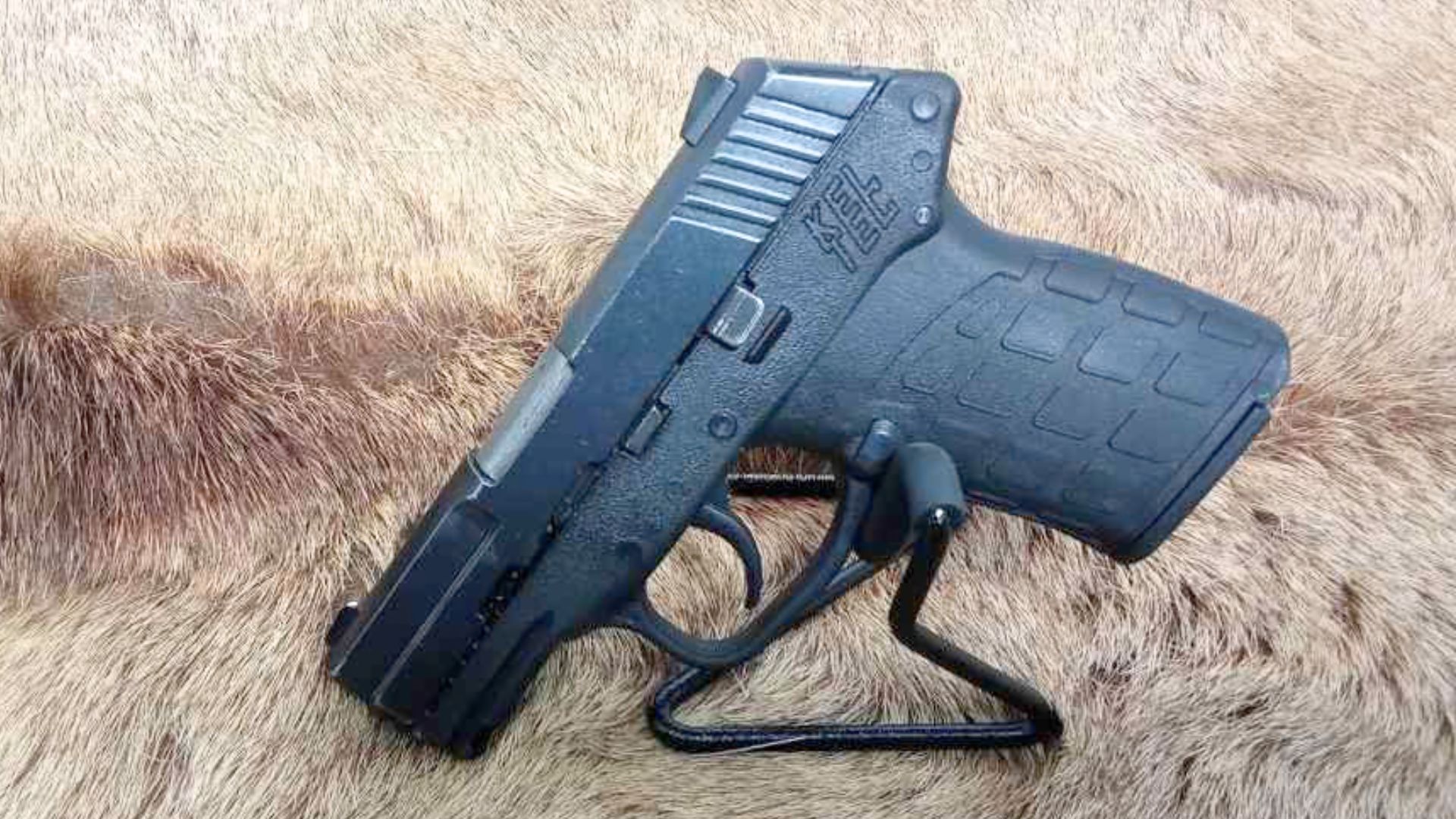
The KelTec PF9 earns a spot here for its combination of light weight, thin grip, and snappy recoil impulse. Chambered in 9mm but weighing barely over a pound loaded, it feels like firing a small power tool in your hand. The recoil comes back sharply and unpredictably, often shifting your grip mid-string.
The polymer frame and minimal beavertail don’t help—many shooters experience slide bite or bruised thumbs after a few magazines. The trigger pull is long and heavy, which means more tension in your grip before the break, amplifying fatigue. After an hour, your fingers ache and your wrist feels worn. It’s an excellent deep-concealment gun, but as a range companion, it’s punishing. Even KelTec owners will tell you: this is a pistol you practice with sparingly, not something you take for a long training session.
Ruger LCP II
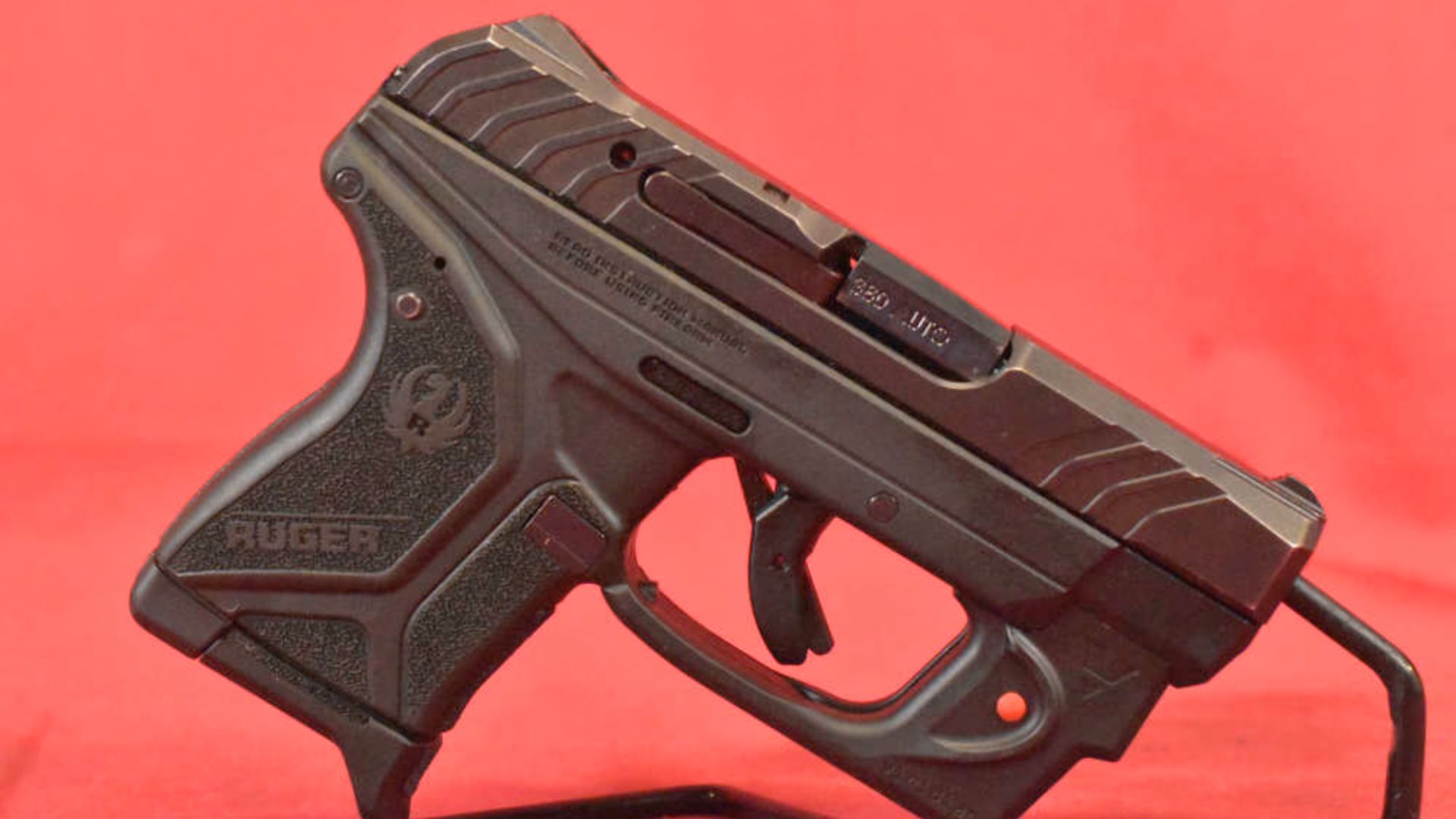
The Ruger LCP II may be tiny, but its recoil feels like it belongs to something twice its size. At under 11 ounces, there’s almost no weight to counteract the .380 ACP’s energy. The short grip barely accommodates two fingers, forcing your pinky to dangle. That lack of control makes each shot snap the muzzle upward and jar your wrist.
After 50 rounds, most shooters start flinching to brace for impact. The aggressive grip texture doesn’t help either—it digs into your hand while still providing little traction. You’ll leave the range with red marks and a deep respect for those who carry this gun daily. It’s reliable, accurate enough, and easy to hide, but extended shooting is misery. There’s a reason many LCP owners practice with a full-size 9mm instead—comfort is a luxury this pistol doesn’t offer.
Glock 27

The Glock 27 combines a powerful .40 S&W cartridge with a compact, lightweight frame, and the result is pure punishment. The .40’s sharp recoil impulse is already known for being snappy, and in a small frame like the 27, it’s borderline abusive over time. Every shot drives into the web of your hand with authority, and the short grip leaves your pinky fighting to hang on.
After a few magazines, you’ll feel the fatigue building in your forearm and wrist. Muzzle flip is pronounced, and the stock grip texture doesn’t do enough to cushion the hit. The Glock 27 is durable and dependable, but as a range gun, it’s tough to love. It’s better suited for short defensive practice sessions than for burning through bulk ammo. If you’ve ever finished a day with sore hands after shooting one, you’re not alone.
Walther PPK/S

The Walther PPK/S might look classy, but it’s a bit of a hand punisher. The all-steel construction and short slide combine to create sharp recoil impulses, especially with .380 ACP loads. The narrow backstrap focuses that recoil right into the web of your thumb, and the heavy double-action pull adds fatigue before you even start.
The grip’s small surface and smooth metal don’t help much, especially for larger hands. After a few magazines, the repetitive slap of recoil makes your palm throb. The classic styling hides how aggressive it can feel in long sessions. It’s accurate and compact, but if you plan on running a few hundred rounds through it in one day, bring gloves—or better yet, a different gun. It’s a pistol made for elegance, not endurance.
Kimber Micro 9
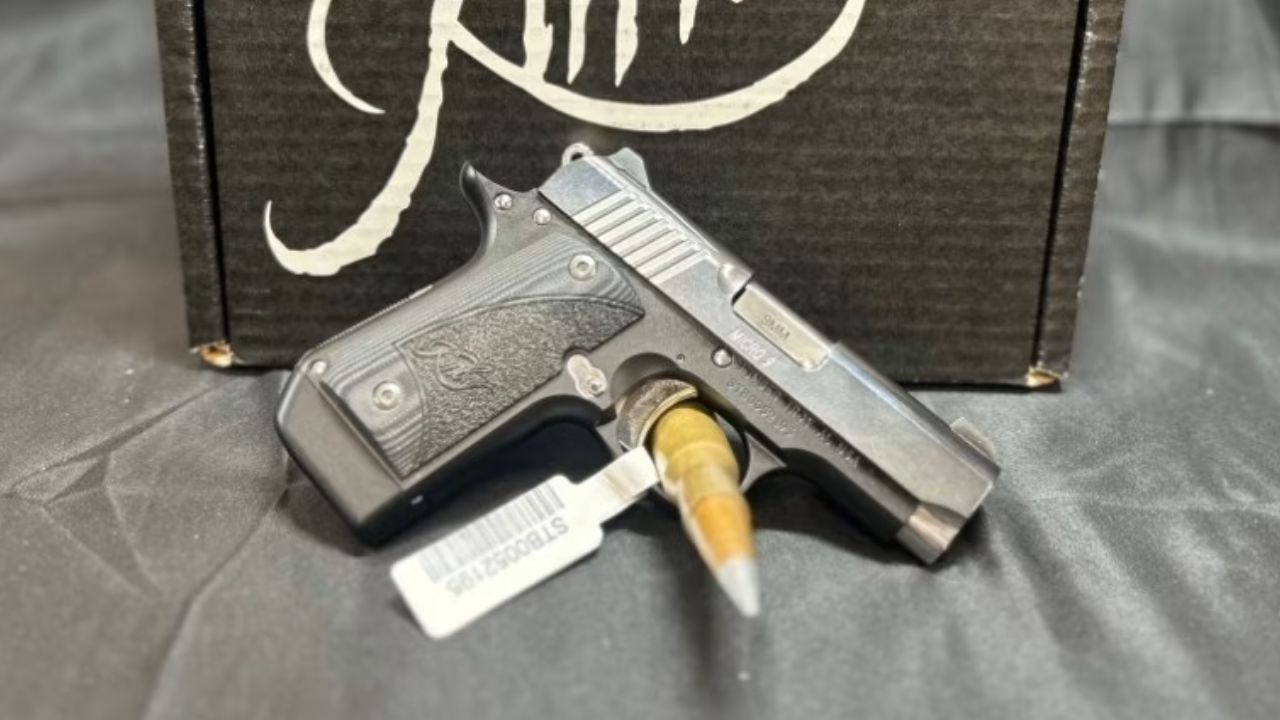
The Kimber Micro 9 may be sleek and accurate, but it’s notorious for being hard on hands during long range sessions. It’s small, lightweight, and chambered in a cartridge that demands more mass for comfort. The aluminum frame transmits every bit of recoil straight back into your palm.
The short grip doesn’t let you get full control, and that lack of leverage means more muzzle rise and more strain with each shot. Even with its excellent trigger and clean break, the shooting experience wears on you fast. You’ll feel it in the heel of your hand and your thumb after every reload. It’s a beautiful pistol and a fine carry option, but it’s far from enjoyable for long practice days. If you’ve ever finished a box of ammo through one, you know exactly why most Micro 9 owners keep sessions short.
SIG Sauer P365

The SIG P365 is one of the most popular carry guns today, but its compact frame and sharp recoil pulse make it less pleasant for high-volume shooting. It’s incredibly efficient at managing recoil for its size, but after 150 rounds, that snappiness catches up with you. The small grip doesn’t spread the force evenly, and the trigger guard often bites into your middle finger.
The gun’s ergonomics work well for control, but the light weight and short slide mean your hand takes more of the hit than you’d expect. Even with softer 115-grain loads, you’ll start feeling fatigue in your wrist by the end of a long training session. It’s a great carry option and mechanically sound, but it’s not built for marathon range use. Most P365 owners end up bringing a full-size companion pistol for serious practice sessions.
Kahr CW9
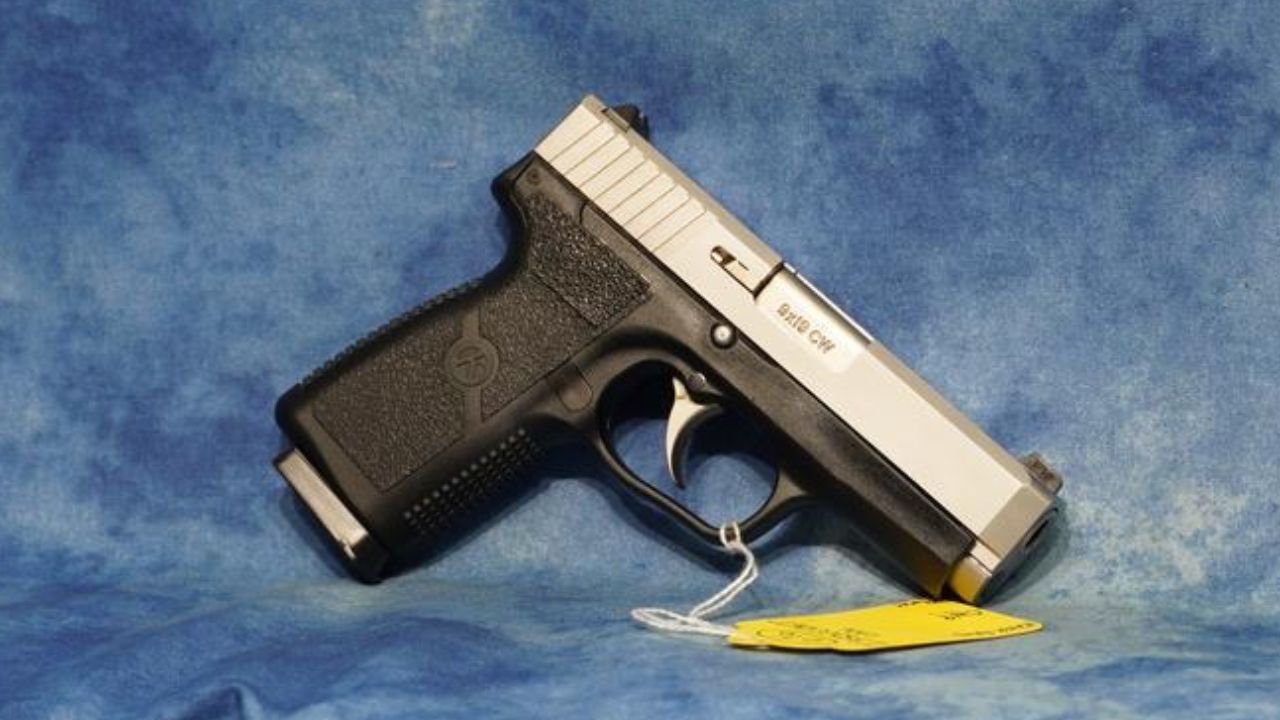
The Kahr CW9’s slim profile and lightweight build make it easy to carry—but brutal after a long range day. The polymer frame and stiff recoil spring combine for a sharp, snappy impulse that gets worse with every box of ammo. The grip angle and minimal backstrap padding focus the energy straight into your palm.
The long, heavy trigger pull doesn’t help either—it adds fatigue and increases anticipation, which can make recoil feel even harsher. After a few magazines, the frame starts feeling like it’s fighting you back. It’s reliable and accurate for a compact pistol, but comfort isn’t its strong suit. The CW9 works fine for short drills or carry practice, but if you plan to spend hours on the line, your hands will be begging for mercy.
Springfield XD-S Mod.2
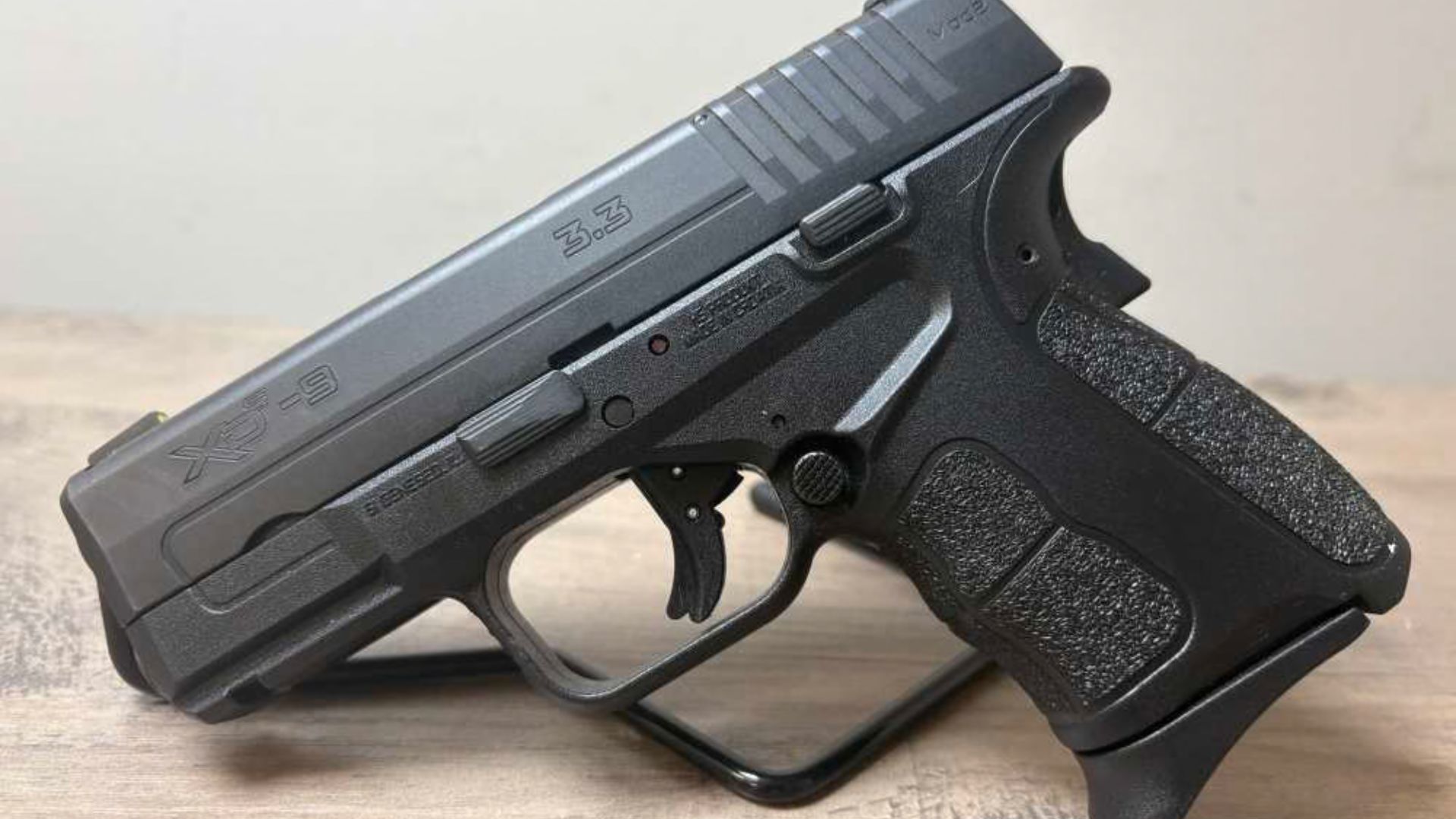
The Springfield XD-S Mod.2 in .45 ACP might be one of the most unforgiving carry pistols out there. Its slim, lightweight design can’t absorb much recoil, so the .45’s punch goes right into your palm and wrist. Even shooters experienced with larger calibers find this gun fatiguing after a few magazines.
The aggressive grip texture, while great for control, starts to feel like sandpaper after extended use. Combine that with a short barrel and limited grip surface, and every shot feels snappy and abrupt. It’s reliable and surprisingly accurate for its size, but it’s not a pistol you’ll enjoy shooting all day. The XD-S Mod.2 excels in concealed carry but will absolutely beat up your hands if you treat it like a range gun.
*This article was developed with AI-powered tools and has been carefully reviewed by our editors.