Photo credit: Military Arms Channel/YouTube
A rifle that prints a nice cold-bore group and then starts wandering as the barrel heats up is one of the most frustrating things to own. It tricks you. You sight in, you feel good, and then five shots later it’s like the rifle got bored and started throwing impacts wherever it wants. This isn’t always “bad accuracy.” A lot of times it’s heat sensitivity, stock pressure, thin barrels, or a setup that changes as things expand.
If you’re a hunter who might need a quick follow-up shot, or you like to confirm zero with more than a three-shot group, these are rifles and platforms that often earn a reputation for groups opening up fast once they warm.
Ruger Mini-14 (older thin-barrel models)

Older Mini-14s are famous for it: cold shots look okay, then the barrel warms and impacts start walking. It’s not magic—it’s a thin barrel heating unevenly and changing harmonics. If you shoot slow and treat it like a “first shot counts” rifle, you might not notice as much. But put it on paper with a normal range cadence and the pattern shows up quickly.
This is why so many Mini owners talk about barrel struts and accuracy work. They’re trying to tame that heat shift. The Mini can be reliable as a truck, but if your standard is consistent groups across a string of shots, the older guns can be a letdown.
Ruger Mini-30
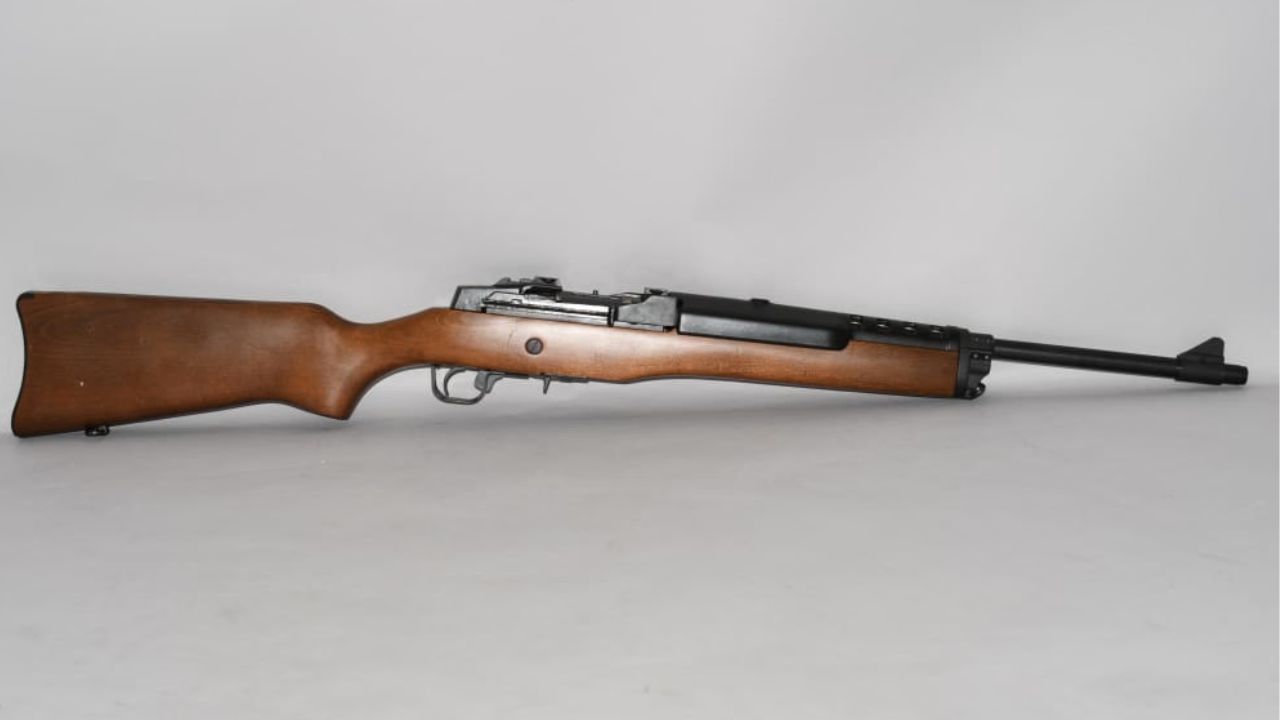
Same story, with the added variable of ammo. The Mini-30 often gets fed a mix of steel-case 7.62×39 from different lots and makers, and that alone can widen groups. Then you add a heat-sensitive thin barrel and the rifle can start looking inconsistent fast once you get past the first few rounds.
A lot of hunters buy the Mini-30 for a handy woods rifle and then get frustrated when group size grows as the barrel warms. It can still be useful inside realistic ranges. But if you expect repeatable precision through a longer string, you’ll probably be disappointed.
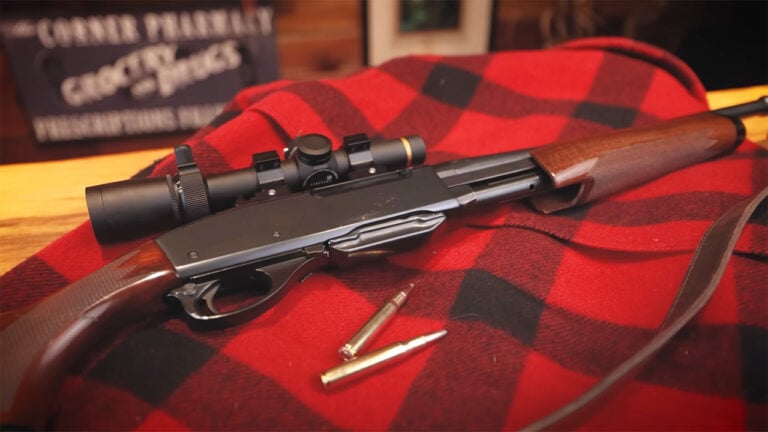
Remington Model 742 / 7400 (semi-auto hunting rifles)
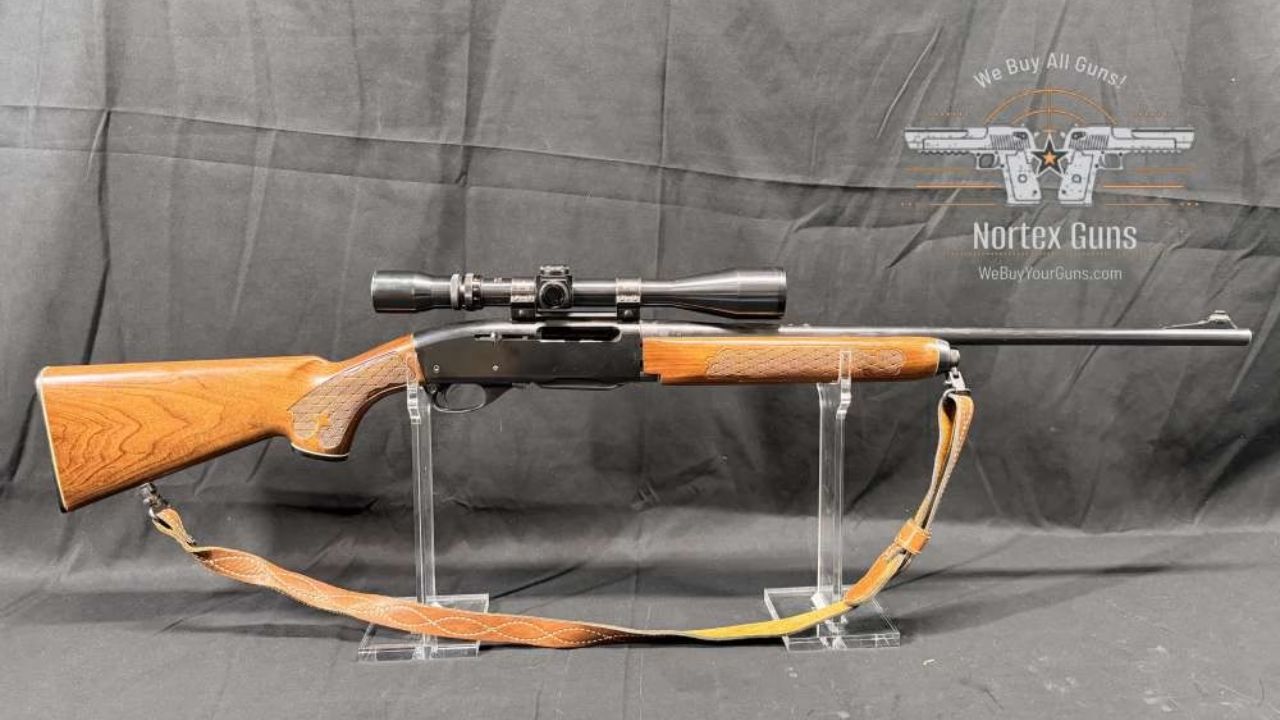
These older Remington semi-auto hunting rifles have filled freezers for decades, but they’re not known for staying tight through strings. Heat, fouling, and the nature of older semi-auto hunting designs can make groups grow quickly after the first few shots. Many of these rifles were never meant to be “range guns.”
They’re also often shot with whatever hunting load someone has used for years, and the rifles themselves may have plenty of mileage on them. If you’re expecting modern bolt-gun consistency across multiple shots, you’re holding the wrong standard. But that doesn’t change the fact that groups often open up once things warm and cycle.
Browning BAR (older hunting BARs)

The BAR is a higher-quality semi-auto, and many shoot well for a hunting rifle. But it’s still a semi-auto hunting platform, and some examples will show group growth as the barrel heats. You’ll often see a solid first group and then a gradual opening as the rifle warms through repeated firing.
For hunting, this might not matter much—most people aren’t dumping mags. But if you’re verifying zero, testing loads, or trying to confirm your rifle’s consistency through multiple groups, some BARs will disappoint compared to a good bolt gun that holds tight across a session.
Remington Model 700 SPS (thin sporter barrels)

The 700 action can be great, but the SPS line often comes with a thin sporter barrel and a flexible stock. That combo is a classic “cold bore looks good, warm barrel opens up” recipe. If the stock presses differently as the barrel warms, your point of impact can shift and your group grows.
Many owners fix this by upgrading the stock, bedding the action, or moving to a heavier barrel profile. The rifle isn’t doomed—it just often needs help. Out of the box, a lot of SPS rifles are more sensitive than hunters expect.
Savage Axis (thin barrels + basic stocks)

The Axis can be accurate, but it’s not uncommon to see groups open as the barrel warms, especially on thinner barrels in a basic stock. If the fore-end flexes and starts touching the barrel, your harmonics change and your group spreads. That’s one of the reasons people talk about “pressure points” and why their groups are different off a rest vs offhand.
Axis rifles also often get shot in quick strings when someone is testing ammo. That’s when the weakness shows. Slow down and shoot like a hunter and it may look fine. But if you expect it to hold tight across a session, it can frustrate you.
Thompson/Center Compass
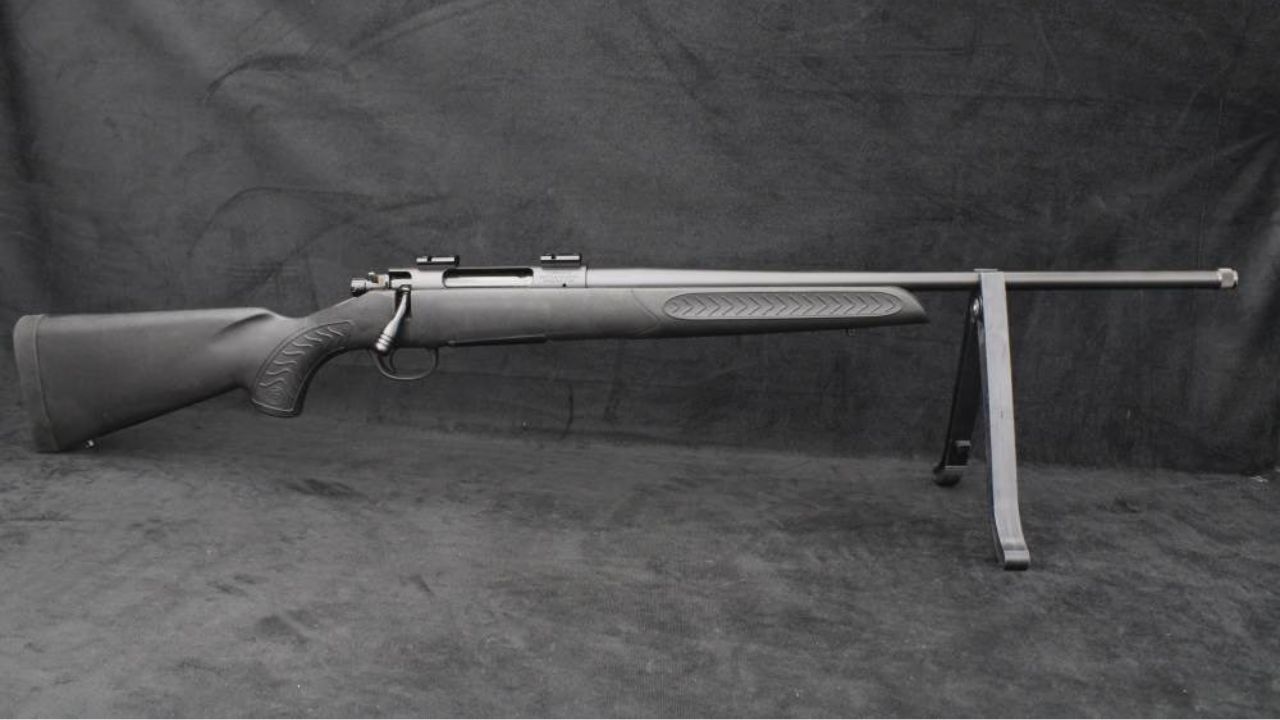
The Compass is another budget rifle that can shoot decent groups, but it can be sensitive to heat and stock pressure. When the fore-end flexes or bedding isn’t consistent, the rifle can show noticeable changes as the barrel warms. That leads to the common complaint: “It was good for three shots, then it went south.”
A lot of owners assume their rifle is defective and start changing ammo. Sometimes the ammo isn’t the issue. It’s the system. These rifles can often be improved with stock upgrades and bedding work, but out of the box they can open up fast.
Mossberg Patriot

Patriots vary. Some shoot great, some don’t, and the heat behavior is part of that reputation. Thin barrels and flexible stocks can contribute to groups growing quickly once the rifle warms. Add in bargain optics mounts and you’ve got more variables than you want.
This is why you hear mixed reviews: one guy’s Patriot is a laser, another guy’s is inconsistent. The platform can be workable, but it often needs careful setup, decent mounts, and sometimes stock work to behave consistently under heat.
Ruger American (thin sporter barrels)
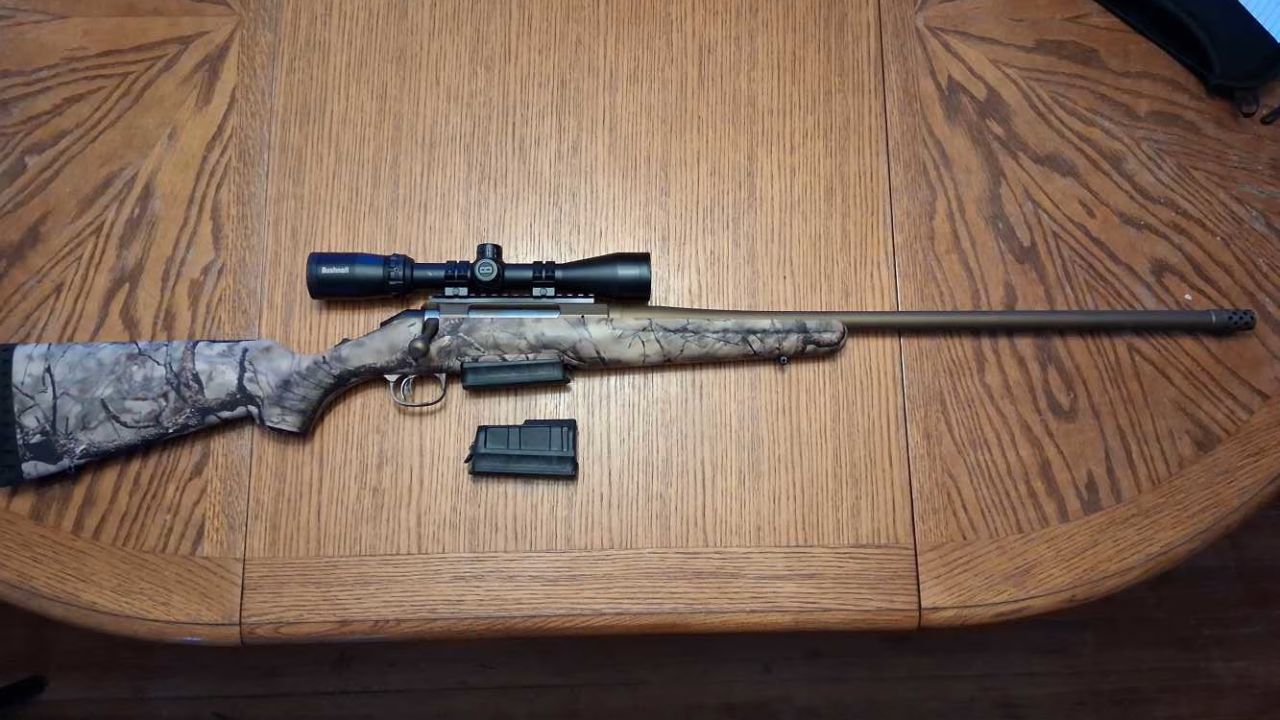
Ruger Americans can be shockingly accurate for the money, but when you get a thin sporter barrel and you shoot faster than a hunting pace, you can see groups open. Heat changes barrel harmonics, and the lighter profile doesn’t resist that shift as well as a heavier contour.
Many owners don’t notice because they only shoot a three-shot group and call it good. The moment you run a five-shot string or do back-to-back groups without long cooling breaks, you may see accuracy change. For some, that’s acceptable. For others, it’s a dealbreaker.
Winchester XPR (basic hunting profiles)
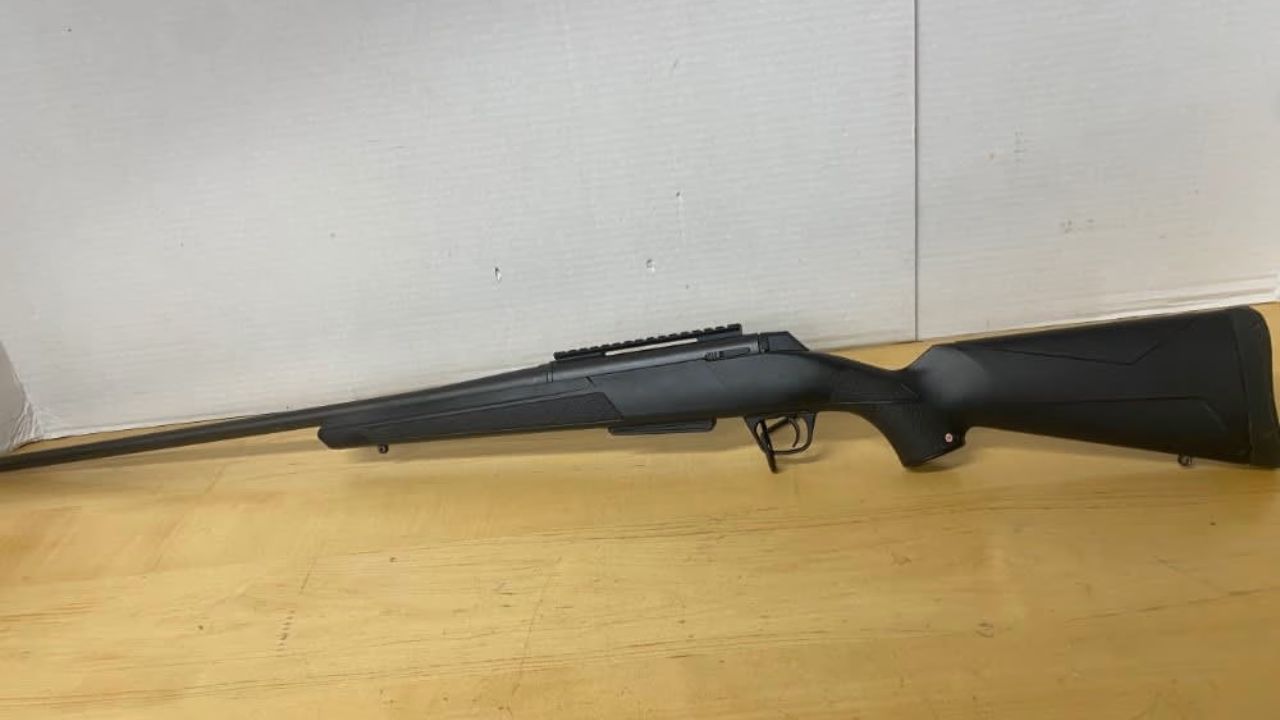
XPR rifles can be accurate, but like many affordable hunting rifles, they often wear thin barrels designed for carrying, not repeated firing. With a thin hunting barrel, you can get a nice first group and then watch things open as heat builds.
This isn’t “XPRs can’t shoot.” It’s “XPRs are built like hunting rifles.” If you want a rifle that holds tight across a warm barrel, you’re usually looking at heavier profiles or better bedding. That’s why some XPR owners feel disappointed when their groups change during load testing.
Marlin 336 (as a “grouping rifle” expectation)
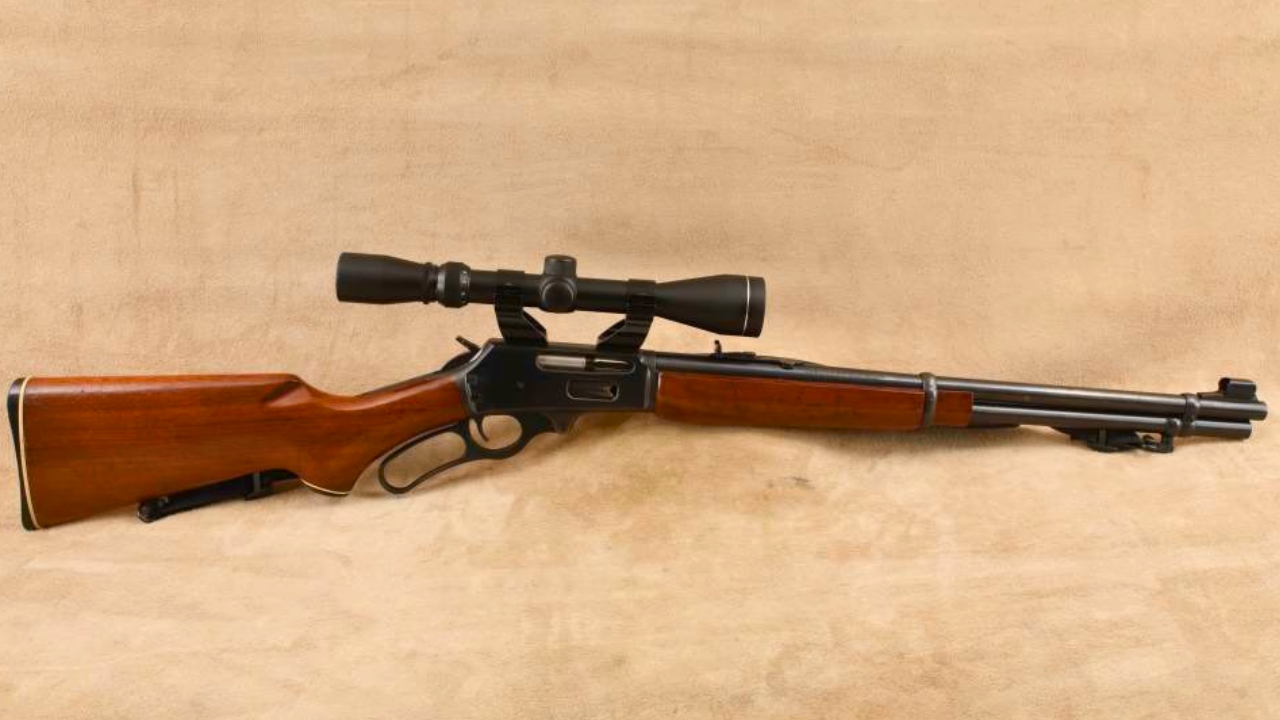
A lever gun like the 336 can be very effective, but it’s not designed to shoot tight groups like a bolt gun across a warm session. Barrel heating and the way many lever guns are held and rested can affect impact. Add traditional sights or basic optics and you’ve got a recipe for groups that look worse after the first few shots.
Some guys expect their lever gun to behave like a scoped bolt rifle, and that expectation is what creates disappointment. It’s not a precision platform, and once the barrel warms and you keep shooting, groups can grow.
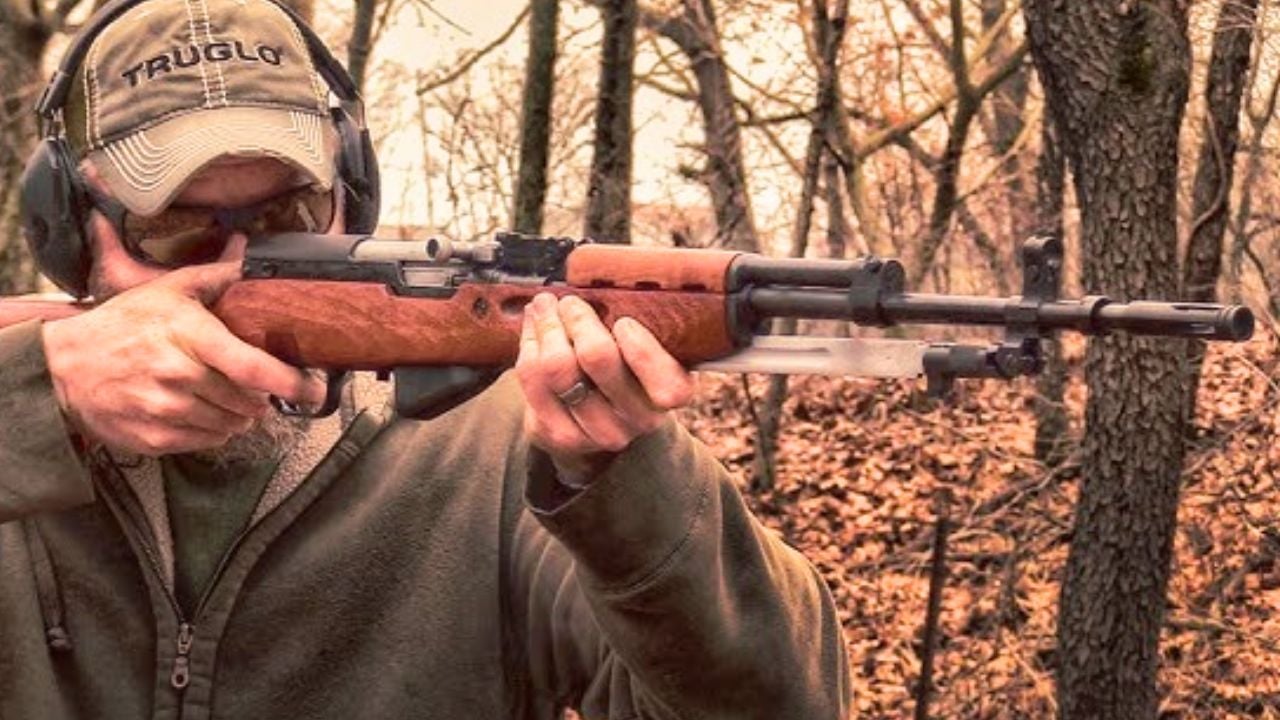
SKS

SKS rifles are rugged, but they’re not built to be consistent precision guns, especially across varying ammo. Heat and fouling can change cycling and barrel behavior, and different surplus ammo lots can shift point of impact. When you run strings through an SKS, groups often open quickly.
A lot of people buy an SKS thinking “battle rifle toughness equals accuracy consistency,” and that’s not how it works. They’re dependable, but the platform plus the ammo world around it often leads to widening groups once the rifle warms.
AKM pattern rifles (common imports and budget builds)

AKs are reliable, but they often show heat-related accuracy changes faster than people expect. Thin barrels, loose tolerances, and ammo variance all play a role. A cold group might look respectable, then a warm barrel and faster cadence turns the rifle into a larger-group machine.
If you’re using an AK for close-range hunting or general utility, that may not matter. But if you’re expecting it to hold a tight group across multiple shots like a bolt gun, you’ll be disappointed. Most AKs weren’t built for that standard.
Bear Creek Arsenal AR-15 (budget barrels)
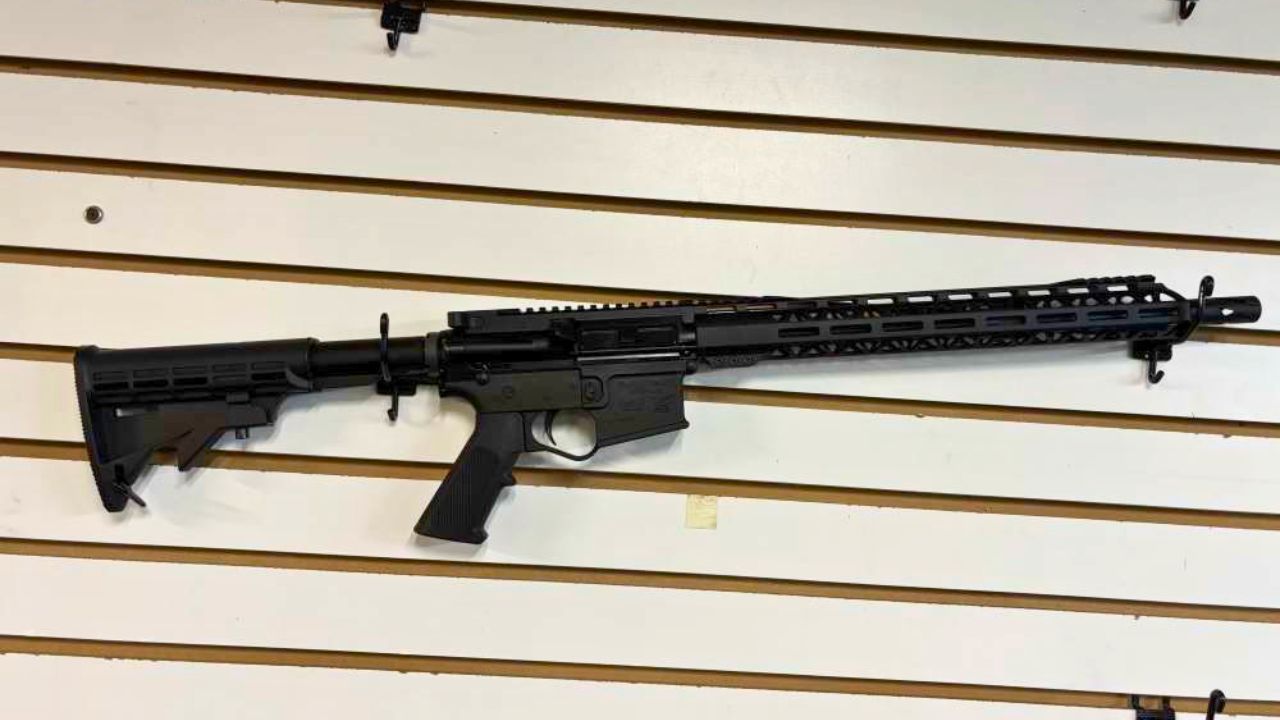
Ultra-budget ARs can absolutely show group growth as the barrel heats. Barrel quality and consistency matter a lot, and cheaper barrels often heat up and shift faster. When you run a few groups in a session, you may see the rifle go from “not bad” to “why is it doing that?”
Hunters who use a budget AR for predators often notice this during practice. The first few shots are fine, and then after a handful of rounds the group opens up. That’s not what you want if you’re trying to build confidence in where the rifle will hit on the fourth or fifth shot.
PSA AR-15 (basic carbines with lightweight barrels)
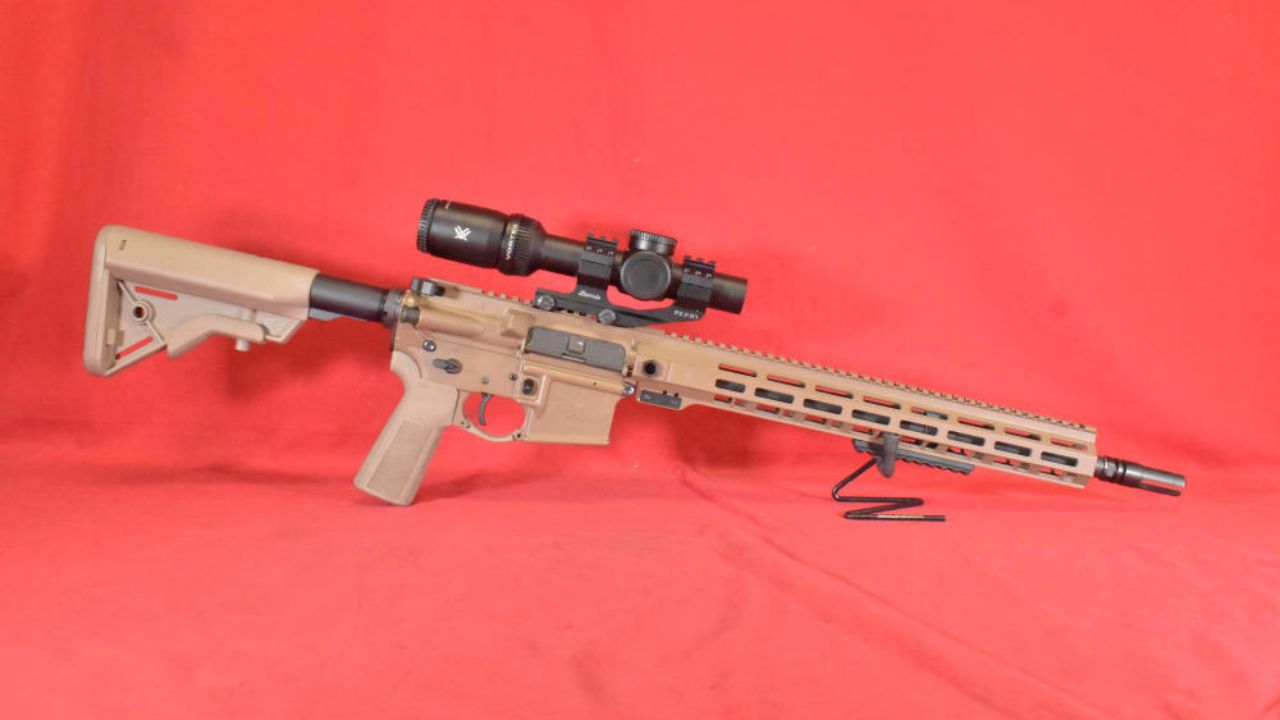
Many PSA rifles are solid, but the basic lightweight-barrel carbines can show heat-related group growth depending on the barrel. Lightweight barrels heat faster. When you shoot strings, you can see the group start to spread, especially if you’re not shooting from a perfectly consistent rest.
The AR platform can be very accurate with the right barrel. That’s the key. If you’re running a lightweight, budget-oriented setup, don’t be shocked if your groups change once the barrel warms.
Like The Avid Outdoorsman’s content? Be sure to follow us.
Here’s more from us: