Photo credit: Randy Wakeman/YouTube
Every rifle looks good on a sunny day at the range. When it’s dry and calm, nearly anything can shoot a tight group. But when the temperature drops, rain starts soaking your gear, or freezing wind cuts across the field, some rifles start to fall apart. Moisture creeps into stocks, triggers get sluggish, and tight actions seize up. Those same guns that shot dime-sized groups last weekend suddenly scatter rounds like you changed ammo. Hunters learn this lesson the hard way—when the weather gets ugly, only certain rifles stay steady. The rest? They’re fair-weather friends. Here are the rifles that shine on the bench but start stumbling as soon as Mother Nature decides to test their mettle.
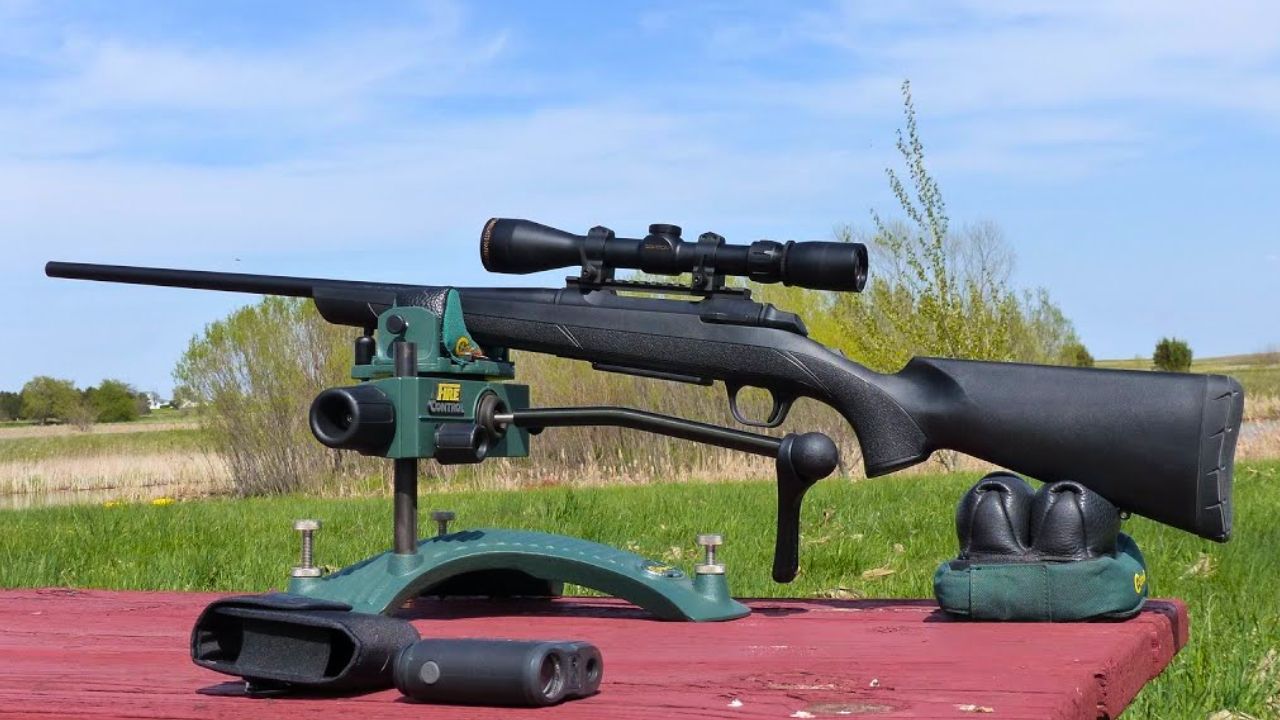
Browning X-Bolt Hell’s Canyon
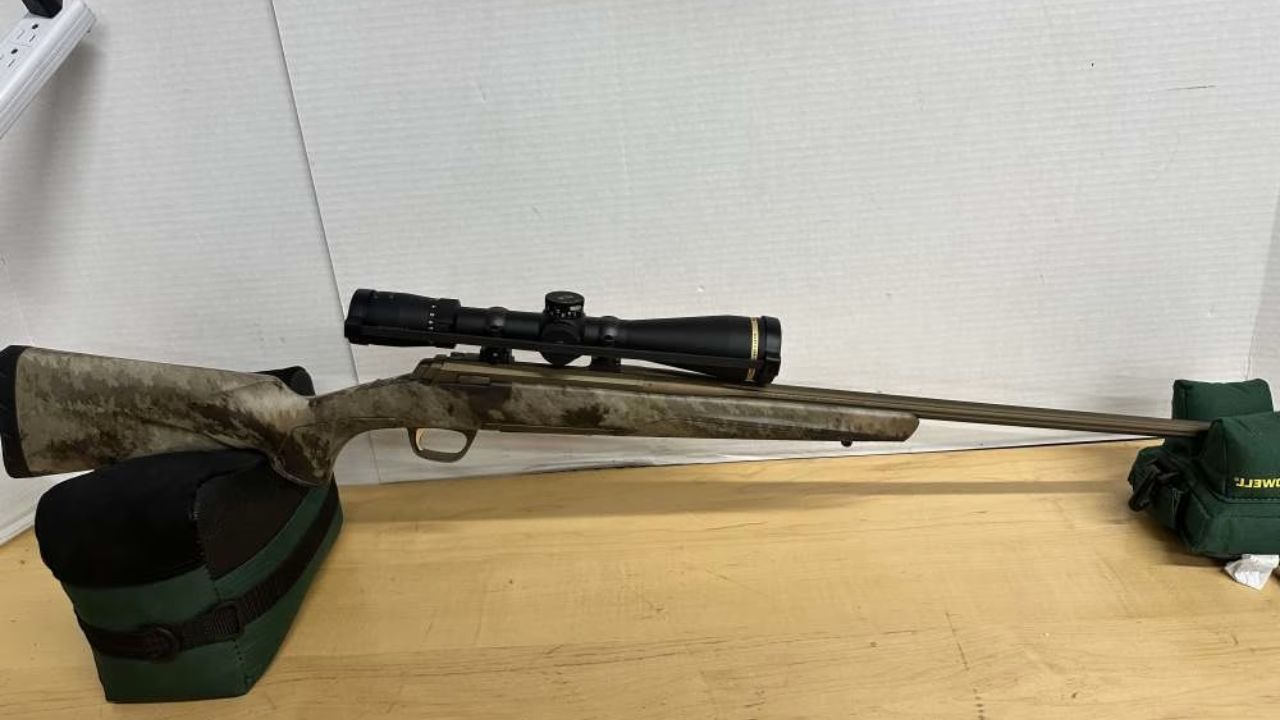
The Browning X-Bolt Hell’s Canyon is a beautiful rifle, but when the weather turns bad, that precision comes at a cost. Its tight tolerances make it accurate in clean conditions, but a little moisture or dust can gum up the bolt and slow down your cycling. The Cerakote finish helps, but the fine action doesn’t love being wet or cold.
In freezing temperatures, the bolt can stiffen, and the trigger can feel less predictable. It’s a rifle built for control, not chaos. On the range, it’s a laser. On a foggy mountain morning, you’ll wish it had a little more grit built in.
Tikka T3x Lite

The Tikka T3x Lite shoots like a dream when conditions are steady. Its crisp trigger and smooth action make it a favorite for paper punching and dry-weather hunts. But that same lightweight, tightly machined action is sensitive to grit and moisture. A little rain or frost can slow the bolt down and even shift point of impact.
The rifle’s accuracy isn’t in question—it’s the consistency in the cold that suffers. Condensation in the chamber or freezing mist on the trigger can ruin your confidence fast. You’ll still get your shot off, but you’ll miss that dependable feel of a rifle that doesn’t care about the weather.
Remington 700 SPS Stainless
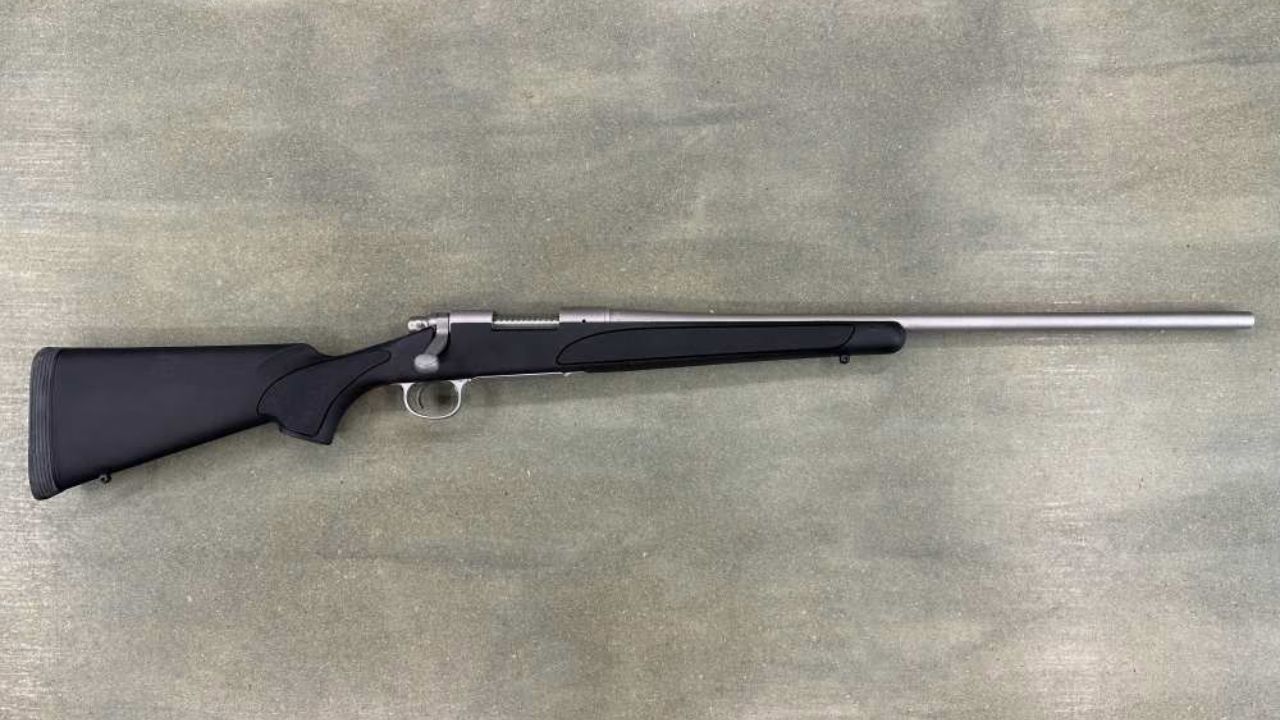
The Remington 700 SPS Stainless looks ready for rough weather, but stainless doesn’t mean weatherproof. The factory trigger can freeze up in extreme cold, and the stock flexes more than you’d like when soaked. It’s accurate under control, but in driving rain or snow, it loses its edge.
The design’s still legendary, but the modern production versions lack the sealing and fit that older 700s had. When the conditions get ugly, that smooth bolt you love on the range starts to feel gritty and hesitant. It’ll still shoot—but you’ll be cleaning it the moment you get home.
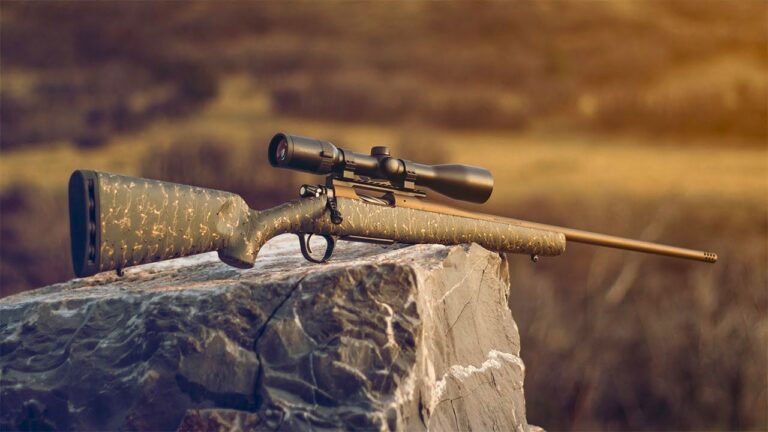
Christensen Arms Mesa

The Christensen Arms Mesa delivers impressive accuracy and light weight, but it’s built too tight for bad weather. Once moisture or grit sneaks into the action, cycling becomes noticeably harder. The carbon-fiber touches help with weight but don’t make it immune to thermal changes.
Cold-weather shifts can affect zero, and the trigger can feel sluggish once temperatures drop below freezing. It’s a rifle designed for the clean conditions of western glass-and-stalk hunts—but if the clouds roll in, it stops feeling so confident. You’ll want a backup rifle when things start to turn ugly.
Savage 110 High Country

The Savage 110 High Country has the right name for mountain hunts, but it’s not as weather-tough as advertised. Its AccuFit system and AccuTrigger are great in dry conditions but can collect debris and moisture. Once things get damp, you can feel the difference in bolt smoothness and trigger pull.
In the cold, the polymer parts contract differently than the metal, creating minor inconsistencies in cycling. You’ll still get accuracy, but reliability starts to slip. It’s a rifle that looks rugged but doesn’t always hold up when real weather shows up uninvited.
Weatherby Vanguard Weatherguard
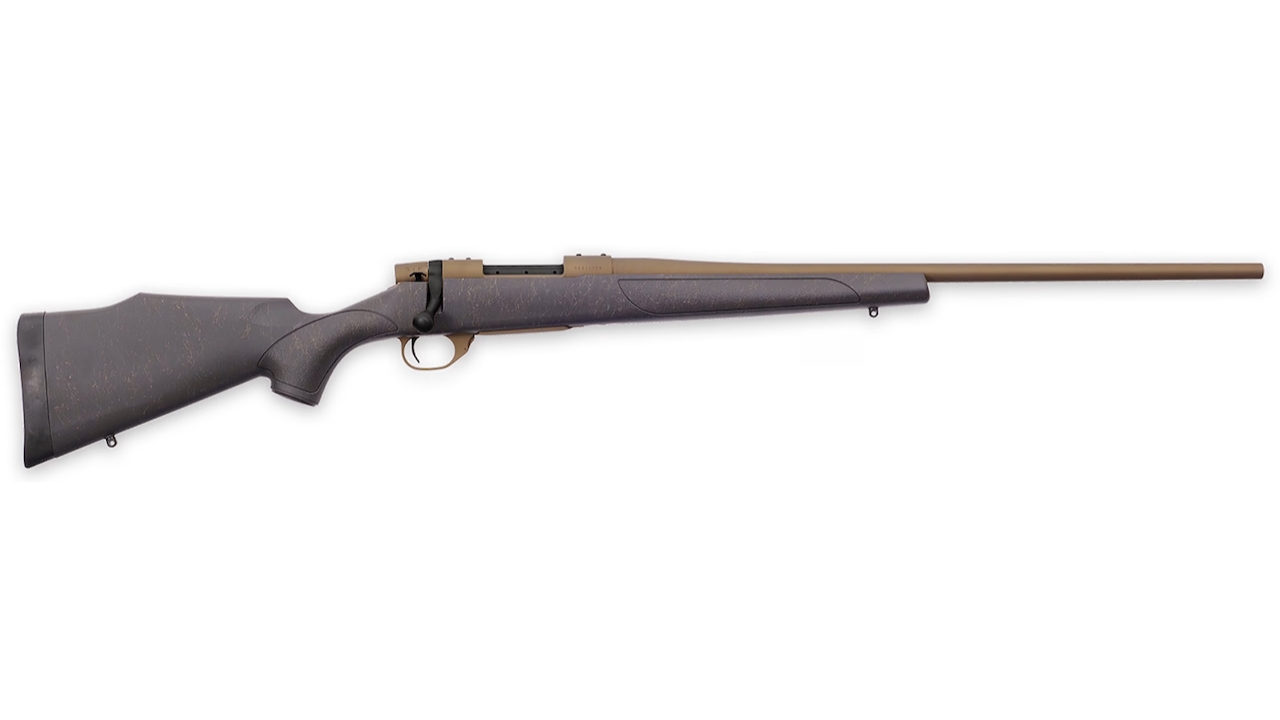
With a name like “Weatherguard,” you’d expect total immunity to the elements, but the Weatherby Vanguard Weatherguard has limits. Its glossy finish and tight fit make it sensitive to moisture buildup around the bolt and chamber. In wet or freezing conditions, cycling can get sticky fast.
The rifle’s accuracy and trigger are great in good weather, but prolonged exposure to sleet or rain will remind you why a truck gun still has a place in your arsenal. It’s tough—but it’s not invincible, and bad weather has a way of showing you where the cracks really are.
Ruger American Rifle

The Ruger American Rifle has a lot going for it—lightweight, affordable, accurate—but it’s also prone to issues when the elements step in. The synthetic stock can swell slightly when saturated, and the bolt, while smooth in the dry, starts to drag with moisture or frost.
The rifle’s sealed design helps, but not enough to stop grit from finding its way into the lugs or trigger. For a fair-weather shooter, it’s a great deal. But on a weeklong backcountry hunt in the rain, you’ll start missing the kind of rifle that doesn’t blink when it’s covered in mud.
Bergara B14 Hunter

The Bergara B14 Hunter feels refined and capable until it gets cold and wet. Its tight Spanish-made action, while silky in dry conditions, starts binding when moisture or debris works its way in. The trigger can get sluggish in freezing weather, and the barrel seems more prone to minor shifts in point of impact with temperature swings.
It’s a great rifle for sighting in on a warm afternoon, but it doesn’t love those predawn sits in freezing fog. You won’t question its craftsmanship—but you’ll wish it was a little less precise and a little more forgiving.
Kimber Hunter

The Kimber Hunter is light, accurate, and easy to carry, but it has a reputation for being picky when the weather gets rough. Its minimal clearances make it great for precision, but even a bit of moisture or dirt can jam up the bolt.
In freezing rain, the trigger guard and bolt handle can ice over quickly, making it frustrating to manipulate under stress. It’s the kind of rifle you love to handle in dry camp weather but hesitate to rely on once the temperature dives. Pretty gun, poor weather manners.
Winchester XPR

The Winchester XPR shoots great out of the box, but its polymer stock and close-fitting bolt don’t always mix well with bad weather. Add cold temperatures and condensation, and you’ll feel it bind or slow down during cycling.
The rifle’s accuracy remains consistent in fair conditions, but its handling in freezing rain or snow tells another story. The XPR is an accurate rifle for mild climates—but once the weather gets wild, that precision feels like it comes at the expense of resilience.
Browning A-Bolt III

The Browning A-Bolt III’s tight action and modern look make it a range favorite. But the design doesn’t like mud, moisture, or frost. A little water in the bolt or trigger group can lead to cycling hesitation or even light strikes if you’re unlucky.
The rifle’s bluing, while handsome, also demands constant attention to prevent surface rust. It’s built for precision under control, not chaos. When the weather starts to fight back, the A-Bolt III feels less like a hunting rifle and more like a fair-weather companion.
Remington Model Seven

Compact, quick, and light, the Remington Model Seven is a hunter’s friend—until conditions turn against it. That shorter barrel collects condensation fast, and the action’s tight tolerances can make the bolt sluggish in cold weather.
Accuracy doesn’t drop off dramatically, but confidence does. You’ll start second-guessing every cycle when the temperature dips and the bolt won’t close smoothly. It’s one of those rifles that feels like a dream in mild weather but loses its charm the moment the sky opens up.
Savage Axis II Precision
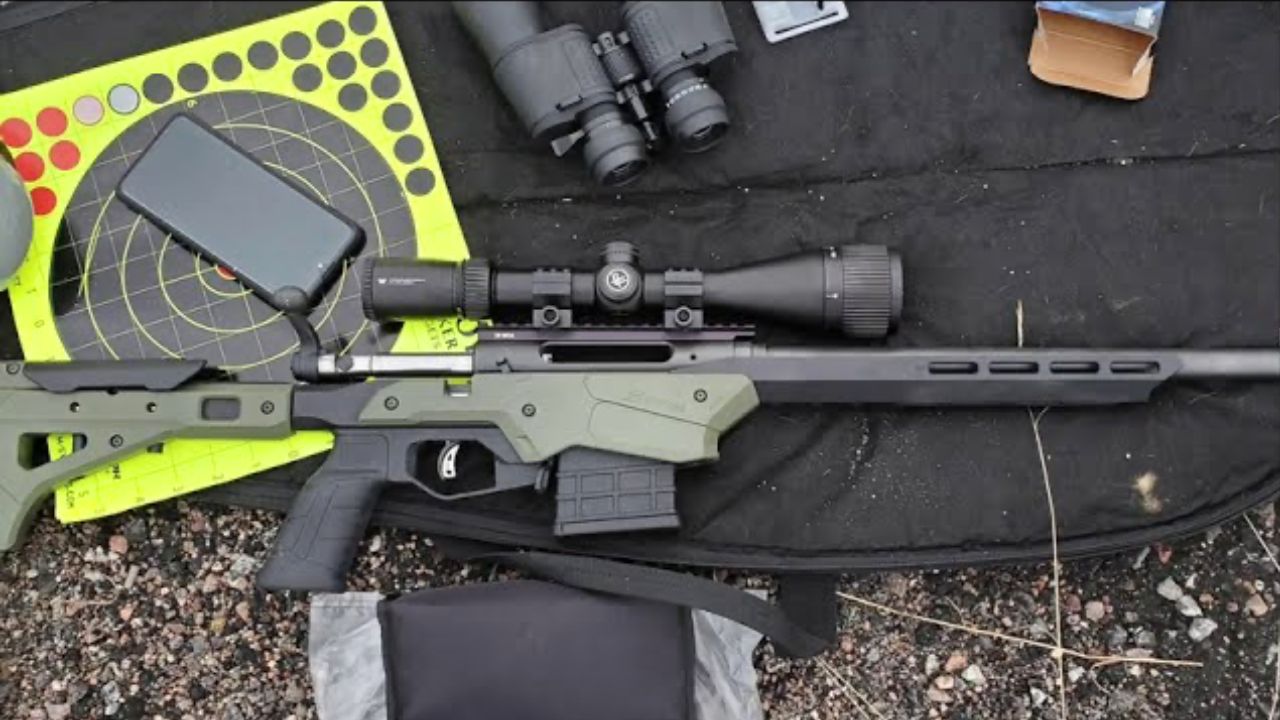
The Savage Axis II Precision can produce match-level accuracy on a calm day, but its chassis and exposed metal don’t play nice in harsh weather. The trigger and bolt handle collect frost quickly, and the barrel’s finish isn’t built for long-term moisture exposure.
It’s perfect for the range, but in freezing sleet or muddy hunts, it feels misplaced. This rifle can shoot with the best of them when conditions are stable—but it’s not the one you want when you’re wet, cold, and trying to make a shot that counts.
Steyr Pro Hunter

The Steyr Pro Hunter has world-class engineering, but it’s too refined for rough weather. The tight bolt tolerances and precision machining are great when clean, but a little moisture turns that slick cycling into a grind.
The polymer stock is durable, but the action isn’t as forgiving as a simpler design. It’s not a bad rifle—far from it—but it reminds you that precision and field reliability aren’t always the same thing. Once the rain starts falling, you’ll find yourself missing a rifle built for mud, not medals.
Bergara B14 Ridge

The Bergara B14 Ridge is built to shoot tiny groups and look good doing it, but that refined action and heavier build don’t hold up when the weather turns. A little grit or sleet in the bolt slows it down, and the steel barrel shows surface rust faster than you’d expect.
It’s a fine rifle when the forecast’s clear. But when the temperature drops and the rain hits sideways, that smooth, clean feel disappears. It’s the kind of gun that makes you wish for a beat-up synthetic rifle that doesn’t care what the sky’s doing.
Like The Avid Outdoorsman’s content? Be sure to follow us.
Here’s more from us:
The worst deer rifles money can buy
Sidearms That Belong in the Safe — Not Your Belt
*This article was developed with AI-powered tools and has been carefully reviewed by our editors.