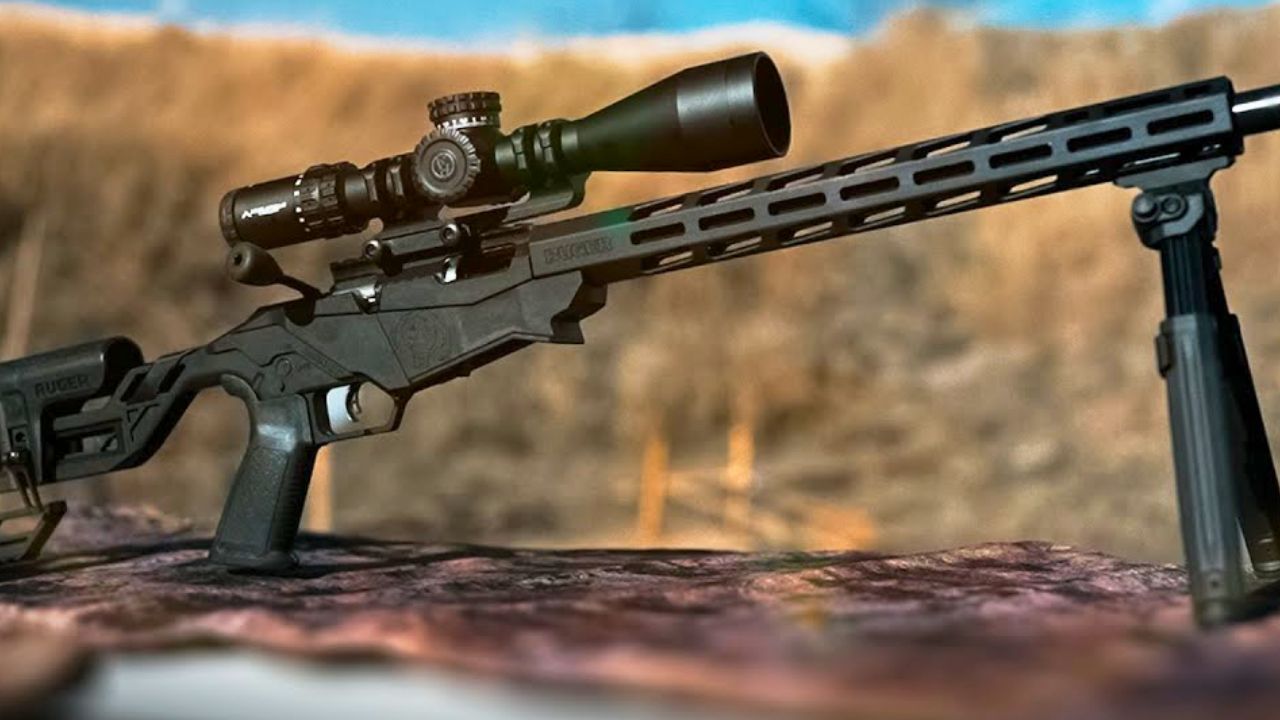
Photo credit: Pew Pew Tactical/YouTube
Some hunters buy a gun thinking it’ll solve a problem, fill a niche, or finally give them an edge in the field. Then they take it out once, maybe twice, and decide it’s not for them. Sometimes it’s the fit. Sometimes it’s recoil or weight. Other times it’s the kind of little irritation that you only discover when the gun is actually being carried through the woods instead of sitting on a rack.
Every gun here is one you commonly see show up lightly used, almost new, and priced to move because the owner realized quickly they weren’t going to take it out again.
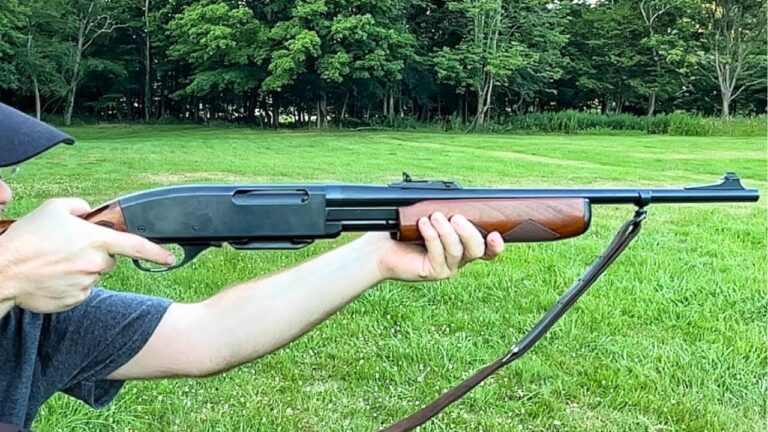
Remington 770

Hunters buy the Remington 770 thinking it’s an affordable way into the deer woods, and technically it is. But the rough bolt travel and inconsistent accuracy turn people off fast. Once you try to run the action with cold hands or aim past 150 yards, its shortcomings stand out.
Most hunters realize after one outing that they’d rather upgrade immediately. That’s why nearly every used rack has at least one 770 sitting there with barely a scratch on it. It’s a rifle people outgrow almost instantly, and the resale market proves it.
Savage Axis Compact
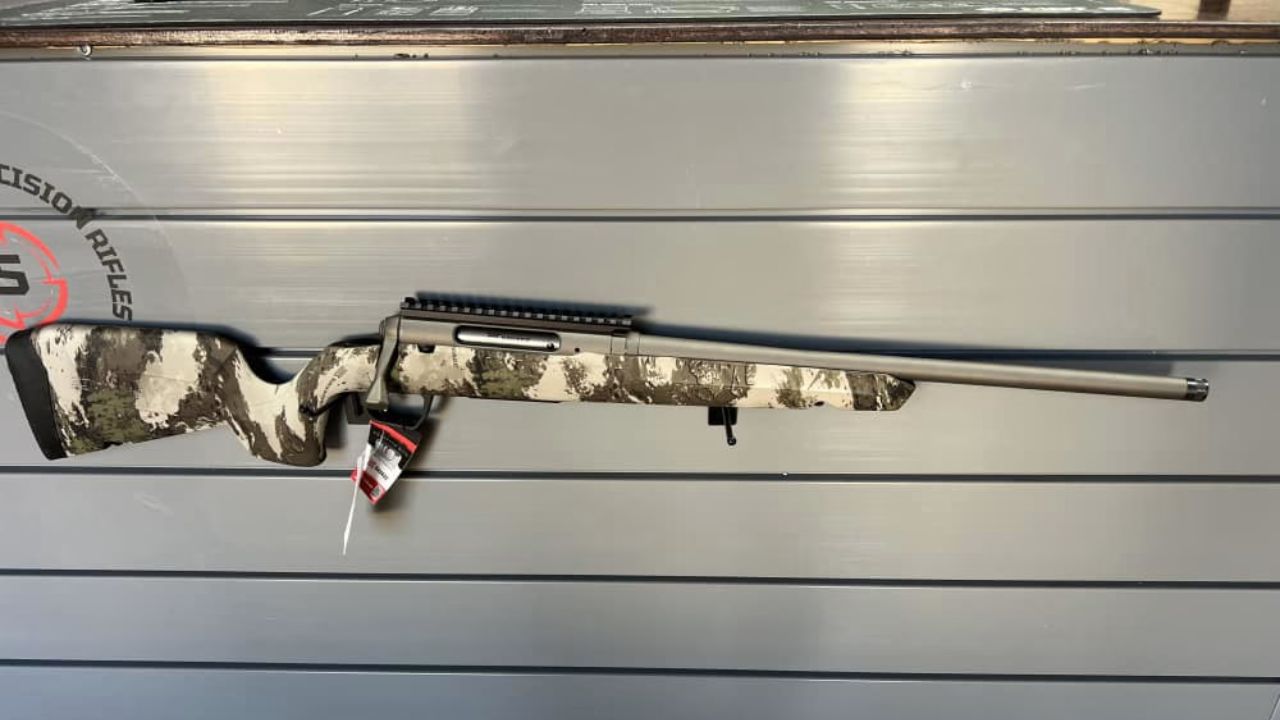
The Savage Axis Compact draws first-time hunters because it’s lightweight and inexpensive, but the stock fit tends to be awkward for anyone other than smaller shooters. Once a hunter takes it out in real conditions, the thin stock and heavier recoil impulse usually push them toward something more comfortable.
Accuracy is fine for the price, but the overall shooting experience leaves many hunters wanting something sturdier. You’ll see these rifles traded in after a single season—or even a single hunt—because they simply don’t feel right when the adrenaline is pumping and the weather turns rough.
Mossberg Patriot Super Bantam
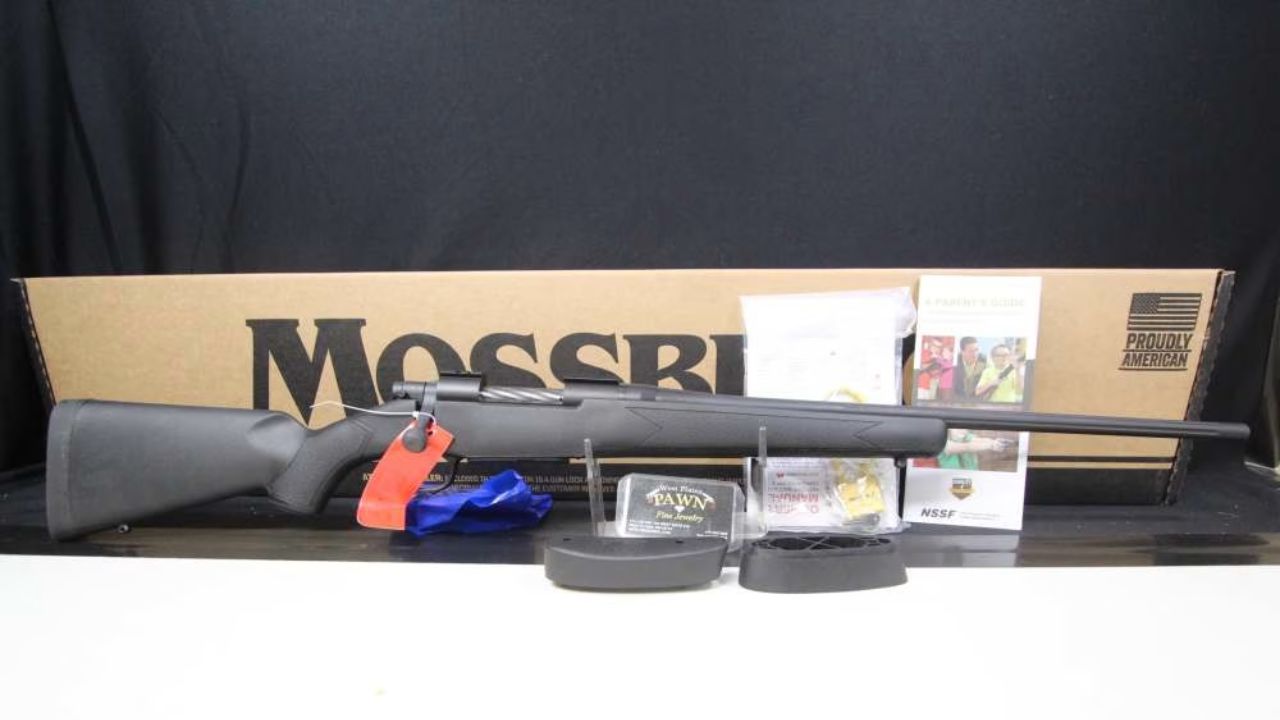
The Super Bantam models work for young shooters, but adult hunters often try them once and immediately realize the short stock and light weight create a snappy, uncomfortable shot. Even in moderate calibers, recoil feels sharper than expected, and that leads to quick resales.
Plenty of used racks have nearly flawless Patriot Super Bantams because someone bought it for “ease of carry” and then discovered the downsides. It’s common for hunters to move on to a full-size rifle after one outing. The combination of light build and short length of pull makes it a tough gun to love long-term.
CVA Cascade in Hard-Kicking Calibers

The Cascade is a solid rifle in mild cartridges, but in harder-recoiling options like .450 Bushmaster or .350 Legend, the lightweight build becomes a problem. Hunters new to those cartridges try them once and quickly learn that a featherweight rifle amplifies recoil and muzzle rise.
Many resell them almost immediately—not because they’re unreliable, but because the shooting experience is harsh compared to heavier rifles in the same chamberings. You’ll often find Cascades in big-bore configurations barely fired, with owners switching to something that distributes recoil better.
Ruger American Ranch in 7.62×39

The Ranch rifle is handy and reliable, but a lot of hunters discover the limitations of 7.62×39 on deer-sized game the hard way. The drop, the limited bullet selection, and the short-range performance catch up with them once they’re in real field situations.
Hunters buy it expecting AK-like cheap shooting and quick hunts, then trade it after realizing it’s more of a brush gun than a general-purpose deer rifle. Used examples in this caliber are extremely common because the expectations rarely match the real-world experience.
Thompson/Center Compass

The Compass offered good value, but many hunters found the stock ergonomics too clunky and the trigger too inconsistent for confident field use. Even though accuracy can be solid, the rifle often “feels off” the moment you take it into the woods.
After a single hunt, many realize they’d prefer something with a sleeker stock and smoother action. That’s why Compass rifles show up used with minimal wear—they’re guns people experiment with briefly before moving on to something that handles better.
Rossi RS22
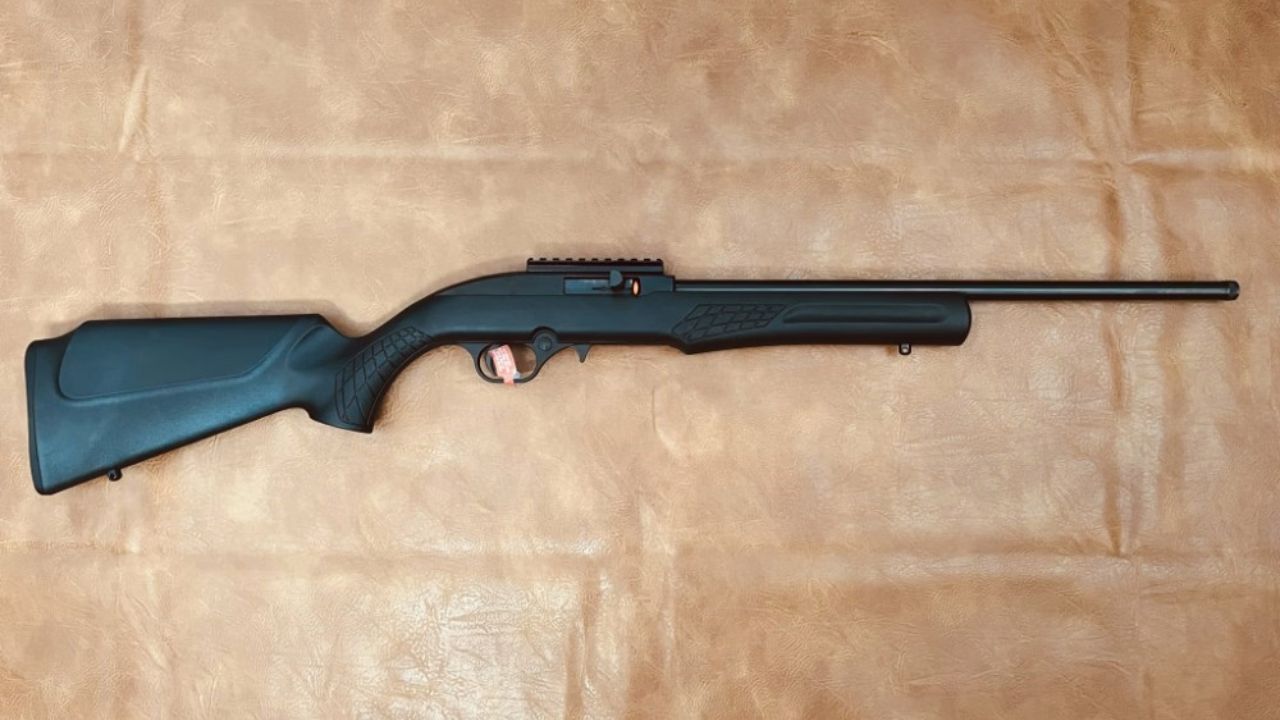
The RS22 is appealing as an inexpensive .22, but hunters wanting a small-game rifle often move on quickly after one outing. The ergonomics aren’t as refined as rifles like the 10/22, and magazine issues can show up when you’re carrying it through brush.
Accuracy is serviceable, but small annoyances pile up fast. That leads to lightly used RS22s hitting shelves constantly. Many hunters try it once and decide it doesn’t have the reliability or feel they want in the field, even for casual squirrel hunting.
Winchester XPR Compact

The XPR is reliable, but the Compact variants can feel awkward for adult hunters. The short stock and nose-heavy balance make offhand shots uncomfortable. Once a hunter takes it out in real terrain, these handling quirks show up immediately.
Most realize they’d rather have a full-size XPR or a different rifle entirely. That’s why compact XPRs frequently show up used with almost no signs of wear—they’re great in theory but tough to love in actual hunting conditions unless you’re perfectly sized for them.
Mossberg 500 Bantam
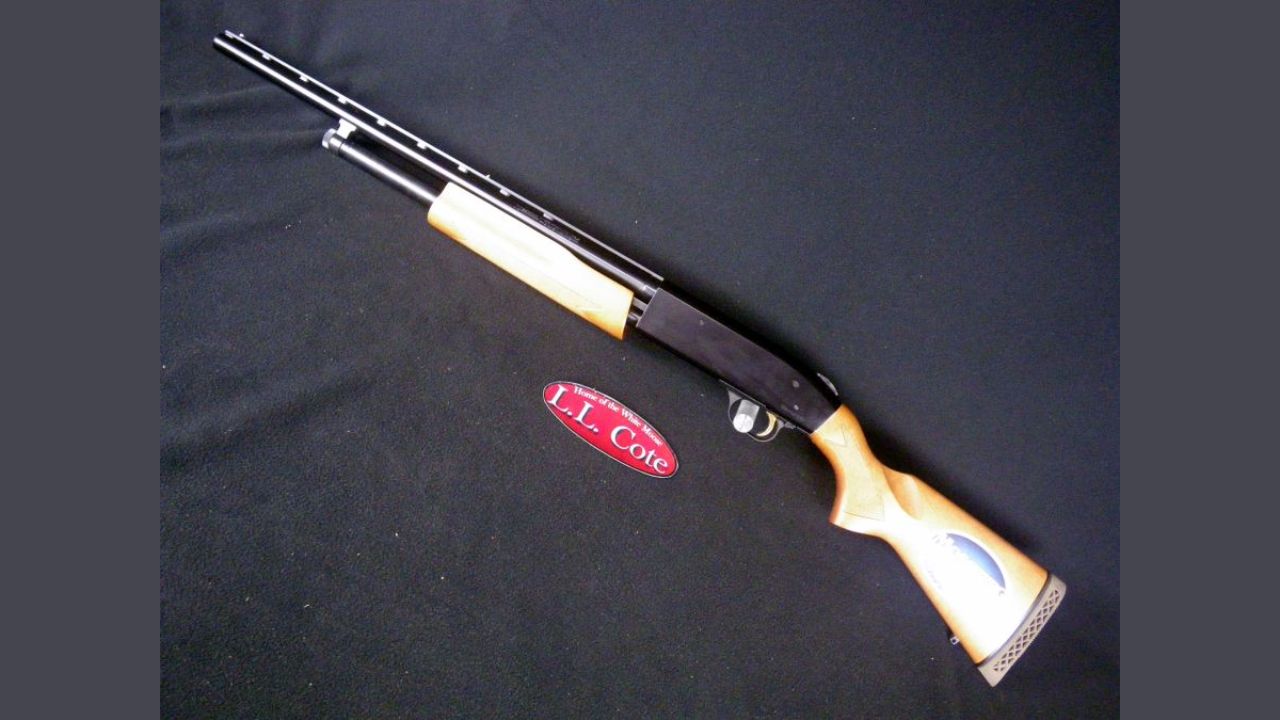
Like other youth-oriented guns, the Mossberg 500 Bantam gets bought for its short stock and light overall weight. But adult hunters who try to use it quickly notice the increased recoil and the awkward feel when trying to mount the gun quickly on game.
The shorter sight radius also works against new hunters, making follow-up shots or low-light shooting tricky. All of this adds up to a gun that gets taken to the field once before someone decides to trade it for a standard-sized 500. Lightly used examples are everywhere.
CVA Scout (Centerfire Calibers)

Single-shot rifles make sense for some hunters, but many give the CVA Scout one try before deciding the limitations aren’t worth it. Follow-up shots are slow, and the lightweight design kicks harder than expected in cartridges like .243 or .35 Whelen.
Hunters often underestimate how much the lack of a second shot changes the experience. After missing or wounding game, many move on to a repeater immediately. The Scout shows up used often—and usually looks brand new—because the idea of a single-shot is more appealing than the reality.
Ruger American Predator in 6.5 Grendel

The Predator is accurate, but most hunters expecting long-range performance from 6.5 Grendel walk away disappointed. In a bolt gun, the round doesn’t offer enough speed or energy for consistent performance beyond moderate distances.
After one season or even one trip, many hunters realize they could have bought a .308 or 6.5 Creedmoor with far better range and terminal performance. That mismatch leads to fast resales. You’ll see these rifles barely used because they didn’t match the buyer’s expectations.
Savage Model 42 Takedown

The idea of a .22/.410 combination gun sounds perfect on paper. But many hunters quickly discover the Model 42 isn’t as practical as they expected. Switching between barrels is slow, the ergonomics are unusual, and it doesn’t shine at either shotgun or rifle tasks.
Once someone tries carrying it through the woods, they often realize a dedicated small-game gun works better. That’s why used Model 42s tend to look untouched—they were novelty buys that didn’t translate to real field use.
Mossberg MVP Flex
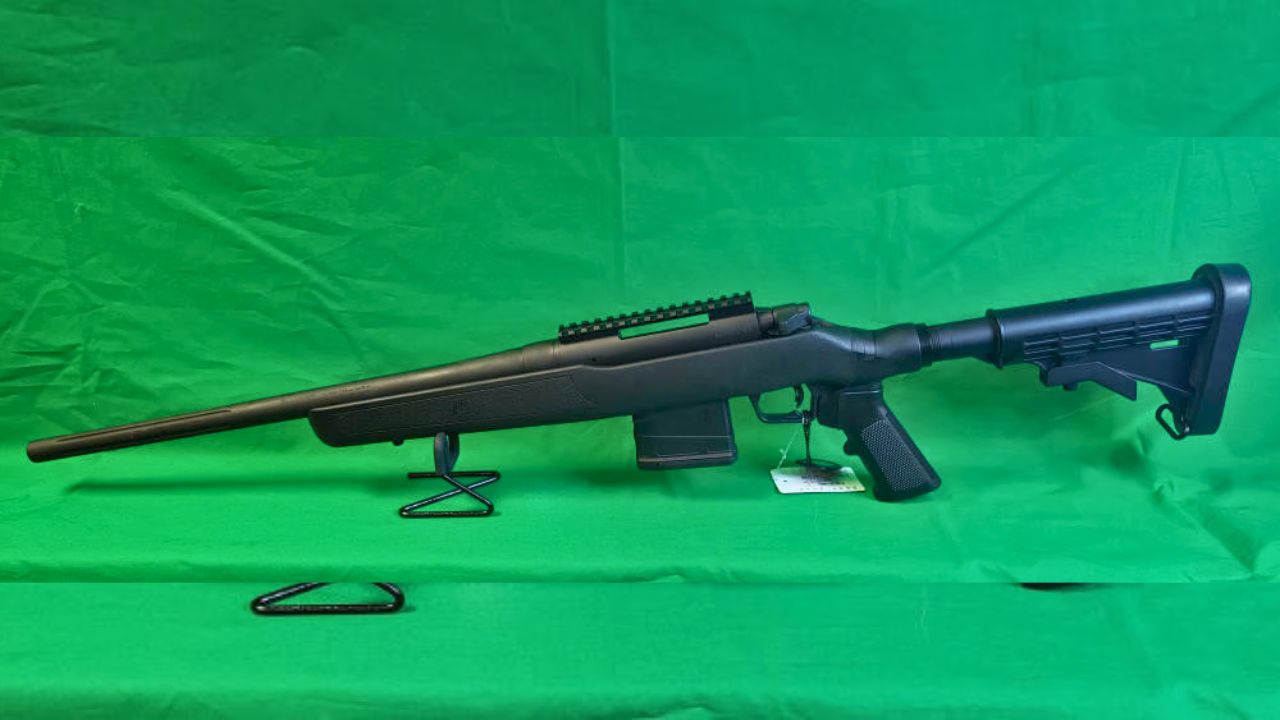
The MVP Flex came with a modular stock system that intrigued hunters, but many find the interchangeable parts unnecessary or uncomfortable in actual hunting positions. The gun also feels bulkier than most people want in the field.
After one hunt, the stock adjustments become more of a hassle than a benefit. That leads hunters to trade it off for something simpler and more traditional. Flex models commonly show up nearly new on the used market because they didn’t deliver the expected versatility.
Remington 597 Magnum
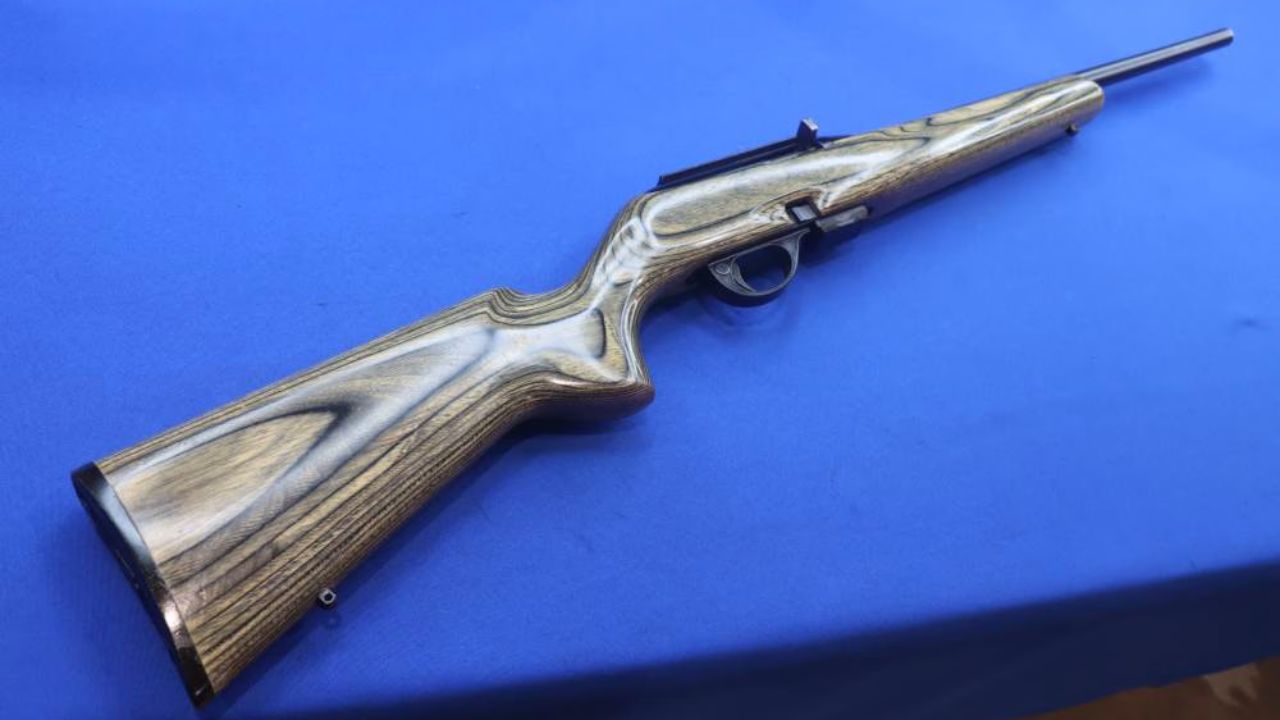
The .22 Magnum version of the 597 is attractive to small-game hunters, but the rifle has a history of magazine and feeding issues that show up quickly in the field. Hunters who want reliability don’t tolerate those hiccups for long.
Most people who take the 597 Magnum out once decide they’d rather use a bolt-action .22 Magnum or a more proven semi-auto design. That’s why used versions pile up, often with very low round counts.
Ruger Precision Rimfire

The Ruger Precision Rimfire is extremely fun at the range, but many hunters buy it expecting field-ready performance and quickly discover it’s too bulky and heavy for small-game hunting. Carrying it across ridges or thick brush gets old fast.
After one real hunt, most hunters realize a lightweight .22 works far better. The Precision Rimfire ends up back on the used rack, usually in great condition, because it’s built for bench shooting—not chasing squirrels or rabbits.
Like The Avid Outdoorsman’s content? Subscribe to our newsletter so you never miss an article.
Here’s more from us: