Photo credit: WHO_TEE_WHO/YouTube
Some rifles give you all the confidence in the world, and some make you second-guess every pull of the trigger. When a rifle can’t deliver a dependable cold-bore shot, it becomes a liability in the field. You need that first round to land exactly where you aimed, especially when you’re working with short shot windows, shifting winds, or late-season deer that won’t stand still.
Plenty of rifles get praise for accuracy in perfect conditions, but a handful turn unpredictable the moment the barrel cools, warms, or shifts on the rest. These are the rifles that leave hunters wondering where that first shot is going to land—and why it never seems to hit the same place twice.
Remington 770
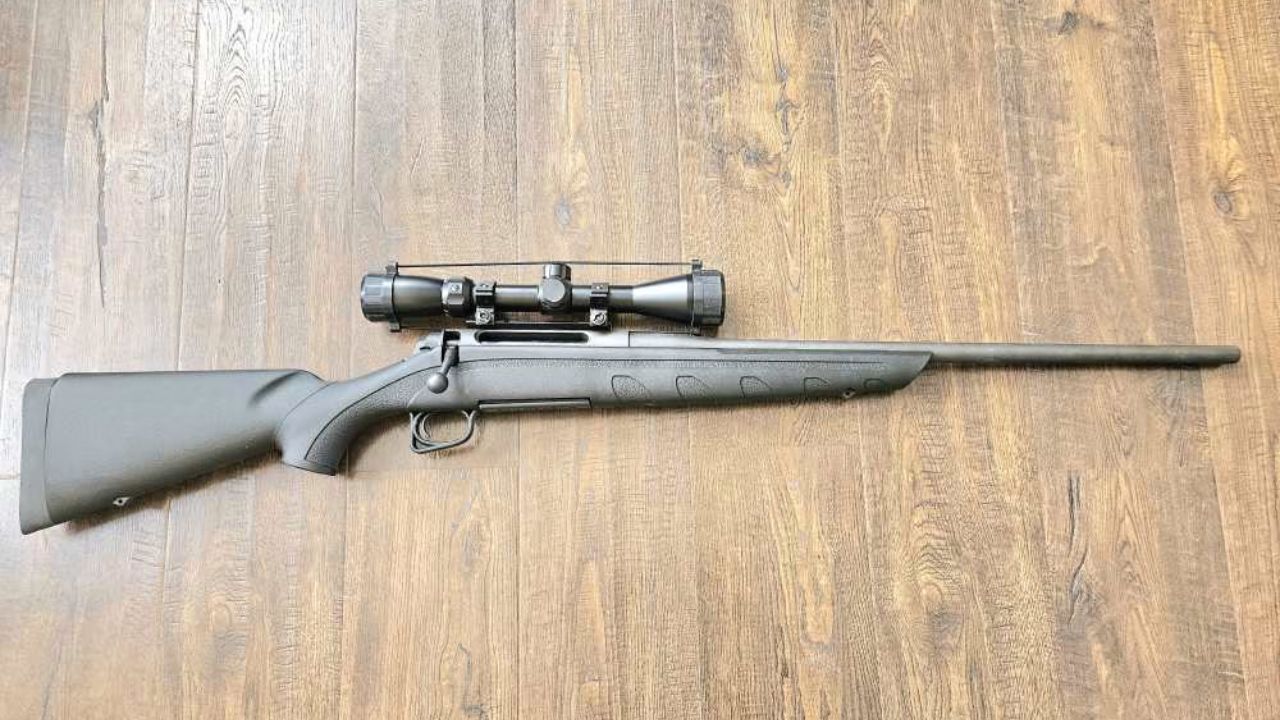
The 770 is one of the most unpredictable rifles you’ll ever try to zero. The cold-bore shot rarely matches the rest of the group, and you can see wild swings between sessions. A lot of that comes from the flexible stock and rough action, both of which can move your point of impact without you noticing.
Once the rifle warms up, things shift again. Hunters who thought they were dealing with a simple scope issue often realize the gun itself can’t repeat the first shot consistently. It’s a rifle that teaches you fast why reputation doesn’t always match performance.
Mossberg Patriot

The Patriot can shoot decent groups once everything settles, but that first round loves to wander. The lightweight barrel heats quickly and cools just as fast, which means your cold-bore impacts can drift an inch or more depending on how long the rifle has been sitting.
Add in the flexible stock and the somewhat snappy recoil impulse on the lighter models, and you end up with a setup that’s tough to trust for that all-important opening shot. Many hunters talk themselves into keeping it, but the inconsistency shows up every time you head back to the bench.
Savage Axis
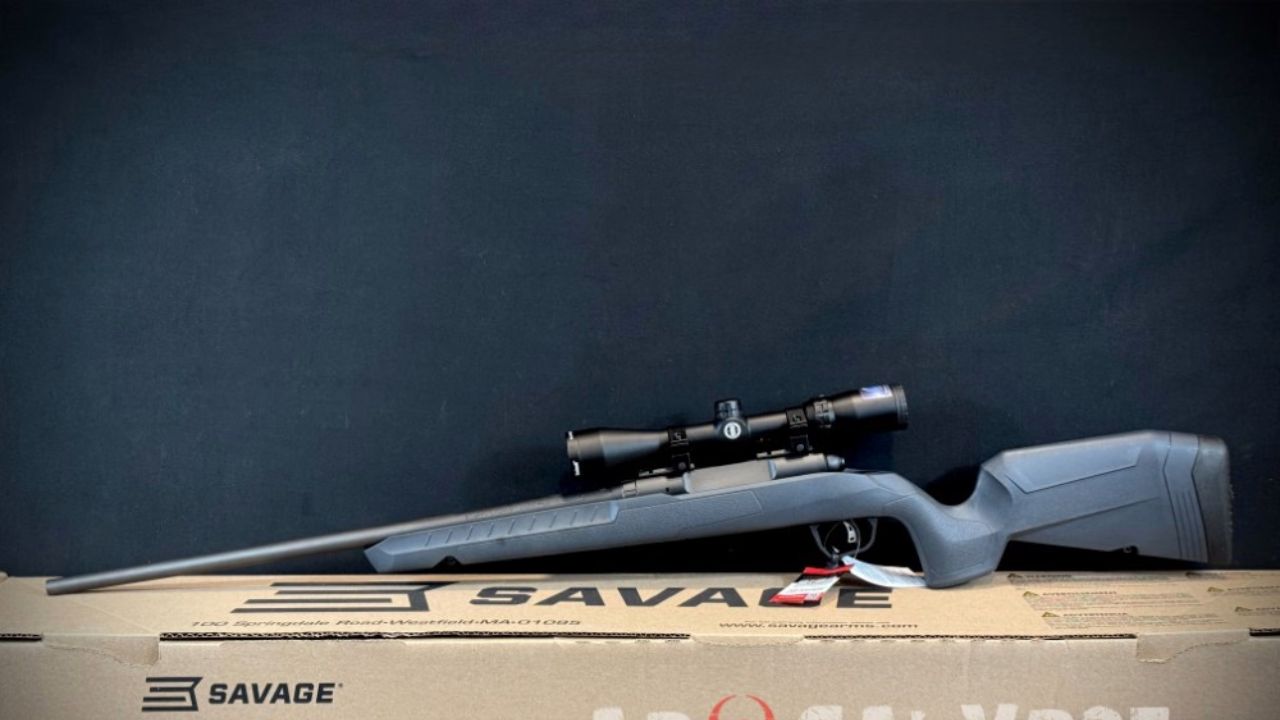
The Axis is praised online for accuracy per dollar, but cold-bore consistency isn’t its strong suit. The heavy factory trigger makes that first shot tough to break cleanly, and the stock’s flex can move your point of impact before the rest of the group is even fired.
Once you’re a few shots in, things tighten up. The problem is getting that first one to land where you want it. You can tune the rifle, but out of the box it’s one of the more inconsistent choices when you need reliability from round one.
Winchester XPR

The XPR has a strong action, but the molded stock and overall fit cause issues with first-shot predictability. That cold-bore round often prints higher or lower than the rest of the group, and the shift varies depending on weather and how the rifle was rested.
It’s the kind of rifle that shoots better after the first couple of shots, which doesn’t help hunters trying to rely on a clean opener. You can feel the inconsistency when you’re sighting in, and it never fully goes away with factory configuration.
Thompson/Center Compass

The Compass gets credit for value, but it doesn’t always return the favor when it comes to cold-barrel performance. Some rifles send the first round a full inch off the group, and the shift changes with temperature and barrel position.
Shooters often blame optics at first, but once you rule that out, the rifle’s barrel harmonics start pointing to the real issue. It can settle into a pattern, but that opening shot is rarely dependable unless you spend time tuning loads.
Ruger American Ranch

Early Ranch rifles suffered from cold-bore flyers, especially in the lightweight .300 Blackout versions. The thin barrel and flexible stock add variables you can’t always control, and it doesn’t take much pressure change to move that first impact.
Hunters tend to forgive it because the platform is handy and affordable, but when you’re trying to anchor game with confidence, that first shot unpredictability becomes hard to ignore. The rifle improves as it warms, but that doesn’t help the moment you need accuracy most.
Remington Model Seven (Late Production)

The later Model Seven rifles never matched the consistency of the older ones. Cold-bore shots often printed an inch or more from the center of the group, and the lightweight profile barrel didn’t settle as quickly as most hunters expected.
If you shoulder it in different positions or rest the fore-end slightly off-center, you see even more variation. It’s a rifle many hunters love the idea of, but at the range the inconsistencies show up quickly.
Browning AB3

The AB3 has the Browning name behind it, but it doesn’t always deliver cold-bore reliability. The stock flex and inconsistent trigger pull make that first shot tough to repeat. Groups tend to tighten after a few rounds, but the opening one can land noticeably outside.
It’s a tough reality for hunters who expected Browning-level refinement. Instead, they get a rifle that requires work to become dependable from the first shot—something most buyers never expected.
Weatherby Vanguard Synthetic

While the Vanguard action is excellent, the synthetic-stock models sometimes struggle with repeatable cold-bore performance. The heavier weight helps with recoil, but the barrel can throw its first round until it reaches operating temperature.
You might see a tight group once the rifle warms, but that doesn’t help much when the cold shot is what matters. Many hunters new to the rifle are surprised by this inconsistency, especially since the accuracy reputation online sets expectations high.
Marlin X7

The X7 shoots well after everything settles, but the first round often lands away from the group. The trigger is decent, but the barrel and stock combination produce enough variation to make the rifle unreliable for cold-bore work.
If you shoot long strings or load development sessions, the rifle can shine. But when you need that single, clean opening shot on a deer, you may find yourself wondering where it will land.
CVA Cascade

The Cascade became popular fast, but not all rifles give predictable first-shot results. Some show noticeable shifts depending on how long the barrel cooled or how the rifle was held in the rest.
Groups can look fine, but that first round often refuses to line up perfectly. It’s a trait hunters discover only after repeated range days, long after the initial excitement of buying the rifle wears off.
Savage 110 Lightweight Storm

The lightweight version of the 110 is handy in the field, but cold-bore shifts are common. The reduced barrel profile makes it sensitive to temperature swings, and that shows up as a drifting first shot.
The rifle is reliable in general, but it’s not one you trust entirely for precision cold-bore impacts. The lighter you go, the more those inconsistencies matter.
Ruger Hawkeye Ultra Light

This is another rifle where the ultralight concept sounds great until you see the cold-bore results. The thin barrel throws the first shot more often than not, and follow-ups land tighter only after the metal warms.
It’s a tough compromise: it carries beautifully, but accuracy expectations need to be realistic. Hunters expecting pinpoint cold-bore precision usually walk away disappointed.
Christensen Arms Mesa

Even though the Mesa is marketed as a higher-end option, not every rifle delivers a consistent cold-barrel shot. Some barrels show harmonic quirks that move that first round off center until the rifle warms.
For a rifle in its price class, any inconsistency stands out fast. Hunters often expect custom-level performance based on the online chatter, but the cold-bore shot reveals the limitations.
Bergara B14 Hunter (Some Early Models)

Bergara makes excellent rifles, but early Hunter models weren’t always predictable from the first shot. Small variations in crown and barrel fit caused first-round drift that frustrated new owners.
Once warm, the rifles grouped well. But that doesn’t change the fact that the first shot is the one you rely on most when you’re in the woods, and this model didn’t always deliver that consistency.
Like The Avid Outdoorsman’s content? Be sure to follow us.
Here’s more from us: