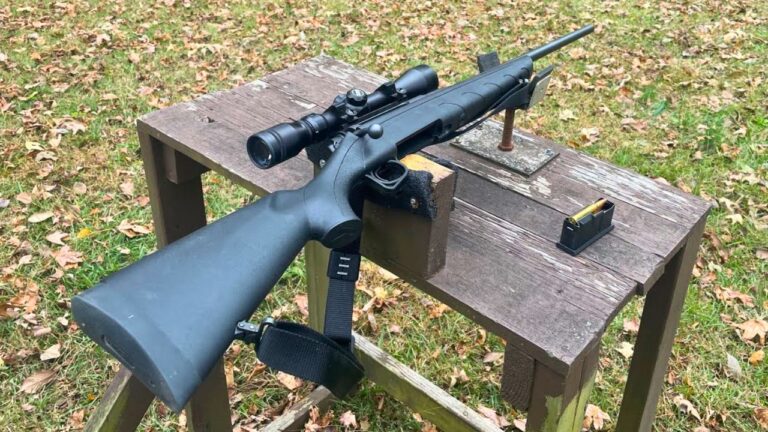
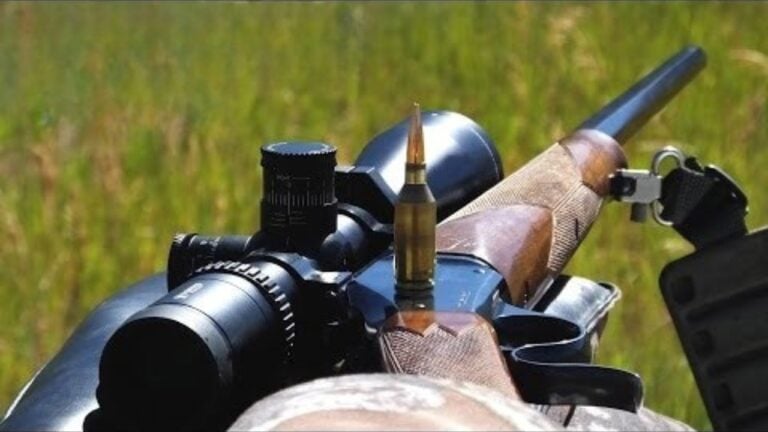
Photo credit: WHO_TEE_WHO/YouTube
Some hunting calibers never really leave. They do not dominate flashy conversations, and they are not always the ones getting pushed hardest by gun counters, marketing campaigns, or internet debates. But every season, the same old standbys keep showing up in camps, trucks, saddle scabbards, and deer blinds for one simple reason: they still work. Hunters may try newer rounds for a while, but a lot of them end up circling back to cartridges that have already proven what they can do on real animals in real conditions.
That quiet loyalty usually comes from experience, not nostalgia. When a caliber feeds well, shoots predictably, offers manageable recoil, and puts game down without drama, hunters remember it. They stick with what gives them confidence when the light gets low and the shot window gets short. These are the rifle calibers hunters keep trusting year after year, even when newer options keep trying to take their place.
.30-06 Springfield
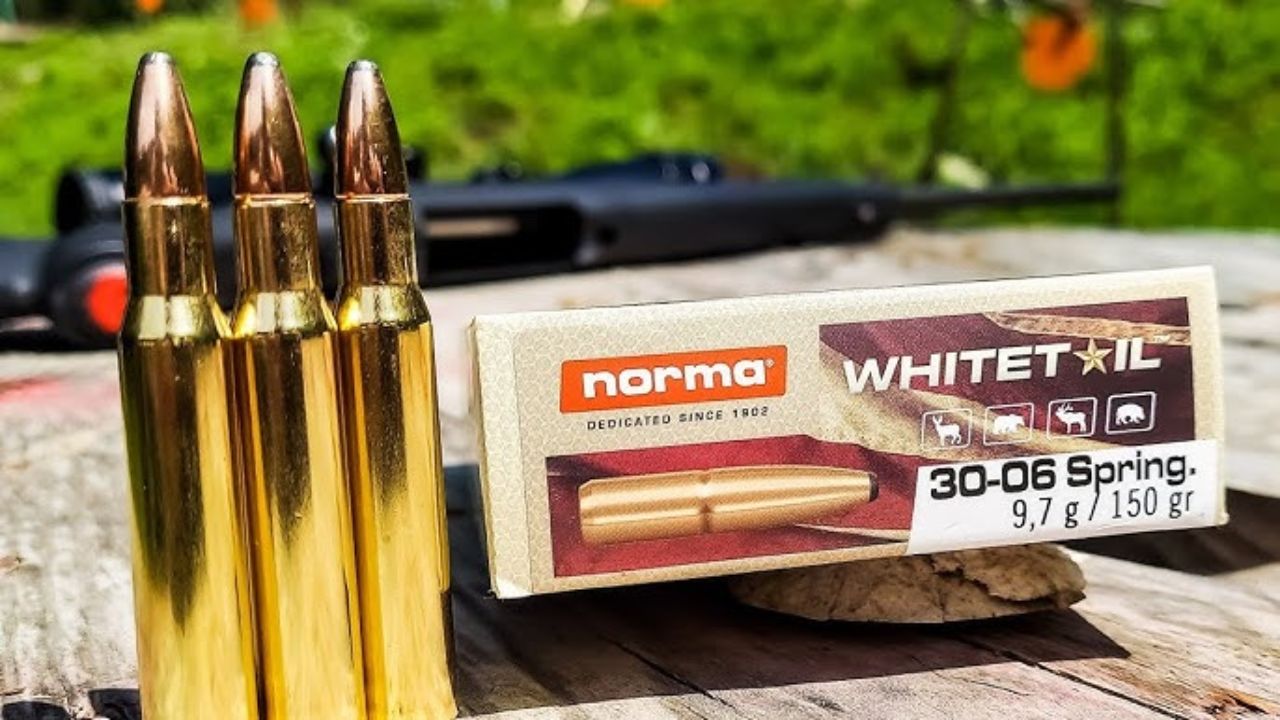
The .30-06 keeps hanging around because it still covers an enormous amount of hunting ground without asking much from the shooter. It can handle deer, black bear, elk, and a lot more with the right bullet, and it does it from rifles that are easy to find almost anywhere. Hunters who have spent real time in the field know that flexibility matters more than hype. You can load it light enough for manageable recoil or step up to heavier bullets when the job gets bigger.
A lot of hunters quietly stay with the .30-06 because it never really backs them into a corner. Ammo is widely available, bullet choices are everywhere, and most rifles chambered for it are practical rather than fussy. It may not feel exciting anymore, but excitement is not why it keeps showing up in hunting camps. It keeps showing up because it still makes good decisions easy.
.308 Winchester

The .308 is one of those calibers hunters stick with because it tends to make field shooting feel straightforward. It has enough power for a wide range of game, recoil that most shooters can manage well, and accuracy that gives people confidence when they have to shoot from awkward positions. It also tends to work well in shorter rifles, which matters more than people sometimes admit when you are climbing in and out of blinds, trucks, and tight timber.
Hunters also stay loyal to the .308 because it does not force a lot of tradeoffs. You are not dealing with punishing recoil, hard-to-find ammo, or a cartridge that only shines in ideal conditions. It just works. That steady reliability is exactly why it never really disappears from deer camps and elk camps alike. Plenty of newer rounds promise more, but the .308 keeps giving hunters enough where it counts.
.270 Winchester

The .270 Winchester has stayed in the game for so long because it hits a sweet spot that a lot of hunters still appreciate. It shoots flat enough for open-country hunting, carries enough authority for deer and elk in capable hands, and usually does all of that without beating the shooter up. When hunters talk about rifles that simply feel easy to hunt with, the .270 tends to come up for good reason.
A lot of hunters stick with it because it builds trust fast over time. They know where it lands, they know how it behaves in the wind well enough for normal hunting distances, and they know it can reach farther than many woods cartridges without becoming a chore to shoot. That kind of comfort matters. Hunters do not keep hauling the .270 out every fall because it is trendy. They keep doing it because it keeps earning the trip.
7mm Remington Magnum

The 7mm Remington Magnum still holds onto hunters because it gives them noticeable reach and solid downrange performance without crossing fully into bruiser territory for most shooters. It has long been one of those cartridges that makes mountain hunters, open-country hunters, and western big-game hunters feel like they have a little more room to work with when distance starts stretching out.
Even with all the newer long-range cartridges on the market, hunters keep coming back to the 7mm Rem Mag because it is already proven and widely understood. Rifles for it are easy to find, ammo is still common, and it has been dropping big game cleanly for decades. Hunters who know what it does tend not to get too distracted by every new cartridge pitch. They already know this one handles serious work.
.243 Winchester
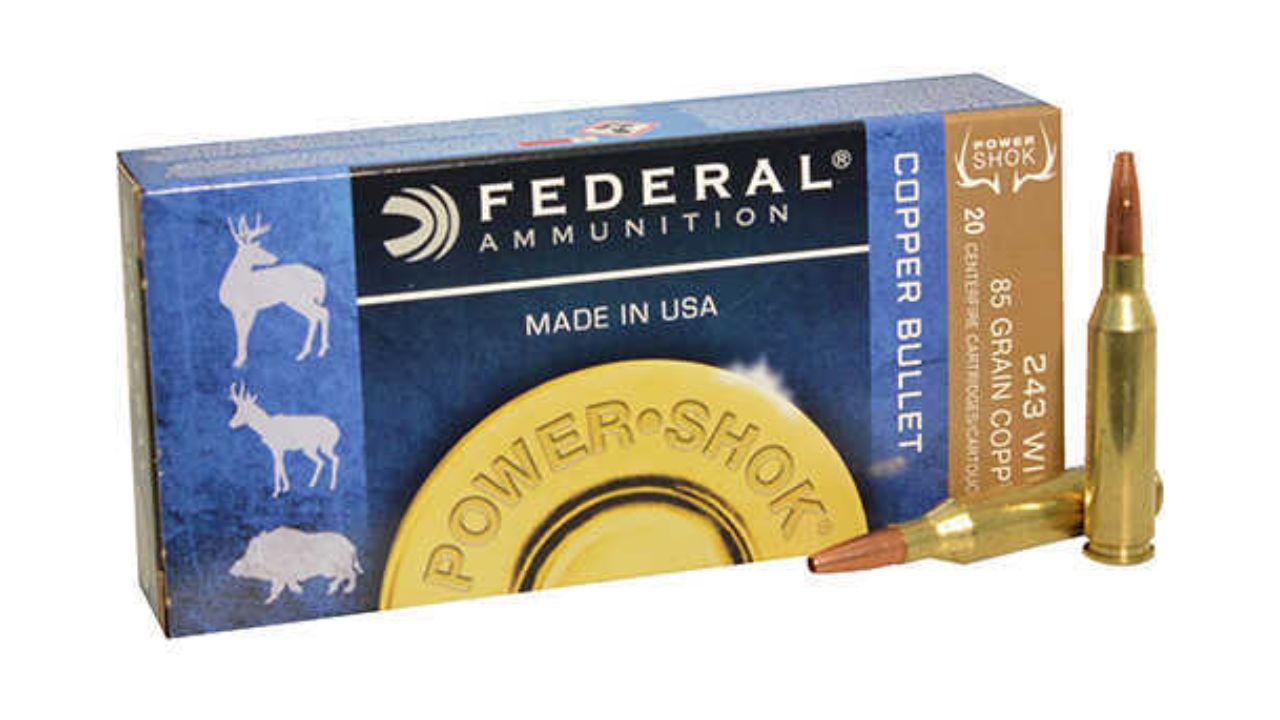
The .243 Winchester is the kind of caliber hunters quietly stay with because it does a lot better in the field than some louder voices give it credit for. For deer-sized game, varmints, and younger or recoil-sensitive shooters, it remains one of the easiest ways to get accurate hits without developing a flinch. That matters more than raw energy numbers when the real goal is putting a good bullet in the right place.
Hunters also keep sticking with the .243 because rifles chambered for it are often pleasant to shoot and easy to practice with. That leads to more trigger time and better shot placement, which is usually worth more than chasing an extra chunk of paper ballistics. It has limits, sure, but hunters who understand those limits tend to keep it around for years because it remains genuinely useful rather than merely popular.
.30-30 Winchester

The .30-30 survives because it still fits the kind of hunting many people actually do. In woods, brush, creek bottoms, and short-to-moderate-range deer country, it keeps proving that you do not need a speed demon to kill game cleanly. Lever guns chambered in .30-30 carry well, point naturally, and feel right in places where long shots are unlikely and fast handling matters more than a flat trajectory.
Hunters stick with the .30-30 because it has a way of staying honest. It does not encourage sloppy distance guesses or fantasy-yardage shooting. It keeps people thinking in practical terms, and for a lot of deer hunters that is a good thing. When the shot is inside normal woods range, the .30-30 still makes plenty of sense. That is why it keeps turning up every season instead of fading into history.
.300 Winchester Magnum

The .300 Winchester Magnum remains a steady favorite for hunters who want real power and reach in one familiar package. It is more cartridge than everyone needs, but that has never been the point. Hunters who chase elk, moose, or mixed big-game opportunities often like knowing they have enough bullet weight and velocity to handle a wide spread of situations without feeling undergunned if the angle or distance gets less than ideal.
What keeps hunters coming back to it is that the .300 Win Mag has already proven itself in tough country for a long time. It is not soft-shooting, and it does ask more from the shooter than mild standard cartridges, but it gives something back for that effort. Hunters who learn it well tend to stay with it. Once a caliber builds that kind of trust on big animals, it usually hangs around for a long time.
.35 Whelen

The .35 Whelen is one of those calibers hunters tend to hold onto because it feels grounded in real hunting rather than endless discussion. It throws heavier bullets with authority, works well on large game, and does not require stepping into exotic rifles or rare components to get there. Hunters who use it usually do so because they wanted a serious woods and elk cartridge that hits hard without becoming overly complicated.
There is also a loyalty factor with the .35 Whelen that comes from how practical it feels once you understand it. It is not flashy, and it is not usually the first round people brag about at the range, but it has a strong record on game and a reputation for getting the job done cleanly. Hunters who carry it often stick with it because they stop feeling any need to chase something else.
.280 Remington

The .280 Remington has quietly held onto a loyal group of hunters because it gives them a lot of what they like about the 7mm class without always dragging them into the same old crowded conversations. It offers a useful blend of shootability, reach, and big-game capability, and hunters who spend enough time with it often end up wondering why more people do not appreciate it. It has always been a bit quieter than it deserves.
Hunters stick with the .280 because it tends to feel balanced. It is not a punishing magnum, but it still offers enough performance to cover a lot of real hunting needs. It also rewards careful shooters who want a cartridge that is flat enough for open country yet still manageable enough to practice with regularly. Once people get comfortable with it, they often see no real reason to move away.
6.5 Creedmoor

The 6.5 Creedmoor may get talked about loudly online, but plenty of hunters who stick with it do so for plain reasons rather than trend-chasing. It is accurate, mild enough in recoil to encourage practice, and effective on deer-sized game with good bullets and sensible shot choices. That combination matters. A caliber that helps people shoot better from field positions will keep finding real loyalty no matter how much backlash it draws.
Hunters also keep using it because it simplifies a lot of things. Rifles are common, ammo is everywhere, and it performs well without requiring a punishing learning curve. Yes, some people oversell it, but that does not change the fact that it is a very usable hunting round. Quiet loyalty often comes from results, and the 6.5 Creedmoor has now built enough results in the field to earn long-term trust.
.257 Roberts

The .257 Roberts is the kind of caliber that stays alive through hunters who know exactly what they like and do not feel any need to explain it to everyone else. It has long been appreciated for mild recoil, pleasant shooting manners, and reliable deer performance with the right loads. It is not common enough to dominate shelves everywhere, but among hunters who use it well, it keeps a reputation that never really goes away.
What makes people stick with the Roberts is that it often turns into one of those cartridges you simply enjoy carrying and shooting. Rifles chambered for it tend to feel like true hunting rifles rather than overbuilt gadgets. It has a classic ease about it that keeps winning people over season after season. Hunters who value that softer-shooting confidence tend to keep it in the lineup for a very long time.
.25-06 Remington

The .25-06 keeps earning loyalty because it gives hunters a fast, flat-shooting option that is still pleasant enough to use in the real world. It has long been a favorite for pronghorn, deer, and mixed predator work, and it keeps making sense anywhere open-country shots are common. Hunters who spend time with it usually appreciate how little drama it brings to the rifle. It shoots clean, carries well, and tends to feel easy.
Hunters quietly stay with it because it often does exactly what they hoped a hunting cartridge would do when they first got into centerfire rifles. It reaches well, hits deer cleanly, and does not punish them so badly that they stop practicing. It may not get the same conversation as some newer rounds, but that is part of its personality. The .25-06 just keeps doing useful work without demanding attention.
.22-250 Remington

The .22-250 is one of those calibers that hunters keep around because varmints, predators, and smaller-bodied game still matter, and this cartridge remains excellent at that kind of work. It is fast, accurate, and easy to like in the field. For coyotes, groundhogs, and similar use, it has been a trusted tool for a long time. Hunters do not need marketing to remind them when a cartridge already keeps solving the problem.
There is also something about the .22-250 that makes it hard to give up once you have used one enough. It tends to shoot flat, feels lively, and can make long-ish shots on small targets feel a lot less stressful than they otherwise would. Hunters stick with it because it keeps making practical sense. A cartridge that turns hard predator opportunities into easier hits usually stays in the safe.
.45-70 Government
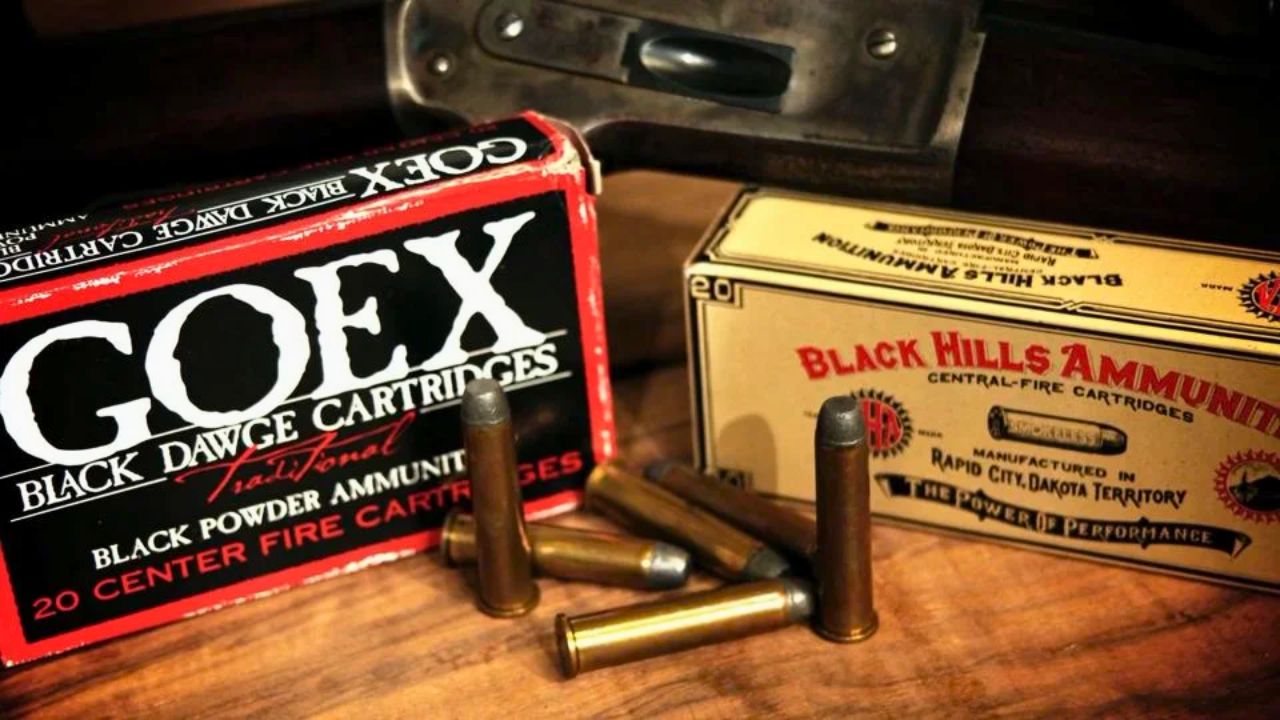
The .45-70 keeps hunters loyal for a reason that shows up fast once you carry one in thick cover or on game that can hit back. It is not a long-range number chaser, and nobody honest buys it for laser-flat performance. Hunters stay with it because it offers big-bullet authority at sensible hunting distances, especially in rifles that handle quickly and hit with a kind of confidence lighter cartridges do not always match.
Hunters who use the .45-70 often appreciate how clear its role is. In brush, timber, bear country, or short-range hunting where impact matters more than trajectory, it still brings something valuable. Modern loads have also kept it relevant in ways older assumptions sometimes miss. People keep returning to it because it is satisfying, effective, and deeply dependable within the job it was always meant to do.
7mm-08 Remington

The 7mm-08 is a cartridge hunters quietly stay with because it almost never feels like a bad idea. It has manageable recoil, strong bullet options, and enough performance for deer, hogs, black bear, and more without turning the rifle into something people dread shooting. It is one of those rounds that tends to make practical hunters happy because it helps them shoot well and keeps the whole system simple.
That steady usefulness is exactly why the 7mm-08 keeps hanging around year after year. It may never get treated like the loudest star in camp, but it has built plenty of trust by doing everything it needs to do without much downside. Hunters who settle into it often end up staying there. When a cartridge gives you confidence, comfort, and reliable results, you usually stop shopping around.
Like The Avid Outdoorsman’s content? Subscribe to our newsletter so you never miss an article.
Here’s more from us: