Photo credit: mixup98/YouTube
A lot of guns get missed for one simple reason: they do not look exciting fast enough. They seem too plain, too practical, too familiar, or too tied to an older style people assume will always be easy to find later. That is usually when buyers make the mistake. The louder guns get the attention, while the more ordinary-looking ones sit in the rack long enough for smart buyers to take them home before the rest of the market wakes up.
Then the tone changes. The same gun people once shrugged at suddenly gets described as underrated, hard to find, or something they should have bought years ago. That is how a lot of regret starts in the gun world. Here are 15 guns people called boring right before values started climbing.
Winchester Model 88

The Model 88 got called boring because it never fit neatly into the lanes people usually get excited about first. It was not the lever gun traditionalists romanticized most, and it was not the plain bolt rifle the average hunter bought by habit. That made it easy to respect without feeling much urgency about actually owning one.
That kind of calm usually does not last forever. Once more buyers started appreciating how practical, distinctive, and field-smart the Model 88 really was, the whole conversation changed. A rifle that once felt like a quiet used-rack option started looking a lot more like one of the smarter old Winchester buys people had passed over for too long.
Ruger 96/44

The 96/44 looked boring mostly because too many buyers did not know what to make of it. Lever-action feel, rotary magazine, Ruger styling, and .44 Magnum power all added up to something useful, but not obviously trendy. For a long time, that made it feel like an odd side note instead of a priority purchase.
Then people actually lived with them and started understanding the point. A compact, quick woods rifle with real punch and real personality was never going to stay underappreciated forever. It only looked boring to people who were too distracted by louder categories to see what kind of practical rifle was sitting right in front of them.
Savage 24C

The Savage 24C got called boring because combination guns tend to look like equipment more than collector pieces. A .22 over 20 gauge sounded useful, sure, but not glamorous. That was enough for a lot of buyers to treat it like the kind of gun they could always circle back to if they ever felt nostalgic for camp guns later.
That turned out to be lazy thinking. The older these guns got, the more people realized how few firearms really combine that kind of versatility with that much character. Once buyers started appreciating the 24C as something more than a plain little utility gun, the “boring” label stopped fitting very quickly.
Browning SA-22

The SA-22 got underestimated because elegant rimfires rarely trigger urgency. Buyers saw a neat little takedown .22 and treated it like a pleasant extra instead of something they needed to buy while the buying was still easy. That sort of underreaction is exactly how good rimfires get missed.
Then time did what it always does. People started seeing that the rifle was not just graceful or well made. It was genuinely enjoyable, genuinely useful, and much harder to replace in that same spirit than they once assumed. The same qualities that once made it seem calm and ordinary started making it look smarter every year.
Remington 572 Fieldmaster

The 572 got called boring because old pump .22s are very easy for buyers to take for granted. They look like the sort of rifles that should always be around, always be affordable, and always sit just one rack over if you ever decide you want one later. That kind of thinking has cost a lot of people some very good old rimfires.
The Fieldmaster eventually started getting appreciated more honestly. Once enough people spent time with them, the smoothness, usefulness, and just plain everyday appeal of a good pump .22 became a lot harder to dismiss. Guns like this only seem boring until people notice how often they still want one.
Anschütz 1416

The 1416 looked boring to buyers who still thought rimfires were side purchases instead of real rifles. That attitude has probably caused more missed smart buys than almost anything else. A rifle like this never needed flash. It had quality, accuracy, and the kind of quiet satisfaction that only becomes more obvious with ownership.
That is why the market eventually changed its tone. Once more shooters started treating fine sporting .22s like serious long guns instead of casual add-ons, the 1416 stopped looking ordinary and started looking like exactly the sort of rifle they should have taken more seriously from the start.
Remington 600 Mohawk
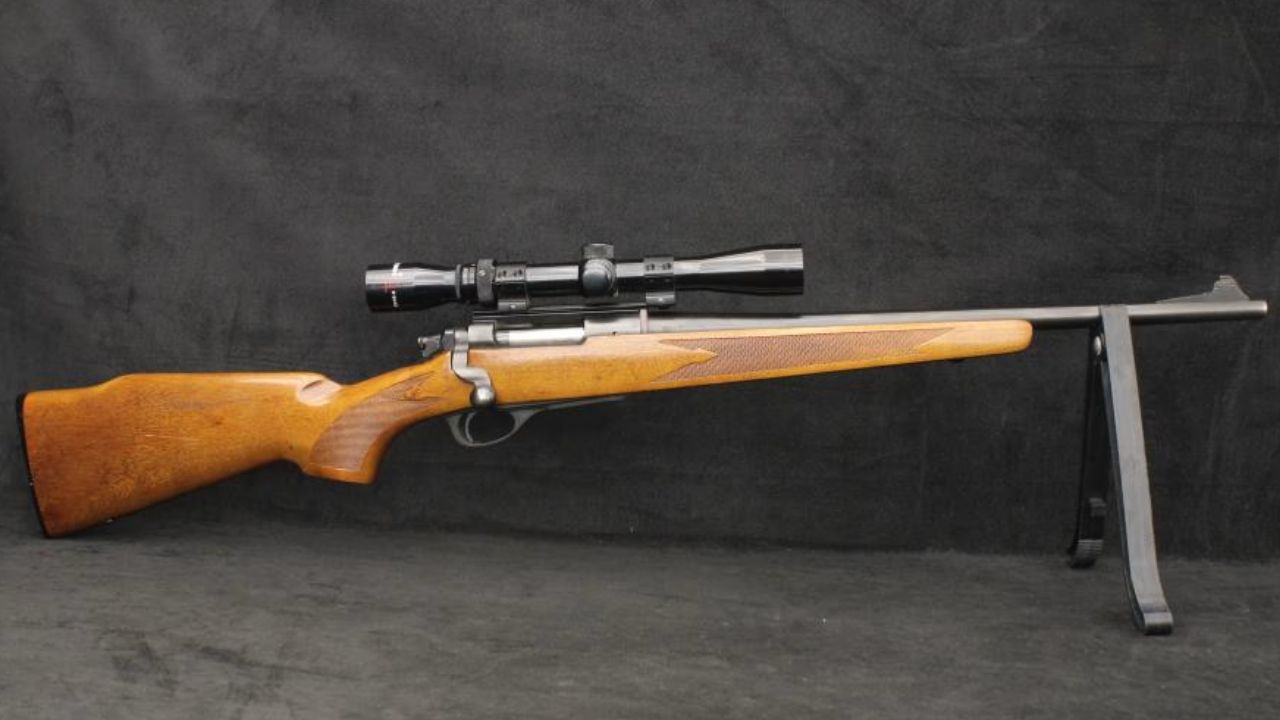
The 600 Mohawk got laughed at because of the look long before enough buyers gave the handling a fair chance. It seemed too short, too odd, too unlike the standard idea of what a serious hunting rifle was supposed to be. That bought smart buyers extra time, because the market was busy making jokes instead of buying rifles.
Then the joke got more expensive. Once hunters and collectors started appreciating compact rifles with real field sense and real personality, the Mohawk stopped being the awkward little bolt gun people had brushed off and started looking like one of those rifles buyers wished they had grabbed while everyone else was still sneering at it.
Ruger Deerfield 99/44

The Deerfield looked boring because it sat in a lane too many buyers never understood properly. It was a traditional-stock semiauto in .44 Magnum, which made a lot of sense to the right hunter and almost no sense to people chasing trendier rifle categories. That gap kept it from getting the attention it deserved for a long time.
That eventually changed. Once people started thinking more practically about handy woods rifles and old-school semiautos with real field use, the Deerfield stopped feeling like a quiet little niche carbine and started feeling like a missed opportunity. That is usually what happens when a gun’s usefulness outlasts the market’s ability to ignore it.
Browning T-Bolt
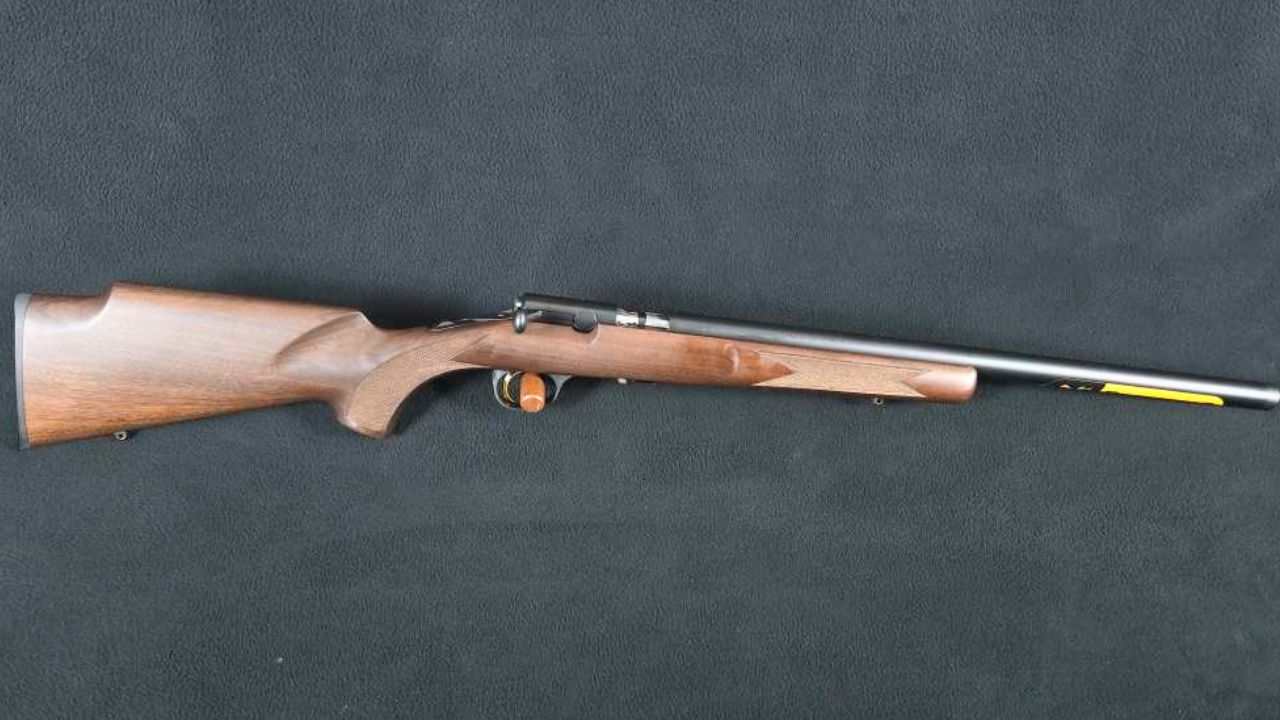
The T-Bolt looked boring because buyers often mistake calm refinement for lack of urgency. It was a rimfire, after all, and for too many people that automatically meant “nice, but later.” The straight-pull action also made it feel like a specialty piece to buyers who had not spent enough time with one to understand the practical side of the design.
Later, the same rifle started looking much smarter. Once owners and collectors recognized how enjoyable, distinctive, and well executed it really was, the idea that it had ever been just another ordinary .22 started sounding pretty lazy. That is usually the mark of a good gun that got overlooked for the wrong reasons.
Remington 141 Gamemaster

The 141 Gamemaster got called boring because pump centerfire rifles are easy to underestimate if your entire rifle brain is wired around bolt guns. It looked like old utility gear to a lot of buyers, not like something they should feel any pressure to own. That is how a lot of good old sporting rifles stay underappreciated longer than they should.
Eventually people started noticing what they had ignored. A rifle with that much field history, that much handling charm, and that much plain old usefulness was never going to stay ordinary forever. It only looked that way while buyers were too distracted by more obvious categories to notice what kind of rifle they were leaving behind.
Sako Forester

The Forester always had the quality, but for a long time it still looked boring to buyers who wanted something louder in either name recognition or styling. It was a nice old sporting rifle, which sounds flattering until you realize that phrase also kept many buyers from moving quickly enough while they still had the chance.
That is how underappreciated quality usually turns into regret. Once the broader market finally started treating older Sako sporters with the respect they deserved, rifles like the Forester stopped feeling like calm old used-gun buys and started looking like exactly the kind of smart purchase people wish they had made sooner.
Winchester 61

The Model 61 got called boring because pump .22s rarely trigger the same instant excitement as centerfires or military rifles. Buyers liked them, sure, but many treated them like something pleasant they could always come back for later. That sort of relaxed attitude is how smart firearms stay missed just long enough to become expensive lessons.
Once enough buyers remembered how good old Winchester rimfires actually were, the Model 61 stopped being the sort of gun people admired casually and started becoming the sort of gun they hunted for more seriously. That is a very familiar pattern in the used-gun world.
Savage 99
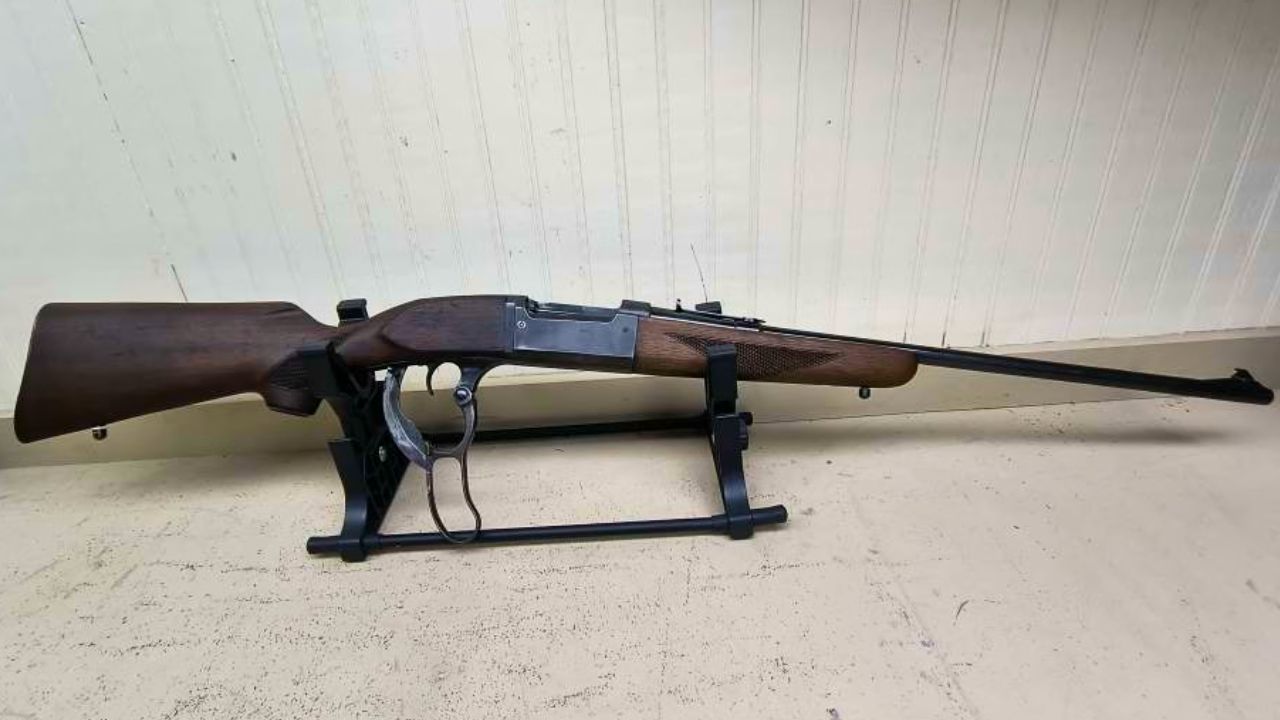
The Savage 99 looked boring to the wrong buyers because it never fit neatly into the easiest stories. It was not the lever gun many traditionalists wanted first, and it was not the standard bolt rifle hunters bought by default. That made it easier to respect than to chase, which is a very dangerous place for a good rifle to live in the market.
Eventually enough people realized the 99 had real design appeal, real field usefulness, and a lot more individuality than many rifles that got louder attention. Once that happened, the idea that it had ever been just some ordinary old sporting rifle started looking like one of the market’s dumber blind spots.
Browning BL-22

The BL-22 got called boring for the same reason many good rimfires do: buyers assumed a nice .22 was never an urgent purchase. It was smooth, well made, and easy to enjoy, but because it was “just” a lever-action rimfire, plenty of people thought they had endless time to decide later.
Then the market caught up to what the rifle had always been. A quality sporting rimfire with that kind of feel and that kind of long-term appeal was never going to stay underpriced forever. The people who once called it boring usually sound very different after they try finding one once the easy days are gone.
Mossberg 46B

The 46B is exactly the sort of rifle that gets ignored because it looks too plain to trigger much emotion at first glance. Old bolt-action .22, practical lines, no big show-off energy, no obvious status attached. That description kept a lot of rifles like this sitting around in the “nice little rimfire” category for much too long.
Then people started getting more honest about what they actually wanted from a good old .22. Accuracy, simplicity, usefulness, and the kind of shooting satisfaction that stays strong for decades all began to matter more than the lack of flash. Guns like the 46B usually look boring only until buyers realize how much of their own shooting life they would actually enjoy having one around.
Marlin 57M Levermatic

The Levermatic got called boring because buyers never quite knew whether to treat it like a lever gun, a rimfire curiosity, or just another old Marlin they could circle back to later. That uncertainty kept plenty of them from being bought with any urgency. A rifle that sits between categories usually stays underappreciated until people run out of chances to be casual about it.
That is exactly what happened here. Once more shooters started valuing unusual, useful rimfires with real personality, the Levermatic stopped being the odd little rifle people once laughed off and started looking like one of those smart old Marlins they should have grabbed when everyone else was still sleeping on it.
Like The Avid Outdoorsman’s content? Subscribe to our newsletter so you never miss an article.
Here’s more from us: