Photo credit: WHO_TEE_WHO/YouTu be
This one catches a lot of hunters because we grow up thinking “bigger hit = deeper hole.” Real life doesn’t work like that. Penetration comes down to bullet construction, sectional density, impact velocity, and whether the bullet holds together when it hits bone. Some calibers hit like a hammer and still stop early because the bullet blows up, sheds weight, or mushrooms too wide too fast. That’s why you’ll hear guys say “it dropped fast” and also “I didn’t get an exit.”
None of these calibers are “bad.” The point is that they can under-penetrate if you pair them with the wrong bullet, shoot too close with too much velocity, or hit heavy bone.
6.5 Creedmoor

Creedmoor can penetrate very well with the right bonded or mono bullet, but a lot of people run match-style or thin-jacket hunting bullets and then wonder why penetration isn’t what they expected. If you hit shoulder at higher impact speeds or use a bullet that fragments, you can get a dramatic wound and still not get deep, straight penetration.
This is the classic “caliber gets blamed for bullet choice” scenario. The Creed doesn’t need to be a grenade. If you choose a tougher bullet—bonded, controlled expansion, or copper—it will surprise you in the good way. If you pick a soft bullet and aim at big bone, you might get the bad surprise.
.243 Winchester

.243 has killed mountains of deer, but it’s also a caliber where people love light-for-caliber bullets and high speed. That combo can expand violently, especially at closer ranges, and penetration can suffer when you hit shoulder or heavy bone. You’ll see impressive internal damage and still not get an exit.
If you want penetration out of .243, you usually want heavier bullets and tougher construction. Too many guys run 80–90 grain “varmint-ish” behavior bullets and then act shocked when the bullet doesn’t drive deep. It’s not magic. It’s physics and construction.
6mm Creedmoor

6mm Creedmoor is a great cartridge, but it’s easy to get into high velocity and thin-jacket bullets because that’s what a lot of people shoot in the 6mm world. When those bullets hit at higher speed, they can open hard and shed weight quickly. Penetration can be less than expected, especially on quartering shots or shoulder hits.
Use a tougher 6mm hunting bullet and you can absolutely get good performance. But if you’re running “match-ish” bullets or fragile hunting bullets because they group well, don’t be surprised when penetration isn’t consistent. The caliber isn’t the villain—the setup is.
.300 Win Mag

This one surprises people because .300 Win Mag feels like “it should punch through anything.” It will—if the bullet holds together. At close ranges, impact velocity can be high enough to make some rapid-expansion bullets blow up fast. That can limit penetration and sometimes you’ll see a nasty surface wound with less deep drive than you expected.
The fix is bullet choice and realistic shot placement. If you want through-and-through performance on elk or big-bodied deer, use a controlled-expansion bullet that stays together. The caliber hits hard, but it can waste energy if the bullet fragments early.
7mm Rem Mag

7mm Rem Mag is another “flat shooter” that can produce high impact speeds inside normal hunting distances. With softer bullets, you can get aggressive expansion and less penetration than you’d expect from a caliber that’s clearly powerful. Guys will see big internal damage and still not get an exit.
Again, this is mostly a bullet construction conversation. The 7mm Rem Mag is perfectly capable of great penetration. But if you treat it like a “deer laser” and run thin-jacket bullets, it can behave like a high-speed expansion machine instead of a deep-driving one.
7mm PRC

7 PRC is designed to handle heavier, high-BC bullets well, which can help penetration—when you use the right ones. But it’s still a 7mm magnum pushing speed, and if you choose a bullet that’s more “quick opening” than “controlled,” you can get dramatic expansion and less drive on close shots.
People sometimes assume “new cartridge = perfect performance.” It’s still a cartridge. Bullet choice matters. If you want deep penetration on elk, choose bullets built for it. If you pick a soft bullet because it groups great, don’t be surprised if penetration varies on hard hits.
.257 Weatherby Magnum

.257 Weatherby can be nasty on deer, but it can also produce the classic “big hit, shallow result” when the bullet is too soft for the impact speed. At closer ranges, some bullets can expand violently and shed a lot of weight early. That can reduce penetration, especially on shoulder shots.
The caliber is a speed machine. Speed makes bullets work harder. If your bullet isn’t designed to hold together, it won’t. A tougher bullet makes this cartridge shine. A fragile bullet makes it look unpredictable on penetration.
.270 WSM

.270 WSM has plenty of power and can penetrate well, but it’s another one where hunters often use lighter or more rapid-expansion bullets. Combine that with higher speeds and you can see expansion that’s great for quick kills but not always great for deep, straight drive through heavy bone.
If you run a bonded or controlled expansion bullet, you’ll usually get the penetration you expected. If you run a soft bullet because “it’s deer,” you may get an impressive wound and still not get an exit. That’s the tradeoff.
.28 Nosler

28 Nosler hits like a freight train, but it’s also pushing high velocity. That means bullet construction matters even more. If you run a bullet that isn’t built for high-speed impact, you can see fragmentation and less penetration than you’d expect from how hard the gun hits. It’s not rare to hear “massive damage, no exit” stories.
On elk-sized game, this is where controlled expansion bullets earn their keep. The Nosler isn’t the problem—impact speed is. If you want deep, reliable penetration at all distances, match the bullet to the speed.
.25-06 Remington

.25-06 has a long history as a flat-shooting deer round, and it works. The penetration surprise comes when people use lighter bullets or very soft bullets and hit shoulder. The round’s speed can make expansion violent and penetration less consistent. You’ll get fast kills on broadside lungs and less confidence on hard angles.
If you want more penetration, bump to heavier bullets and tougher construction. The .25-06 can do fine, but the “hit hard” feel doesn’t automatically mean “punches through bone.”
.357 Magnum

In a handgun, .357 can feel like it hits hard, and it absolutely can. But penetration depends heavily on bullet type. Some .357 hollow points are designed to expand quickly for self-defense and may not penetrate as deep as you expect on heavy bone or from odd angles. On game, soft bullets can expand too fast and limit deep drive.
If you want penetration with .357, you often want heavier bullets and controlled expansion—or even hardcast for certain uses. The caliber has the potential. But “magnum” in the name doesn’t guarantee the bullet will behave the way you imagine.
.44 Magnum

.44 Mag is famous for power, but many .44 loads are built to expand fast, and some can under-penetrate when they mushroom too wide too soon—especially in shorter barrels where velocity and expansion behavior can be unpredictable. People expect a straight-line punch-through on everything. That’s not always how it plays out with the wrong bullet.
On game, hardcast or controlled expansion bullets are the answer when penetration is the goal. If you run a soft, wide-opening bullet at close range into heavy bone, don’t be surprised if it stops sooner than you expected, even though the hit felt huge.
10mm Auto

10mm hits hard in a handgun. Penetration depends on the load. Some defensive 10mm loads are built to expand aggressively, and that can reduce penetration compared to what people expect from the caliber’s reputation. On the flip side, hardcast 10mm loads can penetrate extremely well—sometimes more than you want.
The “surprise” is usually when someone buys a hot 10mm, runs an expanding bullet, and expects it to behave like a deep-driving hunting round. If you want penetration, choose a bullet designed for it. The caliber can do either job, depending on what you feed it.
.450 Bushmaster
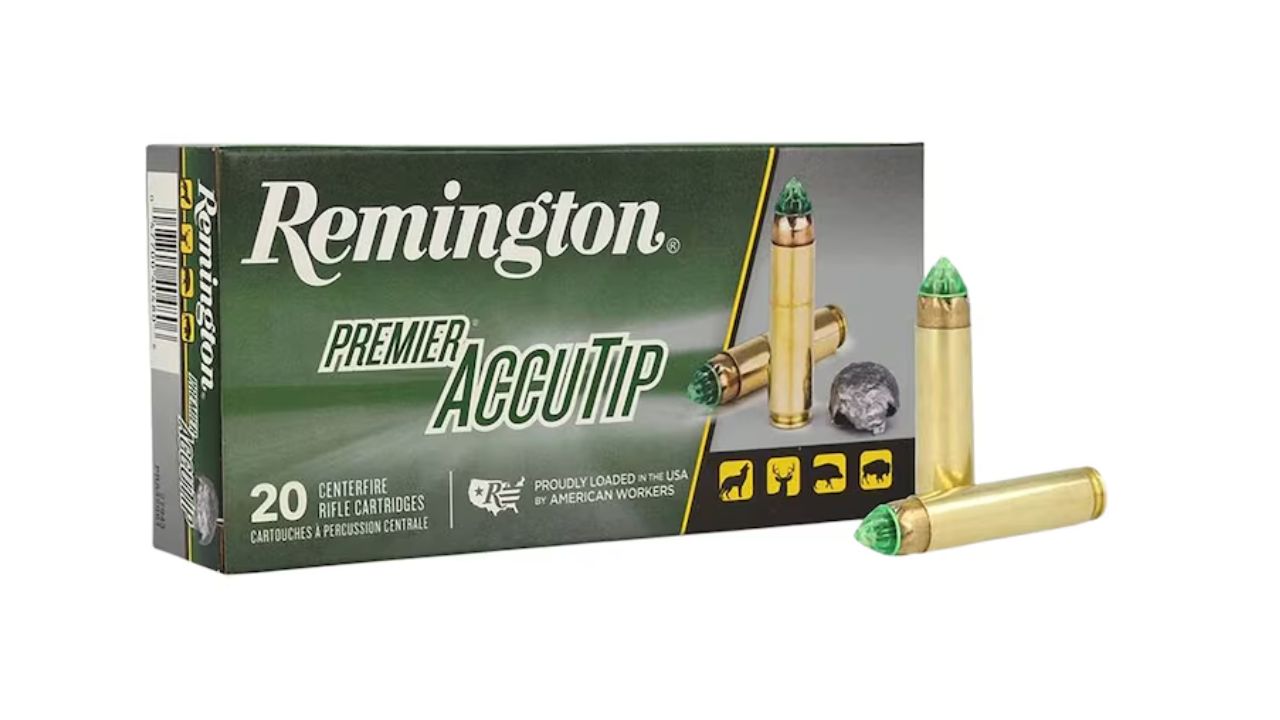
.450 Bushmaster hits like a sledgehammer at woods ranges. But because it’s large diameter, expansion can get wide quickly, and some bullets can shed energy fast and stop sooner than you expected—especially if the bullet is more “soft deer bullet” than “controlled expansion.” Big frontal area creates drag. That’s not a flaw; it’s the design.
If you want deep penetration through shoulder and on quartering angles, bullet choice matters a lot. A tough bullet turns .450 into a deep-driving hammer. A soft bullet can turn it into a big, dramatic wound that doesn’t exit when you expected it to.
.50 Beowulf
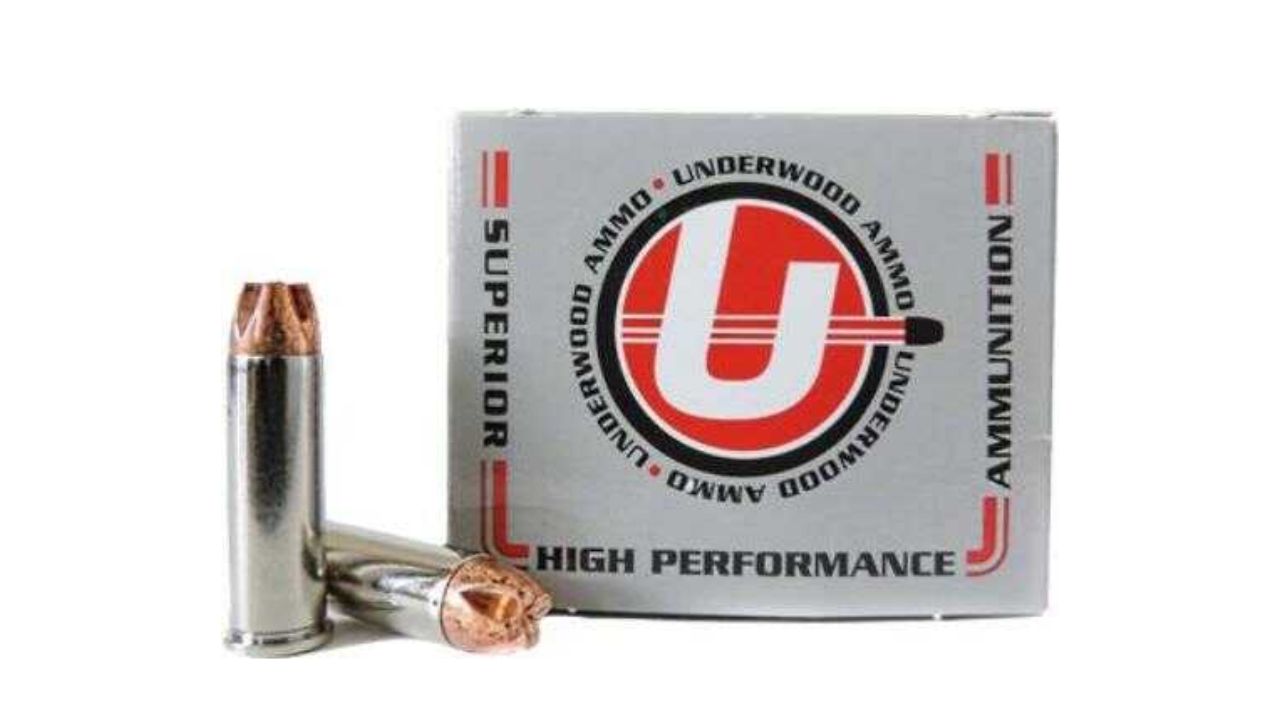
Beowulf is the definition of “hits hard.” It also throws a big, slow bullet with a lot of frontal area. If that bullet expands a lot, penetration can be less than expected because you’re creating huge drag early in the wound channel. It’s great for close-range power, but it doesn’t always behave like a “drill through everything” round unless the bullet construction supports that.
This is another one where guys confuse impact and energy with penetration. The Beowulf can penetrate well with the right bullet, but it’s not automatically a deep-penetration monster just because it’s big. The diameter that makes it impressive is also what can slow it down inside the target.
Like The Avid Outdoorsman’s content? Subscribe to our newsletter so you never miss an article.
Here’s more from us: