Photo credit: Bobby Brown/YouTube
A lot of gun regret starts the same way. A firearm sits around long enough to feel ordinary, and buyers stop treating it like an opportunity. It is not the flashy one, not the hot new release, and not the gun everybody at the counter is talking about. So they leave it there. They tell themselves they will come back later, or that another one will turn up, or that the price will stay about the same for a while.
Then the market changes and the lesson gets expensive. Maybe production ends. Maybe imports dry up. Maybe collectors wake up. Maybe regular shooters just start realizing the gun was better than they thought. However it happens, the result is the same. The gun that once looked easy to ignore suddenly costs more, shows up less, and becomes the one buyers wish they had taken seriously the first time. These are guns people overlooked until it cost them.
Smith & Wesson 952
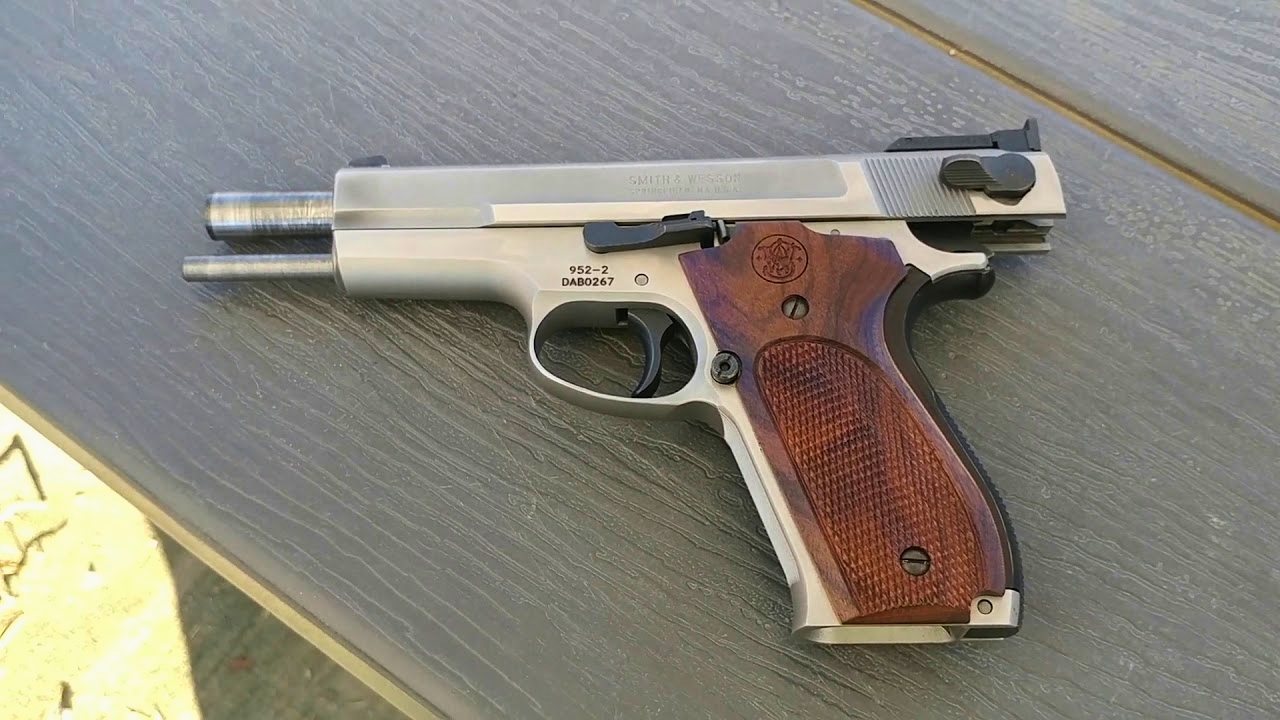
The 952 always looked like a pistol for somebody else. It was refined, expensive, and almost too cleanly focused to feel like a practical priority for the average buyer. Plenty of shooters admired it, but admiration is cheap. Writing the check felt different, especially when there were other handguns that seemed more versatile or more urgent at the time.
That hesitation ended up costing people. The 952 had too much quality and too much identity to stay underappreciated forever. Once more buyers realized how special those pistols really were, the prices moved into a different conversation. A lot of shooters who once treated it like a luxury they could revisit later now look back and realize later was the expensive version.
Browning BL-22 Grade II

The BL-22 was easy to underrate because it sat in the rimfire lane, and buyers are always too quick to treat rimfires like background noise. The nicer Grade II rifles looked attractive, sure, but a lot of people still treated them like the sort of pretty .22 they could always pick up after they handled the bigger purchases first. That is usually where the mistake starts.
Then the supply got tighter and the appreciation got sharper. The little Browning’s quality, slick action, and overall charm suddenly mattered more once good examples stopped feeling casual to find. Buyers who once walked right past one because it was “just a nice .22” now get to watch what happens when the market decides a nice .22 was smarter than they thought.
Colt Combat Commander in .38 Super
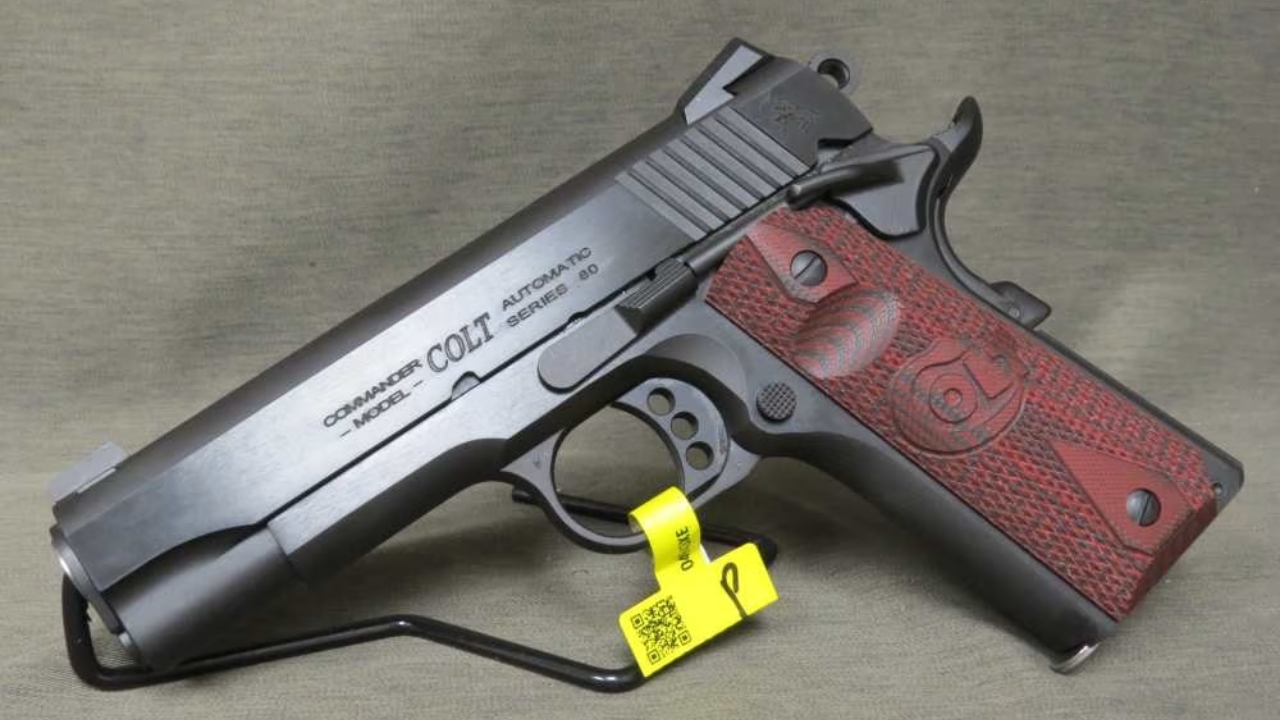
For years, a lot of buyers treated .38 Super Commanders like specialty Colts rather than serious opportunities. They were cool, but maybe too niche, too caliber-specific, or too easy to postpone while people chased the more obvious .45 versions first. That made them easy to pass on, especially when they were still sitting at prices that felt merely interesting rather than painful.
That changed once more people started caring about old Colts with real personality and real shootability. The Combat Commander in .38 Super stopped being the “maybe later” Colt and became one of those variants buyers wish they had grabbed before the market got more educated. That is the thing about overlooked Colts. They do not stay overlooked once enough people start paying attention.
Ruger Deerfield Carbine
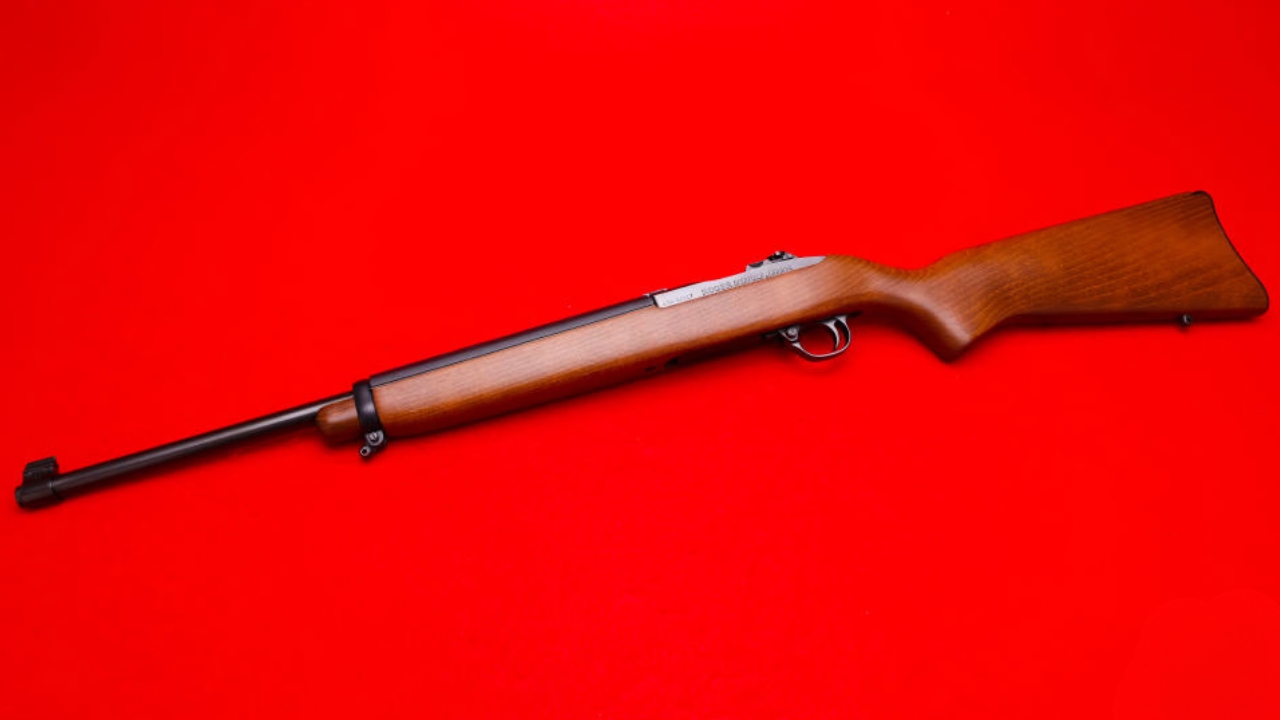
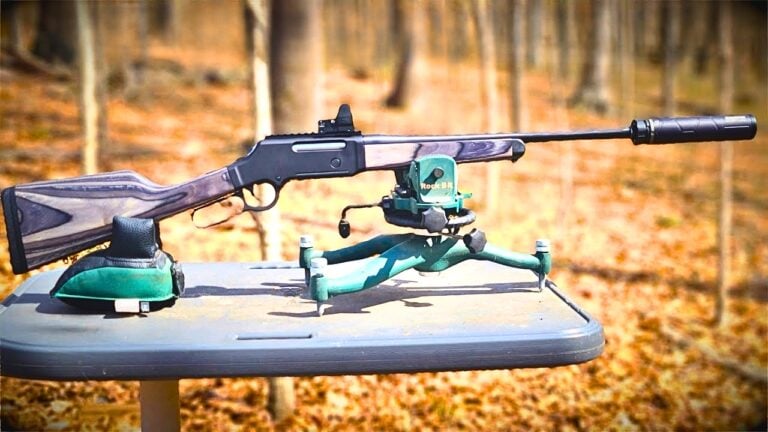
The Deerfield Carbine always had the problem of looking too specific to become urgent. It felt like a smart little rifle for a certain type of hunter, but not necessarily like something the broader market needed to hurry up and grab. That left it in the category of practical oddball, which is exactly where buyers talk themselves into waiting too long.
Then the pool of nice rifles got thinner and people started appreciating what the platform actually offered. Handy size, useful punch, and a kind of field-ready personality that a lot of modern rifles never really develop. Buyers who overlooked the Deerfield when it felt like a low-pressure used-rack find eventually learned that practical and uncommon is a bad combination to ignore.
Beretta 85F
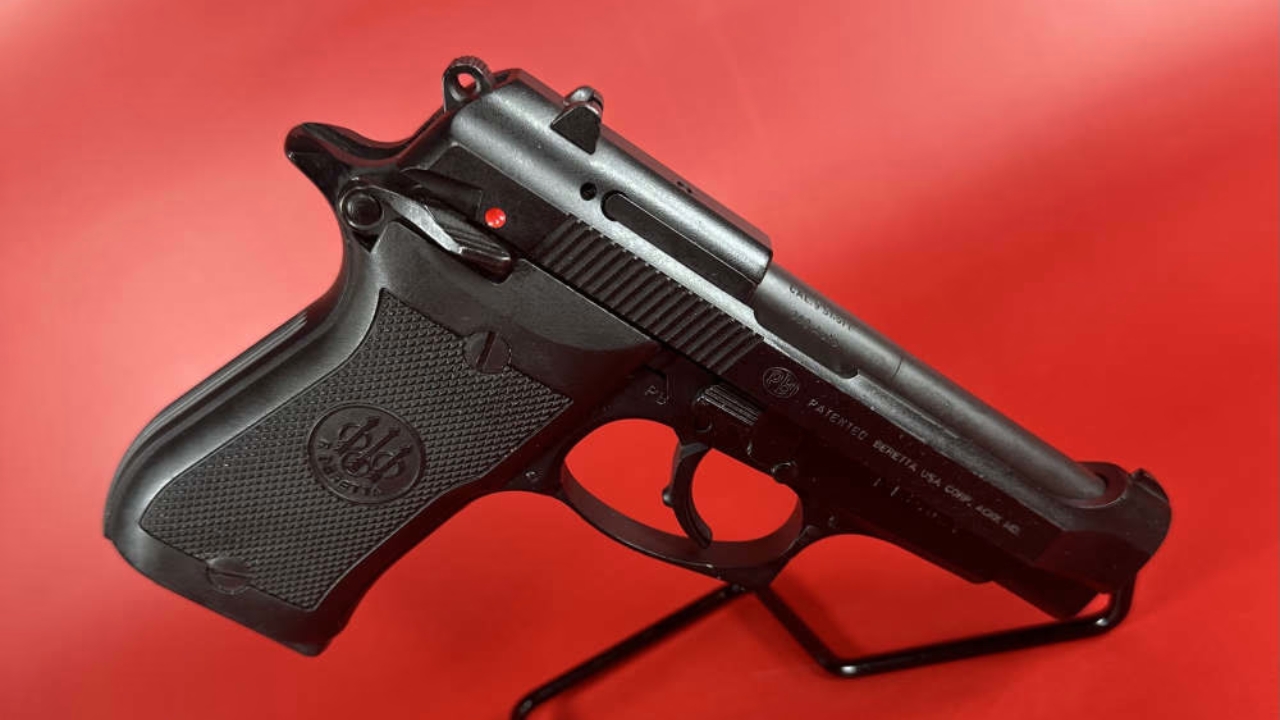
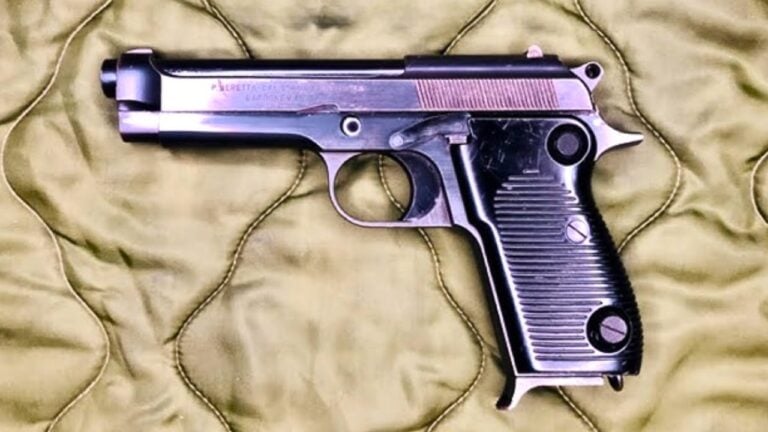
The 85F looked too civilized to become a real regret gun for a lot of people. It was elegant, slim, and obviously well made, but many buyers still treated it like the compact Beretta they could always circle back for if they ever got serious about old-school carry pistols. There never seemed to be much pressure around it.
That changed when people started missing exactly what it offered. A compact metal handgun with real quality, good manners, and more class than most modern carry guns ever bother to develop. Once the better examples stopped floating around as casually, buyers who had once shrugged at them found out how quickly “nice little Beretta” turns into “why didn’t I buy that when I had the chance?”
Remington 572 BDL Fieldmaster

The 572 BDL sat in plain sight for years. It was familiar enough that people stopped treating it like something special, and that worked against it. Plenty of shooters liked them, but a lot of buyers still figured a good old pump .22 would always be out there somewhere when they finally decided they wanted one. That kind of confidence tends to age badly.
Once older rimfires started pulling more serious attention, the BDL versions looked a lot stronger than they had when people were lazily walking past them. The smooth action, better trim, and all-around quality suddenly mattered a lot more. Buyers who overlooked them when they felt ordinary now get to watch the market punish that decision in real time.
SIG Sauer P220 European heel-release models
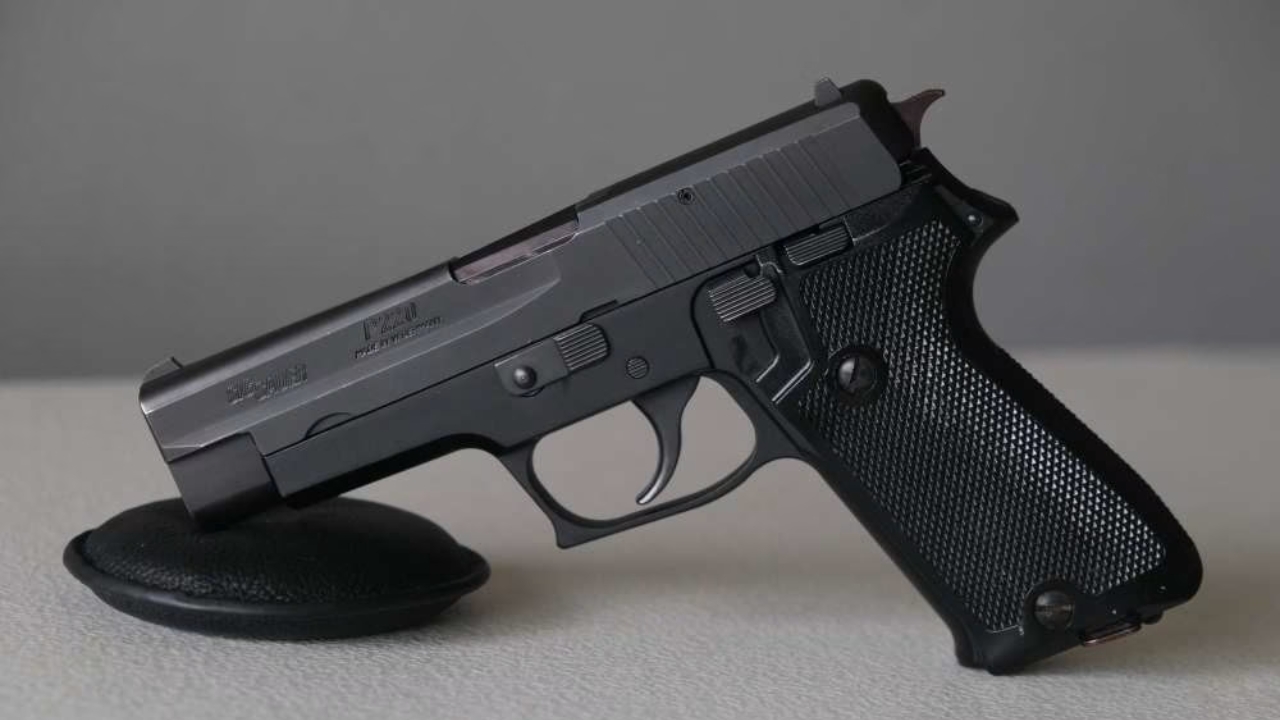
The older heel-release P220s looked like the sort of pistols people were supposed to appreciate historically, not necessarily buy urgently. That left a lot of buyers feeling comfortable about delaying. The logic was simple enough: neat old SIG, different controls, maybe something to pick up someday if the price is right. Someday is a dangerous word in this hobby.
What people missed was that those early P220s carried too much history and too much unique appeal to stay ignored forever. Once more collectors and serious shooters started paying attention to what they actually were, the old indifferent pricing stopped. Buyers who once dismissed them as quirky early SIGs found out that quirky early SIGs can become a lot more expensive when the market finally wakes up.
Savage 99C
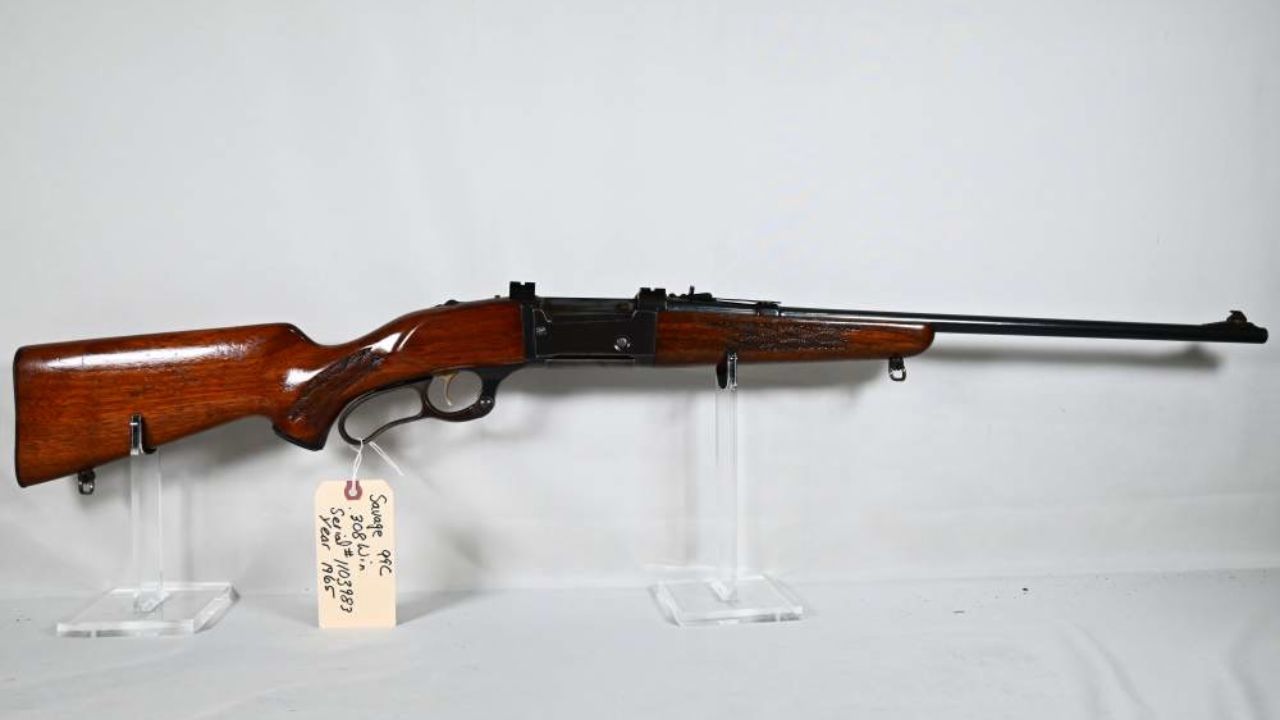
The detachable-magazine 99C was easy to underrate because it was not the version that got all the romance first. A lot of buyers wanted the classic lines and older feel of other Savage 99 variants, which made the 99C seem like the practical cousin you could always come back for later if you wanted to get into the platform on easier terms. That was not the smartest move.
Eventually the broader 99 appreciation wave lifted the so-called less glamorous versions too. The 99C stopped feeling like the affordable path in and started feeling like one more legitimate Savage lever rifle people had underestimated. Buyers who passed on them because they were not the “right” 99 found out later that any real 99 at a fair price was probably the right 99.
Smith & Wesson 4506-1

The 4506-1 always looked like too much pistol for too many buyers. Big, stainless, and clearly from an era when service handguns were built around durability first, it was easy to treat as an old duty gun you could pick up later if you ever got the urge. That kept a lot of people from seeing just how smart a buy it really was.
Once the third-generation Smith crowd got louder, those pistols started moving very differently. The 4506-1 had too much toughness and too much old-school handgun substance to stay cheap forever. Buyers who once treated it like a heavy relic now watch clean examples disappear and wonder why they did not act when these still felt like practical leftovers instead of sought-after classics.
Browning B-92
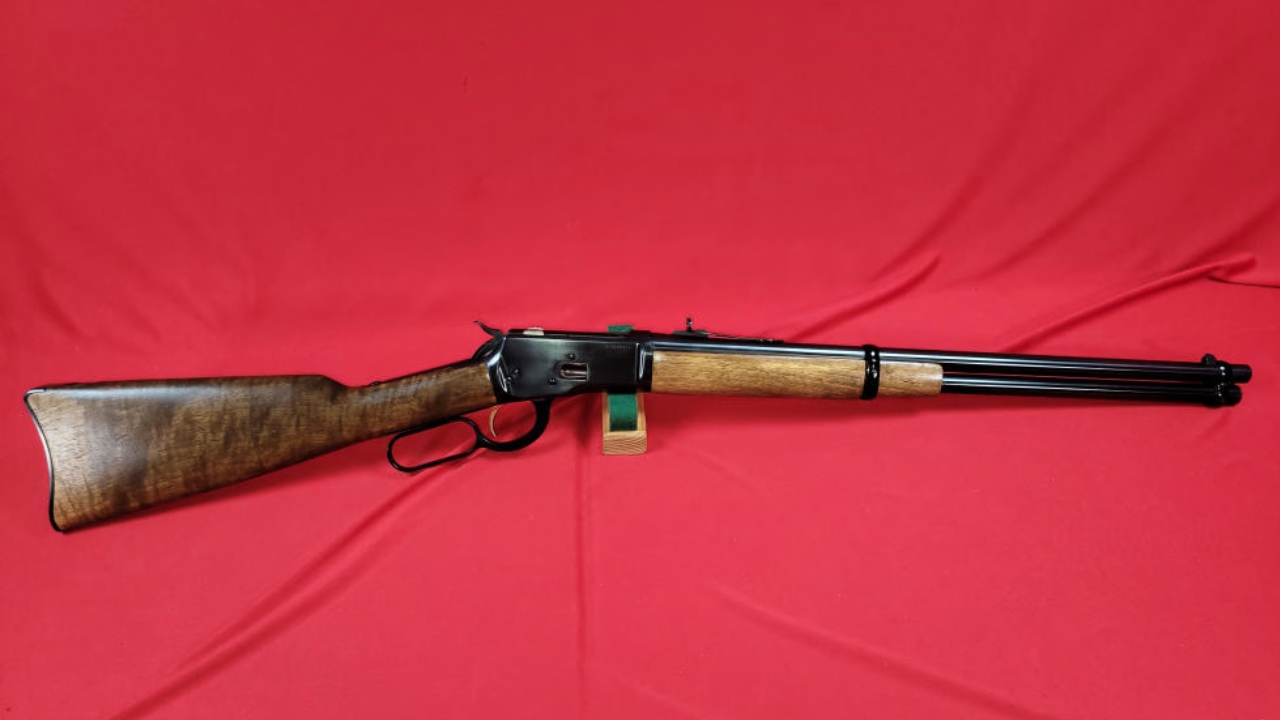
The B-92 was one of those rifles that looked too much like a neat extra and not enough like a priority. It had quality, style, and Browning appeal, but plenty of buyers still treated it like the lever gun they would eventually come back for after handling the “more important” guns first. That kind of thinking is how a lot of lever-gun regret gets started.
Then the market got hotter on quality pistol-caliber and traditional-style lever guns, and the B-92 stopped feeling so patient. People began to notice the fit, finish, and overall appeal much more clearly once they were no longer easy to find in decent shape. A rifle that once felt like a casual future buy became the kind of gun buyers now wish they had valued properly.
Walther TPH

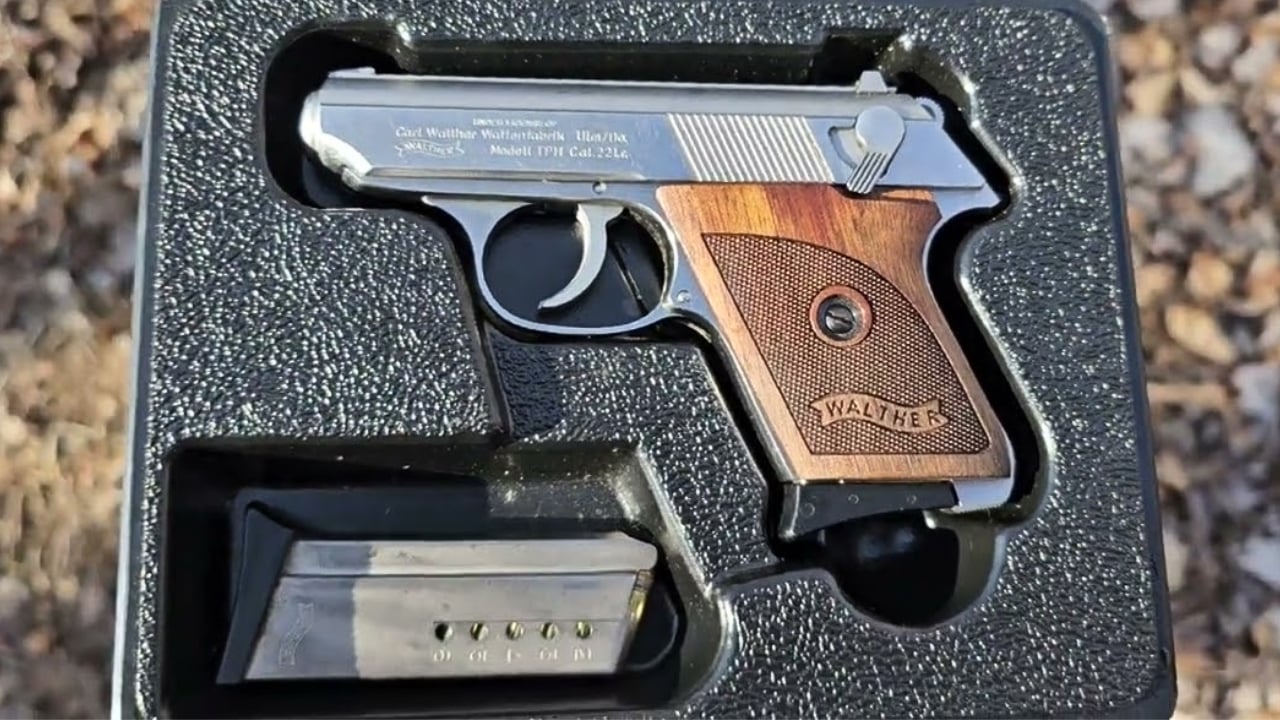
The TPH spent years getting treated like a curiosity. Small, elegant, and very easy to underestimate, it often felt like the kind of pistol a buyer might pick up only if they happened to be in the mood for something unusual. That kept a lot of people from taking it seriously as a real opportunity when prices were calmer.
That was a mistake. The TPH had too much charm, too much quality, and too much niche appeal to stay ignored forever. Once more buyers started seeing it as a genuine collectible compact Walther instead of just a tiny oddball, the prices started reflecting that shift. People who passed on them when they looked “too cute to matter” ended up learning that the small weird ones can sting the most later.
Winchester 490
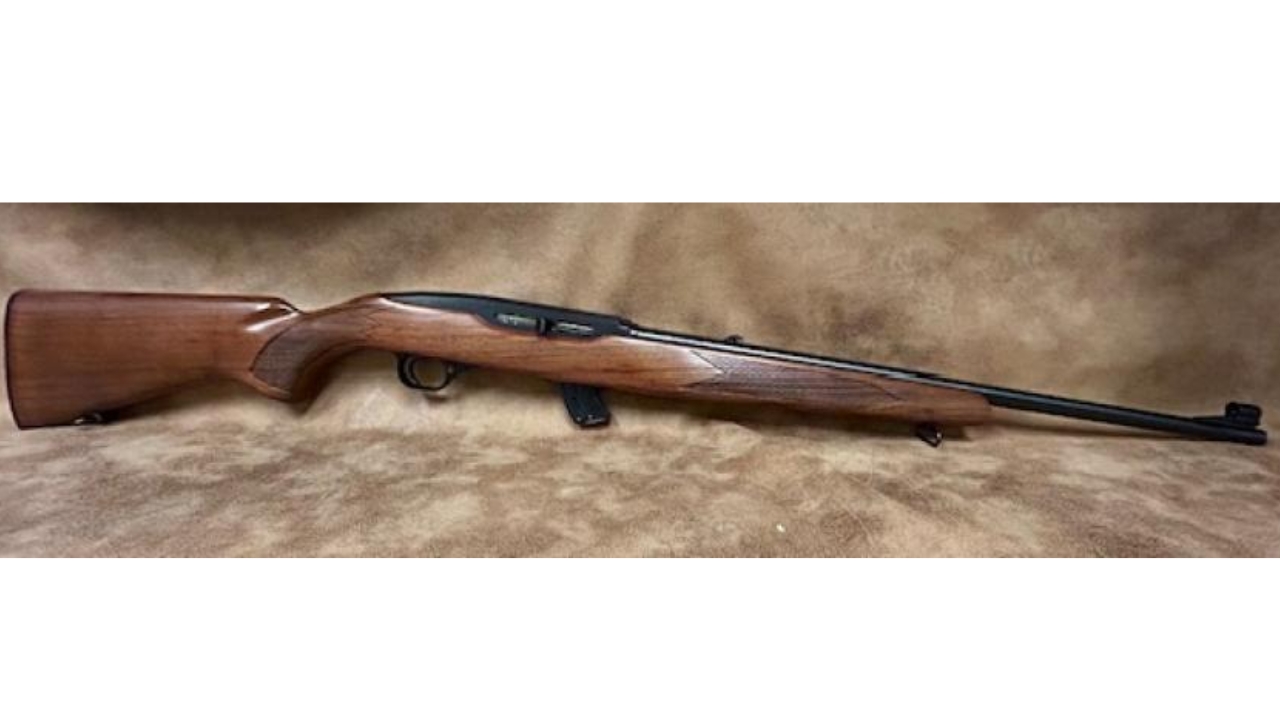
The 490 looked too ordinary for too long. It was a semi-auto rimfire Winchester, which meant a lot of buyers simply filed it away under “something like that will always be around.” That made it easy to put off. After all, it was not a dramatic collector piece, not a centerfire, and not the sort of gun buyers usually imagine regretting.
Then older quality rimfires got harder to ignore and harder to replace. The 490 started looking like one more example of a practical, well-made rifle buyers had lazily taken for granted. Once those rifles stop flowing through the market in decent numbers, people finally realize they were overlooking something smarter than they thought.
Ithaca Model 49 Deluxe
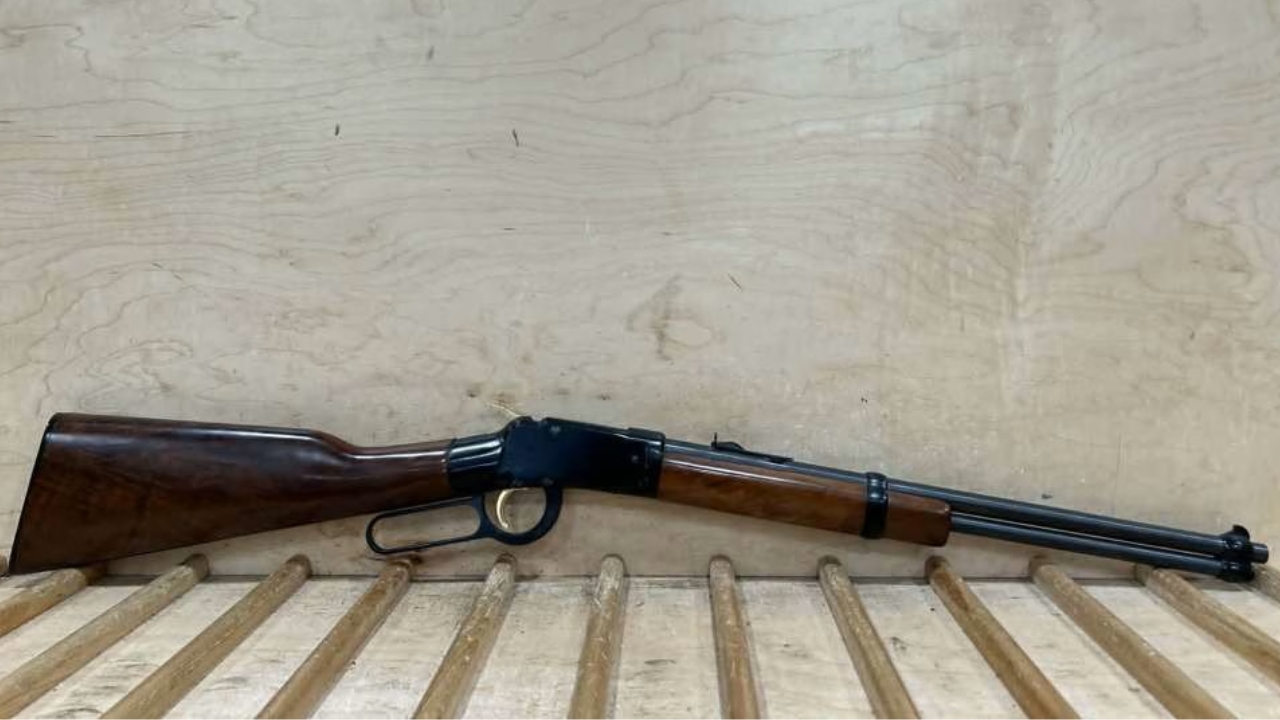
The Model 49 Deluxe looked almost too modest to become regrettable. It was a simple little rimfire with more field and youth-rifle energy than collector swagger, and that made it easy for people to leave it behind while chasing “bigger” guns. It felt too down-to-earth to become painful later.
That is exactly why it hurt later. Once buyers started appreciating older rimfires with character and practical charm, the better Deluxe versions stood out much more than they had before. What used to feel like a sleepy little .22 suddenly looked like a smart, affordable old gun people should have scooped up while everybody else was too distracted to care.
Like The Avid Outdoorsman’s content? Subscribe to our newsletter so you never miss an article.
Here’s more from us: