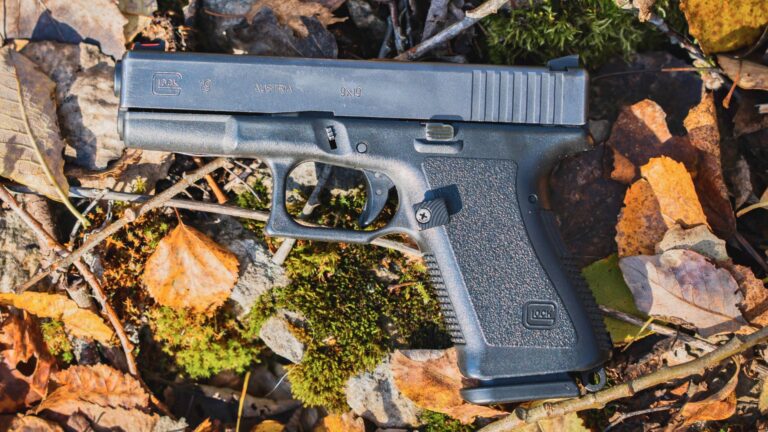
Photo credit: SPN Firearms/YouTube.
Pocket pistols are appealing for a lot of reasons—mostly because they’re easy to carry and conceal. But when it comes to reliability, these little handguns can be hit or miss. Some folks swear by them, others have had nothing but feeding issues and frustration. If you’re considering carrying one, it’s worth digging into what actually affects their performance and what to look out for.
Let’s break down the factors that matter when it comes to trusting a pocket pistol to work when it counts.
Smaller Guns, Smaller Margins for Error

Pocket pistols don’t have much room to work with. That compact design means every part is crammed into a tight space, and that can lead to mechanical hiccups. There’s less slide mass, shorter recoil travel, and tighter tolerances, which can all contribute to malfunctions if the gun isn’t well-made.
This also makes them more sensitive to ammo quality and shooter grip. A loose grip or weak load can be enough to cause a jam. Larger pistols usually eat up those problems—pocket pistols don’t have that luxury.
Ammo Matters More Than You Think

Not every brand or type of ammo runs well in pocket pistols. Hollow points, flat-nosed rounds, and low-power target loads can all cause issues depending on the gun. Some pocket pistols are especially picky, and what feeds fine in a full-size might choke in a subcompact.
If you’re going to carry one, it’s worth testing several types of ammo at the range. Stick with what cycles reliably in your gun—don’t assume they all handle the same loads the same way.
You’ve Got to Break Them In
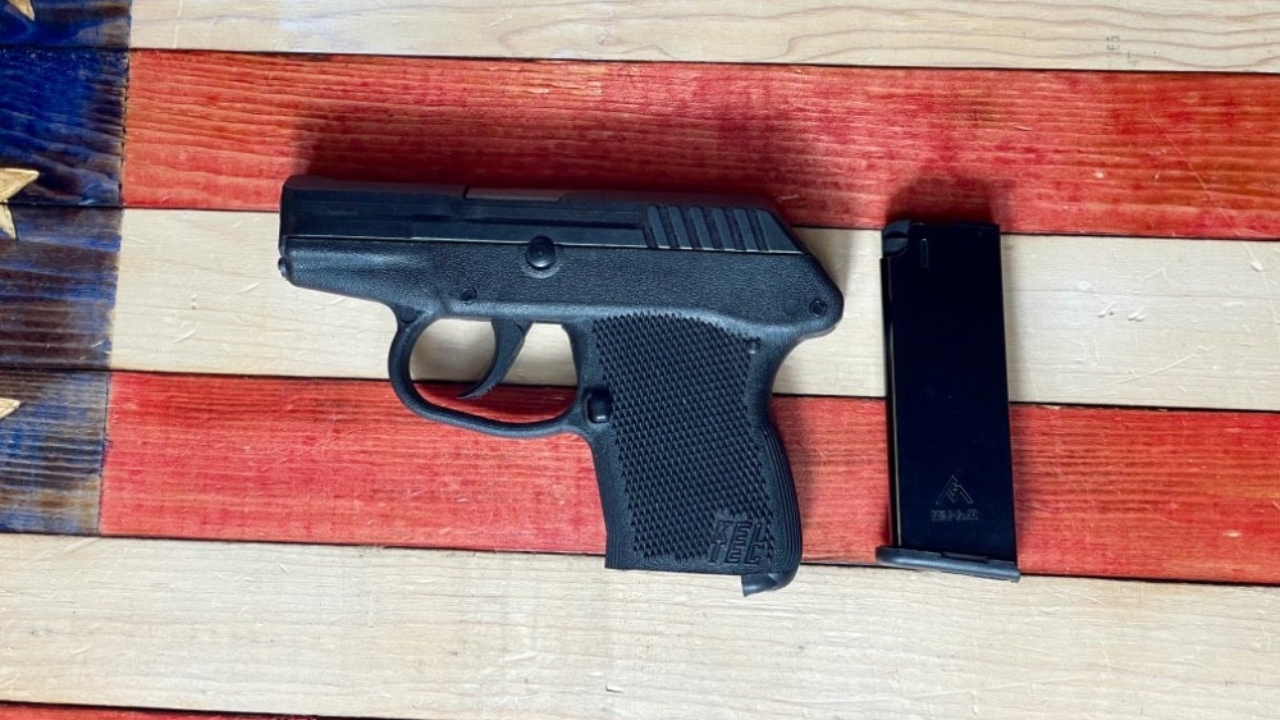
Most pocket pistols aren’t ready to carry straight out of the box. Some need a few hundred rounds through them before they settle in. Springs loosen up, surfaces wear in, and the gun starts to run smoother after a little range time.
Skipping that break-in period can lead to early malfunctions that could’ve been avoided. It’s not ideal, but it’s the reality with some of these smaller handguns.
Recoil Springs Can Be a Problem

Because they’re so small, pocket pistols often use very stiff recoil springs. That can make them harder to rack, especially for folks with limited hand strength. More importantly, those tight springs have to do a lot of work in a short space, which can lead to cycling issues.
Over time, these springs can wear out faster than they would in a full-size handgun. If you start seeing failures to feed or eject after a few hundred rounds, the recoil spring might be the first place to look.
Limp-Wristing Is a Real Issue

Limp-wristing happens when your grip isn’t firm enough, and it’s a common problem with pocket pistols. Because they’re so light and small, any movement during recoil can keep the slide from cycling all the way.
It’s not just a beginner issue either—experienced shooters can run into it with certain pocket guns. A solid grip helps, but the gun itself still needs to be reliable enough to function when the hold isn’t perfect.
Maintenance Makes a Bigger Difference
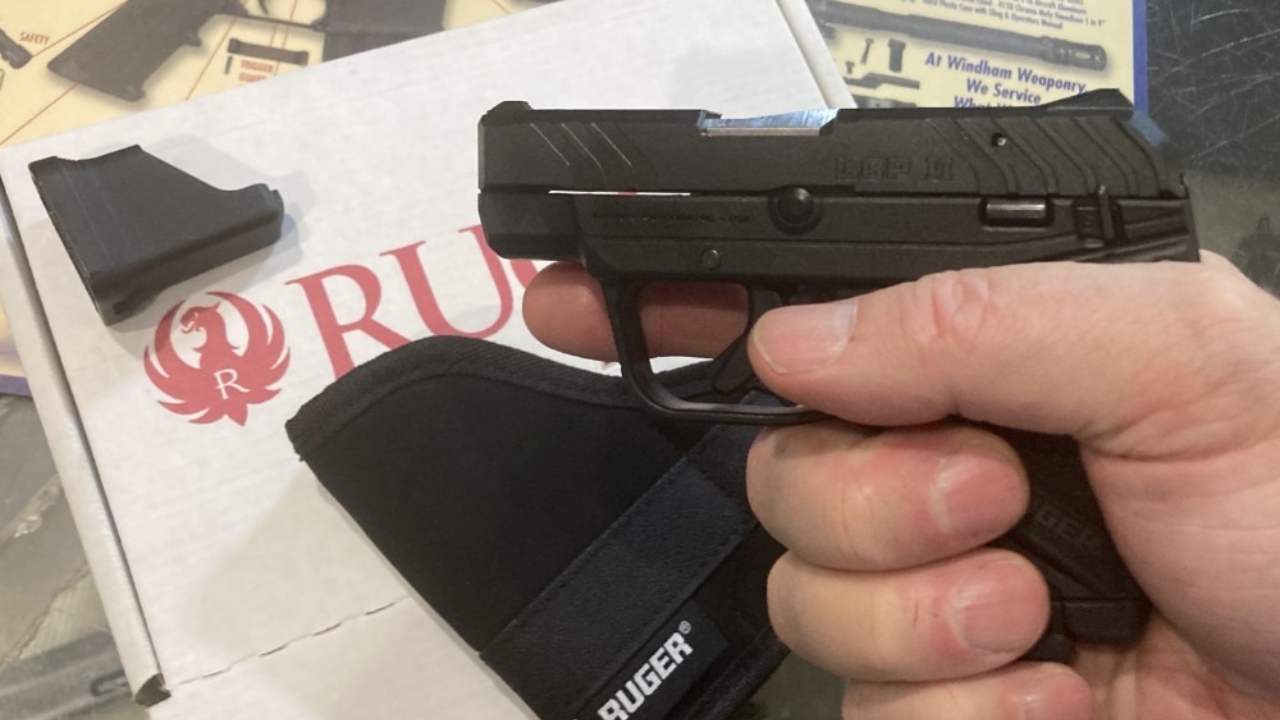
A little fouling or lack of oil might not shut down a full-size pistol, but in a tiny carry gun, it can cause real problems. Pocket pistols don’t handle grit, carbon, or neglect very well. They need regular cleaning and proper lubrication to run smoothly.
If you’re stuffing a pistol in your pocket or waistband every day, it’s going to pick up lint and dust too. That just adds to the need for staying on top of cleaning and checking function.
Some Brands Just Get It Right
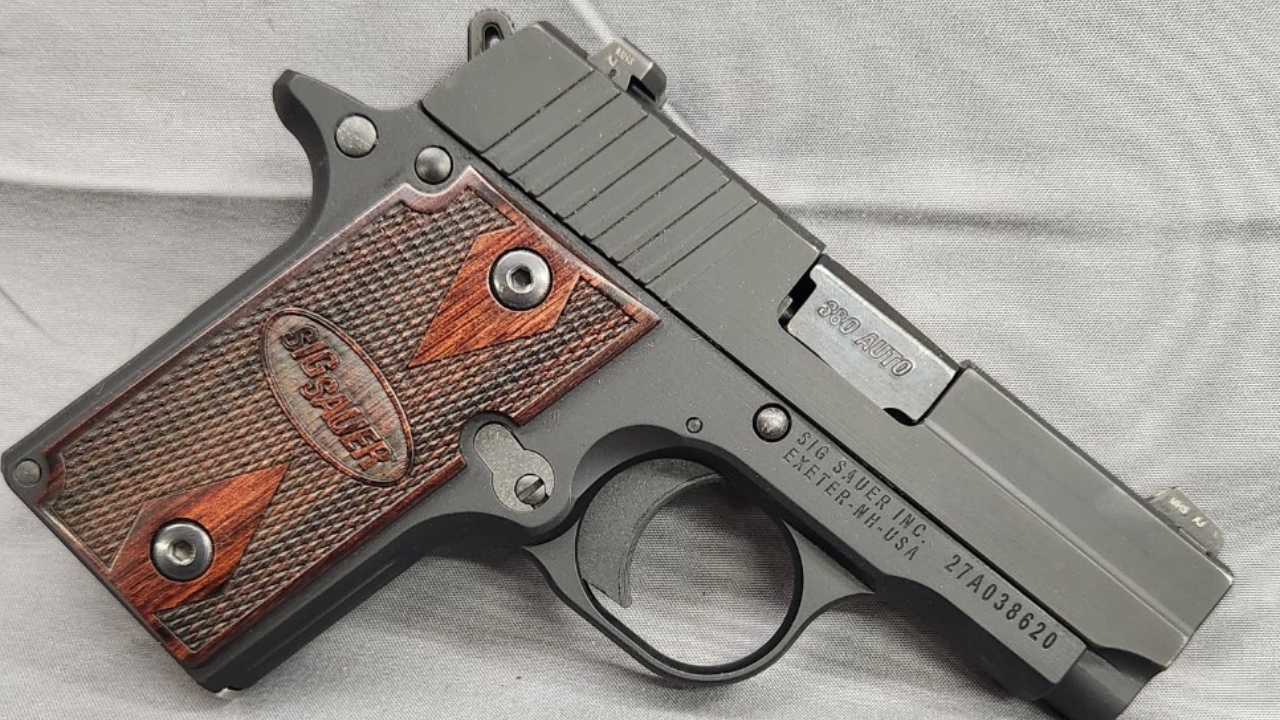
Certain manufacturers have figured out how to make reliable pocket pistols. Ruger’s LCP series, the SIG Sauer P238, and the Smith & Wesson Bodyguard all have decent reputations when maintained properly. Others? Not so much.
The difference often comes down to build quality, tolerances, and how well the design was adapted for a small frame. Do your homework before you buy—reviews and firsthand experiences matter here.
Trigger Design Can Affect Reliability Too
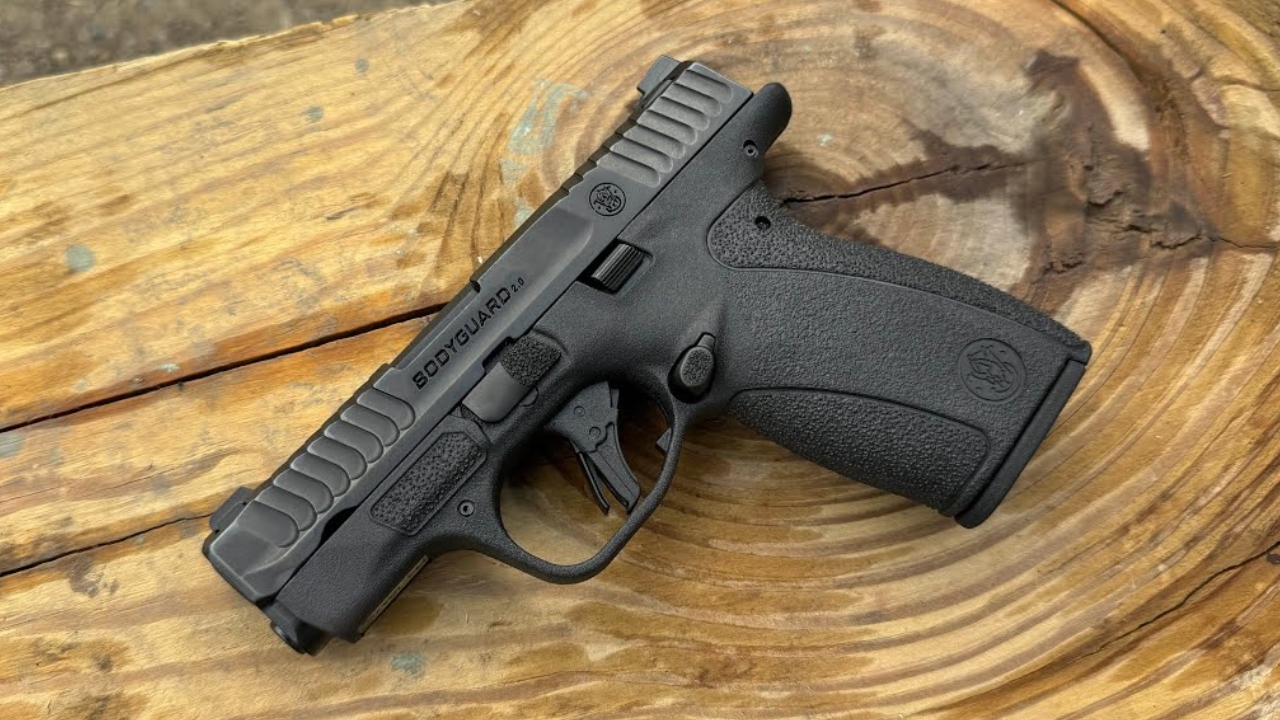
Triggers on pocket pistols are often long, heavy, or both. That’s partly for safety, but it can also lead to short-stroking or inconsistent cycling if the trigger doesn’t fully reset. Some double-action-only designs make things even trickier with added resistance.
This isn’t just about comfort—it’s about whether you can get off a second shot reliably if needed. If the trigger design slows you down or increases the chances of a misfire, that’s a reliability issue too.
*This article was developed with AI-powered tools and has been carefully reviewed by our editors.