Photo credit: Tactical Toolbox/YouTube.com
People love blaming ammo when a pistol starts acting up, and sometimes that’s fair, because bargain loads can be inconsistent and underpowered. But in the real world, a shocking number of “ammo problems” are actually modification problems, especially on pistols that ran fine for hundreds or thousands of rounds before someone started swapping parts. The common pattern goes like this: the owner changes a trigger, swaps springs, adds an aftermarket connector, installs a lighter striker assembly, and maybe throws in a compensator or a new slide. Then the gun starts producing failures to feed, light primer strikes, erratic ejection, or random stoppages that didn’t exist before. The pistol didn’t “wear out overnight.” The pistol got tuned away from its reliable operating window.
The reason mods ruin reliability faster than cheap ammo is simple: ammo is one variable that changes shot to shot, but modifications change the gun’s baseline behavior every time the trigger is pulled. A pistol is a timing system, and when you start altering springs, friction surfaces, and lockup characteristics, you alter timing. A lot of popular mods are sold like they’re universal improvements, but they’re really changes that demand a specific balance of parts, specific ammo, and specific maintenance habits to keep the pistol running. If the gun is a carry gun, that’s a dangerous gamble, because defensive pistols need to run when conditions are not controlled and when the shooter isn’t thinking about what brand of spring is inside the slide.
Light striker springs and reduced power kits invite light primer strikes
Reduced power striker springs are one of the fastest ways to turn a reliable pistol into a finicky pistol, and the failure mode is ugly because it’s unpredictable. You can shoot a box of ammo with no issues, then get a click instead of a bang on a harder primer, a colder day, or a slightly dirtier gun. People install lighter striker springs to chase a lighter trigger pull, then act surprised when ignition reliability drops. Primer strikes are not an area where you want “mostly works.” If you want a lighter trigger, there are safer paths than reducing the energy that actually fires the cartridge, and if the pistol is meant for carry, a mod that increases the chance of a dead trigger press is one of the worst trades you can make.
Over-polishing and “trigger jobs” can change geometry in ways that bite later
Polishing contact points can reduce grit, but aggressive polishing and amateur “trigger jobs” can round edges and change engagement surfaces in ways that don’t show up immediately. Many pistols rely on precise geometry for safe and reliable function, and when those surfaces are altered, you can see inconsistent reset, unsafe conditions, or sear engagement that becomes unstable as parts wear. The scary part is that the gun can feel great right after the work is done, then degrade over time as the altered surfaces continue to change. A trigger that feels smooth today is not a guarantee that it will remain safe and reliable after a few thousand cycles. If you don’t have the knowledge and tools to measure what you changed, you’re basically guessing with a component that controls firing.
Aftermarket barrels and tight match fit can create feeding and lockup issues
Aftermarket barrels can be excellent, but they can also introduce reliability problems when the fit is tighter than the gun’s original design expects. Feed ramp geometry, chamber dimensions, and lockup timing all matter, and a barrel that is “more accurate” on paper can be less forgiving with different bullet profiles or slightly out-of-spec ammo. People often install a match barrel and then wonder why hollow points that used to run now nose-dive or why the slide occasionally fails to return fully to battery. A carry pistol’s barrel needs to feed and lock reliably across common defensive loads, not just print tiny groups with one favorite range load. If the new barrel requires constant tuning or limits ammo choices, that’s not an upgrade for a defensive role.
Recoil spring swaps can wreck cycling timing in both directions
Recoil spring changes are one of the most common and most misunderstood mods. A lighter recoil spring can make the gun feel softer or make it cycle with certain loads, but it can also increase battering, change ejection patterns, and reduce reliability with hotter ammo or when the gun gets dirty. A heavier recoil spring can reduce perceived recoil impulse and help the gun feel flatter, but it can also cause failures to cycle with weaker ammo and can contribute to feeding issues if the slide speed and return force no longer match the magazine’s ability to present the next round cleanly. Many people treat recoil springs like a tuning toy, but on defensive pistols, the factory weight is usually chosen because it balances function across broad conditions. If you change it, you’re changing the gun’s whole timing system.
Compensators, porting, and slide cuts can add variables you don’t control
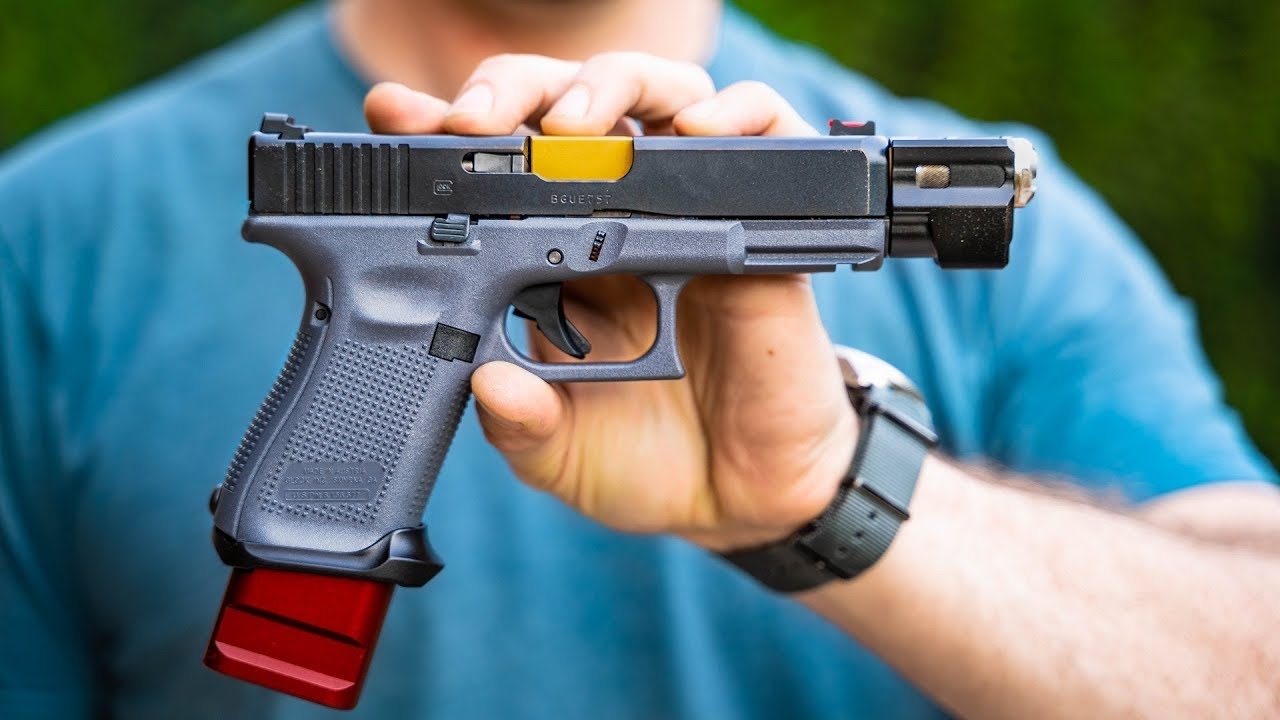
Adding a compensator or porting can change how gas affects slide movement, and slide cuts change mass, both of which can influence reliability. Some setups run great, but many require a specific spring weight and specific ammo pressure to stay consistent. That’s fine if the gun is a dedicated match tool with a known ammo diet. It’s a problem if the gun is expected to run whatever you can buy during shortages, or whatever defensive load you choose later. The other issue is that these modifications change how the gun behaves in close-quarters shooting and low light, and they can accelerate maintenance needs. A gun that runs well in a controlled environment can become temperamental when lint, carbon, and real-world neglect enter the picture.
Reliability is a system, and mods often break the system
If you want a pistol to run like a dependable tool, you need to treat modifications like you’re touching a machine that was already balanced. Every part you change should be justified by a real problem you are actually experiencing, not by an internet promise or a desire to chase a feel. If you do modify, you need a clear test plan that includes your carry ammo, your carry magazines, and realistic round counts, because “two range trips” is not a reliability assessment. Cheap ammo can cause problems, but poorly chosen mods can permanently move the gun out of its reliable window. When the goal is a pistol you can trust, boring consistency beats clever tinkering almost every time.
Like The Avid Outdoorsman’s content? Be sure to follow us.
Here’s more from us: