Photo credit: Canadian Gun Channel/YouTube
Some guns sat in plain sight for years because they never looked urgent enough to force a decision. They were not the flashy collector darling, not the hot new release, and not the gun people bragged about chasing. They were just there. A lot of buyers figured they would always be there, which is usually the first step toward regret.
Then the market changed, supply dried up, or people finally realized what those guns actually offered. That is when the ones they passed on started looking a whole lot smarter. These are the guns people passed on and now regret.
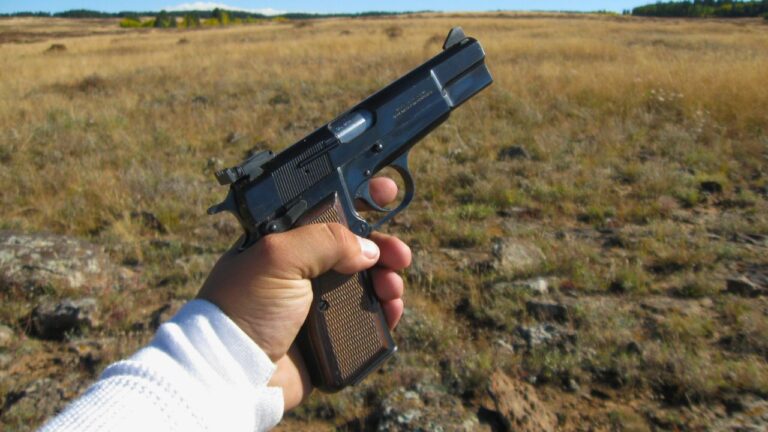
HK P7 PSP

The HK P7 PSP was easy to admire and easy to postpone because it always felt a little too specialized to be urgent. Buyers liked the squeeze-cocker design, liked the German quality, and liked the way it stood apart from ordinary service pistols, but many still treated it like something they would eventually buy once they felt like spending money on a more interesting extra.
That turned into regret for a lot of people. Once the supply of clean imports started thinning and the market got more serious about what the P7 actually is, buyers realized they had been walking past one of the most distinctive carry pistols ever made. It stopped feeling like a neat oddball and started feeling like a missed chance.
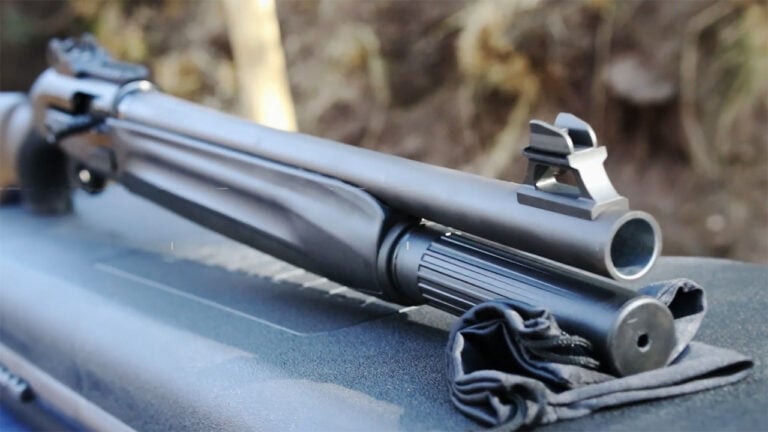
Browning A-5 Light Twelve Belgian-made
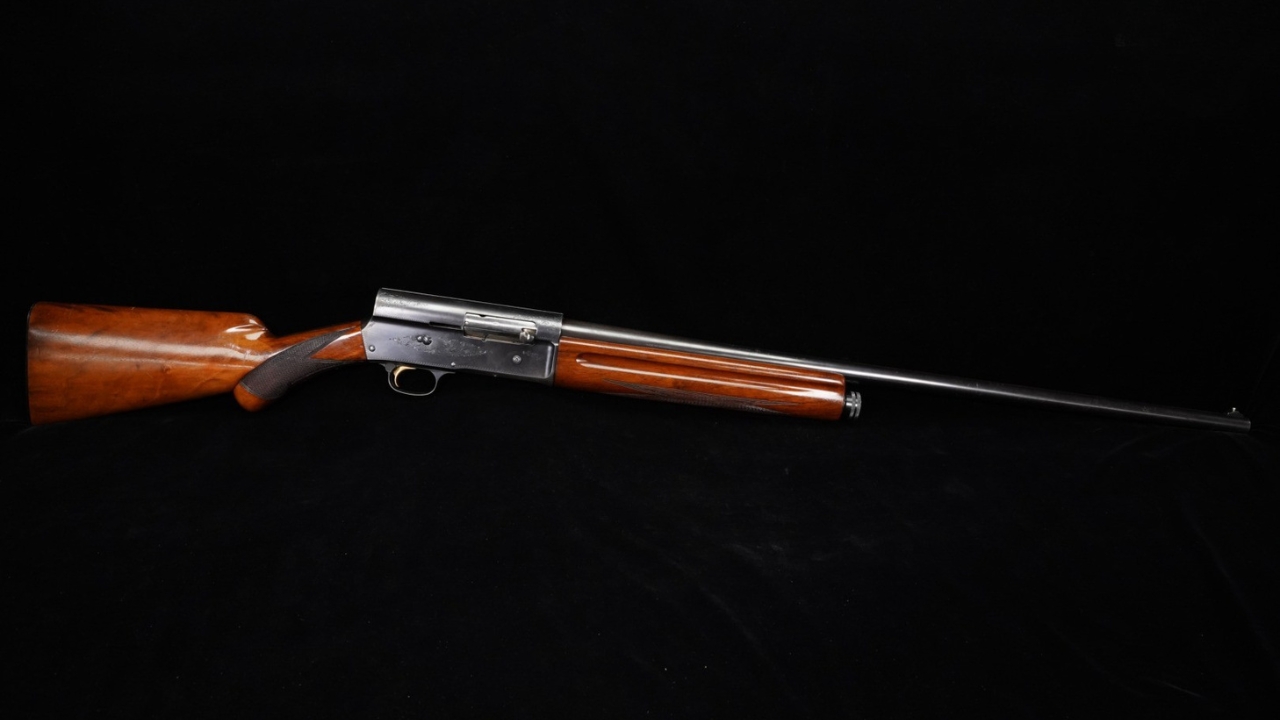
The Belgian A-5 Light Twelve spent years being treated like the old auto shotgun you could always find later if you really wanted one. Plenty of hunters respected them, but they also kept putting them behind newer autoloaders, nicer doubles, or whatever else felt more pressing at the time. That kind of delay always looks smart right up until it does not.
Now a lot of buyers wish they had moved sooner. The old Belgian guns still carry real field appeal, and they still feel different from the newer autoloaders that replaced them. Once prices started climbing and cleaner examples got harder to touch, the old “I’ll get one someday” line started sounding pretty weak.
Smith & Wesson 1076
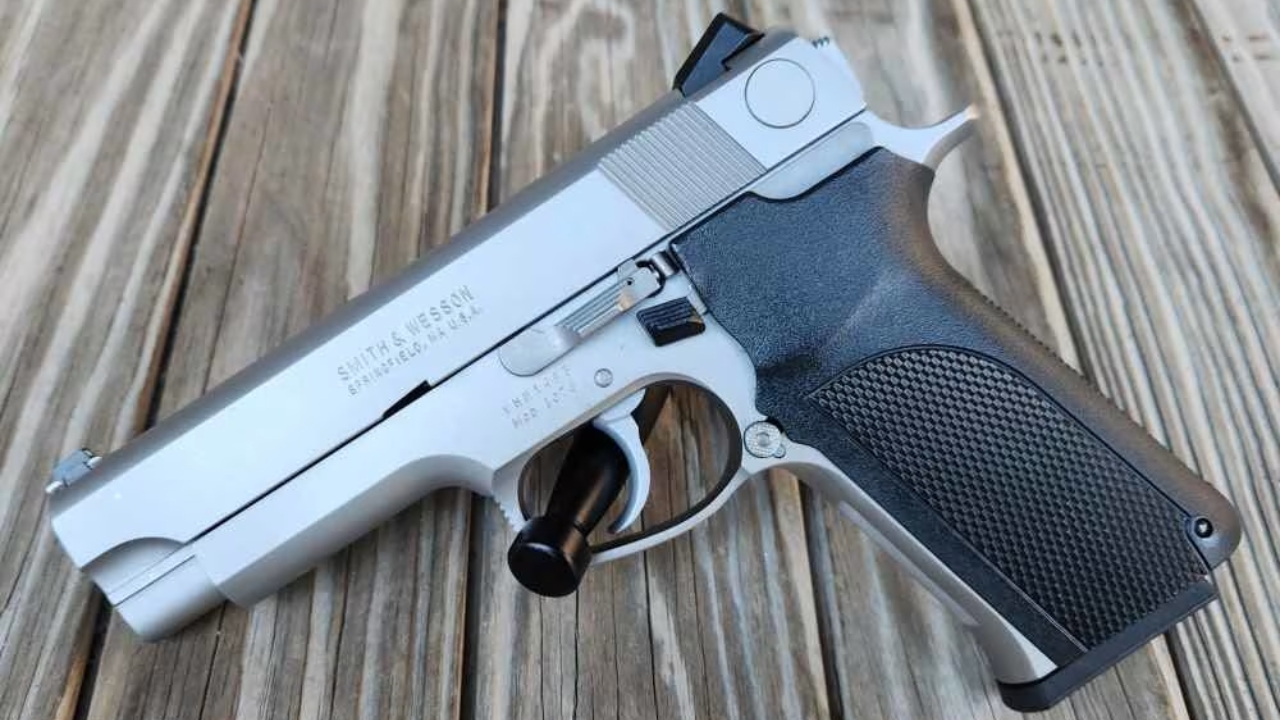
The Smith & Wesson 1076 was easy to pass on because it lived in a strange space. It was a big, heavy 10mm from an older era of service pistols, and that alone made it feel like something a buyer could safely admire without jumping on. It never felt like the most obvious handgun to prioritize unless you were already deep into that corner of the market.
That calm attitude did not age well. The 1076 became a lot more appealing once buyers started appreciating older all-steel 10mms and realizing this was not just a weird Smith from the past. It was a serious pistol with real character and much less casual availability than people assumed back when they kept walking past them.
Ruger Red Label 20 gauge

The Ruger Red Label in 20 gauge was one of those shotguns people often liked without acting on because there always seemed to be another nice over-under worth looking at. Buyers respected the Ruger name and liked the idea of a practical American field double, but many still treated it like something to circle back to after dealing with more urgent gun-money priorities.
Now it feels like the kind of shotgun a lot of upland hunters and bird-gun buyers should have bought when they had the chance. The 20 gauge versions especially seem to sting people in hindsight because they hit that sweet spot of field usefulness and old-school appeal. Once good ones stopped being easy to grab, the regret got louder.
Colt New Agent
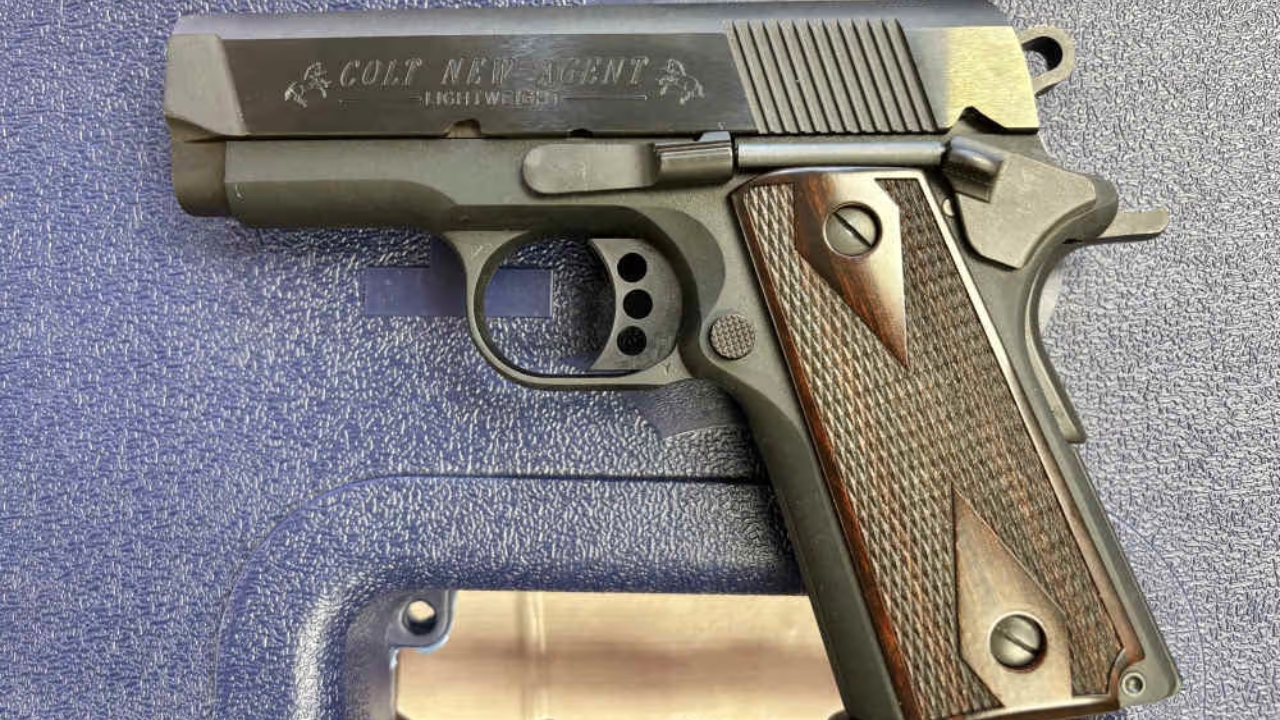
The Colt New Agent did not look like the kind of pistol that would one day leave people kicking themselves. It was a compact Colt 1911, yes, but it also felt like one more niche variation in a sea of 1911s. Plenty of buyers saw one, thought it was kind of cool, and then kept moving because surely there would always be another small Colt around later.
That turned out to be bad thinking. The little New Agent now has the kind of appeal buyers understand much more clearly once it is no longer sitting around casually. It is odd, compact, and tied to a specific moment in Colt’s lineup that looks a lot more interesting now than it did when people were brushing it off.
Winchester 1895

The Winchester 1895 got passed on by a lot of buyers because it always felt like a rifle for “one day” rather than “today.” It had history, sure, but it also seemed a little too specialized, a little too old-world, and a little too outside the normal buying pattern of people focused on more conventional deer rifles and lever guns. That made it easy to admire and delay.
Now it looks like the kind of rifle a person should have bought when the opportunity was in front of him. Between the historical weight, the mechanical interest, and the fact that it does not feel like anything else in the rack, the 1895 became a lot easier to want once it stopped being easy to buy cleanly and affordably.
Star PD
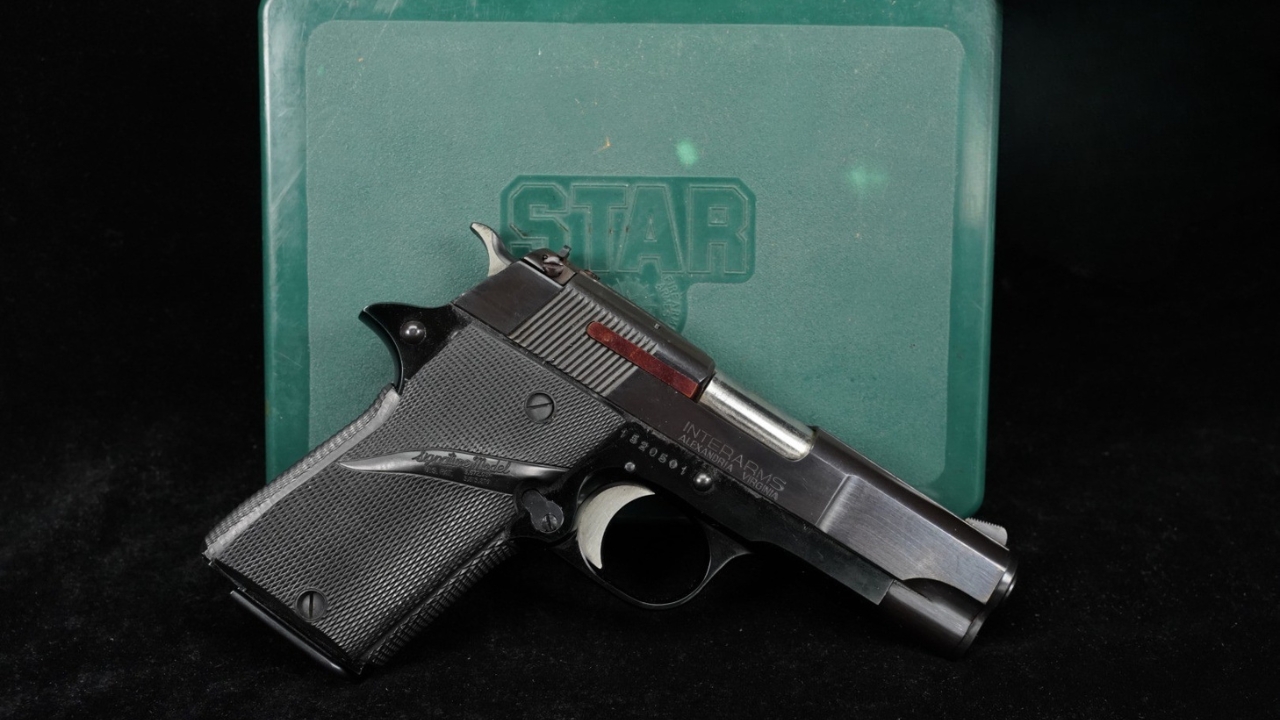
The Star PD was one of those pistols many buyers noticed without fully trusting themselves to act on. It had real carry appeal and a very interesting place in older compact .45 history, but it also came from a maker that many casual buyers never put at the top of their list. That made it easy to leave behind while chasing something with a louder name.
A lot of people regret that now. The PD had more significance and more practicality than the market once gave it credit for. Once people started looking back at early lightweight .45 carry pistols with a little more respect, the Star suddenly stopped feeling like a quirky side road and started feeling like a gun they should have bought when it was still being undervalued.
Remington 11-48
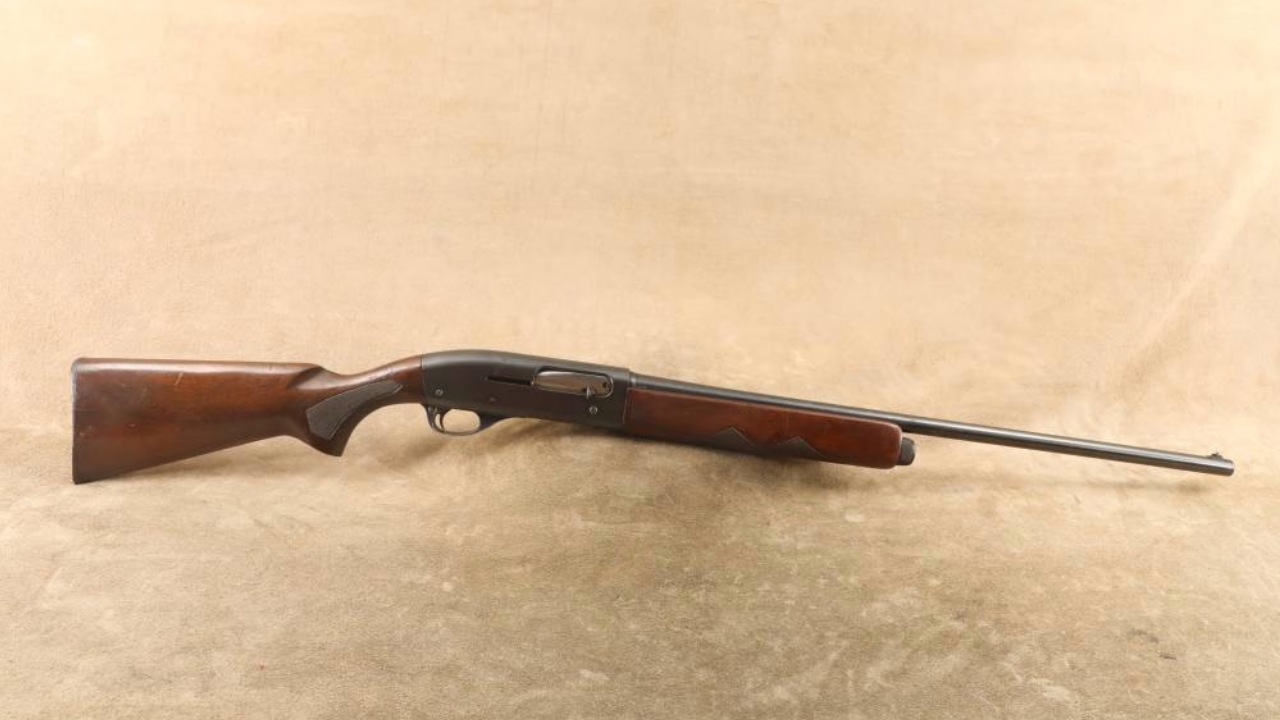
The Remington 11-48 spent years in the shadow of more famous autoloaders, which made it easy for buyers to pass on. It was a practical shotgun with real hunting value, but it never had the same broad aura as the Model 11, the 1100, or some of the classic Browning names. That kept urgency low, especially for buyers who assumed good old field autos would always be around.
Now more people realize they should have taken the 11-48 more seriously. It has style, real-world usefulness, and enough old-school field-gun charm to stand out in hindsight. The same shotgun that once felt like a quiet used-rack option now looks a lot harder to replace without spending more and settling for less condition.
Dan Wesson Model 15 revolver

For a long time, Dan Wesson revolvers lived in that space where knowledgeable shooters respected them, but a lot of buyers still treated them like the alternative option rather than the one to buy first. The Model 15 especially got passed over because buyers figured they could always find one later after buying the Smith or Colt they wanted more immediately.
That attitude now looks a lot less clever. The Model 15 has become one of those revolvers buyers wish they had picked up while it still felt like the practical outlier instead of the smart enthusiast’s revolver. Once people started valuing the accuracy, the system flexibility, and the overall identity of those guns, the old casual prices disappeared.
Ruger 44 Carbine
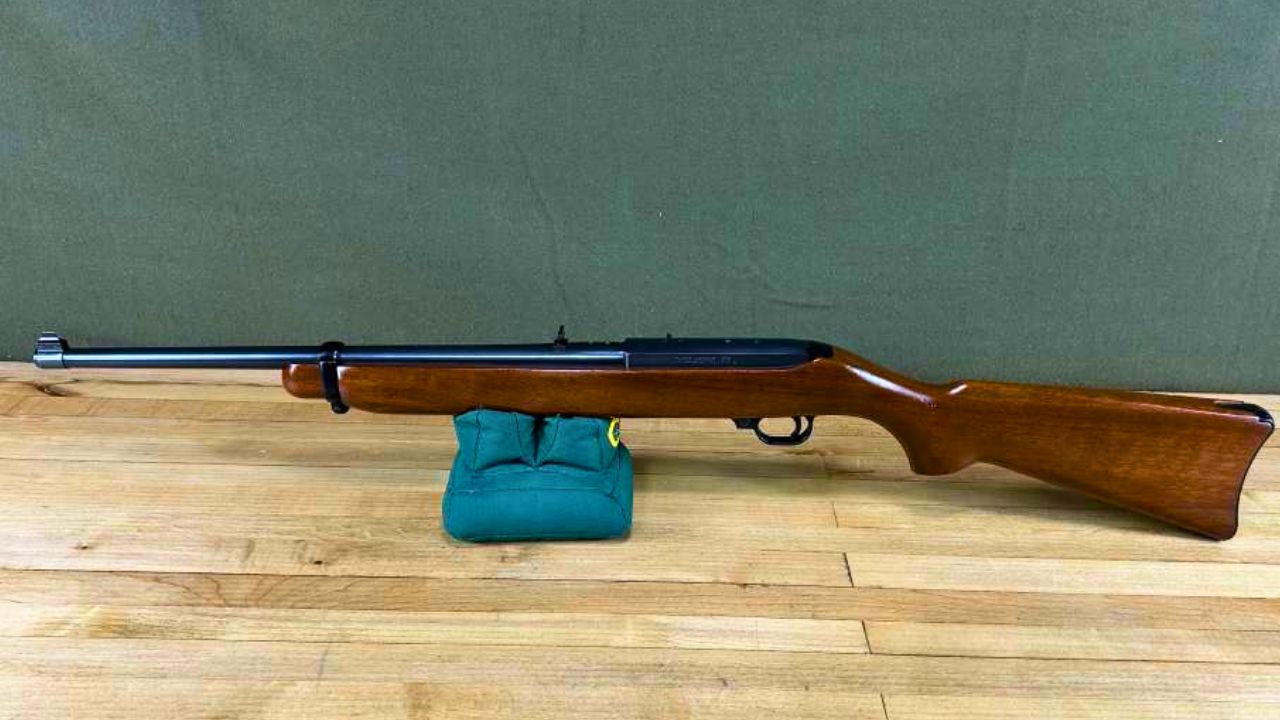
The Ruger 44 Carbine was easy to pass on because it seemed too purpose-built to become urgent. It looked like a neat deer rifle for the right person, not necessarily the gun a buyer had to move on that day. That made it the exact sort of rifle people told themselves they would revisit later if they ever decided they wanted a compact semi-auto for woods hunting.
That later has not been kind. The old Ruger now has the kind of appeal people understand much more clearly once they realize how few rifles offer that combination of handiness, power, and vintage field-gun character. Plenty of buyers walked away because it felt too niche. That niche looks a lot smarter now.
Smith & Wesson 4506
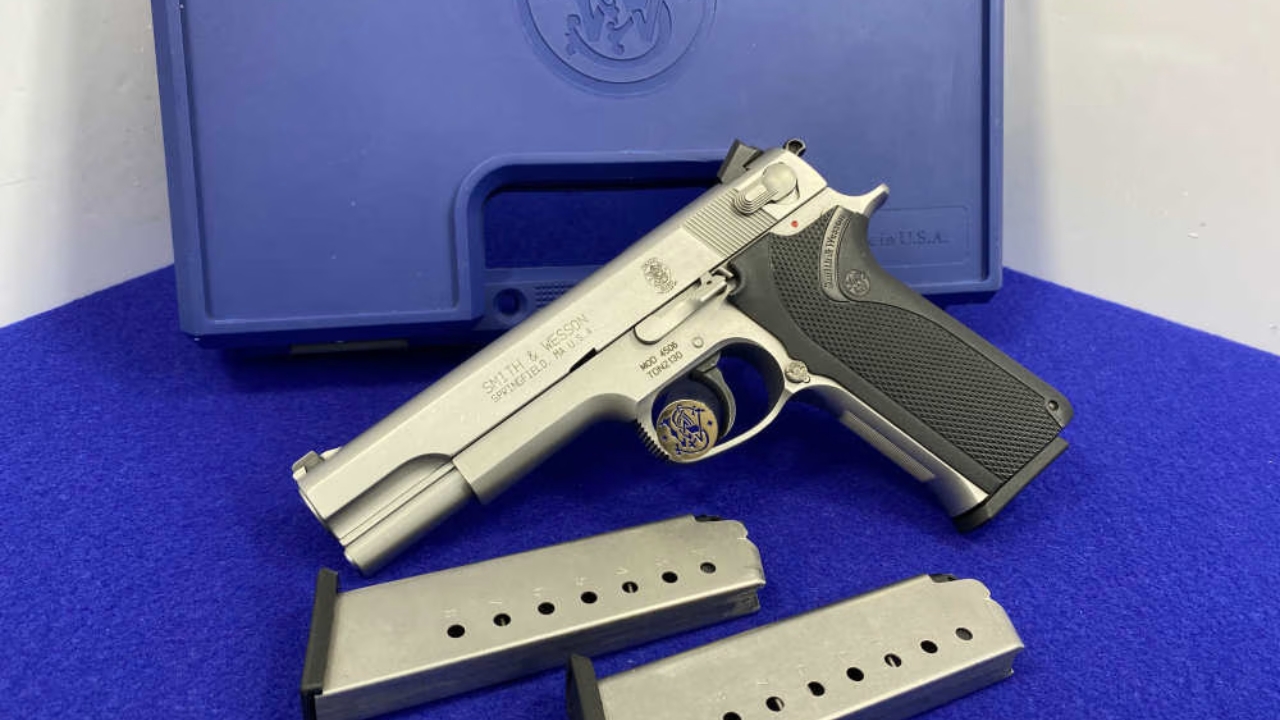
The 4506 was too big, too heavy, and too plain-looking for a lot of buyers to treat as urgent when they were younger and more interested in whatever .45 looked sleeker or more current. It was respected, but a lot of that respect came with distance. People assumed these would always be there if they ever changed their minds.
Now a lot of those people wish they had changed their minds sooner. The 4506 has aged into the kind of no-nonsense all-steel .45 people understand much better after a few disappointing runs with lighter, fussier, or less settled pistols. What once looked bulky now looks serious, and what once looked common no longer is.
Browning B-78
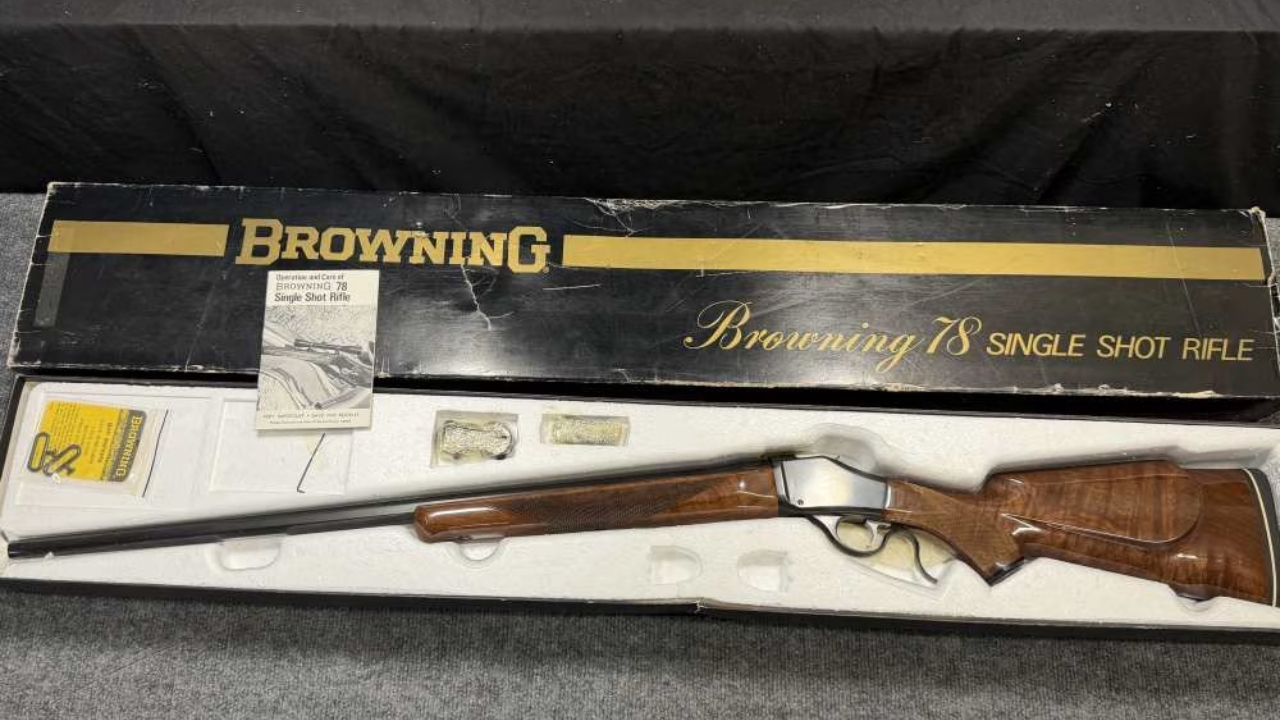
The Browning B-78 was another rifle that got pushed into the “someday” pile because it felt too taste-driven to be urgent. It was elegant, clearly well made, and full of single-shot appeal, but many buyers kept telling themselves they would get around to owning one once they had all the practical rifles out of the way. That is how a lot of good rifles become regrets.
Now the B-78 looks like exactly the kind of rifle people should have bought when it still felt optional. Between the craftsmanship, the clean lines, and the fact that it offers an ownership experience modern production rifles rarely even try to provide, it has become much easier to appreciate once the buying window got tighter.
Walther P5

The Walther P5 always had enough quality and history to be interesting, but it also lived in a lane that kept many buyers from acting. It was not as common a choice as the P38 lineage suggested it might be, and it was not as easy to explain to casual buyers as more mainstream service pistols. That made it easy to admire from a distance and never quite pull the trigger.
Now buyers who passed on one often wish they had not. The P5 feels more distinct and more significant the longer the handgun market keeps flattening out into the same few patterns. It was never just another police pistol. People just treated it that way for too long.
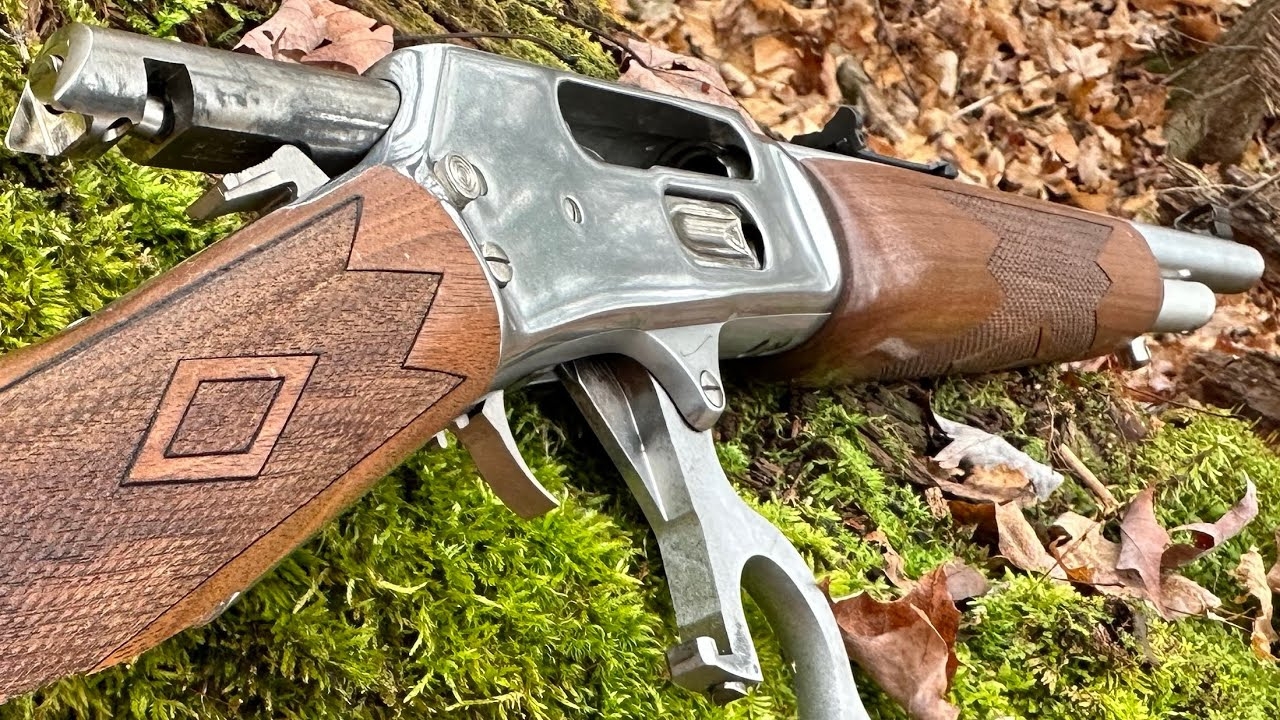
Marlin 1895M in .450 Marlin
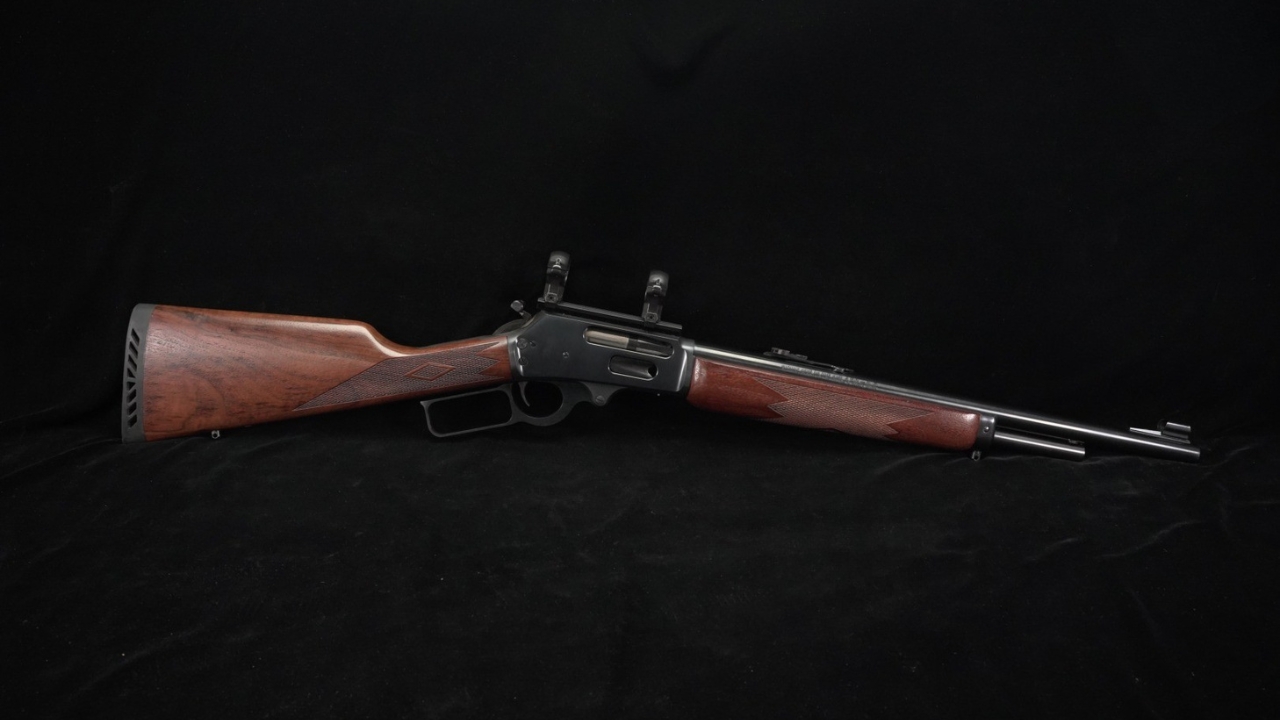
The Marlin 1895M got passed on because a lot of buyers saw it as too specialized and too tied to a cartridge they were not sure they wanted to commit to. The .450 Marlin never felt broad enough to be safe, and that made the rifle easy to leave on the rack while buyers waited for something that felt more familiar or more broadly supported.
That decision aged badly for some people. The 1895M is now the kind of rifle that feels far more interesting once you realize how uncommon it has become and how much personality it had from the start. Buyers who once thought they were being cautious now often sound like they are describing a rifle they should have appreciated before the market got less forgiving.
SIG Sauer P210 Legend
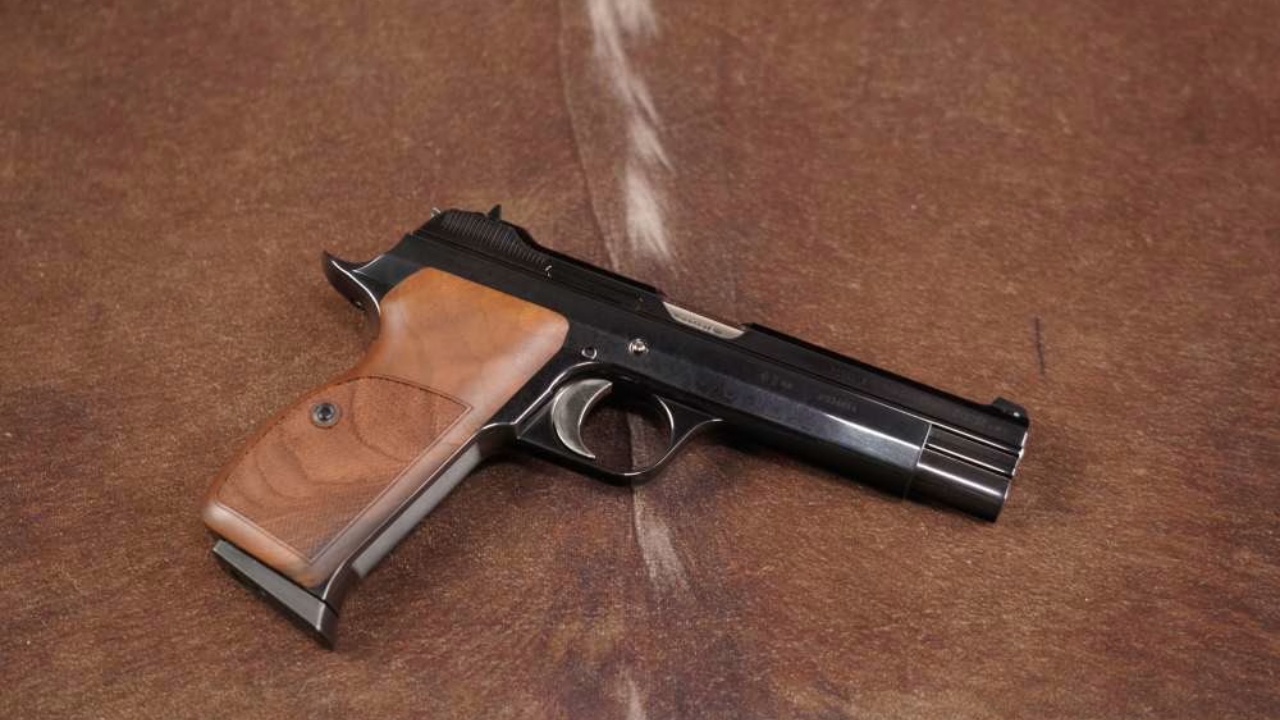
The P210 Legend was the sort of pistol people often passed on because it felt like an indulgence. They respected it, maybe even loved it, but told themselves it was too nice, too specialized, or too expensive to justify right then. That logic makes sense right up until the buyer starts looking for one later and realizes the prices and availability have shifted in exactly the wrong direction.
A lot of people now regret treating it like a someday gun. It is not just a premium pistol with a big name attached. It is one of those handguns that becomes more impressive the more time you spend around ordinary ones. The people who passed because it felt too “extra” often end up wishing they had acted when the extra money still would have hurt less.
Like The Avid Outdoorsman’s content? Subscribe to our newsletter so you never miss an article.
Here’s more from us: