Photo credit: vandsarms/GunBroker
Taurus is one of the few gun brands where you can start an argument just by saying the name. For years, plenty of shooters treated Taurus like the brand you bought only when you could not afford something else. Some of that reputation came from real complaints. Some came from old internet pile-ons that never quite died. Either way, Taurus had a mountain to climb.
What surprised a lot of people is that Taurus actually started climbing it. The brand moved harder into the U.S. market, shifted its U.S. operations to Bainbridge, Georgia, improved several product lines, and released guns like the TX22, G3, GX4, and newer carry and rimfire models that made shooters take a second look. Taurus USA traces the company’s firearms roots back to Forjas Taurus in Brazil and notes that after buying Beretta’s São Paulo facility, drawings, tooling, machinery, and workforce, Taurus improved on the Beretta design with pistols like the PT-92 and PT-99.
1. Taurus Had a Reputation Problem to Overcome

Taurus did not surprise people because everyone already trusted it. It surprised people because so many shooters did not. For a long time, the brand carried a reputation for inconsistent quality, spotty customer service, and guns that some buyers saw as budget placeholders instead of lifetime firearms.
That matters because changing a reputation is harder than launching one good gun. A company can make a solid pistol and still have shooters say, “Yeah, but it’s a Taurus.” The brand had to produce enough decent guns, at enough good prices, over enough time to make people rethink old assumptions. That is not easy, but Taurus has made more progress than critics expected.
2. The Brand’s Brazilian Roots Are Older Than Many People Realize

Taurus is often talked about like a modern budget import brand, but the company’s roots go back much farther. Taurus Armas traces its history to Forjas Taurus in Brazil, which began as a tool and die forging operation before becoming a major firearms manufacturer. Public company summaries describe Taurus Armas as founded in 1939 in Brazil and later expanding into one of the country’s major arms manufacturers.
That history does not erase the brand’s quality debates, but it does give useful context. Taurus is not a random fly-by-night company. It has been around for decades, operates at significant scale, and has built firearms for a global market. The company’s modern comeback story sits on top of a much longer manufacturing background.
3. Buying Beretta’s Brazilian Plant Changed the Company
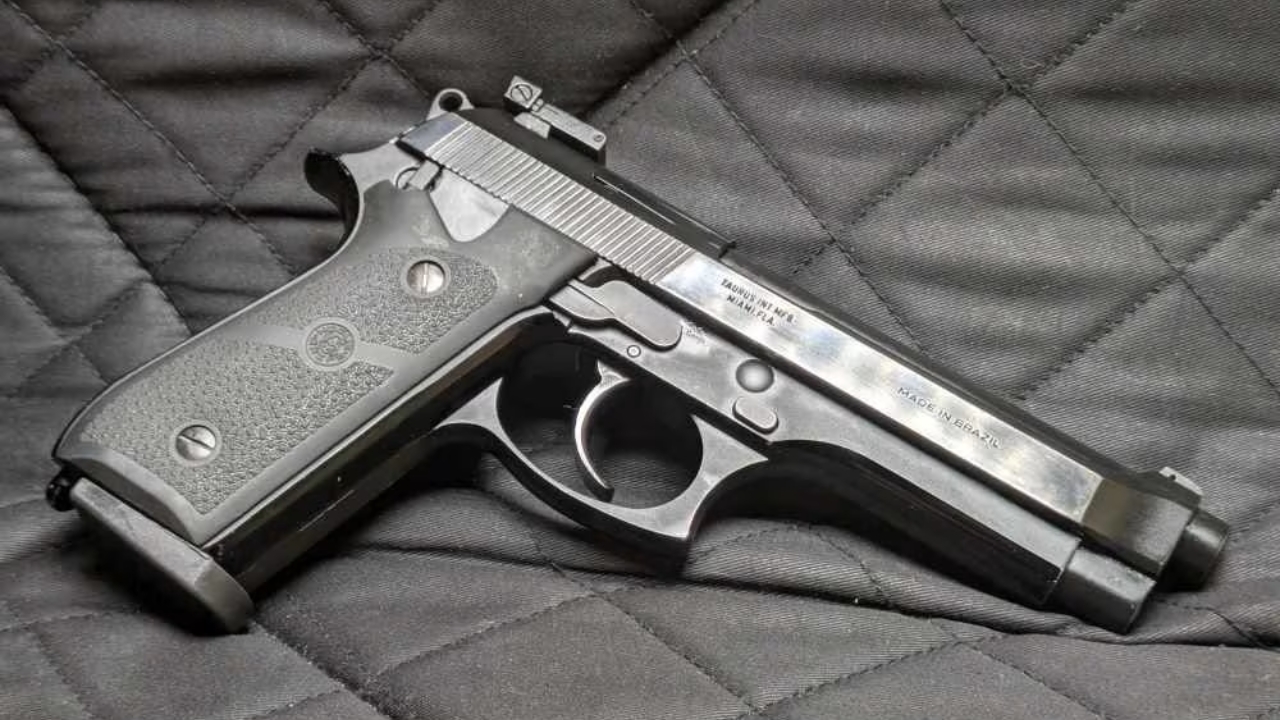
One of the most important things Taurus ever did was buy Beretta’s São Paulo manufacturing plant after Beretta completed Brazilian military contracts. Taurus USA says that purchase included drawings, tooling, machinery, and an experienced workforce, and that Taurus used that foundation to improve on the Beretta design with pistols like the PT-92 and PT-99.
That move helped Taurus become more serious in the pistol market. The PT-92 gave shooters a familiar Beretta-style layout with Taurus changes, and for years it was one of the guns people pointed to when defending the brand. Even people who disliked Taurus often admitted the old PT-92 line had more credibility than many expected.
4. The PT-92 Was Better Than Skeptics Wanted to Admit
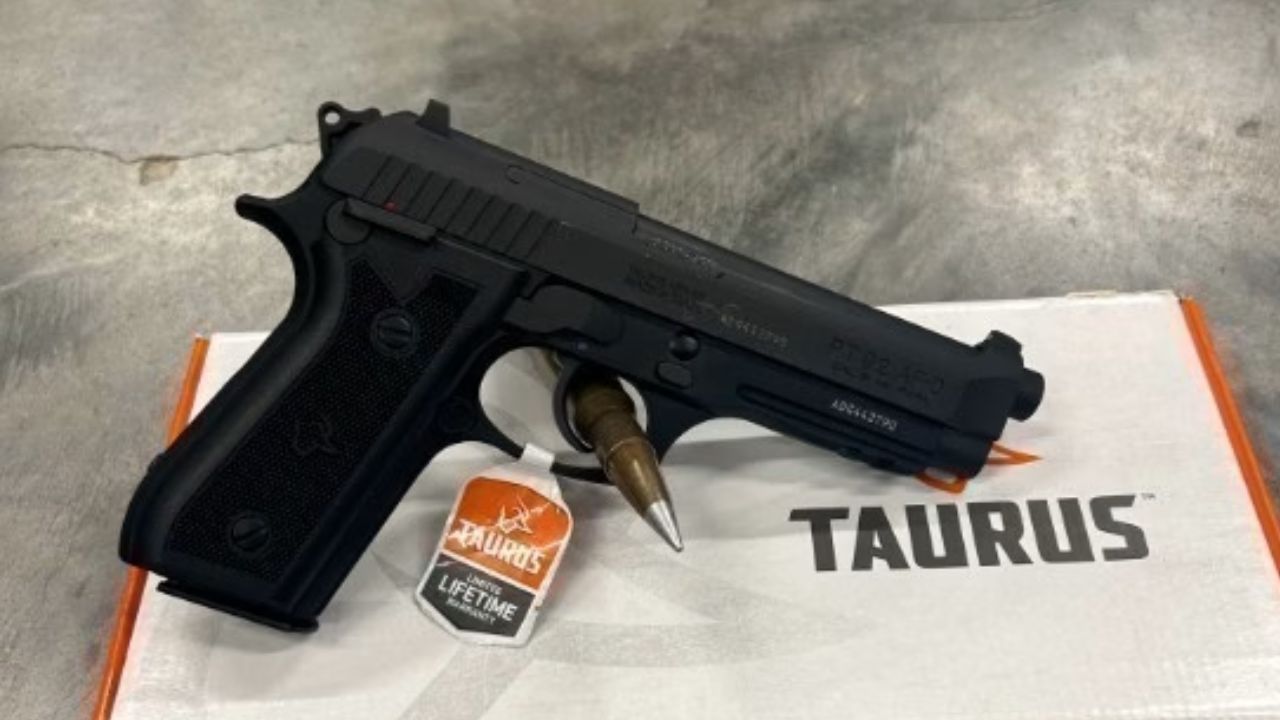
The Taurus PT-92 is one of the reasons the brand always had defenders. It was based on the Beretta 92 lineage because of the plant, tooling, and workforce Taurus acquired, but it was not simply ignored as a cheap copy by everyone. Plenty of shooters found the PT-92 reliable, accurate enough, and a strong value.
That mattered because it gave Taurus a foothold with buyers who wanted a full-size 9mm but did not want to pay Beretta money. The PT-92 did not fix every Taurus reputation issue, but it proved the company could build a service-size pistol that earned real loyalty. That was an early sign Taurus could punch above the assumptions people had about it.
5. Moving U.S. Operations to Georgia Mattered

Taurus made a major U.S. move when it shifted its American operations from Miami, Florida, to Bainbridge, Georgia. Reporting on the move noted that Taurus announced the shift in 2018, with an initial $22.5 million investment and plans for a new U.S. headquarters and manufacturing facility.
That move mattered because it gave Taurus a cleaner U.S. identity and a facility better matched to modern production. American Rifleman described the GX4 and TX22 as being built in Bainbridge, Georgia, and highlighted the company’s back-end work and quality-control process there. For buyers who had doubts, seeing newer Taurus guns tied to U.S. manufacturing helped the brand feel less like the old version people complained about.
6. The TX22 Changed the Rimfire Conversation
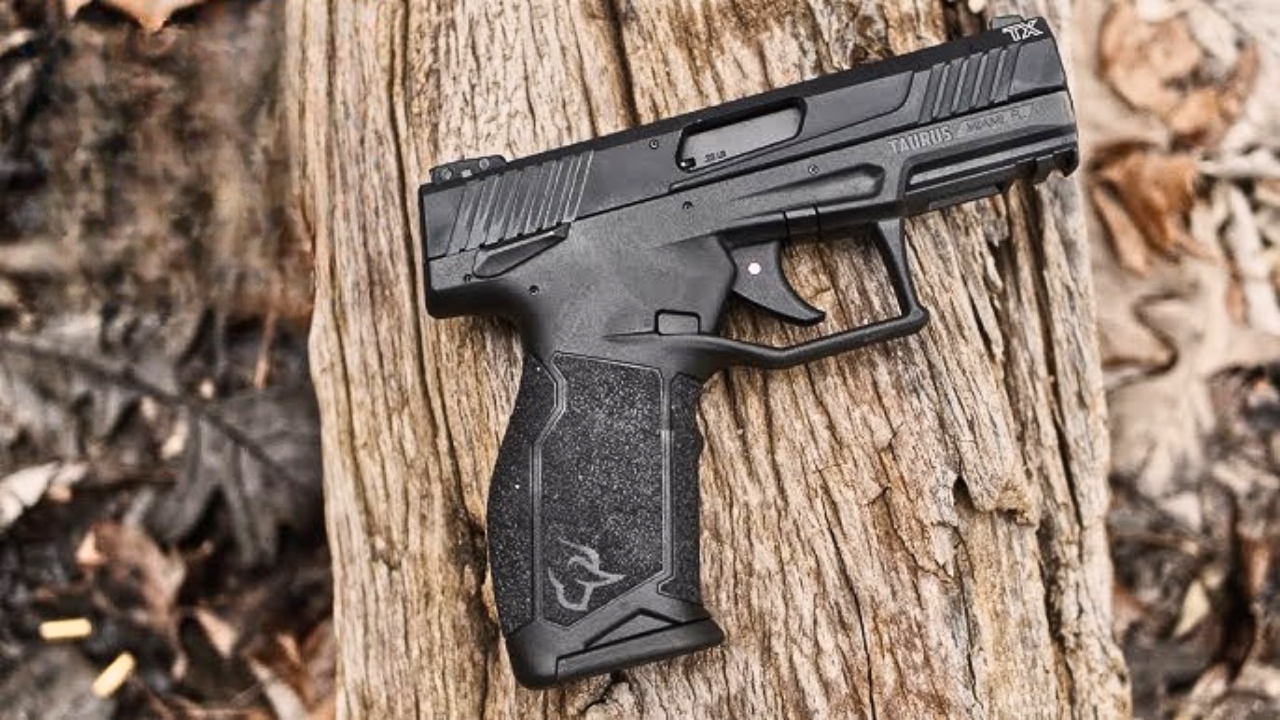
The Taurus TX22 may be the gun that changed more minds than anything else in the modern Taurus catalog. Rimfire semi-autos can be picky, frustrating, low-capacity, or built like afterthoughts. The TX22 showed up with a modern feel, useful capacity, good ergonomics, suppressor-friendly features, and a reputation for running better than many people expected.
That was a big deal because shooters were not grading it only on a Taurus curve. They were comparing it to other rimfire pistols and realizing it was legitimately good. Taurus lists current TX22 T.O.R.O. models with 22-round capacity, a threaded barrel, Picatinny rail, optic-ready system, and adjustable rear sight, which is a lot of rimfire pistol for the money.
7. The TX22 Made Taurus Feel Fun Again

The TX22 worked because it did something Taurus badly needed: it gave people a gun they actually enjoyed talking about. Not a defensive pistol they bought because money was tight. Not a revolver they justified because it was cheap. A rimfire pistol people bought because it was fun, affordable, useful, and surprisingly good.
That kind of product matters for a brand reset. A fun gun creates positive word of mouth faster than a “good enough” gun. The TX22 brought new shooters, suppressor owners, rimfire fans, and budget-conscious range guys into the same conversation. For Taurus, that was huge. It gave the company a win that felt clean.
8. The G2 and G3 Lines Made Budget Pistols More Serious
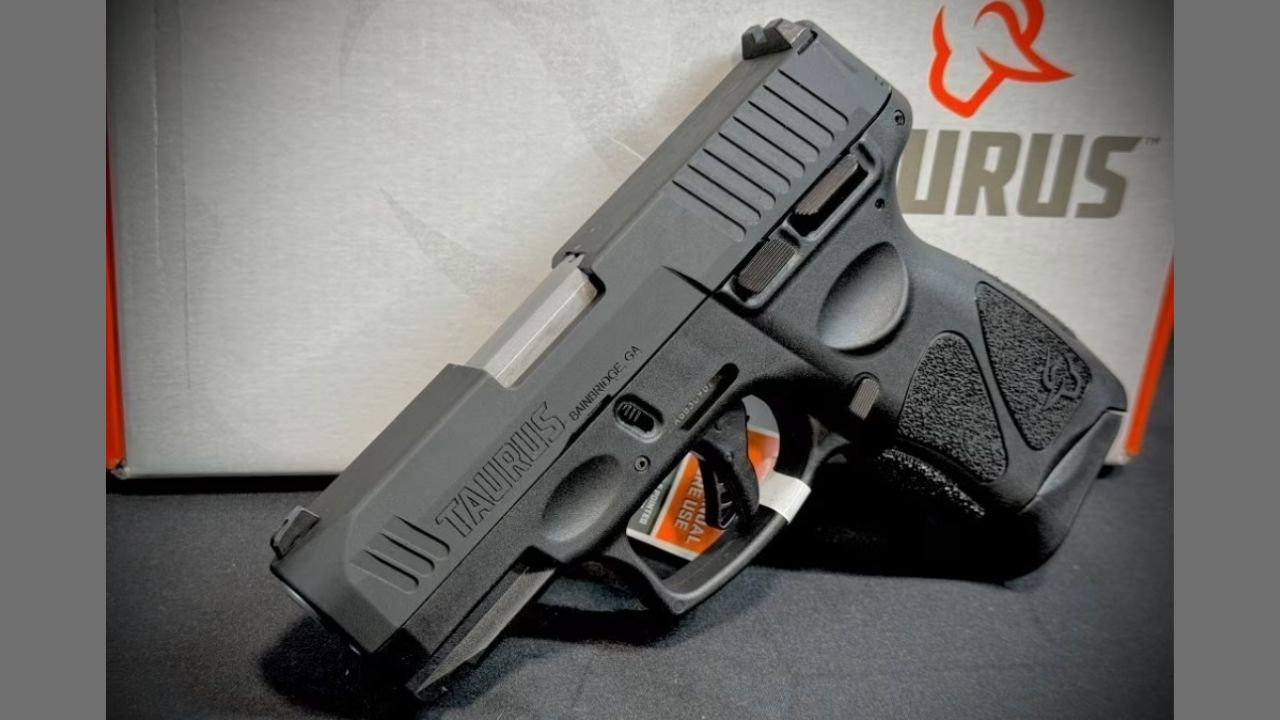
The Taurus G2 and G3 series helped move Taurus into a stronger value-pistol lane. These guns were not trying to be luxury pistols. They were trying to give regular buyers a functional, affordable striker-fired handgun with decent capacity and modern features for a low price.
That may not sound glamorous, but it matters. Not every buyer can spend Glock, SIG, HK, or Walther money. Taurus found a market of people who wanted a defensive-size pistol that did not feel completely outdated. The G3 and G3c helped Taurus show it could make modern polymer pistols regular shooters would actually carry and train with.
9. The GX4 Put Taurus Into the Micro-Compact Fight

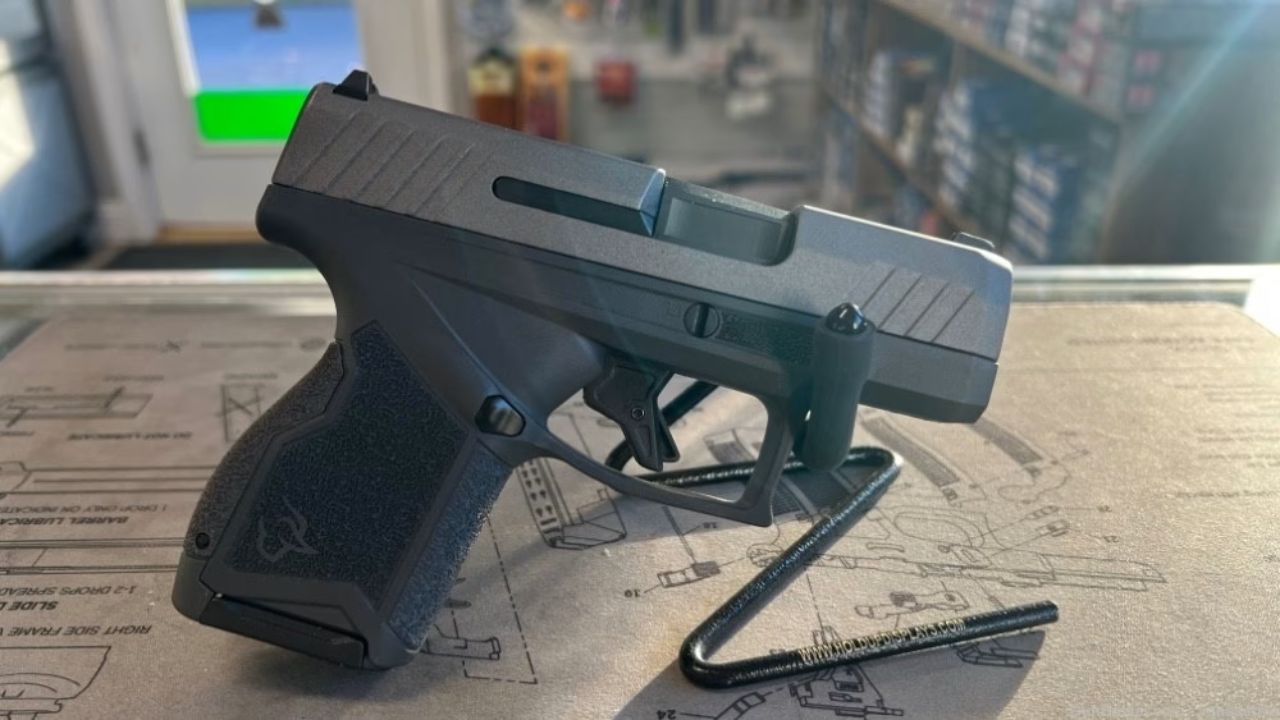
The GX4 was another major step because Taurus entered one of the most competitive parts of the handgun market: micro-compact 9mms. Taurus describes the GX4 as its first micro-compact 9mm, with class-leading capacity language and models that include standard, XL, and optics-ready T.O.R.O. versions.
That was not an easy lane to enter. The GX4 had to compete with pistols like the SIG P365, Springfield Hellcat, Shield Plus, Ruger Max-9, and others. Reviews at launch noted specs like 11+1 capacity, a 3.06-inch barrel, 6.05-inch overall length, and 18.5-ounce unloaded weight. The fact that Taurus could even get taken seriously there showed how much the brand had changed.
10. The GX4 Felt Like a Real Carry Gun, Not a Cheap Placeholder
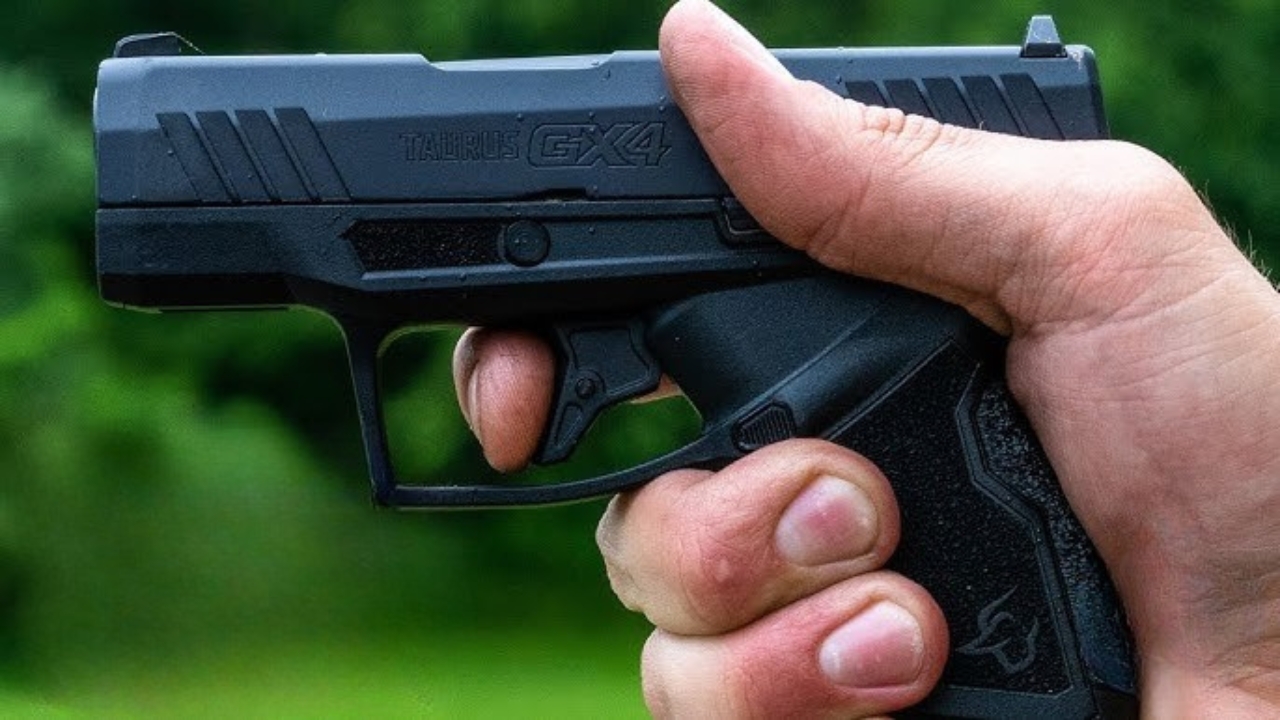
The GX4 surprised people because it did not feel like Taurus simply shrank an old design and hoped for the best. It had a flat-face trigger, small carry-friendly dimensions, modern styling, good texture, and enough capacity to compete in a serious category. Shooting Times described the GX4 as smooth-contoured, snag-resistant, easy to conceal, light enough for all-day carry, surprisingly comfortable to shoot, and accurate.
That mattered because Taurus needed a gun that felt current. The old reputation would have swallowed a weak micro-compact instantly. The GX4 gave buyers something that could stand in the same conversation as bigger-name rivals, especially for people shopping hard on value.
11. Taurus Still Knows the Revolver Market

Taurus has long had a presence in revolvers, from small carry guns to bigger hunting and defensive wheelguns. The brand does not have the same prestige as Smith & Wesson, Colt, or Ruger in the revolver world, but it has filled an important role by offering revolvers at prices regular buyers could reach.
That still matters. A lot of people want a simple .38 Special, .357 Magnum, or .22 revolver without spending premium money. Taurus revolvers have been hit-or-miss in reputation depending on model and era, but the company has always understood that there is a real market for affordable wheelguns. That lane has helped keep Taurus relevant even when its pistols were more heavily criticized.
12. The Judge Gave Taurus a Gun People Couldn’t Ignore

The Taurus Judge is one of those guns people either love, mock, or argue about forever. A revolver chambered for .45 Colt and .410 shotshells was never going to be boring. It gave Taurus a massive attention-grabber and created a whole category conversation around shotshell-capable revolvers.
Not everyone thinks the Judge is practical, and a lot of criticism is fair. The .410 handgun concept has real limits, and buyers need to understand patterning, penetration, recoil, and realistic use. But the Judge proved Taurus could create something people talked about. It gave the brand a wild-card identity that bigger, more cautious companies might not have chased.
13. Taurus Wins When It Offers Obvious Value
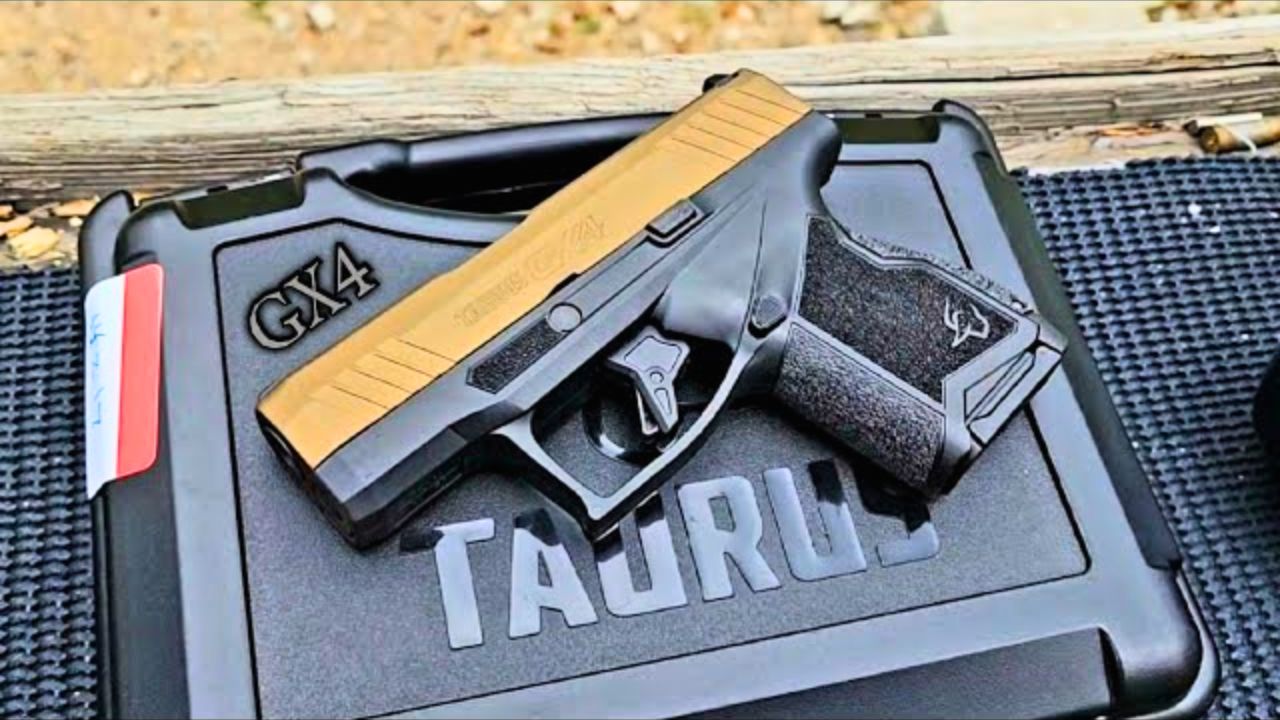
Taurus is at its best when the value is clear. The TX22 gave rimfire shooters capacity, threaded-barrel options, and modern features for a good price. The GX4 gave concealed carriers a legitimate micro-compact option for less money than many rivals. The G3 line gave budget buyers a modern-feeling pistol without premium pricing.
That is the Taurus lane. The company does not need to beat HK on refinement or Colt on heritage. It needs to give shooters a gun that works well enough, costs less, and feels like a smart buy. When Taurus does that, people pay attention. When it misses that mark, the old reputation comes roaring back.
14. The Brand Still Has to Fight Its Past
Taurus has improved, but it has not escaped its old reputation completely. Some shooters will never trust it. Some had bad experiences years ago and will not come back. Others still view the brand as a budget gamble no matter how many decent new guns appear.
That is the reality Taurus has to live with. A brand rebuild takes a long time, and quality has to stay consistent. One good model helps. Several good models help more. But the company has to keep proving itself because the internet never forgets old complaints. Taurus surprised people, but it still has to keep earning the new respect it wants.
15. Taurus Surprised Shooters Because It Actually Improved
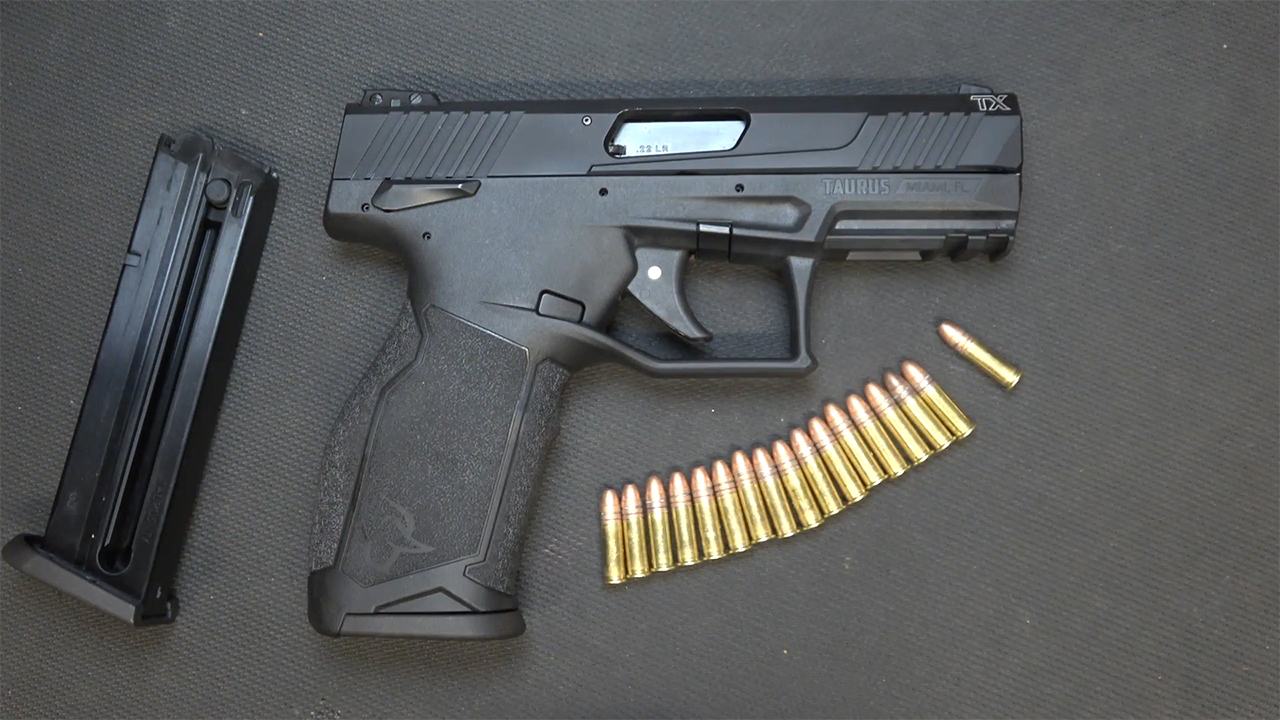
The biggest reason Taurus surprised shooters who had written the brand off is simple: the company gave them reasons to reconsider. The TX22 was genuinely well received. The GX4 entered a serious carry category with credibility. The G3 line gave budget buyers useful options. The Bainbridge move helped the company look more serious about U.S. production and quality control.
That does not mean Taurus is suddenly above criticism or that every gun in the catalog is a winner. It means the old “never buy Taurus” reflex does not fit as cleanly as it used to. The brand still lives in the value lane, but it has put out enough solid guns that even skeptics have had to admit something changed. And for Taurus, that may be the biggest win of all.
Like The Avid Outdoorsman’s content? Subscribe to our newsletter so you never miss an article.
Here’s more from us: