Photo credit: TheBackwoodsHermit/YouTube
Every few years, the gun world starts acting like older calibers finally got left behind. A new round shows up with flatter numbers, better branding, or a more modern story, and suddenly the old stuff gets treated like it survived mostly on nostalgia. Then hunting season rolls around, range time piles up, and those same old cartridges keep doing exactly what they have done for decades. They feed, fire, hit hard enough, and keep proving that usefulness does not expire just because marketing moved on.
That is why certain calibers never really go away. They may not dominate the latest conversation, but they still fill tags, protect homes, drop game, and give shooters a level of familiarity that counts for a lot. These are the old calibers that keep hanging around because they still flat-out work.
.30-30 Winchester

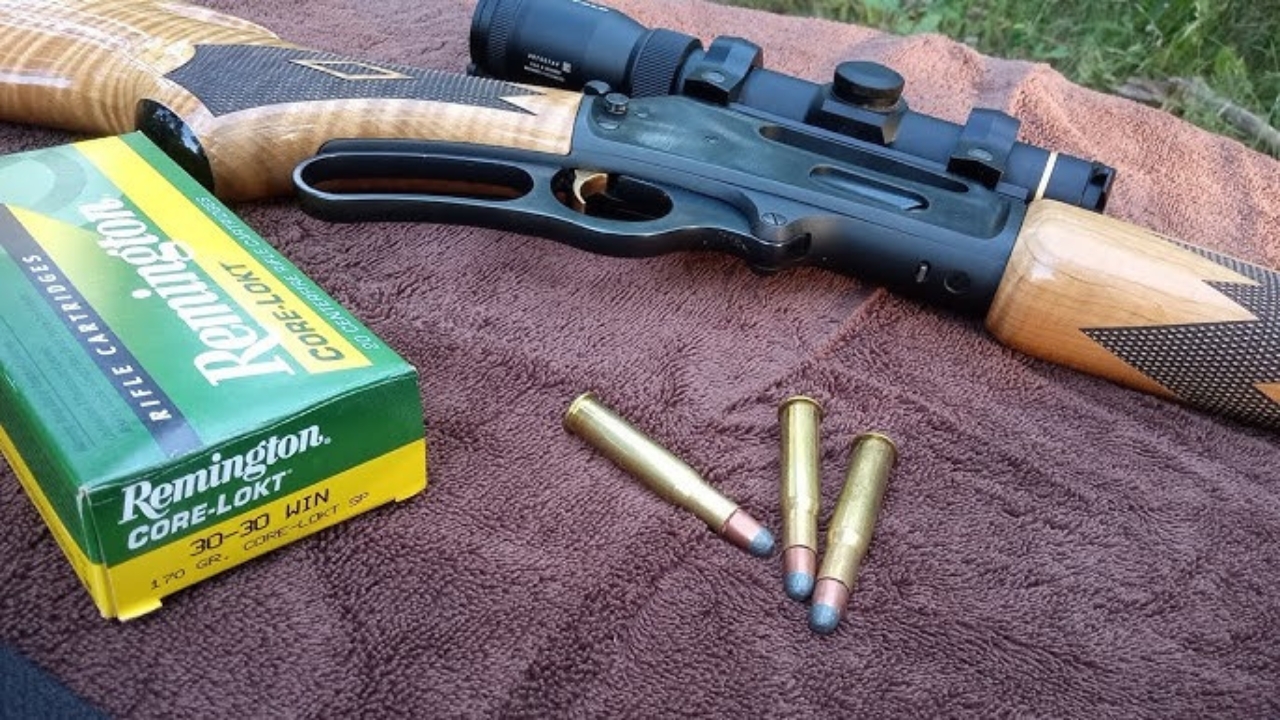
The .30-30 still gets the job done because it was never built for fantasy. It was built for real deer woods, short-to-moderate ranges, quick shots, and handy rifles that carry well all day. That is still real hunting for a whole lot of people, no matter how much the market wants every rifle conversation to sound like a long-range seminar.
It also keeps proving that practical range matters more than impressive charts. In thick cover, on ridgelines, and from blinds where shots stay reasonable, the .30-30 remains one of the smartest deer rounds ever made. It is easy to carry, easy to trust, and still hits hard enough where it counts.
.30-06 Springfield
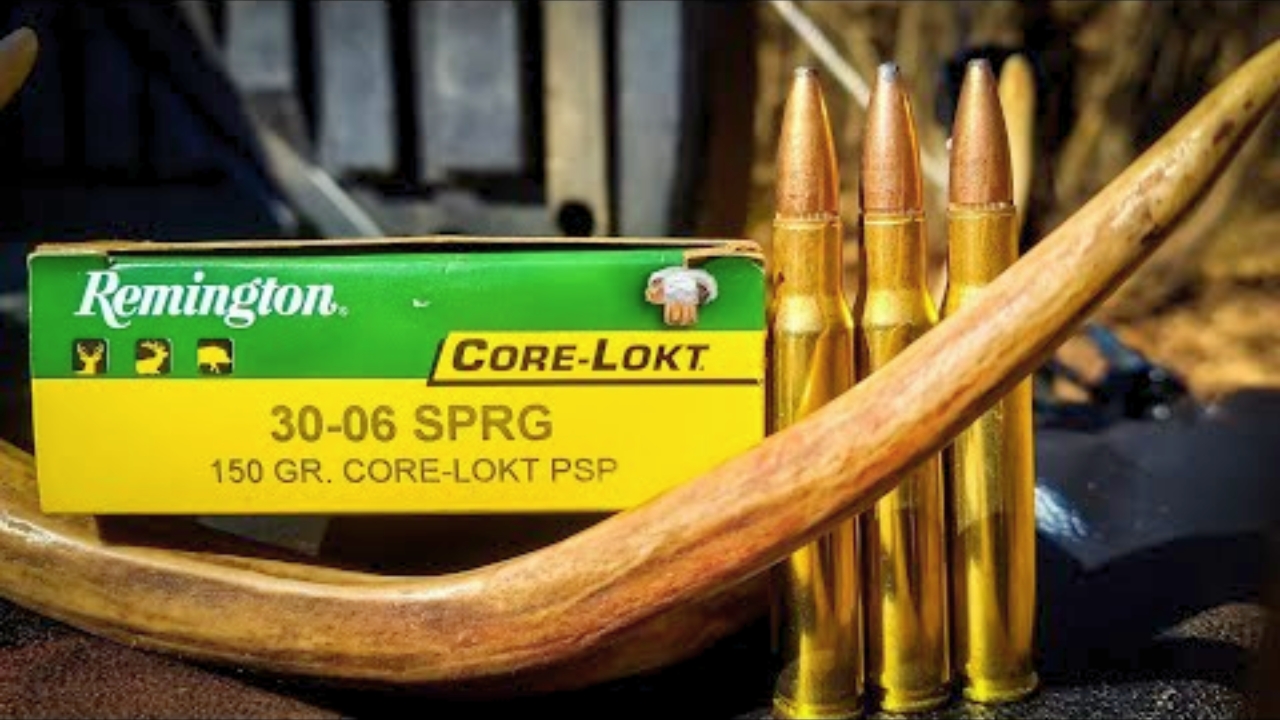
The .30-06 has had more than enough chances to fade, and it still refuses. Hunters and shooters kept trusting it because it covers too much ground too well. Deer, elk, black bear, hogs, and a whole lot more have fallen to this cartridge for generations, and it keeps doing the same work without asking for much drama.
That staying power comes from flexibility. Bullet weights are everywhere, ammo is easy to find, and rifle choices are endless. A lot of newer rounds have to explain themselves. The .30-06 does not. It is one of those cartridges that still gets the job done because it has been doing it cleanly for so long that most of the argument already ended.
.308 Winchester
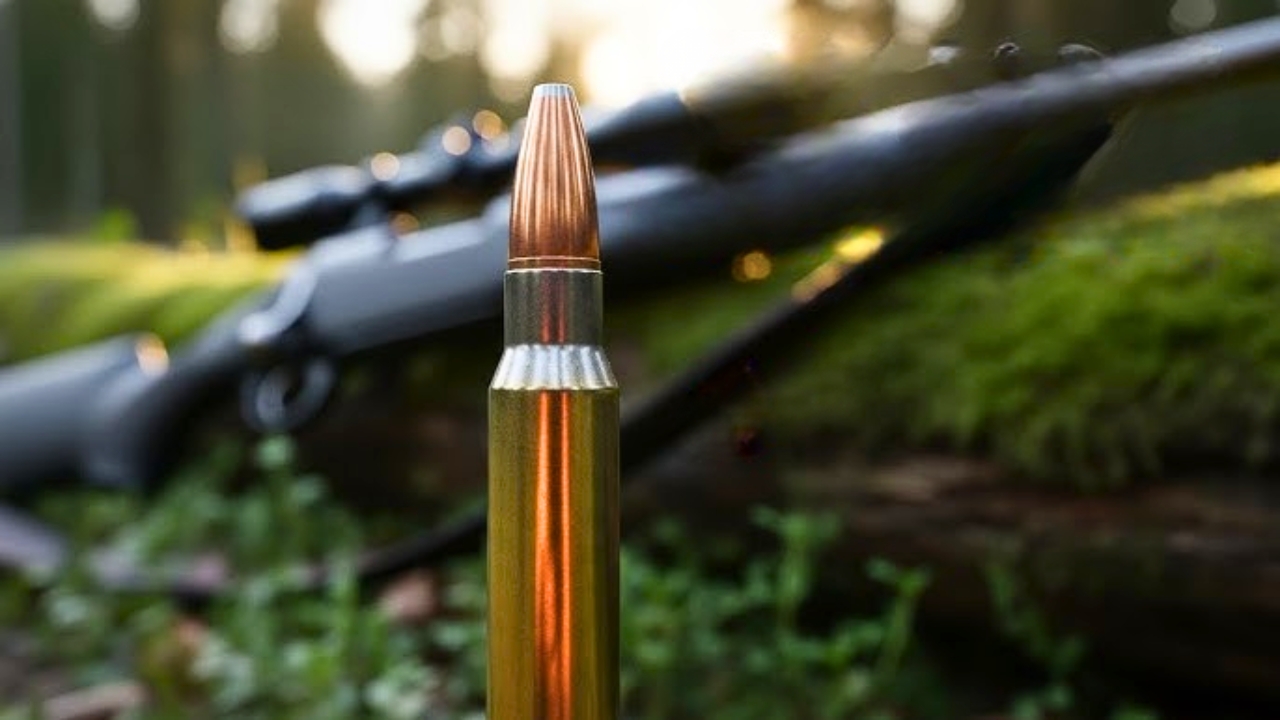
The .308 still makes sense because it keeps balancing power, accuracy, and practicality better than many newer rounds that get sold harder. It works in short-action rifles, does not punish the average shooter with ridiculous recoil, and still carries enough authority for deer, hogs, and bigger game with proper bullet choice. That is a lot of usefulness in one cartridge.
It also remains one of the easier calibers to live with. Ammo is common, rifles are common, and the cartridge behaves in a way shooters tend to trust quickly. It may not be the flashiest thing on the shelf, but it still gets the job done because it never needed to be flashy in the first place.
.270 Winchester

The .270 keeps proving that a cartridge does not need a new identity every few years to stay relevant. It shoots flat, hits cleanly on deer-sized game, and still has enough reach and authority for bigger animals when the shooter does their part. That combination has kept it in hunting camps for a very long time.
It also offers one thing a lot of shooters appreciate more with age: it is easy enough to shoot well. Plenty of faster or heavier cartridges can make a stronger first impression, but the .270 keeps delivering because hunters can actually place shots with it. A round that shoots clean and kills clean tends to keep its place for good reason.
.45-70 Government
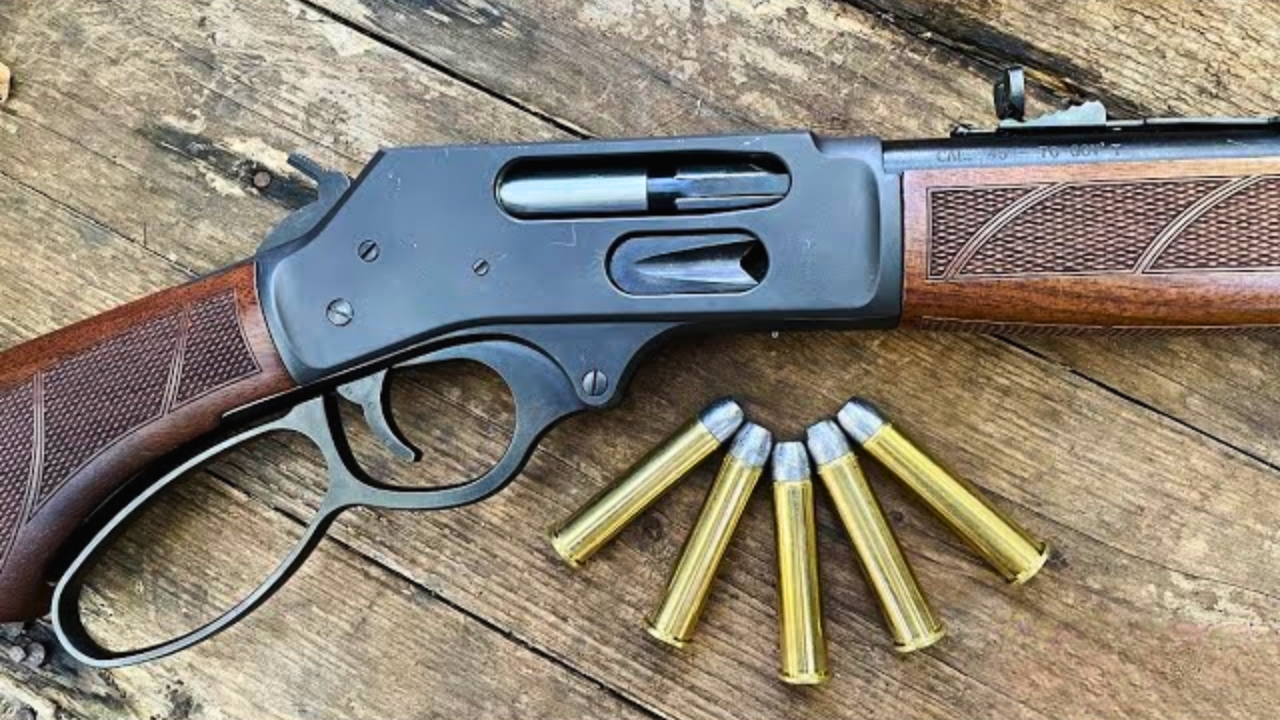
The .45-70 does not care whether anybody thinks it is old. It still hits hard, still works beautifully in the kinds of rifles built around it, and still handles close-to-moderate range hunting with real authority. Inside the distances where most people actually use one, it remains a serious answer for deer, hogs, black bear, and larger game.
What keeps it relevant is that it does something many newer cartridges still cannot fake. It brings a kind of blunt, unquestionable impact that hunters understand immediately once they use it. It is not trying to be sleek or fast. It is trying to end the discussion when the bullet gets there, and it still does that very well.
.35 Remington

The .35 Remington has stayed alive because woods hunters never needed much convincing. It has always carried more authority than its quiet reputation suggests, especially on deer-sized game in thick country where shots are sensible and quick handling matters more than speed. In rifles like the Marlin 336, it still feels like a very practical tool.
That is why it continues to earn loyalty. The round is not built around hype. It is built around useful field performance. Hunters who know what it does rarely speak about it like a compromise. They speak about it like a cartridge that still gets the job done while a lot of newer ideas are still trying to prove they belong.
.243 Winchester

The .243 keeps hanging around because it still solves real problems. It gives younger shooters, recoil-sensitive hunters, and practical deer hunters a round they can actually shoot well. It also handles varmints and predators cleanly, which gives it more versatility than people sometimes credit. That mix has kept it relevant for a very long time.
It also benefits from being easy to understand. Good ammo is common, rifles are easy to find, and the recoil stays manageable enough that practice does not become a chore. A lot of newer small-bore hunting rounds promise sharper numbers, but the .243 still gets the job done because it remains one of the easiest hunting calibers to trust.
.357 Magnum
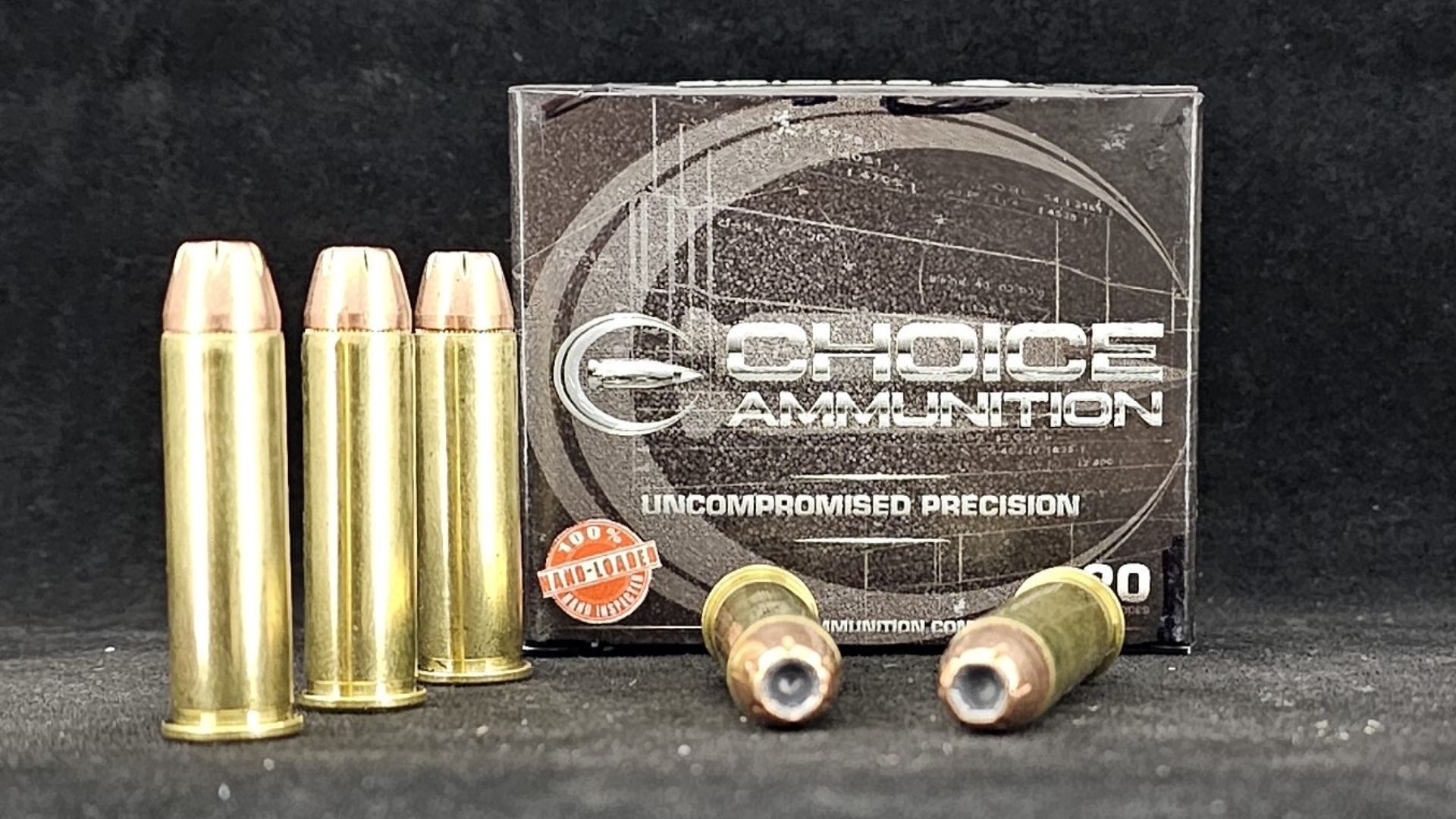
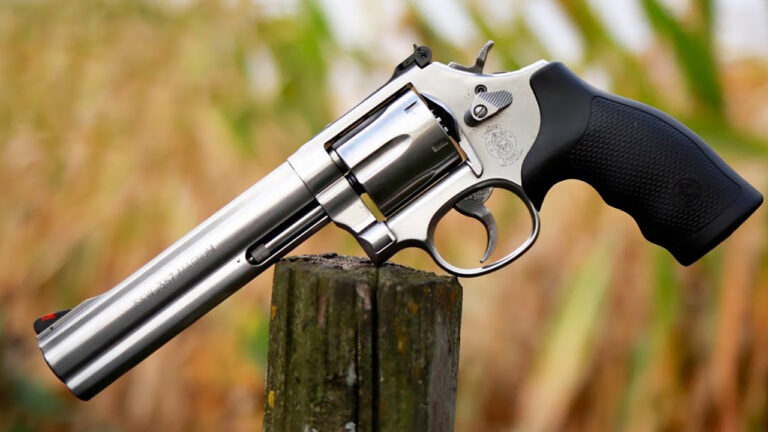
The .357 Magnum keeps working because it may be one of the most useful handgun calibers ever built. In a good revolver, it still offers real defensive value, trail-gun utility, and enough versatility to make a lot of newer handgun rounds feel strangely narrow by comparison. It can also be paired with .38 Special for softer practice, which adds even more long-term practicality.
That kind of flexibility is hard to beat. The .357 may not dominate online arguments anymore, but it never needed to. It still gets the job done because it remains one of the clearest examples of a cartridge that can cover a lot of different roles without much excuse-making.
.38 Special

The .38 Special still matters because shootable does not go out of style. In medium-frame and small-frame revolvers, it remains manageable, accurate enough, and easy to trust for people who value control over drama. It may not sound impressive to the speed-and-energy crowd, but that has never stopped it from being useful.
It also keeps getting the job done because it fits real people. Not everyone wants magnum recoil or complicated defensive theory. A cartridge that lets a shooter practice comfortably and hit consistently still has a place. The .38 Special survives because there is still no shortage of situations where simple, controllable performance wins.
.44 Magnum
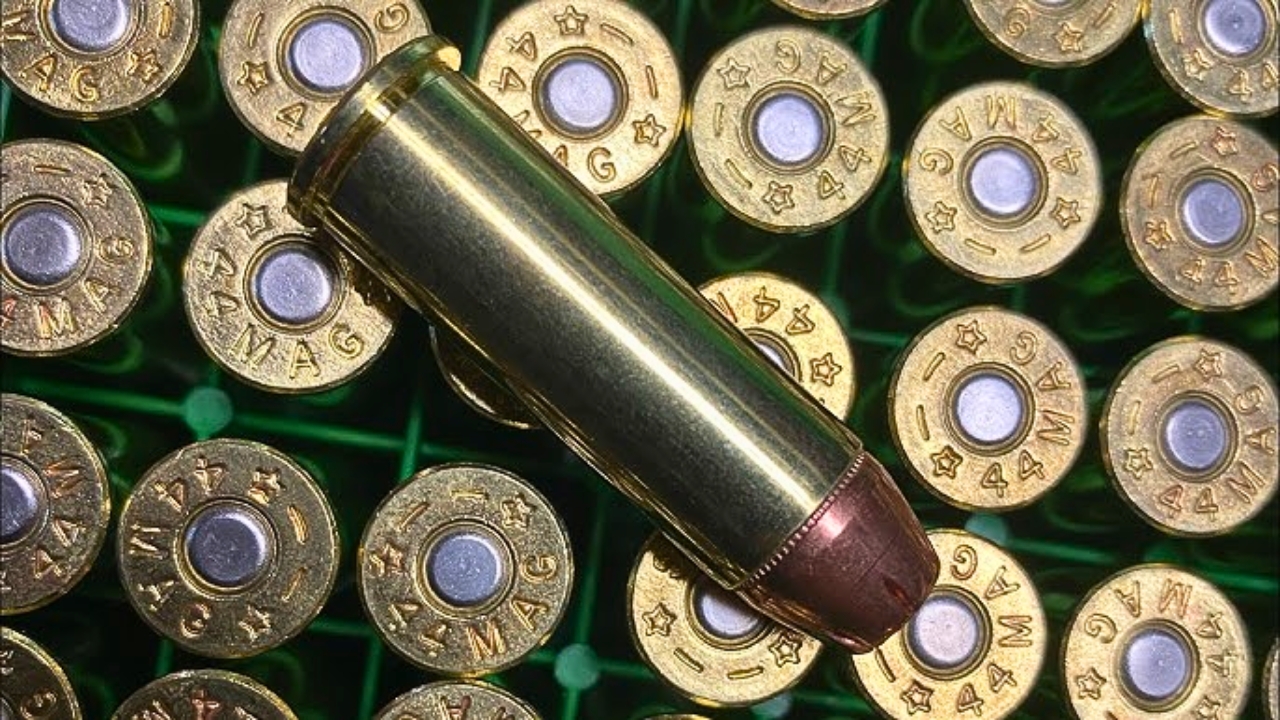
The .44 Magnum still earns respect because power still matters in the right context. In revolvers and carbines, it continues to offer real hunting capability and real field usefulness for people who know how to handle it. Yes, it can be more cartridge than some shooters truly need, but that has never made it obsolete.
What keeps it alive is that it still performs in a very clear, very honest way. It is not trying to seem subtle or modernized. It is a powerful round that still has practical value for handgun hunters, backcountry carry, and shooters who appreciate authority. That kind of role does not disappear just because newer cartridges keep showing up with shinier packaging.
.45 ACP

The .45 ACP keeps getting the job done because it never stopped doing what people trusted it to do. It remains controllable in a good pistol, easy to find, and deeply familiar to generations of shooters. While newer defensive handgun rounds keep arriving with a lot to say about how much smarter they are, the old .45 keeps working without much explanation.
That is part of its staying power. It feels settled. Shooters know what it is, know what it does, and know what kind of pistols support it well. That sort of maturity matters. The .45 ACP survives because it still feels like a cartridge people can build real long-term trust with, not just temporary excitement.
9mm Luger
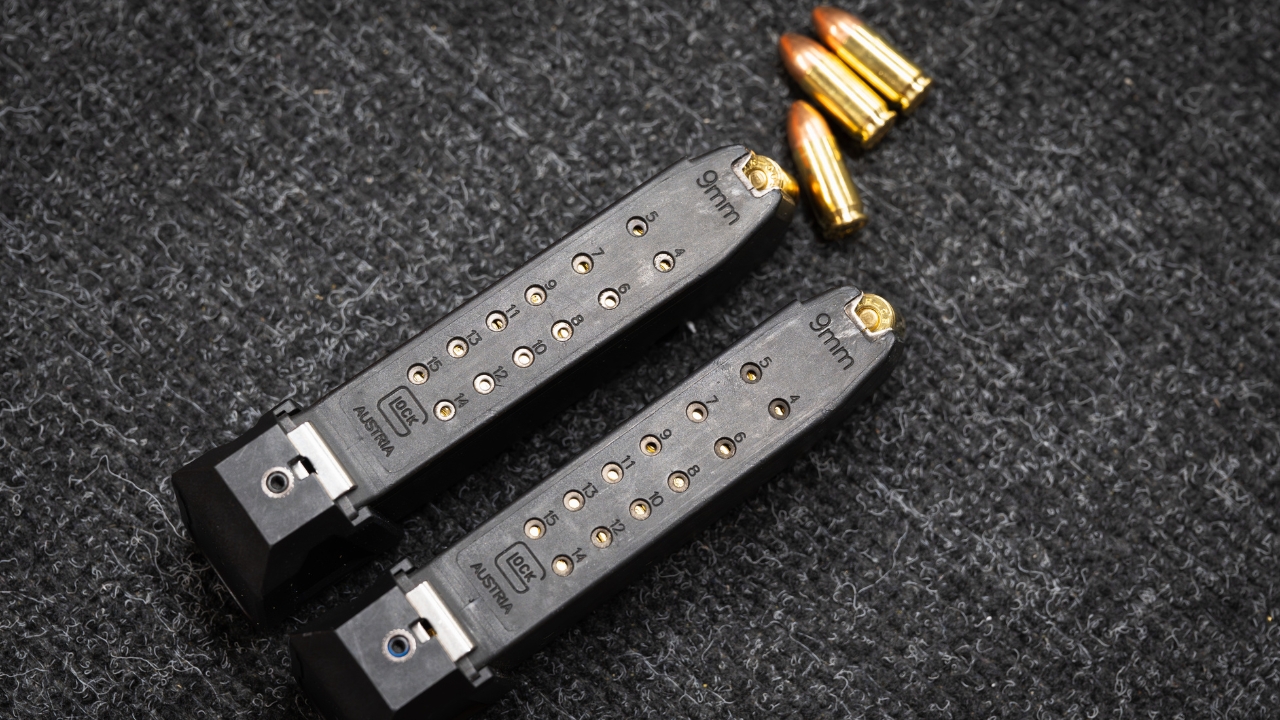
The 9mm is old enough to belong in this conversation, and it absolutely earns the spot. It has survived challenge after challenge because it still offers one of the best combinations of capacity, controllability, ammo availability, and practical effectiveness in the handgun world. That is why every round that tries to replace it ends up having to explain itself so hard.
It still gets the job done because it keeps real-world shooters happy. Training is affordable compared to plenty of alternatives, recoil stays manageable, and performance is good enough that most people never truly need more. The 9mm is old, common, and still standing because it earned the right to stay there.
.22 Long Rifle
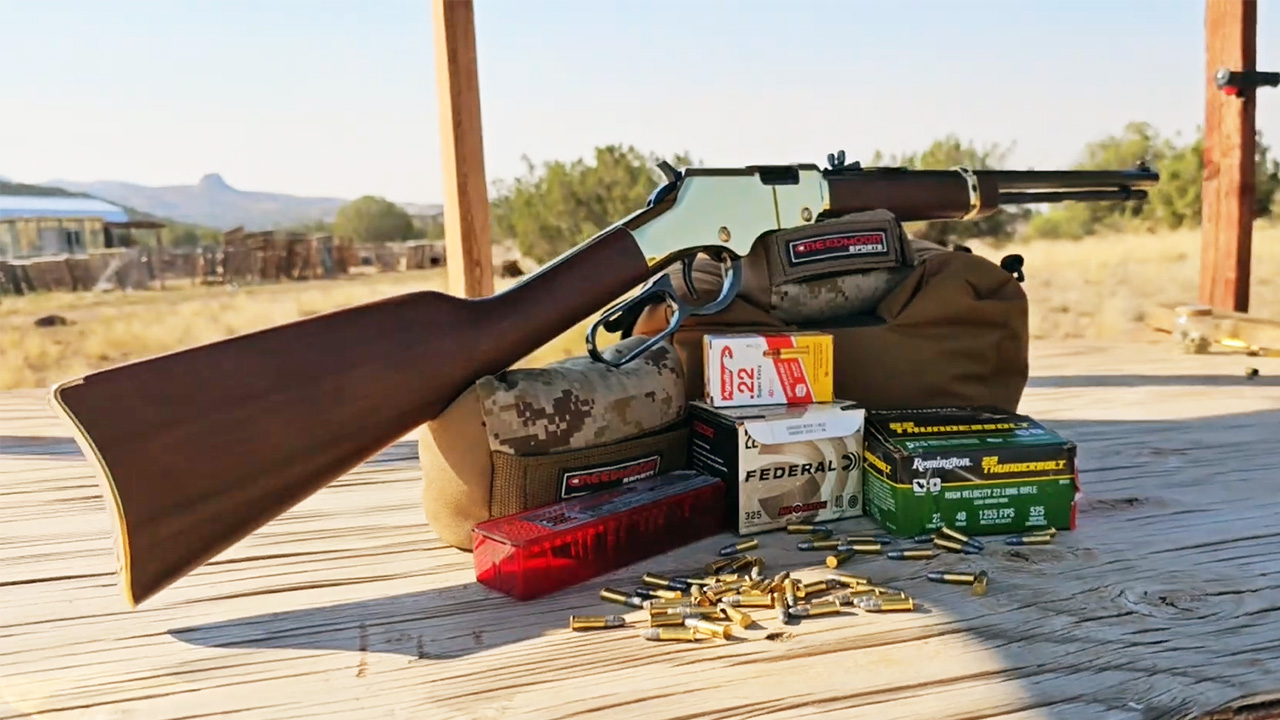
The .22 LR still gets the job done because it does so many jobs at once. It teaches beginners, supports cheap practice, handles small game, works for pest control, and keeps people shooting when centerfire prices make range time harder to justify. That kind of usefulness gives a cartridge real staying power.
It also survives because it is honest. It is not a power round, and it does not pretend to be. It is a practical round that keeps shooters sharp and keeps rifles and pistols fun to own. A lot of newer ideas try to create training systems around what the .22 already did beautifully decades ago. That alone tells you why it still matters.
7mm Remington Magnum

The 7mm Rem Mag still gets the job done because it had the mix of reach and authority figured out long before newer long-range hunting rounds started flooding the market. It shoots flat, carries energy well, and remains a very capable hunting cartridge for deer, elk, and more. Hunters trusted it early, and many never saw a real reason to leave it.
That trust stuck because the cartridge proved itself where it mattered. You can still find rifles for it easily, ammo is still out there, and it continues to fill the same role many newer cartridges are still trying to market as something revolutionary. Sometimes the old answer stays around because it was already strong enough.
.32 Winchester Special
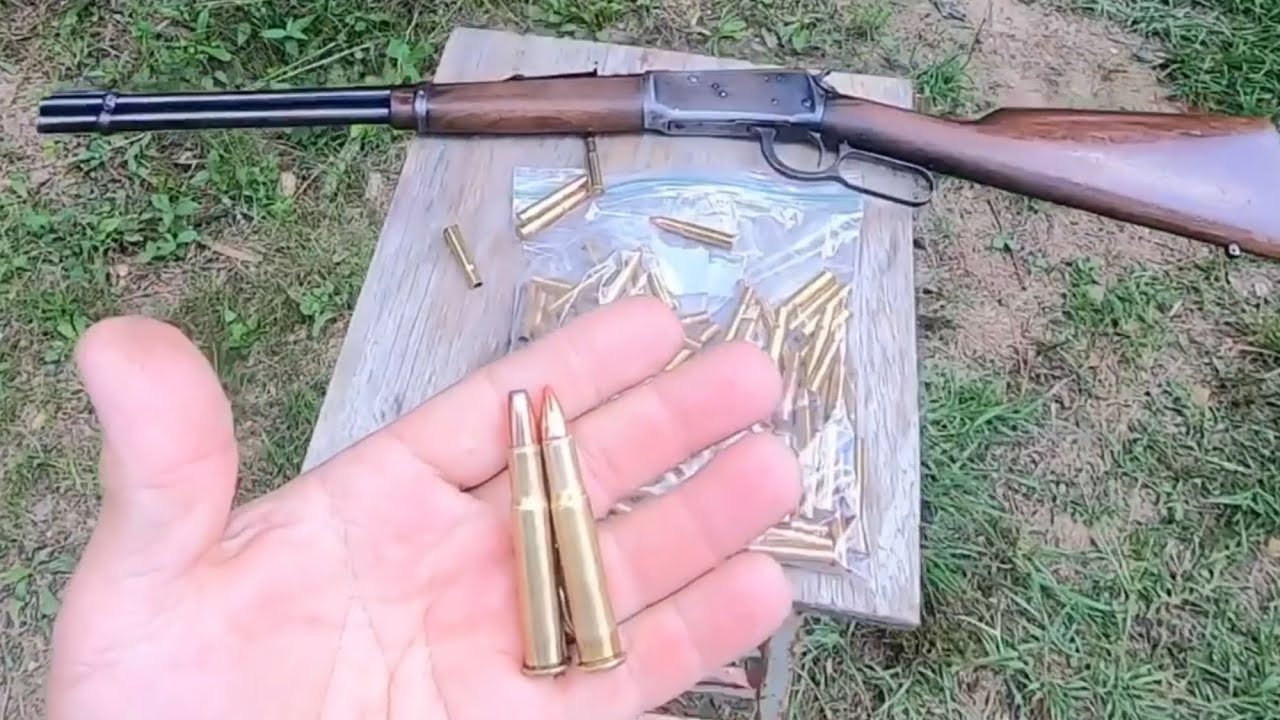
The .32 Winchester Special stays in the conversation because hunters who know it tend to stay loyal to it. It never had the broad popularity of the .30-30, but it has long been a useful deer cartridge in the same kind of practical woods environment. It hits with enough authority and carries the same lever-gun friendliness people still appreciate.
That quieter reputation may be part of why it keeps getting the job done. It was never overhyped, so it never had much illusion to lose. It simply remained effective in the situations it was built for. Cartridges like that tend to survive because the people who trust them never needed a marketing campaign to explain why.
12 Gauge
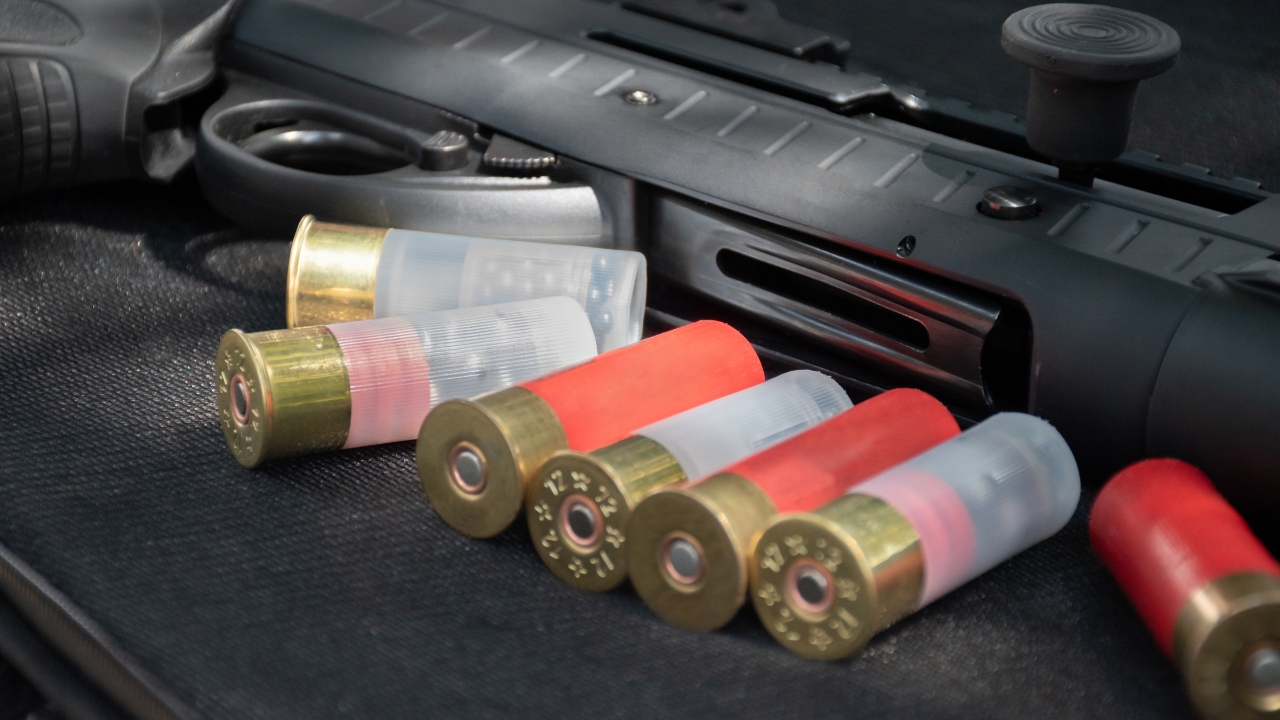
Yes, it is a shotgun gauge, not a rifle or pistol caliber, but it belongs in any honest conversation about old rounds that still handle real work. Hunting, home defense, predators, birds, slugs, buckshot, field loads, and general utility all still fall squarely into its wheelhouse. It covers more ground than most modern systems ever will.
That is exactly why it still gets the job done. Plenty of newer options can beat it in one narrow category, but very few beat it across the board for versatility. The 12 gauge remains one of the clearest examples of an old answer that never really lost its value because people kept finding real reasons to use it.
Like The Avid Outdoorsman’s content? Subscribe to our newsletter so you never miss an article.
Here’s more from us: