Photo credit: Sheepdog/YouTube
A lot of guns get ignored for the same reason they later become painful to buy. They looked too ordinary when they were easy to find. They were practical, proven, and usually owned by the kind of shooters who cared more about function than excitement. That made them easy to walk past. Buyers kept telling themselves they would come back later, after they picked up something flashier, newer, or more fun to talk about.
Then the market changed and all that “boring” stuff got a whole lot more interesting. Production ended, imports dried up, cleaner examples got locked away, and regular buyers started chasing the very guns they once treated like background noise. Suddenly the plain ones were not plain anymore. They were scarce, useful, and way more expensive than anyone expected when they were sitting untouched on racks for years.
Smith & Wesson 5906
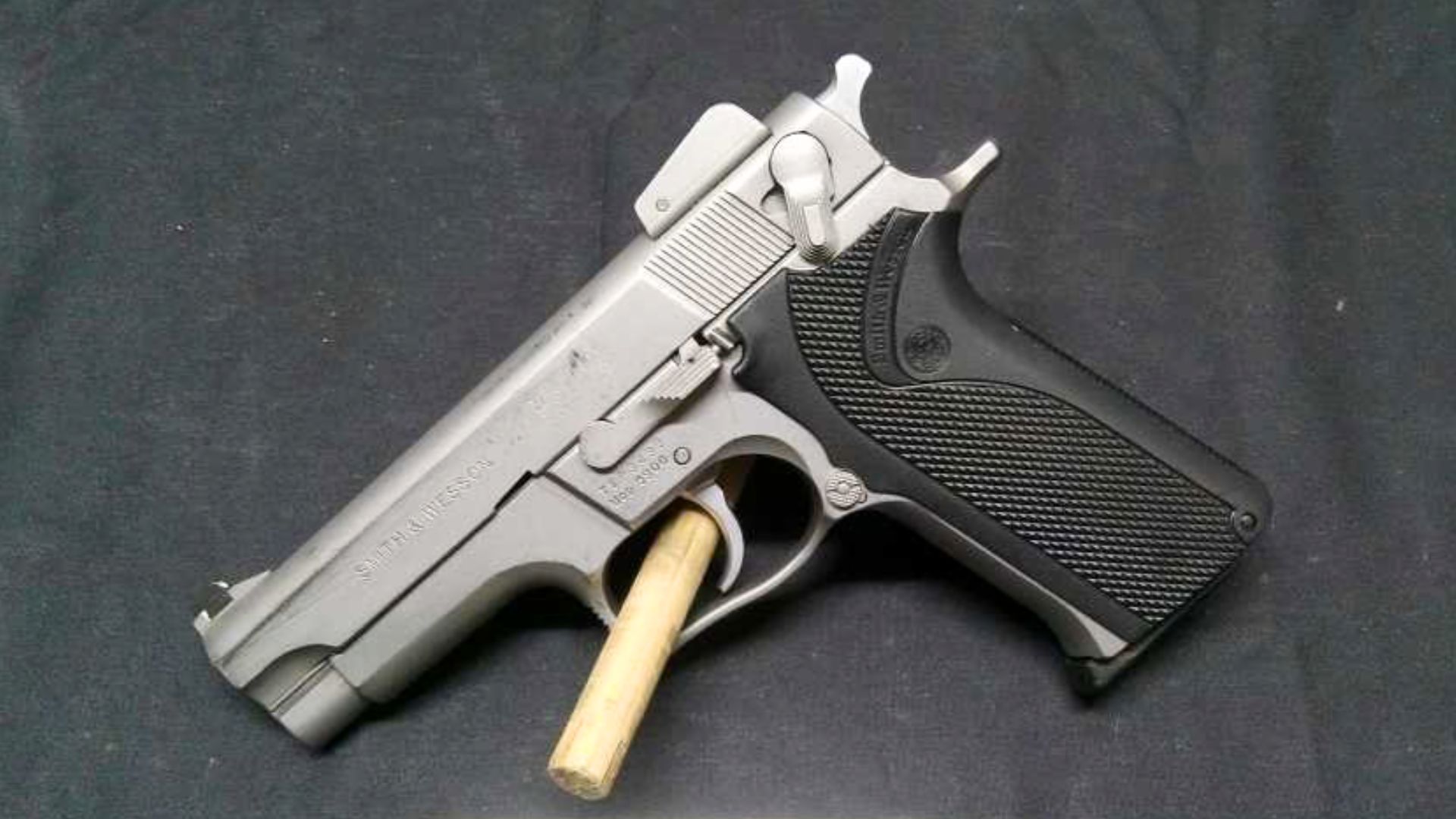
The 5906 used to be one of those pistols people respected without ever getting excited about. It was heavy, stainless, duty-built, and about as glamorous as a filing cabinet. Buyers looked at it as an old service gun that would always be around. It did not have the sleek appeal of newer carry pistols, and it never felt like the kind of handgun people needed to hurry up and buy.
That attitude changed once third-generation Smith & Wesson pistols started getting real appreciation. People realized the 5906 was built like a tank, shot well, and came from a chapter of handgun production that was not coming back. What used to look boring and overbuilt suddenly looked durable and honest. Then the prices started climbing, and the same people who once shrugged at them began acting like they had missed an obvious opportunity.
Ruger P89

The Ruger P89 spent years being treated like the gun world’s dependable appliance. It was not pretty, not especially refined, and not something most buyers bragged about owning. People saw it as a chunky old 9mm that would always be sitting in used cases for fair money. That made it easy to postpone. If you wanted one, surely there would still be one around next month, or next year, or whenever.
Then the market started reconsidering all those old overbuilt semiautos people once dismissed as ugly. The P89 suddenly looked tougher and more appealing than buyers gave it credit for back then. It had Ruger durability, real reliability, and the kind of no-frills usefulness that ages well once newer guns start feeling disposable. What used to be “just a P89” became one more example of a boring pistol people should have grabbed when nobody cared.
Winchester Model 100
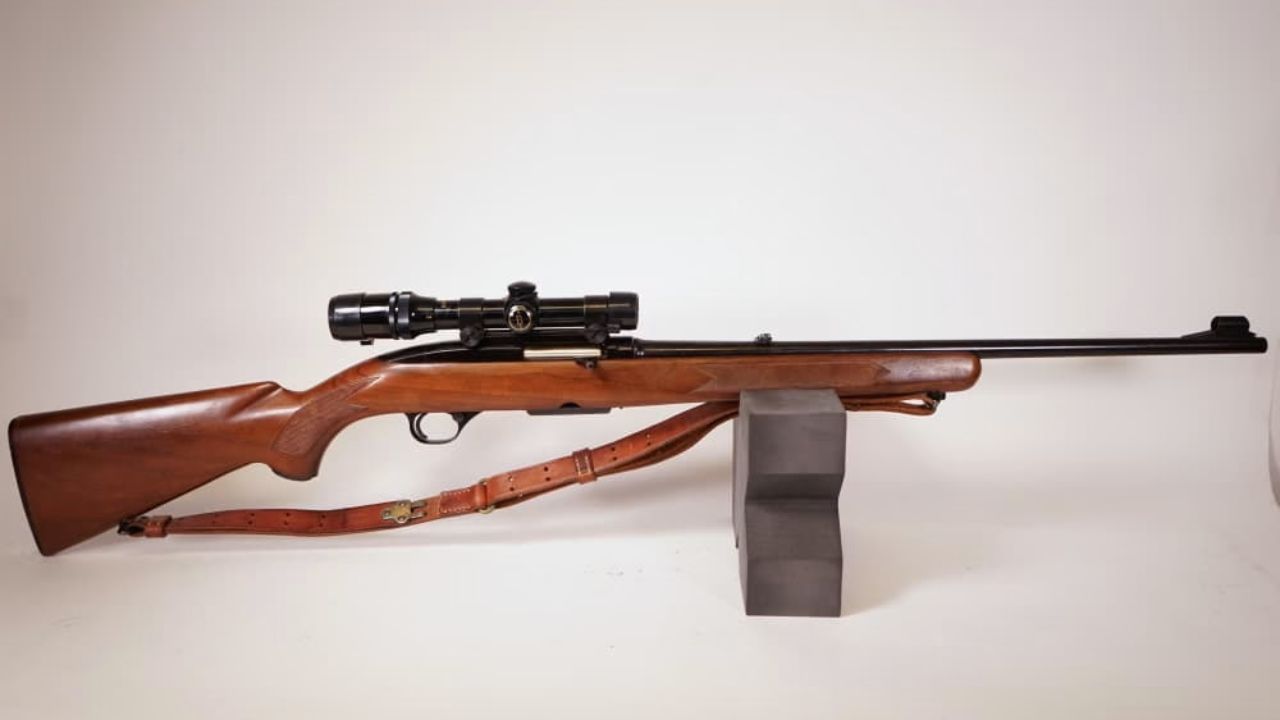
The Winchester Model 100 lived for a long time in the shadow of more romantic hunting rifles. It was a practical semi-auto deer rifle, but not the kind of gun that stirred up big collector passion in everyday conversation. Plenty of buyers saw them as ordinary field rifles that would never become hard to find. That made them easy to ignore, especially when lever guns and bolt guns were getting more of the attention.
Then people started noticing how many of them had already disappeared into hunting camps, closets, and family collections. Clean rifles stopped feeling casual to find. The Model 100 also benefited from the growing appreciation for older sporting rifles that actually got used instead of hyped. Buyers who once thought it looked plain started realizing that plain Winchester deer rifles do not stay cheap forever once the supply starts thinning.
Beretta 81BB

The Beretta 81BB used to feel like one of those old police-type pistols that would always be around somewhere for reasonable money. It was neat, sure, but also easy to overlook. A lot of buyers were not racing to buy a .32 ACP Beretta when there were flashier handguns on the table. It sat in that dangerous category of guns people liked just enough to assume they could always pick one up later.
That kind of thinking works right up until imports slow, cleaner examples get noticed, and the market suddenly decides these old metal Berettas have real charm. The 81BB started looking smarter once people got tired of plastic sameness and started appreciating older pistols with style, quality, and shootable manners. It had always been cool in a quiet way. The mistake was assuming quiet guns stay cheap after the market wakes up.
Remington 788

The Remington 788 was boring in exactly the way that fools buyers. It looked like a plain working rifle, not a collector darling. It was the kind of gun hunters bought to get the job done, not to show off at camp. For years, people treated it like a budget bolt gun from another era. That meant plenty of buyers passed on them, figuring there would always be another one floating around at a reasonable price.
Then the reputation for accuracy kept hanging around, while the rifles themselves stopped being quite so easy to find in honest condition. Suddenly, the same plain rifle people once saw as a cheap alternative started getting chased for what it actually was: a good-shooting, practical hunting rifle with real credibility. The 788 did not become more interesting because it changed. It became more expensive because people finally stopped underestimating boring accuracy.
SIG Sauer SP2022

The SP2022 sat in that awkward place where it was too good to ignore completely and too unexciting to inspire buying urgency. Buyers often saw it as the SIG you bought only if you did not want to spend more on one of the classic metal guns. That meant a lot of people treated it like a fallback pistol. Functional, sure, but not the one they were most excited to own.
That kind of second-tier reputation can keep prices calm only for so long. Once people started noticing how solid these pistols really were, and how much value they offered compared to pricier SIGs, the tone changed. It still was not flashy, but flashiness stopped mattering once buyers saw durability, shootability, and brand pedigree in a better light. The SP2022 is a good reminder that “boring SIG” can still become expensive once supply and interest stop behaving.
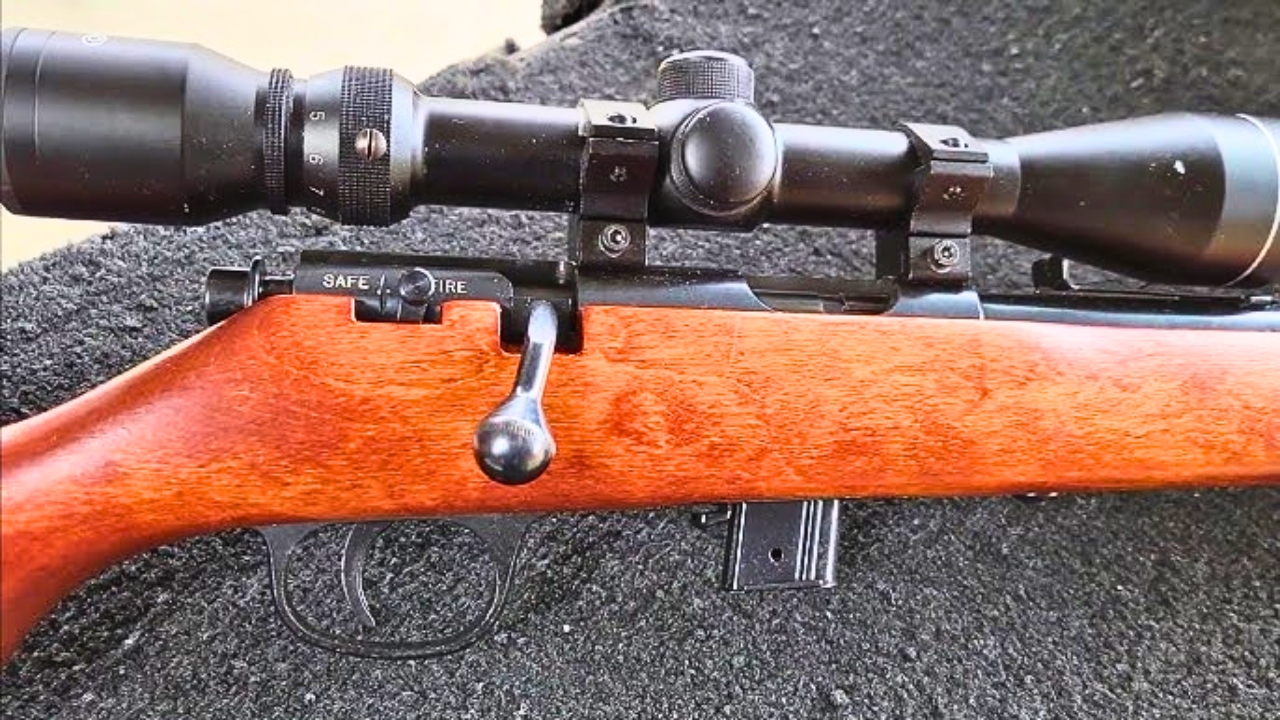
Marlin 25N
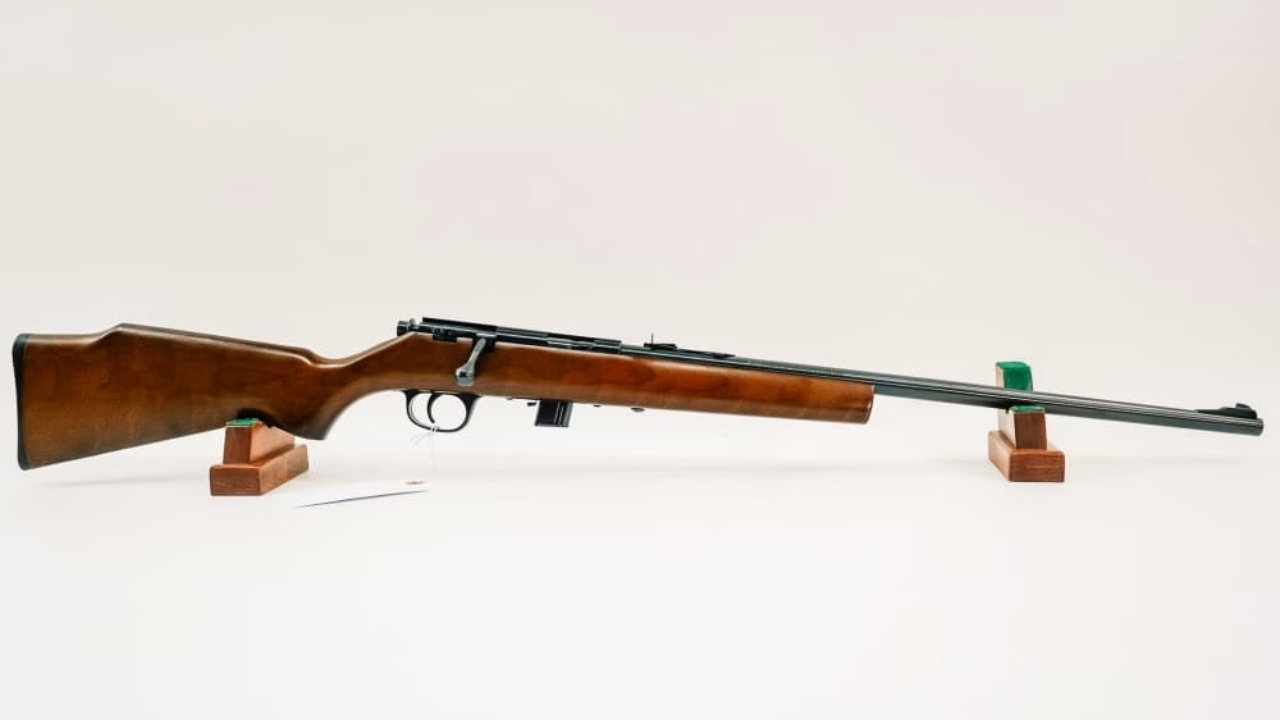
The Marlin 25N looked like the kind of rifle nobody would ever need to panic over. It was a basic bolt-action rimfire, plain as could be, and built for everyday usefulness rather than excitement. Buyers passed them by for years because there was always something cooler sitting nearby. If you wanted a .22, there were plenty of options. That made the 25N feel like the definition of a later purchase.
Then the market reminded people that basic rimfires from earlier eras do not stay overlooked forever. Once good used .22 rifles got harder to replace cheaply, buyers started appreciating older Marlins in a different way. Solid little rifles that once felt common started drawing more attention because they were honest, useful, and made in a time when even ordinary rimfires had a different kind of feel. That quiet appreciation quickly turned into higher prices.
Smith & Wesson Model 915
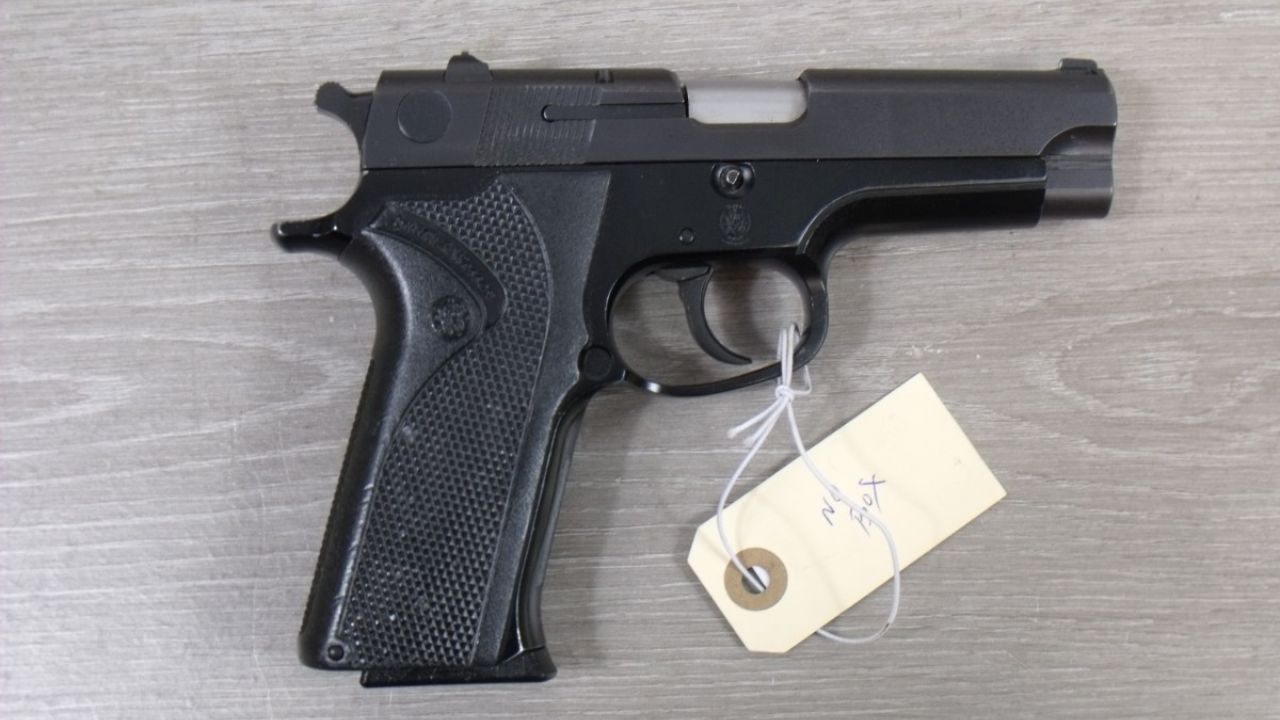
The Model 915 was never the pistol people crowded around in admiration. It looked like exactly what it was: a practical, no-nonsense 9mm from Smith & Wesson’s older semi-auto era. Plenty of buyers saw it as a lesser version of more desirable third-generation guns and kept moving. That made it easy to overlook for years, especially when buyers assumed there would always be another plain old Smith auto somewhere in the used market.
Then interest in old Smith autos broadened beyond just the headline models. Buyers began looking harder at the value in dependable, lesser-glorified pistols, and the 915 started benefiting from that shift. It was not fancy, but it was still built in a way that now stands out more than it once did. Boring old service pistols have a habit of becoming expensive the moment people stop laughing at them.
Ruger M77 Mark II
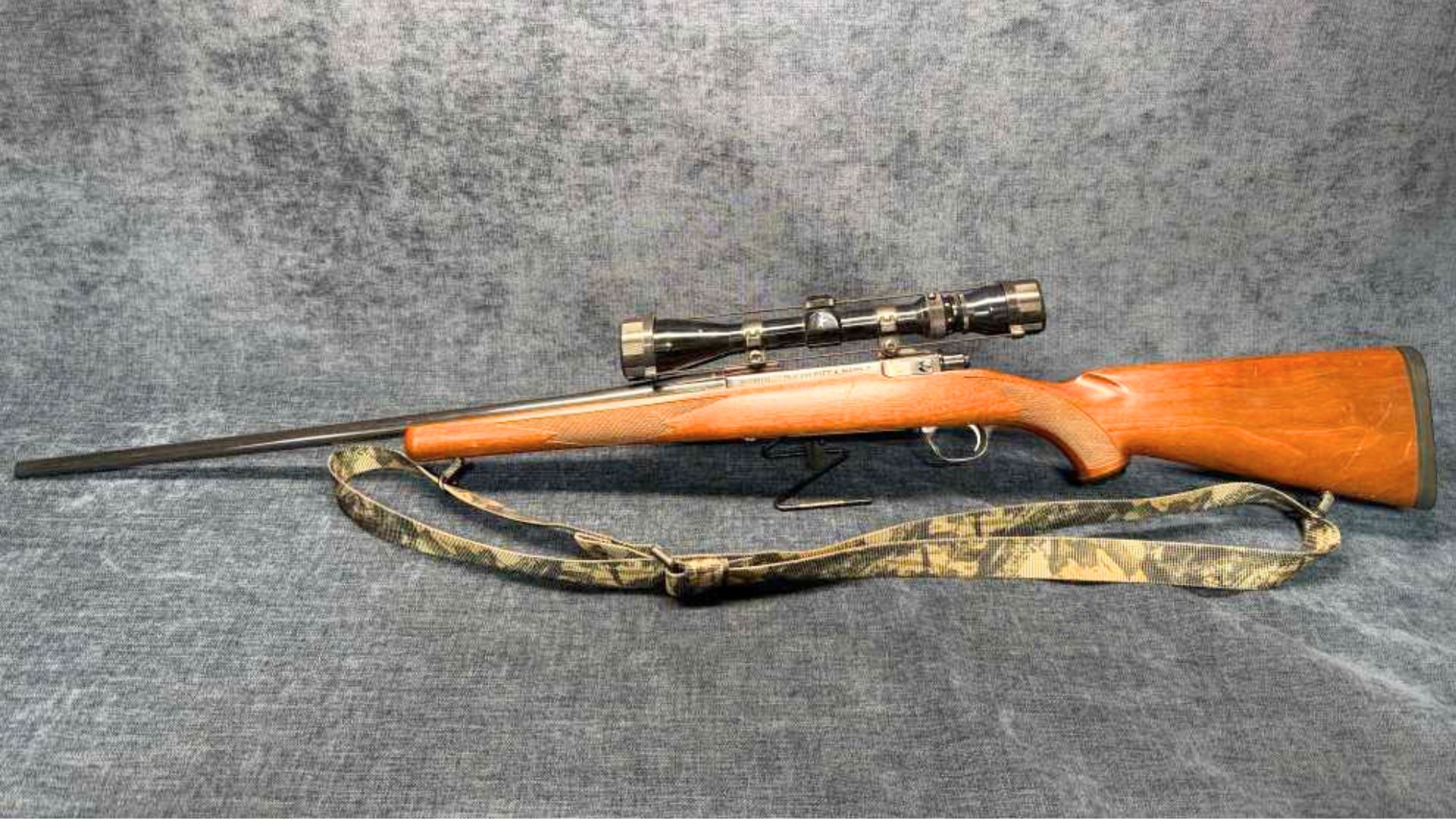
The Ruger M77 Mark II was the kind of hunting rifle people admired without feeling urgency about. It was a dependable bolt gun from a major brand, but not always the rifle buyers got most excited about when talking dream setups. It was a practical choice, a good rifle, and a little too familiar to feel urgent. That combination causes a lot of missed chances in the gun market.
Then the market shifted, and buyers began seeing older controlled-feed Rugers in a more appreciative light. Suddenly, the features that once felt merely sensible started feeling harder to replace at a fair price. Solid walnut-stock hunting rifles with real field credibility do not stay cheap just because they lack glamour. Once hunters and collectors started treating them more seriously, the old “I can always get one later” thinking began looking pretty foolish.
CZ 83
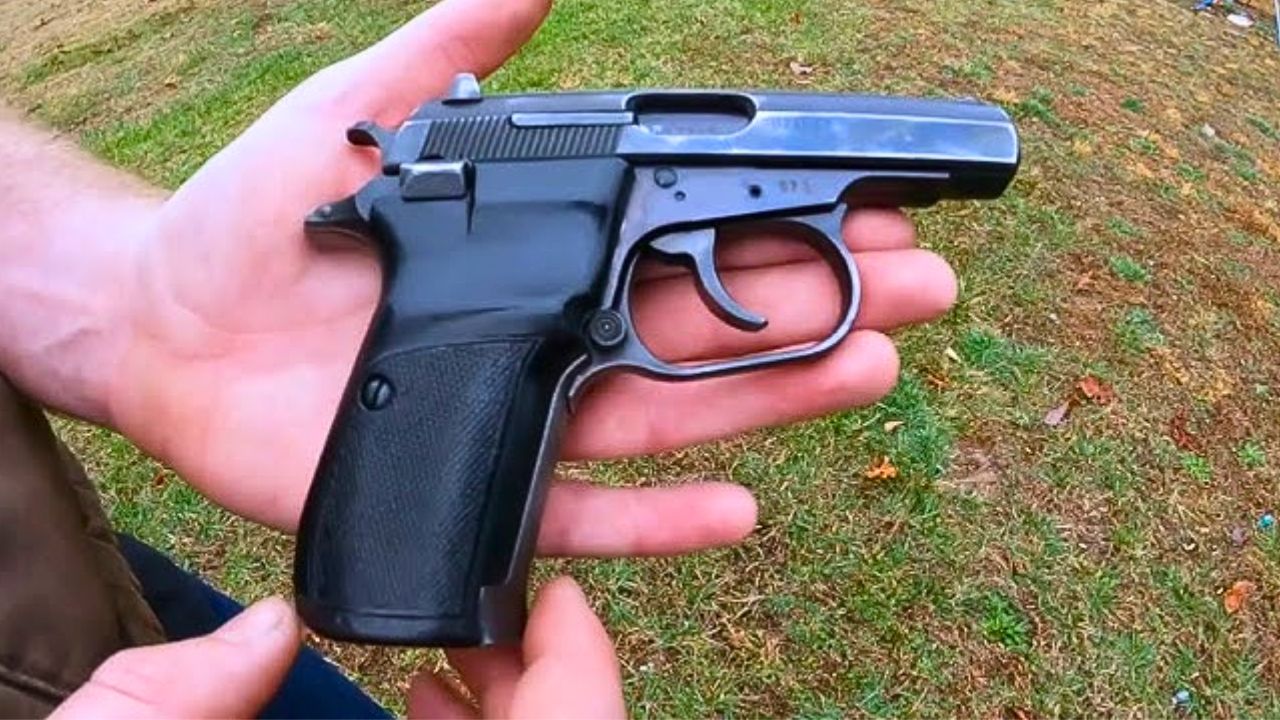
The CZ 83 always had a loyal following, but it still spent years being treated like a nice little oddball rather than a must-buy pistol. It was well made, soft-shooting, and full of old-school charm, but buyers often pushed it aside for more powerful, more modern, or more fashionable handguns. That kept it in the “maybe someday” category for a long time, especially among people who thought these older imports would always remain affordable.
Then the supply picture changed and the appreciation got louder. All of a sudden, the same pistol people once treated as a mildly interesting surplus-era side path started looking like a very smart pickup. Good handling, real quality, and European character go a lot further once the market starts getting tired of interchangeable polymer pistols. The CZ 83 went from easy to overlook to expensive enough to make casual buyers wince.
Remington 552 Speedmaster

The Remington 552 Speedmaster is exactly the kind of gun people call boring right before they have to pay too much for one. For years it was just a classic American .22 autoloader that seemed to be around everywhere. It was familiar, useful, and easy to take for granted. Buyers who wanted one often kept putting it off because it never felt like a now-or-never gun.
That comfort disappeared once older rimfires started drawing stronger attention and buyers began valuing rifles that still felt substantial and well made. The Speedmaster had always been good, but good and common can make buyers lazy. Then the cleaner rifles started moving faster, and the prices stopped feeling so relaxed. People who once saw the 552 as background noise suddenly had to admit that boring old rimfires can get expensive in a hurry.
Savage 99E

The Savage 99E was one of those rifles that many buyers mentally ranked below the more polished or collectible versions of the Model 99 family. That made it easy to pass over. It was still a Savage 99, but not always the one that got the longest look from buyers chasing prettier wood or more talked-about variants. It sat in that space where people respected it while still assuming it would remain the affordable way into the platform.
Then even the so-called plain versions stopped being so plain to the market. Buyers realized they were still getting the same essential rifle, the same useful design, and the same connection to an older era of American sporting arms. Once that clicked, the cheaper entry point stopped staying cheap. People who once treated the 99E like the boring version suddenly found out boring versions also get expensive when enough people finally catch on.
Beretta 92FS Inox
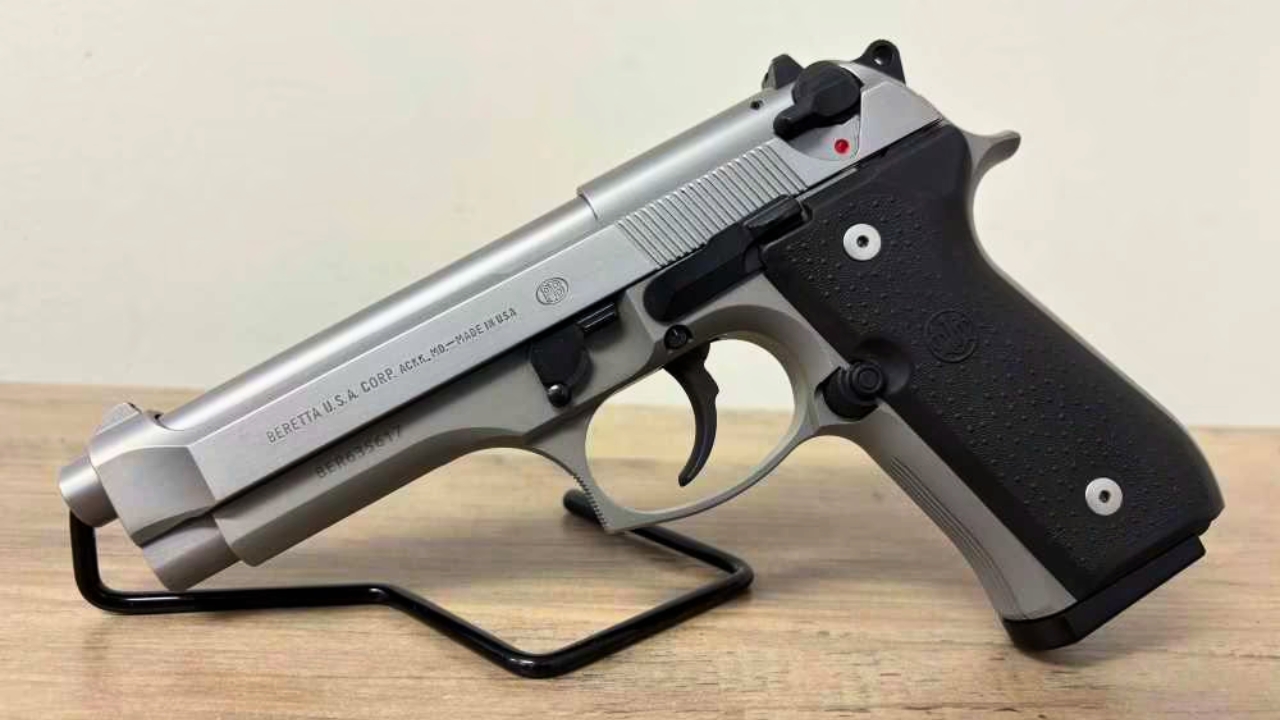
There was a stretch when the 92FS Inox felt almost too common to ever become a regret gun. It was recognizable, widely known, and easy to dismiss as just another Beretta 92 variant. Buyers who liked them still often treated them like something they could always grab later, especially if they were chasing smaller carry pistols or trendier modern handguns in the meantime.
Then tastes shifted back toward full-size metal pistols with real character, and the Inox models started standing out more than they used to. The stainless look, the familiar Beretta feel, and the growing nostalgia around classic service pistols all helped push them into a stronger market position. What once felt ordinary started looking a lot more special once buyers realized not every recognizable gun remains easy to buy at easy prices forever.
Mossberg 835 Ulti-Mag

The Mossberg 835 Ulti-Mag was never the kind of shotgun most buyers treated like a future collectible. It was a working gun, plain and purpose-built, and often seen as one of those practical hunting tools that would always turn up somewhere. That is exactly why so many people underestimated it. Boring hunting shotguns are easy to ignore when they are sitting around in ordinary numbers.
Then the old pattern played out again. Fewer nice examples floated around casually, buyers started wanting proven turkey and waterfowl guns from earlier production years, and the 835 no longer felt like something you could always replace without thinking. It never needed flash to matter. It just needed time for people to realize practical guns with real field use do not stay cheap once the market starts respecting what they always were.
Taurus PT92
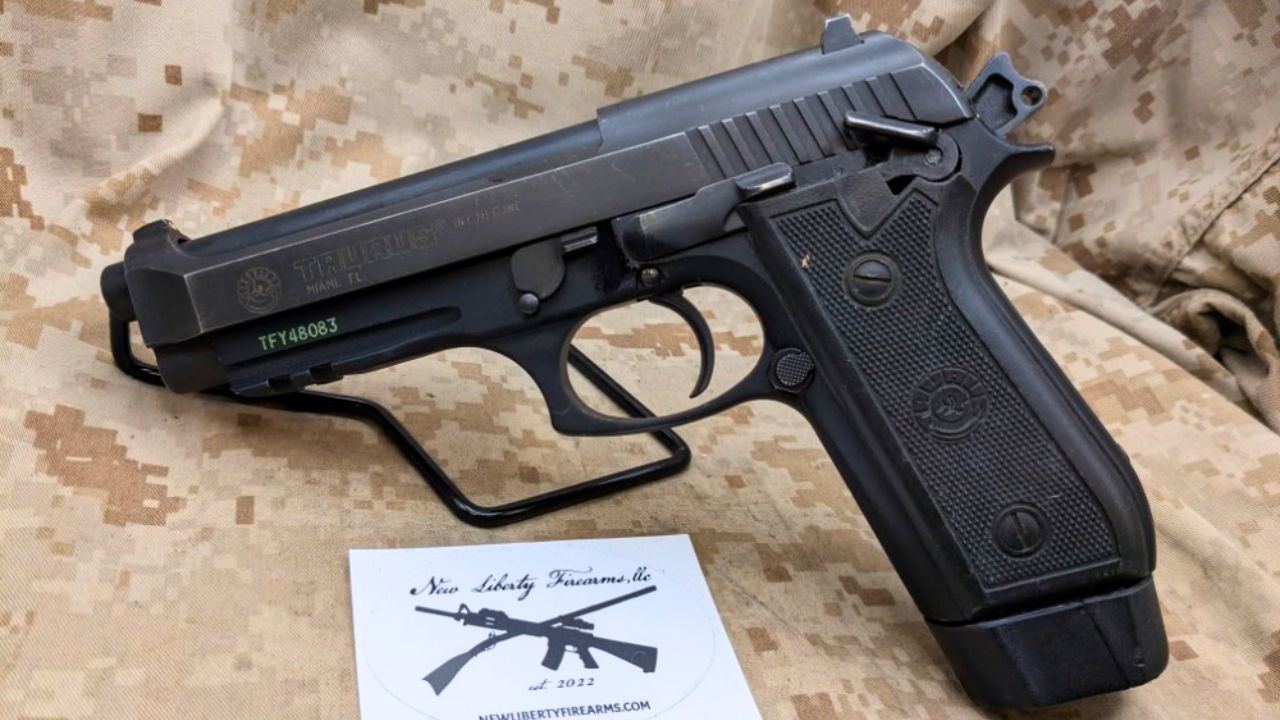
For a long time, the Taurus PT92 was treated like the practical cousin nobody bragged about. Buyers knew it was there, knew it worked well enough, and often saw it as the sensible choice for someone who wanted Beretta-style performance without paying Beretta money. That made it easy to take for granted. It was not the glamorous buy, so people kept assuming they could always scoop one up later for no real pain.
Then the used market started changing, and older PT92s began getting a closer look from buyers who appreciated their actual value. Once people got more serious about proven metal-frame pistols and less dismissive of sturdy older designs, the PT92 stopped feeling quite so disposable. It had always been more useful than its reputation suggested. The market eventually noticed, and people who once called it boring suddenly had to pay like it mattered.
Like The Avid Outdoorsman’s content? Be sure to follow us.
Here’s more from us: