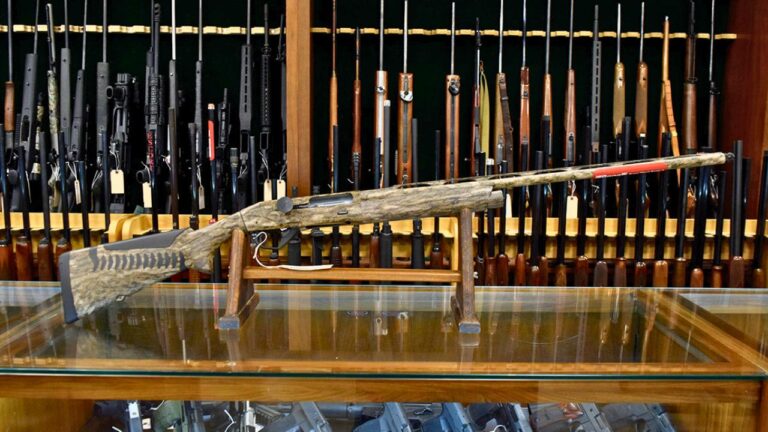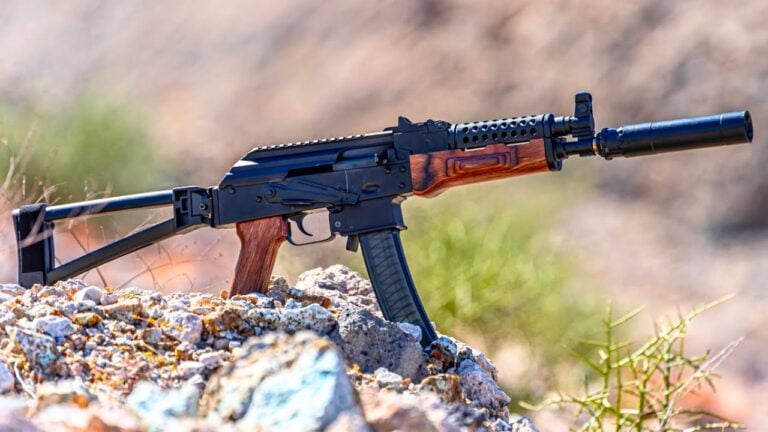
Photo credit: Nomad_Soul/Shutterstock.com
Rushing into a National Firearms Act purchase without groundwork is a reliable way to lose time, money, and patience. Before I even think about starting paperwork, I want a clear checklist that keeps me from making a hasty decision that will sit in bureaucratic limbo for months. The goal is not to slow myself down for its own sake, but to do just enough preparation that when I finally hit “submit,” the application moves instead of stalls.
That is especially important with NFA items, where a single mistake can add weeks to an already long wait and where the rules are far less forgiving than a standard gun counter transaction. By front‑loading a few key steps, I can move quickly when I find the right suppressor, short‑barreled rifle, or other regulated item, without gambling on guesswork or half‑remembered advice.
Clarify what actually counts as an NFA item
Before I rush into any purchase, I need to be precise about what I am buying and why it falls under the National Firearms Act of 1934 instead of ordinary gun laws. The category is broader than many first‑time buyers realize, and confusing a standard rifle with a short‑barreled rifle or a pistol brace setup with a regulated configuration can put me on the wrong side of federal rules. The core NFA bucket includes suppressors, short‑barreled rifles, short‑barreled shotguns, machine guns, destructive devices, and a catch‑all group known as “any other weapon,” each with its own quirks and transfer rules.
When I look at a shop’s inventory, I remind myself that these are not just marketing labels, they are legal classifications that trace back to the National Firearms Act of 1934 and its definition of What Are NFA Items. That law is what places suppressors, short‑barreled rifles, short‑barreled shotguns, machine guns, destructive devices, and AOWs into a special regulatory lane, including a higher level of scrutiny and, in most cases, a tax stamp. If I am in a hurry, the last thing I want is to discover after the fact that the configuration I chose nudged a firearm into NFA territory without my realizing it.
Confirm that ownership is legal where you live
Speed only helps if I am actually allowed to own the item in my state and locality. Before I start comparing models or filling out forms, I check whether suppressors, short‑barreled rifles, or other NFA categories are legal where I live, and whether there are extra state‑level hoops on top of the federal process. Some states allow certain NFA items but ban others, and some add their own registration or transport rules that can complicate how and where I use the item once it is approved.
Federal law sets the baseline, but the practical green light comes from my state code and, in some cases, local ordinances, which is why I pay close attention when guides walk through How Can You Own NFA Firearms and Items only if it is legal in your state. Those same resources emphasize that While federal rules govern the transfer, state law can flatly prohibit possession or add conditions that change how I store or transport the item. I treat that as a go or no‑go gate before I let urgency push me into a purchase that might never be lawful to bring home.
Decide whether to register as an individual, trust, or legal entity
Once I know I can legally own the item, I decide who will own it on paper, because that choice shapes every step that follows. Registering as an individual is usually the most straightforward path if I am the only person who will possess the suppressor or short‑barreled rifle, and it keeps the paperwork relatively lean. A trust or other legal entity, on the other hand, can make sense if I want multiple responsible persons to have lawful access, or if I am planning for how the item will be handled in the long term.
That decision affects how many fingerprints, photos, and questionnaires I need to gather, and it changes how I fill out the transfer forms that govern NFA items. When I study a detailed NFA items guide, I pay close attention to how it walks through the pros and cons of individual versus shared ownership structures, because those details matter once I start entering names and addresses. If I am in a rush, I still take the time to settle this choice first, rather than trying to retrofit a trust or corporation into an application that I already submitted as an individual.
Understand the forms and the ATF eForms system before you log in
Nothing slows a “fast” NFA purchase like opening the application portal for the first time with no idea which form I need. Before I ever create an account, I map out whether my situation calls for a Form 4 transfer, a Form 1 to make and register my own NFA firearm, or another specialized document. That way, when I sit down at the computer, I am not guessing my way through drop‑down menus or backing out of half‑finished submissions.
To streamline that process, I familiarize myself with the ATF eForms portal and the specific electronic forms it offers for suppressors, short‑barreled rifles, and other categories. I also study explanations of ATF electronic forms that spell out what each form does and how it applies to an individual buyer who is not a federal licensee. Knowing in advance which fields are mandatory, which attachments I will need, and how the system handles any other weapon or similar categories lets me move quickly without making the kind of sloppy errors that trigger delays.
Prepare for realistic NFA wait times instead of wishful thinking
Even if I do everything right, an NFA purchase is not an instant gratification exercise, and pretending otherwise only makes the wait feel worse. Before I commit to a specific suppressor or short‑barreled rifle, I look up current processing times for the form I plan to file, and I build that delay into my expectations. That matters even more when I am trying to move quickly, because a rushed decision on the front end does nothing to shorten the months that the application will spend in the federal queue.
Recent guidance on NFA wait times makes the point that once I buy my suppressor and submit all the required information, the clock is out of my hands. That same reporting, framed around a Jun update that invites shooters to Join and Get email updates and notes it was Updated December, underscores that the approval process can feel as slow as leaves falling in Autumn these days. I treat those timelines as a planning tool, not a scare tactic, so I can decide whether a particular purchase fits my needs for the coming season or whether I should adjust my expectations.
Line up your dealer, fingerprints, photos, and payment details
When I am trying to move fast, I want every supporting piece ready before I start the formal application. That means choosing a dealer who is comfortable handling NFA transfers, confirming that they will initiate or support the electronic form I need, and scheduling time to complete fingerprints and photos if they are not already on file. I also make sure I have my identification documents, contact information, and any trust paperwork organized so I am not scrambling for a missing page while the dealer waits.
Practical guides that walk through How to Buy NFA Items emphasize that Items Which Fall Under NFA Regulations require me to work with shops that handle NFA items regularly. Those same explanations, rooted in The National Firearms Act of 1934, highlight that to purchase an NFA item I must be prepared to provide fingerprints, photos, and other personal data as part of the background check. Having those pieces in place before I ever pick out a serial number keeps the process from stalling over something as simple as a missing passport photo.
Budget for the tax stamp and understand the cost structure
Rushing into an NFA purchase without a clear budget is a recipe for frustration, especially when the tax stamp is a separate cost from the item itself. I calculate the full out‑the‑door price, including the federal transfer tax, any dealer fees, and the cost of accessories like mounts or subsonic ammunition that I will want once the item is approved. That way, I am not surprised when the dealer asks for payment on the tax stamp at the same time I pay for the suppressor or rifle.
For most NFA categories, an individual purchasing an existing item is required to pay a onetime $200.00 transfer tax to the Bureau of Alcohol, Tobacco and Firearms, with a lower amount applying to certain any other weapon transfers. That figure, tied directly to the NFA and collected by the Bureau of Alcohol, Tobacco, is not optional, and it sits on top of the retail price I negotiate with the dealer. By treating the tax stamp as part of the base cost instead of an afterthought, I avoid the awkward moment when a rushed buyer realizes they do not actually have the funds to complete the application they just started.
Map out the step‑by‑step process before you “rush” it
Even when I am in a hurry, I move faster by thinking in terms of a sequence instead of a blur. I sketch out the steps in order: choose the exact NFA item, confirm legality, decide on individual or trust registration, gather documents, coordinate with the dealer, complete the correct form, pay the tax, and then wait. Having that roadmap in front of me keeps me from skipping a step that will come back to haunt me later, like forgetting to add a responsible person to a trust or failing to sign a key field.
Detailed walkthroughs of the modern process, including those that explain how to File a Form 4 transfer or Form 1 application, often break it into clear stages such as “Step 1: Choose Your NFA item” and then gather RPQ forms for each responsible person. Some of those same resources note that in certain categories All NFA items now cost $0 to register, while still requiring me to complete the same federal paperwork. I treat that kind of checklist as a template, adapting it to my own situation so that when I do move quickly, I am following a proven path rather than improvising under pressure.
Use the rush to sharpen, not skip, your due diligence
In the end, moving fast on an NFA purchase is less about cutting corners and more about doing my homework early so I can act decisively when the right item appears. I use the urgency as motivation to clarify what I want, understand the legal framework, and assemble every document and decision point before I ever start typing into a federal form. That preparation lets me move through the process with confidence instead of anxiety, even when the calendar is pushing me toward a deadline like a hunting season or a personal milestone.
By grounding my choices in the definitions laid out in the NFA, the categories explained under Items Which Fall Under NFA Regulations, and the procedural details of What the ATF eForms system expects from me, I turn a rushed impulse into a disciplined plan. That is the real advantage when time feels tight: not shaving minutes off the application itself, but avoiding the kind of preventable mistakes that can add months to an already long wait.
Like The Avid Outdoorsman’s content? Be sure to follow us.
Here’s more from us: