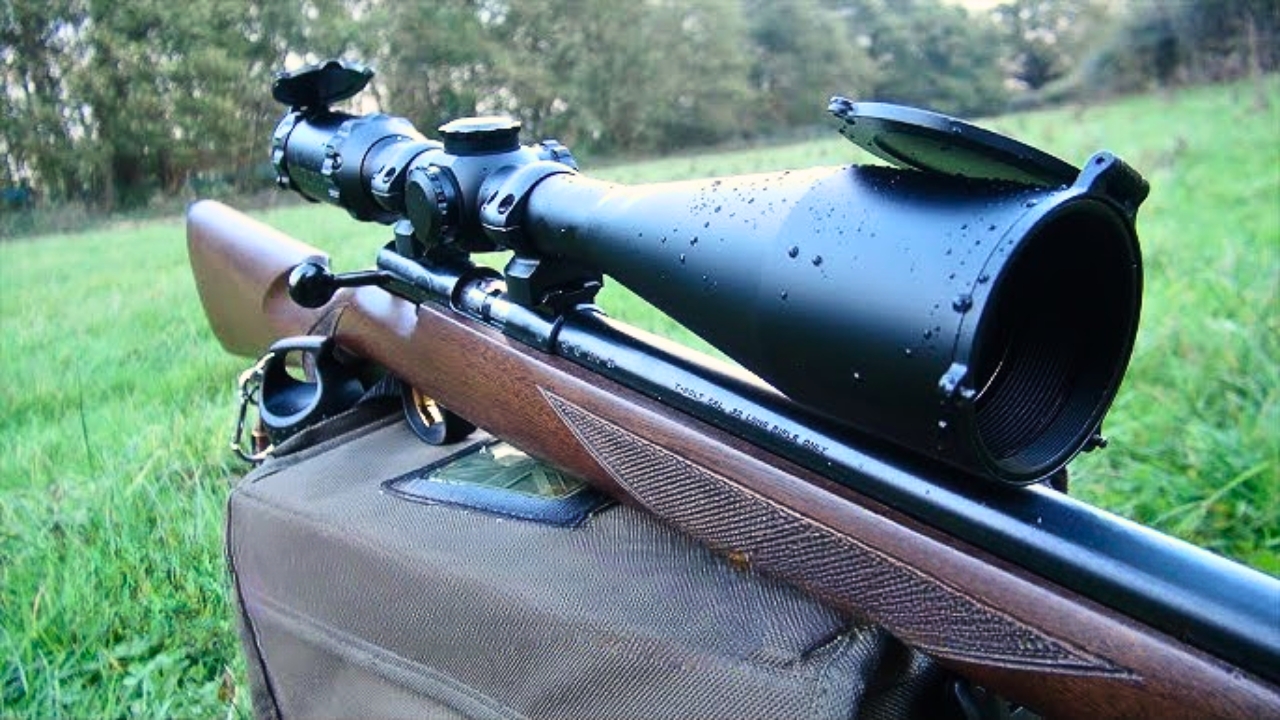
Photo credit: srspower/YouTube
Some rifles never felt urgent when they were sitting in the rack. They looked solid, familiar, maybe even a little tempting, but not like something you had to buy that day. That is usually how the mistake starts. A buyer likes the rifle, respects the rifle, and keeps telling himself he will circle back when the money is right, when hunting season is closer, or when the “fun gun” budget opens up again.
Then the market shifts. Imports dry up, older production gets more appreciated, clean examples stop sitting around, and the rifle that once felt easy to delay suddenly starts costing real money. These are the rifles that turned “maybe someday” into an expensive mistake.
Browning A-Bolt Stainless Stalker

The Browning A-Bolt Stainless Stalker used to be one of those rifles people appreciated without rushing toward. It had a good name behind it, real field credibility, and enough polish to stand out, but it still felt like the kind of hunting rifle you could always come back for. A lot of buyers did exactly that in their heads. They handled one, nodded, and decided they would grab one later when the timing felt cleaner.
That later did not stay friendly. Once more shooters started missing the smooth action, the trim handling, and the overall feel of those older A-Bolts, prices got less forgiving. What used to look like a sensible rifle you could buy anytime started looking like a rifle you should have bought the first time you saw a clean one.
Ruger M77 Mark II All-Weather
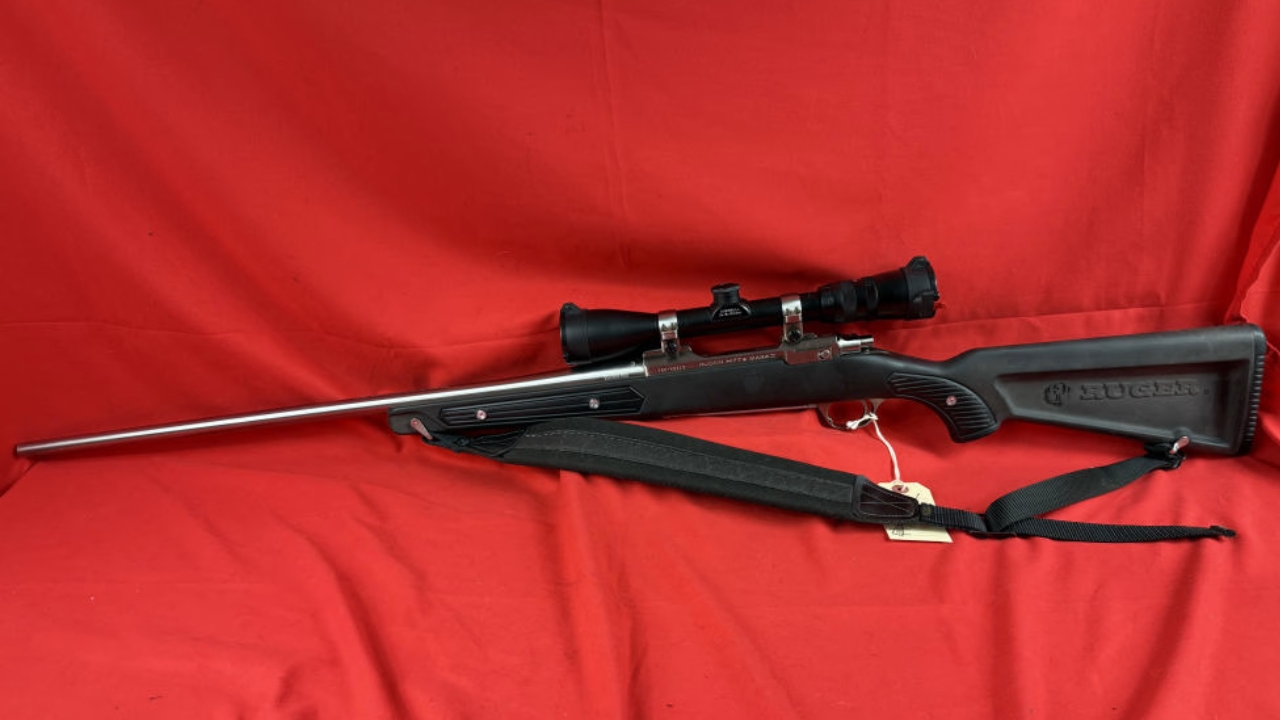
The Ruger M77 Mark II All-Weather had a long run as the kind of rifle practical hunters liked but did not always prioritize. It was dependable, weather-resistant, and built with that old Ruger seriousness people respected, but it never felt flashy enough to create urgency. Buyers often figured one would still be around the next gun show, the next season, or the next time they had a little more room in the budget.
That assumption aged badly. These rifles started looking better once newer rifles leaned harder into cheaper stocks and less character. The Mark II All-Weather now feels like one of those rifles people took for granted because it always seemed available, right up until nice ones stopped showing up at numbers that felt easy.
CZ 527 Carbine

The CZ 527 Carbine was easy to delay because it felt slightly outside the mainstream. It was trim, classy, and chambered in cartridges that appealed to people who actually paid attention, but it was never the rifle everybody at the counter was fighting over. That made it easy for buyers to think of it as a someday rifle, something they would pick up once they had handled the more obvious purchases first.
Then the 527 line disappeared, and the whole mood changed. Buyers suddenly remembered how handy these rifles felt and how few modern rifles really scratch the same itch. Once that happened, the carbine stopped being a nice little bolt gun you could wait on and became exactly the sort of rifle people wish they had bought while they still felt overlooked.
Remington Model Seven CDL

The Remington Model Seven CDL had the kind of appeal that made it easy to admire without treating it like an emergency purchase. It was light, handsome, and very well suited to the kind of hunting rifle many people say they want, but it also lived in a market full of other familiar Remington options. That meant a lot of buyers kept pushing it back, figuring they could always grab a nice walnut-stocked Model Seven later if the urge stuck around.
The regret comes from how well these rifles fit real use. They carry easily, point naturally, and offer something many full-size rifles do not. Once buyers started appreciating that more clearly, cleaner CDL examples got harder to touch without paying up. A lot of people waited because the rifle felt too reasonable to disappear into a more expensive lane.
Tikka T3 Hunter
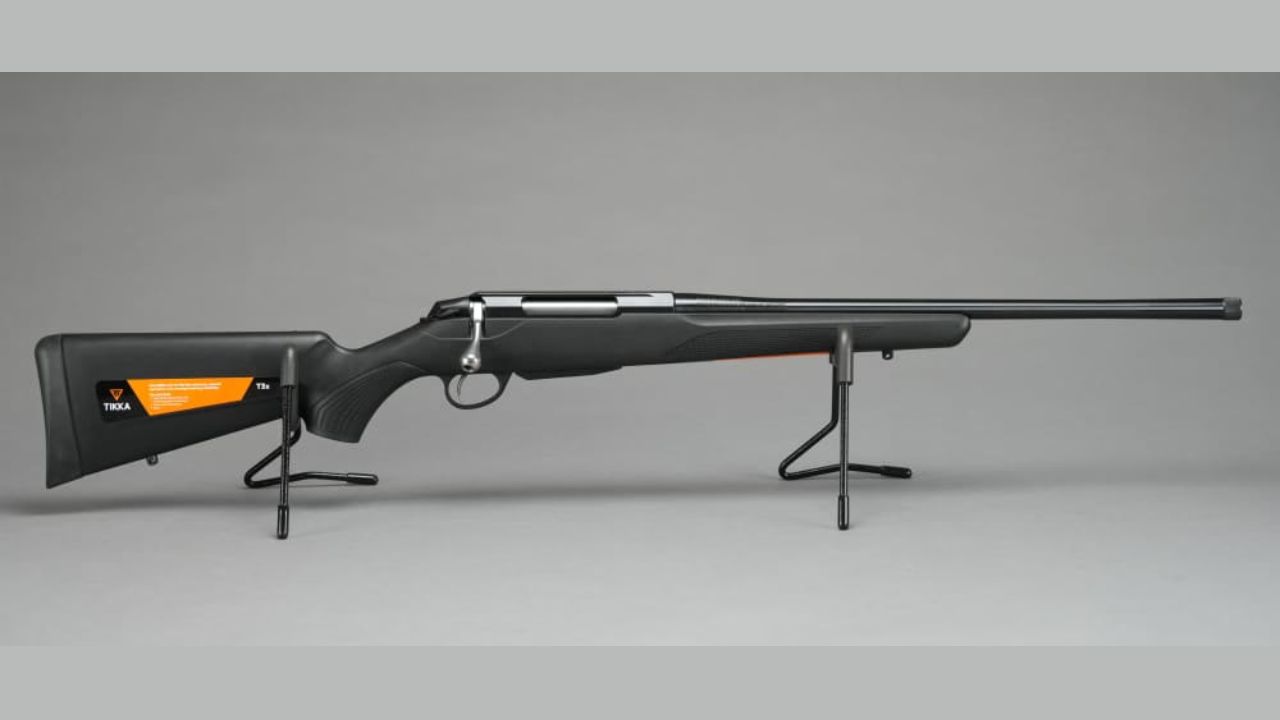
The Tikka T3 Hunter was one of those rifles buyers often respected in theory while still putting off in practice. It had the smooth action everyone talked about, the walnut stock that made it feel a little more grown-up than the synthetic crowd, and a reputation for shooting well. But it also felt like something there would always be time for, especially when buyers were busy chasing more tactical, more specialized, or more hyped rifles.
That delay got expensive because the T3 Hunter occupies a lane a lot of shooters started missing. It feels like a real hunting rifle without feeling dated, and that combination has only gotten more attractive. Once buyers realized they had not actually moved past rifles like this, the clean examples stopped feeling easy to find at easy prices.
Savage 99E

The Savage 99E is one of those rifles many buyers liked from a distance without ever feeling fully ready to commit. Lever-action fans respected the 99 platform, sure, but the plainer E models were often treated like the more ordinary path into that world. That made them easy to postpone. Buyers assumed they would always be able to find one if they finally decided they wanted to own a real Savage 99.
That thinking got punished. The whole 99 family gained stronger appreciation, and the supposedly less glamorous versions did not stay cheap just because they had once sat a little longer. The 99E now carries exactly the kind of missed-opportunity sting that comes from underestimating how quickly “later” can turn into “why didn’t I just buy it?”
Browning X-Bolt Medallion

The Browning X-Bolt Medallion used to feel like a rifle you bought once you were finally ready to treat yourself. That is part of why so many people delayed it. It was beautiful, polished, and clearly a step above the plain-Jane hunting rifles most buyers were used to, but that also made it seem like something you could justify later rather than something you should buy while it was right in front of you.
Then later started costing more than it should have. Rifles like the Medallion do not stay casually available forever because enough buyers eventually decide they still want some elegance in a hunting rifle. Once that shift happens, the rifles people kept calling indulgences start looking a lot more like smart buys they should have made when they still had the chance.
Kimber 84M Classic

The Kimber 84M Classic was never the rifle for buyers who wanted to feel like they were getting away with something cheap. It was always a little more refined, a little more taste-driven, and a little easier to push off into the future because the purchase felt discretionary. A lot of hunters admired the trim action, the classic lines, and the way the rifle carried, but they still talked themselves into waiting for a better time.
That better time did not really show up. Rifles that feel this clean and this purpose-built tend to get more attractive as the market fills up with heavier, clumsier, or cheaper-feeling alternatives. The 84M Classic became one of those rifles people thought they were being patient about when they were really just letting the opportunity get more expensive.
Ruger No. 1 Standard Rifle
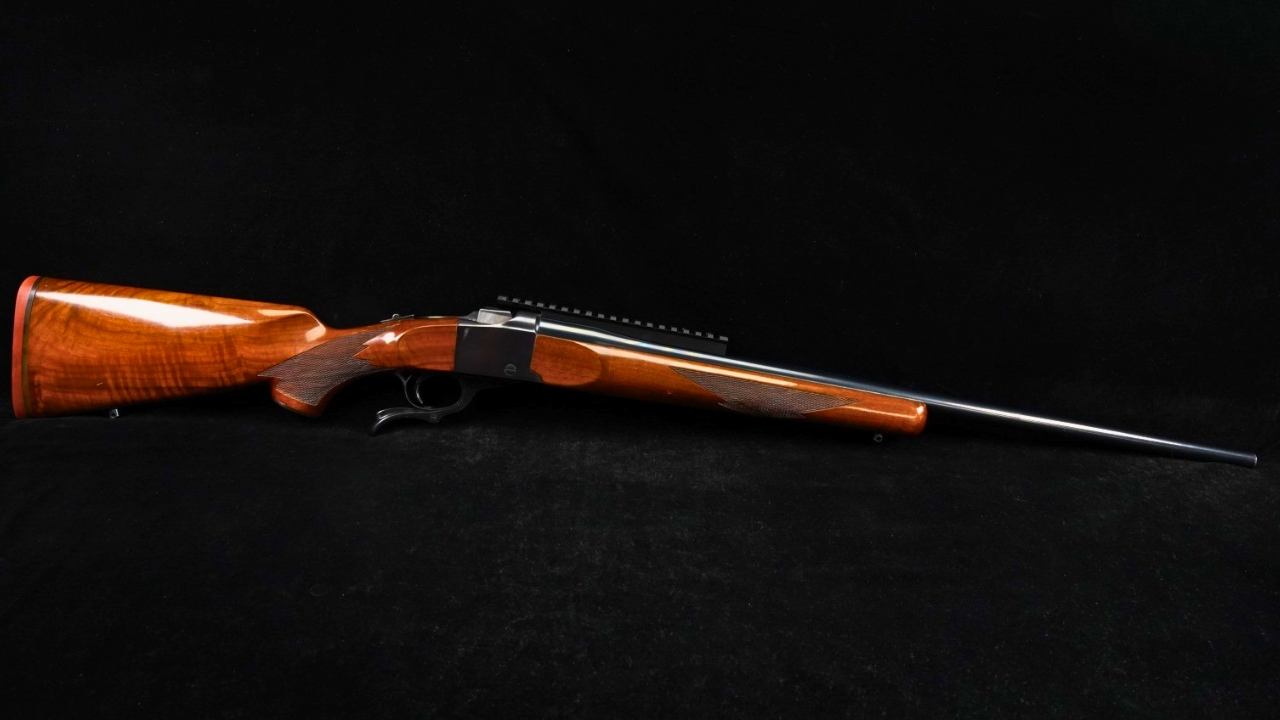
The Ruger No. 1 was always easy to put off because it felt like a rifle for when your taste finally overruled your practicality. It was beautiful, different, and full of old-school appeal, but a lot of buyers treated it like a luxury rather than something they needed to move on quickly. That made it very easy to admire from across the room and promise yourself you would own one at some point.
Then the point got more expensive. The No. 1 never needed to become common to feel available, and that illusion caught a lot of people. Once buyers started noticing how much style, handling, and character had disappeared from the broader rifle market, the old single-shot Ruger suddenly stopped looking like an extra and started looking like one of the more memorable rifles they should have bought years ago.
Winchester 100
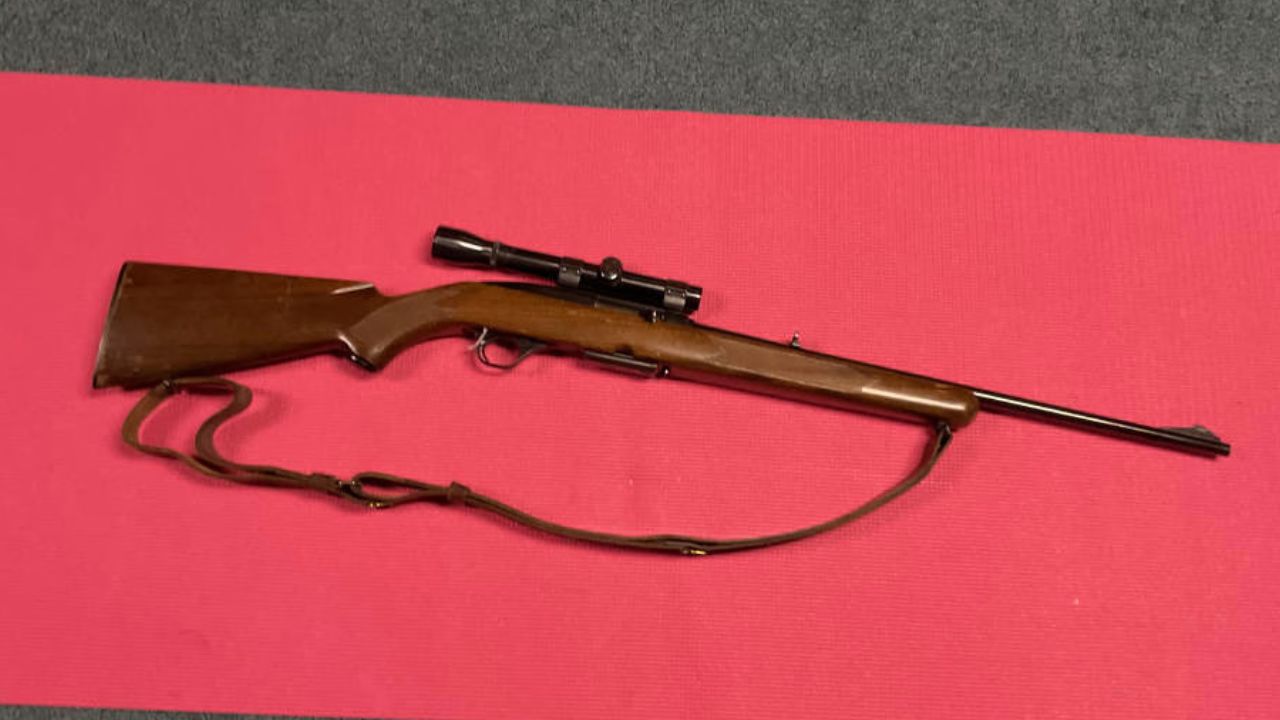
The Winchester 100 spent years being the kind of older semi-auto hunting rifle people found interesting without feeling immediate urgency over. It had the Winchester name, a distinctive feel, and enough field use behind it to be respected, but it was still easy to place behind bolt guns, lever guns, and newer semi-auto priorities. A lot of buyers assumed one would always be around when they were finally in the mood for something a little different.
That assumption did not hold. The Winchester 100 started looking more appealing once buyers recognized it as part of a disappearing kind of hunting rifle. It is one of those guns that stayed in the maybe-someday category until the supply of worthwhile examples stopped making that approach feel smart.
Sako 85 Hunter

The Sako 85 Hunter lived in that dangerous zone where buyers respected it deeply but still felt no rush. Everyone knew it was a fine rifle. That was never the issue. The issue was that it seemed like the sort of polished, tasteful bolt gun you could always get once you were ready to spend that kind of money. Buyers kept telling themselves it could wait because quality rifles like that always seem permanent until they are not.
Now it feels like one of those rifles where delay came with a real penalty. The 85 Hunter offers exactly the sort of fit, finish, and overall feel many buyers realize they still want after years of settling for more ordinary guns. Once that understanding hits, patience starts looking an awful lot like a missed chance.
Weatherby Mark V Deluxe older Japanese-made examples

Older Japanese-made Weatherby Mark V Deluxe rifles were easy to postpone because they often felt more like aspirational rifles than urgent purchases. They were glossy, proud, and a little more dramatic than what many buyers thought they needed at the moment. That made them easy to admire while focusing money elsewhere. The classic line was always, “I’ll get one someday when I’m ready for a nice one.”
That someday got expensive because plenty of other buyers were having the same delayed realization. Once shooters started appreciating these rifles not just as flashy Weatherbys but as genuinely well-made examples of a style that was fading, the market got meaner. A lot of people still remember walking past one because they thought the chance would come around again just as easily.
CZ 452 American
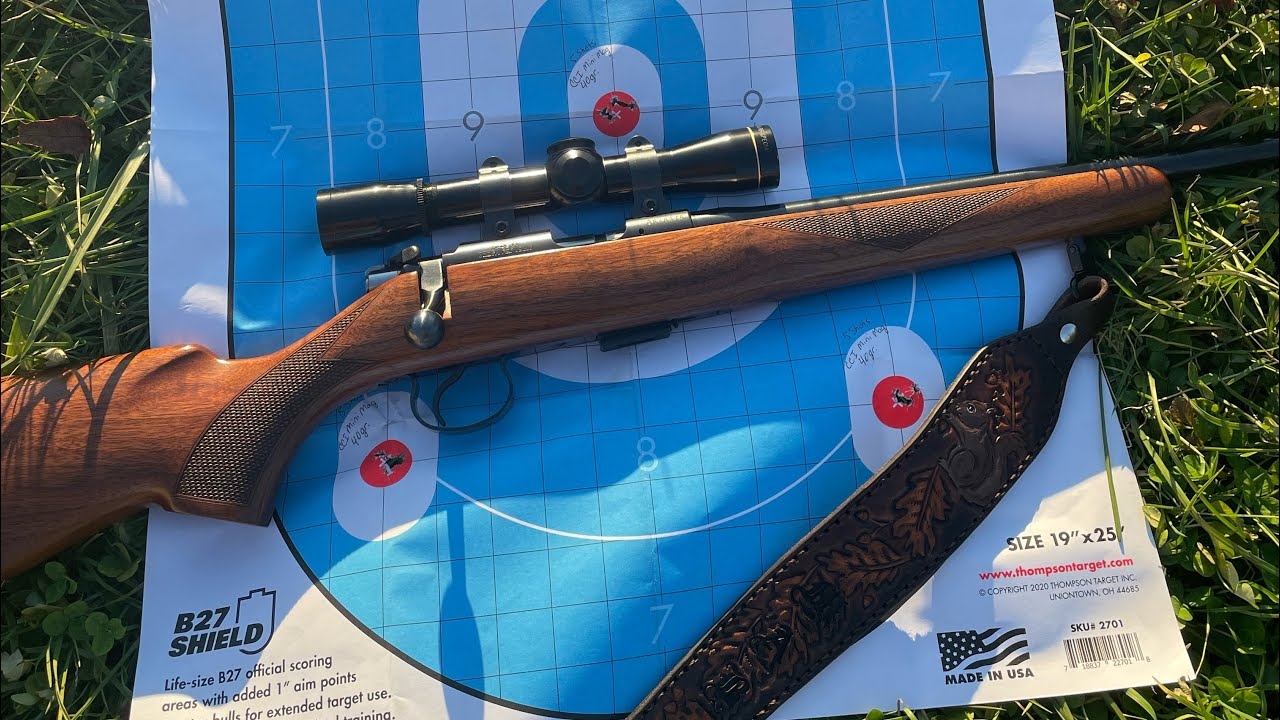
The CZ 452 American looked almost too sensible to become a regret gun. It was a rimfire, it was classy without being loud, and it seemed like the kind of rifle that would remain quietly available forever to anybody who wanted one badly enough. That made it easy to put behind centerfire priorities, especially for buyers who kept telling themselves a .22 bolt gun could always wait.
That was a bad read. The 452 American aged into exactly the kind of rifle people start chasing once they realize how much they value good triggers, decent wood, and straightforward quality in a rimfire. By the time a lot of buyers went from “someday” to “right now,” the easy days were already gone.
Browning T-Bolt Sporter
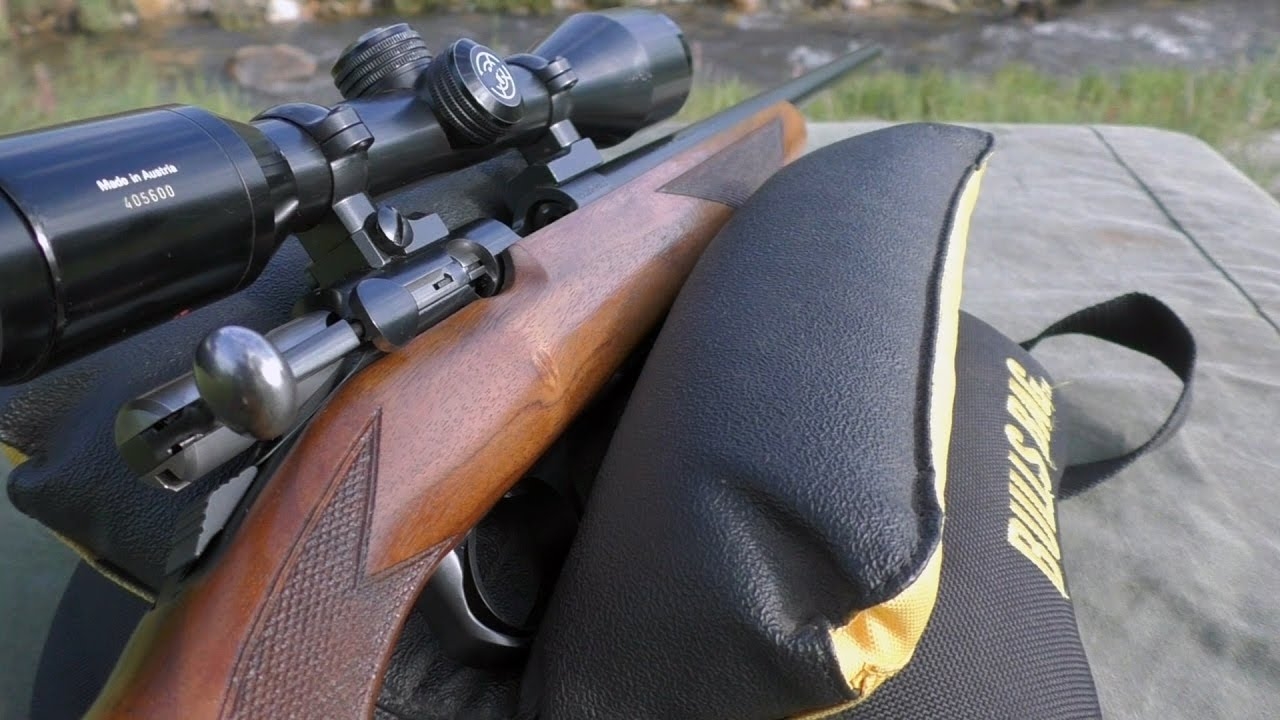
The Browning T-Bolt Sporter had a long run as a rifle people liked more than they prioritized. It was stylish, well-made, and a little different without being weird, but that same charm made it feel optional. Buyers would handle one, appreciate the straight-pull action and the trim lines, and then talk themselves into waiting because there was always something more urgent competing for the money.
Then the charm started mattering more. Rifles like this tend to get stronger with time because they offer a feel and identity that modern mass-market rifles rarely do. Once enough buyers caught on, the T-Bolt stopped being the rifle you could casually revisit later and started becoming the rifle people regretted not buying when it still felt like an easy yes.
Remington 600 Mohawk
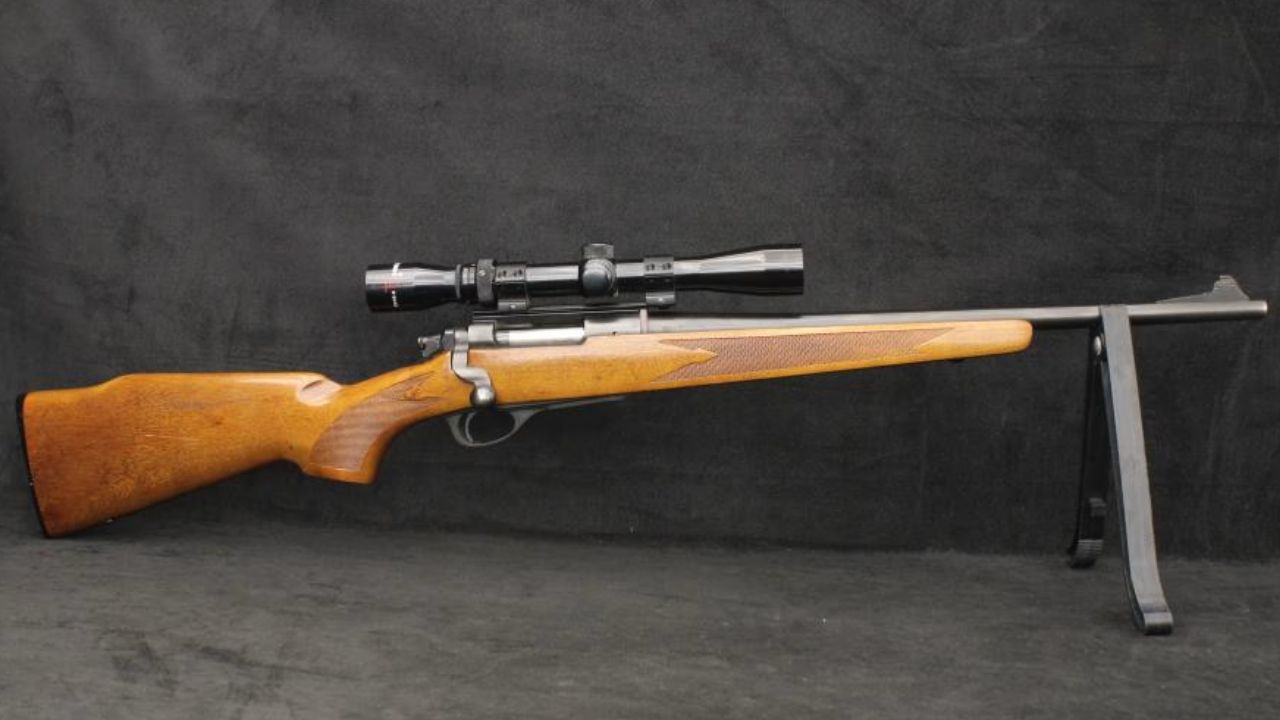
The Remington 600 Mohawk was easy to underappreciate because it looked like the sort of short, handy hunting rifle that would never really leave the used market. It had its fans, but it also lived in the shadow of more famous Remington names, which made it easy for buyers to think they had endless time. A lot of people liked the compactness and the field practicality but still let the purchase slide into the future.
That future got more expensive because rifles like the 600 Mohawk started making more sense the more buyers handled longer, heavier, or cheaper-feeling alternatives. It became easier to see what had been sitting there all along. That is usually how the regret sets in. The rifle did not change. The buyer’s ability to find one cheaply did.
Winchester 1895
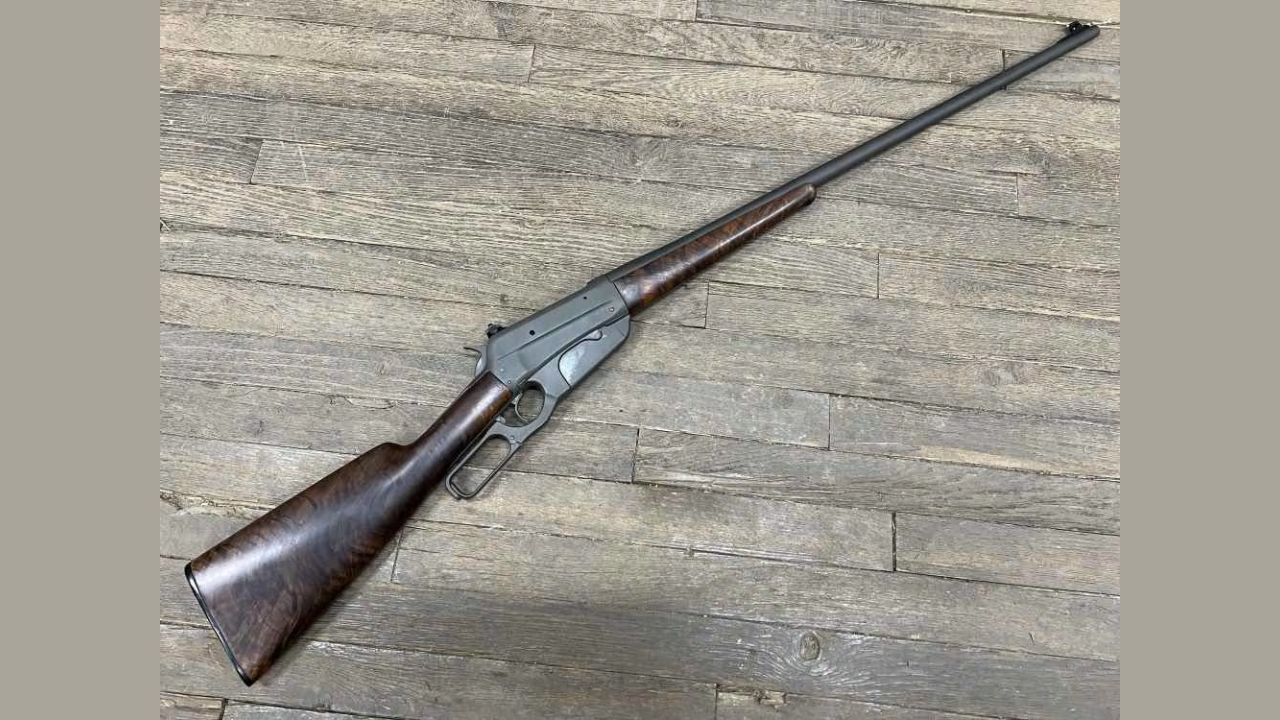
The Winchester 1895 always felt like a rifle you bought because you wanted one, not because you needed one right then. That was exactly the problem. Rifles with that much history and that much mechanical character are easy to romanticize and easy to delay at the same time. A lot of buyers figured they would own one eventually, once they had gotten the practical rifles out of the way.
Eventually turned into a more expensive conversation. The 1895 is one of those rifles that benefits from taste aging upward. The more shooters appreciate historic designs and rifles that still feel distinct, the less forgiving the market becomes. Plenty of buyers let this one drift into “later” because it seemed too specialized to rush. That turned out to be the expensive mistake.
Like The Avid Outdoorsman’s content? Subscribe to our newsletter so you never miss an article.
Here’s more from us: