Photo credit: 4570shooter/YouTube
When you’ve hunted long enough, you learn pretty quickly which guns stay in the rotation and which ones quietly slide into the back of the safe. Some rifles and shotguns look promising at first, but real hunts expose quirks that never show up on the range. Maybe the action feels slow in cold weather, or accuracy drifts depending on the ammo.
Sometimes the trigger never settles in, or reliability fades as soon as the conditions get rough. These are the guns that seasoned hunters eventually move away from after realizing they simply aren’t worth the frustration anymore.
Remington 742 Woodsmaster
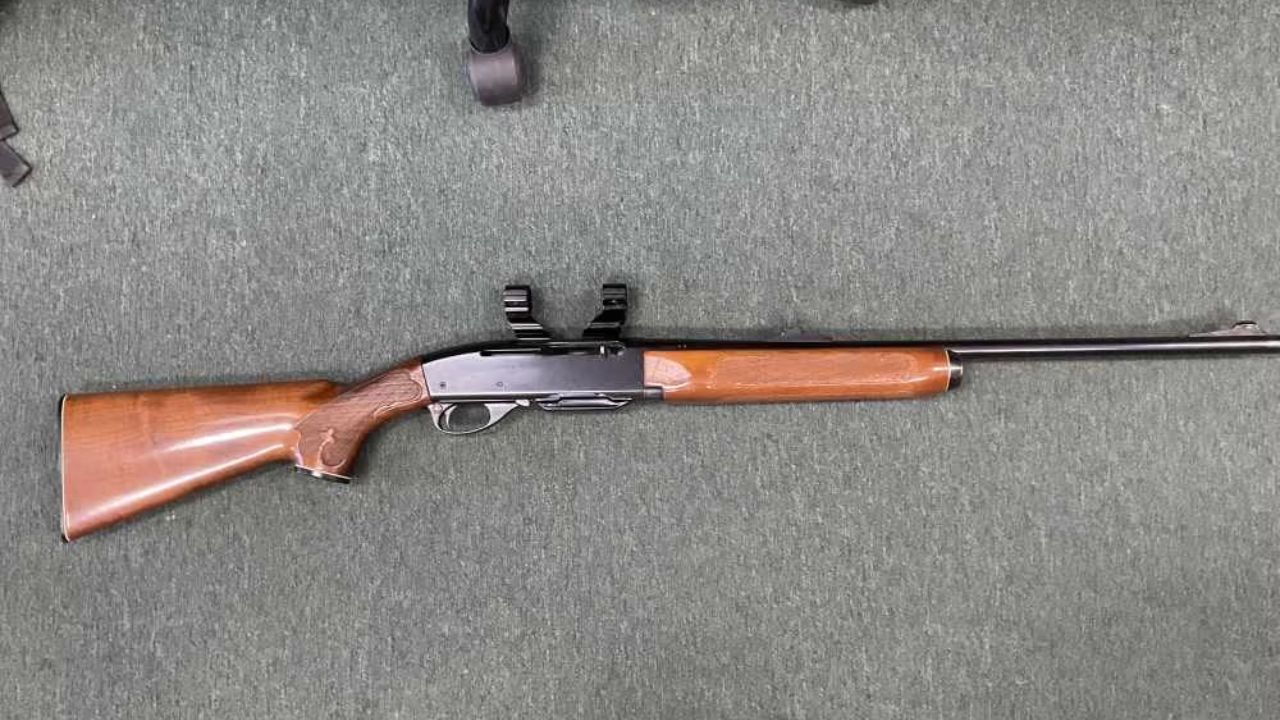
The Remington 742 earned a strong following decades ago, but many long-time hunters eventually stopped trusting it. The rifle’s semi-auto system wears fast, especially in guns that have seen heavy use. As the lugs and rails degrade, feeding becomes hesitant and ejection gets unreliable. Cold-weather hunts make these problems even more noticeable. The rifle also struggles to maintain accuracy over time, leaving hunters with unpredictable groups. While the Woodsmaster handles well and carries nicely, too many seasoned hunters experienced failures at the wrong moment and decided it wasn’t worth continuing to rely on.
Ruger Mini-30
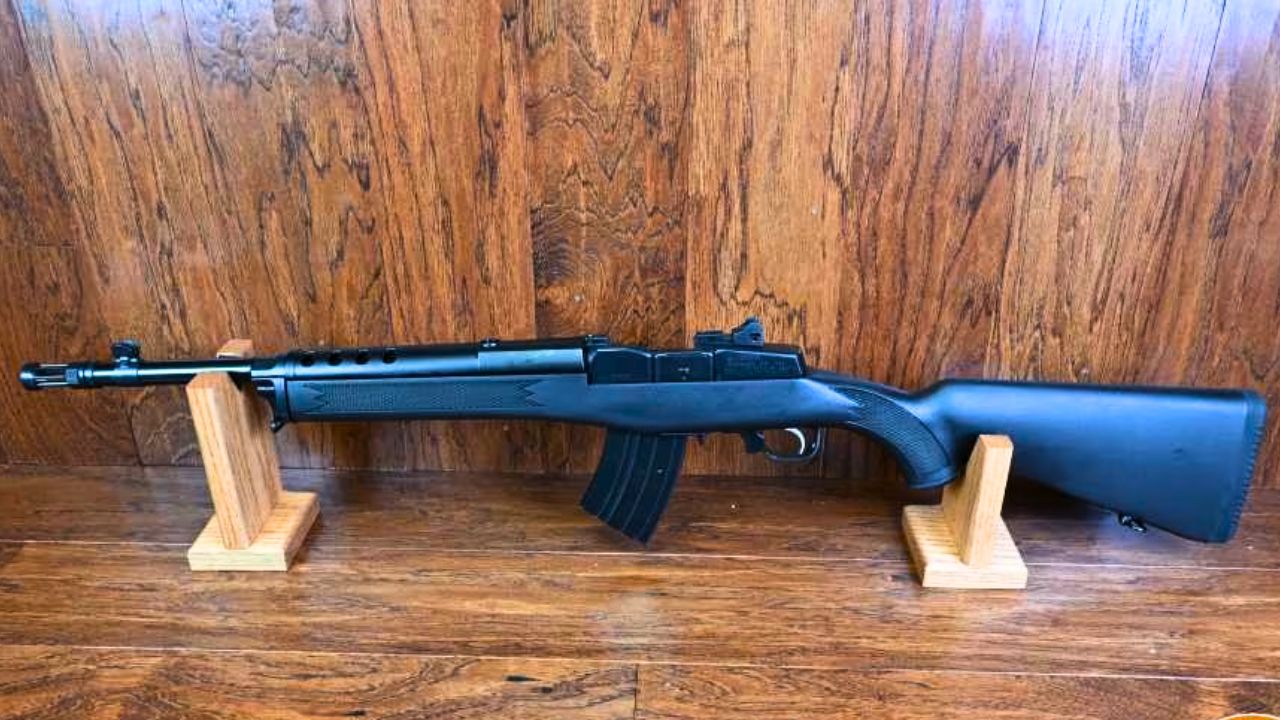
The Mini-30 looks like a practical woods rifle, especially for hunters who like the 7.62×39 cartridge. But many found accuracy disappointing compared to bolt guns or even similar semis. The rifle can be finicky with certain bullet types, and groups often open up when the barrel warms. Hard primers cause misfires in some imported ammo, limiting the rifle’s usefulness for budget-minded hunters. Even though it handles beautifully, the performance rarely matches expectations in the field. Many seasoned hunters eventually replaced their Mini-30 with rifles that deliver more predictable results and better consistency at distance.
Winchester Model 100
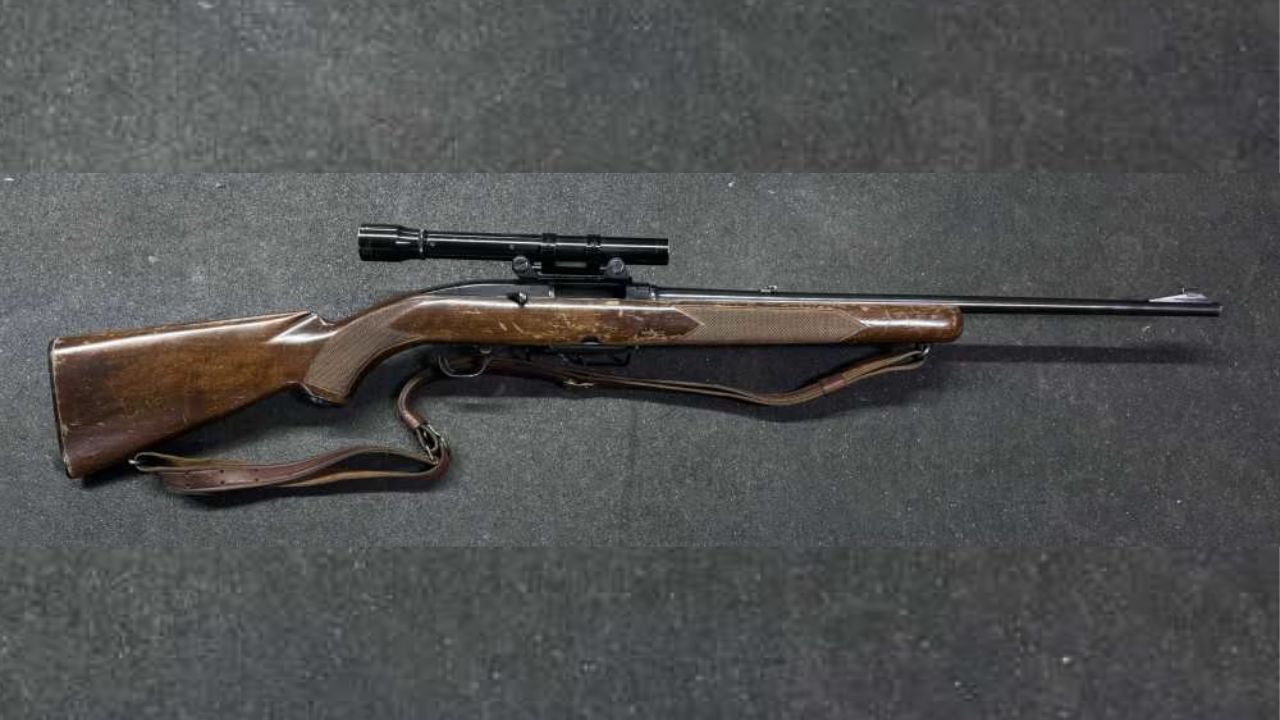
The Winchester 100 is another classic semi-auto that looks great and shoulders naturally. But hunters with years behind the trigger learned that the rifle can be unreliable, especially as it ages. Known issues with firing pin breakage caused enough problems that many quietly retired theirs after one too many failures. Accuracy varies from rifle to rifle, and some never shoot to the level modern hunters expect. While it has charm and history, real hunts showed limitations that pushed many toward more dependable options. It’s a rifle people wanted to love but ultimately backed away from.
Mossberg 810A
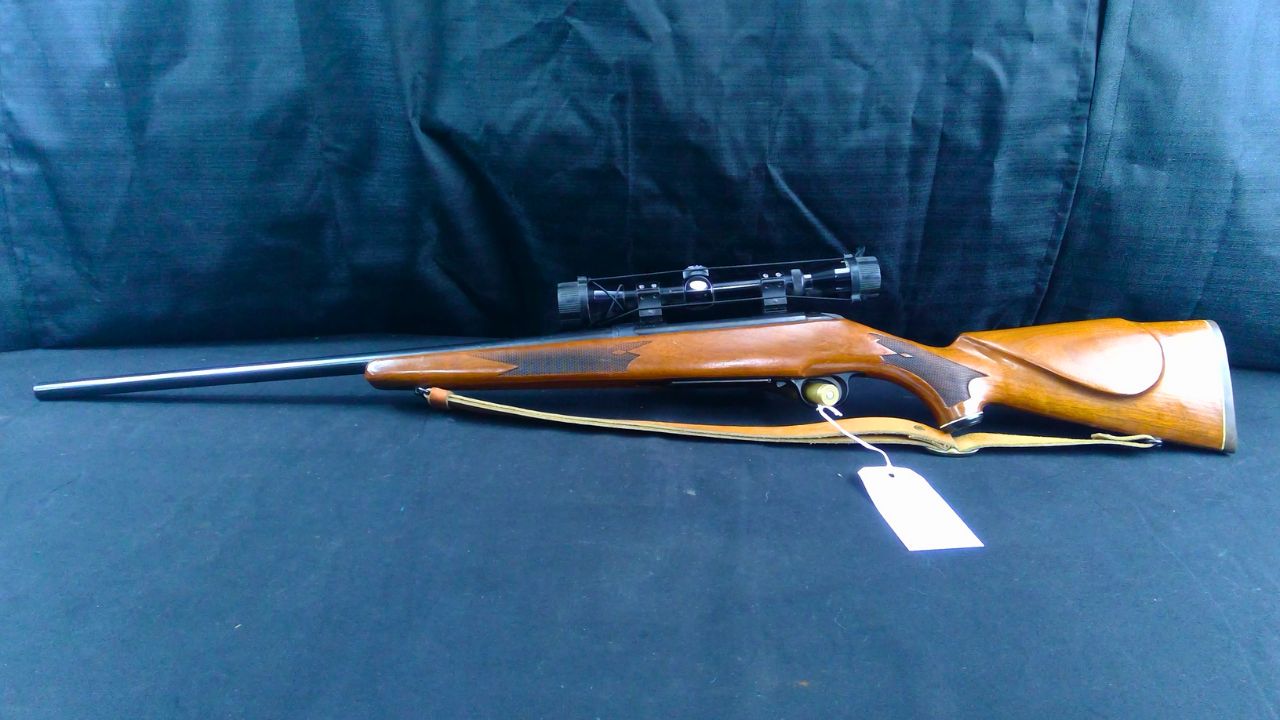
The Mossberg 810A offered big-caliber power at an affordable price, but it never developed a strong reputation among experienced hunters. The action feels rough, and the triggers often require attention before they’re usable in the field. Accuracy tends to be inconsistent, especially with heavier hunting loads. Hunters also reported that the rifle handles recoil poorly, making follow-up shots slow and uncomfortable. Over time, these issues add up. Many seasoned hunters tried to make the 810A work only to eventually switch to rifles that offered smoother performance and more dependable accuracy.
Browning A-Bolt II Stainless Stalker
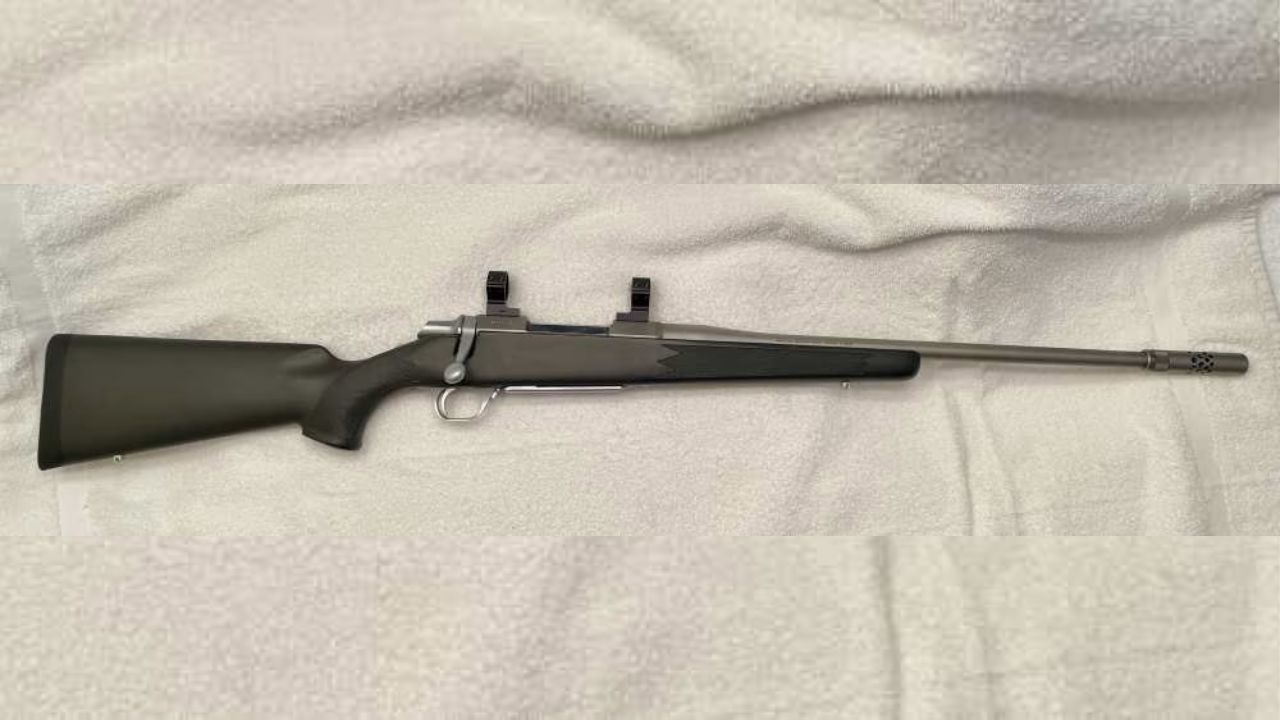
The A-Bolt II has fans, but it also frustrated plenty of experienced hunters. Some rifles never grouped well, even after trying multiple loads. The short bolt lift feels good in the hand, yet the action can bind when conditions turn cold or dusty. Hunters expecting trouble-free operation sometimes found themselves fighting the bolt at the worst moments. The lightweight build also produces sharper recoil than people expect, particularly with magnum chamberings. While the rifle carries nicely, many seasoned hunters eventually moved on to platforms offering more consistent accuracy and smoother operation in rough weather.
Remington 710

The Remington 710 seemed like a budget-friendly way to get new hunters into the field, but many veterans learned its limitations quickly. The bolt feels loose and often develops sticking issues, especially after extended use. The barrel quality varies, leading to unpredictable accuracy across rifles. Even when they shoot well early on, consistency fades as the rifle wears. The plastic components also show their age faster than similar rifles. Most seasoned hunters who tried the 710 eventually replaced it with something more durable, realizing it wasn’t a gun they could depend on long-term.
Savage Axis (original generation)

The first-generation Savage Axis gained attention for its price, but experienced hunters often grew frustrated with its quirks. The trigger feels stiff and heavy, and many rifles struggle to group well with factory ammo. The stock flexes enough to impact accuracy, especially when using a bipod or shooting from field positions. Hunters who expect reliable consistency often find the rifle limits their confidence when shots matter most. While later versions improved significantly, many seasoned hunters quietly stopped carrying the original Axis after realizing it didn’t hold up to harder hunting environments.
Remington 597 (in .22 LR)

The Remington 597 has a loyal group of supporters, but many veteran small-game hunters eventually abandoned it due to reliability issues. Feeding can be temperamental, and the magazines became known as a weak point that caused unnecessary malfunctions. Some rifles shoot accurately, but others struggle to maintain tight groups over time. Hunters who want a dependable rimfire for cold mornings or quick follow-ups often found more trust in older tube-fed designs or competing semis. After enough jam-filled outings, many seasoned hunters quietly retired the 597 in favor of rifles with steadier performance.
Marlin Model 55 Goose Gun
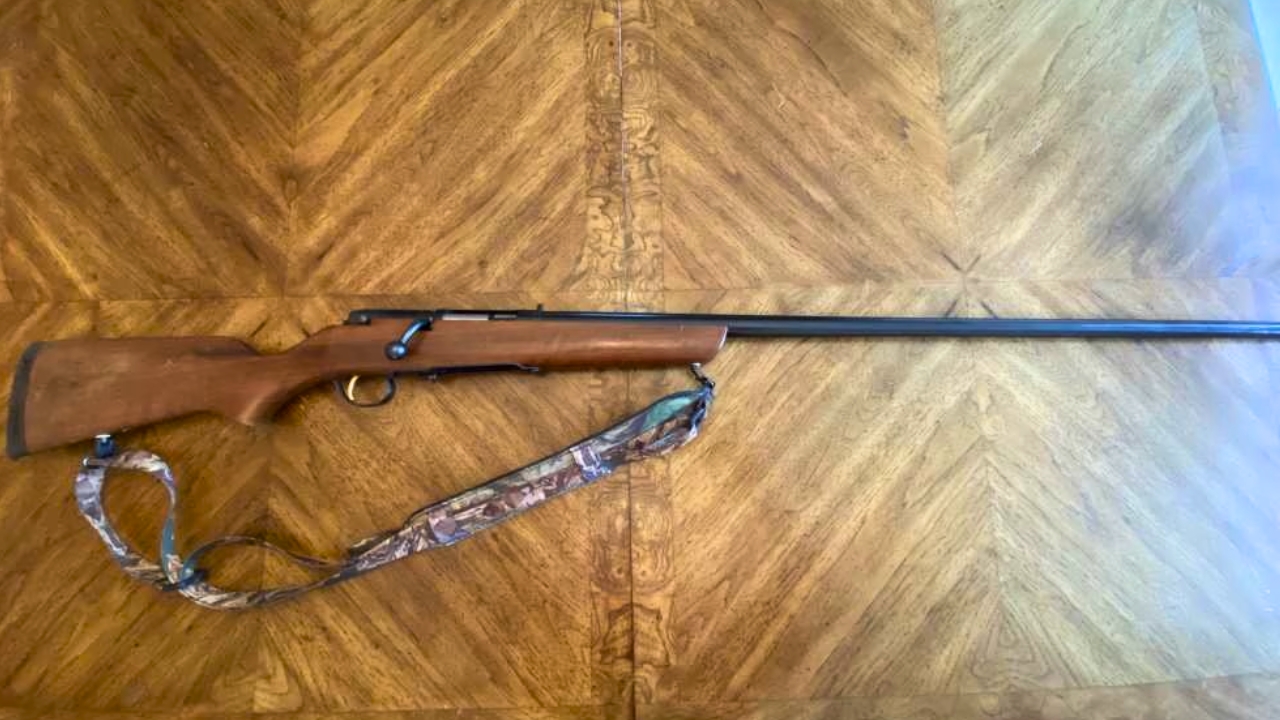
The Marlin 55 Goose Gun has a certain nostalgic charm, but its extreme length makes it awkward to carry in real hunting situations. Even seasoned waterfowl hunters eventually realized the long barrel doesn’t offer much advantage over more modern shotguns with improved chokes. The gun’s balance feels off, and transitioning to fast-moving birds can be clumsy. Many hunters also found it too specialized to justify keeping in rotation. Over time, it slowly slipped out of blinds and boats as people moved to lighter, more versatile shotguns that handled better in tight cover and moving water.
Ruger American Ranch (early runs)

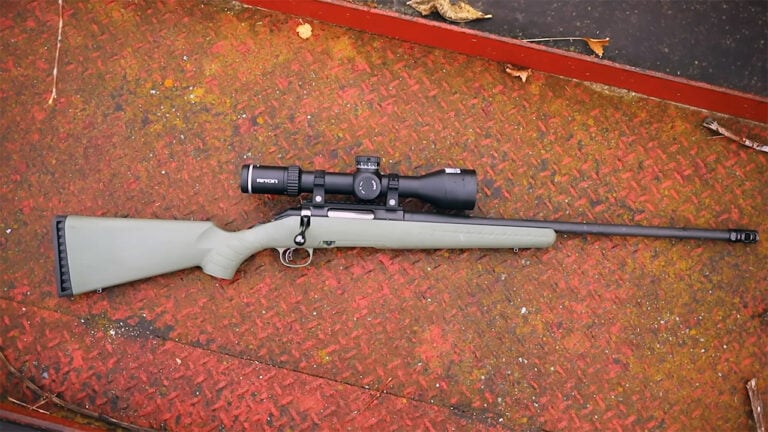
The Ruger American Ranch has improved significantly, but early models frustrated many experienced hunters. Some rifles had feeding issues, and accuracy varied more than expected. The short, lightweight barrel heats quickly and often caused shots to drift. For hunters wanting a compact, dependable rifle, the inconsistency became distracting. The ergonomics were also a common complaint, with stocks that didn’t feel stable during awkward field positions. Although newer versions addressed many problems, seasoned hunters who tried the first-run models often set them aside after realizing they couldn’t rely on them during pressured hunts.
H&R Handi-Rifle (heavy calibers)

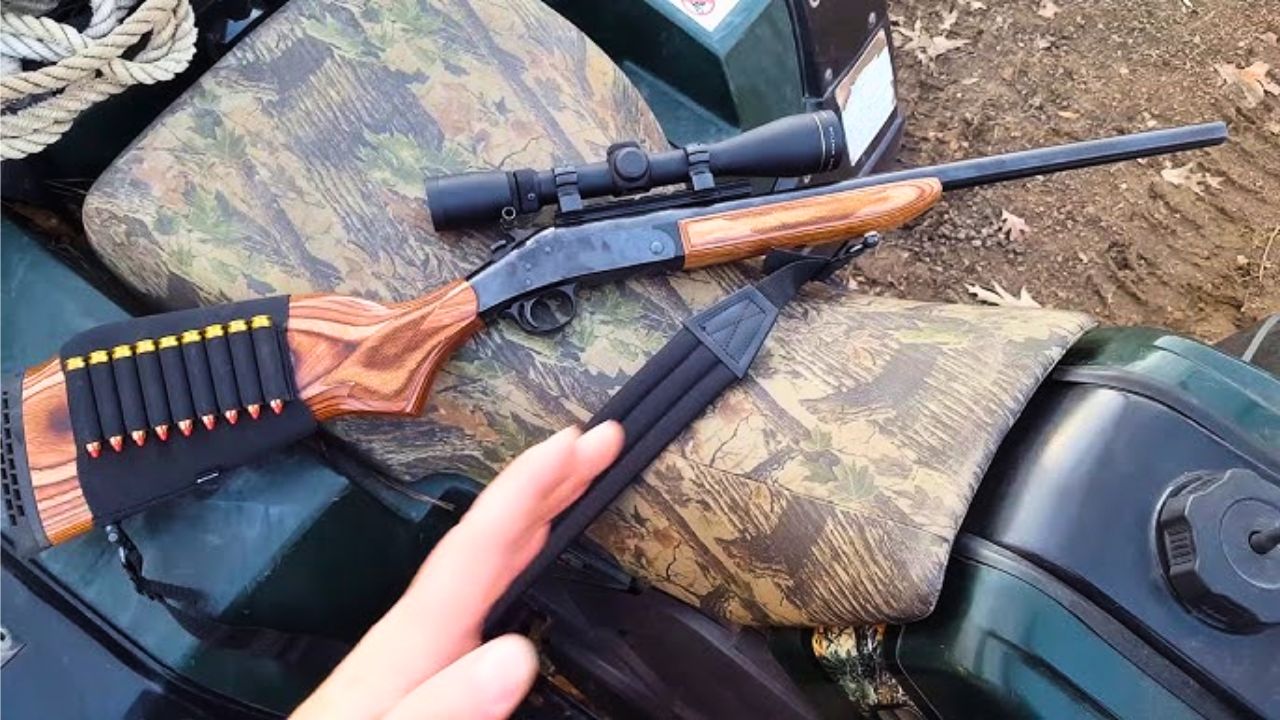
H&R Handi-Rifles have a loyal following, but many hunters who tried heavy calibers like .45-70 or .500 S&W eventually decided they weren’t practical in the field. Recoil feels sharp and unforgiving, making it tough to shoot accurately from real hunting positions. Follow-up shots are slow, and the single-shot design magnifies the impact of any mistake. For hunters used to quicker cycling rifles, the Handi-Rifle became more of a novelty than a practical tool. Many seasoned hunters gave up on the heavy-caliber versions after realizing they required more effort than they returned.
Winchester Model 70 Super Shadow

The Super Shadow had the classic Model 70 name behind it, but experienced hunters sometimes found it lacked the refinement of earlier or higher-end versions. The stock design feels hollow, and recoil transfers more harshly than expected. Accuracy can be hit or miss, and some rifles never settle in with any load. Hunters who relied on other Model 70 variants often felt let down by the Super Shadow’s overall performance. It’s not a rifle that failed outright—it simply didn’t meet the expectations that come with the Model 70 reputation.
Benelli R1
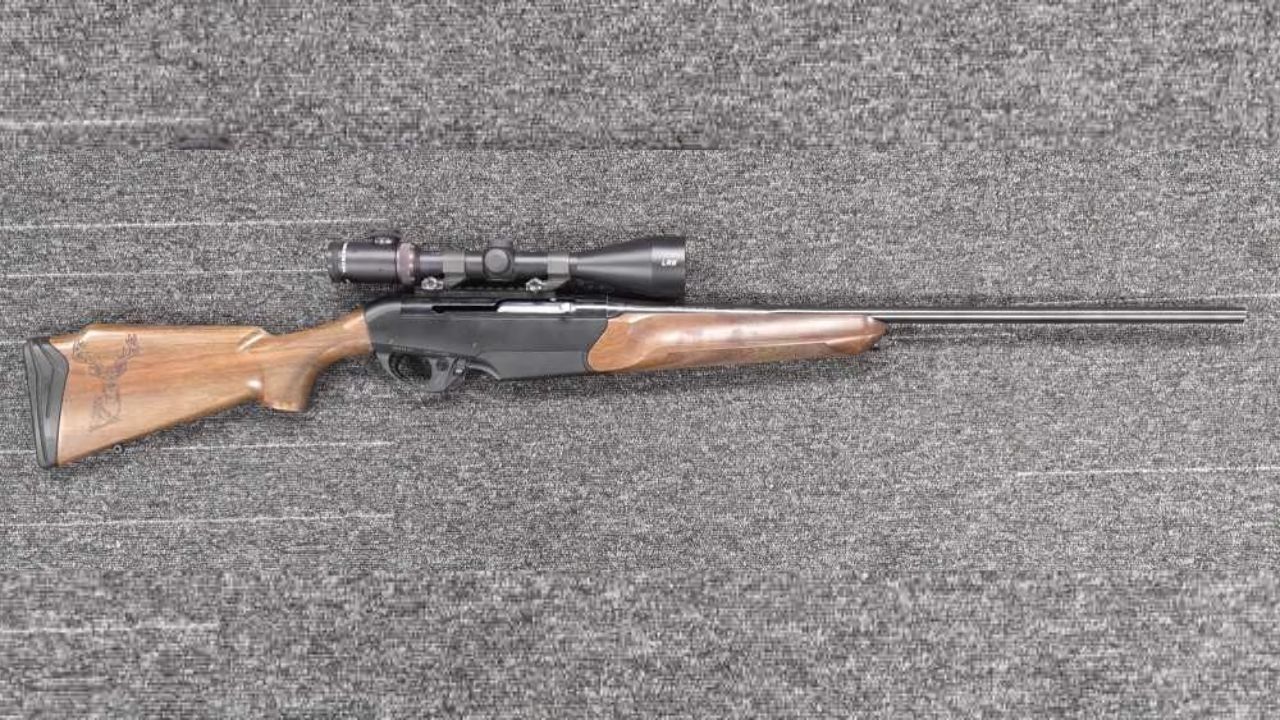
The Benelli R1 promised a reliable semi-auto hunting rifle inspired by the brand’s shotgun success. But many seasoned hunters quietly stopped carrying it after repeated accuracy frustrations. The rifle’s gas system makes cleaning more involved, and the barrel heating affects consistency on longer strings. While recoil is manageable, the overall handling often feels bulkier than necessary. Many hunters loved the idea but found the execution less convincing in the field. Over time, it became one of those rifles that stays in the cabinet more often than it leaves with you on a hunt.
Weatherby Vanguard S2 (in lightweight trims)

Some lightweight versions of the Vanguard S2 looked ideal for mountain hunts, but experienced hunters sometimes felt the rifles didn’t balance well. The reduced weight amplifies recoil in magnum chamberings, and accuracy occasionally suffers as barrels warm. Hunters expecting a dependable cold-bore performer sometimes found inconsistent first shots when temperatures changed. While the Vanguard line is respected, certain lightweight trims caused frustration among hunters who rely heavily on consistent groups at distance. Eventually, many opted for slightly heavier rifles that delivered steadier performance across varying conditions.
Thompson/Center Venture

The T/C Venture had potential, but inconsistencies in early production turned many hunters away. Triggers varied noticeably from rifle to rifle, and accuracy didn’t always meet the advertised standards. Some barrels never grouped well with any factory load, and hunters grew tired of chasing solutions. Even though the rifle handled nicely, it lacked the reliability seasoned hunters expect when conditions turn rough. Over time, the Venture became one of those rifles many people phase out quietly—replaced by platforms offering more predictable accuracy and long-term dependability in the field.
Like The Avid Outdoorsman’s content? Subscribe to our newsletter so you never miss an article.
Here’s more from us: