Photo credit: Threat level midnite/YouTube
Some rifles get defended because they are genuinely good. Others get defended because admitting the truth would hurt too much. The buyer paid too much, bragged too hard, built too much identity around the gun, or spent too many conversations acting like he had outsmarted everyone else. Once that happens, the rifle stops being just a rifle. It becomes a reflection of the owner’s judgment, and any criticism starts feeling personal.
That is where these rifles live. Some are interesting. Some can still work in the right hands. A few even have real strengths. But they also attract owners who keep arguing for them long after the practical case has gotten shaky. These are the rifles people keep defending not because the rifle is still clearly winning, but because their pride will not let them step back and say they bought the wrong thing for the wrong reason.
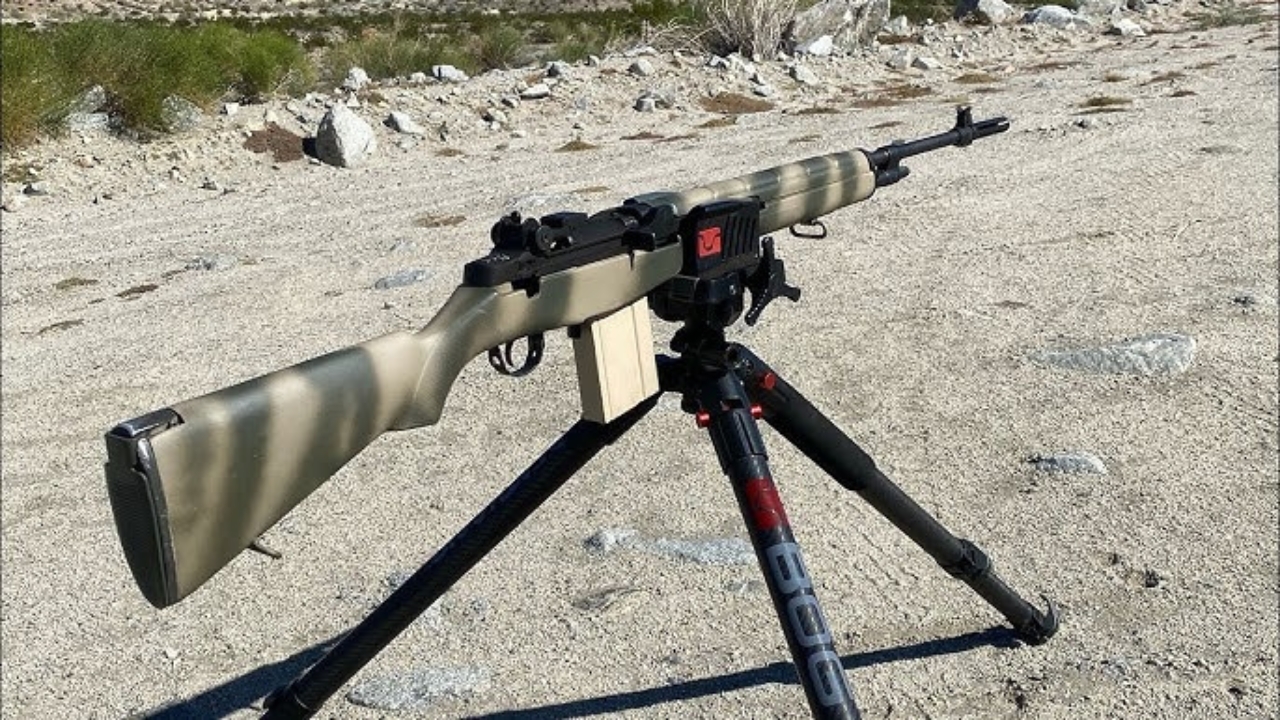
Springfield Armory M1A

The M1A gets defended with ego more than almost any other rifle because it lets the owner feel serious before the first round is fired. It has the old battle-rifle look, the M14 shadow, the wood-and-steel authority, and enough bulk to make people feel like they bought something with real weight, literally and culturally. That is exactly why so many buyers become emotionally attached to the idea of it.
Then the real-world problems show up. Weight, optics awkwardness, cost, and the plain reality that there are easier and often smarter .308 rifles for most people all start becoming hard to ignore. But many owners cannot let go of the image. They defend the rifle because admitting the practical drawbacks mattered would also mean admitting they bought a lot of identity along with the gun.
Ruger Mini-14

The Mini-14 gets defended out of pure ego because it often becomes part of a buyer’s self-image as the “common-sense rifle guy.” He likes that it is not an AR. He likes that it feels more traditional, more respectable, or less cliché. That difference becomes the point. Once that happens, criticism of the rifle is heard as criticism of the buyer’s judgment and taste.
The practical issues do not go away just because the owner feels above the usual crowd. Price-to-performance questions, accuracy expectations, and the existence of stronger alternatives all stay on the table. But many owners keep defending the Mini harder and harder because the rifle has become a personality statement. They are not only defending the gun. They are defending the version of themselves that bought it.
Ruger No. 1

The Ruger No. 1 gets defended by people who want to believe their rifle says something elevated about them. It is elegant, single-shot, tasteful, and easy to present as proof that the owner appreciates a better class of rifle than the average bolt-gun crowd. That is a very flattering purchase story, and buyers get attached to it quickly.
Then the harder questions arrive. Was it really the best hunting rifle for the money? Is the practical case as strong as the emotional one? A lot of owners do not want to answer too honestly, because the rifle is now tied to their sense of refinement. The louder the owner talks about tradition, discipline, and class, the more likely it is he is protecting his ego as much as the rifle.
Weatherby Mark V Deluxe

The Mark V Deluxe gets defended because buyers often paid for glamour and now need that glamour to sound like wisdom. The high-gloss wood, Weatherby branding, and full old-magazine fantasy package make the owner feel like he chose the premium answer, the rifle of people who did not settle. That is a hard feeling to give up later.
When the practical side starts looking less convincing, too flashy, too expensive, too much image for the actual hunting being done, many owners dig in instead of backing off. They keep praising the rifle because admitting they bought more status than substance would sting. The deluxe rifle becomes a deluxe ego shield.
Browning BAR Safari

The BAR Safari gets defended because it lets the owner feel polished. It is the sort of rifle that says he bought the nicer autoloader, the one with taste and history instead of the rougher or plainer alternative. That image matters a lot to the buyers who are most emotionally invested in the platform.
Once that investment is made, criticism gets personal fast. The rifle may still be heavy, expensive, and less practical than the owner wants to admit, but the owner keeps protecting it because the rifle helped him feel like a more refined sportsman. He is not only defending the gun’s merits. He is defending the story he told himself when he bought it.
Winchester 88

The Winchester 88 gets defended by buyers who want to sound like they appreciate one of the “smart classics.” It is not as obvious as a Model 94 and not as easy to casually admire, which makes it attractive to the sort of owner who likes feeling a little more informed than average. That quiet superiority becomes part of the ownership experience.
That is why the rifle often gets defended harder than it gets judged. The owner wants the gun to prove something about his taste and depth. Once that happens, every price, every flaw, and every practical limitation gets softened because the real priority is protecting the sense that he bought the rifle knowledgeable people are supposed to understand.
Remington 700 BDL
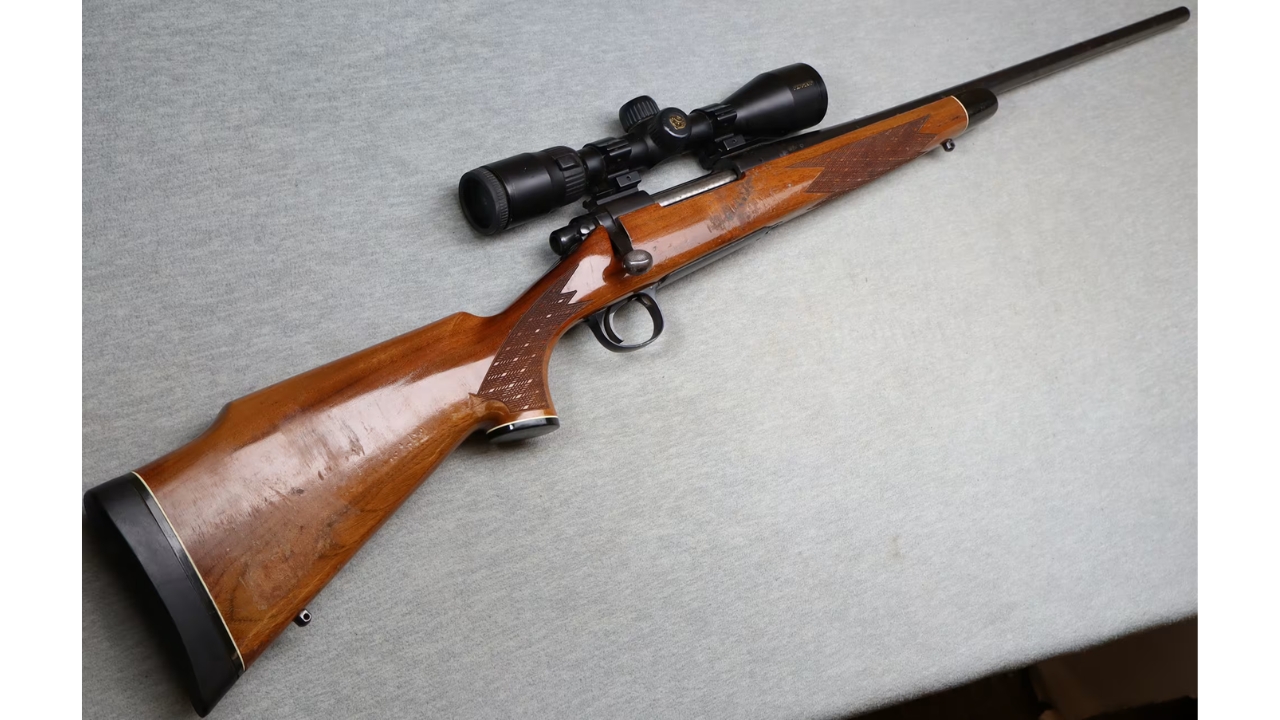
The 700 BDL gets defended out of ego because it still represents, to a lot of buyers, the “proper” hunting rifle. Gloss wood, blued steel, classic lines, it all helps the owner feel like he chose tradition instead of trend, substance instead of cheapness, and the rifle his father should have approved of. That is a lot of psychological baggage for one bolt gun.
When reality starts showing that style is doing more work than function, many owners refuse to back down. They keep defending the BDL as though criticizing it means attacking the whole old hierarchy of respectable rifle ownership. In many cases, that is exactly how they hear it. The rifle becomes a stand-in for their pride in choosing the “right kind” of hunting gun.
Savage 99

The Savage 99 gets defended because its owners often want to feel like the smartest traditional-rifle people in the room. They like that it is not the most obvious classic, and they like explaining why it deserves more reverence than casual buyers give it. That turns the ownership experience into a little performance of discernment.
Once that happens, criticism is hard to absorb. If the rifle is merely good instead of magical, then the owner loses part of the ego reward. So he digs in. He talks about rotary magazines, old craftsmanship, and how people just do not understand rifles like they used to. Sometimes that is insight. A lot of times it is ego wrapped in lever-gun language.
Remington 742 Woodsmaster

The 742 gets defended because for some owners it is tied directly to family pride and old deer-camp identity. That is understandable, but it also means honest discussion gets almost impossible. If the rifle has to remain good, then the owner’s memories stay clean and his earlier confidence stays intact. That emotional pressure leads to a lot of soft focus around the rifle’s actual track record.
Instead of admitting the limitations, many owners start defending the whole experience. They protect the 742 because they do not want to feel like they came from a hunting culture that got something wrong. So the rifle keeps receiving praise that sounds much stronger than the practical case would support on its own.
Winchester 94 Trapper

The 94 Trapper gets defended because it lets owners feel rugged, old-school, and a little cooler than they probably are. It is compact, lever-action, Winchester-marked, and loaded with enough visual appeal that buyers can build a whole version of themselves around it. That is a lot of ego leverage in one little rifle.
When the practical value or inflated price gets questioned, many owners react like they are being told their taste is fake. So the defense gets emotional fast. They are not only arguing for the rifle. They are arguing for the image of themselves as the kind of hunter or shooter who knows what a “real” rifle looks like.
Ruger Gunsite Scout

The Gunsite Scout gets defended by buyers who loved the concept so much they turned it into an identity. It made them feel practical, prepared, and sharper than the average rifle buyer. That is a strong emotional hook. A rifle like this does not only get bought for what it does. It gets bought for what it lets the owner signal about his mindset.
That is why criticism can bounce off it so strangely. If the rifle is less universal or less practical than the owner promised himself, he often cannot admit it easily because doing so would puncture the whole prepared-rifleman self-image built around the purchase. So he defends harder, not always because the rifle needs it, but because his ego does.
Marlin 336

The 336 gets defended by some owners who built too much of their hunting identity around the idea that a lever gun is the honest answer and everything else is overthinking. Once the rifle becomes that symbolic, it stops being easy to discuss clearly. It has to remain pure, practical, and right, because that keeps the owner’s self-image intact too.
That is why some conversations about the 336 feel less like rifle talk and more like moral argument. The owner is not only defending a woods gun. He is defending his claim that he stayed true to something simpler and better. Whether the rifle still offers the strongest real-world value often becomes secondary once that ego investment is in place.
Browning BLR
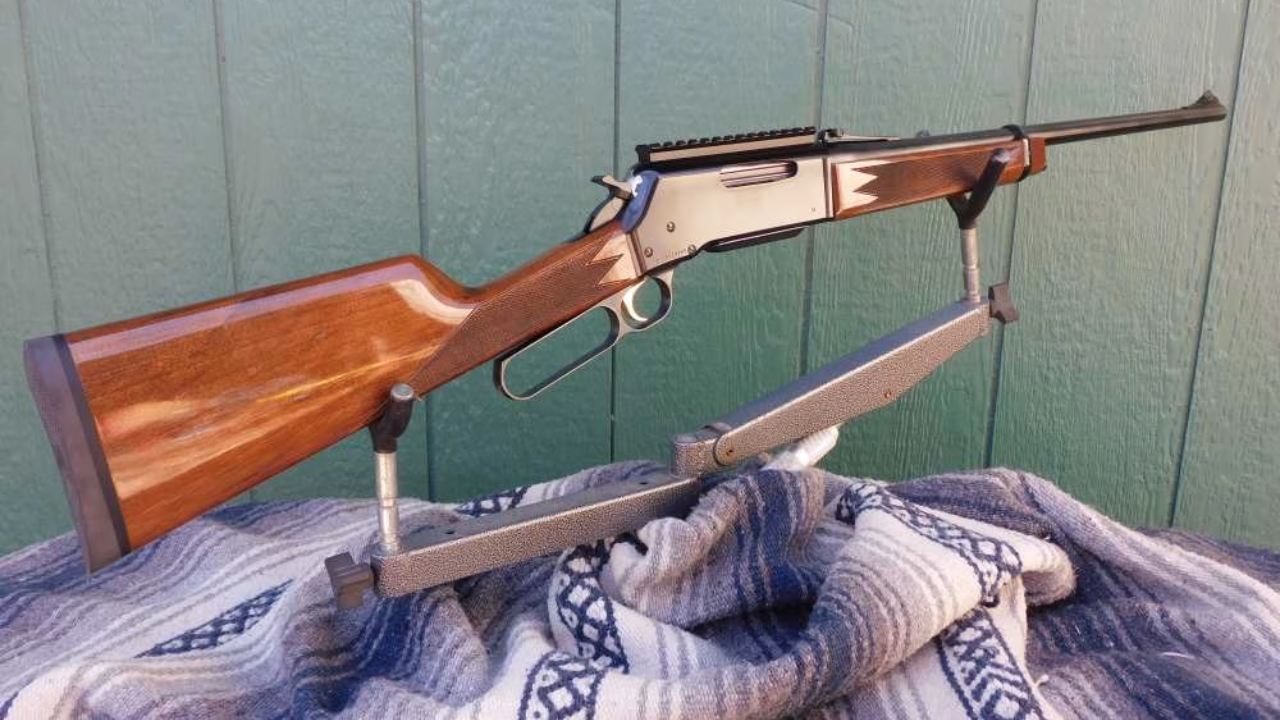
The BLR gets defended because it makes buyers feel like they chose the intelligent lever gun. It gives them a way to stay in the lever-action world while also sounding more modern and more technically sensible than the old-school crowd. That is a very flattering purchase story, and owners can get pretty attached to it.
Once criticism shows up, price, concept versus execution, actual field use, the owner often hears it as a challenge to his judgment. He thought he had found the smart middle path. So instead of calmly reassessing, he defends the rifle harder. In many cases, the force of the defense tells you more about the owner’s ego than about the BLR itself.
Browning A-Bolt Medallion

The A-Bolt Medallion gets defended by buyers who paid for polish and now need that polish to sound like depth. They bought the handsome stock, the glossy finish, and the Browning prestige because it made them feel like they stepped above ordinary hunting rifles. Once that feeling becomes part of the purchase, criticism becomes difficult to accept.
So the owner starts defending the rifle through language about quality, class, and “knowing what a real sporting rifle is.” Some of that may be sincere. A lot of it is ego preservation. The rifle is protecting the owner from having to admit he may have paid more for appearance and identity than for real, practical advantage.
Like The Avid Outdoorsman’s content? Subscribe to our newsletter so you never miss an article.
Here’s more from us: