Photo credit: terake10701/Shutterstock.com
A lot of new gun owners buy their first “home-defense handgun” the same way people buy their first chainsaw: they pick the smallest one that seems powerful, or the one that looked cool in a video. Then the first real range trip happens. The gun is harder to grip than expected, the recoil is sharper than expected, the sights are tougher to track than expected, and malfunctions start showing up because tiny pistols have less margin for error. That’s when regret kicks in.
Home defense is not a pocket-gun problem. You’re not carrying it all day, so you don’t need the thinnest, lightest, shortest thing on the shelf. You need a handgun you can grab with half-awake hands, hold onto firmly, run with confidence, and shoot accurately under stress. Every gun below can work, but these models get bought by new owners for the wrong reasons, and they’re the ones people tend to trade away fast once reality sets in.
Ruger LCP II

The LCP II sells because it disappears in a pocket and feels easy to live with. For home defense, that tiny size turns into a drawback fast. The grip is short, the sights are small, and the gun is light, so recoil feels sharper than you’d think for .380.
When you’re new, that combo makes it harder to build good habits. You end up milking the grip, yanking the trigger, and throwing shots low. Plenty of people also discover they don’t enjoy practicing with it, which means the skill never comes. As a deep-concealment tool it has a lane, but as a first “protect the house” handgun, it’s an easy regret.
Smith & Wesson M&P Bodyguard .380

The Bodyguard looks like a smart compromise: a recognizable brand, a small package, and manageable ammo. The issue is that the small size still works against you, and many shooters struggle to get consistent hits at speed with that short grip and minimal sights.
New owners often buy it thinking .380 will feel soft, then realize the light gun still snaps and the trigger work demands more focus than they expected. It can do the job, but it asks more from the shooter than a larger pistol does. For a nightstand gun, most people are better served by something you can hold onto like you mean it.
Kel-Tec P-3AT

The P-3AT is famous for being featherweight and affordable, and those are exactly the reasons people buy it and regret it. Very light pistols are harder to shoot well. They move more in recoil, they punish grip mistakes, and they make follow-up shots slower for new shooters.
It’s also a gun that rewards a firm, confident hold. If your grip is timid or inconsistent, small .380s can become unreliable fast. That’s not a moral failing, it’s physics and technique. For home defense, you want a pistol that gives you a bigger window for error while you learn. This one tends to do the opposite.
SIG Sauer P365

The P365 is a great carry pistol, but it gets bought as a first home-defense handgun because the hype is everywhere and the size feels “convenient.” The problem is that micro-compacts make you work. The shorter grip and lighter weight make recoil feel quicker, and the sight picture can be harder to track in fast strings.
New owners also tend to underestimate how much grip strength and consistency matter with small guns. When you’re learning, you want a pistol that lets you focus on fundamentals without punishing every mistake. The P365 can be run extremely well, but it’s easier to learn on a compact or full-size handgun, then come back to a micro later.
Springfield Armory Hellcat
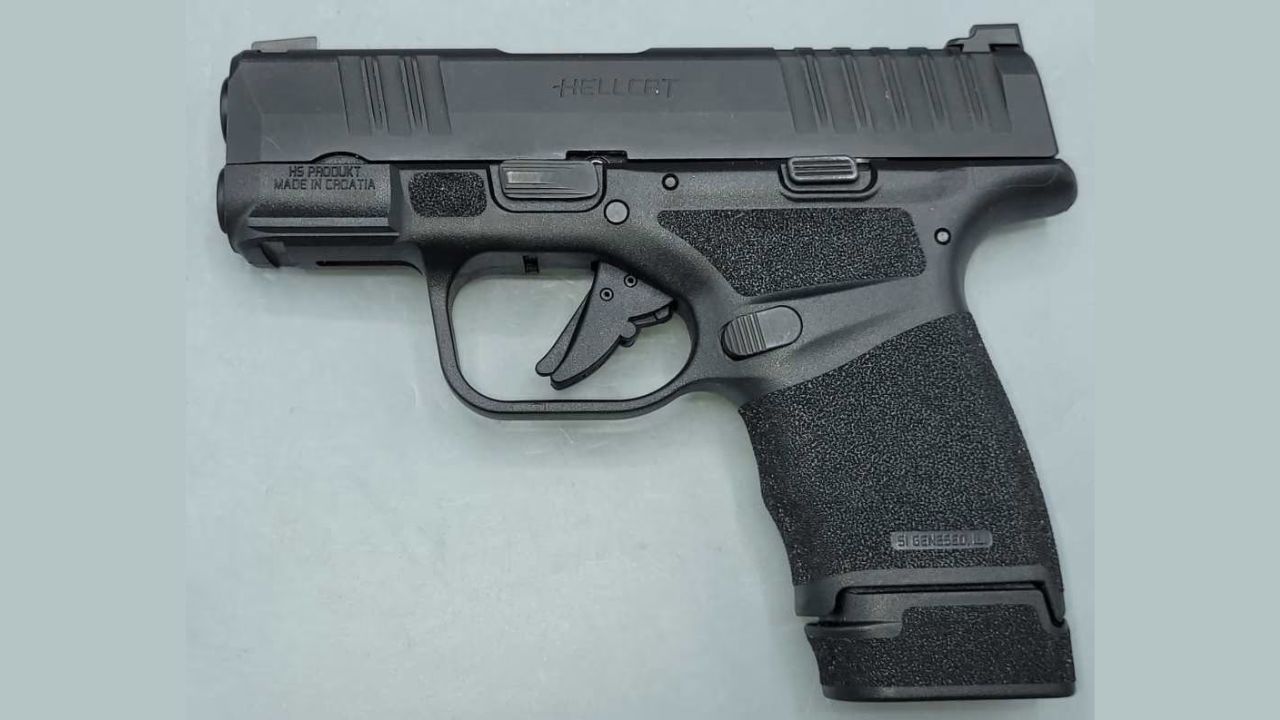
The Hellcat fits the same pattern: it’s built for carry, yet many people pick it for home defense because it’s popular and easy to store. In the hand, it’s a small pistol with a lot of performance squeezed into it, and that often means a snappier feel than new shooters expect.
When you’re new, snappy guns amplify flinches and timing issues. You end up chasing the sights instead of pressing the trigger cleanly. The Hellcat is capable, but it demands a firmer grip and better recoil management than larger pistols. A lot of regret comes from realizing you bought a carry gun for a home-defense role, then wondering why it feels harder than it should.
Smith & Wesson M&P Shield (original)

The original Shield is a proven pistol, but it still gets regretted as a first home-defense choice because it’s thin and light. Thin grips are harder for some hands to control, and a lighter slide and frame tend to feel sharper in recoil than a thicker, heavier compact.
New owners often buy the Shield because it seems like the “responsible” choice, then they realize they don’t shoot it as well as they thought they would. Nothing is wrong with the gun. It’s the role mismatch. A nightstand pistol can be larger, easier to grip, and easier to run fast. Plenty of people end up trading the Shield for a more forgiving compact once they’ve had a few range sessions.
Glock 43X (for the people who buy it as a house gun)

The 43X is another pistol that makes sense on a belt, but it gets bought for home defense because it’s familiar and widely recommended. The thinner profile can feel good in the store, then feel less stable when you’re actually trying to shoot quickly and keep rounds centered.
New shooters often discover that wider, heavier pistols track flatter and feel easier to control. That difference shows up most when you start shooting faster than slow bullseye pace. The 43X can do great work, but if it’s your first handgun and it lives at home, a larger pistol often gets you better results with less effort.
Kimber Ultra Carry II

Short 1911s are a classic regret buy because new owners want the 1911 feel in a smaller package. The 3-inch 1911 format can be less forgiving than a full-size gun. Timing is tighter, recoil springs matter more, and the gun may be pickier about magazines and ammo.
A new shooter also has to learn the manual safety, the single-action trigger, and proper grip technique, all while dealing with a shorter sight radius. None of that is impossible, but it’s a lot to juggle early on. Many people end up with a pistol they don’t train with because they don’t fully trust it, and that’s the fastest path to regret.
Springfield Armory Micro Compact 1911

The Micro Compact 1911 idea is appealing: a compact defensive pistol with a great trigger. In practice, many new owners find out that shrinking the 1911 can shrink the margin for reliability and shrink the ease of shooting. Short grip, short barrel, short sight radius—everything demands more precision from the shooter.
You also run into the reality that 1911s reward maintenance and quality magazines. New owners often want a gun that runs with minimal thought and minimal fuss. A small 1911 can run well, but it tends to be less forgiving of neglect, weak grip, and inconsistent ammo choices. That’s why people buy them with big expectations, then move on quickly.
Taurus Judge Public Defender

The Judge gets bought by new owners because it sounds like a perfect “stopper,” and the marketing makes it feel like a one-gun answer. The regret usually starts at the range. The gun is large, the trigger pull can be heavy, and the recoil with serious loads can be unpleasant in lighter versions.
Then comes the accuracy reality. The platform is not designed to be a precision pistol, and new shooters often struggle to make clean hits past very close distances. For home defense, you want controllable, repeatable hits. A novelty-driven choice often turns into a gun that sits unused because it doesn’t feel confidence-inspiring when you actually shoot it.
Smith & Wesson 642 Airweight

A lightweight snub-nose revolver seems beginner-friendly because it’s a revolver: load it, close it, press the trigger. The regret shows up when you fire it. Light weight and a short grip make recoil sharper, and the long double-action trigger takes real practice to manage well.
New shooters also fight the sight picture on small revolvers. Short barrels and small sights make it easier to drift off target without noticing. The 642 can be a solid carry revolver for experienced hands, but as a first home-defense handgun it often slows learning down. A heavier revolver with a longer barrel is usually far more comfortable and easier to shoot accurately.
Ruger LCR .357

The LCR is a smart design, but the .357 version gets regretted because many new owners buy it for magnum power without understanding what that feels like in a light revolver. Full-power .357 out of a light snub is a sharp experience. It can be loud, it can be punishing, and it can make practice sessions short.
A lot of people end up shooting .38 Special through it, which is fine, but then you’re left asking why you bought the magnum version in the first place. The LCR is at its best as a carry revolver for people who already know how to run a double-action trigger. As a first home-defense handgun, it’s often a rough learning path.
Charter Arms Undercover .38

The Undercover gets bought because it’s affordable and it’s a revolver, which feels reassuring to new owners. The regret comes when you try to shoot it well. Small-frame revolvers with short barrels ask more of your trigger control, and the recoil in a compact gun can feel abrupt even with standard .38 loads.
You also tend to get a gun that’s harder to shoot fast and accurately than a mid-size revolver or a compact semi-auto. The idea is “reliable and straightforward,” but the execution can be frustrating for beginners. Many people end up realizing they would rather have a slightly larger revolver that’s easier to grip and easier to hit with under pressure.
Hi-Point C9
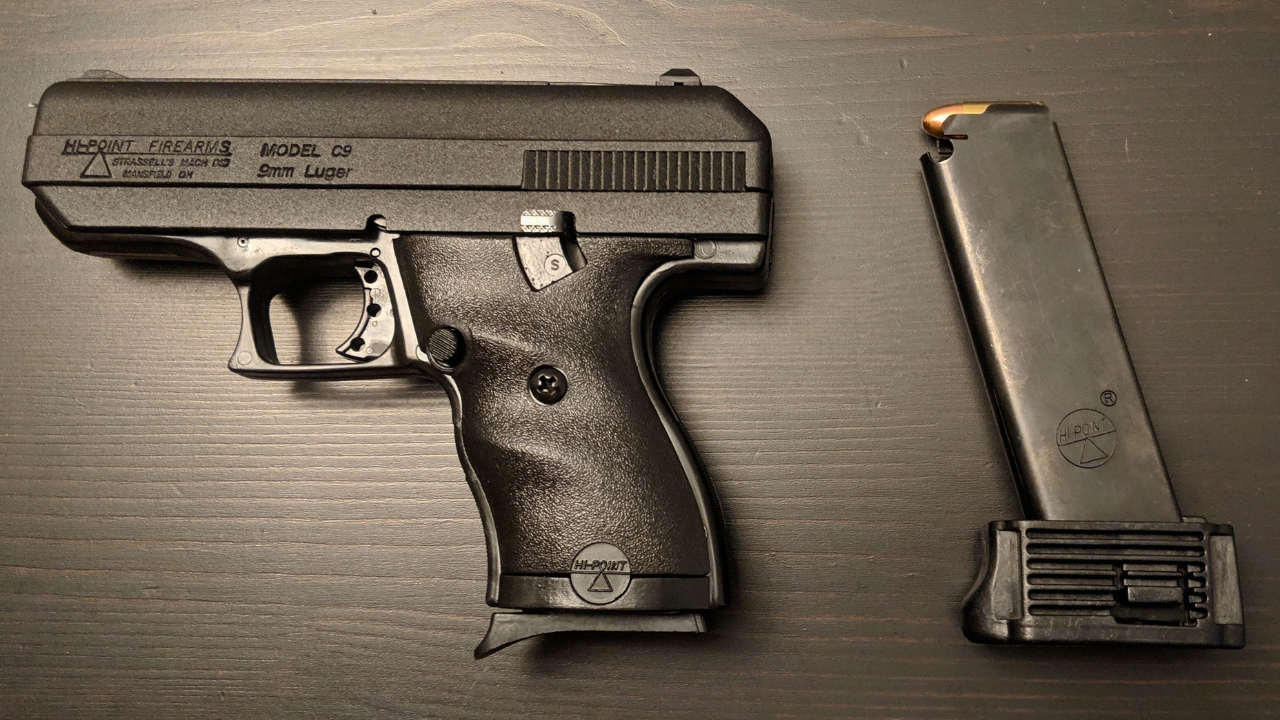
The C9 gets bought because it’s cheap and it goes bang, and for some people that’s the whole decision. The regret shows up in day-to-day handling. It’s bulky, heavy in awkward ways, and the ergonomics aren’t friendly for fast, consistent shooting. New owners often find it harder to manipulate and harder to shoot well than they expected.
It also tends to be the kind of gun people don’t practice with because it feels clunky and unpleasant. For home defense, you want a pistol you can run confidently, clear confidently, and shoot accurately without fighting the controls. Saving money up front can cost you confidence later. That’s why these often get traded for a more refined budget pistol after the honeymoon ends.
SCCY CPX-2

SCCY pistols sell on price and capacity, and a lot of new owners grab one because it looks like a practical deal. The regret usually comes from shootability. Many models have long, heavy triggers, and that can make accuracy harder to achieve when you’re still learning to press straight to the rear.
When you add stress, a heavy trigger often makes people snatch at the shot and pull rounds off target. You can learn to run it, but it’s a steeper hill than it needs to be. For a home-defense role, most new owners benefit from a pistol with a cleaner trigger and a more forgiving grip. That’s why these often get replaced once the owner gains experience.
Bond Arms Roughneck (.357 / .38 Special)

Derringers get bought because they look tough and feel like a “last-ditch” solution. For home defense, the regret comes fast. Two shots, slow reload, heavy trigger, and a grip that doesn’t give you much control add up to a handgun that’s hard to shoot well and hard to shoot quickly.
They also recoil more than most people expect because there’s not much gun there to soak it up. New owners often discover that the gun is painful to practice with, and the accuracy work is harder than it should be. You can keep one as a niche tool if you understand the limitations, but as a primary home-defense handgun it’s a common mistake. A compact revolver or a modest semi-auto is usually a far better path.
Like The Avid Outdoorsman’s content? Subscribe to our newsletter so you never miss an article.
Here’s more from us: