Photo credit: Adelbridge
A pistol can feel perfect the second you wrap your hand around it. The grip angle lines up with your eyes, the controls land where they should, and your first few draws feel like you’ve owned it for years. That “fits me” feeling is real—and it’s why some handguns sell themselves in the gun shop.
The problem is that comfort can hide a lot. Little things start adding up once you actually run the gun: fragile small parts, finish that wears weird, sights that loosen, magazines that act finicky, or tolerances that feel like they were set on a Friday afternoon. None of this means every example is a lemon. It means some models have a reputation for feeling great up front but asking you to deal with details you shouldn’t have to babysit.
Kimber Micro 9

The Micro 9 feels like it was made for your hand—especially if you like a slim, 1911-ish vibe in a small package. The controls are familiar, the profile carries easy, and it points naturally. On paper, it checks all the boxes for a classy little 9mm.
Then you start living with it. Many owners end up chasing picky behavior: sensitivity to ammo, occasional stoppages, or a gun that runs best only when it’s kept clean and well-lubed. The tiny 1911 format also means less margin for error in springs and magazines. Add in finish wear and sharp edges that show up after carry time, and the “nice little shooter” can turn into a project. When it’s right, it’s fun. When it isn’t, it’s frustrating for the price.
SIG Sauer P938

The P938 sits in the hand like a shrunken service pistol. It’s easy to point, easy to conceal, and it has that solid, confident feel when you rack it and press-check it. For people who want a micro 9mm with real sights and a familiar manual safety, it’s an easy sell.
The details are where some owners get tired. Small guns run at higher stress levels, and the P938 can be sensitive to spring life, magazine condition, and grip technique. If you don’t stay on top of maintenance, you may see random hiccups that don’t show up in bigger pistols. The trigger can also vary from one example to the next, which is a rough surprise when you’re paying SIG money. It’s a great-handling little pistol, but you want one that’s proven, not a mystery.
Remington R51

The R51 feels slick in the hand and carries flatter than you’d expect. The grip shape and bore line make it feel controllable, and the concept behind the action has real appeal if you like mechanical oddballs. It’s the kind of pistol that makes you want to root for it.
The problem is the track record. The R51’s reputation got hammered by early production issues, and even later guns never fully escaped the shadow of that launch. Fit and finish can look fine at a glance, but reliability confidence is the detail that matters most in a carry-sized pistol. Add in a design that isn’t supported like a mainstream platform—holsters, spare mags, long-term parts availability—and you’re left with a gun that feels better than it performs for many owners. It’s a classic example of “great idea, messy execution.”
Walther CCP

The CCP fits a lot of hands extremely well. The grip is comfortable, the gun points naturally, and the recoil impulse can feel softer than you’d expect for its size. For shooters who want an easy-to-hold 9mm, it can feel like the answer right away.
Then you learn the details aren’t always friendly. Disassembly has a reputation for being more annoying than it should be, and anything that makes basic maintenance a hassle tends to get skipped—especially by newer owners. Some shooters also report finicky behavior with certain ammo or inconsistent performance if the gun is run dry. It’s not that the CCP can’t work. It’s that it asks you to put up with quirks that competing pistols don’t. When you buy a “comfortable shooter,” you don’t expect the comfort to come with homework.
Springfield Armory XD-S (Early Generations)

The XD-S feels great in the hand for a slim single-stack. It carries easily, points well, and the grip texture and angle make it easy to control for how small it is. For a lot of people, it’s a “first pick up” pistol—comfortable immediately.
The details are where the shine can dull. Some owners don’t love the trigger feel, and the grip safety can be one more variable in a gun that’s already compact. Depending on the generation and production run, you’ll also see mixed experiences with long-term wear and small parts. The platform isn’t as universally supported as the big mainstream micro-9 crowd either, so magazines and accessory availability can feel like an afterthought. The XD-S can serve you well, but it’s one of those pistols where the hand feel sells it and the day-to-day ownership decides whether you keep it.
Beretta Nano

The Nano is one of those pistols that feels smooth and tidy in your hand. It’s rounded, snag-free, and it carries like it was designed by someone who actually pockets and draws guns. The grip shape is comfortable, and it feels like a serious little tool.
Then you get into the details that matter on the range. The trigger feel and reset aren’t everyone’s favorite, and the sights and sight picture can feel underwhelming compared to newer carry guns. The gun’s size and slick exterior also mean you need strong, consistent grip to run it fast—especially if you’re shooting hotter ammo. Some owners also end up frustrated with the “dead end” vibe of the platform compared to more common micro-9 options. The Nano isn’t automatically bad, but it’s a good example of a pistol that feels right and then asks you to accept compromises you didn’t expect.
Ruger LC9 (Original Hammer-Fired)

The original LC9 carries easy and feels surprisingly natural for such a slim pistol. It’s light, it points well, and the grip shape works for a lot of hands. If you’re shopping for a basic 9mm that disappears, it’s easy to understand why people grabbed these.
The details are what made many owners move on. The trigger is the big one—long, heavy, and not exactly confidence-inspiring for learning good pistol work. Add the loaded chamber indicator and other “feature” clutter that some people find annoying, and the gun starts feeling less refined than it looks. When you’re trying to shoot tight groups or run faster drills, it can feel like the pistol is fighting you. The LC9 did its job in its era, but it’s a perfect example of a gun that feels good in the hand and then disappoints you when you start caring about performance.
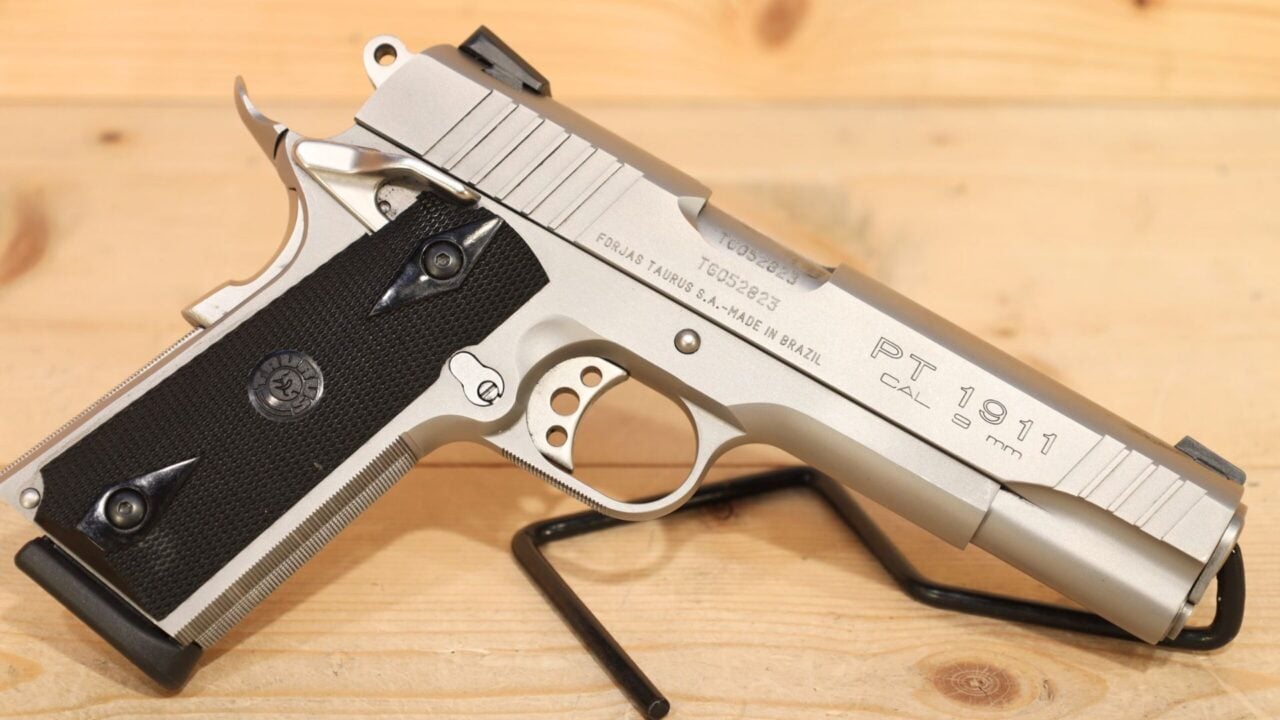
Taurus PT1911

A PT1911 can feel surprisingly good at the counter. The grip and controls are classic, the weight soaks recoil, and the gun often feels tighter and more substantial than people expect for the price. For someone who wants the 1911 feel without premium cost, it’s tempting.
The details can be the gamble. Taurus 1911s have a mixed reputation for fit, extractor tension, and small part quality from gun to gun. You might get a solid one. You might get one that needs tuning to run like a 1911 should. That’s not what most buyers expect when they’re buying a handgun to enjoy, carry, or trust. The finish and sharp edges can also show up after some use, and magazines can be a variable. When a 1911 is right, it’s great. When the details are off, you spend more time diagnosing than shooting.
Kimber Custom II

A Kimber Custom II often feels like it was built to be handled. The grip and balance are classic, the slide feels smooth, and the gun has that “serious 1911” presence that makes people want to own one. It’s easy to see why they sell—many of them feel fantastic right out of the box.
The trouble is that Kimbers can be inconsistent from one example to the next, and a 1911 doesn’t forgive inconsistency. Some owners report break-in drama, finicky behavior with certain magazines or ammo, or small part issues that shouldn’t be happening at that price point. External details like finish wear or sharp edges can also show up quicker than you’d like. A good Kimber can be a pleasure. A bad one makes you feel like you paid premium money for a gun that needs excuses. If you buy one, you want it vetted, not a leap of faith.
Rock Island Armory 1911 (GI-Style Models)

These pistols feel good because the 1911 format is good. Even budget GI-style Rock Islands sit well in the hand, point naturally, and have a balance that makes new shooters feel like better shots than they are. There’s nothing wrong with liking how they handle.
The details show the price tag. Sights are often basic, triggers can be gritty or inconsistent, and small parts may not feel as durable as higher-end guns once you start running rounds and doing maintenance. Tolerances can also vary, which can mean a pistol that’s fine for casual shooting but frustrating if you’re chasing reliability or accuracy consistency. The upside is that they’re usually serviceable and supported. The downside is that many owners end up “upgrading” the gun until it isn’t a budget gun anymore. It feels right immediately, then ownership turns into a parts list.
Heckler & Koch VP9 (Early “Paddle/Control” Complaints Vary by Shooter)

The VP9 feels like it was designed around human hands. The grip geometry and interchangeable panels make it easy to set up, the gun points naturally, and recoil control feels intuitive. It’s one of those pistols that can make you say, “Yep, this is my size,” immediately.
The details that annoy people tend to be practical, not comfort-related. Some shooters dislike the factory sights or end up swapping them right away. Others get tired of the magazine release style depending on variant and personal preference, and the paddle system can be divisive if you didn’t grow up on it. Parts and magazines aren’t always cheap, and that matters if you actually train. None of that means the VP9 is unreliable—it’s generally a solid pistol. It means the “perfect in the hand” moment doesn’t always match the cost and setup you’re committing to after the first range trip.
CZ P-10 C

The P-10 C is a great example of a pistol that feels dialed in when you pick it up. The grip shape, texture, and bore line give you that locked-in, controllable feel. It points naturally, and it tends to sit flat in recoil for a compact gun.
The details that turn some owners off are mostly around refinement and consistency. Depending on production era, people have reported varying trigger feel, stiff magazine release behavior, and small quirks that don’t always show up on day one. Support is better now than it was early on, but it still isn’t as plug-and-play as the biggest striker platforms when you start changing sights, holsters, and small parts. The P-10 C can be a strong shooter, but it’s one of those pistols where the grip sells you and the little ownership annoyances decide whether it stays in the rotation.
Smith & Wesson M&P Shield .40

The Shield frame fits a lot of hands extremely well, and it carries like it was built for real people who actually conceal every day. In .40, the gun still feels great in your grip, and the size is right for a lot of body types and carry positions.
Then the details hit you at speed. A small, light .40 can feel sharp, and that recoil impulse can expose every weak spot in your technique—especially over longer practice sessions. Some shooters end up changing springs more often than they expected, and others learn quickly that not every load feels the same in a platform this small. It’s not that the Shield is fragile. It’s that .40 in a slim carry gun can make the whole experience feel harsher than the ergonomics suggest. It feels perfect in the hand, then it punishes you in the details of training volume.
Springfield Armory Hellcat (High-Volume Wear Complaints Vary by Owner)

The Hellcat feels like a modern carry pistol should. The grip texture and shape give you control without feeling bulky, and it carries easily while still offering capacity that used to require a bigger gun. It points well, and the ergonomics are a big reason it caught on fast.
The details that irritate some owners usually come down to “little stuff” that adds up: trigger feel that not everyone loves, snappy recoil that makes long sessions less fun, and occasional quirks that show up with certain magazines or loads depending on the gun. The platform is capable, but the small size means you don’t have much forgiveness if you run a weak grip or let the gun get dry. People buy it because it feels right. Some keep it forever. Others realize the details of a tiny, high-capacity pistol require more attention than they wanted.
Canik TP9 Series (Early Import Variability and Support Differences)

A Canik TP9 often feels like you’re getting more gun than you paid for. The grip shape works for a lot of hands, the balance feels right, and many of them have a trigger that impresses people immediately. That first impression is strong, and it’s why they keep selling.
The details are where reality can vary depending on the exact model and production run. Holster fit, long-term parts availability, and consistency across different variants aren’t always as painless as the more established duty-pistol families. Some owners also report small durability or finish complaints over time, especially if the gun is trained with hard instead of living as a range toy. None of this means a Canik can’t be dependable. It means the hand feel and trigger are the hook, and the longer ownership questions—support, parts, and refinement—are what decide if it stays your “main” pistol or becomes a safe queen.
Like The Avid Outdoorsman’s content? Be sure to follow us.
Here’s more from us: