Photo credit: The Outdoor Generalist/YouTube
Some brands earn your trust the slow way. They put out guns that run, they stand behind them, and they don’t treat the customer like a beta tester. After enough seasons, enough range days, and enough hard use, you start buying the name as much as the model.
Then a brand drifts. Maybe the ownership changes. Maybe they chase trends instead of tightening quality. Maybe they cut corners, move production, or stretch a design past what it was meant to be. Most of the time it doesn’t happen with one big collapse. It happens quietly, over a few product cycles, until you notice you’re checking serial ranges, reading forums, and handling three examples at the counter because you don’t trust the first one. These are the brands a lot of experienced shooters feel took that turn.
Remington
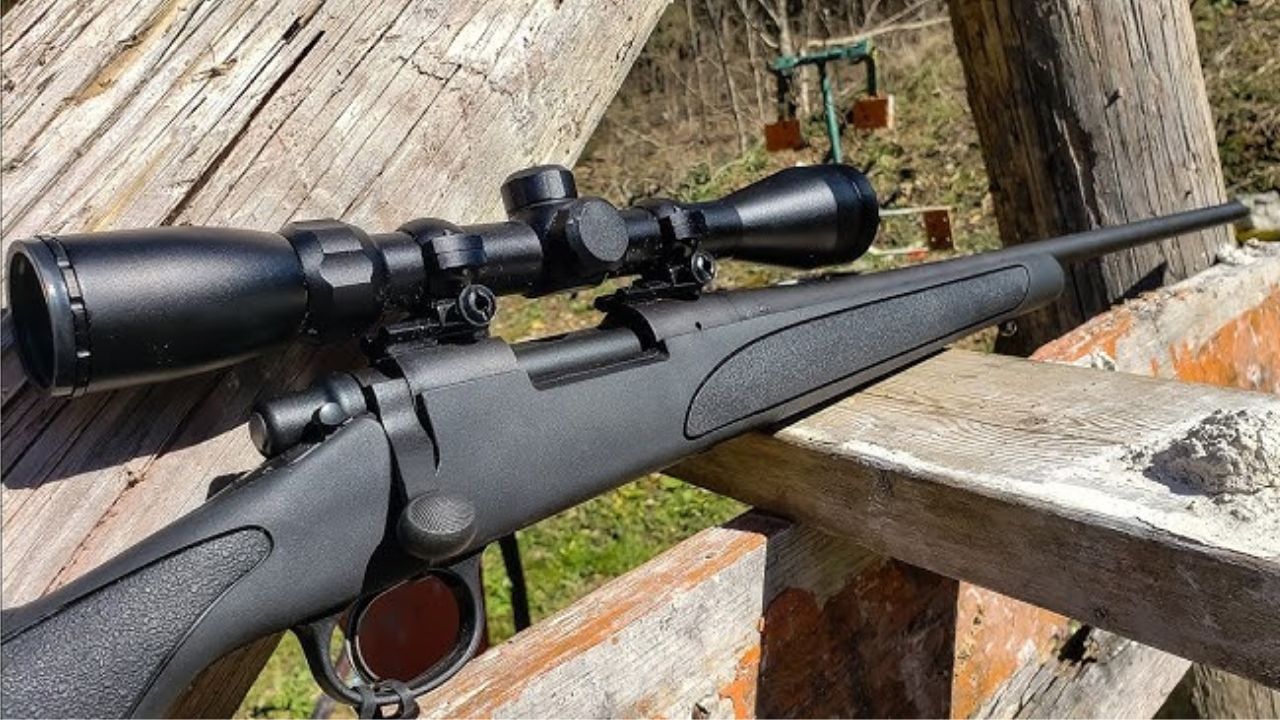
You don’t have to be a historian to understand why Remington stirs up strong opinions. For decades, the name meant working-class rifles and shotguns that showed up everywhere. The 700, the 870, and the 1100 built a reputation on being dependable and familiar in the field.
Then the brand hit a long stretch where consistency became the problem. You saw more talk about rough finishes, spotty fit, and guns that felt like they left the factory in a hurry. When a brand makes you ask what year it was built before you decide whether you want it, that’s the definition of losing your way. You can still find excellent Remingtons, but you’ve learned to shop the details, not the rollmark.
Marlin

Old Marlins have a loyal following for a reason. They’re handy, they balance well, and the classic lever guns have a feel that makes you want to carry them. When people talk about “the good ones,” they’re usually talking about smooth actions, clean wood-to-metal fit, and rifles that just feel right.
The frustration came when production shifted and the consistency wasn’t there. Some rifles still shot well, but you’d run into rough actions, uneven fit, and little issues that shouldn’t exist on a gun with that heritage. A lever gun is a feel gun, and when it feels off, you notice it immediately. The recent turnaround has helped restore confidence, but the brand’s detour taught you to pay attention to era and execution, not nostalgia.
Colt

Colt has a name that still carries weight, especially with 1911s and AR-pattern rifles. When Colt is good, it feels like you’re holding a piece of American gun culture that was built with pride. A well-made Colt has a certain correctness to it, like it’s exactly what it claims to be.
Where shooters get sour is the long stretch of inconsistency in availability, pricing, and focus. You’ve watched the brand drift between duty-grade seriousness and collector-driven scarcity. That can make you feel like Colt is selling the idea of Colt more than the gun in your hands. You can still buy excellent Colts, but the brand’s identity has felt scattered at times, and you end up wondering if you’re paying for performance or for the pony on the slide.
Kimber

Kimber built a modern reputation fast by offering tight 1911s with good triggers and attractive finishes right out of the box. For a lot of shooters, that first Kimber experience was a shock in the best way. The guns looked sharp, felt precise, and shot like they wanted to compete.
Then the “Kimber lottery” talk started to stick. Some owners swear theirs has been flawless for years. Others ran into picky feeding, extractor tuning, and break-in drama that felt out of place at the price point. Small 1911s can be finicky by nature, and Kimber leaned hard into compact models that demand good magazines, good springs, and good timing. When you’re buying a defensive pistol, you don’t want to wonder which version of the brand you’re getting.
SIG Sauer

SIG’s classic pistols earned respect because they ran and they felt like serious tools. The P-series guns built trust with police, military, and regular shooters who wanted a sidearm that didn’t feel fragile. Even people who didn’t love the ergonomics respected the track record.
The brand’s drift shows up in how wide the product spread has become, and how often new releases feel like “version 1.0.” When you’re constantly rolling out variants, optics cuts, and new platforms, the risk is letting early adopters sort out problems that should’ve been caught earlier. SIG still makes excellent firearms, but you’ve learned to pay attention to generation changes, recall chatter, and real-world round counts. A brand can stay strong and still lose some trust by moving too fast.
Springfield Armory

Springfield has done a lot right in the last couple decades, especially with popular, easy-to-shoot pistols and practical rifles. For many shooters, the brand became a safe default: good features, decent pricing, and guns that usually ran well without a bunch of fuss.
The grumbling starts when the catalog feels more like trend-chasing than refinement. When every year brings a fresh batch of names, cuts, ports, and “tactical” trims, you start to wonder what’s actually being improved versus what’s being marketed. Some shooters also don’t love how certain product lines have been positioned and priced compared to what you get. You can still find Springfield models that deliver, but the brand’s direction has felt less steady to people who value long-term consistency over constant novelty.
Smith & Wesson

Smith & Wesson is a brand you expect to get right, especially with revolvers and mainstream duty pistols. When you pick up a good S&W, it feels like the company understands what a working gun is supposed to be. The best examples still carry that reputation without trying.
The frustration comes from design choices and era-specific decisions that split the fanbase. Revolver buyers still argue about changes like internal locks and variations in fit and finish over time. Semi-auto fans remember early growing pains in some lines and the way models get revised quietly. None of that means the brand can’t produce excellent guns—it can. It means you’ve learned that “S&W” isn’t a single standard across every year and every model, and that realization takes some shine off the name.
Winchester

Winchester is a legendary name, and that’s both the strength and the problem. People expect a Winchester to feel like a Winchester—solid, classic, and built with a certain pride. The Model 70 and the lever-gun legacy still pull buyers in because the history is real.
The brand’s identity has felt diluted because “Winchester” means different things depending on what you’re looking at. Some firearms wearing the name are great, and some feel like they’re leaning on branding more than workmanship. When a brand becomes more of a label across different product lines and business arrangements, your trust gets complicated. You start asking where it’s made, who made it, and what version you’re actually buying. That’s not how iconic brands are supposed to feel.
Rossi

Rossi has always lived in that budget lane where the value can be real. A good Rossi lever gun can shoot well, carry well, and put meat in the freezer without draining your wallet. That’s why people keep taking a chance on them, especially when the alternatives cost a lot more.
The issue is consistency. Budget guns can be great, but they can also arrive with rough actions, sharp edges, uneven sights, or small timing quirks that shouldn’t leave the factory. Lever guns are mechanical, and small problems feel big when the action isn’t smooth. You can often fix or polish your way into a solid rifle, but you shouldn’t have to. Over time, that turns “great deal” into “project,” and experienced shooters get tired of paying in time what they saved in cash.
Taurus

Taurus is a brand that’s easy to argue about because people’s experiences vary wildly. Some shooters have run Taurus revolvers and pistols hard with no issues and genuinely like what they got for the money. The feature set can be appealing, especially when you compare it to more expensive options.
The reputation damage came from long stretches where quality control felt uneven, and customer service stories made people nervous. Even if the brand improves, trust doesn’t bounce back overnight. When you’ve watched friends deal with timing issues, rough triggers, or inconsistent fit, you start treating the counter like a sorting table. You check cylinder lockup, you dry fire carefully, and you inspect everything twice. Taurus can put out good guns, but the brand spent years teaching shooters to be cautious.
Century Arms

Century has a place in the market because it brings in interesting guns and makes niche stuff accessible. For many shooters, a Century purchase is how you get into surplus rifles or budget imports without spending collector money. When it works out, it feels like you found a backdoor into a cool part of the gun world.
When it doesn’t, you learn why the warnings exist. Build quality can swing from surprisingly solid to head-scratching, especially with certain assembled or converted models. That inconsistency is what makes experienced shooters hesitate. You end up researching specific runs, specific factories, and specific markings. You can still buy something from Century and be happy, but the brand’s track record teaches you not to assume. With some companies, the model matters. With Century, the exact example can matter even more.
Bushmaster

Bushmaster was once a common “first AR” brand for people who wanted something mainstream and usable without boutique pricing. Plenty of shooters built their early AR confidence on rifles that ran fine and shot well enough to learn the platform properly.
Over time, the brand’s identity got tangled in ownership shifts and changing production realities. The AR market also got brutally competitive, and being “good enough” stopped being enough when better rifles showed up at similar prices. When a brand loses that clear value proposition, it fades quietly. You still see older rifles running fine, but you don’t hear experienced shooters recommending the name with the same confidence they used to. It’s less about one fatal flaw and more about the brand no longer standing out for the right reasons.
DPMS

DPMS filled a big role during the growth years of the modern sporting rifle boom. A lot of people bought DPMS because it was available, affordable, and usually functional. For range use and general ownership, plenty of those rifles did exactly what they were supposed to do.
The problem is that “usually” isn’t a standard you want to lean on once you’ve seen enough variance. Shooters have long talked about uneven fit, inconsistent small parts, and rifles that needed a little sorting before they felt truly dependable. In a market where reliability and parts quality are easy to compare, that kind of reputation sticks. You can still find DPMS rifles that run great, but the brand taught experienced owners not to assume. Once you lose that default trust, you rarely get it back without years of steady performance.
Para-Ordnance

Para-Ordnance had a moment when high-capacity 1911-style pistols felt like the future. For shooters who loved the 1911 trigger and ergonomics but wanted more rounds, Para offered something that looked like a smart evolution. Some of those guns shot very well, and the concept made sense.
The frustration came from complexity and inconsistency. Double-stack 1911s bring their own challenges, and Para’s execution sometimes left owners dealing with finicky feeding, magazine issues, and parts that weren’t as straightforward to source or fit. When a gun is accurate but temperamental, you end up spending time tuning instead of training. Over time, the brand’s identity faded, and the market moved on to more modern platforms that offered capacity without the same maintenance burden. Para didn’t fail loudly. It simply stopped being the obvious answer.
H&R

Harrington & Richardson used to be the definition of practical. Single shots, handy rifles, basic guns that did honest work. You didn’t buy H&R to impress anyone. You bought it because it was there, it was affordable, and it usually did what you needed without drama.
The brand’s “lost its way” story is really a disappearance story. Ownership changes and shifting priorities took a workingman’s name and made it feel like a ghost of what it was. When a brand’s strength is straightforward utility, it can’t survive long as a nostalgia reference. Shooters still hunt with old H&Rs, still hand them down, still appreciate what they were. That’s the point. The loyalty remains, but the brand presence doesn’t, and that’s a quiet kind of loss that longtime gun owners notice immediately.
Like The Avid Outdoorsman’s content? Subscribe to our newsletter so you never miss an article.
Here’s more from us: